Raphael Raffel Croissant Sofa - Maison Honoré, Paris, 1970s
By Raphael Raffel
Located in Los Angeles, CA
Raphael Raffel Sofa, 1970s Newly reupholstered in an ivory wool bouclé by Pierre Frey.
Category
Mid-20th Century Sofas
Materials
Foam
A scholar and architect with the heart of an artist, Ole Wanscher helped define the functional, clean-cut style that formed the core of modern Danish furniture design. Influenced heavily by his world travels, Wanscher gained inspiration from English, Asian, Egyptian and traditional Shaker furniture, and he incorporated elements from these styles into his revered mid-century designs.
Wanscher’s deep respect for the use of traditional materials such as quality wood is reflected in his work, which is valued for being both beautiful and built to last. He was also a leader in the postwar “design for everyone” movement, creating many pieces intended for everyday life within the small confines of the average Danish household. Later, Wanscher became a prolific writer on the subject of furniture design. He is considered one of the most significant influences on the world of Scandinavian modernism.
The son of an art historian and a painter, Wanscher studied at the Royal Danish Academy of Fine Arts. From 1925 to 1927, Wanscher worked under the great Danish designer and professor Kaare Klint, who became one of the greatest stylistic influences on his output. Wanscher would go on to work as a professor at the academy from 1955 to 1973.
Wanscher founded his own furniture manufacturing company in 1929. Here he employed the top cabinetmakers of the day, most notably A.J. Iversen, with whom Wanscher collaborated for many years. While the workshop produced seductive handmade furniture with organic materials such as teak and mahogany, Wanscher intended to design durable seating, tables and more for the mass market — he was committed to making quality furniture available to a wider audience.
Of all of Wanscher’s designs, he is perhaps best known for his Colonial chair. This piece — which is part of a collection for Danish manufacturer P. Jeppesens that includes a sofa and a coffee table — exemplifies his penchant for combining minimalist design with traditional craftsmanship. Wanscher’s dining room tables, such as the Rungstedlund table, also epitomize the elegance of his work’s simple silhouettes and careful construction. These sleek tables serve as an ideal centerpiece for both modern and traditionally styled dining rooms, highlighting the versatility of Wanscher’s work.
Wanscher received a gold medal for his exemplary work at the 1960 Milan Triennale. He also received the Copenhagen Carpenters’ Guild Annual Award. Though Wanscher passed away in 1985, his iconic designs and scholarly writings remain relevant to this day.
Find vintage Ole Wanscher tables, seating and case pieces on 1stDibs.
Raphael Raffel Croissant Sofa - Maison Honoré, Paris, 1970s
By Raphael Raffel
Located in Los Angeles, CA
Raphael Raffel Sofa, 1970s Newly reupholstered in an ivory wool bouclé by Pierre Frey.
Foam
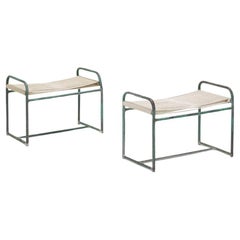
Walter Lamb Ottomans
By Walter Lamb
Located in Los Angeles, CA
Walter Lamb Ottomans model C-5706, pair Brown Jordan USA, c. 1952 bronze, cotton cord 17½ h × 23½ w × 15 d in (44 × 60 × 38 cm) Literature: Walter Lamb, manufacturer's catalog, 1954,...
Bronze
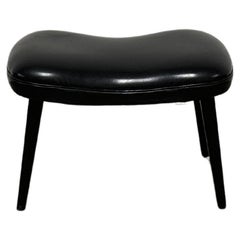
Leather Ottoman Ib Madsen & Acton Schubell
By Ib Madsen and Acton Schubell
Located in Los Angeles, CA
Leather Ottoman Ib Madsen & Acton Schubell Denmark, 1950’s H 14.5 x W 22.5 x D 14
Leather, Oak
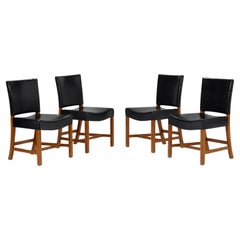
Kaare Klint, Barcelona chairs model 3758, set of four
By Kaare Klint
Located in Los Angeles, CA
Kaare Klint Barcelona chairs model 3758, set of four Rud. Rasmussens Snedkerier Denmark, 1937 vinyl, oak 35 h x 22.5 w x 18.5 d in (89 x 57 x 47 cm) Decal manufacturer's label to u...
Oak
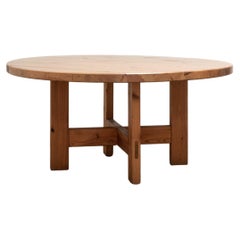
Roland Wilhelmsson Pine Table
By Roland Wilhelmsson
Located in Los Angeles, CA
Roland Wilhelmsson Pine Table
Pine
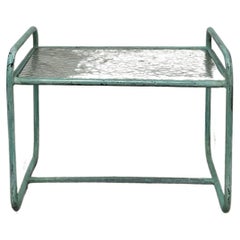
Walter Lamb Table
By Walter Lamb, Brown Jordan
Located in Los Angeles, CA
Patio side table designed by Walter Lamb and produced by Brown Jordan. Bronze table frame with inset hammered glass tabletop. Suitable for outdoor use. 1950s
Bronze
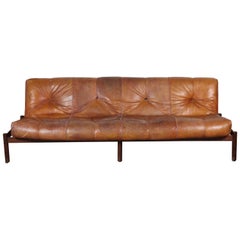
Danish Sofa
Located in Los Angeles, CA
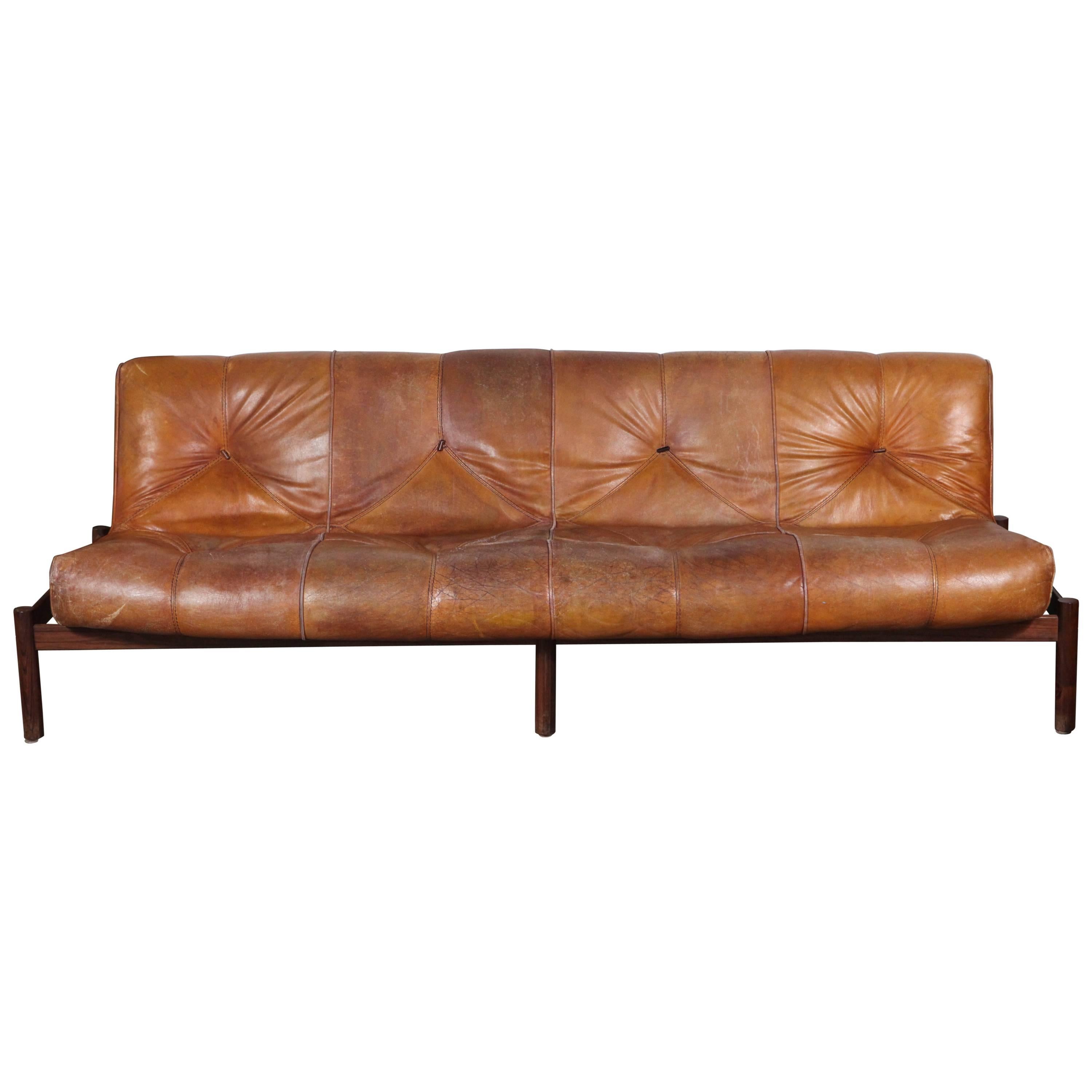
Brown leather single tufted Danish sofa on wood base.
Leather, Walnut
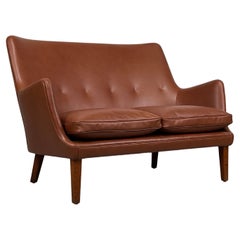
Arne Vodder Sofa for Ivan Schlechter
By Arne Vodder
Located in Dallas, TX
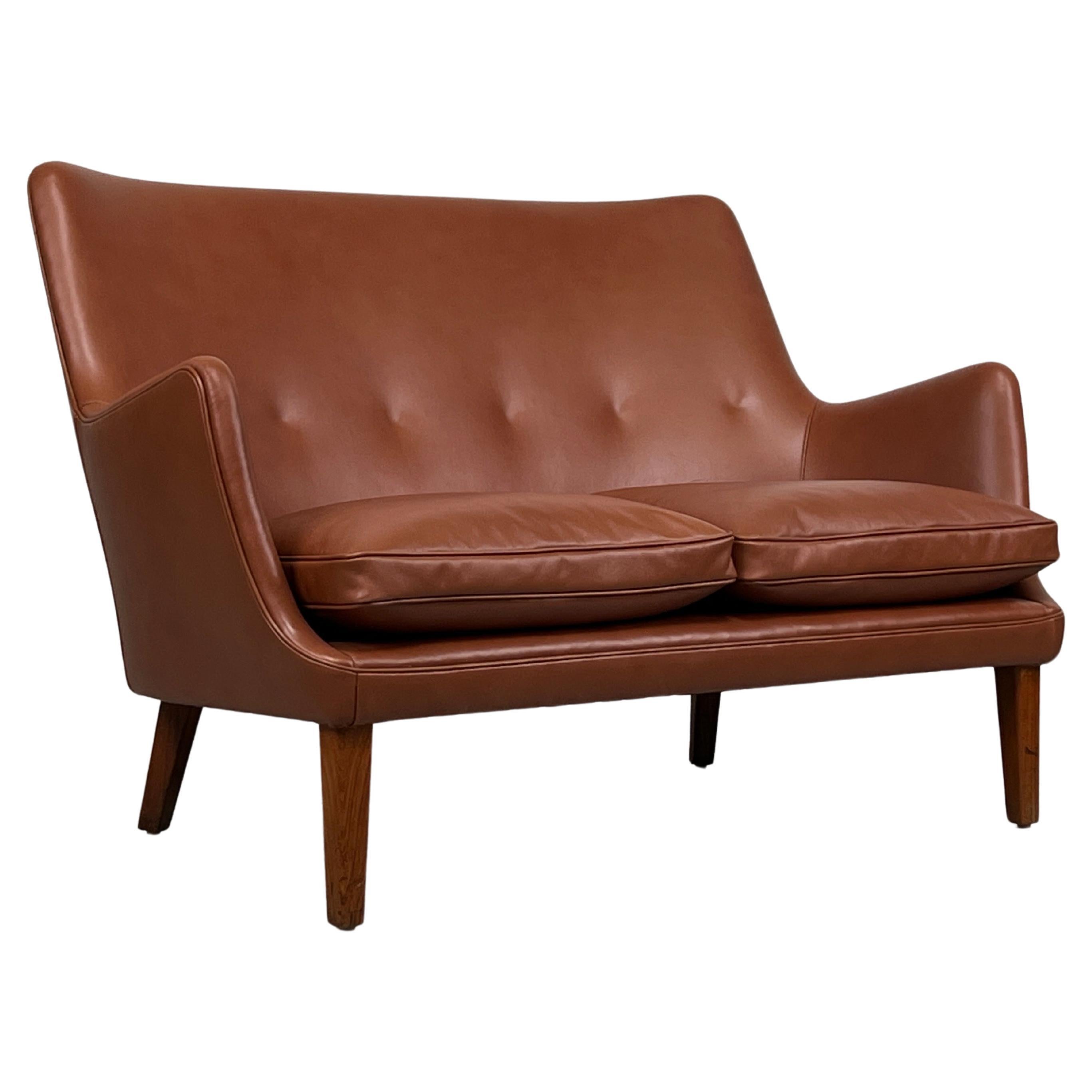
Arne Vodder two seater settee sofa for Ivan Schlechter. Perfectly restored in leather with down cushions.
Leather
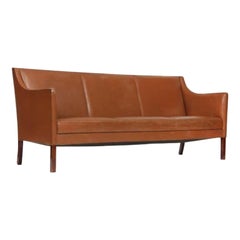
Leather Sofa by Ole Wanscher for A.J. Iversen
Located in Sagaponack, NY
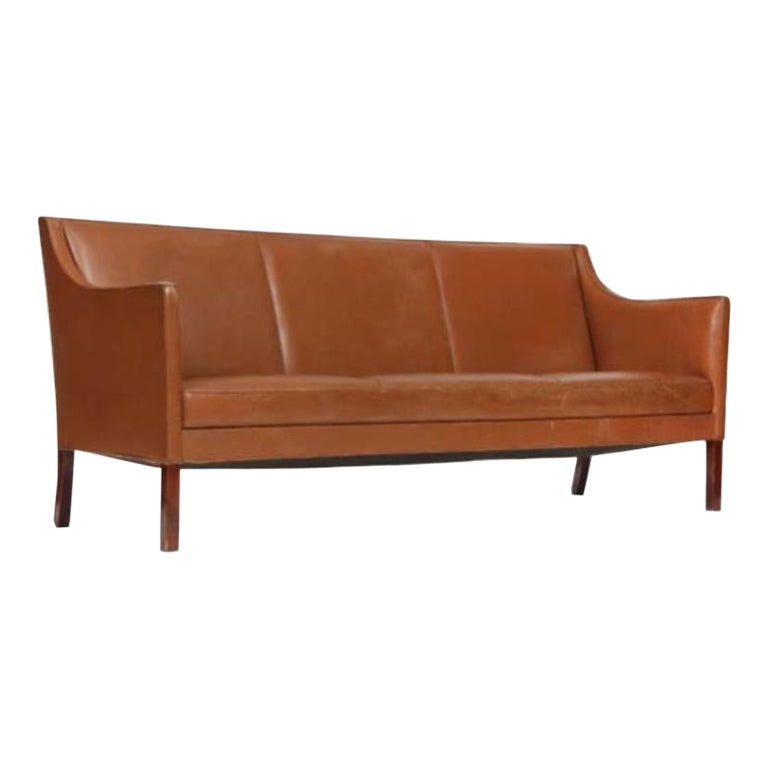
A sofa with a raised, tight back and sloping arms, retaining the original tan leather upholstery, on rosewood legs.
Leather
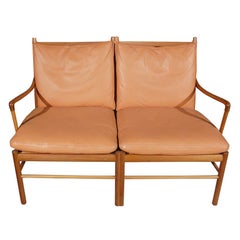
Ole Wanscher Two-Seat Settee
By Ole Wanscher
Located in Los Angeles, CA
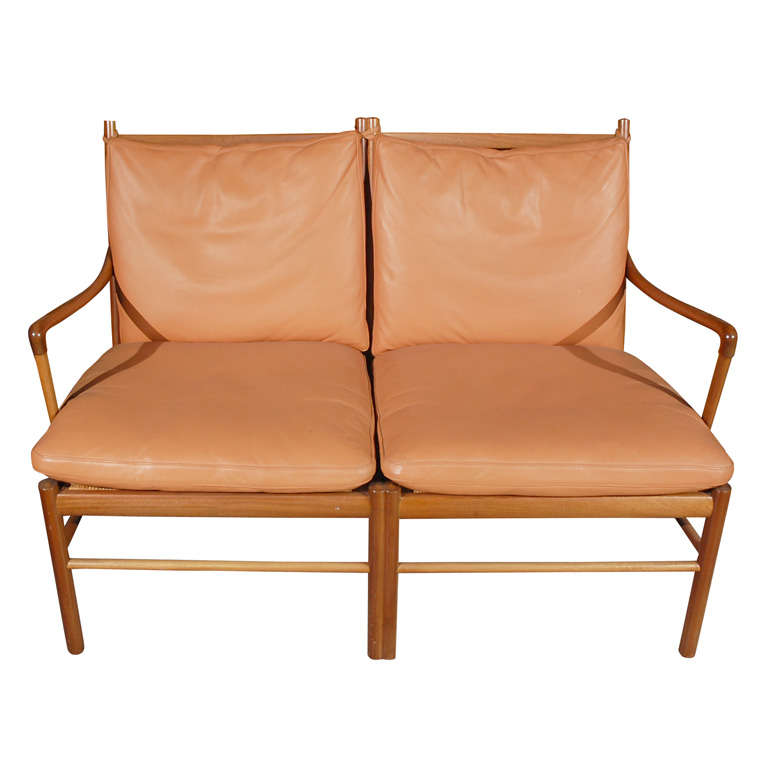
Ole Wanscher two-seat settee in mahogany with leather.
Leather, Mahogany
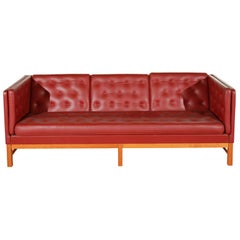
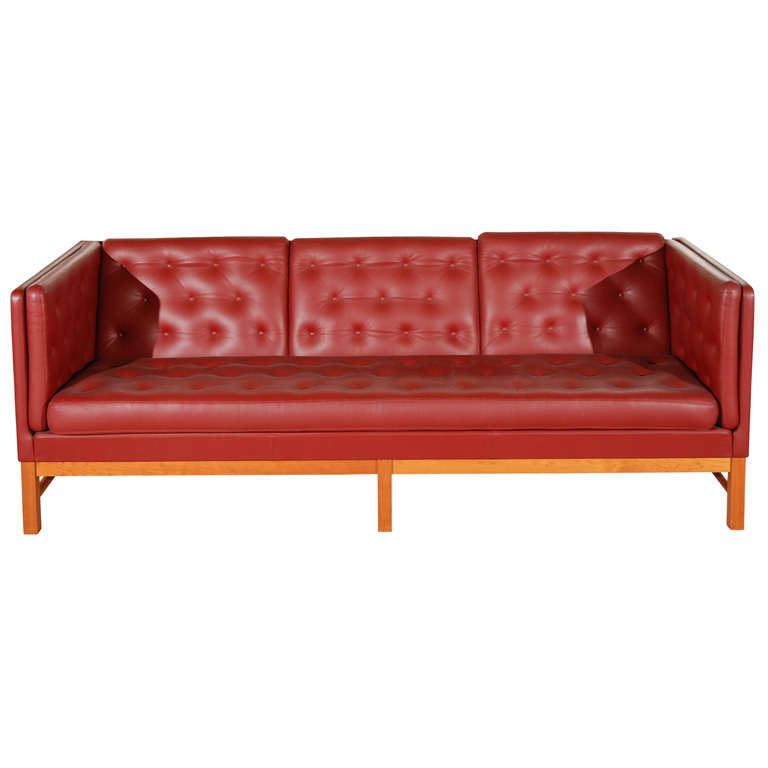
Sofa (EJ315) by Erik Ole Jorgensen (1925-2002)
By Erik Ole Jørgensen
Located in Los Angeles, CA
Red leather sofa with tufted seat and back, and a wood base.
Wood, Leather
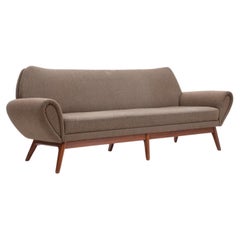
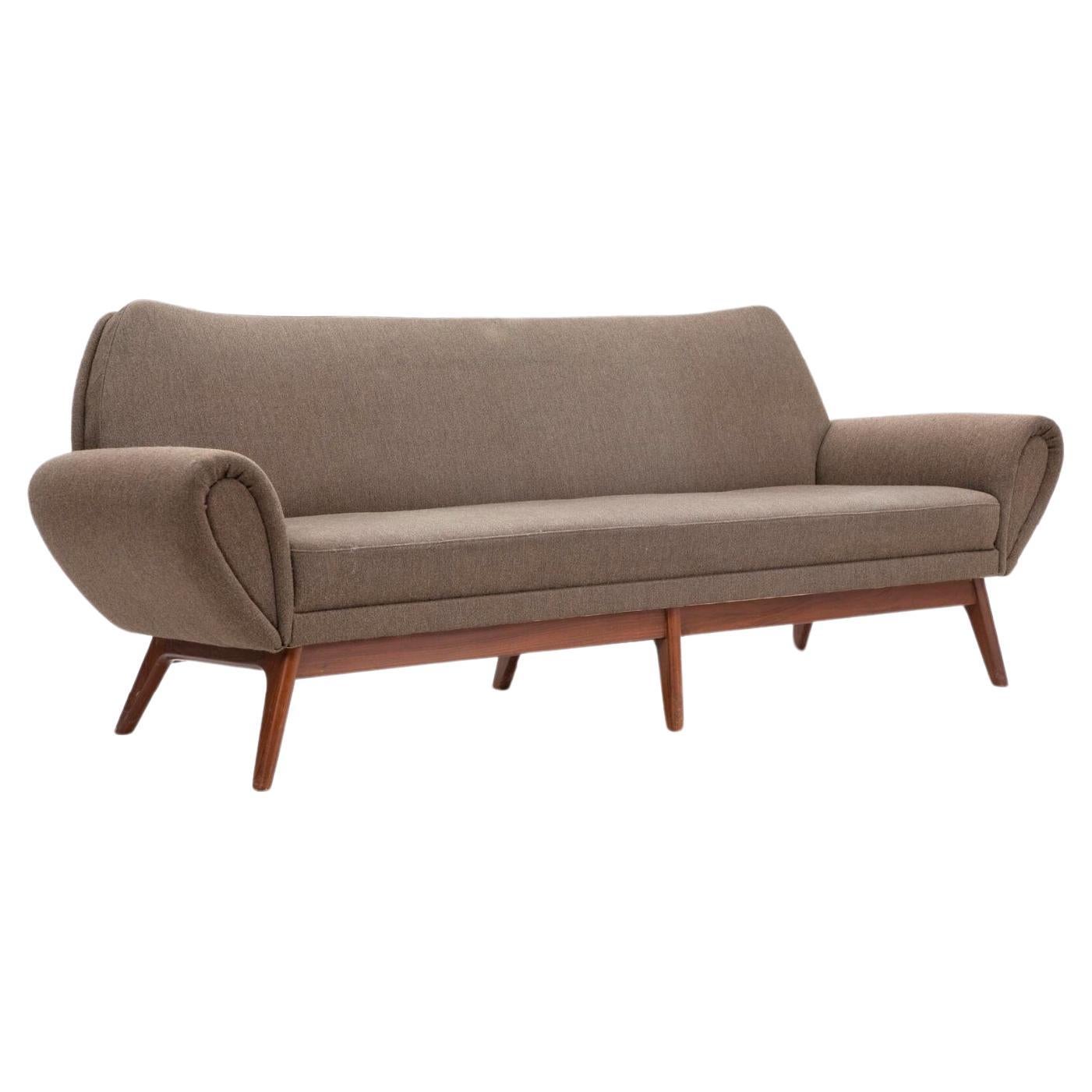
A Danish Midcentury Sofa by Johannes Andersen
Located in New York, NY
A free-standing three seater sofa mounted on a six-legged teak frame. Seat, sides and back upholstered with brown wool. Wood is in good condition, patina due to age and use, includin...
Wool, Wood, Teak