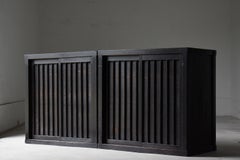
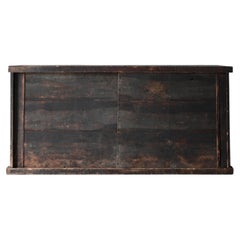
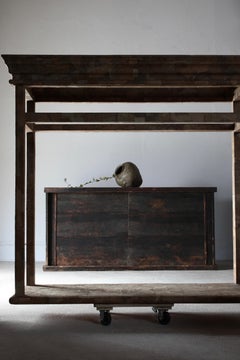
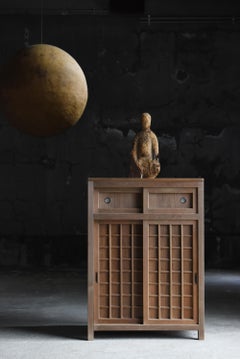
Edo Cabinets

EDO STYLE

Edo furniture was created during a flourishing time for the decorative arts owing to the stability of the Tokugawa shogunate rule in Japan. Spanning from 1603 to 1867, this era of peace and economic growth supported artistic advancements in lacquer, woodblock printing, porcelain and other artisanal trades. Because the country was largely isolated, there was little outside influence, leading to centuries of exceptional attention to the design of its furnishings and the quality of its traditional arts.
Unlike during the Meiji period that followed, with an increase in domestic and international markets, furniture during the Edo period was predominately commissioned by the ruling class, although people from across social groups benefited from the burgeoning metropolitan hubs for artisanal trades. For instance, Kyoto became a major center for lacquer art. Most furniture pieces were made from wood such as cedar or ash, including the era’s sashimono cabinets, which involved fine joinery and were rooted in the Heian period.

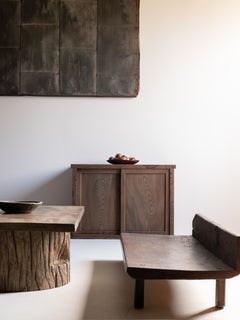
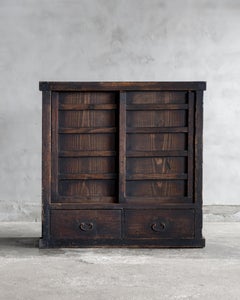
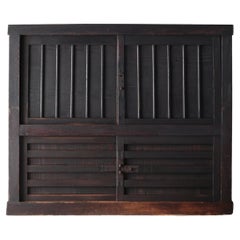
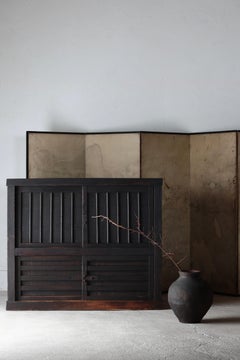
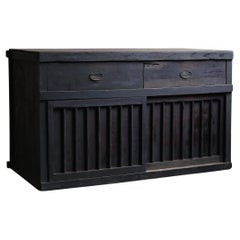
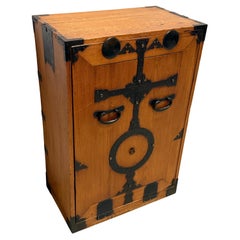
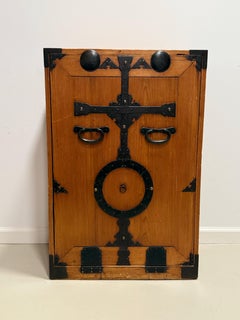
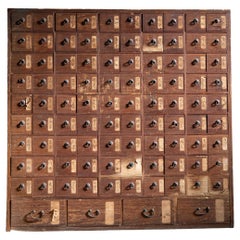
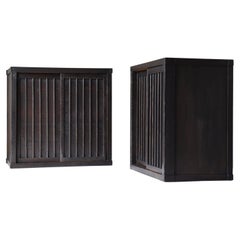
Sashimono cabinets, which were built by master craftsmen in a range of different wood types owing to the various trees that populate Japan, occasionally featured a stack of slender drawers as well as sliding doors. They were popular with everyone from samurai to kabuki actors. Tansu storage chests crafted from wood with metal fittings were also common in Edo-period homes. Some were designed to be easily portable while others were made to double as staircases.

Painted folding screens, called byōbu, were also fashionable, with Japanese artists inspired by nature, literature and scenes of history and daily life to create vivid works. In Buddhist temples and the palatial homes of the aristocratic class, fusuma, or large sliding panels, would sometimes be adorned with gold or silver leaf. These dividers allowed interiors to change throughout the day, closing in small spaces for personal use or reflecting candlelight to illuminate communal spaces after dark.

Find a collection of Edo tables, lighting, decorative objects, wall decorations and more furniture on 1stDibs.

to
2
Height
to
Width
to
Depth
to
4
2
12
1
1,884
1,600
615
491
284
245
233
231
189
166
160
157
139
102
90
87
63
60
3
8
1
1
1
11
4
4
3
2
13
13
13
13
12
13
1
Style: Edo
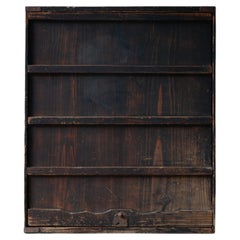
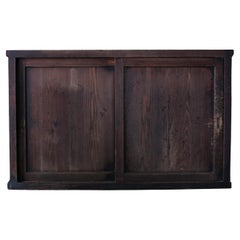
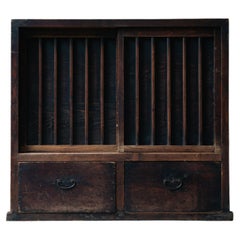
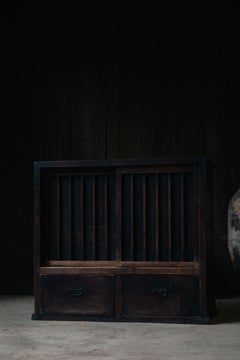
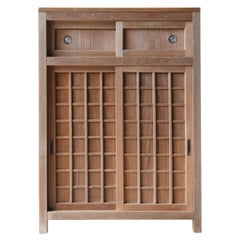
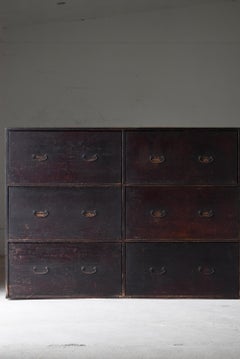
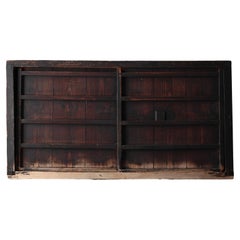
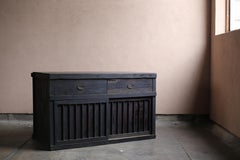
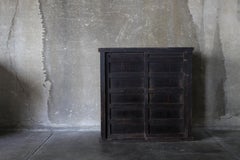
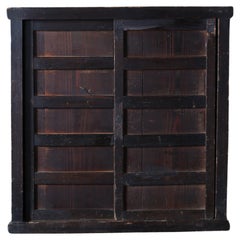
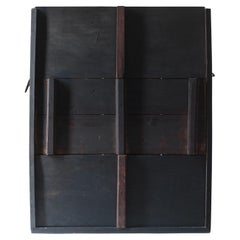
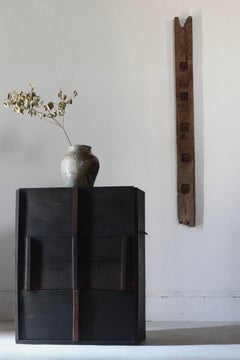
Mid 19th Edo Japanese Antique Wabi-Sabi Wooden Tansu Cabinet with Lattice Doors

Mid 19th Edo Japanese Antique Wabi-Sabi Wooden Tansu Cabinet with Lattice Doors

Located in 常陸大宮市, JP

This medium-sized mizura tansu (kitchen chest) dates to the mid-to-late Edo period (circa 1830s-1869), as determined by its style and condition. The original urushi lacquer has a ni...

Category

Mid-19th Century Japanese Antique Edo Cabinets

Materials

Wood, Cedar

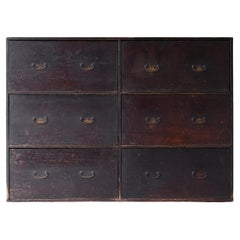
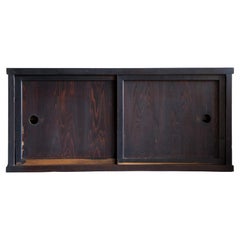
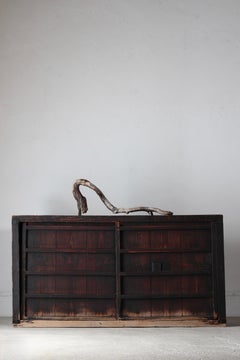
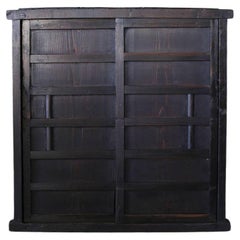
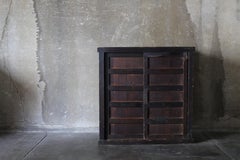
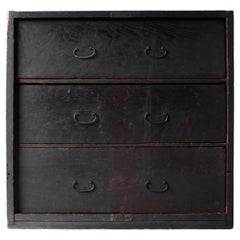
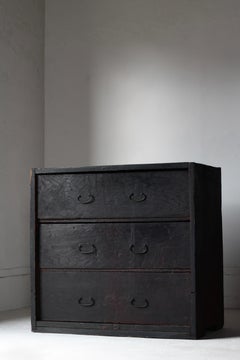
Japanese Antique Simple Large BK Tansu 1860s-1900s / Cabinet Sideboard

Japanese Antique Simple Large BK Tansu 1860s-1900s / Cabinet Sideboard

Located in Sammu-shi, Chiba

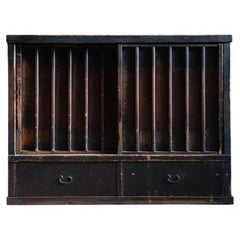
This is an antique Japanese chest of drawers. It features a simple design with only carved handles. It is a very old chest of drawers, and while it remains largely in its original c...

Category

Mid-19th Century Japanese Antique Edo Cabinets

Materials

Cedar

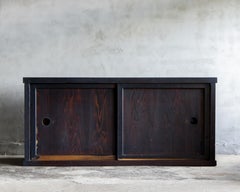
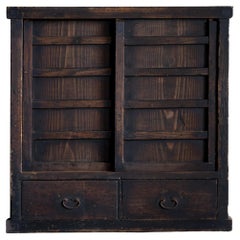
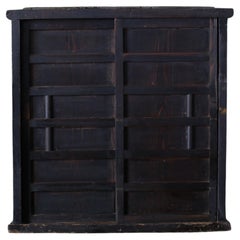
Japanese Antique Large BK Tansu 1860s-1900s / Cabinet Sideboard Wabi Sabi

Japanese Antique Large BK Tansu 1860s-1900s / Cabinet Sideboard Wabi Sabi

Located in Sammu-shi, Chiba

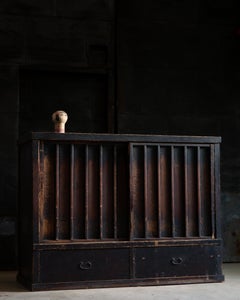
This is an antique Japanese Tansu. Judging by the condition of the metal parts, it appears to be quite old, likely dating to the Edo period. It has been carefully maintained to pres...

Category

Mid-19th Century Japanese Antique Edo Cabinets

Materials

Cedar

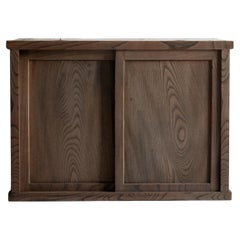
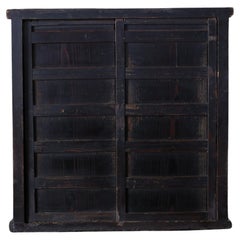
Antique Japanese Karuma Tansu

Antique Japanese Karuma Tansu

$7,800Sale Price|56% Off

Antique Japanese Karuma Tansu

Located in Los Angeles, CA

19th c. Kuruma tansu - cabinet on wheels. These were used to store belongings and the wheels made them easy to move outside during house fires, which were...

Category

18th Century Japanese Antique Edo Cabinets

Materials

Wood

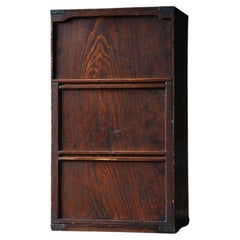
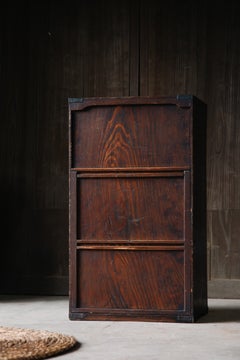
Japanese Edo Period Wabi-Sabi Kendon Cabinet, Primitive Sugi Cedar Storage Box

Japanese Edo Period Wabi-Sabi Kendon Cabinet, Primitive Sugi Cedar Storage Box

Located in 常陸大宮市, JP

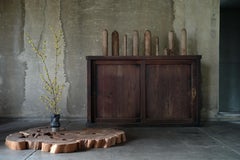
A Japanese antique small cabinet with a removable front panel, dating to the Edo period (late 18th–mid 19th century). Constructed from high-quality sugi (Japanese cedar), the surfac...

Category

Mid-19th Century Japanese Antique Edo Cabinets

Materials

Wood, Cypress

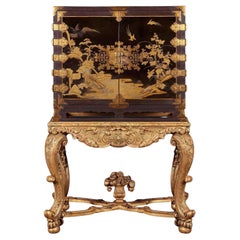
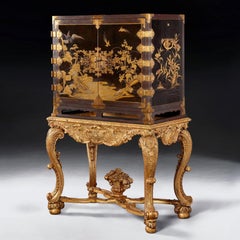
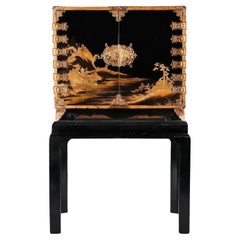
17th Century Japanese Lacquer Cabinet On French Giltwood Regence Stand

17th Century Japanese Lacquer Cabinet On French Giltwood Regence Stand

Located in Benington, Herts

An Extremely Fine and Very Important 17th Century Japanese Lacquer Cabinet on French Giltwood Stand of Regence Period circa 1680-1690 Provenance Likely acquired by Herman Willem ...

Category

17th Century Japanese Antique Edo Cabinets

Materials

Giltwood, Lacquer

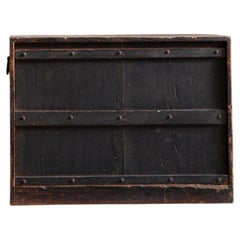
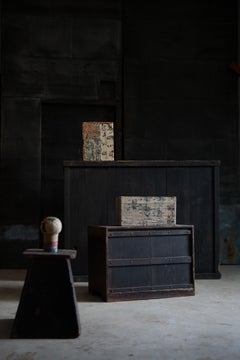
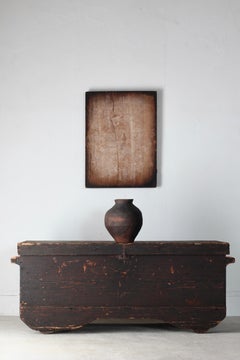
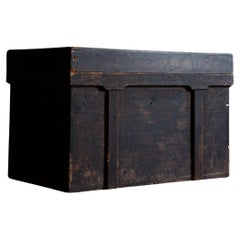
1840s-1860s Edo Japanese antique black wooden box chest with lid, wabi sabi

1840s-1860s Edo Japanese antique black wooden box chest with lid, wabi sabi

Located in 常陸大宮市, JP

Japanese antique wooden cabinet box manufactured circa 1840s-1860s (late Edo period) estimate from the style & conditions. Made with traditional wood joinery without metal faste...

Category

Late 19th Century Japanese Antique Edo Cabinets

Materials

Wood

Antique Japanese Gyosho Bako Peddler's Chest

Antique Japanese Gyosho Bako Peddler's Chest

Located in Oakland, CA

Handsome antique Japanese Gyosho Bako Peddler's chest. Practical piece with incredible iron work which all moves very easily with no rust or resistance. Very well built and stable pi...

Category

Early 20th Century Japanese Edo Cabinets

Materials

Iron

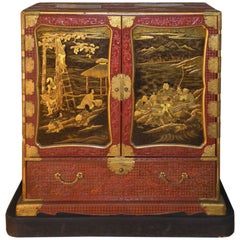
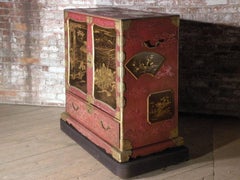
Japanese Lacquer and Cinnabar "Samurai" Cabinet, Inaba Family, Edo Period

Japanese Lacquer and Cinnabar "Samurai" Cabinet, Inaba Family, Edo Period

Located in Troy, NY

Exceptionally large and rare lacquer cabinet. According to the heraldry, visible on the headgear in one of the panels, it was made for the Inaba family, a high ranking Daimyo family,...

Category

Late 19th Century Japanese Antique Edo Cabinets

Materials

Bronze

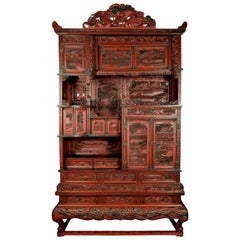
19th Century Japanese Cinnabar / Lacquer Cabinet

19th Century Japanese Cinnabar / Lacquer Cabinet

Located in Fulton, CA

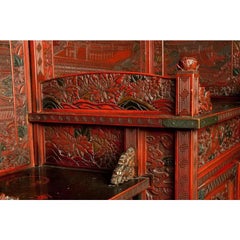
Incredible example of Asian lacquer carving. Standing over seven feet tall, this monumental display shelf was produced in Japan at the end of the Ed...

Category

Late 19th Century Japanese Antique Edo Cabinets

Materials

Wood, Lacquer

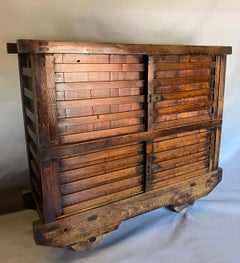
Japanese Antique Large Black Wheeled Storage Chest / 1800-1868s / Wabi-sabi

Japanese Antique Large Black Wheeled Storage Chest / 1800-1868s / Wabi-sabi

Located in Iwate-gun Shizukuishi-cho, Iwate Prefecture

This is a piece of storage furniture called a "kurumanagamochi," a traditional Japanese piece of furniture. Crafted from pine and cedar, it was originally used in the Tohoku region....

Category

Mid-19th Century Japanese Antique Edo Cabinets

Materials

Iron

An Important Late 17th Century Japanese Lacquered Cabinet Edo Period on Stand

An Important Late 17th Century Japanese Lacquered Cabinet Edo Period on Stand

Located in Benington, Herts

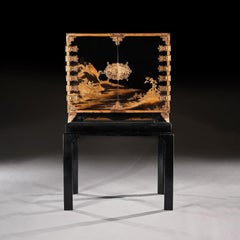
An extremely fine, elegant and rare late 17th Century Japanese lacquer cabinet, from the Eco period, on later lacquered black stand. Japanese circa 1690 Provenance A private Scottish collection This outstanding cabinet is a fascinating fusion of east and west. The cabinet itself would have been made in Japan, c.1690, and is decorated to the outside with hiramaki-e lacquer. This technique involves the use of sprinkled gold powder which adheres to the lacquer surface. On the best pieces, as with this example, many layers are added in order to create areas of high relief and give depth to the surface decoration. The taste of the Japanese workshops in this period was often for quite restrained pieces with plenty of the black background visible, unlike some of the busier Chinese lacquer or European japanned examples produced around the same time. The Japanese makers seemed content to rely on the outstanding quality of the lacquer itself, regarded by most experts as the finest lacquer ever produced, and did not see the need to cover every surface believing that less was more in this respect. The lacquer here is used to produce a mountainous scene with buildings on the bank of a river, the other side of the river with more buildings and a contrasting flatter and forested landscape. The fine perspective achieved is the result of the clever use of raised and flatter areas in the lacquer itself in combination with the drawing of the design itself. Another remarkable aspect of this piece is the fine metalware throughout, but particularly the lockplate / hasp, hinges and foot mounts to the front. This is all beautifully cast and engraved contrasting against the black background. Interestingly another cabinet on stand with near identical metalwork was advertised in the Burlington Magazine, November 1913, with the dealer W. Williamson and Sons of Guildford. The lacquer on that piece is similarly refined and it seems likely that both pieces came from the same workshop. The European influence in our piece can be seen in both the later ebonised stand and in the japanned decoration which has been applied to the inside of the doors and is also very fine indeed. This consists of two panels with birds of prey perched on branches in colours set against a golden background. The cabinet has a recent Scottish provenance and so it is likely that the ebonised stand was made in Britain though such pieces were made throughout Europe as a way of quite literally elevating these imported pieces of eastern lacquer as in Japan these would have been used on the floor. Inside the cabinet there is a combination of more Japanese lacquer and lock plates and European drawer handles. Most of the lacquer drawer fronts incorporate mountainous scenes and birds in combination, with a few purely one or the other of the two subjects. Again the lacquer is in excellent condition and is of exceptional quality with multiple layers of relief used in one single scene in many cases. As mentioned above, Japanese lacquer is the most technically brilliant of the eastern lacquers and, as such, was highly prized by collectors and connoisseurs throughout Europe when this piece was made. The acquisition of such pieces would only have been possible for a small group of incredibly wealthy individuals, largely royal or high ranking courtiers or merchants connected with the East India trade...

Category

1690s Japanese Antique Edo Cabinets

Materials

Lacquer

Cabinet Ryosuke Harashima Contemporary Zen Japanese Craft Mingei

Cabinet Ryosuke Harashima Contemporary Zen Japanese Craft Mingei

By Ryosuke Harashima

Located in Shibuya-ku, Tokyo

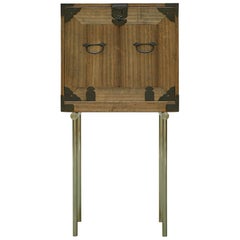
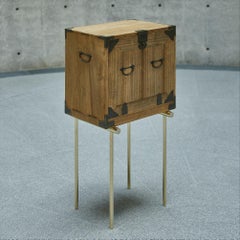
Cabinet by Ryosuke Harashima. Name: Casa Do Walk Collection: STILLIFE A chest for ship with a key door. With four legs that imitate a stilt building structure, it looks like a house that going to walk. STILLIFE STILLIFE is not to redesign old Japanese folk tools but also to have a dialogue with the tools. Morphing "old folk tools" into a "more attractive still life" by giving it a modern interpretation. "Tsukumo God" which we Japanese...

Category

2010s Japanese Edo Cabinets

Materials

Brass

Related Items
Japanese Carved and Lacquered Shibayama Cabinet, Meiji Period

Japanese Carved and Lacquered Shibayama Cabinet, Meiji Period

Located in San Francisco, CA

An elaborate and finely detailed carved wood, and gold lacquered Shibayama cabinet (Chigaidansu). Having beautifully applied semi-precious stone and ...

Category

19th Century Japanese Antique Edo Cabinets

Materials

Mother-of-Pearl, Wood

Japanese Antique Tansu Cabinet Sideboard / Wabi-sabi / Taishō–Shōwa 1910-40s

Japanese Antique Tansu Cabinet Sideboard / Wabi-sabi / Taishō–Shōwa 1910-40s

Located in Sammu-shi, Chiba

This Japanese cha dansu tea cabinet was crafted during the Taisho to early Showa period and is made from richly grained keyaki (zelkova wood), one of the most prized hardwoods in tra...

Category

Early 20th Century Japanese Edo Cabinets

Materials

Wood

Japanese Antique Drawer 1860s-1920s / Nightstand Tansu Wabisabi

Japanese Antique Drawer 1860s-1920s / Nightstand Tansu Wabisabi

$800Sale Price|38% Off

H 21.07 in W 24.22 in D 12.21 in

Japanese Antique Drawer 1860s-1920s / Nightstand Tansu Wabisabi

Located in Chōsei District Nagara, JP

This is an old drawer storage made in Japan. It was made between the Meiji and Taisho periods (1860s-1920s). The material used is cedar wood, and iron hardware is attached to the han...

Category

Early 20th Century Japanese Edo Cabinets

Materials

Iron

20th Century Japanese Tansu Chest in Two Parts

20th Century Japanese Tansu Chest in Two Parts

$5,720 / set

H 39 in W 34.5 in D 18 in

20th Century Japanese Tansu Chest in Two Parts

Located in Torino, IT

Crafted in Japan during the 20th century, this Pauownia wood (Kiri in Japanese ) tansu chest is a fine example of Japan's traditional mobile cabinetry. The long side handles flip up ...

Category

20th Century Japanese Edo Cabinets

Materials

Wood, Cedar

Japanese Antique Large Black Sideboard 1860s-1900s / Tansu Wabisabi

Japanese Antique Large Black Sideboard 1860s-1900s / Tansu Wabisabi

Located in Chōsei District Nagara, JP

This is an old, large sideboard made in Japan. The furniture was made during the Meiji period (1860s-1900s) and has a deep black paint throughout, giving it a stately appearance. The...

Category

Early 20th Century Japanese Edo Cabinets

Materials

Iron

Japanese Antique Huge Drawer Storage 1860s-1900s / Tansu Cabinet Wabisabi

Japanese Antique Huge Drawer Storage 1860s-1900s / Tansu Cabinet Wabisabi

Located in Chōsei District Nagara, JP

This is a huge old Japanese-made drawer storage. The furniture was made during the Meiji period (1860s-1900s) and is made of cedar wood with rustic and practical iron hardware on the...

Category

Early 20th Century Japanese Edo Cabinets

Materials

Iron

Japanese Antique Large Tansu 1860s-1900s / Sideboard Cabinet Wabi Sabi

Japanese Antique Large Tansu 1860s-1900s / Sideboard Cabinet Wabi Sabi

Located in Chōsei District Nagara, JP

This is a large antique Tansu made in Japan. It was crafted during the Meiji period (1860s–1900s) and is made of cedar wood. The soft grain characteristic of cedar and the wood surfa...

Category

Early 20th Century Japanese Edo Cabinets

Materials

Cedar

Japanese Antique Large Black Tansu 1860s-1900s / Cabinet Sideboard Wabi Sabi

Japanese Antique Large Black Tansu 1860s-1900s / Cabinet Sideboard Wabi Sabi

Located in Chōsei District Nagara, JP

This is an old large Tansu made in Japan. This furniture was made during the Meiji period (1860s-1900s). The material used is cedar wood. The iron metal fittings in the center add an...

Category

Early 20th Century Japanese Edo Cabinets

Materials

Iron

Japanese Antique Cabinet 1920s-1940s / Tansu Sideboard Wabisabi

Japanese Antique Cabinet 1920s-1940s / Tansu Sideboard Wabisabi

Located in Chōsei District Nagara, JP

This is an antique cabinet from Japan. It is a piece of furniture with a refined and quiet presence, creating a calm atmosphere simply by being placed in a space. Its unadorned, simp...

Category

Mid-20th Century Japanese Edo Cabinets

Materials

Cedar

Japanese Antique Large Tansu 1860s-1900s / Sideboard Cabinet Storage Wabi Sabi

Japanese Antique Large Tansu 1860s-1900s / Sideboard Cabinet Storage Wabi Sabi

Located in Chōsei District Nagara, JP

This is a large antique Tansu chest from Japan, crafted during the Meiji period (1860s–1900s). It is made of Japanese cedar, whose surface has gained depth and character over time, c...

Category

Early 20th Century Japanese Edo Cabinets

Materials

Cedar

Japanese Antique Large Black Tansu / Cabinet Sideboard / 1868-1912s / Wabi-Sabi

Japanese Antique Large Black Tansu / Cabinet Sideboard / 1868-1912s / Wabi-Sabi

Located in Iwate-gun Shizukuishi-cho, Iwate Prefecture

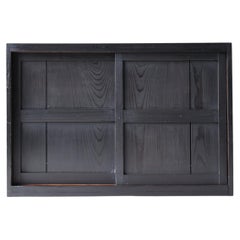
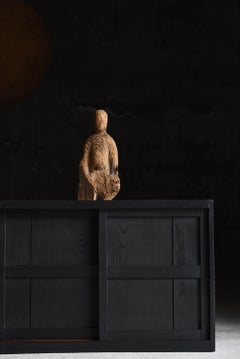
A Versatile Ceder Wood Cabinet Featuring a Rare Architectural Grid Back, Perfect as a Room Divider. This exceptional Mizuya Dansu (traditional Japanese kitchen...

Category

Late 19th Century Japanese Antique Edo Cabinets

Materials

Cedar

Japanese Antique Wheeled Storage Chest / Sideboard Tansu / 1868-1912s Wabi-sabi

Japanese Antique Wheeled Storage Chest / Sideboard Tansu / 1868-1912s Wabi-sabi

Located in Iwate-gun Shizukuishi-cho, Iwate Prefecture

This storage furniture, known as a "kurumanagamochi" (cartridge), has been used in Japan since ancient times. Made primarily from pine and cedar, it was commonly used in the Tohoku r...

Category

19th Century Japanese Antique Edo Cabinets

Materials

Iron

Previously Available Items
Japanese Antique Mizuya Cabinet, Bunsei Era 1818–1830, Edo Period, Wabi-Sabi

Japanese Antique Mizuya Cabinet, Bunsei Era 1818–1830, Edo Period, Wabi-Sabi

Located in Hitachiomiya-shi, 08

This Japanese antique mizuya cabinet was crafted during the early years of the Bunsei era (1818–1830) in the late Edo period, making it approximately 200 years old. Measuring 33.9” W...

Category

1820s Japanese Antique Edo Cabinets

Materials

Iron

Japanese Antique Large Black Tansu / Cabinet Sideboard / 19thCentury / Wabi-Sabi

Japanese Antique Large Black Tansu / Cabinet Sideboard / 19thCentury / Wabi-Sabi

Located in Iwate-gun Shizukuishi-cho, Iwate Prefecture

Overview A masterful representation of Japanese Mingei (folk art), this 19th-century Mizuya Dansu (kitchen cabinet) hails from the Tohoku region of Northern Japan. Constructed from s...

Category

19th Century Japanese Antique Edo Cabinets

Materials

Cedar

Japanese Antique Large Black Tansu / Cabinet Sideboard / 1800-1868s / Wabi-Sabi

Japanese Antique Large Black Tansu / Cabinet Sideboard / 1800-1868s / Wabi-Sabi

Located in Iwate-gun Shizukuishi-cho, Iwate Prefecture

This is an old Japanese cabinet called a tansu. It is made of cedar and is thought to date from the Edo or Meiji period. The doors have a simple, unified design, with vertical bars ...

Category

Mid-19th Century Japanese Antique Edo Cabinets

Materials

Iron

Japanese Antique BK Tansu 1860s-1900s ③ / Cabinet Sideboard Wabi Sabi

Japanese Antique BK Tansu 1860s-1900s ③ / Cabinet Sideboard Wabi Sabi

Located in Sammu-shi, Chiba

This chest of drawers is one of a set of three that were used in the same old Japanese house. Judging by its current condition, it appears to be quite old. While preserving its origi...

Category

Early 20th Century Japanese Edo Cabinets

Materials

Cedar

Japanese Antique BK Tansu 1860s-1900s ② / Cabinet Sideboard Wabi Sabi

Japanese Antique BK Tansu 1860s-1900s ② / Cabinet Sideboard Wabi Sabi

Located in Sammu-shi, Chiba

This chest of drawers is one of a set of three used in the same old Japanese house. Judging from its current condition, it appears to be quite old. It is in all original condition. ...

Category

Early 20th Century Japanese Edo Cabinets

Materials

Cedar

Japanese Antique BK Tansu 1860s-1900s ① / Cabinet Sideboard Wabi Sabi

Japanese Antique BK Tansu 1860s-1900s ① / Cabinet Sideboard Wabi Sabi

Located in Sammu-shi, Chiba

This chest of drawers is one of a set of three used in the same old Japanese house. Judging from its current condition, it appears to be quite old. It is in all original condition. ...

Category

Early 20th Century Japanese Edo Cabinets

Materials

Cedar

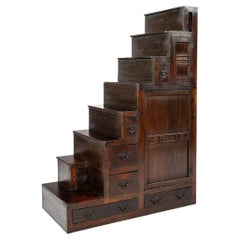
Antique early 19th century Japanes Kaidan Dansu Step Chest in warm brown pine

Antique early 19th century Japanes Kaidan Dansu Step Chest in warm brown pine

Located in Casteren, NL

This piece is a traditional Japanese kaidan-dansu, also known as a step chest. Developed during the Edo period (1603–1868), it ingeniously combines functionality with refined aesthe...

Category

Early 19th Century Japanese Antique Edo Cabinets

Materials

Pine

Japanese Antique Black Cabinet / Japanese Bandaji / 1800-1860s / Wabi-Sabi

Japanese Antique Black Cabinet / Japanese Bandaji / 1800-1860s / Wabi-Sabi

Located in Iwate-gun Shizukuishi-cho, Iwate Prefecture

This is a storage furniture used in the countryside of Japan. The main material is cedar, and it was used in the Tohoku region. It was probably made as storage furniture for grains a...

Category

19th Century Japanese Antique Edo Cabinets

Materials

Wood, Cedar, Straw

Japanese Antique Black Tansu / Cabinet Sideboard / 1800-1868s Wabi-sabi

Japanese Antique Black Tansu / Cabinet Sideboard / 1800-1868s Wabi-sabi

Located in Iwate-gun Shizukuishi-cho, Iwate Prefecture

This is a traditional black chest of drawers in Japan. It is believed to have been made around the Meiji period, and is made of chestnut wood. Its distinctive feature is that the h...

Category

Early 19th Century Japanese Antique Edo Cabinets

Materials

Iron

1780s-1850s Edo Japanese antique Kiri Tansu medicine chest of drawers wabi sabi

1780s-1850s Edo Japanese antique Kiri Tansu medicine chest of drawers wabi sabi

Located in 常陸大宮市, JP

Tall apothecary chest, medicine chest of drawers - "Kusuri dansu" in Japanese - is a new finds from Hyogo pref., Japan. . Product of late Edo era (1780s-1868), estimate from the styl...

Category

Late 18th Century Japanese Antique Edo Cabinets

Materials

Wood

Japanese Antique Large BK Tansu 1860s-1900s / Cabinet Sideboard Wabi Sabi

Japanese Antique Large BK Tansu 1860s-1900s / Cabinet Sideboard Wabi Sabi

Located in Sammu-shi, Chiba

This chest of drawers is a rare piece with a good overall construction, with linear decorations on the doors. Judging from the metal parts, it seems to be quite old. Since the origin...

Category

Early 20th Century Japanese Edo Cabinets

Materials

Cedar

Japanese Antique Large BK Tansu 1860s-1900s / Cabinet Sideboard Wabi Sabi

Japanese Antique Large BK Tansu 1860s-1900s / Cabinet Sideboard Wabi Sabi

Located in Sammu-shi, Chiba

This chest of drawers is a rare piece with a good overall construction, with linear decorations on the doors. Judging from the metal parts, it seems to be quite old. Since the original quality is high, it was probably used in a wealthy home. It was originally a two-tiered chest, and we have the same chest of drawers on sale...

Category

Early 20th Century Japanese Edo Cabinets

Materials

Cedar

Edo cabinets for sale on 1stDibs.

Find a broad range of unique Edo cabinets for sale on 1stDibs. Many of these items were first offered in the 21st Century and Contemporary, but contemporary artisans have continued to produce works inspired by this style. If you’re looking to add vintage cabinets created in this style to your space, the works available on 1stDibs include case pieces and storage cabinets, asian art and furniture and other home furnishings, frequently crafted with wood, lacquer and other materials. If you’re shopping for used Edo cabinets made in a specific country, there are Asia, East Asia, and Japan pieces for sale on 1stDibs. While there are many designers and brands associated with original cabinets, popular names associated with this style include and Ryosuke Harashima. It’s true that these talented designers have at times inspired knockoffs, but our experienced specialists have partnered with only top vetted sellers to offer authentic pieces that come with a buyer protection guarantee. Prices for cabinets differ depending upon multiple factors, including designer, materials, construction methods, condition and provenance. On 1stDibs, the price for these items starts at $3,200 and tops out at $385,000 while the average work can sell for $16,470.