Gothic Revival Furniture

Gothic Revival Style

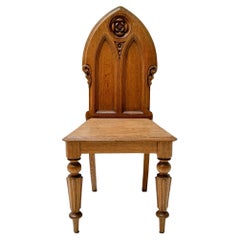
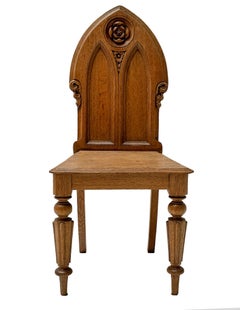
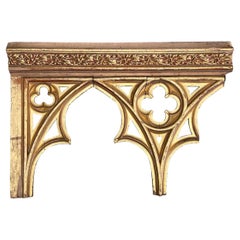
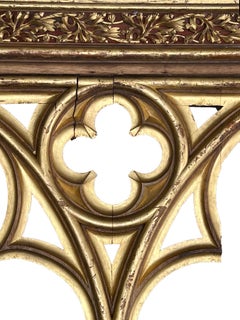
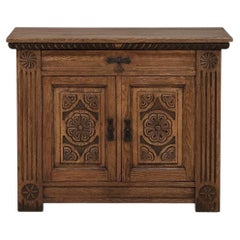
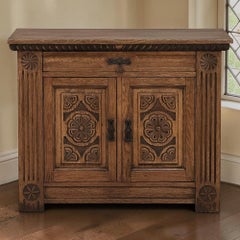
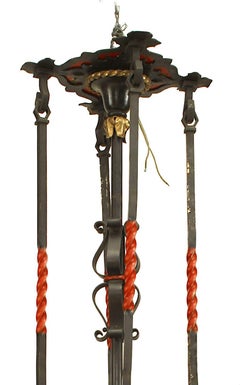
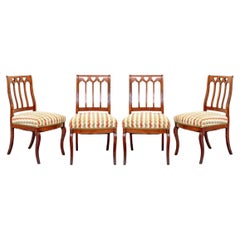
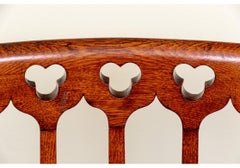
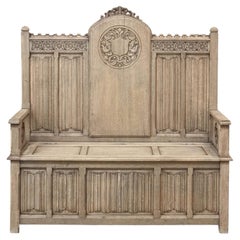
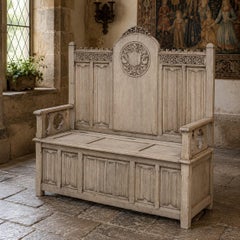
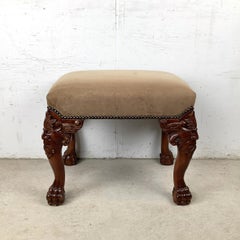
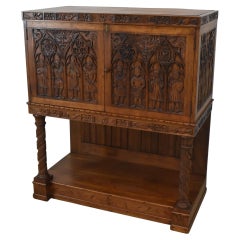
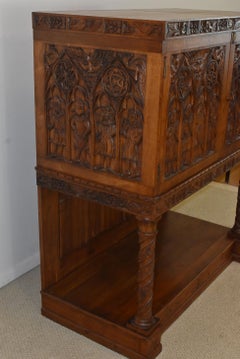
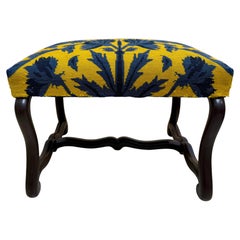
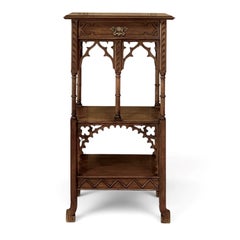
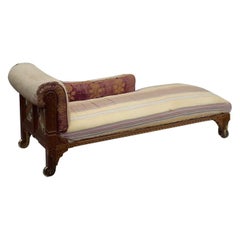
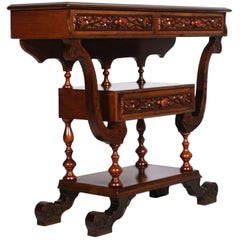
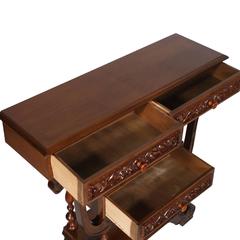
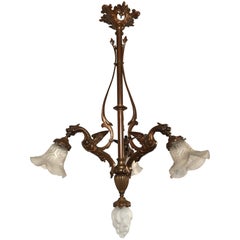
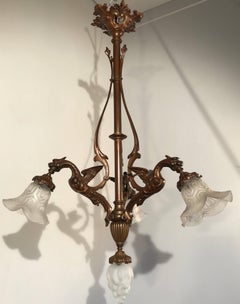
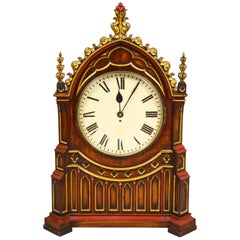
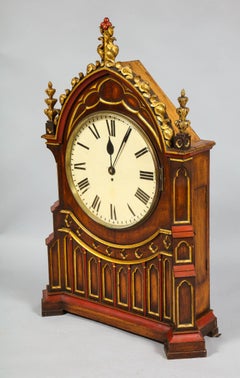
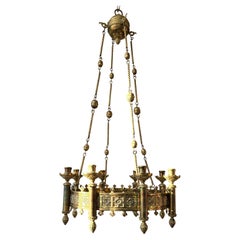
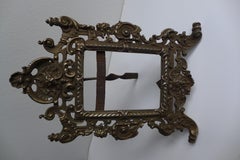
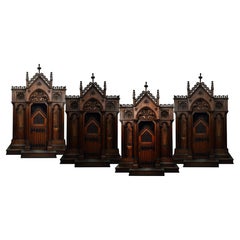
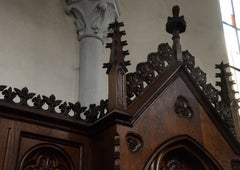
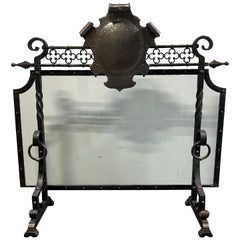
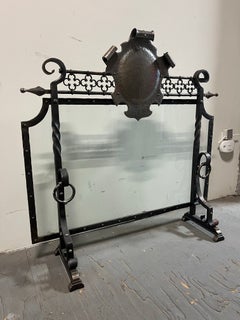
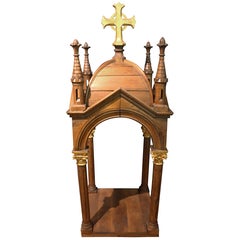
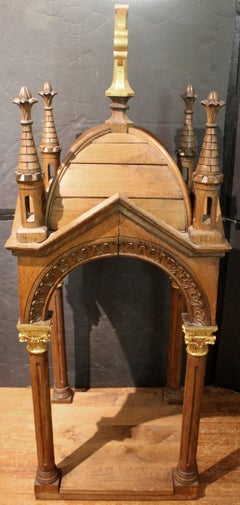
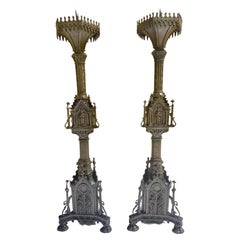
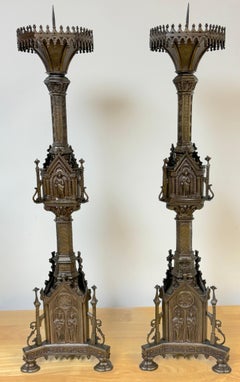
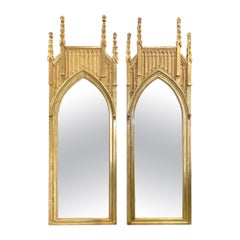
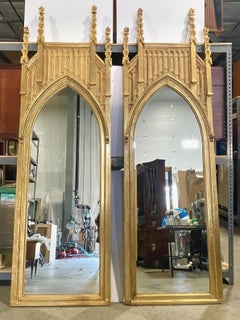
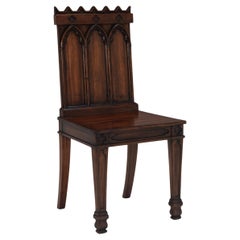
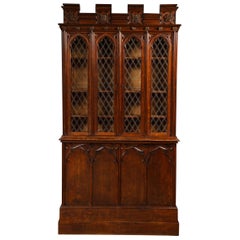
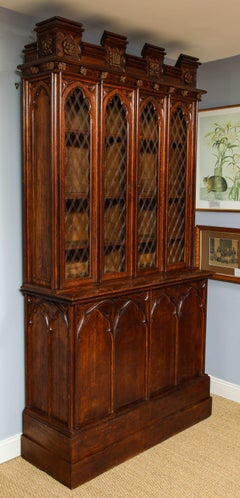
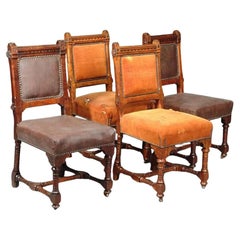
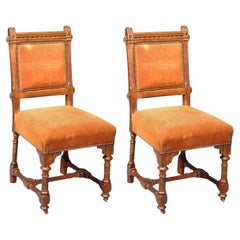
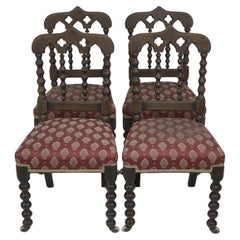
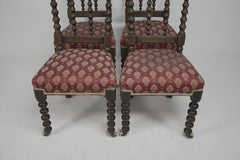
The Gothic Revival movement (also called Victorian Gothic or Neo-Gothic) emerged in Britain in the 1740s, and reached its height in the late-19th century. Gothic Revival furniture's characteristics include such decorative flourishes as pointed arches, floral details, finials, heraldic motifs and linenfold carving.

The movement was rooted in religious and social conservatism. Gothic Revival's proponents, who included Charles Barry and A.W.N. Pugin, the architects of London’s Houses of Parliament (designed in 1840), believed that the art and architecture of the Middle Ages were authentically spiritual and inherently moral.

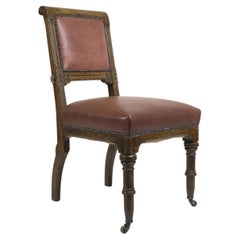
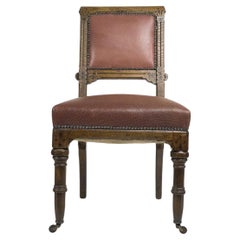
In the United States, the Gothic Revival movement shaped both public buildings and private houses. Numerous American schools were built in the early-19th century in a style now called Collegiate Gothic. Many builders and craftsmen were inspired by Andrew Jackson Downing’s widely read 1850 book Architecture for Country Houses, which posited that a family’s home should exemplify their values — and that the Gothic Revival style was particularly well-suited to scholars and clergymen. Furniture with detailing that mirrored that of Gothic Revival buildings appeared in the same period. Such pieces typically feature dark, intricately carved wood, and upholstery in velvet or leather.

Much like the castles or cathedrals that inspired them, Gothic Revival chairs, bookcases and beds make a bold design statement. And while you probably don’t have to cross a moat or raise a portcullis to get through your front door, a Gothic Revival piece will declare that your home is indeed your castle.

to
157
595
335
934
8
3
196,807
114,806
44,071
33,019
16,210
12,148
10,883
10,827
9,953
8,921
7,326
6,604
6,527
6,378
6,214
6,106
4,935
3,759
12
589
333
11
176
77
23
27
7
22
7
6
12
15
6
3
3
509
450
301
185
121
768
293
232
228
65
945
938
938
14
10
7
5
4
Style: Gothic Revival
Antique Victorian Gothic Revival Solid Oak Swivel Desk Chair
Located in London, GB
A superb antique Victorian Gothic revival solid oak swivel desk chair, made in England and dating from around the 1870-1880 period. This is of outstanding quality, it is beautifully...
Category

1870s British Antique Gothic Revival Furniture

Materials

Oak

Charles Bevan Style a Gothic Revival Hanging Oak Shelf with through Tenon Joints
Located in London, GB
Charles Bevan, style of. A Gothic Revival hanging oak shelf with exposed through tenon joints with crossed wedges to each of those joints, crisply cut trefoils and opposite decorati...
Category

1880s English Antique Gothic Revival Furniture

Materials

Oak

Erhard & Sohne Gothic Revival Bronze Gold & Silver Plate Casket, Germany, c 1900
Located in London, GB
A beautiful and highly ornate Gothic Revival Medieval Renaissance silver and gold plated bronze casket or jewelry box made by Erhard and Sohne in Germany c. 1900. The box is a magn...
Category

Early 20th Century German Gothic Revival Furniture

Materials

Bronze, Steel

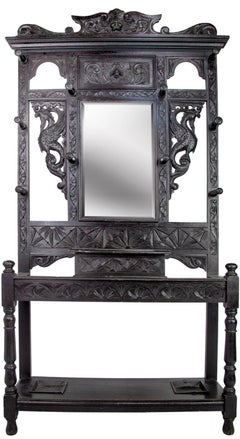
Victorian Gothic Hall Tree Coat Rack with Mirror w Cast Iron Umbrella Stand
Located in Port Jervis, NY
Fabulous Victorian Gothic hall tree with a mirror and a cast iron umbrella tray. Four brass coat hooks with porcelain tips. Fresh black paint, grey on...
Category

1870s American Antique Gothic Revival Furniture

Materials

Brass, Iron

Antique Neogothic Wrought Iron Samuel Yellin Attributed Gargoyle Coat / Hat Rack
By Samuel Yellin
Located in Philadelphia, PA
A fine antique Gothic Revival coat rack. In the form of a two-legged gargoyle with an elongated neck holding a wooden support and mounted to the wall with a shaped bracket. In...
Category

Early 20th Century American Gothic Revival Furniture

Materials

Iron, Wrought Iron

19th Century French Sculpture of the Christ Child in Polychrome Plaster on Wood
Located in Casteren, Noord-Brabant
Charming 19th-century sculpture of the Christ Child, likely of French origin. The figure is finely modeled in plaster mounted on a wooden base, with a warm, multi-colored patina that...
Category

Late 19th Century French Antique Gothic Revival Furniture

Materials

Ceramic, Plaster, Pine

Spanish Manises Majolica and Wrought Iron Gothic Revival Floor Lamp, 1900s
Located in Warsaw, PL
Exceptional floor lamp from Manises, Spain, circa 1900, uniting richly glazed majolica ceramics with elaborate wrought iron work in the Gothic Revival style. The wrought iron base a...
Category

Early 1900s Spanish Antique Gothic Revival Furniture

Materials

Wrought Iron

Pair of English Gothic Revival Gilt Wall Plaques
Located in Queens, NY
Pair of English Gothic Revival style (19th Cent) painted and gilt trimmed wall plaques with religious scene in arched top upholstered frame.
Category

19th Century Antique Gothic Revival Furniture

Materials

Wood

Pair of Tall French 19th Century Gothic Revival Style Carved Oak Church Pedestal
Located in Los Angeles, CA
A large pair of tall French 19th century Gothic Revival style carved oak and parcel-gilt Church pedestal stands. The slender body stands, each centred ...
Category

19th Century French Antique Gothic Revival Furniture

Materials

Gold Leaf

Selection of eight restored 19th C Neo-Gothic Stained-Glass Windows
Located in Leuven , BE
The Color Experience: Stained-glass windows “Color is a power which directly influences the soul” (Wassili Kandinsky, Moskou 1866 – Neuilly-sur-Seine, 1944) “Color! What a deep and mysterious language, the language of dreams!” (« La couleur ! Quelle langue profonde et mystérieuse, le langage des rêves », Paul Gauguin, Paris, 1848-Fatu-Hiva, 1903) ‘Color and feeling’, ‘color and meaning’, these are concepts that have gone together since time immemorial. Artists and craftsmen have a special bond with color. After all, it is a means of expression that can have a real reinforcing effect. Especially linking color with light offers unlimited possibilities. Glaziers and glass painters have tried to master both these ‘instruments’ for centuries. The set of beautifully restored neo-Gothic windows in our collection are enough reason for us to let these works of art figure in a broader story. As a bonus, we would like to introduce you to the contemporary stained-glass artist and stained-glass restorer, Daniël Theys. whose workshop is in Sint-Pieters-Rode (Belgium). He talked to us about the materials and techniques he used for the restoration of our set of neo-Gothic stained-glass windows. A fascinating look at the tricks of the trade from a specialist! A bird’s eye view of the history of the European stained-glass window. Although the Romans already used translucent glass plates to cover wall openings, the stained-glass window reached its peak in Europe between 1150 and 1500. A period also known as the era of the cathedrals. At that time, stained-glass windows became more than just a way to let in the light, and to keep the space closed off. From now on, their functionality was also found in their didactic value. The biblical and saints’ stories that adorned the stained-glass windows became a kind of poor man’s bible. They brought, as it were, the knowledge of the holy scriptures in an understandable, pictorial way. At the same time, the colored light provided additional symbolism. The invading light was interpreted as a manifestation of God. It is also no coincidence that the main altar was bathed in light. It was the place where the most important sacrament was celebrated, that of the Eucharist. How were these magical colors obtained? Well, during the 12th and 13th centuries, metal oxides gave color to the glass. Copper, for example, produced different colors in the various stages of oxidation. The metal could color the glass light blue, green and even red. It should be noted that from the 13th century onwards, clear glass, which was cheaper and at the same time allowed more light into the buildings, was used more often. A century later, in the years 1400 to 1500, glass painters frequently painted onto the glass with a ‘stain’ of silver chloride or sulfide. The painted piece of glass was heat-treated in a furnace. The heating process ensured that the silver ions migrated into the glass and became suspended within the glass network. The stain gave colors ranging from a pale yellow to a rather deep red. This new technique allowed glaziers to get more than one color on a single glass fragment. The shades produced by painting in silver chloride were well suited for depicting golden crowns, scepters and other gilded objects and ornaments. But the most important advantage of the technique was the fact that the glass painter could now make transitions from yellow tones to white without having to apply separations with lead strips! This also improved the legibility of the pictured scene. You can imagine that the labor-intensive process of the production of stained-glass windows was a very costly affair and therefore it was often patrons who donated them to a church or a chapel. The benefactors were usually eager to propagate their social status and were moved by concern for their salvation. In the 16th century, stained-glass windows also began to appear in secular buildings such as town halls, the homes of the wealthy and commercial premises such as inns. It is striking that during this period the use of lead strips that border many parts of the image was further reduced in favor of real painting on stained glass. This was due to an increasing love of detail. For example, one wanted realistically painted portrait heads. Working with enamel paints was cumbersome. Each newly applied color had to be burned into the glass before another color or overpainting could be applied. It was not only the coloring of the glass that was complicated, the process of obtaining flat glass plates required many steps as well. The glazier blew a glass bulb with a blowpipe and then cut it open. Finally, each half of the sphere was turned around so fast that it became a disc. In later periods, the glazier blew out his glass bulb into a cylinder. Once the cylinder had cooled, its closed ends were removed, and the long sides were cut open. The pieces of glass obtained were then heated and flattened. During the 16th century, there was a division of labor between the stained-glass designer, the glazier, and the glass painter. It happened as well that the stained-glass artist used prints as models for his stained-glass windows. Whoever drew the design, the glazier always needed a model on the right scale, the so-called cartoon. On the cartoon, the lead strips were clearly marked, and the use of colors was indicated. Contracts at the time show that the price of stained-glass windows was calculated per square foot. The price per square foot included the labor and material costs. The price of the cartoon was not included. In the 17th century, the work of glass painters remained important. At the same time, there was a growing popularity of stained-glass windows with heraldic themes. In the Low Countries there were several high-quality glass painters active. During the 18th century, glass painting went downhill in our regions. The French occupation of the Southern Netherlands resulted in the destruction and sale of religious stained-glass windows. It was only around the middle of the 19th century that the young Belgian state experienced a revival of stained glass. The renewed interest in the Middle Ages, the so-called ‘gothic revival’, caused a wave of restoration of old stained-glass windows of churches and orders for neo-gothic stained-glass windows. The Sint-Lucas art schools in Belgium played an important role in this. Industrial developments in the glass and steel industries naturally had an important hand in the popularity of stained-glass windows. Stained-glass had a wide range of uses; think of stained glasses in winter gardens, domes, windows, and doors of large mansions. Significant glazier’ studios arose in several larger Belgian cities. In Brussels, for example, you had the workshops of Capronnier and Colpaert, in Bruges the studios of Coucke and Dobbelaere, in Ghent the companies of Ganton-Defoin or Ladon. During the 19th century, glaziers followed the style developments in the visual arts. For example, the number of windows in Art Nouveau and Art Deco style is large. The restored stained-glass windows with male and female saints that we offer for sale, come from a building in Laeken, near Brussels. They probably decorated the space of a church, chapel, convent, or Catholic school. In the results of the interview with glass restorer Daniël Theys, you will learn more about the particularities of these splendid windows. Chatting and browsing in the workshop of Daniël Theys The Belgian Glass restorer and glass blower, Daniël Theys (), made a career switch at a later age and has been active in the profession since 1987. He is an important player in the field of stained-glass window art in Belgium. Moreover, he is the only one in the country who still masters the technique of glass etching. Daniël Theys receives many commissions from small parish churches to restore old stained-glass windows to their former glory. He made a name for himself in that niche and that is how Spectandum brought the set of 19th century stained glass windows to his workshop for reconstruction. They were delivered in old numbered wooden crates and Daniel had to start puzzling. Numbered wooden crates with sections of the stained-glass windows Normally a glazier starts working from a drawing with a scale of 1:1 (full size drawing), but in this case each piece had to be cataloged and photographed. The smaller pieces were grouped on the light box and photographed in their entirety. Then Daniël made a drawing of the remaining pieces that he had puzzled together with great care. Smaller pieces identified and grouped on the light box The restauration guidelines of the Agency for Monuments and Landscapes are not always the same as those of a restorer. For this reconstruction, Daniël primarily considered the purpose of the stained-glass windows. It had to be an aesthetic and salable set of stained-glass windows, so the choice of filling the gaps with neutral glass or epoxy was not really an option. Theys left well-executed previous restorations untouched. The windows may have been repaired three or four times in the past. Piece of a cloak with glass shards from different periods (restorations) Another problem Daniel faced during the restoration was the fact that some small parts of the old grisaille had been eaten away by microorganisms. The defect – caused by moisture – can be seen from the discoloration of the grisaille. The black-brown color is turned red. This fragment shows well how the brown grisaille has turned red due to the attack of micro-organisms The stained-glass windows of the 19th century are made of ‘in the mass-colored’ glass. This means that the colors were added to the liquid glass during its production process. This type of glass differs from glass colored with enamel paint, which became popular from the interwar period. The latter process involves applying enamel paint (this is a glass powder with a metal oxide to which a medium has been added) to the colorless glass. When firing the glass with the enamel paint, the powder fuses with the glass. The colors of email painted glass are less intense and less brilliant than those of ‘in the mass-colored glass’. Jars with colored powder for the enamel paints For the restoration Daniël only worked with mouth-blown glass, both with ‘in the mass-colored glass’ and with ‘verre plaqué’. This is blown glass composed of several layers of different shades. Over the years, Theys built up a large stock of old blown glass. Colored blown glass always has sliding shades. For example, a red piece of glass can have a color transition from bright red to light orange. These differences in shades are the result of the different thicknesses of the piece of glass. It allows the glazier to use a wide variety of shades. The purple-red foliage with light blue accents was obtained by etching away parts of a piece ‘verre plaqué’. A small part of the lower glass layer is exposed. The windows were completely re-leaded by the restorer because there was virtually no ‘lead net’ preserved. In general, lead strips only have a limited lifespan because of oxidation processes. Daniël removed the old lead remnants and placed new lead profiles. Then he applied putty between the glass fragments and the lead strips to seal the lead. A window must be made watertight. The current condition of the windows is excellent. Decorative glass part with original lead remnants New lead strip The set of stained-glass windows we present today, originally consisted of windows of 5 to 6 m high. After all, they originally adorned a neo-gothic church. Since the original dimensions are not suitable for private buildings, it was decided to only restore the figurative representation. The original spire of one of the windows Thanks to a suspension eye, the window can be hung. There is also the possibility to place the window in an upright position. Thanks to the craftsmanship of the Theys-Studio, we can once again enjoy the brilliance of color! Looking for the missing link The set of 19th-century stained-glass windows came into the possession of Spectandum without a clear provenance. The renowned Leuven antiques dealer, Cornelius Engelen, recalls that the windows came from a church in Laeken. There is no solid starting point for a search for the provenance. Based on the style of the stained-glass windows – most probably the late 19th century -, their religious iconography, and their original shape (pointed arch windows) and dimensions (5 to 6 cm high), we can assume that they were once displayed in a (neo-)gothic cult building. On the one hand, the stained-glass windows may have been removed after storm damage or other calamities, on the other they may have been taken away during a renovation or a demolition of a church. The Church of Our Lady in Laeken is the most famous church building in that municipality that could qualify. In the early 1920s, the central windows of the transept were badly damaged by a hurricane. Today, glass fragments of these windows (dating from 1893-1894) with the names of the sixteen missing saints and an arch infill of the western window are officially known. It would be interesting to find out if our set of eight saints once were part of the transept of Our Lady in Laeken. Research in the records of the church administrators could provide clarification. Knowing that most neo-gothic stained-glass windows from the Church of Our Lady come from the Jules Dobbelaere’s glass studio in Bruges, it is useful to consult that company’s archive as well. It is kept in the KADOC (Documentation and research center for religion, culture and; in Leuven. Of course, the sizes and shape of the stone window openings of the transept can also provide an indication. If we stylistically compare the grisailles of the set of stained-glass windows with the work of Jules Dobbelaere, we do see some relationship. Especially with a stained-glass window in the chapel of Our Lady of the Saint Anthony Church in Aalst. Another line of research that we could follow, is that of the iconography of the series. One of the saints depicted is Saint Roch. There once was a Saint-Roch church in Laeken with 19th-century stained-glass windows from the Brussels studio of Jean-Baptiste Capronnier. The company archive of the glaziers François and Jean-Baptiste Capronnier is owned by the Flemish government and can be consulted in the above-mentioned KADOC. We already searched the sales catalog of 1892, in which Capronnier’s drawings and cartoons are described one by one. The saints that are represented in our set of windows, does not correspond with the names of the saints mentioned for the church of St. Roch in Laeken. Building on this argument, it can be concluded that the eight saints were not destined for this house of worship. In the absence of lavishly illustrated monographs on the various glazier-companies in Belgium, the execution of a comparative study of the stained-glass windows is time-consuming and complex. Although a limited number of old photos of stained-glass windows can still be found in the database ‘Balat’ of the KIK-IRPA (), this remains far too limited to get a good picture of the output of the various companies. 19th C, Saint, Neo-Gothic Stained-Glass Window with Saint Martin, Belgium, 163 x 73 cm Most people know Saint Martin (Szombathely, ca. 316 – Candes, 397) as the Roman Tribune who cut his cloak in two with his sword and gave one half to a beggar. The artist of the stained-glass window has opted for a different, less common iconographic representation here. Saint Martin is presented as a bishop with a miter and staff. According to a legend, Martin was lured to the city of Tours with a trick to consecrate him as a bishop. He refused the ecclesiastical office and hid in a barn with some geese. The birds betrayed him with their twittering. In the end Martin received his episcopal consecration. The goose at the feet of the saint clearly refers to this event. 19th C, Saint, Neo-Gothic Stained-Glass Window with St. Angela, Belgium, 163 x 73 cm Angela de Merici was an Italian woman who taught young women religion, health care, and household skills. She founded the monastic community of the Ursulines. They played an important social role as founders of schools and orphanages. Saint Angela died in Brescia in 1540. It should therefore come as no surprise that the saint on the stained-glass-window is depicted with a girl by her side. 19th C, Saint, Neo-Gothic Stained-Glass Window with Charles Borromeo, Belgium, 163 x 73 cm Charles Borromeo (Milan, 1538-1584) grew up in a noble family. He was already made Cardinal and Archbishop of Milan at the age of 24. With his writings he contributed to the implementation of the Church reforms determined at the Council of Trent. Among other things, he released a new catechism. With his book on the design of church buildings, “Instructiones Fabriacae et Supellectilis Ecclesiasticae”, he left a mark on Baroque church construction. At the outbreak of the plague in his diocese in 1576, he devoted himself to the care of those affected. Hence, people sometimes pray to him when they have been hit by a serious illness. 19th C, Saint, Neo-Gothic Stained-Glass Window with St. Roch, Belgium, 163 x 73 cm Saint Roch (Montpellier, 1295? /1350? -1327? /1380?) was born with a port-wine stain in the shape of a cross on his left hip. It was interpreted as a sign from God. After the dead of his parents, he gave his money to the poor and went on to live the life of pilgrim. He cared for plague sufferers and healed some of them by making a sign of the cross. He is especially invoked as protector against the plague. 19th C, Neo-Gothic Stained-Glass Window with St. Bernard of Clairvaux, Belgium, 163 x 73 cm Bernard of Clairvaux (Fontaines, 1090-Clairvaux, 1153) decided to become a monk at the age of 21. In 1112 he entered in the monastery of Cîtaux. He was soon commissioned by the abbot to find a new monastery in Clairvaux. Because of his intellectual capacities and eloquence, he was consulted by various ecclesiastical and secular leaders. He ensured the expansion of the Cistercian order throughout Europe. As a Doctor of the Church, he wrote many tracts and sermons and established a new rule for the Templars. Above all, he was concerned with the discipline of the clergy. Therefore, he wrote a spiritual manual for the priests and bishops. Saint Bernard can be seen as a true mystic. He envisioned the union of the human soul with God as the most important goal in life. According to a legend, Bernard once had a vision in which the Blessed Virgin appeared to him and strengthened him with her mother’s milk. In the arts, the saint is mainly depicted with an abbot’s staff and a book with the Cistercian rule. His vision was also often portrayed. 19th C, Neo-Gothic Stained-Glass Window with St. John Berchmans, Belgium, 163 x 73 cm The Belgian Jan Berchmans (Diest, 1599-Rome, 1621) was the eldest of five children. When his mother became seriously ill, he initially took care of her, but at the age of nine he was housed with the town’s priest. After a few years he moved to Mechelen to become the servant of a canon. It also gave him the opportunity to begin his studies in the seminary for priests. He eventually joined the Jesuits of Mechelen. He got their permission to study philosophy in Rome. In the Eternal City, he visited working-class neighbourhoods to teach the children about God. He died of an illness at the age of 22. Saint Jan Berchmans is the patron saint of school children and students. 19th C, Neo-Gothic Stained-Glass Window with Saint Clare...
Category

19th Century Belgian Antique Gothic Revival Furniture

Materials

Art Glass, Stained Glass

Original Antique Architectural Print by John Ruskin, circa 1880 'St. Lo'
Located in St Annes, Lancashire
Wonderful gothic architectural print. Cathedral of St. Lo Steel engraving by R.P. Cuff after the original drawing by John Ruskin Published circa 1850 On wove quality pape...
Category

1880s English Antique Gothic Revival Furniture

Materials

Paper

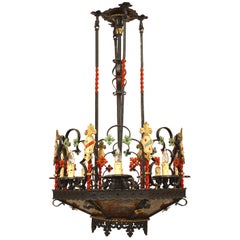
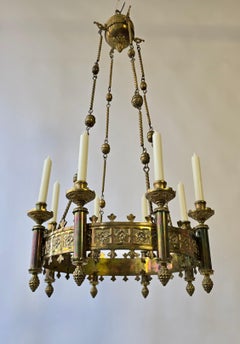
Large & Stunning Antique Fine Bronze Gothic Revival 12 Light Chandelier Pendant
Located in Lisse, NL
Handcrafted and truly beautiful Gothic chandelier for candles. In antiques it often is the case that the older a piece is, the better the quali...
Category

19th Century French Antique Gothic Revival Furniture

Materials

Brass, Bronze

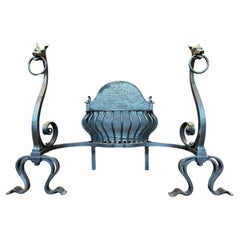
Pair of Vintage Hand Forged Wrought Iron Dragon Andirons from France
Located in San Francisco, CA
Uniquely French, these wrought iron "fire dragons" are great as decor in your fireplace, with or without the burning flames. With today's eclectic and layered interiors, the Gothic d...
Category

Early 20th Century French Gothic Revival Furniture

Materials

Wrought Iron

19th century Flemish oak and stain glass cabinet
Located in Debenham, Suffolk
19th century Flemish oak and stain glass cabinet circa 1890. Narrow Flemish cabinet comprising of 2 sections, which rarely comes with its original stained glass panel in the top sec...
Category

Late 19th Century Belgian Antique Gothic Revival Furniture

Materials

Stained Glass, Oak

Antique 19th Century Belgian Gothic Revival Court Cupboard
Located in Westfield, MA
This 19th-century Belgian Gothic Revival court cupboard is an exquisite testament to the elaborate craftsmanship of its time. Carved from rich, ...
Category

Late 19th Century Belgian Antique Gothic Revival Furniture

Materials

Walnut

Wrought Iron and Cast Bronze Gothic Fireplace Tool Set c. 19th C.
By Samuel Yellin
Located in New York, NY
Exceptional 19th century set of wrought iron and cast bronze fireplace tools, with dragon, griffin handles. The set features inscribed line drawn decorative surfaces, with twisted an...
Category

19th Century French Antique Gothic Revival Furniture

Materials

Bronze, Wrought Iron

19th Century Gothic Sideboard or Huntboard
Located in Hamburg, PA
A 19th-century American Gothic-style sideboard or console table, crafted from rich, dark wood, likely chestnut. The intricate carvings on the legs, featuring ornate, architectural mo...
Category

19th Century Antique Gothic Revival Furniture

Materials

Chestnut

Late 19th Century German Beer Stein with Cobalt Blue Glass Adornments
Located in Louisville, KY
Imagine how many thirsts were quenched with the rare and unique stein! This piece was created between 1840's and 1900 in Germany. Unlike many other steins of this era, this one is ad...
Category

Late 19th Century German Antique Gothic Revival Furniture

Materials

Pewter

19th Century Great Quality Gilt Bronze Wall Crucifix on a Carved & Inlaid Cross
Located in Lisse, NL
Rare and finest Gilded bronze crucifix mounted on a oak cross. The striking details on this highest quality bronze sculpture of Christ are second to none and the antique gilt finish...
Category

Late 19th Century European Antique Gothic Revival Furniture

Materials

Bronze

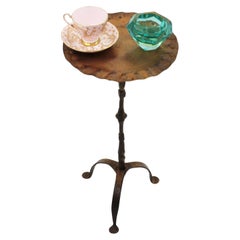
Spanish Drinks Table, Gueridon or Side Table in Wrought Iron and Copper
Located in Barcelona, ES
Hammered Copper and Iron Martini table / occasional table with round top and four footed base, Spain, 1930s. This gueridon / pedestal has a thick round hand-hammered top with a nice ...
Category

Mid-20th Century Spanish Gothic Revival Furniture

Materials

Brass, Wrought Iron, Copper, Iron

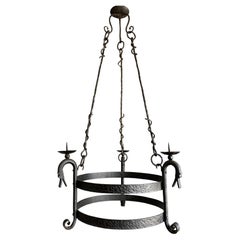
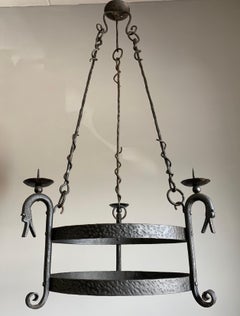
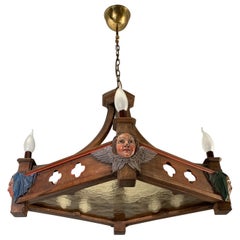
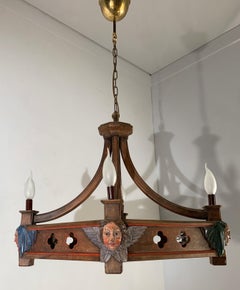
Characterful Mid-Century Chandelier from Former Pub Interior, Oak, Iron & Brass
Located in Lisse, NL
Large genuine chandelier in oak, wrought Iron & brass — formerly from a E uropean pub or restaurant. This impressive, circular chandelier was likely salvaged from a European pub, br...
Category

Mid-20th Century European Gothic Revival Furniture

Materials

Brass, Iron, Wrought Iron

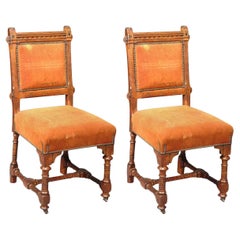
J P Seddon, Exhibited Crystal Palace 1851. Six Gothic Revival oak dining chairs
Located in London, GB
John Pollard Seddon (1827-1906), six Gothic Revival oak dining chairs. These upholstered dining chairs are the side chairs en suite t...
Category

1850s Antique Gothic Revival Furniture

Materials

Oak

Mid-19th century profusely carved French walnut cabinet
Located in Debenham, Suffolk
Mid-19th century profusely carved french walnut cabinet, circa 1850. 2 part carved walnut cabinet. Top section of beautifully carved double doors, flanked by columns, surmounted by ...
Category

Mid-19th Century French Antique Gothic Revival Furniture

Materials

Walnut

Petite Antique French Gothic Revival Wood Hall Bench Child Settle Library Steps
Located in Ijzendijke, NL
Rare antique wood hand carved gothic revival child settle / small hall bench / foldable Library Ladder, Metamorphic Library steps, 1880s This uniqu...
Category

1880s French Antique Gothic Revival Furniture

Materials

Fabric, Wood

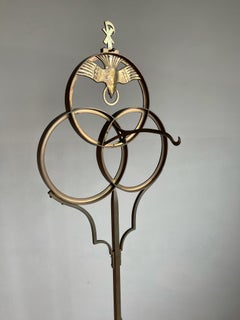
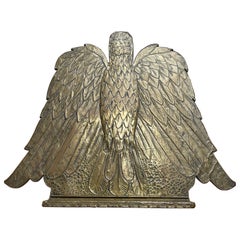
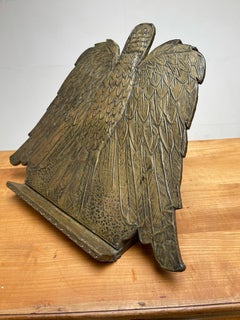
Rare Gothic Revival Embossed Brass Eagle Sculpture Church Altar Bible Stand
Located in Lisse, NL
Stunning and sculptural, Arts & Crafts era, church bible or book stand. This late 1800s bible stand has beautiful details and it is in remarkably good condition. The stunning overal...
Category

Late 19th Century European Antique Gothic Revival Furniture

Materials

Brass

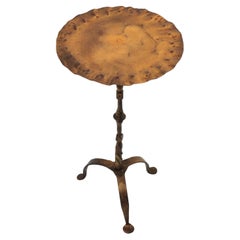
Spanish Drinks Table Gueridon with Handle , Wrought Gilt Iron
Located in Barcelona, ES
Martini Table // Gueridon // Side Table // End Table // Drink Table Elegant hand-hammered iron drinks end table or pedestal table standing on a tripod base with handle on the top. S...
Category

Mid-20th Century Spanish Gothic Revival Furniture

Materials

Iron, Wrought Iron, Gold Leaf

19th Century French Gothic Sacrament Cabinet
Located in Dallas, TX
19th Century French Gothic Sacrament cabinet was artfully sculpted from solid oak and fruitwood to create a remarkable religious artifact designed to be appreciated throughout the ages! The trapezoidal form of the casework is in keeping with the Gothic style, which historians concur originated in the Cathedral of St. Denis during the middle of the 12th century. Boldly molded crown follows the complex contours and overlooks the case below which features a single door flanked by cornerposts that feature pilasters facing front as well as the sides, with recessed arched panels topped with recessed circular frames above filled with carved rosettes highlighted in gold. The arched recesses facing the front are also filled with carved floral and wheat motifs also highlighted in gold, representing the Bread of Life. The door panel, however, steals the show, with a gloriously carved relief work depicting both wheat and fully laden grapevines adding the significance of the Blood of Christ...
Category

Mid-19th Century French Antique Gothic Revival Furniture

Materials

Fruitwood, Oak

Antique Octagonal Wall Mirror in Gilded Wood, 19th Century Scandinavia
Located in Esbjerg, DK
A medium sized octagonal wall mirror in gilt wood / oak. It was made in the mid-late 19th century Scandinavia - either in Denmark or Sweden. It features its original mercury mirror g...
Category

1970s Scandinavian Vintage Gothic Revival Furniture

Materials

Mirror, Oak

Large & Impressive & Rare Bronze Corpus of Christ Crucifix by Jef Lambeaux
Located in Lisse, NL
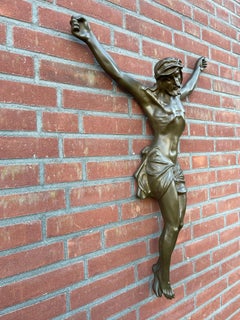
Stunning and beautifully handcrafted, work of religious art, by sculptor Jef Lambeaux with mazing details and patina Large bronze crucifixes are a rare find and to have been given the opportunity to purchase one of such beautiful quality and details more than made our day. The striking anatomy and the unique patina of this large Christ sculpture are truly marvelous and we could see this antique go...
Category

Late 19th Century Belgian Antique Gothic Revival Furniture

Materials

Bronze

Late 19th Century Great Quality Needlework Mary and Child Jesus Religious Banner
Located in Lisse, NL
Handcrafted "Our Lady of the Sacred Heart, pray for us" banner. It must have taken a highly skilled seamstress an enormous amount of time to create this impressive religious banner....
Category

19th Century Dutch Antique Gothic Revival Furniture

Materials

Linen, Silk, Velvet, Oak

Neoclassical Carved Gothic Oak Bar with Marble Top
Located in Port Jervis, NY
Beautiful Gothic oak dry bar with marble top counter. Gothic arches supported by columns, dentil moulding surrounding the top while the base has ...
Category

Mid-20th Century American Gothic Revival Furniture

Materials

Marble

Vintage Boho Spanish Hand Crafted Leather Dining Chairs - Set of 16
Located in West Palm Beach, FL
Anchor your dining space with the timeless gravitas of this magnificent set of sixteen hand-crafted Spanish Revival dining chairs. Constru...
Category

Late 19th Century Spanish Antique Gothic Revival Furniture

Materials

Metal

Large Silvered & Gilt Bronze Gothic Revival Sanctuary Lamp with Angels in Prayer
Located in Lisse, NL
Gorgeous mid/late 1800 religious art for the collectors and enthousiasts. In antiques it very often is the case that how older the piece is, the better the quality and the details. ...
Category

19th Century French Antique Gothic Revival Furniture

Materials

Brass, Bronze

Magnificent Antique Limestone Mantel
Located in Tyrone, Northern Ireland
Each jamb of the fireplace has a brown bear standing on a plinth holding a heraldic shield. Above the bears are carved capitals supporting a substantial breakfront cornice shelf. The...
Category

Mid-19th Century English Antique Gothic Revival Furniture

Materials

Limestone

English Gothic Revival Style Oak Letter Box
Located in Queens, NY
English Gothic Revival-style (1st Quarter 20th Century) oak letter box with tracery carved sides and top
Category

20th Century British Gothic Revival Furniture

Materials

Oak

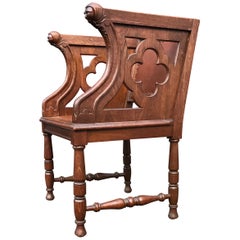
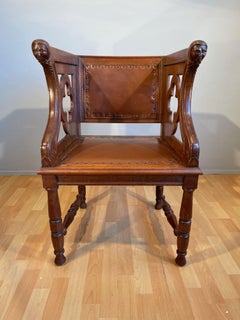
Gothic Revival Hall Chair
Located in Denton, TX
Beautiful hand carved Gothic style hall chair with Fleur-de-lis, Trefoils and other gothic accents. Chair has a good weight to it with the leopard print fabric for fun.
Category

Early 20th Century European Gothic Revival Furniture

Materials

Upholstery, Oak

English Oak Gothic Style Curule Armchairs Attributed to A.W.N. Pugin, circa 1830
Located in Kinderhook, NY
English late Regency period circa 1830 'Gothic' style armchairs of curule form having solid oak chamfer edge frames, the rectangular (upholstered) backs connecting padded-rest arms c...
Category

Early 19th Century English Antique Gothic Revival Furniture

Materials

Upholstery, Oak

Gothic Style Oak Box
Located in Beaune, FR
Gothic style carved oak box. 19th century French work of fine quality. This box is entirely original and in good condition. Dimensions Height 25cm Width 43.5cm Depth 27.5cm...
Category

19th Century French Antique Gothic Revival Furniture

Materials

Oak

19th Spanish Carved Gargoyles Walnut Renaissance Library / Writing or Desk Table
Located in Miami, FL
In grand, gothic style, this Spanish library / writing table has a deeply carved edge and this is just the tip of the proverbial iceberg, as the carving never really stops. It goes o...
Category

Late 19th Century Spanish Antique Gothic Revival Furniture

Materials

Walnut

Antique Gilt Bronze French Empire Figural Four Light Torch Hanging Fixture C1920
Located in Big Flats, NY
***Reduced Delivery Rates - See Below or Click “Ask The Seller” to Request a Quote*** Antique Gilt Bronze French Empire Figural Four Light Torch Hanging Fixture with Flame Form Shad...
Category

Early 20th Century American Gothic Revival Furniture

Materials

Bronze

Antique Pair of Restoration Period Gilt Bronze Candelabra - France - Circa 1830
Located in Chatham, ON
Antique pair of Restoration period gilt bronze candelabra - featuring elaborate Neo Gothic bronze castings of masks, lions and scrolls on trefoil bases with hand hammered and chisel...
Category

Early 19th Century French Antique Gothic Revival Furniture

Materials

Bronze

Gothic Revival Wooden Armchairs, Pine & Oak, 20th Century
Located in Antwerp, BE
Gothic Revival; pine; wood; chairs; oak; 20th century; armchairs; dining chairs; dining room; england; folding seats; folding chairs; A set of six Gothic Revival armchairs, ideal ...
Category

20th Century English Gothic Revival Furniture

Materials

Wood, Oak, Pine

French Chestnut & Wrought Iron Buffet Neogothic Style Late 19th Century
Located in Labrit, Landes
French chestnut sideboard buffet in the neogothic style. Turned legs gothic and geometrical motifs. One drawer and two doors, wrought iron handles and locksmith. Good antique conditi...
Category

1880s French Antique Gothic Revival Furniture

Materials

Chestnut

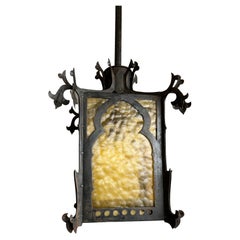
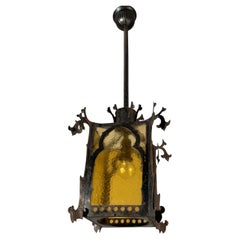
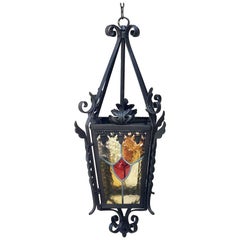
Pair of English 19th Century Painted Iron Gothic Revival Period Lanterns
Located in Atlanta, GA
English Gothic Revival painted iron single-light lanterns from the 19th century, priced and sold per pair. Two pairs are currently available. Made in England during the Gothic Reviva...
Category

19th Century English Antique Gothic Revival Furniture

Materials

Iron

French Oak & Wrought Iron Buffet Neogothic St Tree of Life Theme Early 20th C
Located in Labrit, Landes
French oak sideboard buffet in the neogothic style. Adolphe de Beyne was a cabinetmaker from the North of France. After the Word War I he ...
Category

Early 20th Century French Gothic Revival Furniture

Materials

Wrought Iron

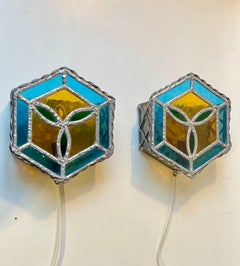
Vintage Scandinavian Gothic Style Stained Glass Wall Sconces
Located in Esbjerg, DK
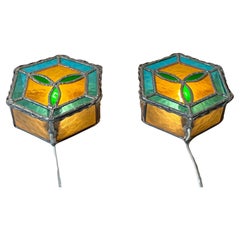
A pair of hexagonal stained glass wall lamps with green, blue and yellow panelling. Gothic revival in style and handmade in Scandinavia during the 1...
Category

1970s Scandinavian Vintage Gothic Revival Furniture

Materials

Stained Glass

Antique Carved Oak Church, Gothic Revival Studio Easel Display Stand or Pedestal
Located in Lisse, NL
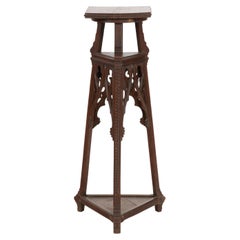
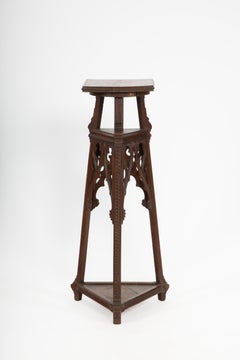
Unique Gothic Revival two shelf sculpture stand with a beautiful patina. This impressive and adjustable Gothic stand dates from circa 1890. To find this rare and sizeable antique mo...
Category

Late 19th Century French Antique Gothic Revival Furniture

Materials

Wood, Oak

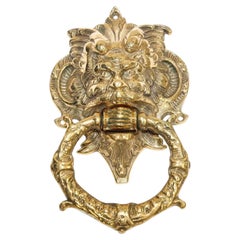
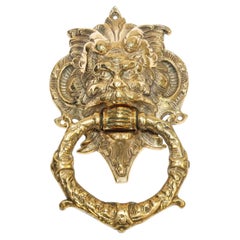
Vintage Solid Brass Italian Gothic Devil Door Knocker
Located in Moreno Valley, CA
Vintage solid cast brass Italian door knocker with scary evil devil man face. The large mascaron crest has been crafted in grotesque style and is sometimes called a chimera. A mascar...
Category

Mid-20th Century Italian Gothic Revival Furniture

Materials

Brass

Pair Large Gothic Revival Wall Brackets or Corbels w. Beautifully Roses & Lilies
Located in Lisse, NL
These stunning display brackets or consoles are unique in size and design. We have sold our share of wall brackets over the years, but this recently ...
Category

Early 20th Century Dutch Gothic Revival Furniture

Materials

Wood, Oak

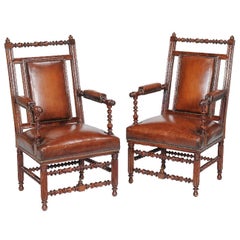
19th Century Pair of Gothic Armchairs
Located in High Point, NC
19th century pair of English armchairs in the gothic manner. They have wonderfully carved frames and are newly upholstered in linen with a double welt decoration. Seat measures 18.25...
Category

19th Century British Antique Gothic Revival Furniture

Materials

Linen, Oak

Large Belgian Neo-Gothic Painted and Giltwood Architectural Element
Located in San Francisco, CA
Of Neo-gothic style and large scale with a protruding cornice carved with a meandering foliate vine; above an openwork body with trefoil and quatrefoil pierced reserves over a pointe...
Category

1860s Belgian Antique Gothic Revival Furniture

Materials

Wood

Pair of Antique Gothic Revival Carved Hardwood Side Chairs, Late 19th Century
Located in Bedford Hills, NY
Pair of antique Gothic Revival carved hardwood side chairs with upholstered seats.
Category

Early 20th Century Chinese Gothic Revival Furniture

Materials

Hardwood

Antique Hand Crafted Pair of Gothic Revival Church Columns / Pedestal Stands
Located in Lisse, NL
Beautiful quality and very good condition pair of Gothic church sculpture or candle stands. If only the rarest is good enough for you then this, possibly unique, pair of antique chu...
Category

Late 19th Century European Antique Gothic Revival Furniture

Materials

Brass, Bronze

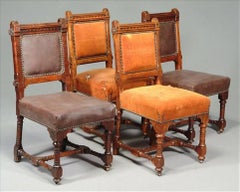
Charles Bevan attr. A set of five Gothic Revival oak dining chairs & an armchair
Located in London, GB
Charles Bevan for Marsh Jones and Cribb, attributed. A good quality set of six Gothic Revival oak dining chairs with geometric dot and...
Category

1870s English Antique Gothic Revival Furniture

Materials

Oak

Neo-Gothic 19th Century Octagonal Pedestal / Stand / Architectural Model
Located in Troy, NY
An unusual pedestal of octagonal Neo-Gothic form, the molded base supporting eight shaped and carved columns decorated with typical Gothic designs, topped by eight spikes surrounding...
Category

Mid-19th Century English Antique Gothic Revival Furniture

Materials

Oak

Rare Hand Carved Stone Wellhead Cistern Basin Antique Fountain Focal Point LA CA
Located in West Hollywood, CA
Rare hand carved stone Wellhead cistern Basin Antique Fountain Focal point LA CA. 19th Century Neogothic Water Wellhead hand carved stone planter Basin ...
Category

19th Century French Antique Gothic Revival Furniture

Materials

Stone, Limestone, Iron, Wrought Iron

A.W.N Pugin Style of a Gothic Revival Oak Coal Purdonium with Linen Fold Carving
Located in London, GB
A.W.N Pugin style of a Gothic Revival oak coal purdonium with seed carving to the edge of the top and linen fold carvings to the front and to the sides with blind fret details to the...
Category

1880s English Antique Gothic Revival Furniture

Materials

Oak

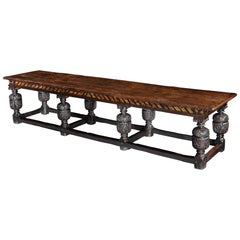
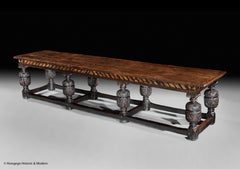
Table Refectory Dining Seats18 Antiquarian Parquetry Elm Oak Box 368cm 145" long
Located in BUNGAY, SUFFOLK
A MASSIVE, 18 SEATER, LATE-19TH CENTURY, ANTIQUARIAN, REFECTORY TABLE, with an elm top, boxwood and parquetry frieze and oak base 3.68m 145" long - It is virtually impossible to source C17 and earlier dining tables with integrity which are more than 274cm., 108 inches long & period models are narrow around 70cm or 27.50 inches wide - It is very rare to find a table of this size with parquetry decoration which was only used on the finest pieces and is sophisticated elevating its status. - The massive elm top is made from over 10" wide, beautifully figured boards, 1 1/4" thick - The bulbous legs on this table are typical of those found on drawleaf tables that were made in the third quarter of the 16th century. The bulbous or vase-shaped legs were of Flemish and German origin, introduced into England by immigrant craftsmen and through published designs such as those of Dietterlein and De Vries. In early Elizabethan examples, the vase-shape is very pronounced, the bulbs generally being carved with acanthus and gadroons, and terminating at the junction with the frame in Ionic volutes as in this example. - The top is detachable and unusually the base of table can easily be dismantled unlike the 16th century examples whose immovable nature caused them to descend through many generations in the same family, and Evelyn observes in a familiar passage that both in hall and parlour long tables " were as fixed as the freehold " '. Consequently drawleaf tables still survive today in situ some of the great collections, such as Hardwick Hall, while others have passed into the hands of museums such as the Treasurer's House, York - Provenance : Private Collection UK. The Estate Of Wendy Vanderbilt Lehman, USA. Wendy was born in California to Manuela Hudson and Alfred Gwynne Vanderbilt II, a pioneer in thoroughbred racing, who’s father had gone down on the Lusitania. She was great, great granddaughter of Cornelius Vanderbilt, the historic tycoon known as The Commodore. Like many wealthy children of her generation, Wendy grew up largely in the care of nannies, and throughout her childhood she was shuffled between Palm Beach and the Plaza Hotel. Wendy experienced her first sense of belonging at boarding school, where she cultivated life-long loving friendship with her art teacher Betty Klein. She later attended Sarah Lawrence College. In her early 20s Wendy was widely sought after and photographed as a debutant. She was featured in one of Lilly Pulitzer’s first advertising campaigns and attended the Truman...
Category

1880s British Antique Gothic Revival Furniture

Materials

Boxwood, Elm, Oak
Gothic Revival Medieval Style Good Size Iron & Cathedral Glass Lantern / Fixture
Located in Lisse, NL
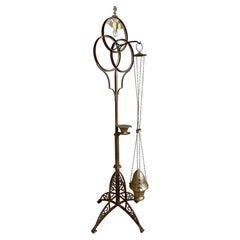
Impressive and all handcrafted, Gothic hallway or porch light fixture. If you are a collector of rare and all handcrafted Gothic antiques then this one of a kind lantern could be fl...
Category

Early 20th Century French Gothic Revival Furniture

Materials

Metal, Iron

Neo Gothic Wrought Iron & Marble Console Table with Crest, France, circa 1850
Located in Chatham, ON
Exceptional and rare antique Neo Gothic wrought iron console table with family crest and original Rouge Royal marble top - riveted construction throughout - completely hand made - de...
Category

Mid-19th Century French Antique Gothic Revival Furniture

Materials

Wrought Iron

Gothic Revival furniture for sale on 1stDibs.

Find a broad range of unique Gothic Revival furniture for sale on 1stDibs. Many of these items were first offered in the 21st Century and Contemporary, but contemporary artisans have continued to produce works inspired by this style. If you’re looking to add vintage furniture created in this style to your space, the works available on 1stDibs include more furniture and collectibles, seating, lighting and other home furnishings, frequently crafted with wood, metal and other materials. If you’re shopping for used Gothic Revival furniture made in a specific country, there are Europe, United Kingdom, and France pieces for sale on 1stDibs. While there are many designers and brands associated with original furniture, popular names associated with this style include John Ruskin, Augustus Welby Northmore Pugin, Gillows of Lancaster & London, and Britt Jewett. It’s true that these talented designers have at times inspired knockoffs, but our experienced specialists have partnered with only top vetted sellers to offer authentic pieces that come with a buyer protection guarantee. Prices for furniture differ depending upon multiple factors, including designer, materials, construction methods, condition and provenance. On 1stDibs, the price for these items starts at $30 and tops out at $189,810 while the average work can sell for $3,122.
Recently Viewed

View All