Texas - Art

to
645
2,359
2,168
1,130
967
1,379
Overall Width
to
Overall Height
to
32
177
3,533
4,264
53
50
89
140
114
220
378
354
322
432
17
1,890
1,284
717
708
439
190
145
46
32
23
23
21
19
4
3,554
3,099
868
2,896
1,464
1,095
858
771
613
581
504
442
426
407
405
316
315
288
275
228
204
177
168
3,981
2,065
1,671
1,493
1,413
100
72
69
68
65
1,964
1,373
231,073
150,933
Item Ships From: Texas
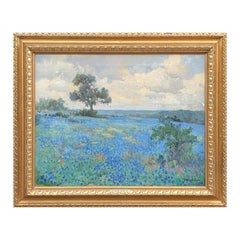
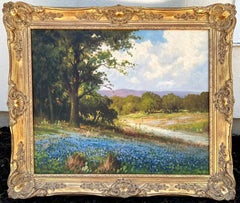
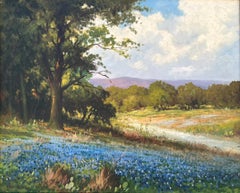
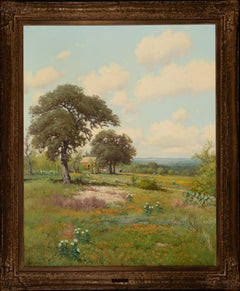
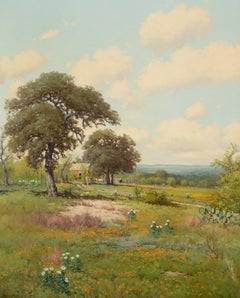
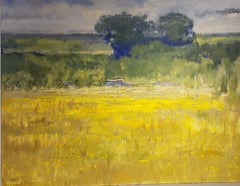
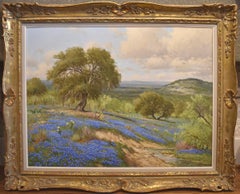
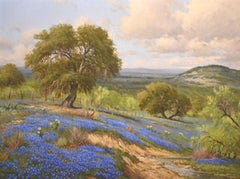
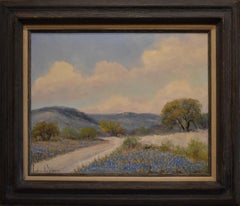
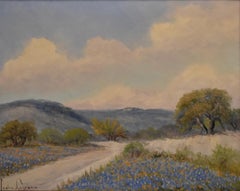
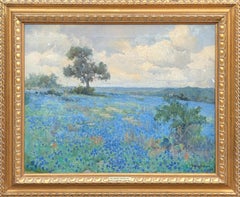
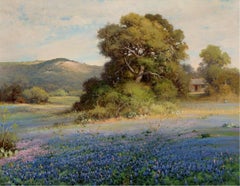
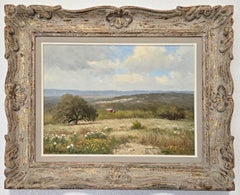
Early Texas Impressionist Country Landscape Painting of Bluebonnet Flowers

Early Texas Impressionist Country Landscape Painting of Bluebonnet Flowers

By Porfirio Salinas

Located in Houston, TX

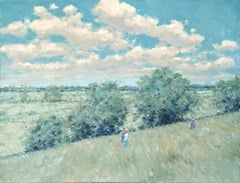
Early Texas Impressionist country landscape painting by Porfirio Salinas. The work features a field of bluebonnets in full bloom accented by a few trees. Signed and dated in the fron...

Category

1920s American Impressionist Texas - Art

Materials

Canvas, Oil

Nirvana Nevermind original color slide print

Nirvana Nevermind original color slide print

Located in Austin, TX

Signed print taken from an original color slide of Nirvana taken by Kirk Weddle. This slide was taken during the famous swimming pool sessions with Nirvana for the release of Nevermi...

Category

Late 20th Century Contemporary Texas - Art

Materials

Digital Pigment

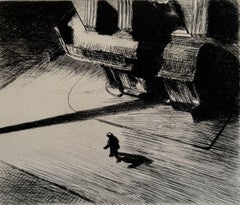
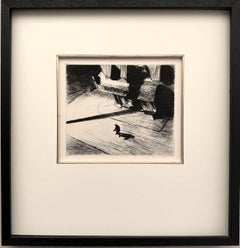
Night Shadows
Night Shadows

Edward HopperNight Shadows, 1921

$48,000Sale Price|20% Off

Night Shadows

By Edward Hopper

Located in Plano, TX

Night Shadows. 1921. Etching. Levin 82. 7 x 8 3/8 (sheet 10 x 13 7 1/16).s Series: Six American Etchings: The New Republic Portfolio, 1924. Edition approximately 500-600. Illustrate...

Category

1920s American Modern Texas - Art

Materials

Etching

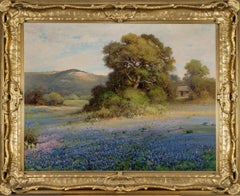
"BLUE HEAVEN" BLUEBONNET 1930s NEWCOMB MACKLIN FRAME 38 x 46 Framed Robert Wood

"BLUE HEAVEN" BLUEBONNET 1930s NEWCOMB MACKLIN FRAME 38 x 46 Framed Robert Wood

Located in San Antonio, TX

Robert Wood (G. Day) (1889 -1979) San Antonio Artist Image Size: 28 x 36 Frame Size: 38 x 46 Medium: Oil on Canvas Signed Front & Signed & Titled on Verso Newcomb Macklin Frame Circa Late 1930s "Blue Heaven" Bluebonnets Biography Robert Wood (G. Day) (1889 -1979) A painter of realistic landscapes reflecting a vanishing wilderness in America, Robert Wood (not to be confused with Robert E. Wood) is reportedly one of the most mass-produced artists in the United States. His painting became so popular he was unable to meet all of the demands, and many of his works were reproduced in lithographs and mass distributed as prints, place mats, and wall murals by companies including Sears, Roebuck. He was born in Sandgate, Kent on the south coast of England near Dover, the son of W.L. Wood, a famous home and church painter who recognized and supported his son's talent. In fact, he forced his son to paint by keeping him inside to paint rather than playing with his friends. At age 12, Wood entered the South Kensington School of Art. As a youth, he came to the United States in 1910, having served in the Royal Army, and he never returned to England. He traveled extensively all over the United States, especially in the West, often in freight cars, and also painted in Mexico and Canada. His itinerant existence took him to Illinois where he worked as a farmhand, to Pensacola, Florida where he married, briefly in Ohio, Seattle, Washington, and Portland, Oregon. In 1912, he was in Los Angeles, and in the late 1920s and early 1930s, in San Antonio, Texas, where he lived and in 1928 exhibited in the "Texas Wildflower Competition." From San Antonio, he gained a national reputation for his strong colored, dramatic paintings. Some of that prestige has been credited to his association with Jose Arpa, prominent Texas artist. Wood also gave art lessons, and one of his students was Porfirio Salinas. During this period, Wood sometimes signed his paintings G. Day or Trebor, which is Robert spelled backwards. In 1941 he went to California and painted numerous desert and mountain landscapes and coastal scenes. He lived in Carmel for seven years, and then moved to Woodstock, New York, but he soon returned to California, settling first in Laguna Beach, then San Diego, and finally in the High Sierras, where he and his wife built a home and studio near Bishop and lived until his death in 1979. Robert Wood was born March 4, 1889, in Sandgate, England, a small town on the Kentish coast not far from the white cliffs of Dover. His father, W. J. Wood, was a successful painter who recognized Robert's unusual talent. At the age of twelve, his father enrolled Wood in art school in the small town of Folkstone. He then attended the South Kensington School of Art. While attending art school, Wood won four first awards and three second awards, one each year, a record. In 1910 after service in the Royal Army, nineteen-year-old Wood and his friend, Claude Waters, immigrated to America. Initially, he settled in Illinois and worked as a hired hand on a farm belonging to Water's uncle. He would then strike out on his own, living the life of an itinerant painter. Wood traveled as a hobo, hopping freight trains and selling or bartering small paintings to support him along the way. When times were hard, he worked at whatever job was available. In this manner, he saw most of the United States and fell in love with rural America. By 1912, Wood visited Los Angeles for the first time, arriving on the day of the Titanic tragedy. Later that year, he had met, courted and married young Eyssel Del Wagoner in Florida. The couple moved to Ohio where a daughter, Florence, was born. During World War I, the family moved to Seattle where a son, John Robert Wood, was born in 1919. In the early 1920's, the young Wood family was almost constantly on the move. They stayed for short periods in Kansas, Missouri, California and for a longer time in Portland, Oregon, where Wood's friend Claude Waters had settled. Wood's seemingly endless wanderings disrupted his family life and delayed his development as a painter. However, through his travels he developed an appreciation for the American landscape that would inspire him for the rest of his career. Although aware of the current movement away from traditional realism in American art, he elected to travel that solitary path and remain true to his own vision of American’s grandeur and beauty poetically translated through his landscape and seascape paintings. In 1923, the Wood family discovered the beautiful city of San Antonio, Texas and it was there that he and his family would finally settle. He studied briefly at the San Antonio Art School with Spanish colorist Jose Arpa y Perea (1860-1952), who had arrived in San Antonio that same year. In the latter part of the 1920’s, Jose Arpa’s influence quickly became evident. Wood after several years of experimentation was becoming fine easel painter, capable of great subtlety with a new mature original style. Like Texas painters Robert Onderdonk (1853-1917) and his son Julian Onderdonk (1882-1922), Robert Wood concentrated on the distinctive Texas landscape with its Red Oak trees and wildflowers that covered the hill country landscape. He developed a reputation for his scenes of Blue Bluebonnets, the state flower. In the spring, the Texas prairie is covered with wildflowers, especially in the hill country surrounding San Antonio and Austin. Wood incorporated native stone barns and rough wood farmhouses that added authenticity and romance to his compositions. In 1925, Wood was divorced from his wife. In 1932, he moved to the famous scenic loop on San Antonio's outskirts. While still living in Texas, he took extensive western sketching trips that brought him to California. It is evident that his 1930’s California...

Category

1930s Impressionist Texas - Art
Materials

Oil

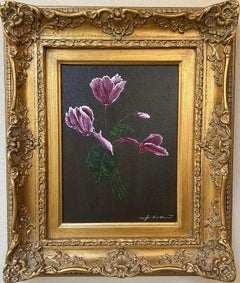
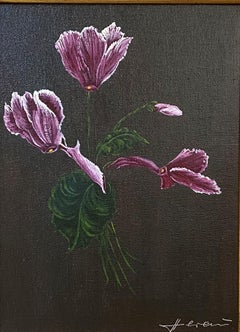
Floral Still Life Oil Painting, Realist Style, 20th Century, Framed

Floral Still Life Oil Painting, Realist Style, 20th Century, Framed

Located in Plano, TX

Oil painting measures 12 x 9; frame dimensions measure 19 3/8 x 16 3/8 x 3. Housed in an elegant gold-tone frame with decorative edges. Illegible signature, lower right. Support patc...

Category

20th Century Realist Texas - Art

Materials

Oil

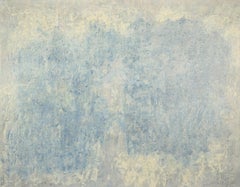
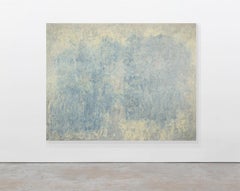
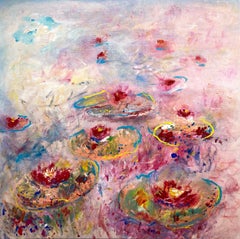
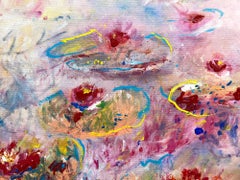
"Lilly Pads on the Water" Contemporary Acrylic Painting In the Style of Monet

"Lilly Pads on the Water" Contemporary Acrylic Painting In the Style of Monet

By Robert Gregory Phillips

Located in New York, NY

An abstract expressionist acrylic painting on canvas with wonderful color combinations of soft, pinks, yellow and effortless lines and shapes. Inspired by Claude Monet's Lilly Pads, ...

Category

21st Century and Contemporary Contemporary Texas - Art

Materials

Canvas, Acrylic

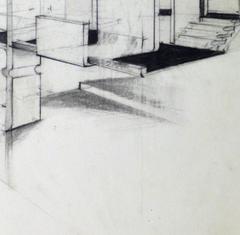
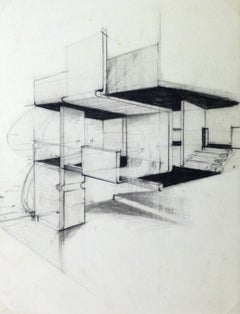
Vintage Architectural Drawing

Vintage Architectural Drawing

Located in Houston, TX

Modern pencil drawing of a contemporary architectural design, circa 1970. Original artwork on paper displayed on a white mat with a gold border. Mat fits a standard-size frame. A...

Category

1970s Texas - Art

Materials

Paper, Pencil

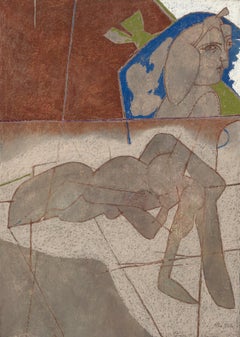
Joyce Ann

Joyce Ann

By Otis Huband

Located in Dallas, TX

Born in 1933, Otis Huband declared his intention to be an artist at age 6. He earned his BFA and MFA at Richmond Professional Institute of the College of William & Mary, now Virginia...

Category

2010s Abstract Texas - Art

Materials

Canvas, Oil

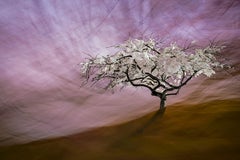
Essence of Life
Essence of Life

Essence of Life

Located in Plano, TX

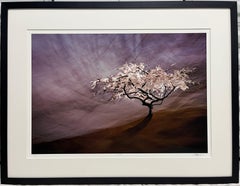
"Essence of Life" is a part of Christopher Kennedy's "Trees Revered" series. Please note that the image without the frame is a better representation of the actual image. "This parti...

Category

2010s Contemporary Texas - Art

Materials

Archival Paper

"SPRING SHOWERS" G. HARVEY (1933-2017) TEXAS HILL COUNTRY RANCH

"SPRING SHOWERS" G. HARVEY (1933-2017) TEXAS HILL COUNTRY RANCH

By G. Harvey

Located in San Antonio, TX

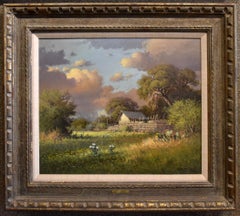
G. Harvey (Gerald Harvey Jones) (1933-2017) San Antonio, Austin, and Fredericksburg Artist Image Size: 20 x 24 Frame Size: 29.5 x 33 Medium: Oil on canvas "Spring Showers" Mr. Geral...

Category

1960s Impressionist Texas - Art
Materials

Oil

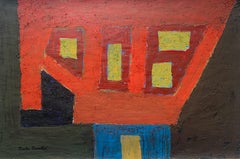
House with Yellow Windows, Oil Painting, Signed, 1960s NYC Artist

House with Yellow Windows, Oil Painting, Signed, 1960s NYC Artist

By Martin Rosenthal

Located in Arp, TX

Martin Rosenthal "House with Yellow Windows" c. 1960s Encaustic & Oil paint on paper 20"x13" unframed Signed and dated in ink lower left Martin Rosenthal 1899-1974 Artist Mart...

Category

Mid-20th Century Abstract Texas - Art

Materials

Paper, Oil

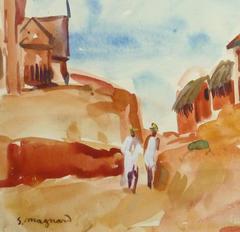
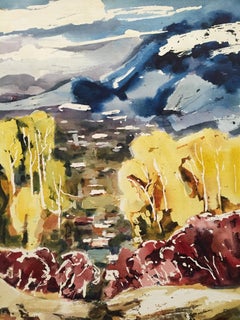
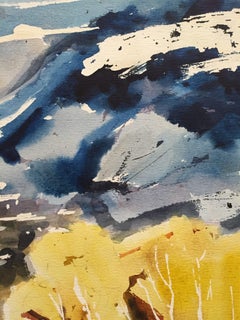
French Watercolor Landscape - Hilltop Village

French Watercolor Landscape - Hilltop Village

By Stephane Magnard

Located in Houston, TX

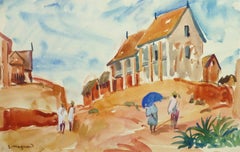
Vivid and bright watercolor landscape of a village perched atop a hillside in Madagascar by French artist Stephane Magnard (1917-2010), circa 1950. Signed lower left. Stéphane Magna...

Category

1950s Texas - Art

Materials

Paper, Watercolor

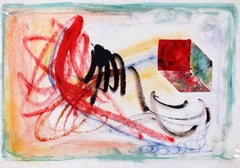
Modern Abstract Painting

Modern Abstract Painting

Located in Houston, TX

Lively abstract painting with primary tones of yellows, reds and greens with accents of blue and black on white background, 1952. Signed lower right. Original artwork on paper dis...

Category

1950s Texas - Art

Materials

Acrylic

"Bluebonnets Texas Hill Country"

"Bluebonnets Texas Hill Country"

Located in San Antonio, TX

Robert Wood (G. Day) (1889 -1979) San Antonio Artist Image Size: 20 x 24 Frame Size: 29 x 33 Medium: Oil Signed Lower left "Bluebonnet" Biography Robert Wood (G. Day) (1889 -1979) A painter of realistic landscapes reflecting a vanishing wilderness in America, Robert Wood (not to be confused with Robert E. Wood) is reportedly one of the most mass-produced artists in the United States. His painting became so popular he was unable to meet all of the demands, and many of his works were reproduced in lithographs and mass distributed as prints, place mats, and wall murals by companies including Sears, Roebuck. He was born in Sandgate, Kent on the south coast of England near Dover, the son of W.L. Wood, a famous home and church painter who recognized and supported his son's talent. In fact, he forced his son to paint by keeping him inside to paint rather than playing with his friends. At age 12, Wood entered the South Kensington School of Art. As a youth, he came to the United States in 1910, having served in the Royal Army, and he never returned to England. He traveled extensively all over the United States, especially in the West, often in freight cars, and also painted in Mexico and Canada. His itinerant existence took him to Illinois where he worked as a farmhand, to Pensacola, Florida where he married, briefly in Ohio, Seattle, Washington, and Portland, Oregon. In 1912, he was in Los Angeles, and in the late 1920s and early 1930s, in San Antonio, Texas, where he lived and in 1928 exhibited in the "Texas Wildflower Competition." From San Antonio, he gained a national reputation for his strong colored, dramatic paintings. Some of that prestige has been credited to his association with Jose Arpa, prominent Texas artist. Wood also gave art lessons, and one of his students was Porfirio Salinas. During this period, Wood sometimes signed his paintings G. Day or Trebor, which is Robert spelled backwards. In 1941 he went to California and painted numerous desert and mountain landscapes and coastal scenes. He lived in Carmel for seven years, and then moved to Woodstock, New York, but he soon returned to California, settling first in Laguna Beach, then San Diego, and finally in the High Sierras, where he and his wife built a home and studio near Bishop and lived until his death in 1979. Robert Wood was born March 4, 1889, in Sandgate, England, a small town on the Kentish coast not far from the white cliffs of Dover. His father, W. J. Wood, was a successful painter who recognized Robert's unusual talent. At the age of twelve, his father enrolled Wood in art school in the small town of Folkstone. He then attended the South Kensington School of Art. While attending art school, Wood won four first awards and three second awards, one each year, a record. In 1910 after service in the Royal Army, nineteen-year-old Wood and his friend, Claude Waters, immigrated to America. Initially, he settled in Illinois and worked as a hired hand on a farm belonging to Water's uncle. He would then strike out on his own, living the life of an itinerant painter. Wood traveled as a hobo, hopping freight trains and selling or bartering small paintings to support him along the way. When times were hard, he worked at whatever job was available. In this manner, he saw most of the United States and fell in love with rural America. By 1912, Wood visited Los Angeles for the first time, arriving on the day of the Titanic tragedy. Later that year, he had met, courted and married young Eyssel Del Wagoner in Florida. The couple moved to Ohio where a daughter, Florence, was born. During World War I, the family moved to Seattle where a son, John Robert Wood, was born in 1919. In the early 1920's, the young Wood family was almost constantly on the move. They stayed for short periods in Kansas, Missouri, California and for a longer time in Portland, Oregon, where Wood's friend Claude Waters had settled. Wood's seemingly endless wanderings disrupted his family life and delayed his development as a painter. However, through his travels he developed an appreciation for the American landscape that would inspire him for the rest of his career. Although aware of the current movement away from traditional realism in American art, he elected to travel that solitary path and remain true to his own vision of American’s grandeur and beauty poetically translated through his landscape and seascape paintings. In 1923, the Wood family discovered the beautiful city of San Antonio, Texas and it was there that he and his family would finally settle. He studied briefly at the San Antonio Art School with Spanish colorist Jose Arpa y Perea (1860-1952), who had arrived in San Antonio that same year. In the latter part of the 1920’s, Jose Arpa’s influence quickly became evident. Wood after several years of experimentation was becoming fine easel painter, capable of great subtlety with a new mature original style. Like Texas painters Robert Onderdonk (1853-1917) and his son Julian Onderdonk (1882-1922), Robert Wood concentrated on the distinctive Texas landscape with its Red Oak trees and wildflowers that covered the hill country landscape. He developed a reputation for his scenes of Blue Bluebonnets, the state flower. In the spring, the Texas prairie is covered with wildflowers, especially in the hill country surrounding San Antonio and Austin. Wood incorporated native stone barns and rough wood farmhouses that added authenticity and romance to his compositions. In 1925, Wood was divorced from his wife. In 1932, he moved to the famous scenic loop on San Antonio's outskirts. While still living in Texas, he took extensive western sketching trips that brought him to California. It is evident that his 1930’s California...

Category

1950s Impressionist Texas - Art
Materials

Oil

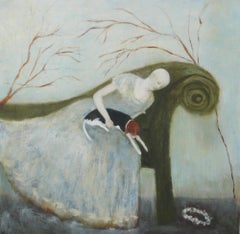
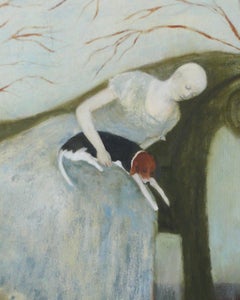
Life with Beagle Figurative Art Animal Painting 24" x 24" Women in Art

Life with Beagle Figurative Art Animal Painting 24" x 24" Women in Art

By Jeanie Tomanek

Located in Houston, TX

Jeanie Tomanek: I don’t intentionally set out to make a calming painting, no, but I do try to have a sense of hope in my stories. I’m an optimist who believes there’s always some way...

Category

2010s Expressionist Texas - Art

Materials

Oil, Cotton Canvas

Reclined Female Nude

Reclined Female Nude

By Esther Meyer

Located in Houston, TX

Striking female nude in reclined back seated position on red blanket in ink and watercolor by English artist Esther Meyer, circa 1950. Original artwork on paper displayed on a whit...

Category

1950s Texas - Art

Materials

Ink, Watercolor

August Sunset Impressionism Seascape Framed Water Texas Artist Marine Dawn $700

August Sunset Impressionism Seascape Framed Water Texas Artist Marine Dawn $700

Located in Houston, TX

August Sunset Impressionism Seascape Framed Water Texas Artist Marine Dawn $950 Framed 11" x 13". Is part of newly released small works from V....Vaughan's collection of recent travels. V....Vaughan painted each of these on location "en plein air" It has an Impressionistic Style as seen in many of Virginia Vaughan's paintings. V....Vaughan is know for her animal, Texas missions Italy, France and Gulf Coast paintings...

Category

2010s American Impressionist Texas - Art
Materials

Oil, Panel

"BLOWIN' IN" WESTERN G. HARVEY PAINTING 28 X 38 FRAME SIZE DATED 1974

"BLOWIN' IN" WESTERN G. HARVEY PAINTING 28 X 38 FRAME SIZE DATED 1974

By G. Harvey

Located in San Antonio, TX

G. Harvey (Gerald Harvey Jones) (1933-2017) San Antonio, Austin, and Fredericksburg Artist Image Size: 20 x 30 Frame Size: 28 x 38 Medium: Oil on Canvas Dated 1974 "Blowin' In" Sign...

Category

1970s Impressionist Texas - Art
Materials

Oil

Body Art
Body Art

Body Art

By Kismine Varner

Located in Houston, TX

Acrylic body art featuring upper torso, arms and face by American artist Kismine Varner, circa 1990. Signed lower right. Original artwork on paper displaye...

Category

1990s Texas - Art

Materials

Acrylic

Papoose
Papoose

Papoose

By Alexander Calder

Located in Austin, TX

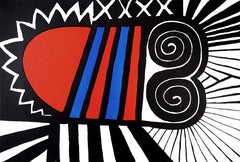
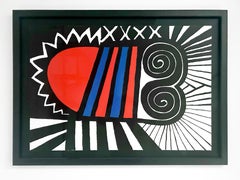
Artist: Alexander Calder Title: Papoose Medium: Color Lithograph Year: 1969 Framed Dimensions: 36"h x50"w 1.5"d Print Dimensions: 28 x 43 in Framed in bespoke black frame. Signed "Calder" lower right. Numbered 9/75 Published by Maeght, Paris Condition: Excellent. Very small tear to middle right side of paper, does not affect the image Edition of 75 Alexander Calder, Papoose, 1969, is a vibrant color lithograph that captures the playful lyricism and rhythmic balance central to Calder’s visual language. Floating organic forms...

Category

1960s Abstract Texas - Art

Materials

Lithograph

Nude

Nude

Located in Dallas, TX

oil on canvas

Category

2010s Abstract Texas - Art

Materials

Canvas, Oil

American Abstract Painting

American Abstract Painting

By Kismine Varner

Located in Houston, TX

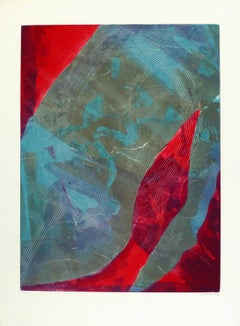
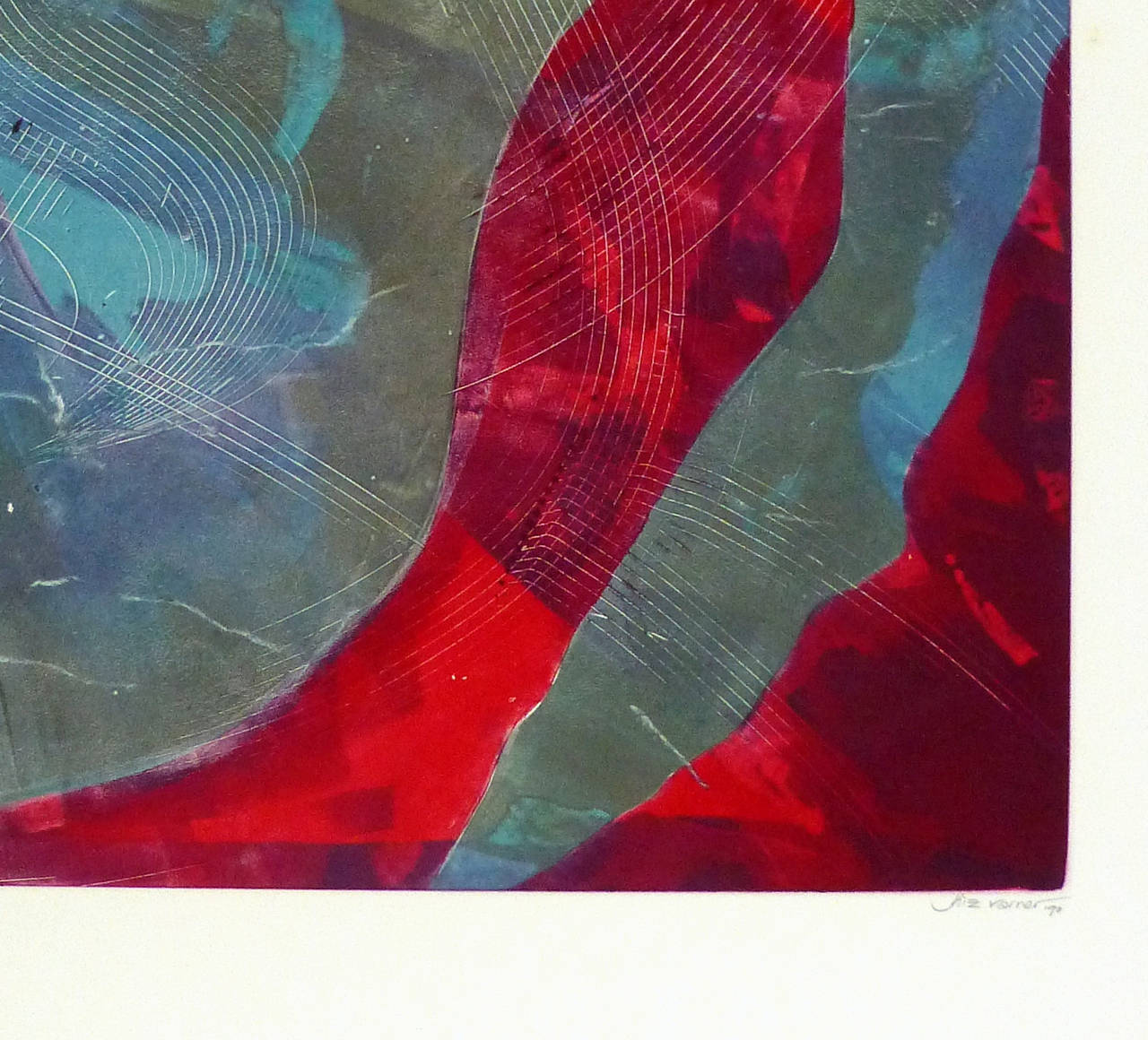
Eye catching abstract mixed media painting blending vivid jewel tone colors by American artist Kismine Varner, 1990. Signed and dated lower right. Original artwork on paper displa...

Category

1990s Abstract Texas - Art

Materials

Acrylic, Paper

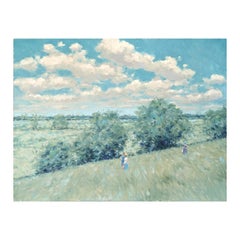
American Impressionist Painting of Women Standing in an Open Field Landscape

American Impressionist Painting of Women Standing in an Open Field Landscape

By André Gisson

Located in Houston, TX

Early American Impressionist painting by New York born artist André Gisson. The work features a group of three women standing in an open field. The loose brushwork gives the impressi...

Category

Mid-20th Century American Impressionist Texas - Art
Materials

Oil

Cai by Markus Klinko

Cai by Markus Klinko

By Markus Klinko

Located in Austin, TX

Museum quality fine art print of Cai by photographer Markus Klinko in 2000 in New York. This print is available in the following sizes, signed and numbered by Markus Klinko 24" high...

Category

21st Century and Contemporary Contemporary Texas - Art

Materials

C Print

Spring Glamour

Spring Glamour

By Markus Klinko

Located in Austin, TX

From a stunning collection of contemporary nudes from celebrated photographer, Markus Klinko, featuring amongst others, Dita Von Teese, Stoya and Aubrey O’Day This print is availabl...

Category

Early 2000s Contemporary Texas - Art

Materials

C Print

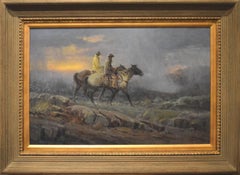
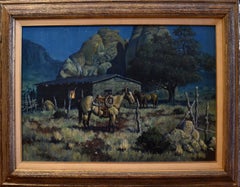
MARTIN GRELLE "Night Stop",  WESTERN HORSES SHACK NOCTURNAL 24 x 36 CANVAS

MARTIN GRELLE "Night Stop", WESTERN HORSES SHACK NOCTURNAL 24 x 36 CANVAS

By Martin Grelle

Located in San Antonio, TX

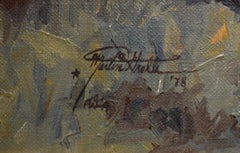
Martin Grelle (Born 1954) Clifton Texas Artist Image Size: 24 x 36 Frame Size: 33 x 45 Medium: Oil on Canvas 1978 "Night Stop" Nocturnal Western painting Signed lower left Biography Martin Grelle (Born 1954) Martin Grelle, b. 1954, Clifton, Texas, (United States) Born and raised in Clifton, Texas, Martin Grelle still lives on a small ranch a few miles from town. His studio sits in the picturesque Meridian Creek Valley, surrounded by the oak & cedar-covered hills of Bosque County, just a short distance from his home, but also within a few miles of the family and friends who are so important in his life. He has two sons, Josh & Jordan, who have left home to pursue their own dreams, but who stay in touch frequently. Martin's parents, Ervin & Ella, have both passed from this life, but he still has his brothers, Carl & Marvin, living nearby, as well as his sister, Mary, who lives in Ft. Worth. Martin began drawing and painting when he was very young, and was fortunate to have James Boren and Melvin Warren, two professional artists and members of the Cowboy Artists of America, move to the area when he was still in high school, and it has had a lasting impact on his direction and career. Mentored by Boren, he had his first one-man show at a local gallery within a year of graduating from high school in 1973. In the nearly 40 years since that time, he has produced some 30 one-man exhibitions, including annual shows in Scottsdale, Arizona since 1989, and has won awards of both regional and national importance at shows around the country. He was invited into membership with the Cowboy Artists of America in 1995, fulfilling a dream begun in the early 70's when he first met Boren and Warren. That same year he was invited to participate in the first Prix de West Invitational at the National Cowboy and Western Heritage Museum in Oklahoma City. Since that time, he has won the Prix de West Purchase Award, twice (one of only seven artists to do so), the Nona Jean Hulsey Rumsey Buyers' Choice Award, twice, the CA People's Choice Award in 2002, the CA Ray Swanson Award in 2008, the CA Buyers' Choice Award in 2011 and 2012, and the Silver Award for Water Solubles in 2012. He was awarded the Legacy Award by The Briscoe Museum in 2012, for his impact on western art. Other major invitational exhibitions and sales Martin has participated in include The Masters at the Autry Museum in Los Angeles, and the inaugural Quest for the West at the Eiteljorg Museum in Indianapolis, the Coeur d'Alene Auction, and the Jackson Hole Art Auction. Martin has also been featured in a number of publications throughout his career, including multiple appearances in the following magazines: Art of the West, Western Art Collector, Southwest Art, Western Art and Architecture, Persimmon Hill, American Cowboy, Western Horseman, Informant, Wild West, and True West's magazine's 2011 Best of the West Source Book. He was honored with a retrospective showing of his work, along with fellow CA artist, Herb Mignery, for the Gilcrease Museum's Rendezvous Show 2013. Martin has a real sense of responsibility to his collectors, which fills his heart every morning when he walks into the studio, believing that what he does is a gift entrusted to him from God, and must not be left unused or taken for granted, but developed and improved upon. His parents and Jim and Mary Ellen Boren, all set that example for him - an example of not only striving to be the best artist he can be, but the best man he can be as well. Beyond his studio, Martin strives to pass on what others have passed to him. He has given multiple demonstrations around the country, teaches an annual weekend workshop along with his good friend, and fellow CA, Bruce Greene - which they have done for 22 years straight - and mentors other aspiring artists by critiquing their work. He has donated work to a large number of organizations to aid in their progress, including The Bosque Arts Center in Clifton, Texas. He has twice served on the board of directors for the CA organization and is currently serving as President. He is also involved with The Joe Beeler Foundation, founded by the Cowboy Artists of America to coincide with their mentoring program, which provides scholarship opportunities for artists seeking to improve their skills, and has served as President of the Foundation for the past year as well. Education Self-taught; mentored by James Boren Cowboy Artists of America Museum, Kerrville, TX, Workshop, Harvey Johnson/Melvin Warren, 1983 Bosque Conservatory, Clifton, TX, Workshop, Bettina Steinke...

Category

1970s Impressionist Texas - Art
Materials

Oil

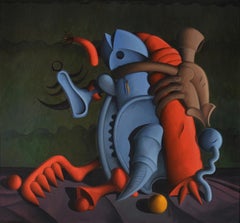
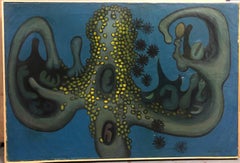
Don't Hurt Me

Don't Hurt Me

By Valton Tyler

Located in Dallas, TX

In The New York Times Arts in America column, Edward M. Gomez writes of Valton Tyler, "visionary seems the right word for describing his vivid, unusual and technically refined painti...

Category

1970s Surrealist Texas - Art

Materials

Oil, Linen

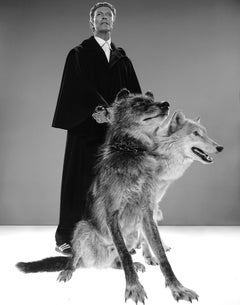
David Bowie - The Pack by Markus Klinko

David Bowie - The Pack by Markus Klinko

By Markus Klinko

Located in Austin, TX

New Release - January 2026 "David Bowie - The Pack" New York, 2001 Museum quality fine art print of David Bowie by photographer Markus Klinko, from his celebrated collection "Bowie...

Category

21st Century and Contemporary Contemporary Texas - Art

Materials

C Print

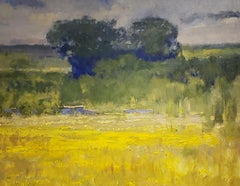
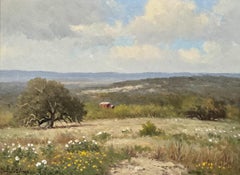
Texas Field , Texas landscape oil painting, Contemporary Impressionistic style

Texas Field , Texas landscape oil painting, Contemporary Impressionistic style

By Steve Parker

Located in Houston, TX

Texas Field contemporary oil landscape painting on canvas 30 x 40 painted in 2020 by Texan artist Steve Parker conveys his understanding of Texas landscapes and the use of native tr...

Category

2010s Impressionist Texas - Art
Materials

Oil, Cotton Canvas

Aubrey O'Day

Aubrey O'Day

By Markus Klinko

Located in Austin, TX

Aubrey O'Day by Markus Klinko, from a stunning collection of contemporary nudes from celebrated photographer, Markus Klinko, featuring amongst others, Dita Von Teese and Stoya This ...

Category

Early 2000s Contemporary Texas - Art

Materials

C Print

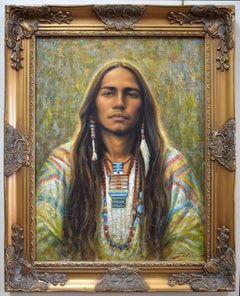
"THE BRAVE" NATIVE AMERICAN INDIAN PORTRAIT

"THE BRAVE" NATIVE AMERICAN INDIAN PORTRAIT

Located in San Antonio, TX

E. Salazar Texas Artist Image Size: 23.75 x 17.75 Frame Size: 29.5 x 23.5 Medium: Oil "The Brave"

Category

20th Century Impressionist Texas - Art
Materials

Oil

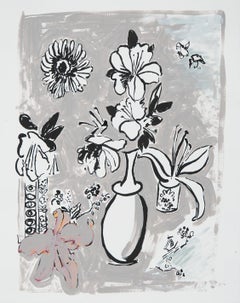
Flowers for Mary #4

Flowers for Mary #4

By Gail Norfleet

Located in Dallas, TX

Gail Norfleet earned her BFA at The University of Texas at Austin, and her MFA at Southern Methodist University. She has had solo exhibitions at The McKinney Avenue Contemporary and ...

Category

2010s Contemporary Texas - Art

Materials

India Ink, Acrylic, Illustration Board

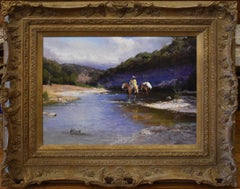
"CROSSING THE BLANCO" RIVER. WESTERN, COWBOY, HORSE, LIGHT, TEXAS HILL COUNTRY

"CROSSING THE BLANCO" RIVER. WESTERN, COWBOY, HORSE, LIGHT, TEXAS HILL COUNTRY

By James Robinson

Located in San Antonio, TX

James Robinson (1944-2015) Austin, Dallas, Houston Artist Image Size: 18 x 24 Frame Size: 29 x 35 Medium: Acrylic on Canvas "Crossing the Blanco" River Medium: Acrylic on Canvas Clea...

Category

Late 20th Century American Realist Texas - Art

Materials

Acrylic

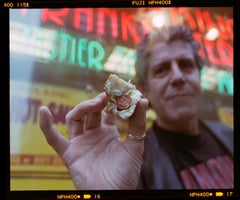
Anthony Bourdain Eating a Hot Dog by Jake Chessum

Anthony Bourdain Eating a Hot Dog by Jake Chessum

By Jake Chessum

Located in Austin, TX

Anthony Bourdain was famous for traveling the globe and exploring the local cuisine in No Reservations and Parts Unknown. As soon as he returned home t...

Category

21st Century and Contemporary Contemporary Texas - Art

Materials

C Print

"Bluebonnet Creek"  Texas Hill Country 1957 39 x 49 Framed!!!

"Bluebonnet Creek" Texas Hill Country 1957 39 x 49 Framed!!!

By Porfirio Salinas

Located in San Antonio, TX

Porfirio Salinas (1910-1973) San Antonio Artist Image Size: 30 x 40 Frame Size: 39 x 49 Medium: Oil on Canvas Dated 1957 "Bluebonnet Creek" Texas Hill Country Biography Porfirio Salinas (1910-1973) Porfirio Salinas was a self-taught artist who painted landscapes of Central Texas with an emphasis on the vast bluebonnet fields that grow there in the springtime. Born in 1910 in Bastrop, Texas, he attended public schools in San Antonio. He also observed works in progress by the director of the San Antonio Art School, Jose Arpa, as well as landscape painter, Robert Wood. Wood is said to have paid Salinas five dollars a picture to paint bluebonnets because "he hated to paint bluebonnets". Salinas served in the military from 1943 to 1945. Although he was assigned to Fort Sam Houston, he was allowed to live at home. At the fort, Colonel Telesphor Gottchalk assigned him to paint murals for the officer's lounge and various other projects, and Salinas continued to be able to paint during his entire conscripted period. Even before he achieved notoriety among galleries, dealers, and museums, Salinas was widely followed and appreciated by many Texans, including former President Lyndon B. Johnson, who may be considered responsible for launching Salinas popularity beyond the boundaries of Texas. In 1973, Texas capital, Austin, honored Salinas for having "done much to bring the culture of Mexico and Texas closer together with his paintings". Salinas died in April 1973 in San Antonio, Texas. From the years of the Great Depression through President Lyndon Johnson's Great Society of the 1960s, Texan Porfirio Salinas (1910-1973) remained one of the Lone Star State's most popular artists. Today, his works remain popular with Texas collectors and those who love landscapes of the beautiful "Hill Country" that lies in the center of the state. One of the first Mexican American painters to become widely recognized for his art, Salinas was a favorite of President Lyndon Johnson and his wife, Lady Bird Johnson, as well as of Sam Rayburn, the longest-serving Speaker of the House of Representatives, and Texas Governor John Connelly. In fact, President Johnson was so enamored with his Salinas paintings that the artist will forever be associated with America's first Texas-born President. Works by Porfirio Salinas are in a number of museum collections, grace the halls of the Texas State Capitol and the Governor's Mansion in Austin, and are included in virtually every major private collection of Early Texas Art. Porfirio Salinas was born on November 6, 1910, near the small town of Bastrop, Texas, about thirty miles from Austin. His father, Porfirio G. Salinas (1881-1967), and his mother, Clara G. Chavez, struggled to make a hardscrabble living as tenant farmers, but eventually were forced to give up farming. The family moved to San Antonio, where Salinas' father was able to get a job working as a laborer for the railroad, but the scenic area around Bastrop, with its pine trees and the wide expanse of the Rio Grande River, would forever remain a touchstone for the artist. For the rest of his life, Salinas and his brothers went back frequently to visit their grandmother in her little farmhouse. When in Bastrop, Porfirio painted on the banks of the Rio Grande or in the groves of pine trees. The Salinas family was close-knit and Porfirio was the middle child of five children, so he had an older brother and sister as well as a younger brother and sister. His mother was a native of Mexico, so throughout his childhood the family made the long drive to Mexico to visit Clara Salinas' family. As a child growing up in the bi-lingual section of San Antonio, Salinas drew and painted incessantly and by the time he was ten, he was already producing work that was mature enough to sell to his schoolteachers. Many years later in an article in the New York Times he was described as a "boy whose textbooks were seldom opened and whose sketchbook was never closed." Instead of studying, the young artist spent his spare time watching artists paint in and around San Antonio. As an aspiring painter, Salinas was fortunate to grow up in the historic city, which had the most active art scene in Texas. It was his exposure to older, professional painters that encouraged the precocious young painter to leave school early in order to help his family and pursue a career as a professional artist, despite his father's inability to see art as a career with any future for his son. When Salinas was about fifteen he came to know the artist Robert W. Wood (1889-1979). He met Wood while he was employed in an art supply store and he soon began to work as an assistant to the English-born painter, who had moved from Portland to San Antonio in 1924. Although the diminutive Englishman was already an established professional artist, he did not have a great deal of formal art training and so he was then studying with the academically trained Spanish painter Jose Arpa (1858-1952) in order to augment his knowledge and give his work a more polished look. Salinas was an eager young man, and while working in Wood's downtown San Antonio studio he learned to stretch canvases, frame paintings and to sketch in larger compositions from small plein-air studies for the English artist. He began to accompany Wood and Arpa to the hills outside San Antonio, where they painted small Plein-air studies of fields of blue lupin - the state flower, the famous "Bluebonnets" of Texas - in the springtime and scenes of the gnarled Red Oaks as they changed color in the fall. He was soon assisting Wood in the tedious work of painting the tiny blue flowers that collectors wanted to see in the landscapes they purchased of central Texas. According to a 1972 newspaper story, "Legend has it that one day in the 1920s artist Robert Wood decided he could not bear to paint another bluebonnet in one of his landscapes. He hired young Porfirio Salinas to paint them in for him at five dollars a painting." Whether this story is accurate or apocryphal isn't clear, but the ambitious and independent young Salinas wasn't destined to be anyone's assistant for very long. The formative event of Porfirio Salinas' teenage years was the Texas Wildflower Competitive Exhibitions, a Roaring-Twenties dream of the eccentric oilman Edgar B. Davis (1873-1951). These competitive shows of paintings of wildflowers and Texas life were mounted in San Antonio from 1927 to 1929. Held at the newly opened Witte Museum each spring, the exhibition featured large cash prizes donated by the philanthropic Davis, which were an inducement for artists to travel from all over the United States to paint in the Hill Country of Texas. The "Davis Competitions," as they were known, helped to cement San Antonio's reputation as an art center, a legacy that remains with the "River City" today. The shows generated a great deal of excitement in the area, helping to make celebrities of the some of the artists who had already settled there and encouraging others to make San Antonio their home. Over the three years that the wildflower competitions were held, more than 300 paintings were exhibited, and many thousands of viewers saw the paintings at the Witte Museum and on tours throughout the state and in New York. Each year Davis would generously purchase the winning paintings and then donate them to the San Antonio Art League. Young Porfirio Salinas would have been able to not only watch his two mentors - Robert W. Wood and Jose Arpa - paint the works that they entered in the Davis Competitions, he would have been able to see Arpa take several of the major prizes, receiving the judge's accolades for "Verbena," "Cactus Flower" and "Picking Cotton," works that are still on view at the San Antonio Art League Museum today. Unfortunately, Davis eventually put his donations to work in other charitable endeavors, bringing to an end the wildflower events, but only after they inspired Salinas and other young painters and had helped to make wildflower paintings the most sought-after subject for traditionalist Texas collectors. In 1930, when he was only twenty, Salinas hung out a shingle and began to paint professionally, augmenting the sales of his easel paintings with what little business he could garner by painting signs for local concerns. It was a struggle for the young artist to make a living, as the effects of the Great Depression were settling in. His early works are very similar to those of Robert Wood's, both in subject matter and treatment. Salinas did small paintings of Bluebonnets for the tourists who visited San Antonio to see the famous Alamo as well as paintings of the Texas missions...

Category

1950s Impressionist Texas - Art
Materials

Oil

DITA VON TEESE, THE ARRIVAL by Markus Klinko

DITA VON TEESE, THE ARRIVAL by Markus Klinko

By Markus Klinko

Located in Austin, TX

Museum quality fine art print of Dita Von Teese by photographer Markus Klinko in 2013 in Los Angeles. This print is available in the following sizes, signed and numbered by Markus K...

Category

21st Century and Contemporary Contemporary Texas - Art

Materials

C Print

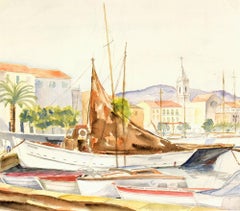
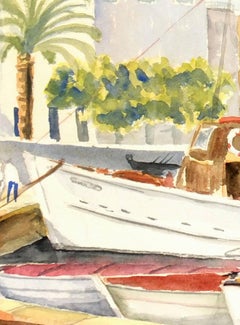
French Watercolor Harbor Landscape - Mediterranean Wharf with Sailboats

French Watercolor Harbor Landscape - Mediterranean Wharf with Sailboats

Located in Houston, TX

Watercolor painting of boats docked along a scenic Mediterranean coast lit by golden sunlight, circa 1960. Displayed on a white mat with a gold border and fits a standard-size fram...

Category

1960s Texas - Art

Materials

Watercolor

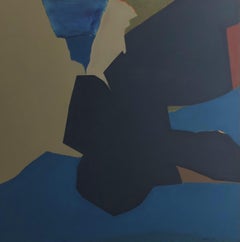
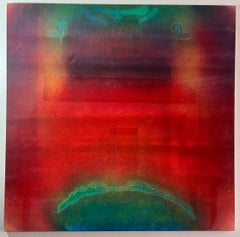
Monumental Red Abstract Painting, Acrylic on Canvas, Signed, 1969

Monumental Red Abstract Painting, Acrylic on Canvas, Signed, 1969

Located in Arp, TX

Monumental Red Abstract Milburn Smith March 1969 Acrylic paint on canvas 65 x 64 x 1.25 Signed and dated lower right in ink Very Good Condition: Consistent with age and history. Fro...

Category

Mid-20th Century Abstract Texas - Art

Materials

Canvas, Acrylic

"BLUEBONNET AND HUISACHE" TEXAS HILL COUNTRY FRAMED 23 X 27

"BLUEBONNET AND HUISACHE" TEXAS HILL COUNTRY FRAMED 23 X 27

By Pedro Lazcano

Located in San Antonio, TX

Pedro Lazcano (1909-1970) San Antonio Artist Image Size: 16 x 20 Frame Size: 23 x 27 Medium: Oil on Canvas "Bluebonnet and Huisache" Texas Hill Country Pedro Lazcano (1909-1970) I wa...

Category

1960s Impressionist Texas - Art
Materials

Oil

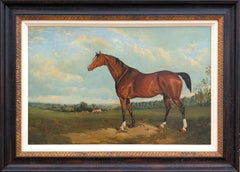
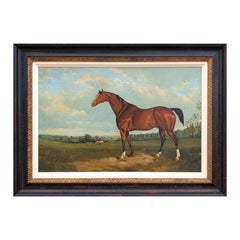
Naturalistic Landscape Painting of Horse Standing in a Field by a Polo Tent

Naturalistic Landscape Painting of Horse Standing in a Field by a Polo Tent

By George Cole

Located in Houston, TX

Early naturalistic landscape painting of a horse attributed to English artist George Cole. The work features a horse in a green field with a polo match going on in the far distance. ...

Category

1870s Naturalistic Texas - Art
Materials

Oil

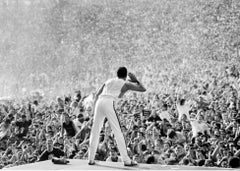
Freddie Mercury of Queen by Denis O'Regan

Freddie Mercury of Queen by Denis O'Regan

Located in Austin, TX

Fine art 20x24" print of Freddie Mercury of Queen by acclaimed photographer, Denis O'Regan. Taken on stage at Slane Castle, just outside Dublin, Ireland 1986 Printed to order on Hah...

Category

1980s Texas - Art
Materials

Archival Pigment