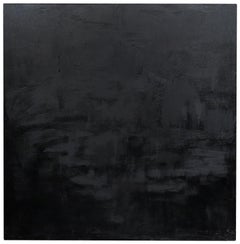
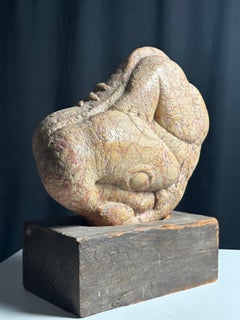
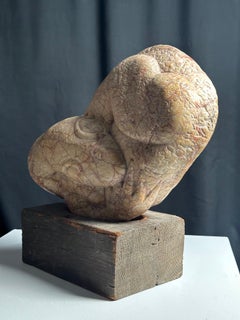
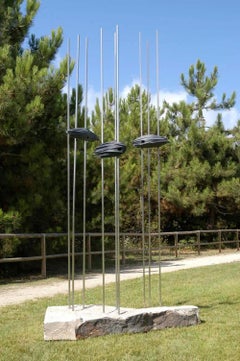
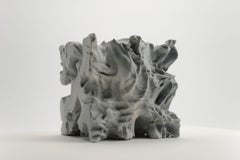
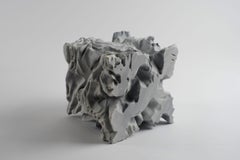
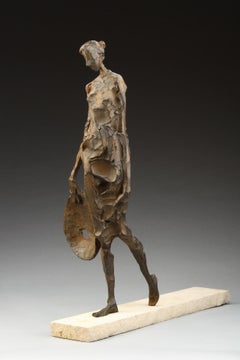
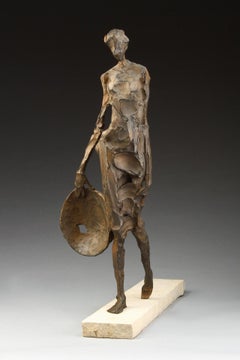
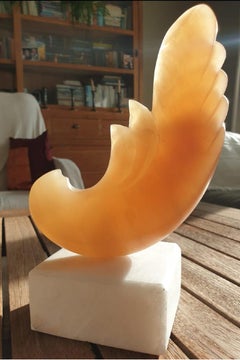
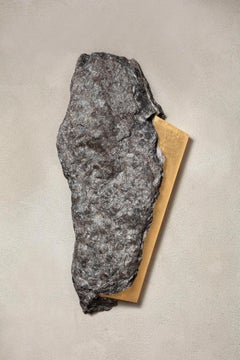
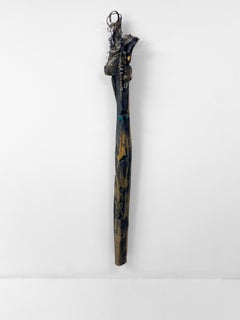
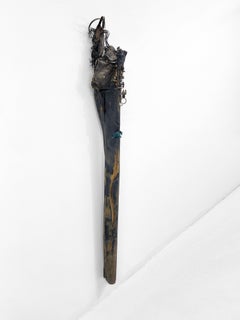
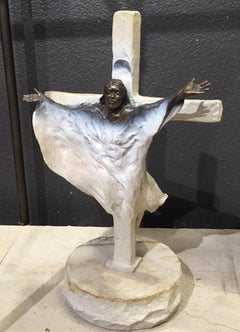
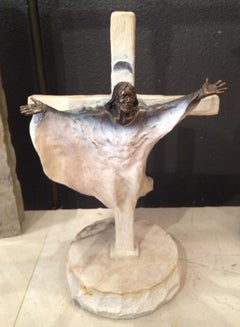
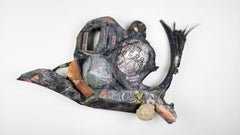
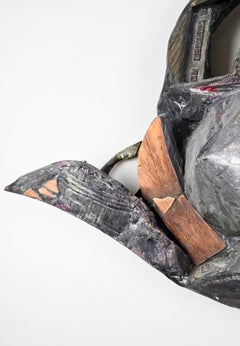
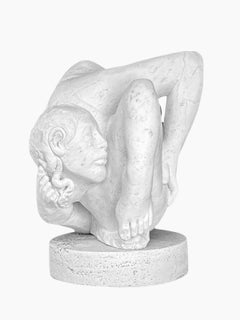
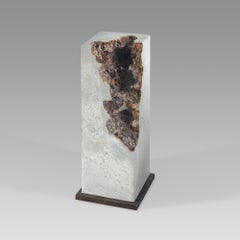
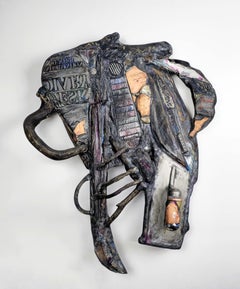
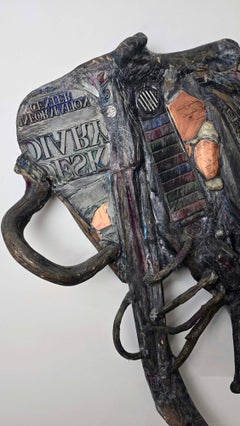
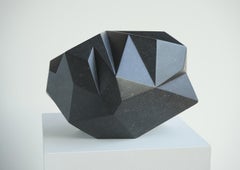
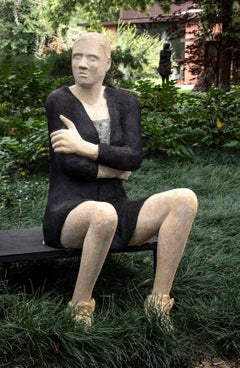
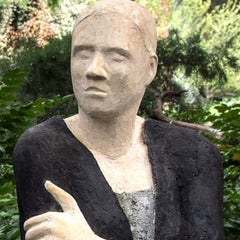
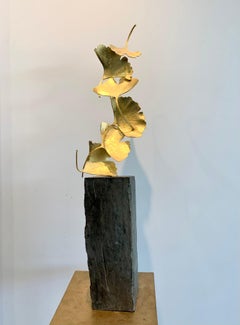
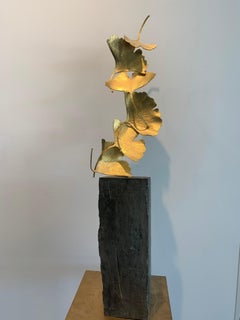
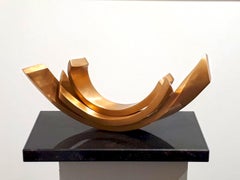
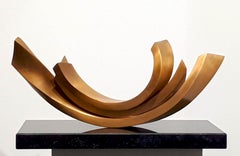
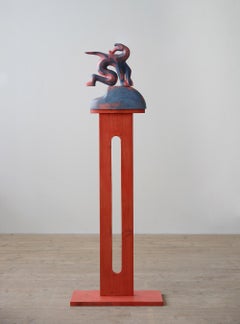
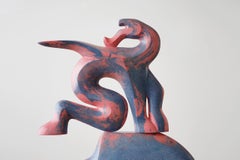
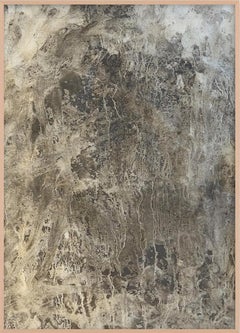
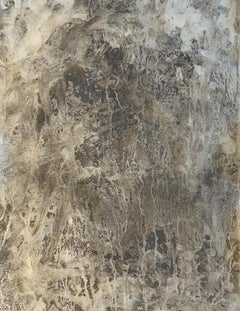
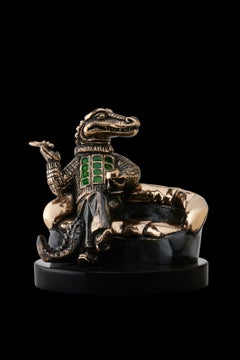
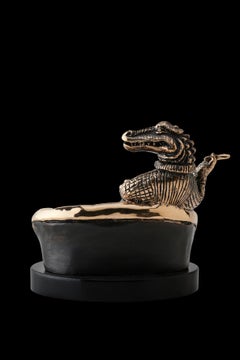
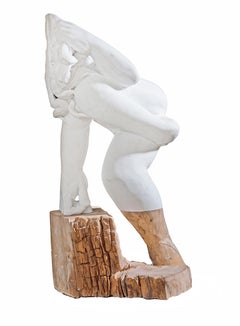
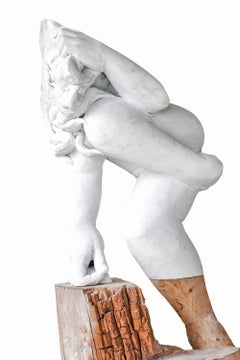
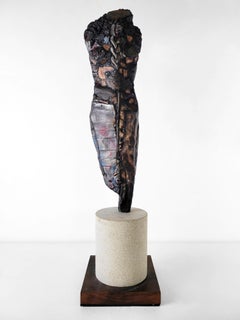
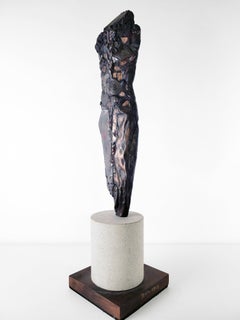
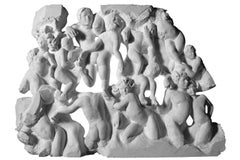
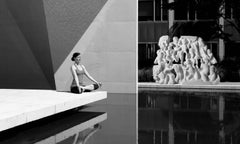
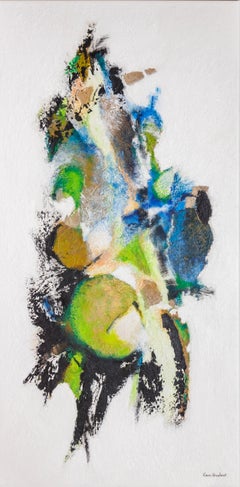
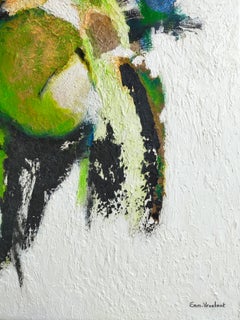
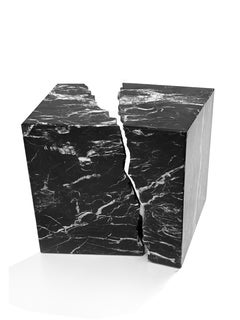
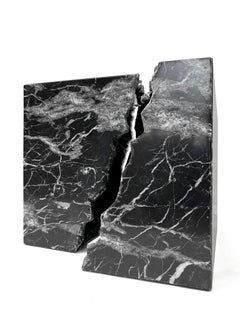
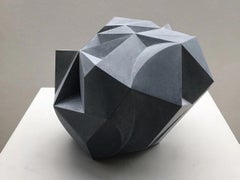
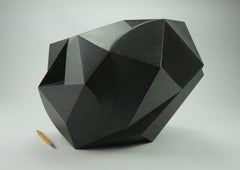
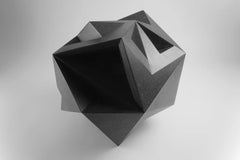
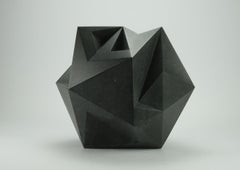
Find a wide variety of authentic Stone
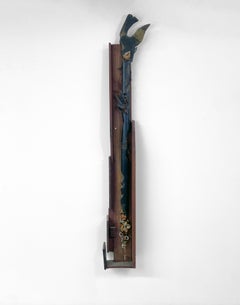
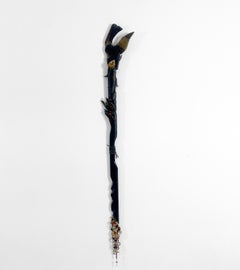
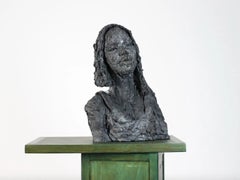
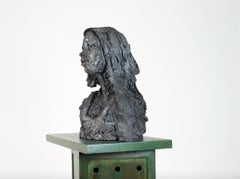
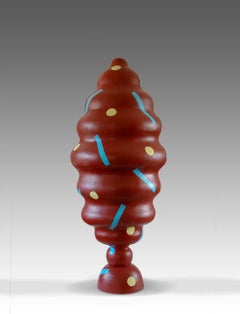
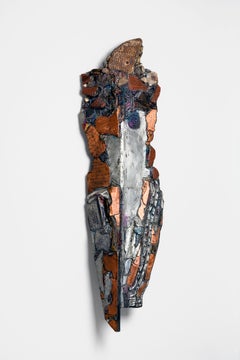
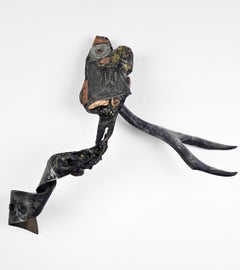
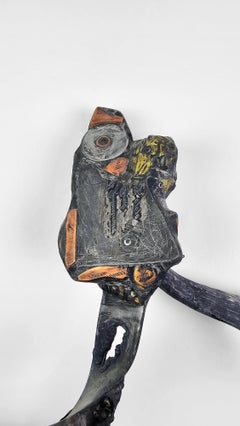
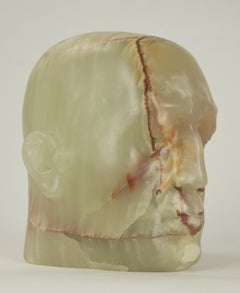
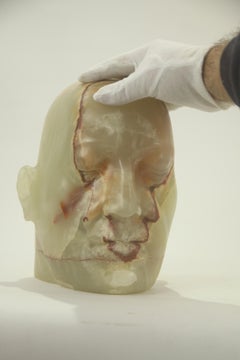
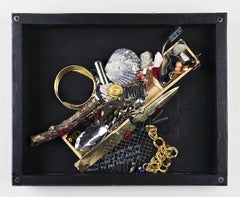
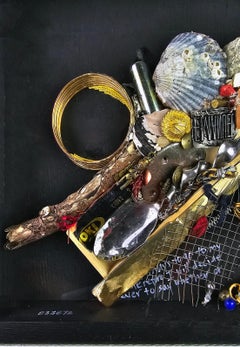
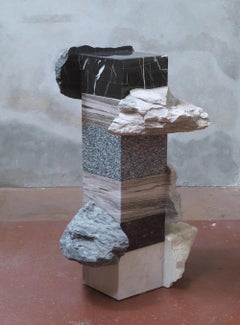
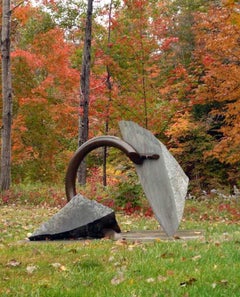
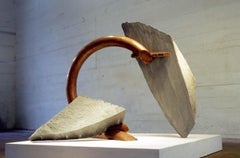
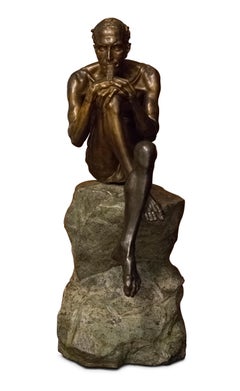
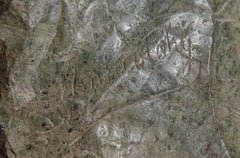
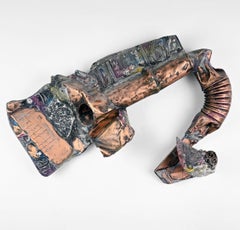
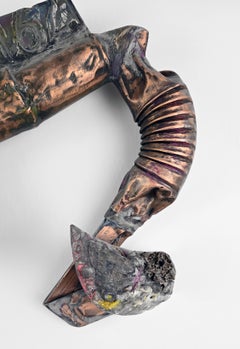
art available on 1stDibs. While artists have worked in this medium across a range of time periods, art made with this material during the 21st Century is especially popular. If you’re looking to add art created with this material to introduce a provocative pop of color and texture to an otherwise neutral space in your home, the works available on 1stDibs include elements of blue, purple, green, orange and other colors. There are many well-known artists whose body of work includes ceramic sculptures. Popular artists on 1stDibs associated with pieces like this include
John Van Alstine,
Hsu Yun Chin,
Gilbert Pauli, and
Karine Benvenuti. Frequently made by artists working in the
Contemporary,
Abstract, all of these pieces for sale are unique and many will draw the attention of guests in your home. Not every interior allows for large Stone art, so small editions measuring 0.02 inches across are also available