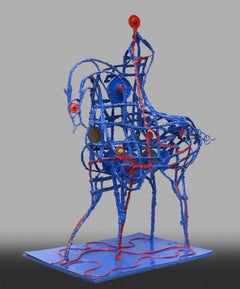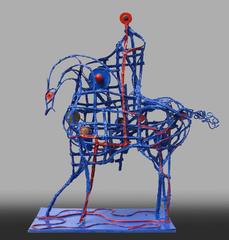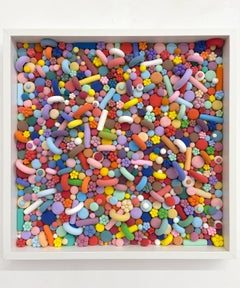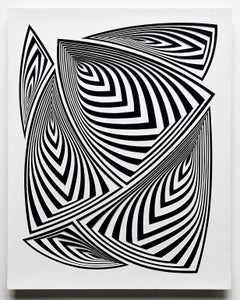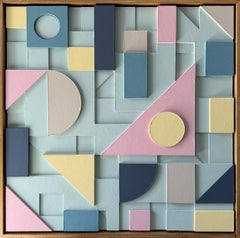
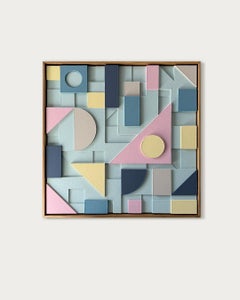
By Seymour Fogel
Located in New York, NY
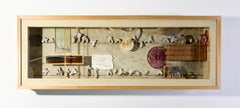
Seymour Fogel
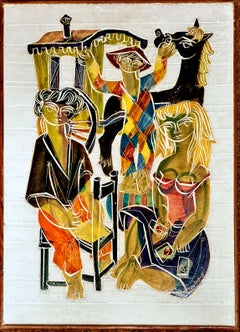
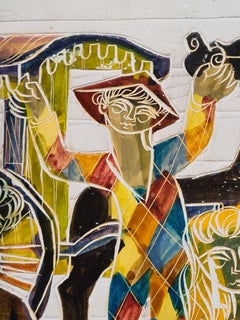
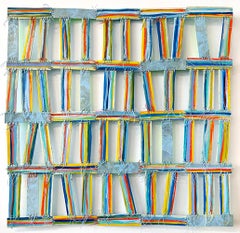
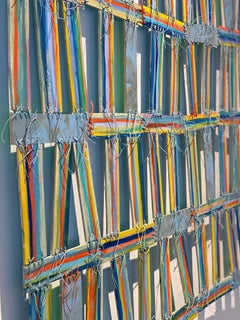
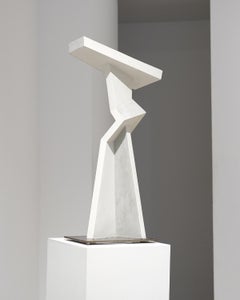
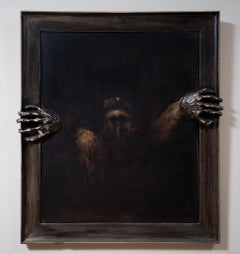
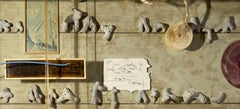
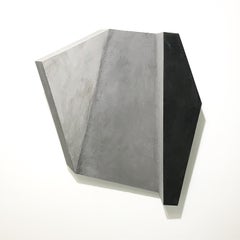
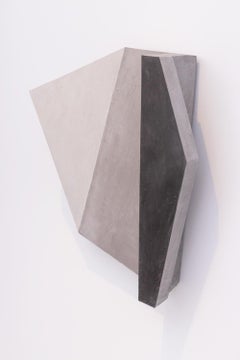
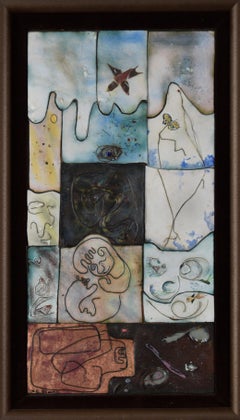
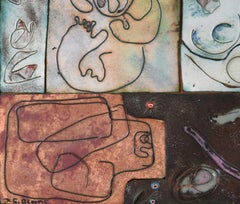
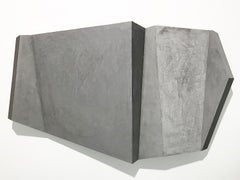
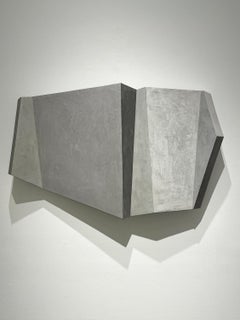
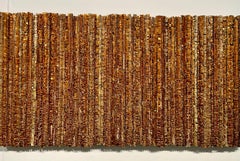
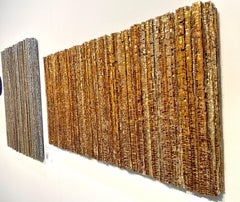
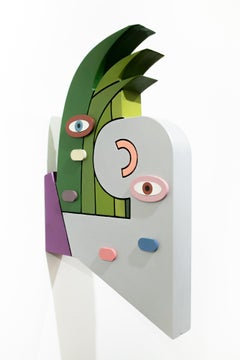
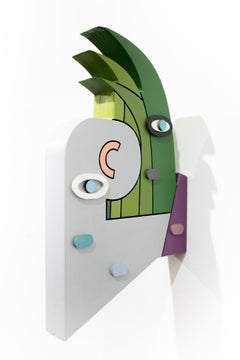
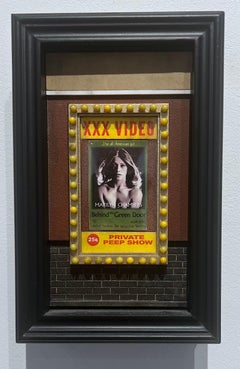
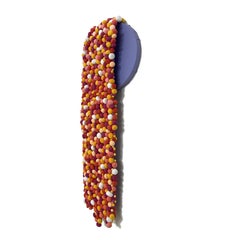
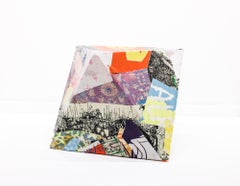
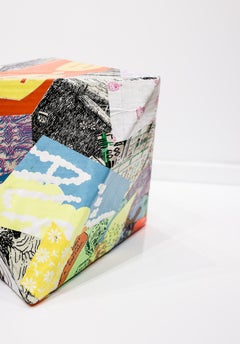
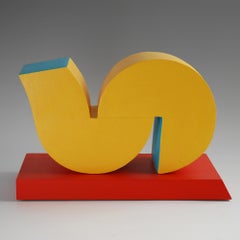
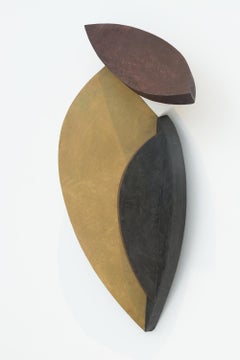
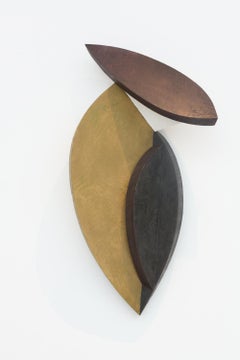
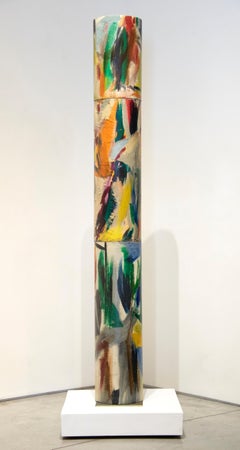
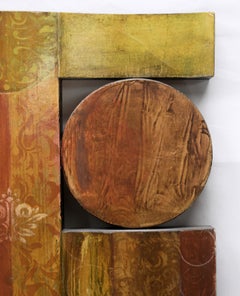
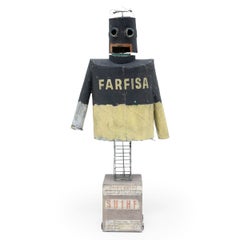
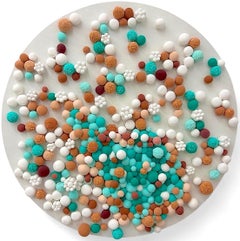
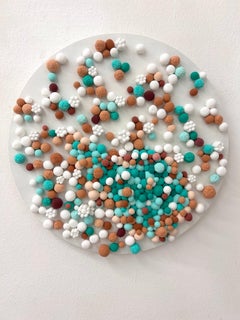
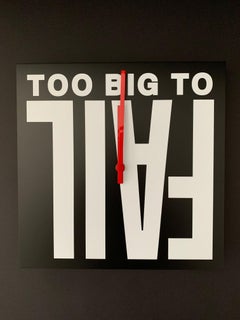
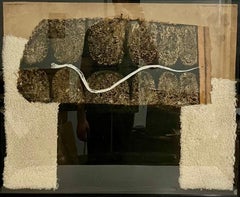
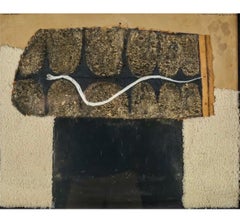
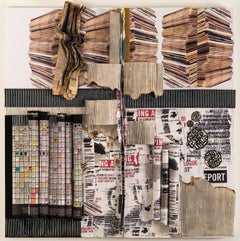
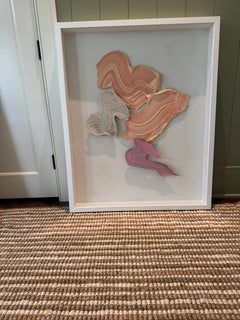
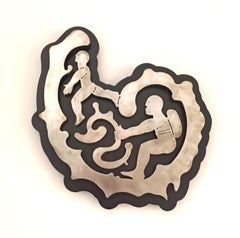
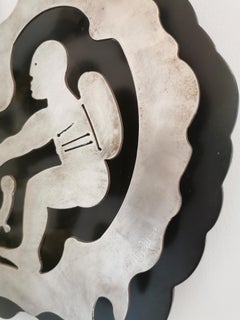
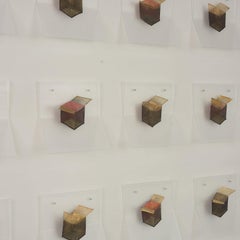
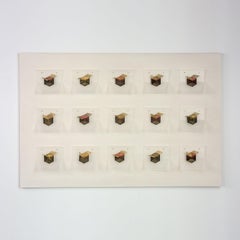
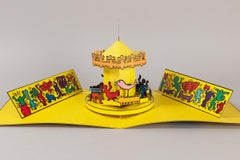
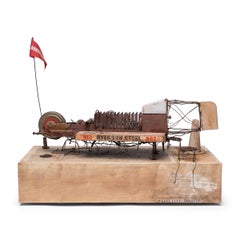
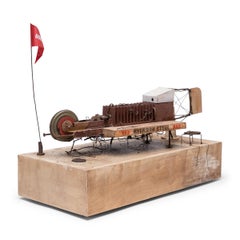
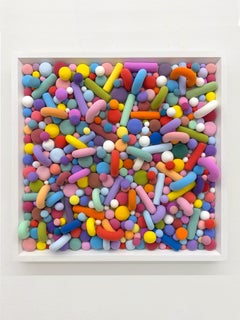
Untitled
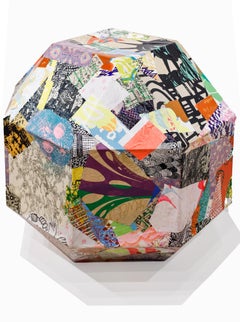
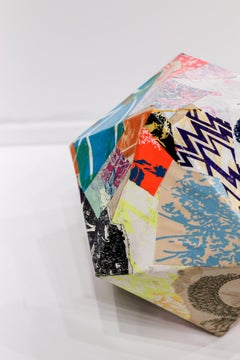
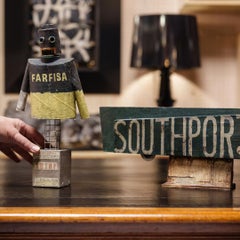
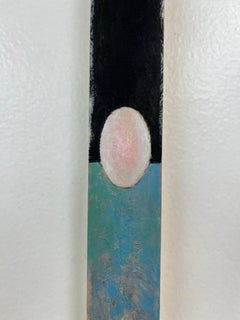
Oil on illustration board construction
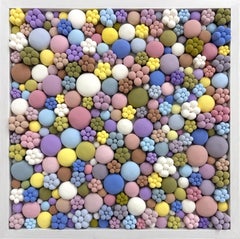
10 x 7 1/2 inches
Provenance:
Estate of the artist
Charles and Faith McCracken
Larry and Trish Heichel
Private Collection
Seymour Fogel was born in New York City on August 24, 1911. He studied at the Art Students League and at the National Academy of Design under George Bridgeman and Leon Kroll. When his formal studies were concluded in the early 1930s he served as an assistant to Diego Rivera who was then at work on his controversial Rockefeller Center mural. It was from Rivera that he learned the art of mural painting.
Fogel was awarded several mural commissions during the 1930s by both the Works Progress Administration (WPA) and the Treasury Section of Fine Arts, among them his earliest murals at the Abraham Lincoln High School in Brooklyn, New York in 1936, a mural in the WPA Building at the 1939-1940 New York World's Fair, a highly controversial mural at the U.S. Post Office in Safford, Arizona (due to his focus on Apache culture) in 1941 and two murals in what was then the Social Security Building in Washington, D.C., also in 1941. Fogel's artistic circle at this time included Phillip Guston, Ben Shahn, Franz Kline, Rockwell Kent and Willem de Kooning.
In 1946 Fogel accepted a teaching position at the University of Texas at Austin and became one of the founding artists of the Texas Modernist Movement. At this time he began to devote himself solely to abstract, non-representational art and executed what many consider to be the very first abstract mural in the State of Texas at the American National Bank in Austin in 1953. He pioneered the use of Ethyl Silicate as a mural medium. Other murals and public works of art done during this time (the late 1940s and 1950s) include the Baptist Student Center at the University of Texas (1949), the Petroleum Club in Houston (1951) and the First Christian Church, also in Houston (1956), whose innovative use of stained glass panels incorporated into the mural won Fogel a Silver Medal from the Architectural League of New York in 1958.
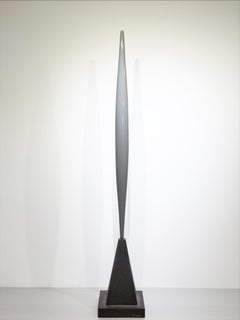
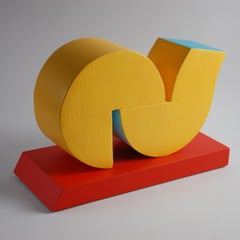
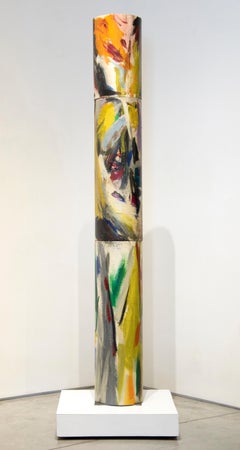
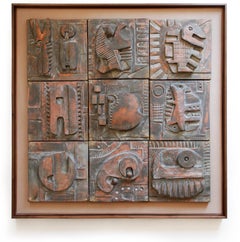
Fogel relocated to the Connecticut-New York area in 1959. He continued the Abstract Expressionism he had begun exploring in Texas, and began experimenting with various texturing media for his paintings, the most enduring of which was sand. In 1966 he was awarded a mural at the U.S. Federal Building in Fort Worth, Texas. The work, entitled "The Challenge of Space", was a milestone in his artistic career and ushered in what has been termed the Transcendental/Atavistic period of his art, a style he pursued up to his death in 1984. Painted and raw wood sculpture...
Category
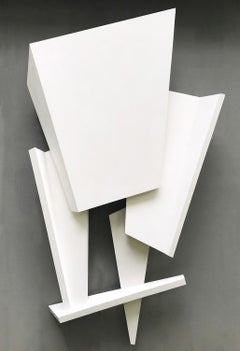
Mid-20th Century Abstract Geometric Board Sculptures