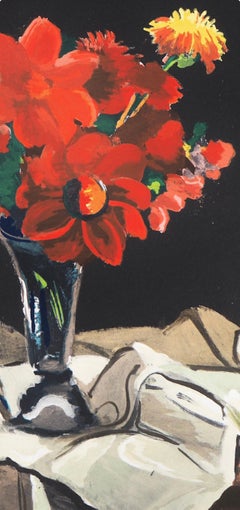
Fauvist Art

to
474
577
187
177
84
67
Overall Width
to
Overall Height
to
10
938
144
15
15
26
38
199
237
73
117
47
34
119,609
64,445
56,396
28,641
14,492
9,595
6,688
6,080
4,207
3,167
2,546
2,321
2,124
580
600
459
30
278
216
151
110
72
50
42
36
34
33
29
29
25
23
21
20
19
17
16
16
464
419
266
192
187
32
26
18
17
17
226
40
765
325
Style: Fauvist
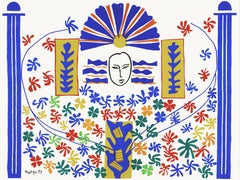
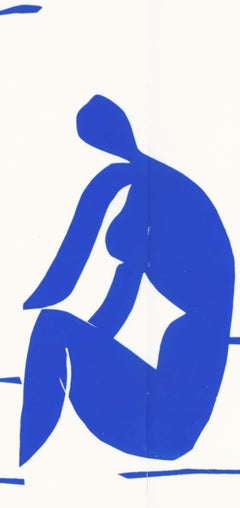
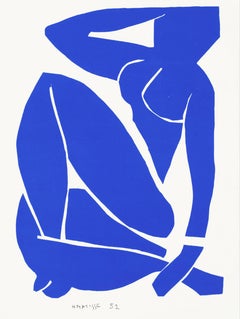
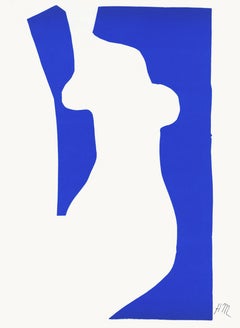
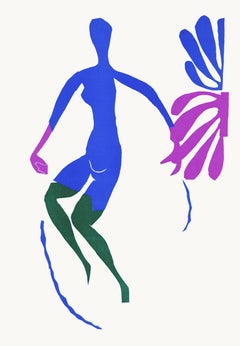
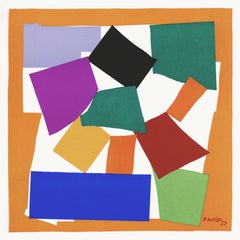
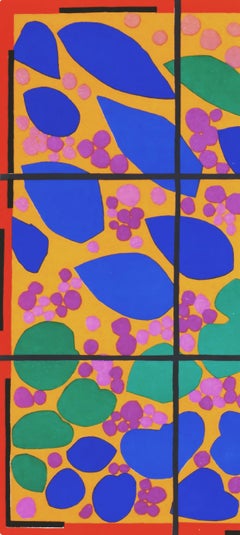
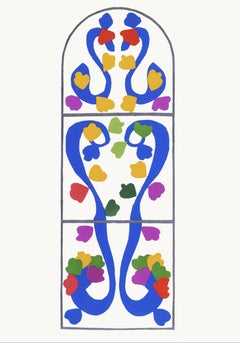
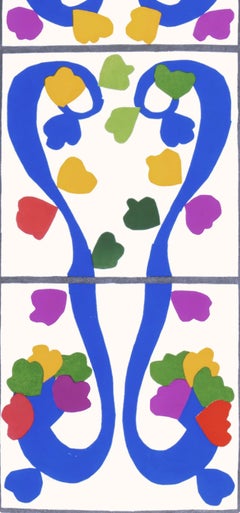
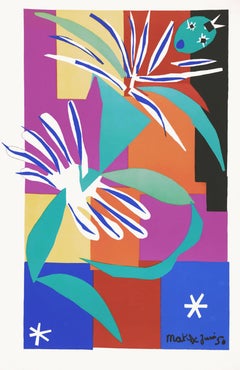
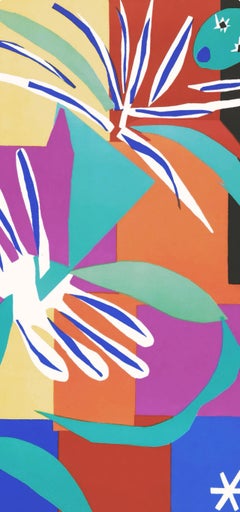
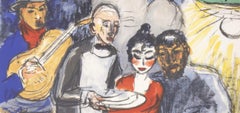
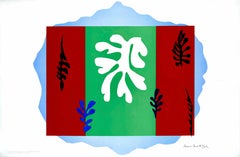
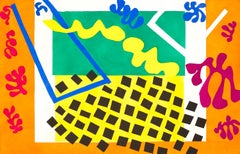
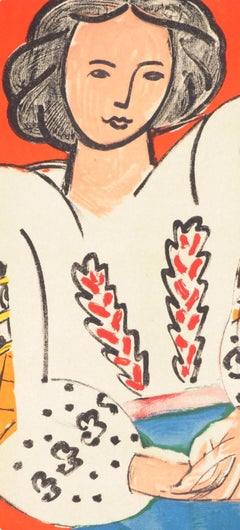
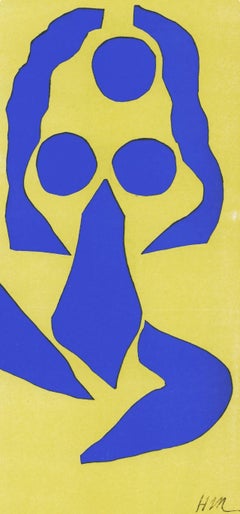
Henri Matisse, Christmas Night, from Last Works of Matisse, 1958 (after)

Henri Matisse, Christmas Night, from Last Works of Matisse, 1958 (after)

By Henri Matisse

Located in Southampton, NY

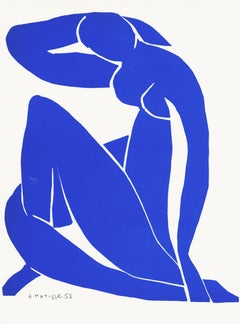
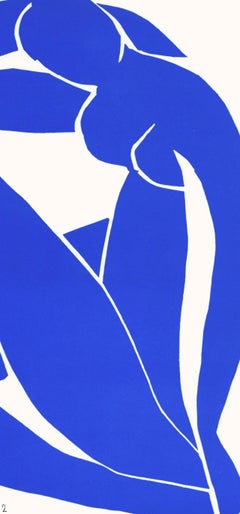
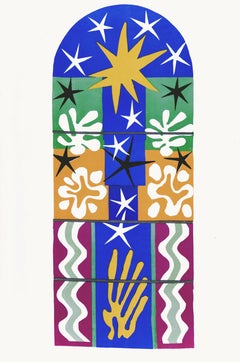
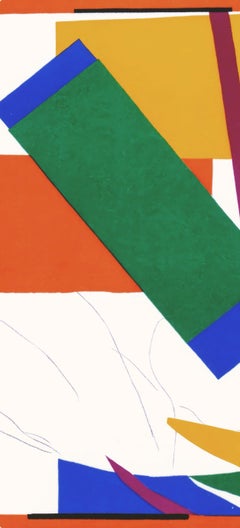
This exquisite lithograph after Henri Matisse (1869–1954), titled Nuit de Noel (Christmas Night), from Dernieres Oeuvres de Matisse 1950-1954 (Last Works of Matisse 1950-1954), Verve: Revue Artistique et Litteraire, Vol. IX, No. 35-36, originates from the July 28, 1958 issue published by Editions de la revue Verve, Paris, under the direction of Teriade, Editeur, Paris, and printed by Mourlot Freres, Paris, 1958. This visionary composition reflects Matisse’s late mastery of form and color, translating his celebrated cut-out aesthetic into the lithographic medium with remarkable clarity and vibrancy. Executed as a lithograph on velin du Marais paper, this work measures 14 x 10.5 inches (35.56 x 26.67 cm). Unsigned and unnumbered as issued. The edition exemplifies the superb craftsmanship of the Mourlot Freres atelier, renowned for its collaborations with the greatest modern masters of the 20th century. Artwork Details: Artist: After Henri Matisse (1869–1954) Title: Nuit de Noel (Christmas Night) Medium: Lithograph on velin du Marais paper Dimensions: 14 x 10.5 inches (35.56 x 26.67 cm) Inscription: Unsigned and unnumbered as issued Date: 1958 Publisher: Editions de la revue Verve, Paris, under the direction of Teriade, Editeur, Paris Printer: Mourlot Freres, Paris Catalogue raisonne references: Duthuit, Claude. Henri Matisse: Catalogue raisonne des ouvrages illustres. Editions Claude Duthuit, Paris, 1988, illustration 139. Condition: Well preserved, consistent with age and medium Provenance: From Dernieres Oeuvres de Matisse 1950-1954 (Last Works of Matisse 1950-1954), Verve: Revue Artistique et Litteraire, Vol. IX, No. 35-36, published by Editions de la revue Verve, Paris, 1958 Notes: Excerpted from the folio (translated from French), This double issue of VERVE is entirely devoted to the last works of Henri Matisse-1950-1954. These works, rendered in color litbography, were made by the artist, in gouache papers, cut with scissors and glued. They are accompanied by drawings executed during the same period or before. Matisse specially composed the cover of this album. Under his direction were drawn, during the year 1954, the first of these lithographic plates. The work was completed on July 28, 1958 by Mourlot Freres for lithography and by Master Printers Draeger Freres for heliogravures and typography. About the Publication: Dernieres Oeuvres de Matisse 1950-1954 (Last Works of Matisse 1950-1954), published as Verve Vol. IX, No. 35-36 on July 28, 1958, represents one of the most important posthumous tributes to Henri Matisse’s final period of artistic production. Conceived and directed by the visionary publisher Teriade, this issue of Verve is entirely dedicated to the works Matisse created between 1950 and 1954, a period defined by his pioneering cut-out technique. Produced in Paris with exceptional technical precision, the publication brings together color lithographs faithfully reproducing Matisse’s gouache cut-outs alongside a selection of drawings executed during the same period or earlier. The lithographs were printed by Mourlot Freres, while Draeger Freres oversaw the heliogravures and typography, ensuring the highest level of craftsmanship. The project was initiated under Matisse’s direct supervision in 1954, with the artist guiding the early stages of translation from original cut paper compositions into lithographic form. As part of the broader legacy of Verve, one of the most influential artistic and literary publications of the twentieth century, this issue stands as a monumental record of Matisse’s final innovations, preserving the essence of his late style and affirming his enduring impact on modern art. About the Artist: Henri Matisse (1869–1954) was a French painter, sculptor, draughtsman, and printmaker whose revolutionary vision redefined modern art through his daring use of color, line, and form. Celebrated as one of the greatest artists of the 20th century, Matisse led the Fauvist movement and devoted his life to the pursuit of balance, beauty, and emotional expression in visual art. His early works burst with vibrant hues and liberated brushwork, while his later “cut-out” compositions achieved a poetic simplicity that transformed the relationship between color and space. Deeply influenced by the work of Paul Cezanne, Vincent van Gogh, and Georges Seurat, as well as by the rhythmic patterns of Islamic art, Byzantine mosaics, and Japanese prints, Matisse forged a new visual language that celebrated joy, movement, and serenity. He was part of an extraordinary generation of artists who shaped the evolution of modernism, maintaining lifelong dialogue and friendly rivalry with contemporaries such as Pablo Picasso, Georges Braque, Marc Chagall, Andre Derain, Albert Marquet, and Raoul Dufy—peers who, like him, sought to expand the expressive potential of color and composition. Matisses influence extended across generations, inspiring modern and contemporary masters including Alexander Calder, Alberto Giacometti, Salvador Dali, Joan Miro, Wassily Kandinsky, Marcel Duchamp, and Man Ray, each of whom drew upon his fearless experimentation and refined visual harmony. His paintings, sculptures, and works on paper are held in the most prestigious museums in the world, including the Museum of Modern Art, the Centre Pompidou, the Tate, and the Hermitage Museum, where his art continues to symbolize the essence of creativity and human emotion. The highest price ever paid for a Henri Matisse artwork is approximately 80.8 million USD, achieved in 2018 at Christies New York for Odalisque couchee aux magnolias (1923). Henri Matisse Nuit de Noel...

Category

1950s Fauvist Art

Materials

Lithograph

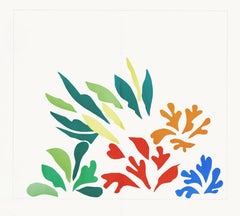
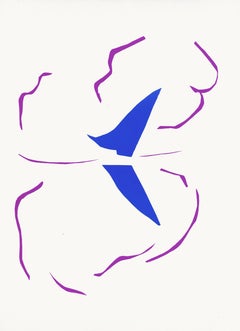
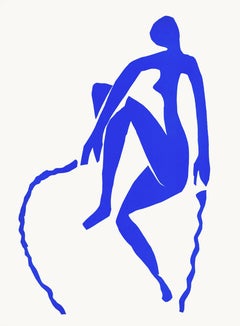
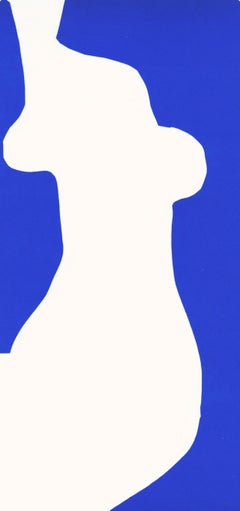
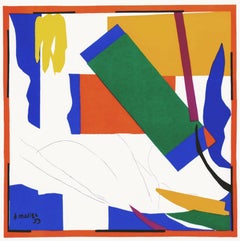
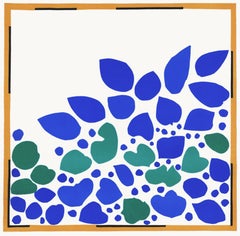
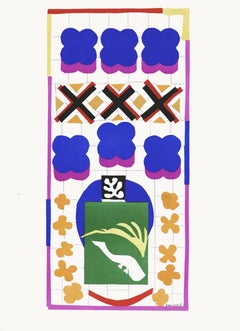
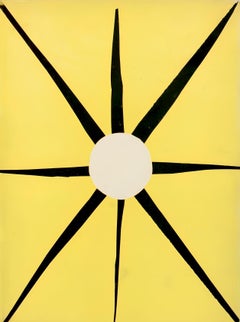
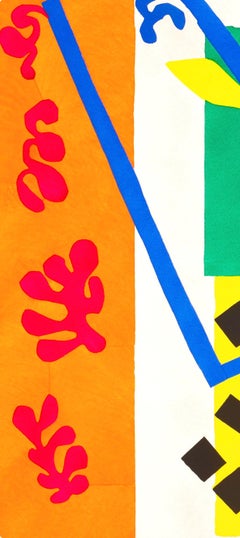
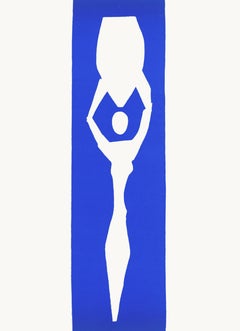
Henri Matisse, Creole Dancer, from Last Works of Matisse, 1958 (after)

Henri Matisse, Creole Dancer, from Last Works of Matisse, 1958 (after)

By Henri Matisse

Located in Southampton, NY

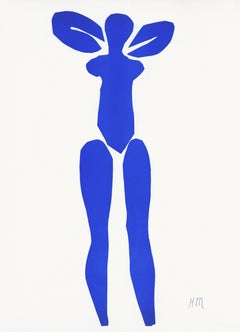
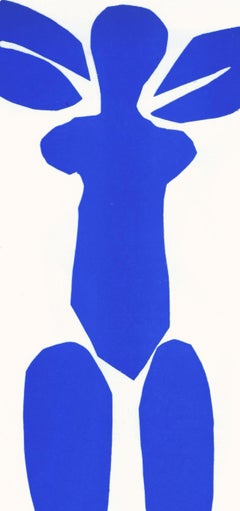
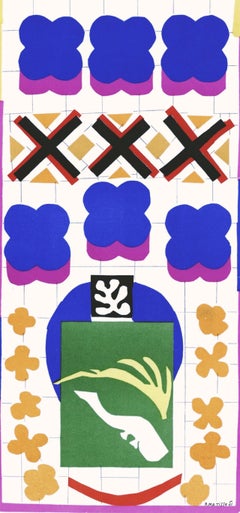
This exquisite lithograph after Henri Matisse (1869–1954), titled Danseuse Creole (Creole Dancer), from Dernieres Oeuvres de Matisse 1950-1954 (Last Works of Matisse 1950-1954), Verve: Revue Artistique et Litteraire, Vol. IX, No. 35-36, originates from the July 28, 1958 issue published by Editions de la revue Verve, Paris, under the direction of Teriade, Editeur, Paris, and printed by Mourlot Freres, Paris, 1958. This visionary composition reflects Matisse’s late mastery of form and color, translating his celebrated cut-out aesthetic into the lithographic medium with remarkable clarity and vibrancy. Executed as a lithograph on velin du Marais paper, this work measures 14 x 10.5 inches (35.56 x 26.67 cm). Signed in the plate and unnumbered as issued. The edition exemplifies the superb craftsmanship of the Mourlot Freres atelier, renowned for its collaborations with the greatest modern masters of the 20th century. Artwork Details: Artist: After Henri Matisse (1869–1954) Title: Danseuse Creole (Creole Dancer) Medium: Lithograph on velin du Marais paper Dimensions: 14 x 10.5 inches (35.56 x 26.67 cm) Inscription: Signed in the plate and unnumbered as issued Date: 1958 Publisher: Editions de la revue Verve, Paris, under the direction of Teriade, Editeur, Paris Printer: Mourlot Freres, Paris Catalogue raisonne references: Duthuit, Claude. Henri Matisse: Catalogue raisonne des ouvrages illustres. Editions Claude Duthuit, Paris, 1988, illustration 139. Condition: Well preserved, consistent with age and medium Provenance: From Dernieres Oeuvres de Matisse 1950-1954 (Last Works of Matisse 1950-1954), Verve: Revue Artistique et Litteraire, Vol. IX, No. 35-36, published by Editions de la revue Verve, Paris, 1958 Notes: Excerpted from the folio (translated from French), This double issue of VERVE is entirely devoted to the last works of Henri Matisse-1950-1954. These works, rendered in color litbography, were made by the artist, in gouache papers, cut with scissors and glued. They are accompanied by drawings executed during the same period or before. Matisse specially composed the cover of this album. Under his direction were drawn, during the year 1954, the first of these lithographic plates. The work was completed on July 28, 1958 by Mourlot Freres for lithography and by Master Printers Draeger Freres for heliogravures and typography. About the Publication: Dernieres Oeuvres de Matisse 1950-1954 (Last Works of Matisse 1950-1954), published as Verve Vol. IX, No. 35-36 on July 28, 1958, represents one of the most important posthumous tributes to Henri Matisse’s final period of artistic production. Conceived and directed by the visionary publisher Teriade, this issue of Verve is entirely dedicated to the works Matisse created between 1950 and 1954, a period defined by his pioneering cut-out technique. Produced in Paris with exceptional technical precision, the publication brings together color lithographs faithfully reproducing Matisse’s gouache cut-outs alongside a selection of drawings executed during the same period or earlier. The lithographs were printed by Mourlot Freres, while Draeger Freres oversaw the heliogravures and typography, ensuring the highest level of craftsmanship. The project was initiated under Matisse’s direct supervision in 1954, with the artist guiding the early stages of translation from original cut paper compositions into lithographic form. As part of the broader legacy of Verve, one of the most influential artistic and literary publications of the twentieth century, this issue stands as a monumental record of Matisse’s final innovations, preserving the essence of his late style and affirming his enduring impact on modern art. About the Artist: Henri Matisse (1869–1954) was a French painter, sculptor, draughtsman, and printmaker whose revolutionary vision redefined modern art through his daring use of color, line, and form. Celebrated as one of the greatest artists of the 20th century, Matisse led the Fauvist movement and devoted his life to the pursuit of balance, beauty, and emotional expression in visual art. His early works burst with vibrant hues and liberated brushwork, while his later “cut-out” compositions achieved a poetic simplicity that transformed the relationship between color and space. Deeply influenced by the work of Paul Cezanne, Vincent van Gogh, and Georges Seurat, as well as by the rhythmic patterns of Islamic art, Byzantine mosaics, and Japanese prints, Matisse forged a new visual language that celebrated joy, movement, and serenity. He was part of an extraordinary generation of artists who shaped the evolution of modernism, maintaining lifelong dialogue and friendly rivalry with contemporaries such as Pablo Picasso, Georges Braque, Marc Chagall, Andre Derain, Albert Marquet, and Raoul Dufy—peers who, like him, sought to expand the expressive potential of color and composition. Matisses influence extended across generations, inspiring modern and contemporary masters including Alexander Calder, Alberto Giacometti, Salvador Dali, Joan Miro, Wassily Kandinsky, Marcel Duchamp, and Man Ray, each of whom drew upon his fearless experimentation and refined visual harmony. His paintings, sculptures, and works on paper are held in the most prestigious museums in the world, including the Museum of Modern Art, the Centre Pompidou, the Tate, and the Hermitage Museum, where his art continues to symbolize the essence of creativity and human emotion. The highest price ever paid for a Henri Matisse artwork is approximately 80.8 million USD, achieved in 2018 at Christies New York for Odalisque couchee aux magnolias (1923). Henri Matisse Danseuse...

Category

1950s Fauvist Art

Materials

Lithograph

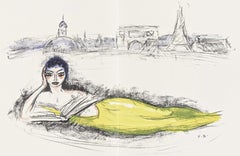
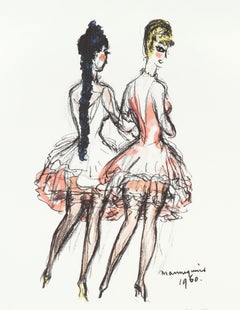
Kees van Dongen, Models, from Views of Paris, 1963

Kees van Dongen, Models, from Views of Paris, 1963

By Kees van Dongen

Located in Southampton, NY

This exquisite lithograph by Kees van Dongen (1877–1968), titled Mannequins (Models), from Regards Sur Paris (Views of Paris), originates from the January 22, 1963 issue published by...

Category

1960s Fauvist Art

Materials

Lithograph

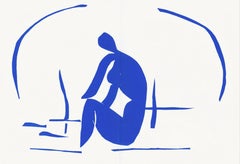
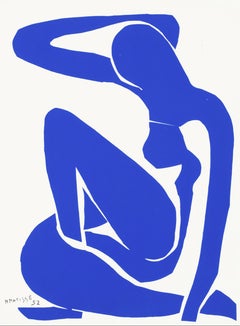
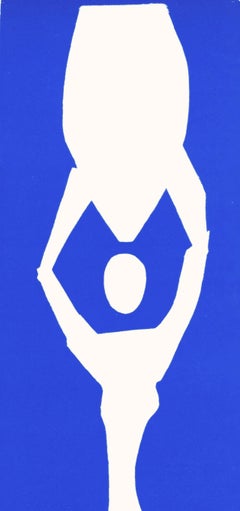
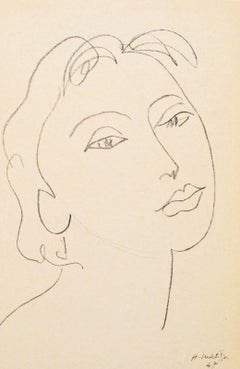
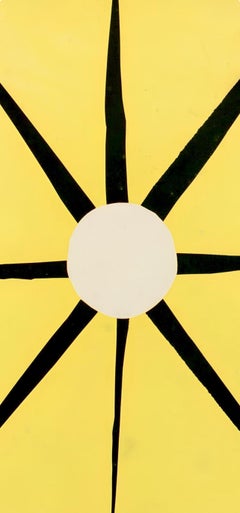
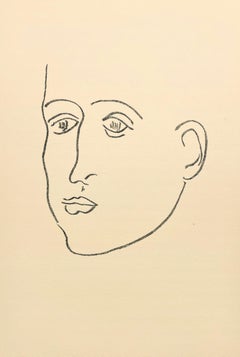
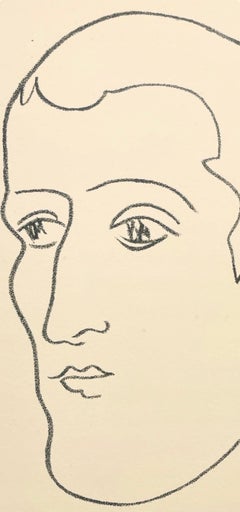
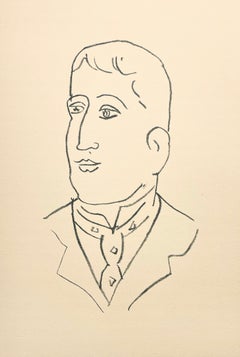
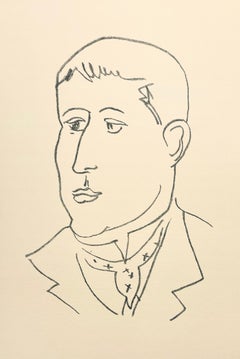
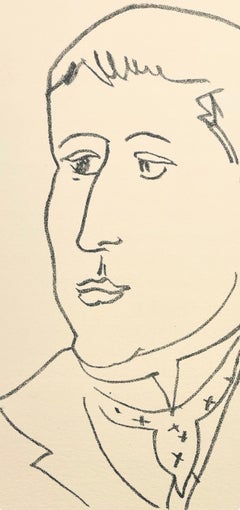
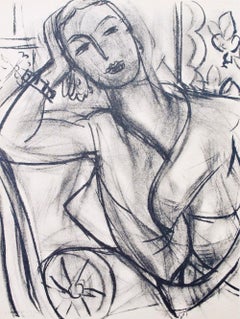
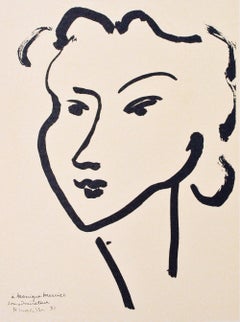
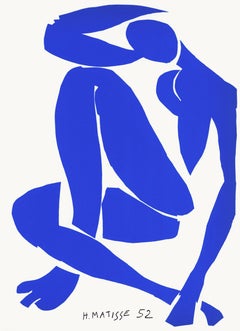
Henri Matisse, Untitled, from Apollinaire, 1952

Henri Matisse, Untitled, from Apollinaire, 1952

By Henri Matisse

Located in Southampton, NY

This exquisite lithograph by Henri Matisse (1869–1954), titled Sans titre (Untitled), from the album Apollinaire, Henri Matisse (Apollinaire, Henri Matisse), originates from the 1952...

Category

1950s Fauvist Art

Materials

Lithograph

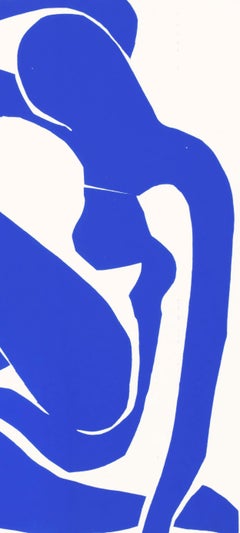
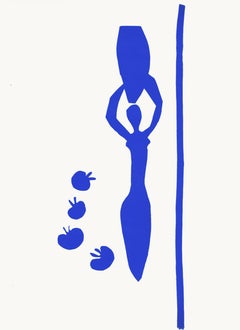
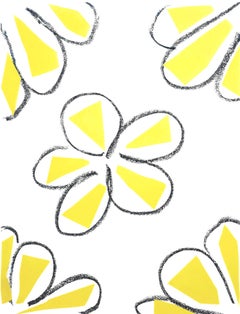
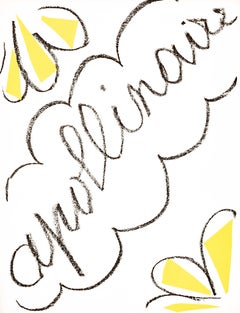
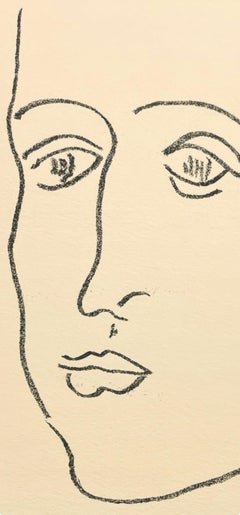
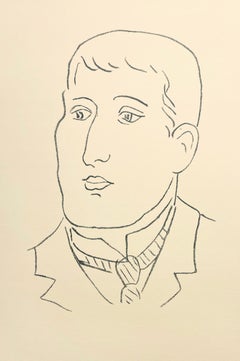
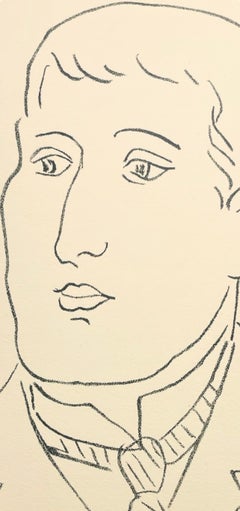
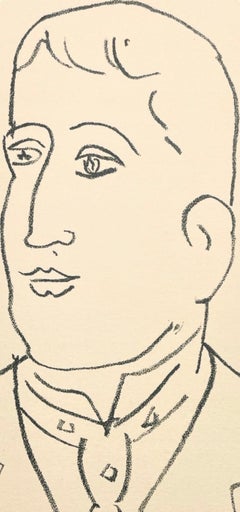
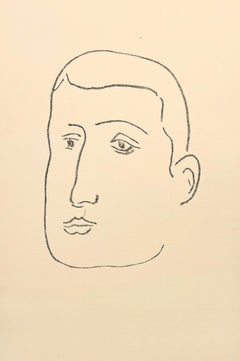
Henri Matisse, Untitled, from Apollinaire, 1952

Henri Matisse, Untitled, from Apollinaire, 1952

By Henri Matisse

Located in Southampton, NY

This exquisite lithograph by Henri Matisse (1869–1954), titled Sans titre (Untitled), from the album Apollinaire, Henri Matisse (Apollinaire, Henri Matisse), originates from the 1952...

Category

1950s Fauvist Art

Materials

Lithograph

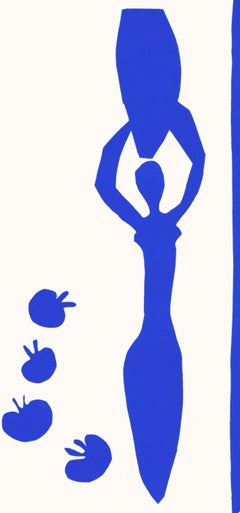
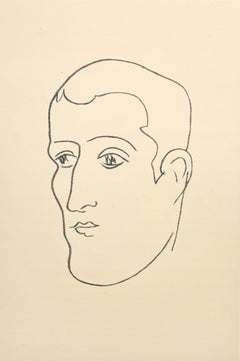
Henri Matisse, Lithograph VI, from Apollinaire, 1952

Henri Matisse, Lithograph VI, from Apollinaire, 1952

By Henri Matisse

Located in Southampton, NY

This exquisite lithograph by Henri Matisse (1869–1954), titled Lithographie VI (Lithograph VI), from the album Apollinaire, Henri Matisse (Apollinaire, Henri Matisse), originates fro...

Category

1950s Fauvist Art

Materials

Lithograph

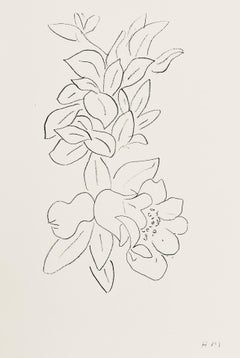
Henri Matisse, Lithograph V, from Apollinaire, 1952

Henri Matisse, Lithograph V, from Apollinaire, 1952

By Henri Matisse

Located in Southampton, NY

This exquisite lithograph by Henri Matisse (1869–1954), titled Lithographie V (Lithograph V), from the album Apollinaire, Henri Matisse (Apollinaire, Henri Matisse), originates from ...

Category

1950s Fauvist Art

Materials

Lithograph

Henri Matisse, Lithograph IV, from Apollinaire, 1952

Henri Matisse, Lithograph IV, from Apollinaire, 1952

By Henri Matisse

Located in Southampton, NY

This exquisite lithograph by Henri Matisse (1869–1954), titled Lithographie IV (Lithograph IV), from the album Apollinaire, Henri Matisse (Apollinaire, Henri Matisse), originates fro...

Category

1950s Fauvist Art

Materials

Lithograph

Henri Matisse, Lithograph III, from Apollinaire, 1952

Henri Matisse, Lithograph III, from Apollinaire, 1952

By Henri Matisse

Located in Southampton, NY

This exquisite lithograph by Henri Matisse (1869–1954), titled Lithographie III (Lithograph III), from the album Apollinaire, Henri Matisse (Apollinaire, Henri Matisse), originates f...

Category

1950s Fauvist Art

Materials

Lithograph

Henri Matisse, Lithograph II, from Apollinaire, 1952

Henri Matisse, Lithograph II, from Apollinaire, 1952

By Henri Matisse

Located in Southampton, NY

This exquisite lithograph by Henri Matisse (1869–1954), titled Lithographie II (Lithograph II), from the album Apollinaire, Henri Matisse (Apollinaire, Henri Matisse), originates fro...

Category

1950s Fauvist Art

Materials

Lithograph

Henri Matisse, Lithograph I, from Apollinaire, 1952

Henri Matisse, Lithograph I, from Apollinaire, 1952

By Henri Matisse

Located in Southampton, NY

This exquisite lithograph by Henri Matisse (1869–1954), titled Lithographie I (Lithograph I), from the album Apollinaire, Henri Matisse (Apollinaire, Henri Matisse), originates from ...

Category

1950s Fauvist Art

Materials

Lithograph

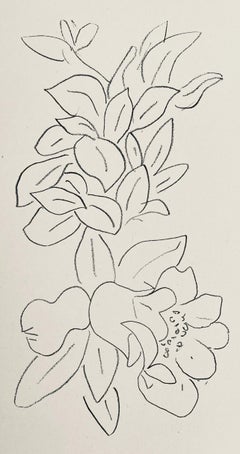
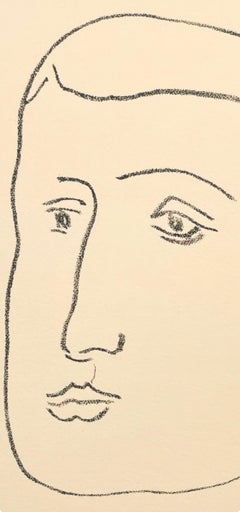
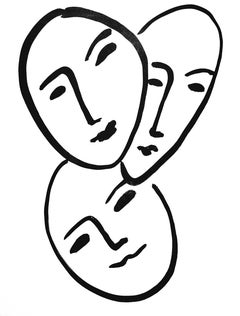
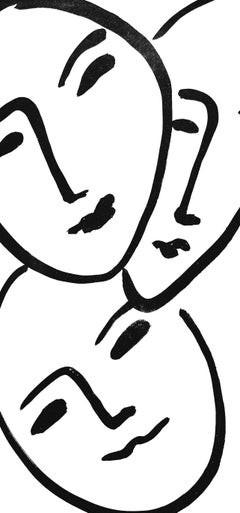
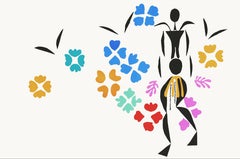
Henri Matisse, Three Heads. To Friendship, from Apollinaire, 1952

Henri Matisse, Three Heads. To Friendship, from Apollinaire, 1952

By Henri Matisse

Located in Southampton, NY

This exquisite aquatint by Henri Matisse (1869–1954), titled Trois têtes. A l'amitié (Three Heads. To Friendship), from the album Apollinaire, Henri Matisse (Apollinaire, Henri Matisse), originates from the 1952 edition published by Editions Raisons d'etre, Paris, and printed by Mourlot Freres, Paris, April 24, 1952. The work captures Matisses lyrical line and expressive minimalism, paying tribute to the French poet Guillaume Apollinaire through a synthesis of portraiture and calligraphic grace. Executed as an aquatint on velin a la forme des papeteries d'Arches paper, this work measures 12.99 x 9.84 inches (33 x 25 cm). Unsigned and unnumbered, as issued. The edition exemplifies the superior craftsmanship of Mourlot Freres, Paris. Artwork Details: Artist: Henri Matisse (1869–1954) Title: Trois têtes. A l'amitié (Three Heads. To Friendship), from the album Apollinaire, Henri Matisse (Apollinaire, Henri Matisse) Medium: Aquatint on velin a la forme des papeteries d'Arches paper Dimensions: 12.99 x 9.84 inches (33 x 25 cm) Inscription: Unsigned and unnumbered, as issued Date: 1952 Publisher: Editions Raisons d'etre, Paris Printer: Mourlot Freres, Paris Catalogue Raisonne Reference: Duthuit, Claude. Henri Matisse: Catalogue raisonne des ouvrages illustres. Editions Claude Duthuit, Paris, 1988, illustration 31. Condition: Well preserved, consistent with age and medium Provenance: From the album Apollinaire, Henri Matisse (Apollinaire, Henri Matisse), published by Editions Raisons d'etre, Paris; printed by Mourlot Freres, Paris, 1952 Notes: Excerpted from the album (translated from French), Printing of this album was finished on April, Twenty-Four, M.CM.LII for the Editions Raisons d'etre, 2 rue des Beaux-Arts in Paris, was produced by Fernand Mourlot, based on the models of Henri Matisse. The eight original lithographs were shot on the presses of Mourlot Freres who also printed the cover and case composed by the artist. The stones were erased after drawing. The text and letrins engraved by Henri Matisse were drawn by Coulouma S.A., printer in Paris. Justification of the draw— XXX examples on large velin d'Arches a la forme, signed by the author and the artist, accompanied by a series of original lithographs numbered from I to XXX; CCC examples on velin d'Arches a la forme numbered from XXXI to CCCXXX; XX examples of non-commerce collaborators numbered from I to XX and in addition a few nominative examples on Grand Velin. About the Publication: Apollinaire, Henri Matisse (Apollinaire, Henri Matisse), published by Editions Raisons d'etre, Paris, in 1952, stands among Matisses most intimate artist’s albums, conceived as a visual homage to the poet Guillaume Apollinaire, whose friendship and creative influence had profoundly shaped the avant-garde in the early 20th century. The album unites Matisses mastery of line with his reverence for literature, pairing portraits, decorative initials, and typographic designs engraved in his own hand. Printed by the esteemed atelier Mourlot Freres, the volume exemplifies the peak of French postwar printmaking, merging literary refinement with visual purity. Each print reveals Matisses poetic sensibility—his ability to render emotion through the economy of contour and rhythm. About the Artist: Henri Matisse (1869–1954) was a French painter, sculptor, draughtsman, and printmaker whose revolutionary vision redefined modern art through his daring use of color, line, and form. Celebrated as one of the greatest artists of the 20th century, Matisse led the Fauvist movement and devoted his life to the pursuit of balance, beauty, and emotional expression in visual art. His early works burst with vibrant hues and liberated brushwork, while his later “cut-out” compositions achieved a poetic simplicity that transformed the relationship between color and space. Deeply influenced by the work of Paul Cezanne, Vincent van Gogh, and Georges Seurat, as well as by the rhythmic patterns of Islamic art, Byzantine mosaics, and Japanese prints, Matisse forged a new visual language that celebrated joy, movement, and serenity. He was part of an extraordinary generation of artists who shaped the evolution of modernism, maintaining lifelong dialogue and friendly rivalry with contemporaries such as Pablo Picasso, Georges Braque, Marc Chagall, Andre Derain, Albert Marquet, and Raoul Dufy—peers who, like him, sought to expand the expressive potential of color and composition. Matisses influence extended across generations, inspiring modern and contemporary masters including Alexander Calder, Alberto Giacometti, Salvador Dali, Joan Miro, Wassily Kandinsky, Marcel Duchamp, and Man Ray, each of whom drew upon his fearless experimentation and refined visual harmony. His paintings, sculptures, and works on paper are held in the most prestigious museums in the world, including the Museum of Modern Art, the Centre Pompidou, the Tate, and the Hermitage Museum, where his art continues to symbolize the essence of creativity and human emotion. The highest price ever paid for a Henri Matisse artwork is approximately 80.8 million USD, achieved in 2018 at Christies New York for Odalisque couchee aux magnolias (1923). Henri Matisse Trois têtes. A l'amitié (Three Heads. To Friendship) Apollinaire, Henri Matisse (Apollinaire, Henri Matisse) 1952, Matisse Editions Raisons d'etre, Matisse Mourlot Freres, Matisse aquatint...

Category

1950s Fauvist Art
Materials

Aquatint

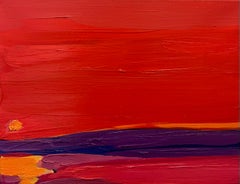
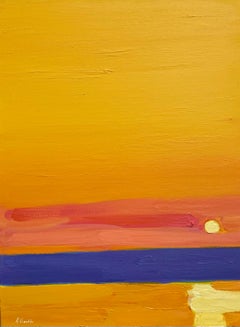
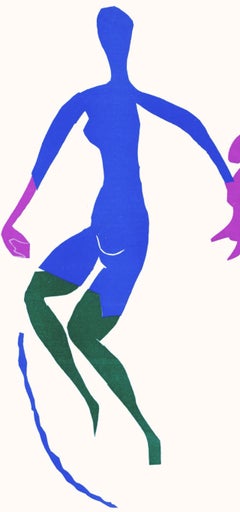
Sun Goes Down

Sun Goes Down

By Armine Bozhko

Located in Fairfield, CT

Armine Bozhko works on the crossroads of different cultures- she was born in Ukrainian-Armenian family of writers and diplomats, studied in Republican art school by Taras Shevchenko,...

Category

2010s Fauvist Art
Materials

Canvas, Oil

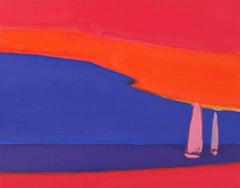
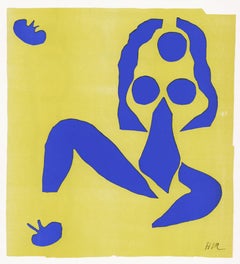
Red Dream

Red Dream

By Armine Bozhko

Located in Fairfield, CT

Armine Bozhko works on the crossroads of different cultures- she was born in Ukrainian-Armenian family of writers and diplomats, studied in Republican art school by Taras Shevchenko,...

Category

2010s Fauvist Art
Materials

Canvas, Oil

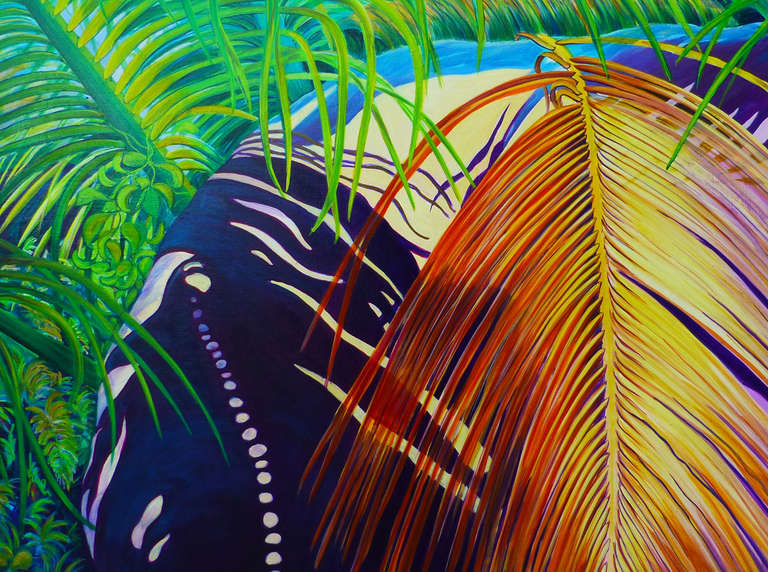
Golden Light

Golden Light

By Armine Bozhko

Located in Fairfield, CT

Armine Bozhko works on the crossroads of different cultures- she was born in Ukrainian-Armenian family of writers and diplomats, studied in Republican art school by Taras Shevchenko,...

Category

2010s Fauvist Art
Materials

Canvas, Oil

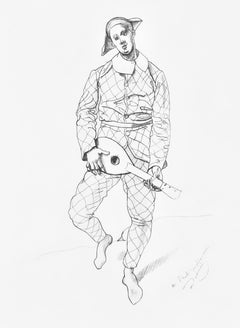
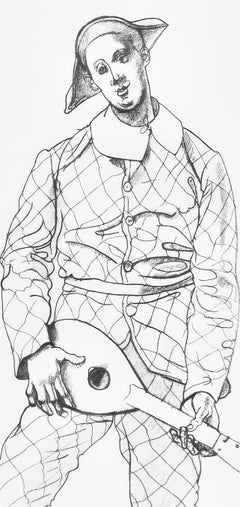
Andre Derain, Harlequin, from 1880-1954, 1961 (after)

Andre Derain, Harlequin, from 1880-1954, 1961 (after)

By André Derain

Located in Southampton, NY

This exquisite lithograph and pochoir after Andre Derain (1880–1954), titled Arlequin (Harlequin), from the folio Andre Derain 1880 - 1954, 1961, originates from the edition publishe...

Category

1960s Fauvist Art
Materials

Lithograph, Stencil

Andre Derain, Child with Drum, from 1880-1954, 1961 (after)

Andre Derain, Child with Drum, from 1880-1954, 1961 (after)

By André Derain

Located in Southampton, NY

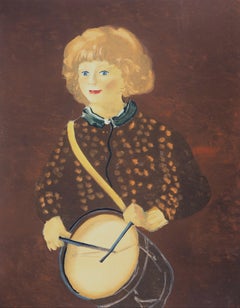
This exquisite lithograph and pochoir after Andre Derain (1880–1954), titled Enfant avec tambour (Child with Drum), from the folio Andre Derain 1880 - 1954, 1961, originates from the...

Category

1960s Fauvist Art
Materials

Lithograph, Stencil

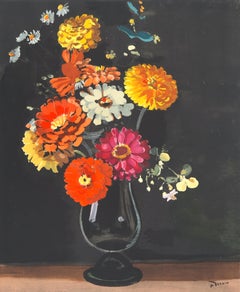
Andre Derain, Red Bouquet, from 1880-1954, 1961 (after)

Andre Derain, Red Bouquet, from 1880-1954, 1961 (after)

By André Derain

Located in Southampton, NY

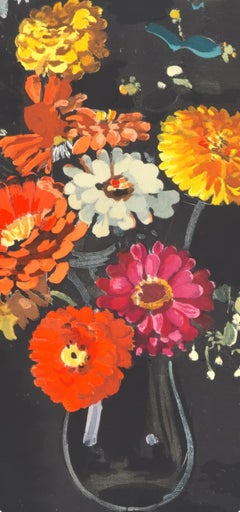
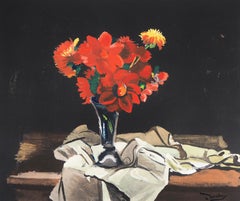
This exquisite lithograph and pochoir after Andre Derain (1880–1954), titled Bouquet rouge (Red Bouquet), from the folio Andre Derain 1880 - 1954, 1961, originates from the edition p...

Category

1960s Fauvist Art
Materials

Lithograph, Stencil

Fauvist art for sale on 1stDibs.
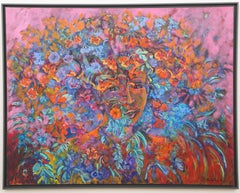
Find a wide variety of authentic Fauvist art available for sale on 1stDibs. Works in this style were very popular during the 21st Century and Contemporary, but contemporary artists have continued to produce works inspired by this movement. If you’re looking to add art created in this style to introduce contrast in an otherwise neutral space in your home, the works available on 1stDibs include elements of blue, orange, purple, green and other colors. Many Pop art paintings were created by popular artists on 1stDibs, including Charles Cobelle, (after) André Derain, Evelyne Ballestra, and (after) Pierre Bonnard. Frequently made by artists working with Paint, and Oil Paint and other materials, all of these pieces for sale are unique and have attracted attention over the years. Not every interior allows for large Fauvist art, so small editions measuring 3.94 inches across are also available. Prices for art made by famous or emerging artists can differ depending on medium, time period and other attributes. On 1stDibs, the price for these items starts at $1 and tops out at $2,835,000, while the average work sells for $1,532.