Impressionist Art

IMPRESSIONIST STYLE

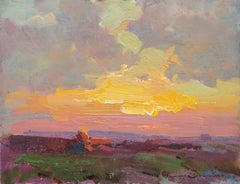
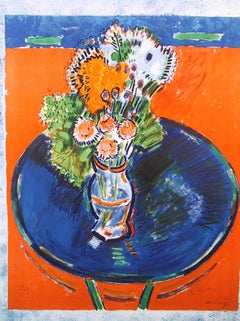
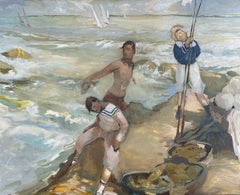
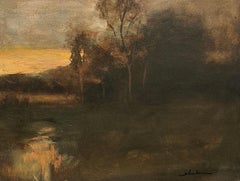
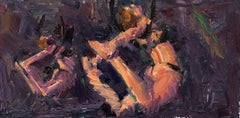
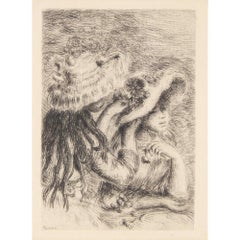
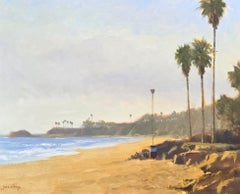
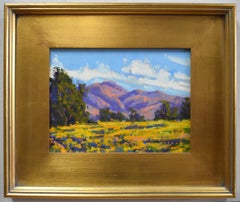
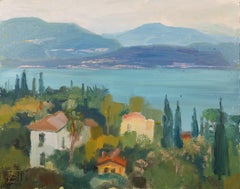
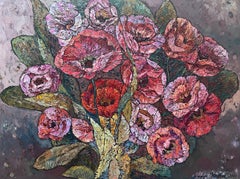
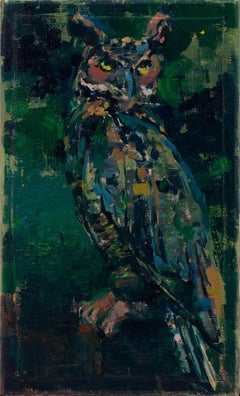
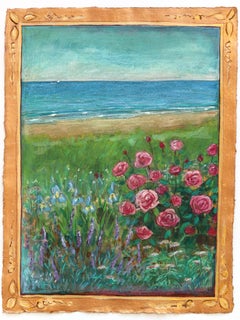
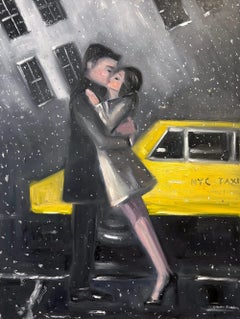
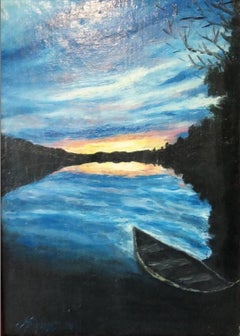
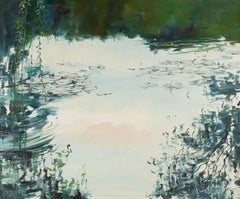
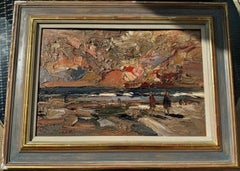
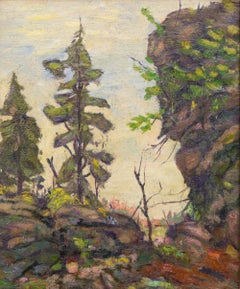
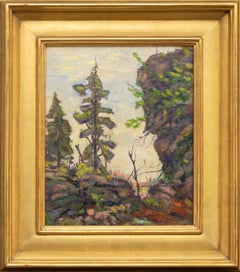
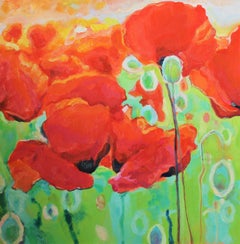
Emerging in 19th-century France, Impressionist art embraced loose brushwork and plein-air painting to respond to the movement of daily life. Although the pioneers of the Impressionist movement — Claude Monet, Edgar Degas, Paul Cézanne, Berthe Morisot, Camille Pissarro, and Pierre-Auguste Renoir — are now household names, their work was a radical break with an art scene led and shaped by academic traditions for around two centuries. These academies had oversight of a curriculum that emphasized formal drawing, painting and sculpting techniques and historical themes.

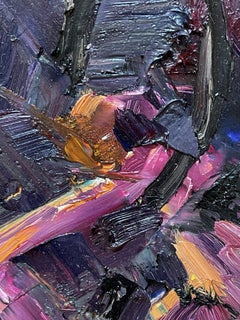
The French Impressionists were influenced by a group of artists known as the Barbizon School, who painted what they witnessed in nature. The rejection of pieces by these artists and the later Impressionists from the salons culminated in a watershed 1874 exhibition in Paris that was staged outside of the juried systems. After a work of Monet’s was derided by a critic as an unfinished “impression,” the term was taken as a celebration of their shared interest in capturing fleeting moments as subject matter, whether the shifting weather on rural landscapes or the frenzy of an urban crowd. Rather than the exacting realism of the academic tradition, Impressionist paintings, sculptures, prints and drawings represented how an artist saw a world in motion.

Many Impressionist painters were inspired by the perspectives in imported Japanese prints alongside these shifts in European painting — Édouard Manet drew on ukiyo-e woodblock prints and depicted Japanese design in his Portrait of Émile Zola, for example. American artists such as Mary Cassatt and William Merritt Chase, who studied abroad, were impacted by the work of the French artists, and by the late 19th century American Impressionism had its own distinct aesthetics with painters responding to the rapid modernization of cities through quickly created works that were vivid with color and light.

Find a collection of authentic Impressionist art on 1stDibs.

to
234
772
697
576
333
288
Overall Width
to
Overall Height
to
70
1,084
1,512
13
21
28
21
63
145
172
104
204
100
32,517
26,980
10,875
2,666
2,598
2,492
2,299
885
873
560
475
406
172
23
1,420
943
296
872
630
551
469
398
297
227
227
207
187
178
175
141
112
110
108
102
95
94
93
2,012
1,492
888
837
381
267
85
78
71
51
524
2,036
569
Style: Impressionist
Framing Options Available
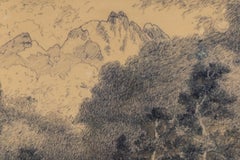
Charles Partridge Adams Original Colorado Landscape Drawing, Vintage Western Art

Charles Partridge Adams Original Colorado Landscape Drawing, Vintage Western Art

By Charles Partridge Adams

Located in Denver, CO

Own a rare original vintage field study drawing by celebrated Colorado landscape artist Charles Partridge Adams (1858–1942). This expressive ink-on-paper composition vividly captures...

Category

Early 20th Century Impressionist Art

Materials

Ink

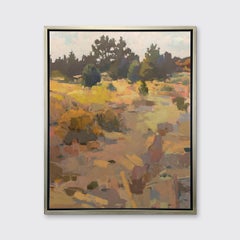
"Short of Expectations" Framed Limited Edition Print, 45" x 36"

"Short of Expectations" Framed Limited Edition Print, 45" x 36"

Located in Westport, CT

This Limited Edition giclee landscape print by Bri Custer is an edition size of 195. It features a warm, earth-toned palette. Printed on canvas, this giclee ships framed in a warm si...

Category

2010s Impressionist Art

Materials

Digital, Giclée

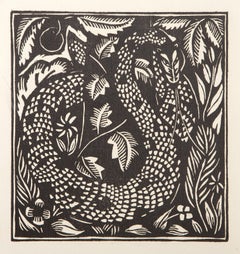
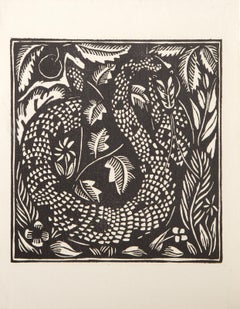
The Serpent, Impressionist Woodcut by Raoul Dufy

The Serpent, Impressionist Woodcut by Raoul Dufy

By Raoul Dufy

Located in Long Island City, NY

Raoul Dufy, French (1877 - 1953) - The Serpent, Year: c. 1911, Medium: Woodcut on laid paper, Image Size: 8 x 7.5 inches, Size: 11.25 x 8.75 in. (28.58 x 22.23 cm), Description: Fr...

Category

1910s Impressionist Art

Materials

Woodcut

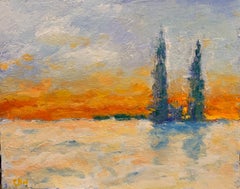
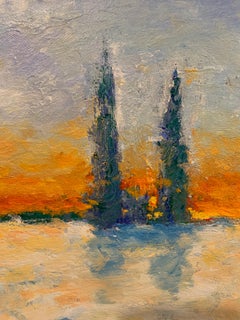
Sunset

Sunset

By Ovanes Berberian

Located in Colorado Springs, CO

Original Oil Painting signed by the Artist in the lower right corner.

Category

21st Century and Contemporary Impressionist Art

Materials

Oil

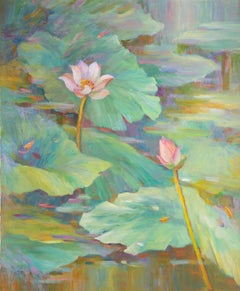
ZhiQin Yu Impressionist Original Oil Painting "Lost Beauty - Lotus"

ZhiQin Yu Impressionist Original Oil Painting "Lost Beauty - Lotus"

Located in New York, NY

Title: Lost Beauty - Lotus Medium: Oil on canvas Size: 23.75 x 19.5 inches Frame: Framing options available! Condition: The painting appears to be in excellent condition. Note: ...

Category

21st Century and Contemporary Impressionist Art

Materials

Oil

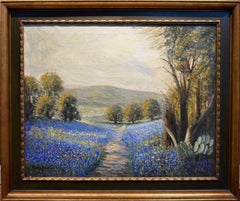
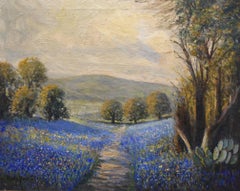
"Bluebonnet"  Texas Wildflowers

"Bluebonnet" Texas Wildflowers

By Rolla Taylor

Located in San Antonio, TX

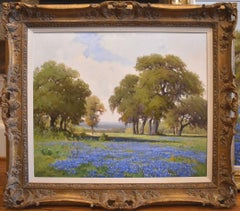
Rolla Taylor (1872-1970) San Antonio Artist Image Size: 24 x 30 Frame Size: 30.25 x 36.5 Medium: Oil on Canvas Circa 1920s/30s "Bluebonnets" Biography Rolla Taylor (187...

Category

1930s Impressionist Art

Materials

Oil

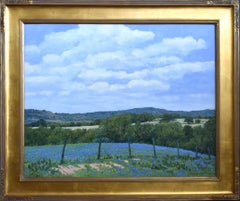
"Lazy Days Blues"  TEXAS BLUEBONNETS,  NICE LARGER SIZE LANDSCAPE CIRCA 1950

"Lazy Days Blues" TEXAS BLUEBONNETS, NICE LARGER SIZE LANDSCAPE CIRCA 1950

By Porfirio Salinas

Located in San Antonio, TX

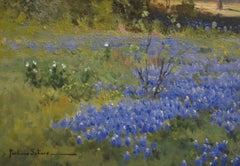
Porfirio Salinas (1910-1973) San Antonio Artist Image Size: 25 x 30 Frame Size: 34 x 39 Medium: Oil on Canvas Circa 1950 "Lazy Day Blues" Texas Bluebonnet Biography Porfirio Salinas (1910-1973) Porfirio Salinas was a self-taught artist who painted landscapes of Central Texas with an emphasis on the vast bluebonnet fields that grow there in the springtime. Born in 1910 in Bastrop, Texas, he attended public schools in San Antonio. He also observed works in progress by the director of the San Antonio Art School, Jose Arpa, as well as landscape painter, Robert Wood. Wood is said to have paid Salinas five dollars a picture to paint bluebonnets because "he hated to paint bluebonnets". Salinas served in the military from 1943 to 1945. Although he was assigned to Fort Sam Houston, he was allowed to live at home. At the fort, Colonel Telesphor Gottchalk assigned him to paint murals for the officer's lounge and various other projects, and Salinas continued to be able to paint during his entire conscripted period. Even before he achieved notoriety among galleries, dealers, and museums, Salinas was widely followed and appreciated by many Texans, including former President Lyndon B. Johnson, who may be considered responsible for launching Salinas popularity beyond the boundaries of Texas. In 1973, Texas capital, Austin, honored Salinas for having "done much to bring the culture of Mexico and Texas closer together with his paintings". Salinas died in April 1973 in San Antonio, Texas. From the years of the Great Depression through President Lyndon Johnson's Great Society of the 1960s, Texan Porfirio Salinas (1910-1973) remained one of the Lone Star State's most popular artists. Today, his works remain popular with Texas collectors and those who love landscapes of the beautiful "Hill Country" that lies in the center of the state. One of the first Mexican American painters to become widely recognized for his art, Salinas was a favorite of President Lyndon Johnson and his wife, Lady Bird Johnson, as well as of Sam Rayburn, the longest-serving Speaker of the House of Representatives, and Texas Governor John Connelly. In fact, President Johnson was so enamored with his Salinas paintings that the artist will forever be associated with America's first Texas-born President. Works by Porfirio Salinas is in a number of museum collections, grace the halls of the Texas State Capitol and the Governor's Mansion in Austin, and are included in virtually every major private collection of Early Texas Art. Porfirio Salinas was born on November 6, 1910, near the small town of Bastrop, Texas, about thirty miles from Austin. His father, Porfirio G. Salinas (1881-1967), and his mother, Clara G. Chavez, struggled to make a hardscrabble living as tenant farmers, but eventually were forced to give up farming. The family moved to San Antonio, where Salinas' father was able to get a job working as a laborer for the railroad, but the scenic area around Bastrop, with its pine trees and the wide expanse of the Rio Grande River, would forever remain a touchstone for the artist. For the rest of his life, Salinas and his brothers went back frequently to visit their grandmother in her little farmhouse. When in Bastrop, Porfirio painted on the banks of the Rio Grande or in the groves of pine trees. The Salinas family was close-knit, and Porfirio was the middle child of five children, so he had an older brother and sister as well as a younger brother and sister. His mother was a native of Mexico, so throughout his childhood the family made the long drive to Mexico to visit Clara Salinas' family. As a child growing up in the bi-lingual section of San Antonio, Salinas drew and painted incessantly and by the time he was ten, he was already producing work that was mature enough to sell to his schoolteachers. Many years later in an article in the New York Times he was described as a "boy whose textbooks were seldom opened and whose sketchbook was never closed." Instead of studying, the young artist spent his spare time watching artists paint in and around San Antonio. As an aspiring painter, Salinas was fortunate to grow up in the historic city, which had the most active art scene in Texas. It was his exposure to older, professional painters that encouraged the precocious young painter to leave school early in order to help his family and pursue a career as a professional artist, despite his father's inability to see art as a career with any future for his son. When Salinas was about fifteen he came to know the artist Robert W. Wood (1889-1979). He met Wood while he was employed in an art supply store and he soon began to work as an assistant to the English-born painter, who had moved from Portland to San Antonio in 1924. Although the diminutive Englishman was already an established professional artist, he did not have a great deal of formal art training and so he was then studying with the academically trained Spanish painter Jose Arpa (1858-1952) in order to augment his knowledge and give his work a more polished look. Salinas was an eager young man, and while working in Wood's downtown San Antonio studio he learned to stretch canvases, frame paintings and to sketch in larger compositions from small plein-air studies for the English artist. He began to accompany Wood and Arpa to the hills outside San Antonio, where they painted small Plein-air studies of fields of blue lupin - the state flower, the famous "Bluebonnets" of Texas - in the springtime and scenes of the gnarled Red Oaks as they changed color in the fall. He was soon assisting Wood in the tedious work of painting the tiny blue flowers that collectors wanted to see in the landscapes they purchased of central Texas. According to a 1972 newspaper story, "Legend has it that one day in the 1920s artist Robert Wood decided he could not bear to paint another bluebonnet in one of his landscapes. He hired young Porfirio Salinas to paint them in for him at five dollars a painting." Whether this story is accurate or apocryphal isn't clear, but the ambitious and independent young Salinas wasn't destined to be anyone's assistant for very long. The formative event of Porfirio Salinas' teenage years was the Texas Wildflower Competitive Exhibitions, a Roaring-Twenties dream of the eccentric oilman Edgar B. Davis (1873-1951). These competitive shows of paintings of wildflowers and Texas life were mounted in San Antonio from 1927 to 1929. Held at the newly opened Witte Museum each spring, the exhibition featured large cash prizes donated by the philanthropic Davis, which were an inducement for artists to travel from all over the United States to paint in the Hill Country of Texas. The "Davis Competitions," as they were known, helped to cement San Antonio's reputation as an art center, a legacy that remains with the "River City" today. The shows generated a great deal of excitement in the area, helping to make celebrities of the some of the artists who had already settled there and encouraging others to make San Antonio their home. Over the three years that the wildflower competitions were held, more than 300 paintings were exhibited, and many thousands of viewers saw the paintings at the Witte Museum and on tours throughout the state and in New York. Each year Davis would generously purchase the winning paintings and then donate them to the San Antonio Art League. Young Porfirio Salinas would have been able to not only watch his two mentors - Robert W. Wood and Jose Arpa - paint the works that they entered in the Davis Competitions, he would have been able to see Arpa take several of the major prizes, receiving the judge's accolades for "Verbena," "Cactus Flower" and "Picking Cotton," works that are still on view at the San Antonio Art League Museum today. Unfortunately, Davis eventually put his donations to work in other charitable endeavors, bringing to an end the wildflower events, but only after they inspired Salinas and other young painters and had helped to make wildflower paintings the most sought-after subject for traditionalist Texas collectors. In 1930, when he was only twenty, Salinas hung out a shingle and began to paint professionally, augmenting the sales of his easel paintings with what little business he could garner by painting signs for local concerns. It was a struggle for the young artist to make a living, as the effects of the Great Depression were settling in. His early works are very similar to those of Robert Wood's, both in subject matter and treatment. Salinas did small paintings of Bluebonnets for the tourists who visited San Antonio to see the famous Alamo as well as paintings of the Texas missions...

Category

1950s Impressionist Art
Materials

Oil

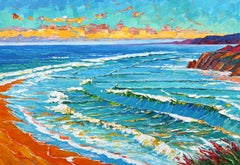
Nothing But Blue Skies - Abstract Impressionist Landscape Ocean Impasto Painting

Nothing But Blue Skies - Abstract Impressionist Landscape Ocean Impasto Painting

By Katharina Husslein

Located in Los Angeles, CA

Katharina Husslein’s "Nothing But Blue Skies" is a captivating impasto seascape painting that brings the beauty of the ocean to life through bold, expressive brushstrokes and a radia...

Category

21st Century and Contemporary Impressionist Art

Materials

Canvas, Oil

"There it is!" (2020), Original Nude Still-Life Portrait Oil Painting

"There it is!" (2020), Original Nude Still-Life Portrait Oil Painting

Located in Denver, CO

"Cold Walk" by Clyde Steadman (United States) is a handmade nude portrait painting that is unframed, but ready to hang. Clyde Steadman got his start as an artist drawing people in c...

Category

21st Century and Contemporary Impressionist Art

Materials

Oil, Board

"BLUE HILLTOP" TEXAS BLUEBONNET TEXAS HILL COUNTRY

"BLUE HILLTOP" TEXAS BLUEBONNET TEXAS HILL COUNTRY

By CLIFF CAVIN

Located in San Antonio, TX

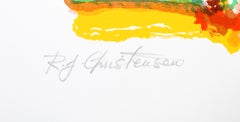
Cliff Cavin Texas Artist Size: 24 x 30 Frame: 31 x 37 Medium: Oil "Blue Hill Top" Biography Cliff Cavin Cliff Cavin, a native of San Antonio, Texas, is a landscape artist and has bee...

Category

2010s Impressionist Art
Materials

Oil

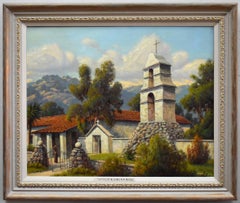
"PALA MISSION" Northern San Diego County California Reservation.

"PALA MISSION" Northern San Diego County California Reservation.

By Paul Grimm

Located in San Antonio, TX

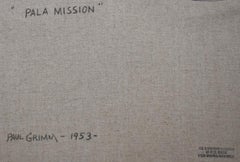
Paul Grimm (1891-1974) California Artist Image Size: 24 x 30 Frame Size: 31 x 37 Medium: Oil on Canvas Dated 1953 "Pala Mission" The San Antonio de Pala Asistencia, or the "Pala Mission", was founded on June 13, 1816, as an asistencia or "sub-mission" to Mission San Luis Rey de Francia, some twenty miles inland upstream from the latter mission on the San Luis Rey River. Pala Mission was part of the Spanish missions, asistencias, and estancias system in Las Californias—Alta California. Today it is located in the Pala Indian Reservation located in northern San Diego County, with the official name of Mission San Antonio de Pala.[2][4] It is the only historic mission facility still serving a Mission Indian tribe. Pala (a derivation of the native term Pale, meaning water) was essentially a small rancho surrounded by large fields and herds. The Pala site had been noted by Father Juan Mariner and Captain Juan Pablo Grijalva on an exploratory trip in 1795, when they went up the San Diego River, and then through Sycamore Canyon to the Santa Maria Valley (or Pamó Valley) and into what they named El Valle de San José, now known as Warner Springs. Once Mission San Luis Rey began to prosper, it attracted the attention of numerous mountain Native Americans in the area, who were called the Luiseño by the Spanish. Spanish era The Franciscan fathers chose this site for the Pala Mission because it was a traditional gathering place and village for the Native American residents. Father Peyrí oversaw the addition of a chapel and housing to the granary complex, which was constructed at the spot in 1810.[4] The chapel's interior wall surfaces featured paintings by native artists, originally measuring 144 by 27 feet. Workers went into the Palomar Mountains and cut down cedar trees to use as roof beams.[5] Pala is unique among all of the Franciscan missions in that it boasts the only completely freestanding campanile, or "bell tower," in all of Alta California. By 1820, some 1,300 baptisms had been performed at the outpost.[6] Folk tales about the mission include mention of a prickly pear cactus, which became a local symbol of Christian victory, that grew up at the foot of the cross.[7] Mexican era After the nation achieved independence from Spain, the Mexican Congress passed An Act for the Secularization of the Missions of California on August 17, 1833 (the act was ratified in 1834).[8] Father Buenaventura Fortuna surrendered Mission San Luis Rey and all its holdings, including Las Flores Estancia and the Pala Asistencia, to government comisianados (commissioners) Pío Pico and Pablo de la Portillà on August 22, 1835; the assessed value of "Rancho de Pala" was $15,363.25.[9] More than a decade later, fearful of the impending conquest of Alta California by the United States as a result of the Mexican–American War...

Category

20th Century Impressionist Art

Materials

Oil

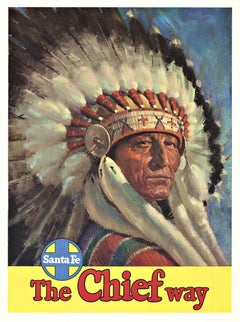
Santa Fe The Chief Way original American railroad poster

Santa Fe The Chief Way original American railroad poster

Located in Spokane, WA

Original Santa Fe The Chief Way vintage railroad travel poster. Archival linen backed in very fine condition, ready to frame. Most of the Santa Fe Railway posters feature American Indians, but this poster features the big boss, The Chief! The poster has about a 1" white border around the entire image, the linen backing is not counted in the poster's measurement. Several of the trains were named "Chief" which includes the San Francisco Chief, Texan Chief, Kansas City Chief...

Category

1940s Impressionist Art
Materials

Offset

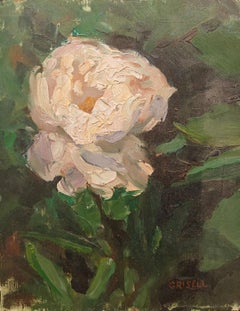
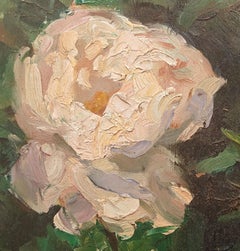
"At Bloom" Susan Grisell, White Flowers, American Impressionist Floral Sketch

"At Bloom" Susan Grisell, White Flowers, American Impressionist Floral Sketch

By Susan Grisell

Located in New York, NY

Susan Grisell At Bloom, circa 1990 Signed lower right Oil on board 9 7/8 x 7 7/8 inches Following the guidance of her long-time teacher and mentor, the respected New England impressionist painter, Bernard Lennon, Susan Grisell developed a style marked adherence to nature. Her paintings are recognizable for their effortless rendering, with line and color that express the impressions of what she observes, and dense brushwork that conveys her response following the sensitive observation of atmosphere. In May 2023, one of Susan's paintings "Blue Crock...

Category

1990s Impressionist Art
Materials

Oil, Board

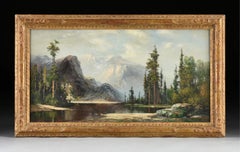
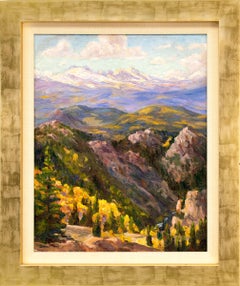
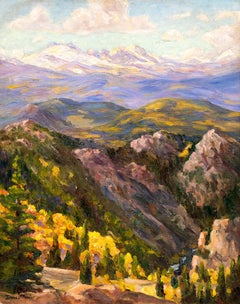
Boulder Canyon, Colorado Autumn Landscape Oil Painting by Irene Fowler, 1940s

Boulder Canyon, Colorado Autumn Landscape Oil Painting by Irene Fowler, 1940s

By Irene Fowler

Located in Denver, CO

This vintage 1940s oil on canvas painting by Colorado artist Irene Fowler (1884–1969) beautifully captures the vibrant autumn landscape of Boulder Canyon. With a masterful eye for color and atmosphere, Fowler presents majestic mountain peaks framed by glowing Aspen trees in their fall brilliance, their leaves shimmering in radiant shades of gold, orange, and red. The scene reflects both the serenity and dramatic character of Colorado’s rugged wilderness, offering a timeless vision of the Rocky Mountains. Fowler’s keen observation of light and painterly brushwork bring the landscape vividly to life, evoking the crisp mountain air and golden glow of a Colorado autumn day. Her ability to balance natural grandeur with intimate detail makes this work an exceptional example of early 20th-century Western American painting. The painting itself measures 22 ¼ x 18 ¼ inches and is presented in a custom gilded frame with outer dimensions of 25 ¼ x 21 ¼ x 1 ½ inches, enhancing its elegance and making it ready for display. Signed by the artist in the lower right corner. About the Artist: Irene Fowler (1884–1969) was a pivotal figure in Denver’s early 20th-century art community. Born in Illinois, she later settled in Colorado, where she became both a respected public school teacher and a founding member of the Denver Artists Guild (now the Colorado Artists Guild). Best known for her en plein air landscapes, Fowler captured the beauty of Colorado’s mountains, Aspen groves, and mining towns with an extraordinary sensitivity to light, color, and atmosphere. She exhibited widely throughout her career, including at the Schlier Gallery, Chappell House, University Club...

Category

1940s Impressionist Art
Materials

Oil

Having a cigarette amongst Green and Blue-hand painted Large CanvasEdition 12/20

Having a cigarette amongst Green and Blue-hand painted Large CanvasEdition 12/20

Located in London, GB

This Limited Canvas Edition ( #12 of 20 ) is authentically hand painted by the artist on Giclée printed canvas. , finished with Shizico Yi's original brushstroke and oil paints on 9...

Category

2010s Impressionist Art
Materials

Gesso, Canvas, Archival Ink, Oil, Acrylic, Stretcher Bars

"Sunset boat" seascape, night

"Sunset boat" seascape, night

Located in Vienna, AT

Size: 30 H x 40 W x 2 D cm Year: 2010 Media: oil on canvas Style: modern, art deco, figurative, abstract This painting depicted architecture, city, country, houses, road, square, ch...

Category

2010s Impressionist Art
Materials

Canvas, Cotton Canvas, Mixed Media, Oil, Spray Paint, Acrylic

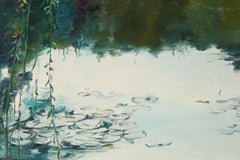
Panpan Wei Impressionist Original Oil On Canvas "Lotus Pond II"

Panpan Wei Impressionist Original Oil On Canvas "Lotus Pond II"

Located in New York, NY

Title: Lotus Pond II Medium: Oil on canvas Size: 19 x 23 inches Frame: Framing options available! Condition: The painting appears to be in excellent condition. Note: This paint...

Category

21st Century and Contemporary Impressionist Art

Materials

Canvas, Oil

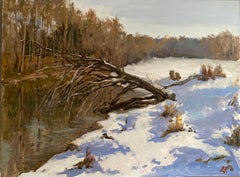
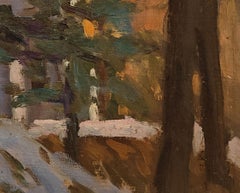
Winter Serenity. Winter landscape, river, snow, calm, impressionism

Winter Serenity. Winter landscape, river, snow, calm, impressionism

Located in Oslo, NO

This impressionistic oil painting was created en plein air, capturing the tranquil beauty of a winter landscape. A fallen tree stretches across a snowy riverbank, its bare branches c...

Category

2010s Impressionist Art
Materials

Oil, Wood Panel

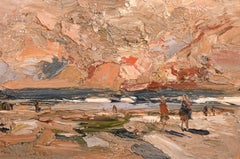
SUNSET NOSTALGIC IMPASTO   ROY PETLEY contemporary British artist

SUNSET NOSTALGIC IMPASTO ROY PETLEY contemporary British artist

By Roy Petley

Located in Pollenca, Illes Baleares

Roy Petley ..Petley paints en plein air, which is a French expression meaning "in the open air", to create his popular works that depict the wide expanse of English beaches and the g...

Category

21st Century and Contemporary Impressionist Art

Materials

Oil

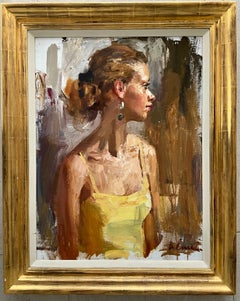
The primrose yellow dress  Vladimir Ezhakov. contemporary Russian Artist

The primrose yellow dress Vladimir Ezhakov. contemporary Russian Artist

By Vladimir Ezhakov

Located in Pollenca, Illes Baleares

The main theme of his works are portraits. He chooses contrasting and sensual colors, making confident and powerful strokes. The image of a woman in the artist's works remains both c...

Category

21st Century and Contemporary Impressionist Art
Materials

Oil

Impressionist art for sale on 1stDibs.
Find a wide variety of authentic Impressionist art available for sale on 1stDibs. Works in this style were very popular during the 21st Century and Contemporary, but contemporary artists have continued to produce works inspired by this movement. If you’re looking to add art created in this style to introduce contrast in an otherwise neutral space in your home, the works available on 1stDibs include elements of blue and other colors. Many Pop art Paintings/style/impressionist/?creator=richard-szkutnik>paintings were created by popular artists on 1stDibs, including Vahe Yeremyan, Richard Szkutnik, Iryna Kastsova, and Mitchell Funk. Frequently made by artists working with Oil Paint, and Paint and other materials, all of these pieces for sale are unique and have attracted attention over the years. Not every interior allows for large Impressionist art, so small editions measuring 8 inches across are also available. Prices for art made by famous or emerging artists can differ depending on medium, time period and other attributes. On 1stDibs, the price for these items starts at $225 and tops out at $7,200, while the average work sells for $1,423.