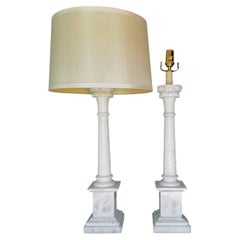
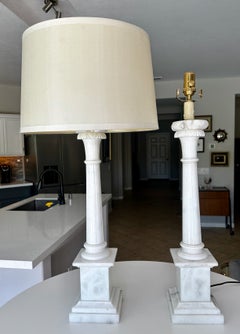
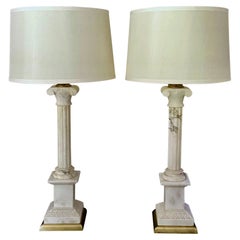
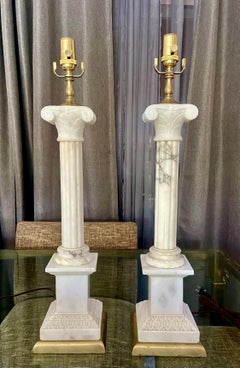
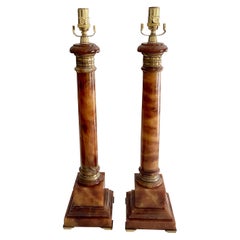
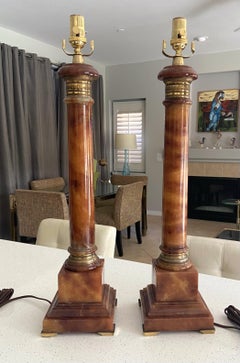
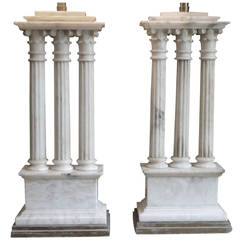
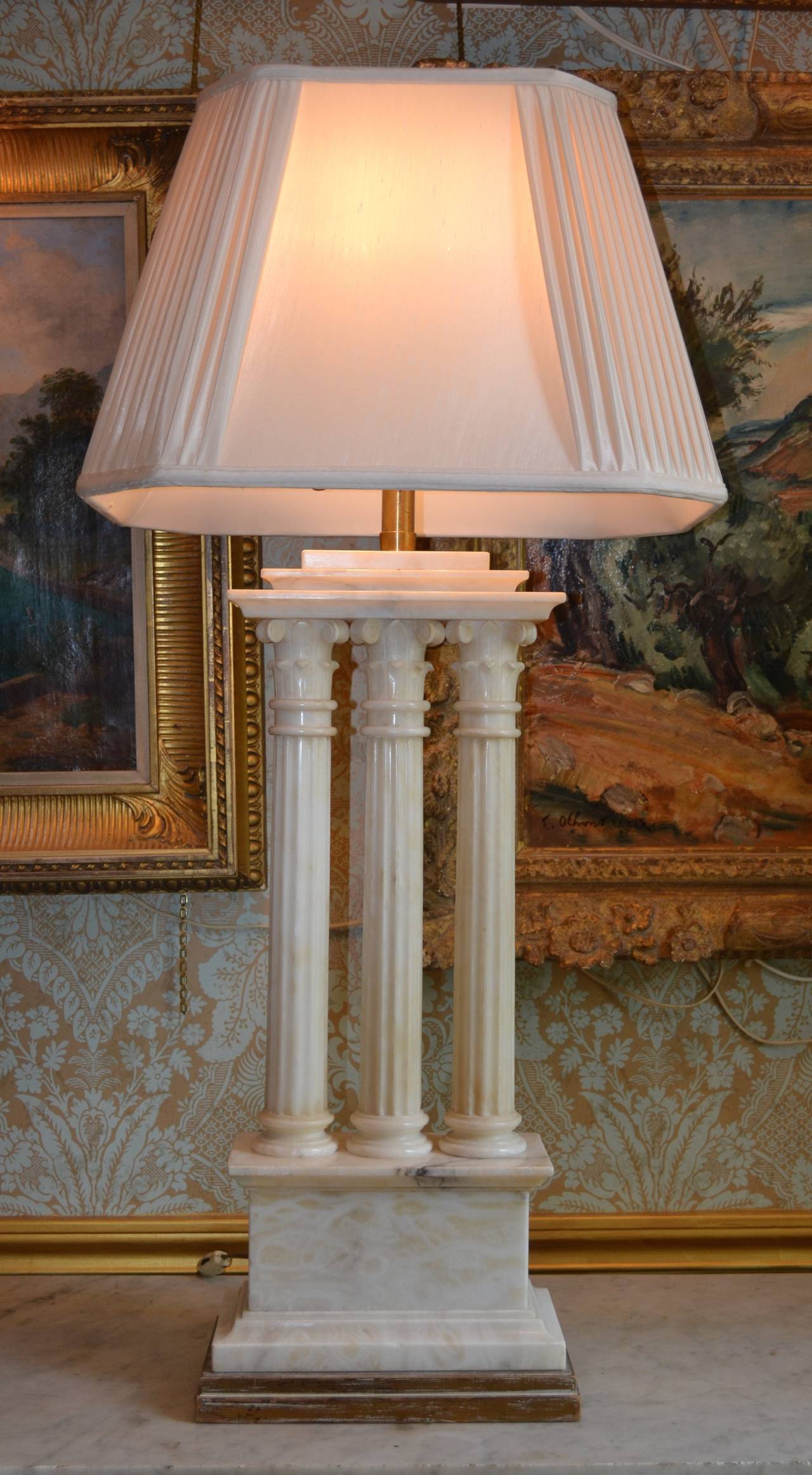
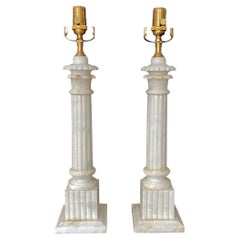
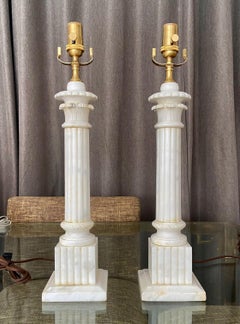
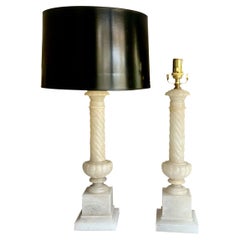
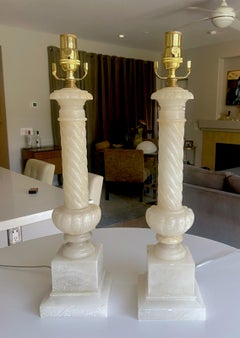
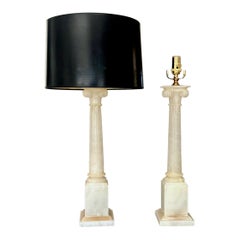
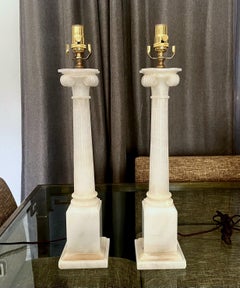
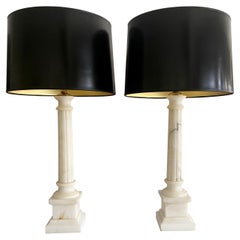
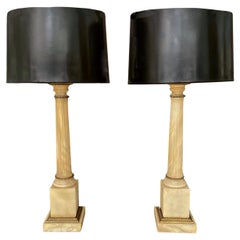
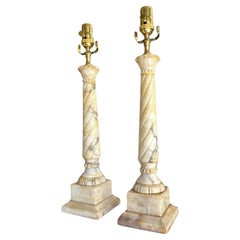
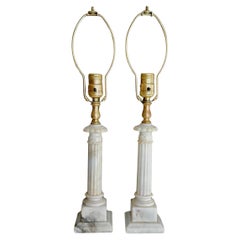
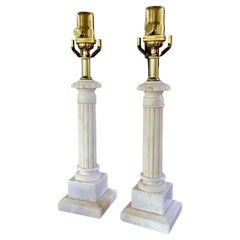
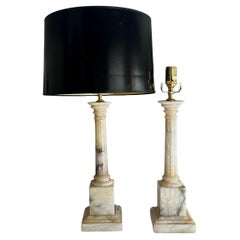
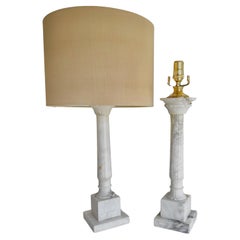
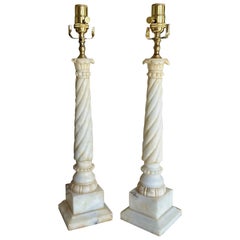
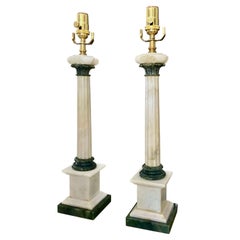
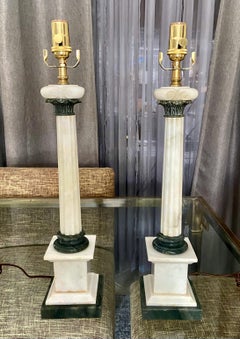
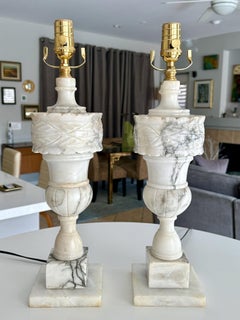
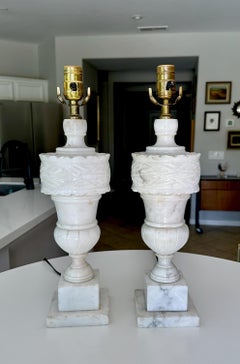
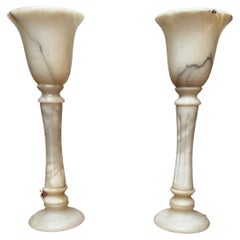
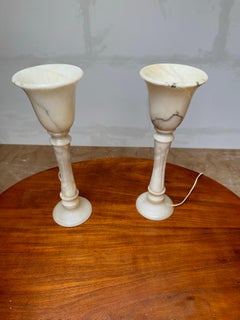
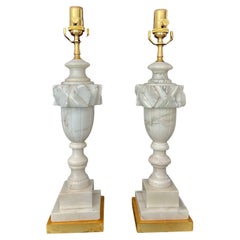
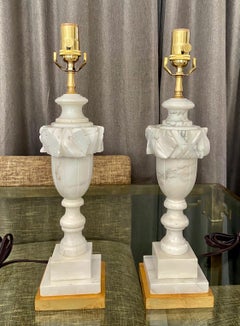
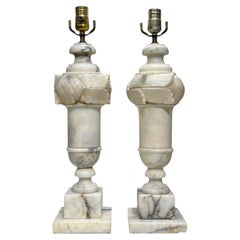
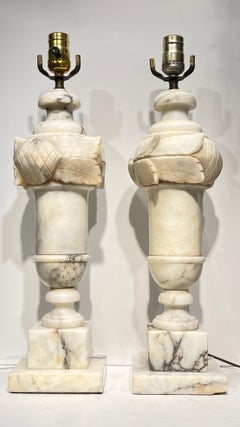
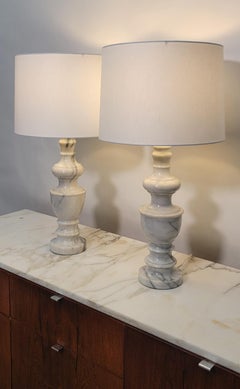
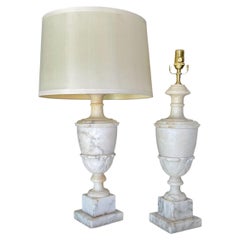
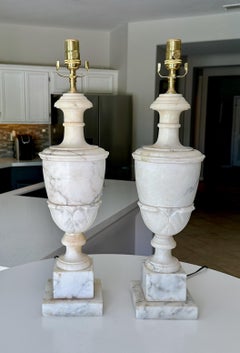
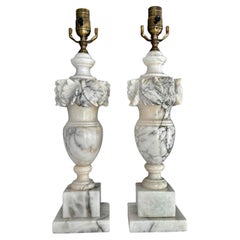
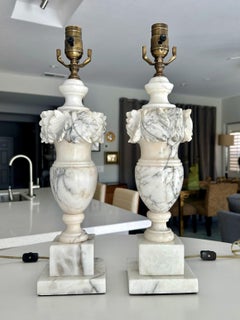
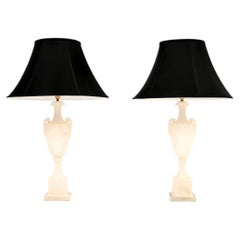
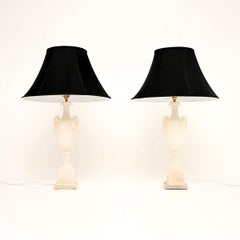
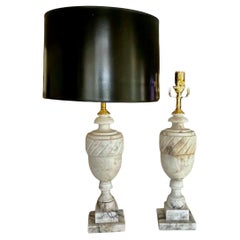
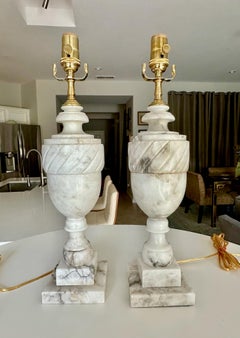
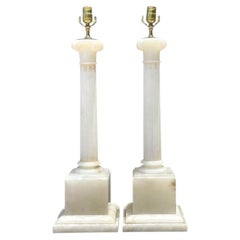
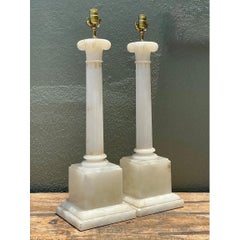
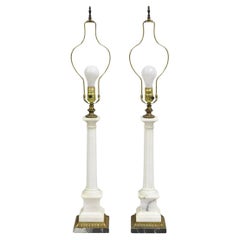
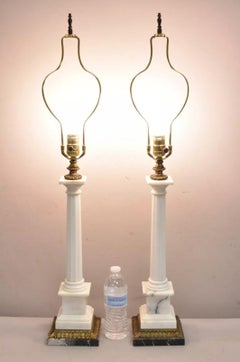
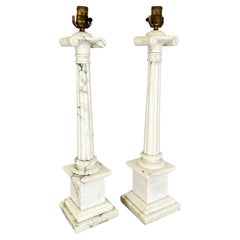
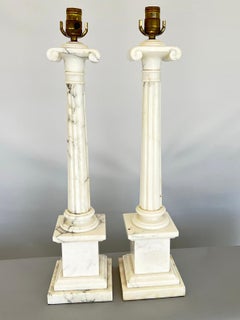
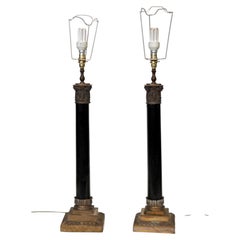
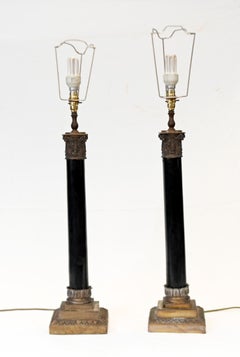
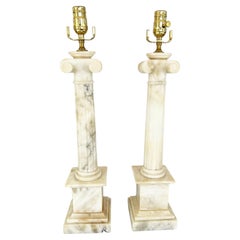
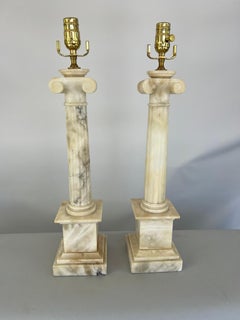
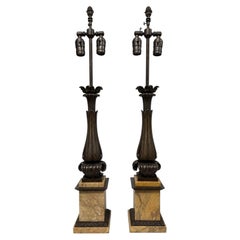
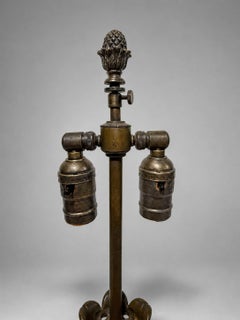
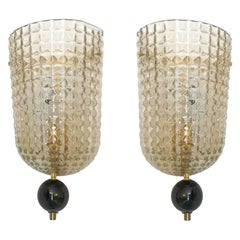
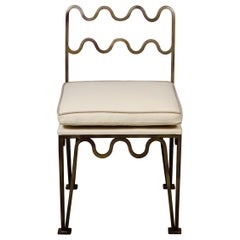
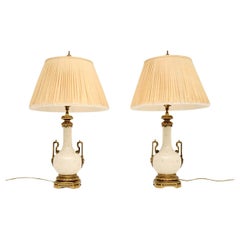
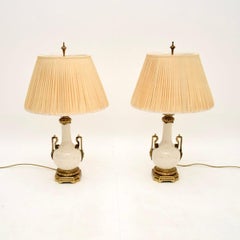
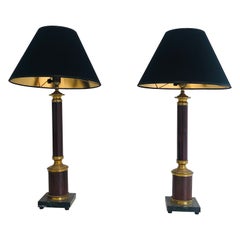
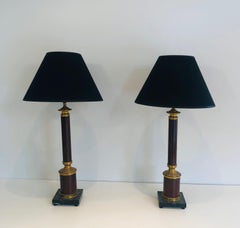
At 1stDibs, there are many versions of the ideal alabaster greek column lamp for your home. Each alabaster greek column lamp for sale was constructed with extraordinary care, often using
alabaster,
stone and
metal. Whether you’re looking for an older or newer alabaster greek column lamp, there are earlier versions available from the 19th Century and newer variations made as recently as the 20th Century. A alabaster greek column lamp made by
modern designers — as well as those associated with
neoclassical — is very popular.
There is rare surviving furniture from ancient Greece, yet this classical style has informed design for centuries. Interiors of houses in antiquity were minimal, with much of a room’s color coming from frescoes on the walls and mosaics on the floors. Classical Greek furniture was sparing but finely crafted and influenced by Egyptian furniture design through Mediterranean trade.
Furnishings of the period were usually made from local wood like cypress, cedar, oak and willow from ancient Greece’s plentiful forests, although some pieces were carved from marble, such as a 300–200 B.C. throne with lion legs and a curved back now at the Getty Villa. Comfort and clean lines characterized designs during the Classical era, the symmetry and thoughtful proportions reflecting the architecture of Greek temples.
Some pieces of ancient Greek furniture were simple, rectangular platforms like the klinē, a multipurpose ancestor of today’s couches or daybeds that held cushions stuffed with wool, dry grass or down. These structures were used for both sleeping and dining, which wealthy Greeks did while reclining. At night, oil lamps illuminated rooms that frequently surrounded a garden courtyard.
Most of what scholars have learned about Greek furniture design owes to its representations in art like vases and stelae. The portable diphros stool, with its backless design and four turned legs, was one of the more common types of seating in daily Greek life — it appears as such for the gods on the Parthenon frieze. Stools without backs have been found in early Roman tombs, while benches were also common Greek seating furniture created for use in theaters. In houses of the Hellenistic period, benches seemingly functioned as tables, too.
Some designs evolved through adaptations by the Romans, including the klismos chair. After prominent archaeological excavations at Pompeii and Herculaneum, the klismos chair — with its four saber legs and the elegant curves that define its back — was a source of inspiration for aesthetics in eras ranging from 18th-century neoclassicism to 20th-century Art Deco.
Find a collection of Classical Greek decorative objects, wall decorations and building and garden elements on 1stDibs.
Antique table lamps became a category of their own once electricity moved light off the wall and onto furniture. The form split quickly: task-driven designs like the Anglepoise on one side, decorative ceramic and glass on the other.
Styles to Know
Base material shapes the light as much as the shade does: ceramic and glass diffuse a softer glow, while brass and metal read more directional. Layer the look with a mid-century modern floor lamp for ambient light, or set a pair on a mid-century modern nightstand for a bedroom.
How to Choose the Right Vintage Table Lamp
Buying individually rather than as a pair allows more flexibility when mixing eras across a room. For those shopping by name rather than by shape, the history of the Anglepoise lamp is worth a read. Each piece comes from a vetted 1stDibs seller, with era, designer and condition detailed, and the 1stDibs Promise stands behind every purchase.