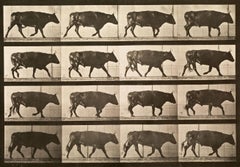
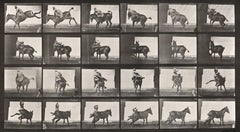
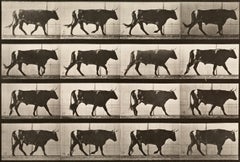
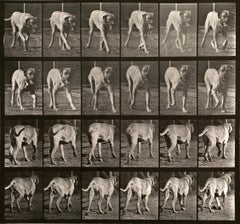
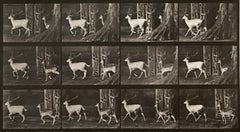
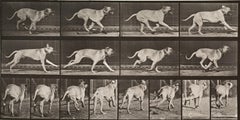
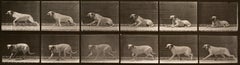
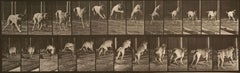
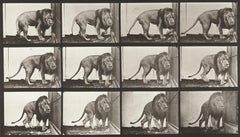
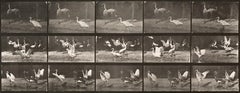
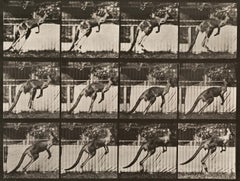
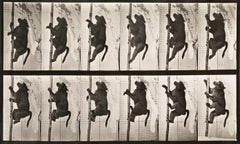
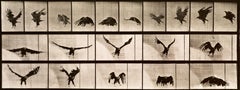
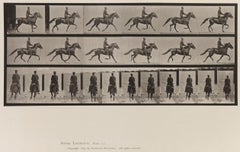
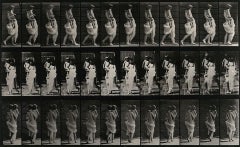
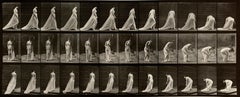
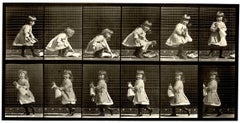
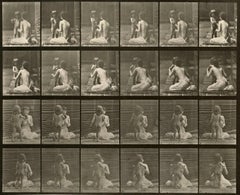
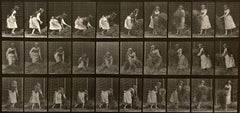
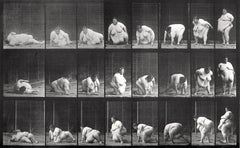
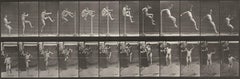
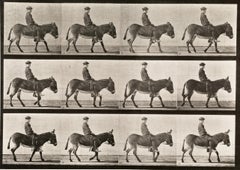
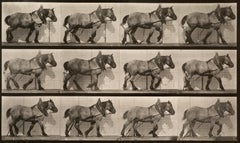
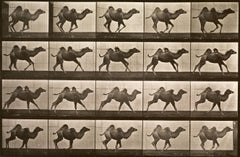
Animal Locomotion For Sale on 1stDibs
On 1stDibs, you can find the most appropriate animal locomotion for your needs in our varied inventory. Making the right choice when shopping for an animal locomotion may mean carefully reviewing examples of this item dating from different eras — you can find an early iteration of this piece from the 19th Century and a newer version made as recently as the 21st Century. Adding an animal locomotion to a room that is mostly decorated in warm neutral tones can yield a welcome change — find a piece on 1stDibs that incorporates elements of
black,
gray,
beige and more. Frequently made by artists working in
paper,
photographic paper and
offset print, these artworks are unique and have attracted attention over the years.
How Much is a Animal Locomotion?
The price for an artwork of this kind can differ depending upon size, time period and other attributes — an animal locomotion in our inventory may begin at $48 and can go as high as $8,500, while the average can fetch as much as $3,868.
Eadweard Muybridge for sale on 1stDibs
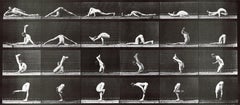
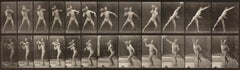
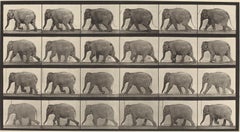
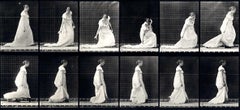
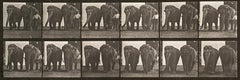
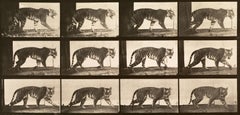
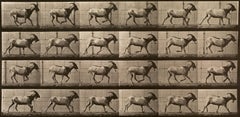
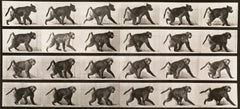
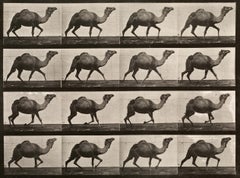
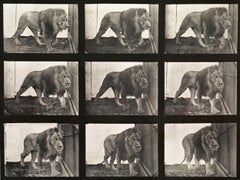
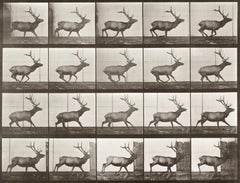
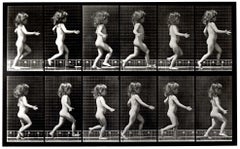
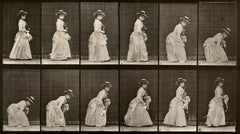
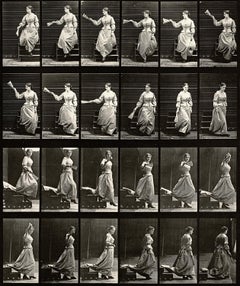
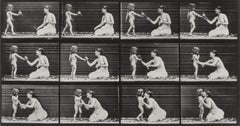
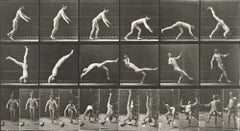
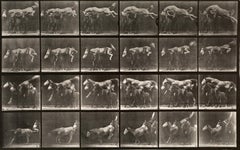
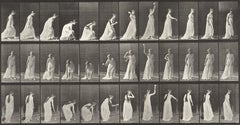
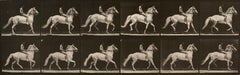
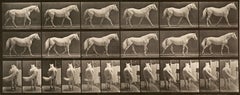
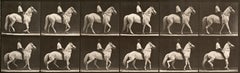
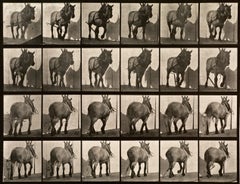
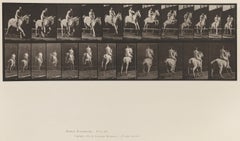
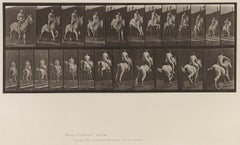
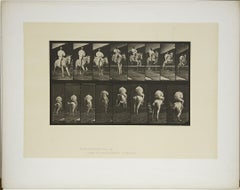
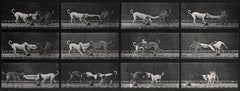
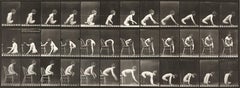
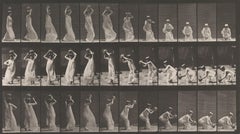
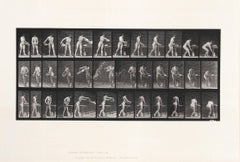
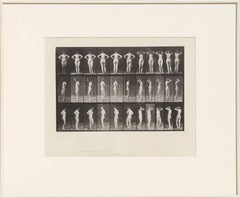
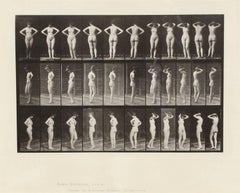
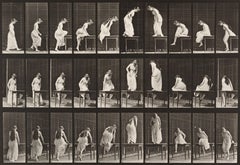
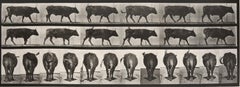
Inventor, photographer, entrepreneur, and artist - Eadweard Muybridge was responsible for creating some of the most important and groundbreaking photographic studies of motion. Often referred to as “the father of the motion picture” for his innovative use of the camera, Muybridge stands out - both for his groundbreaking artistic expression, and for his detailed scientific study of movement. Muybridge is best known for expanding and experimenting with the camera’s ability to capture and freeze motion, as he developed a set of multiple cameras with synchronized shutters.
Born in Kingston-upon-Thames, England, in 1830, Muybridge immigrated to the United States at age 25 and settled in San Francisco. He quickly became one of the leading landscape photographers of the west. In 1872, former California governor and railroad entrepreneur Leland Stanford commissioned him to photograph his horse Occident trotting at full speed, to determine whether all four of a horse's hooves left the ground at the same time. The resulting photographs were the first successful examples of stop-action photography that the world had ever seen.
In the summer of 1883, the University of Pennsylvania sponsored Muybridge to undertake the largest investigation yet of stop-action photographs, including women, men, children, horses, and a large variety of animals at the Philadelphia Zoo. Over the next three years, over 20,000 individual photographs were taken, resulting in the publication in 1887 of Human and Animal Locomotion, featuring 781 different collotype plates. Only 37 complete sets were produced, and additional plates were sold individually and by subscription.
With this work, Muybridge became a significant precursor to 20th Century art, including painting, photography, and motion pictures. Artists as diverse as Sol Lewitt, Edgar Degas, Francis Bacon, and Phillip Glass were all influenced by his work.
Major holdings of Muybridge collotypes are in the collections of prominent museums and libraries around the world. In the United States, these include the Library of Congress, Yale University, the Philadelphia Free Public Library, the University of Pennsylvania, Stanford University, and in New York – the Museum of Modern Art, the Metropolitan Museum, and the New York Public Library. In Europe, major Muybridge collections can be found at the British Library, the Cinémathèque Française, the Victoria and Albert Museum, the Musées de Strasbourg, and the Kingston Museum in Muybridge’s home town.
Finding the Right Black-white-photography for You
There’s a lot to love about black and white photography.
The unique and timeless quality of a black and white photograph accentuates any room. Some might argue that we’re naturally drawn to color photography because it’s the world we know best. This is a shared belief, particularly in the era of camera-phone photography, editing apps and the frenetic immediacy of sharing photos on social media. But when we look at black and white photography, we experience deep, rich shadows and tonal properties in a way that transfixes us. Composition and textures are crisp and engaging. We’re immediately drawn to the subjects of vintage street photography and continue to feel the emotional impact of decades-old photojournalism. The silhouettes of mountains in black and white landscape photography are particularly pronounced, while portrait photography and the skylines of urban cityscapes come to life in monochrome prints.
When decorating with fine photography, keep in mind that some color photographs may not be suitable for every space. However, you can be more daring with black and white photos. The gray tones are classic, sophisticated and generally introduce elegance to any corner of your home, which renders black and white prints amazingly versatile.
Black and white photography adapts to its surroundings like a chameleon might. A single large-scale black and white photograph above the sofa in your living room is going to work with any furniture style, and as some homeowners and designers today are working to introduce more muted tones and neutral palettes to dining rooms and bedrooms, the integration of black and white photography — a hallmark of minimalist decor — is a particularly natural choice for such a setting.
Another advantage to bringing black and white photography into your home is that you can style walls and add depth and character without worrying about disrupting an existing color scheme. Black and white photographs actually harmonize well with accent colors such as yellow, red and green. Your provocative Memphis Group lighting and bold Pierre Paulin seating will pair nicely with the black and white fine nude photography you’ve curated over the years.
Black and white photography also complements a variety of other art. Black and white photos pair well with drawings and etchings in monochromatic hues. They can also form part of specific color schemes. For example, you can place black and white prints in colored picture frames for a pop of color. And while there are no hard and fast rules, it’s best to keep black and white prints separate from color photographs. Color prints stand out in a room more than black and white prints do. Pairing them may detract attention from your black and white photography. Instead, dedicate separate walls or spaces to each.
Once you’ve selected the photography that best fits your space, you’ll need to decide how to hang the images. If you want to hang multiple photos, it’s essential to know how to arrange wall art. A proper arrangement can significantly enhance a living space.
On 1stDibs, explore a vast collection of compelling black and white photography by artists such as Mark Shaw, Jack Mitchell (a photographer you should know), Berenice Abbott and David Yarrow.