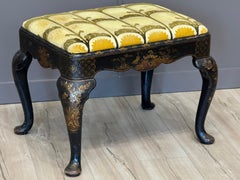
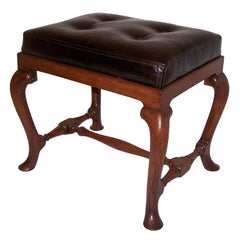
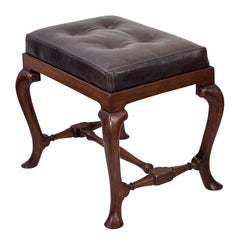
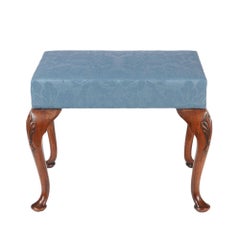
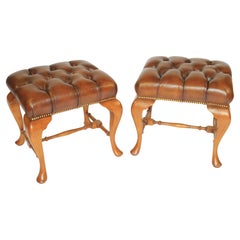
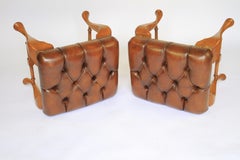
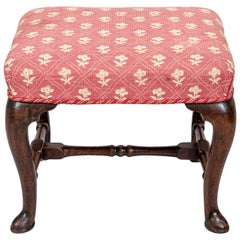
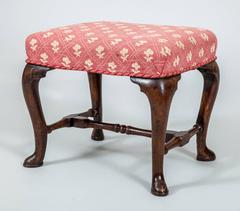
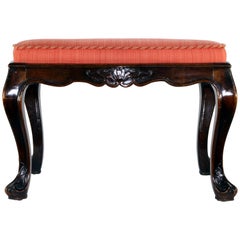
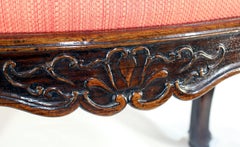
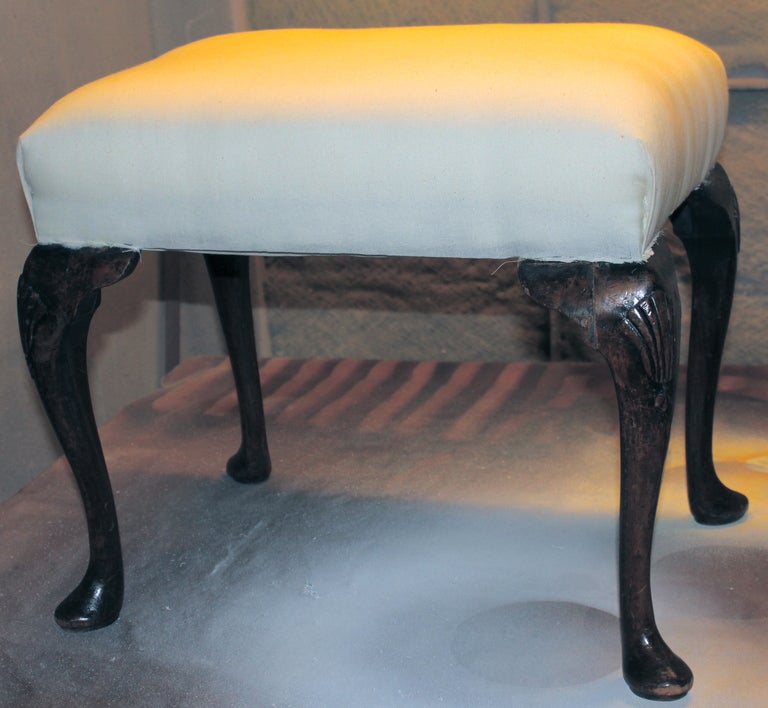
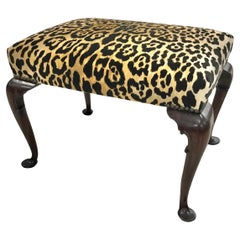
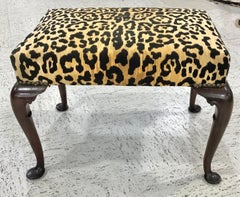
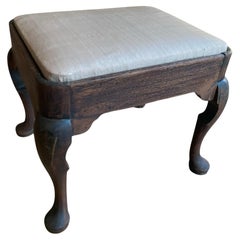
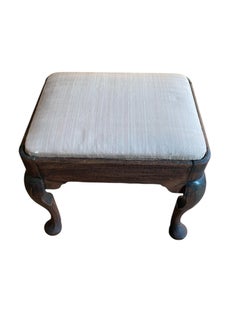
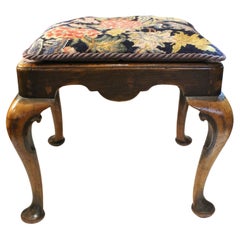
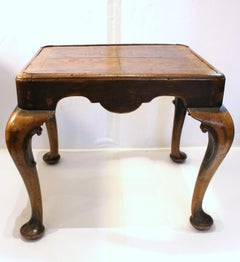
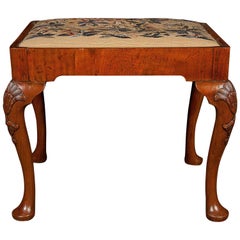
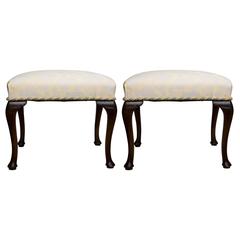
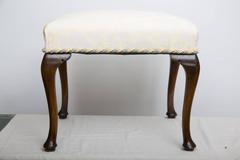
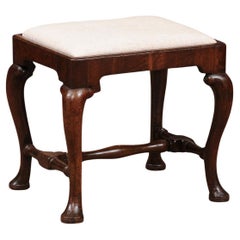
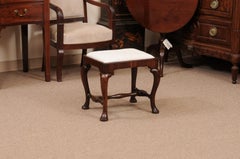
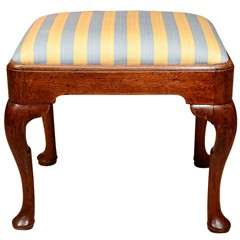
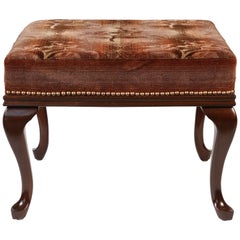
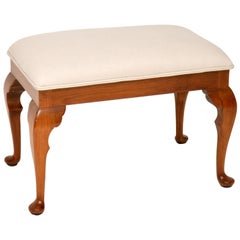
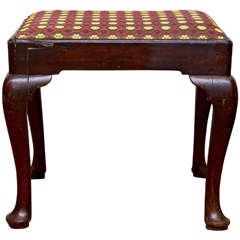
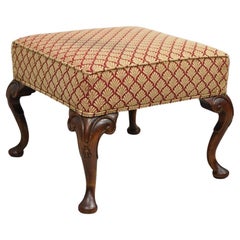
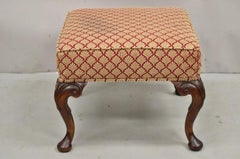
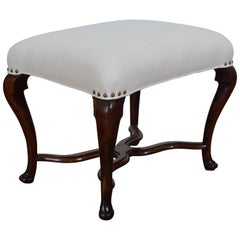
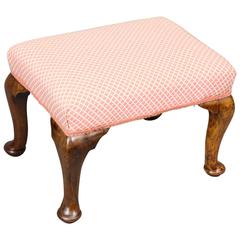
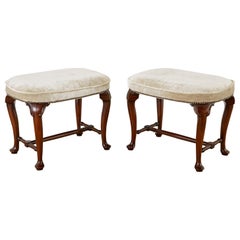
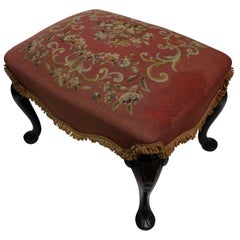
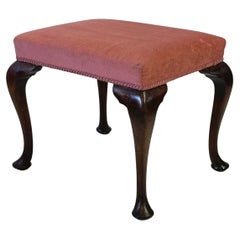
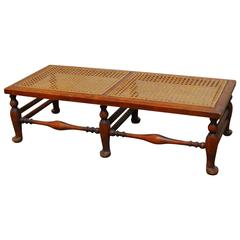
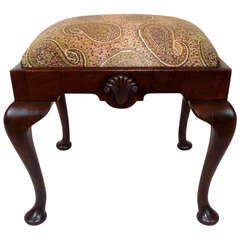
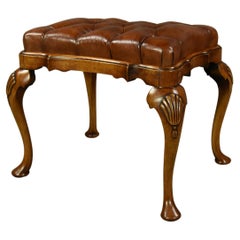
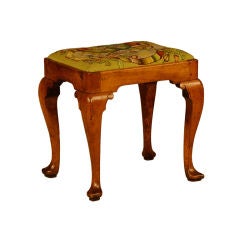
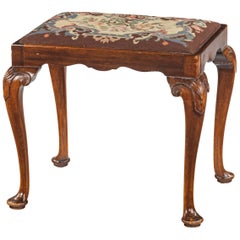
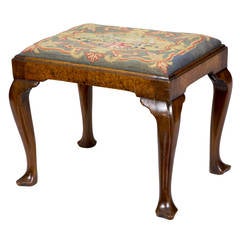
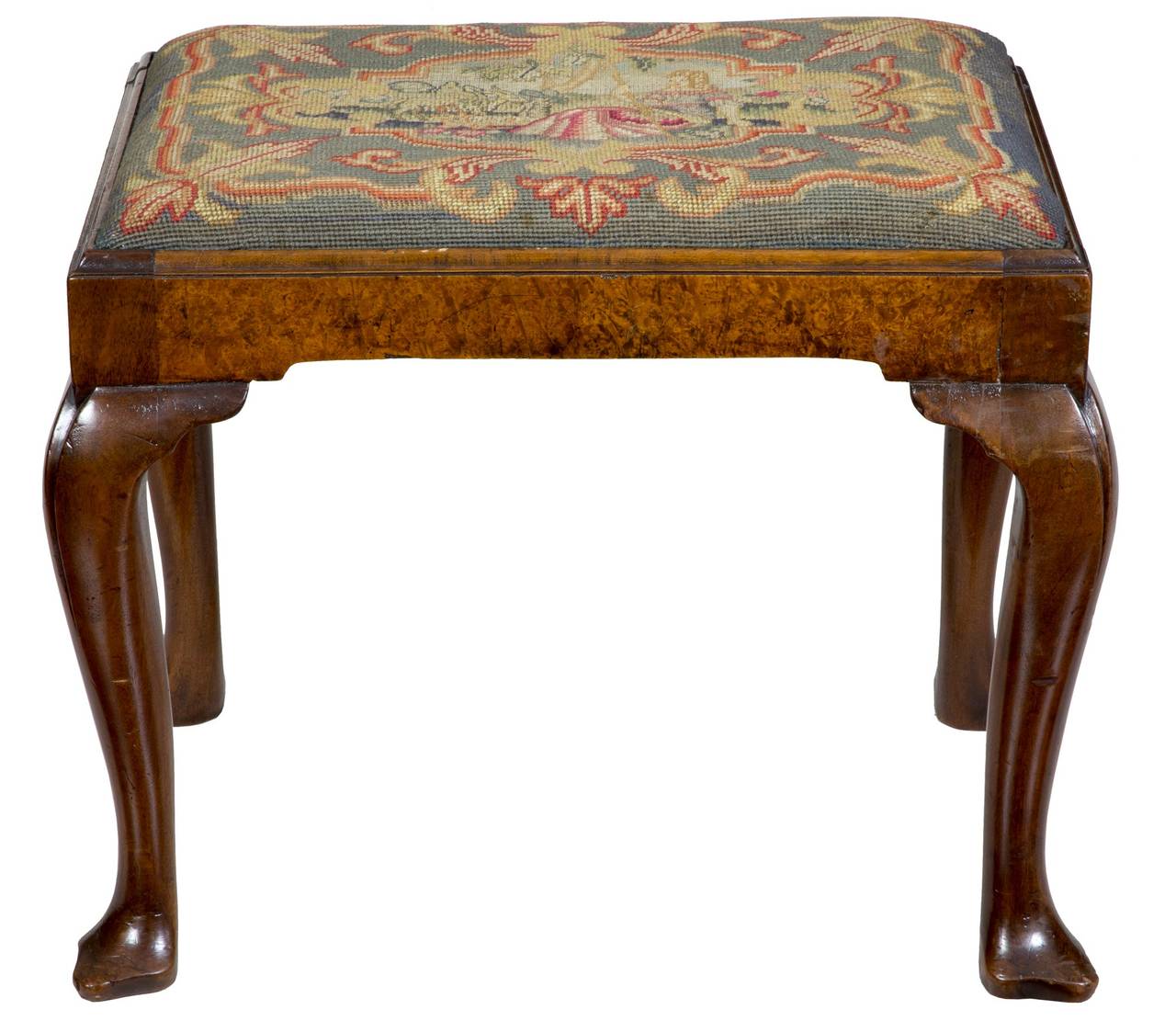
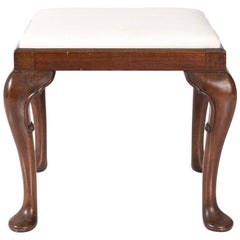
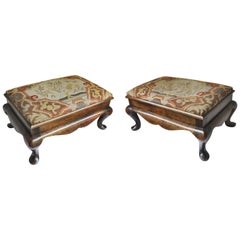
At 1stDibs, there are many versions of the ideal antique queen anne footstool for your home. Each antique queen anne footstool for sale was constructed with extraordinary care, often using
wood,
walnut and
fabric. Your living room may not be complete without an antique queen anne footstool — find older editions for sale from the 18th Century and newer versions made as recently as the 20th Century. When you’re browsing for the right antique queen anne footstool, those designed in styles are of considerable interest.
Prices for an antique queen anne footstool can differ depending upon size, time period and other attributes — at 1stDibs, they begin at $293 and can go as high as $6,500, while the average can fetch as much as $1,725.
Although named for the last Stuart monarch of England, antique Queen Anne furniture, with its curvy cabriole legs and pad feet, has its origins in the earlier reign of King William III, which began in 1689 and ended with his death in 1702. Later evolving during Anne’s rule from 1702–14, the style would continue to influence design in the decades after her death.
Sometimes called late Baroque or early Georgian, Queen Anne chairs, bedroom furniture and tables are subdued yet ornate and characterized by a graceful blend of influences ranging from Asian design to classical motifs. Furnishings of this era — with their curvilinear supports and novel emphasis on comfort and versatility — are marked by a shift away from the more opulent and angular William and Mary style.
Chairs designed in the Queen Anne style are more functional and lightweight than their predecessors. They often feature a vase or fiddle-shaped splat, which refers to the central vertical back element, in order to support the spine and plush cushions. Craftsmen of the era predominantly worked in walnut, maple and pine. Any embellishments they introduced in their furnishings were frequently minimal and refined and expressed by way of modest flourishes such as shells or scrolls. Some pieces were more lavish with “japanned” finishes, or varnished interpretations of East Asian lacquer art. Almost every piece of furniture, whether a tea table or desk, included S-shaped, animalistic cabriole legs that end in a paw or claw-and-ball form.
These qualities made Queen Anne furniture popular throughout Europe and North America. Boston and Philadelphia became hubs for the production of this style of furniture, spurred by the arrival of British artisans who fostered a market for well-heeled colonists. While the showier Chippendale style later surpassed it in popularity, Queen Anne’s simple elegance still draws an enduring appreciation.
Find a collection of antique Queen Anne dining tables, seating, cabinets and other authentic period furniture on 1stDibs.
Antique and vintage footstools might add a dose of fun to your living room, but they’re also hard workers.
Even as they’ve morphed into objects with plenty of functions over time, the footstool has a royal past. In Ancient Egypt, a footstool was used to climb onto an elevated chair or placed under someone’s feet as he or she was seated in a temple or private residence. Footstools were also in use during the Ottoman Empire. In fact, the ottoman, an upholstered seat or small bench that initially had no back or arms, was the main seating furniture in a home. Ottomans were a way to merge floor seating with cushions and mats.
Poufs, which originated in France, are also thought of as convenient seating furniture as well as occasionally serving as a side table, if needed. (Although, a pouf is typically not as firm as an ottoman.)
Over the years, footstools have taken on varying purposes. They have been used as small portable chairs, for example.
During the 18th century, a footstool might have been long with a low profile, which rendered it perfect for fireside seating. Victorian footstools were small but not unassuming, as furniture makers of the era would upholster the pieces so that they paired with the nearby sofa or wingback chairs. Footstools have even become a storage solution at home, with designers outfitting them with compartments. Today, a footstool might be used to organize quilts and blankets or other textiles, especially if you’re trying to keep things uncluttered in a small apartment.
Footstools are now available in all sorts of provocative colors, upholstery and more. No one is going to put a velvet footstool out on the curb, right? When shopping for your own footstool, try to find one that meets the height of your sofa or other seating (or is a tad lower). It should also be sturdy but not a heavy, clunky piece that’s a chore to move around.
The footstool is both decorative and functional. Not unlike a good throw pillow, interior designers have found numerous uses for this versatile, vibrant furnishing. Find yours in the growing collection of antique and vintage footstools today on 1stDibs.