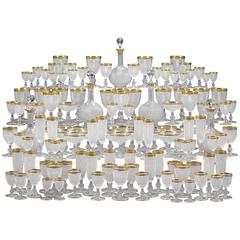
Exquisite Baccarat Service
By Baccarat
Located in New Orleans, LA
Baccarat crystal goblets were immediately smashed after only a single use.
Category
Antique 19th Century European Other Crystal Serveware
Materials
Crystal
Exquisite Baccarat Service
By Baccarat
Located in New Orleans, LA
Baccarat crystal goblets were immediately smashed after only a single use.
Crystal
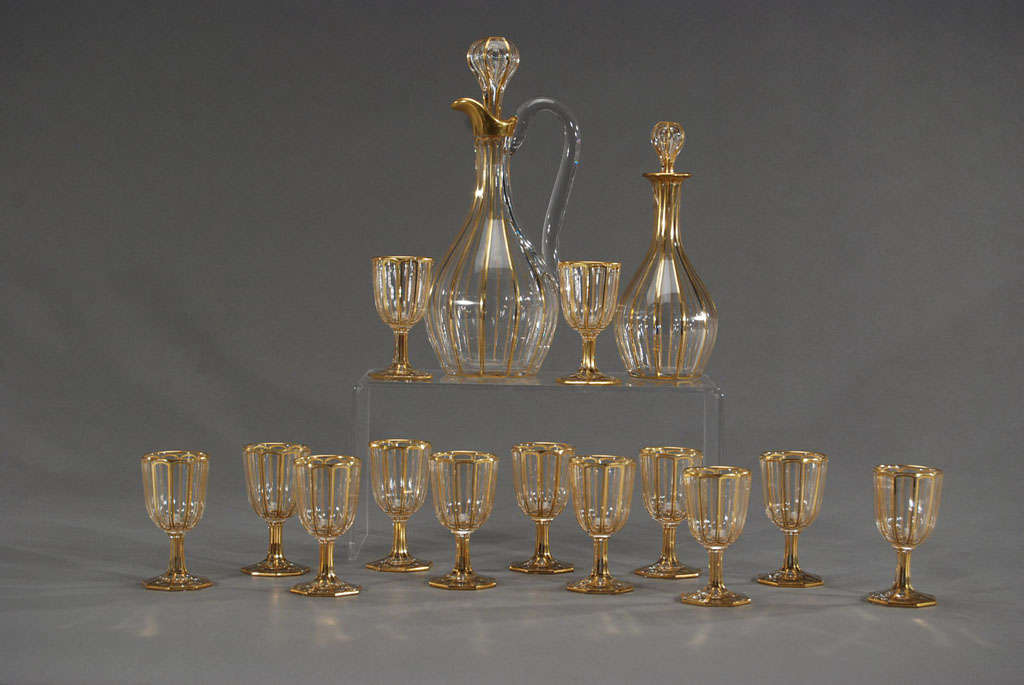
19th c. Baccarat Gilded Crystal Goblets & Decanters
By Baccarat
Located in Great Barrington, MA
A suite of gorgeous wine goblets, made by Baccarat with panel cutting and elegant, gilded
Crystal
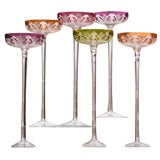
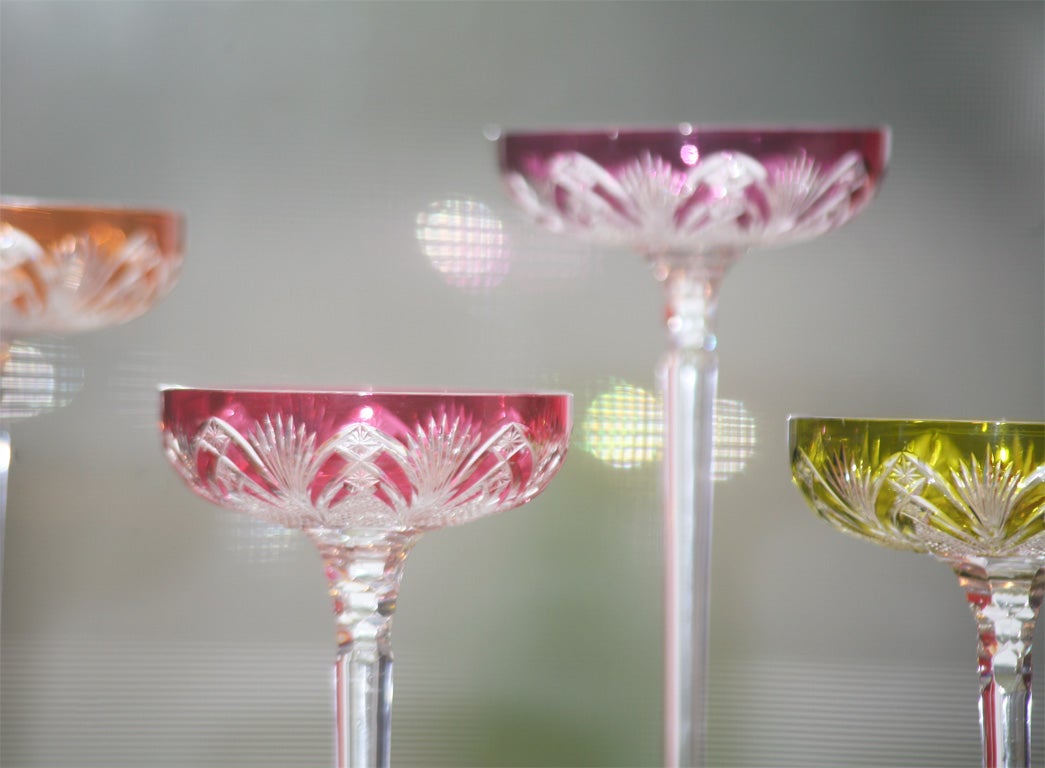
Set of 6 Baccarat Overlay Crystal Toasting Glasses
Located in Great Barrington, MA
Signed Baccarat crystal hand blown toasting goblets to celebrate any occasion! Multi-color overlay
Crystal
Sold
H 11.42 in Dm 2.17 in
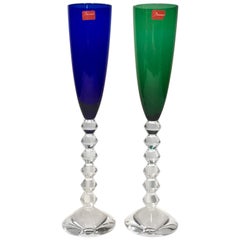
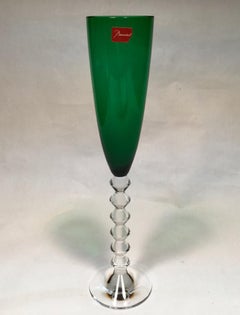
Set of Two Baccarat Green and Blue Crystal Goblets Glasses France, 21st Century
By Baccarat
Located in Brescia, IT
This beautiful set is composed by two Baccarat crystal goblets glasses, one in blue and emerald
Crystal
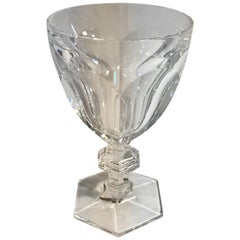

Baccarat Clear Crystal Harcourt Goblet Glass, France 21st Century
By Baccarat
Located in Brescia, IT
Single piece of the Harcourt historical Baccarat glasses production in clear crystal. It can be
Crystal
Sold
H 7.75 in Dm 2.75 in
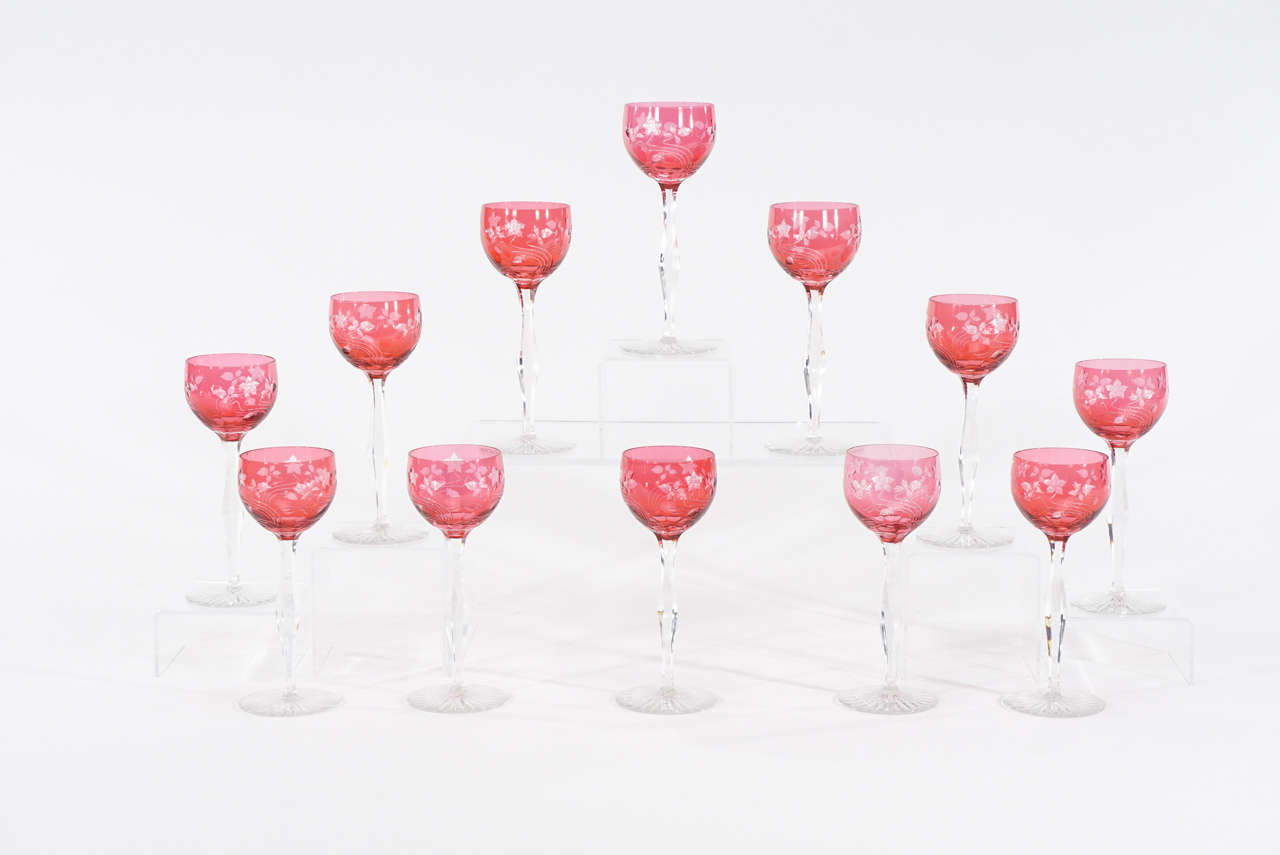
12 Baccarat Cranberry Art Nouveau Hock Wine Goblets with Intaglio Cut Decoration
By Baccarat
Located in Great Barrington, MA
This rare set of 12 Baccarat goblets truly embody the Art Nouveau aesthetic, featuring a cranberry
Crystal
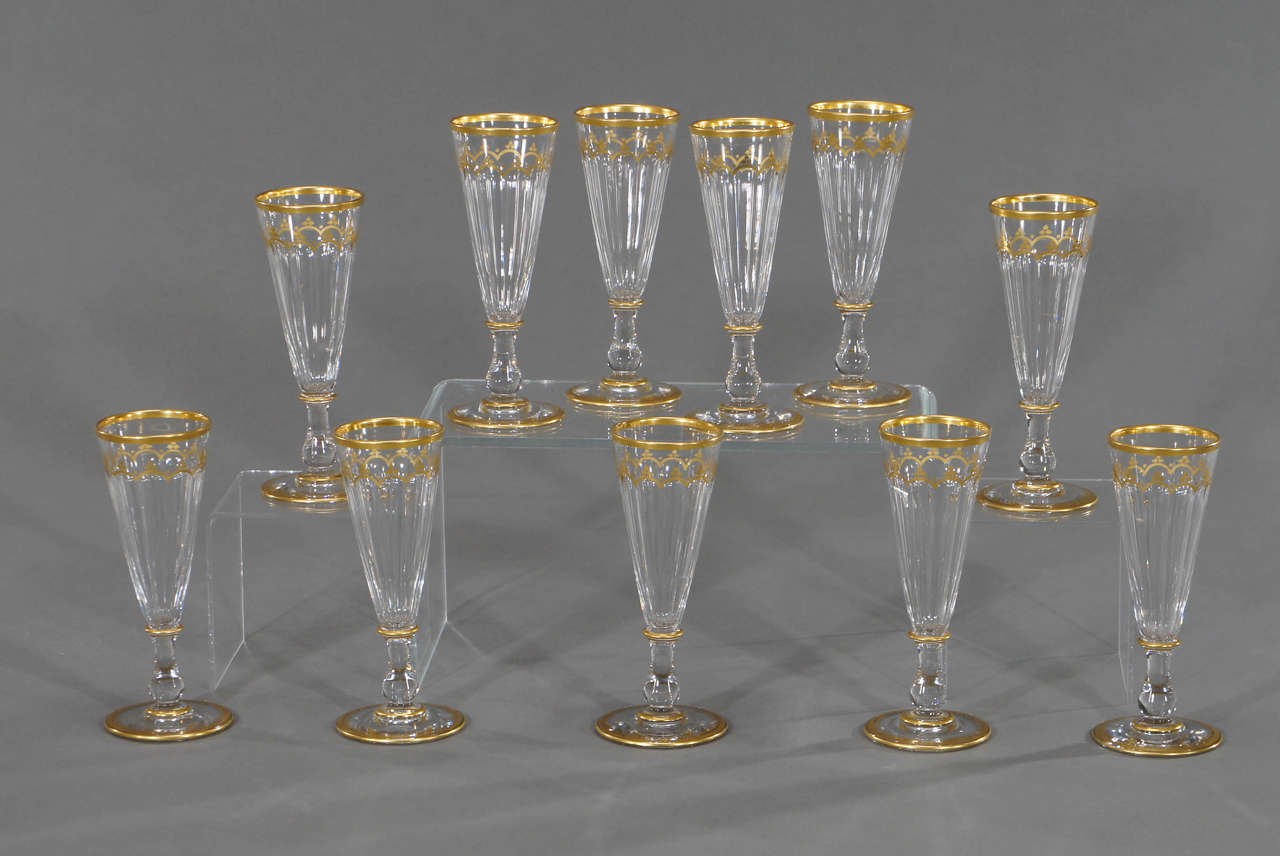
Set of 11 19th Century Baccarat Champagne Flutes or Goblets with Gold Tri
By Baccarat
Located in Great Barrington, MA
crystal with panel cutting and embellished with gold enamel decoration in the style of Harcourt services
Crystal
One of the world’s foremost crystal manufacturers, Baccarat has long been emblematic of luxury and exquisite craftsmanship. Starting in the early 19th century, objects produced by the French company — from stemware to chandeliers to brightly colored paperweights — became a staple of noble and wealthy households across Europe and as far afield as India. Along with the purity and quality of their glass, Baccarat crystal makers can boast a remarkable fluency with a range of design styles — from cut-glass neoclassical pieces to sinuously etched Art Nouveau designs.
Baccarat began as a kind of industrial development project. In 1764, the Bishop of Metz and other landowners in heavily forested northeastern France persuaded Louis XV to sanction a glassworks in the area — timber being a key resource required for the furnaces used in glass production.
In its early years the company produced humble products such as window panes and simple drinking glasses. In 1816 a new owner began making crystal, and seven years later Louis XVIII — who had taken the throne after the defeat of Napoleon — gave Baccarat its first royal commission, for tableware. In the ensuing years, an estimated one-third of the company’s workforce was dedicated to commissions to the Russian imperial court alone.
Spurred by the intense competition between global industries in the latter 19th century — fought in public view in the many world expositions of the era — Compagnie des Cristalleries de Baccarat, as it had finally become known, elevated its level of artistry by adopting new technologies and creating a rigorous training program. The firm broadened its stylistic range, embracing Asian influences and new engraving methods, and increasing production of its now iconic millefiori paperweights.
The designer Georges Chevalier, who worked for Baccarat for more than five decades beginning in 1916, ushered the company into the realm of modernist design. In recent years, Baccarat has employed such renowned contemporary designers as Philippe Starck and Marcel Wanders, ensuring that Baccarat crystal will continue to enjoy pride of place on up-to-date tables. But as you will see from the offerings on these pages, Baccarat has items to suit any taste.
Find antique Baccarat decanters, vases, candle holders, chandeliers and other furnishings and objects for sale on 1stDibs.
While it isn’t always top of mind for some, antique and vintage tableware can enhance even the most informal meal. It has been an intimate part of how we’ve interacted with our food for millennia.
Tableware has played a basic but important role in everyday life. Ancient Egyptians used spoons (which are classified as flatware) made of ivory and wood, while Greeks and Romans, who gathered for banquets involving big meals and entertainment, ate with forks and knives. At the beginning of the 17th century, however, forks were still uncommon in American homes. Over time, tableware has thankfully evolved and today includes increasingly valuable implements.
Tableware refers to the tools people use to set the table, including serving pieces, dinner plates and more. It encompasses everything from the intricate and elaborate to the austere and functional, yet are all what industrial product designer Jasper Morrison might call “Super Normal” — anonymous objects that are too useful to be considered banal.
There are four general categories of tableware — serveware, dinnerware, drinkware and, lastly, flatware, which is commonly referred to as silverware or cutlery. Serveware includes serving bowls, platters, gravy boats, casserole pans and ladles. Most tableware is practical, but it can also be decorative. And decorative objects count as tableware too. Even though they don’t fit squarely into one of the four categories, vases, statues and floral arrangements are traditional centerpieces.
Drinkware appropriately refers to the vessels we use for our beverages — mugs, cups and glasses. There is a good deal of variety that falls under this broad term. For example, your cheerful home bar or mid-century modern bar cart might be outfitted with a full range of vintage barware, which might include pilsner glasses and tumblers. Specialty cocktails are often served in these custom glasses, but they’re still a type of drinkware.
Every meal should be special — even if you’re using earthenware or stoneware for a casual lunch — but perhaps you’re hosting a dinner party to mark a specific event. The right high-quality tableware can bring a touch of luxury to your cuisine. Young couples, for example, traditionally add “fine china,” or porcelain, to their wedding registry as a commemoration of their union and likely wouldn’t turn down exquisite silver made by Tiffany & Co. or Georg Jensen.
It’s important to remember, however, that when you’re setting the dining room table to have fun with it. Just as you might mix and match your dining chairs, don’t be afraid to mix new and old or high and low with your tableware. On 1stDibs, find an extraordinary range of vintage and antique tableware to help elevate your meal as well as the mood and atmosphere of your entire dining room.