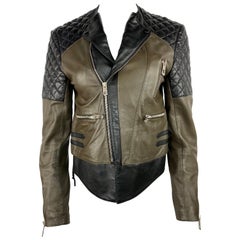
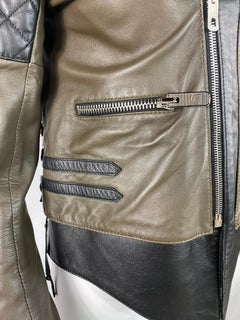
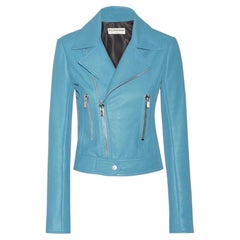
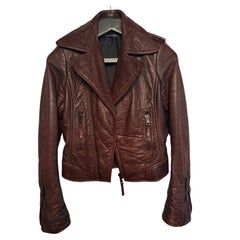
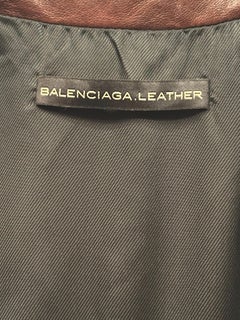
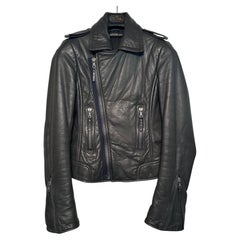
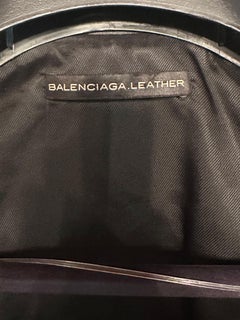
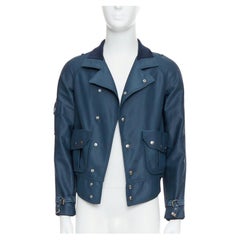
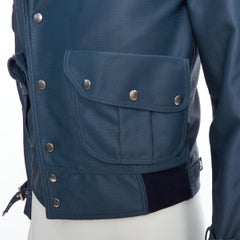
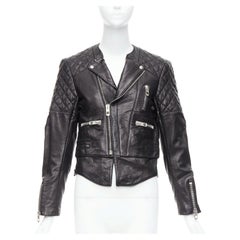
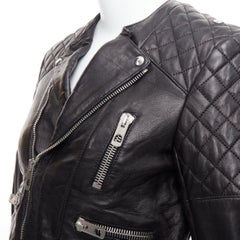
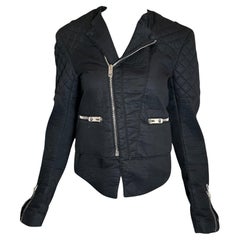
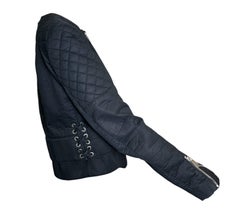
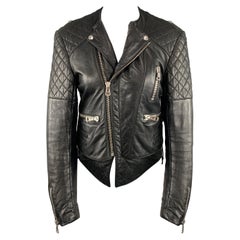
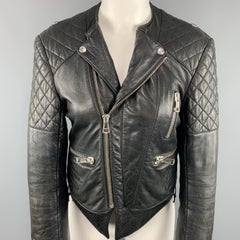
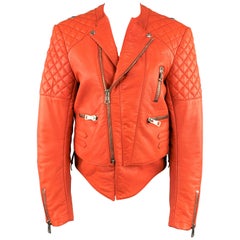
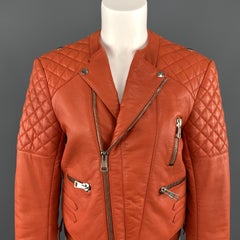
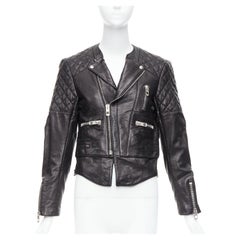
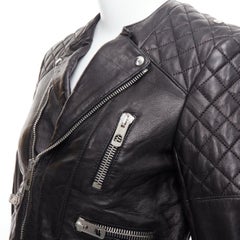
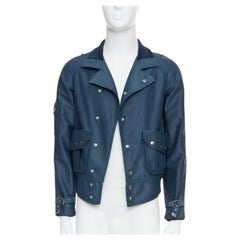
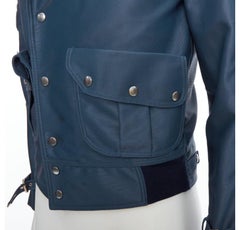
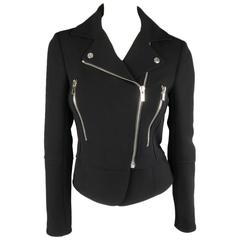
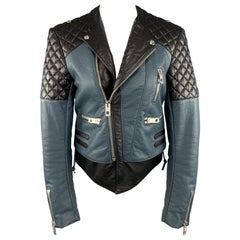
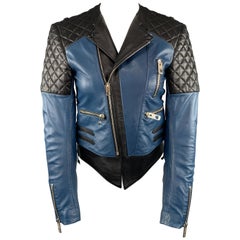
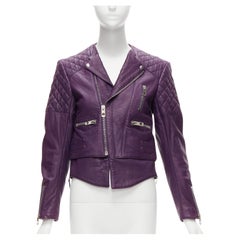
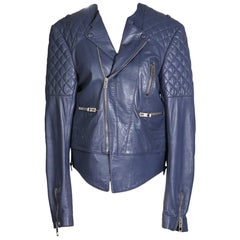
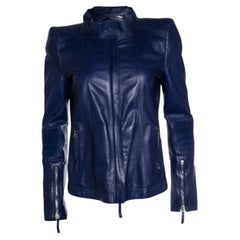
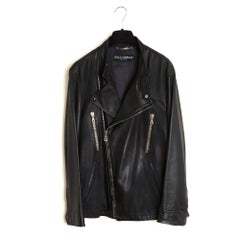
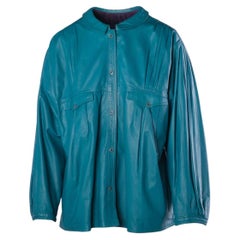
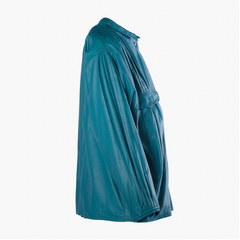
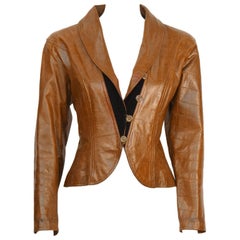
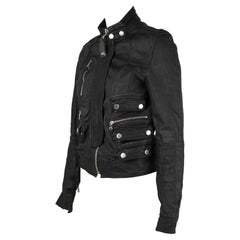
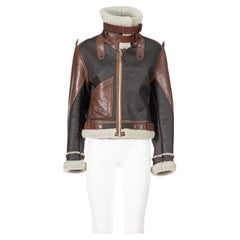
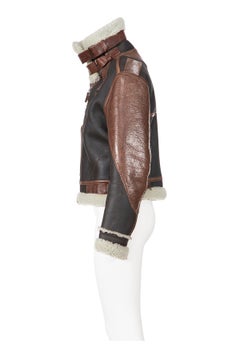
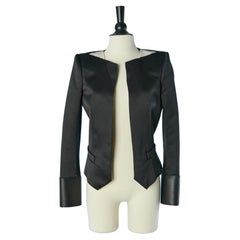
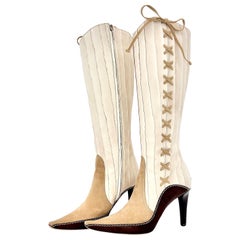
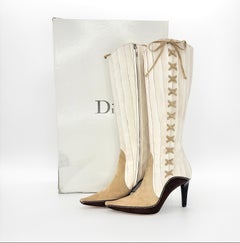
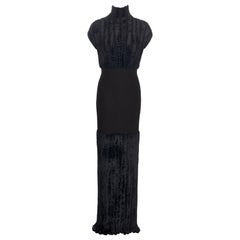
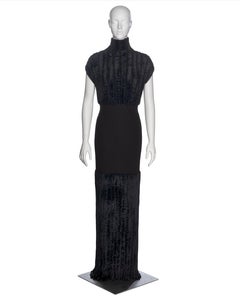
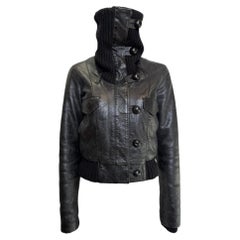
Starting as a modest boutique, Balenciaga evolved to transform the landscape of women’s fashion with shapes and contours during the middle of the 20th century that were nothing less than groundbreaking. Today, the brand is as venturesome as ever and is well known for its shoes, handbags, sneakers, streetwear and other clothing and accessories.
Though he was born in the quiet fishing village of Getaria in Spain’s Basque region, Cristóbal Balenciaga (1895–1972) was destined to reshape modern fashion. As a child, he worked alongside his seamstress mother. Showing immense talent, he earned commissions as a teenager from local patron Marquesa de Casa Torres, who paid for his tailoring education in Madrid. In 1917, he established his first haute couture house — named Eisa, for his mother — in the trendy resort town San Sebastián. He soon followed it with boutiques in Madrid and Barcelona, drawing such clientele as the Spanish royal family.
When the Spanish Civil War put a hold on his prospects in Spain, the designer moved to Paris, opening a house on Avenue Georges V in 1937. There, Balenciaga rubbed elbows with fashion greats like Coco Chanel and Elsa Schiaparelli and quickly won over clients like Gloria Guinness, Pauline de Rothschild and Wallis Simpson, Duchess of Windsor.
As a couturier, Balenciaga drew from his Spanish heritage for ideas, riffing on everything from matador costumes and flamenco dresses to the paintings of Diego Velázquez, whose portraits of Spanish princesses famously inspired Balenciaga’s Infanta gown.
An expert tailor, he experimented with sculptural silhouettes that didn’t follow the body. Some of his notable designs include the 1953 balloon jacket, and from 1957, the cocoon coat, the baby-doll dress and the sack dress, which he popularized with his good friend designer Hubert de Givenchy. All of these could be considered not just the masterpieces of haute couture, but also objets d’art in their own right, leading to Balenciaga’s nickname, “The Master.”
Balenciaga continued designing until 1968, when he retired after three decades of influential work and his fashion house went dormant. The rights to Balenciaga were acquired by Jacques Bogart S.A. in 1986. Under designer Michel Goma, who focused on ready-to-wear, the brand experienced a resurgence, with his first collection introduced in 1987.
The brand returned to high fashion with the arrival of designer Josephus Thimister in 1992. It has since been led by a series of creative directors who have paid homage to Balenciaga’s iconic designs, including Nicolas Ghesquière, Alexander Wang and, most recently, Demna Gvasalia. In 2011, a museum celebrating Balenciaga’s legacy opened in his hometown in Spain, commemorating where it all began.
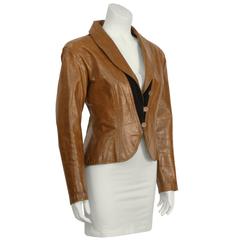
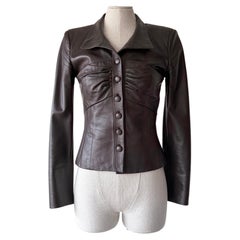
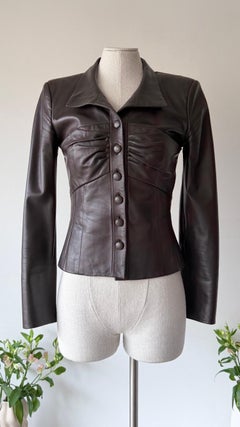
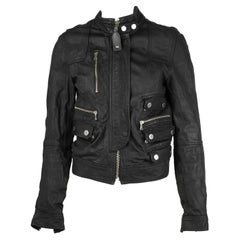
On 1stDibs, find vintage Balenciaga crossbody bags, tote bags, day dresses, shirts and more.
No matter if you’re preparing for a fashion event or a weather event — you’re going to need a good jacket.
What would become the modern jacket as we know it began as a strictly professional item. A lot of the vintage and designer jackets (and coat styles such as the Navy-inspired peacoat) in our closets were likely popularized by soldiers who battled aggressive climes with their regulation field jackets, bombers and parkas buttoned or zipped to the chin. Indeed, keeping troopers comfortable guided the design of the military surplus garments that have often become buzzy fashion trends. But now, jackets add far more than warmth to our wardrobe, and we hunt down outer layers branded with peerless fashion labels.
Fashion’s most iconic creations, despite their age, remain modern: Biker jackets originated in the 1920s, Balenciaga’s celebrated puffers are steeped in a tradition of down coats that began in the 1930s and your vintage denim jacket has come an even longer way, from California Gold Rush to wardrobe staple. Jeans bequeathed jean jackets during the 1880s, thanks to Levi Strauss, who crafted the former as a durable garment to be worn by miners and railroad workers. Later, jeans and jean jackets became synonymous with nonconformity and rebelliousness — with fashion legends such as actor James Dean in the 1950s and model Veruschka in the 1960s and ’70s leading the indigo-toned charge.
Another fashion rebel, Coco Chanel, used the classic tweed jacket to introduce more comfort and mobility into women’s daily lives. Debuting in 1954 and based on a cardigan, the groundbreaking Chanel jacket forever changed what women wear. The garment reacted against the fitted, constricting styles of Christian Dior’s New Look, which, as Chanel saw it, was making women dress like decorative objects.
On 1stDibs, find bold collections from cutting-edge contemporary designers who’ve taken the classic silhouette of the jacket to new heights or build out your array of vintage treasures (denim or otherwise) with dazzlers from Yves Saint Laurent, Gianni Versace, Moschino and more.