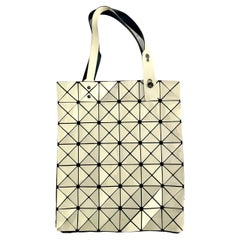
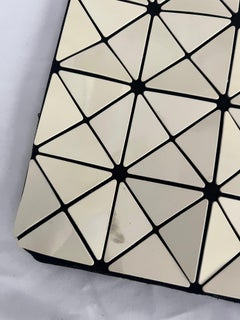
Bao Bao Issey Miyake Matte Tote Shoulder Bag
By Issey Miyake
Located in Beverly Hills, CA
- Flexible geometric pattern - Adjustable double straps, measures 6- 8 inches - Nylon lining - Open top - Made in Japan
Category
Bao Bao Issey Miyake Matte Tote Shoulder Bag
By Issey Miyake
Located in Beverly Hills, CA
- Flexible geometric pattern - Adjustable double straps, measures 6- 8 inches - Nylon lining - Open top - Made in Japan
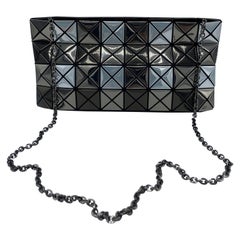
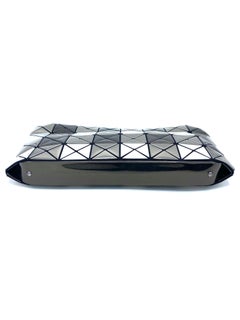
Bao Bao Issey Miyake Women's Metallic Prism Crossbody Bag
By Issey Miyake
Located in Beverly Hills, CA
Product details: The handbag glossy triangular-split panels with black mesh underlayer, removable chain shoulder strap, interior logo patch with side pocket and zip closure. It can ...
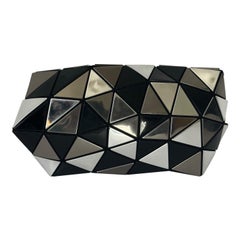
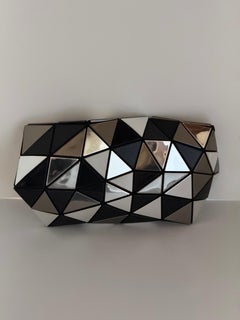
Issey Miyake Bao Bao Distortion Clutch Bag Platinum Mix Authentic Limited Ed
By Issey Miyake
Located in San Diego, CA
Includes its original, minimalist Bao Bao Issey Miyake branded dust bag for safe storage and preservation.
Unavailable
Issey Miyake Bao Bao Lucent Tote Bag
By Issey Miyake
Located in London, GB
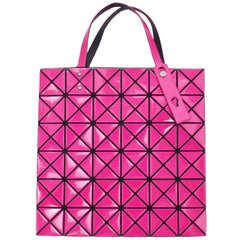
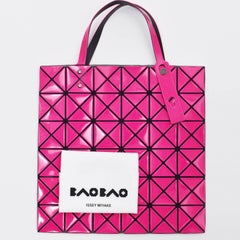
A pink geometric tote bag from BaoBao Issey Miyake. It features small triangles on mesh interior body, adjustable handles, an internal zipped pocket and an internal logo patch. Brand...
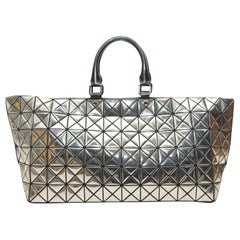
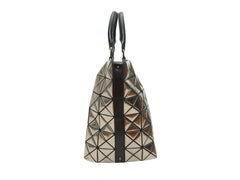
Issey Miyake Silver Bao Bao Bag
By Issey Miyake
Located in New York, NY
Product details: Silver metallic Bao Bao bag by Issey Miyake. Black trim. Dual top handles. 17" length, 9.5" height, 6".5 depth, 5.5" handle drop.
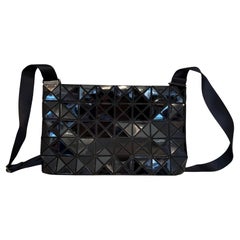
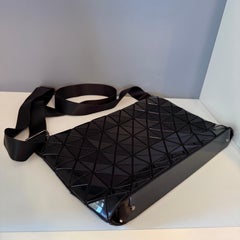
Issey Miyake Black Bao Bao Bag
By Issey Miyake
Located in Gazzaniga (BG), IT
Bao Bao by Issey Myake Black plastic Textile crossbody bag Internal zip pocket Cm 31 x 19 x 3,5 (12,2 x 7,48 x 1,37 inches) Great conditions Worldwide express shipping included in ...
Issey Miyake Bao Bao bag size Unica
By Issey Miyake
Located in Gazzaniga (BG), IT
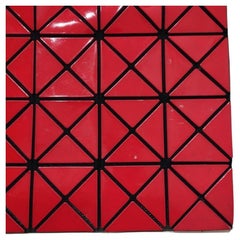
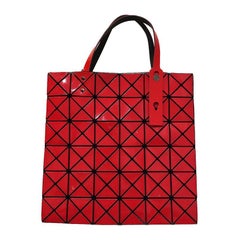
Bao Bao by Issey Myake Red fuchsia plastic 2 handles Internal zip pocket Cm 34 x 34 (Handles excluded), 13,3 x 13,3 inches Fair conditions, signs as in pictures
ISSEY MIYAKE BAO BAO Blue Geometric Acetate Tote Bag
By Issey Miyake
Located in San Francisco, CA
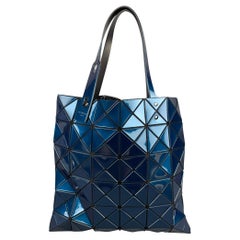
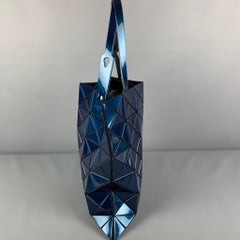
ISSEY MIYAKE BAO BAO bag comes in a blue acetate featuring signature triangular appliqués , mesh tote in black, adjustable top handles, and a inner zipper pocket.
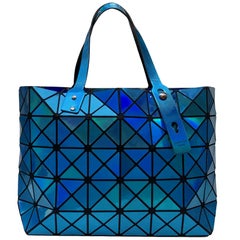

Issey Miyake Bao Bao Lucent Tote Bag
By Issey Miyake
Located in Geneva, CH
This pre-owned Bao Bao bag from Issey Miyake is a classic signature from the japanese brand.
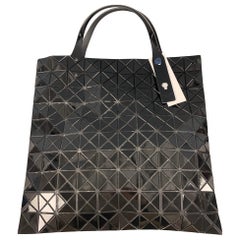

ISSEY MIYAKE BAO BAO Black Acetate Tote Handbag
By Issey Miyake
Located in San Francisco, CA
ISSEY MIYAKE BAO BAO bag comes in a black acetate featuring signature triangular appliqués , mesh tote in black, adjustable top handles, and a inner zipper pocket.
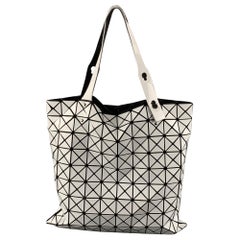

ISSEY MIYAKE White Black Triangle PVC Tote Handbag & Leather Goods
By Issey Miyake
Located in San Francisco, CA
ISSEY MIYAKE BAO BAO bag comes in a white & black leather featuring signature triangular appliqués , mesh tote in black, adjustable top handles, and a inner zipper pocket.
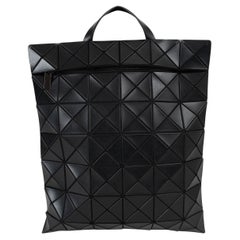
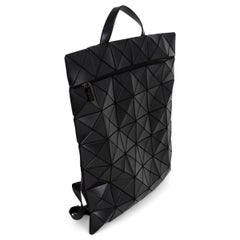
ISSEY MIYAKE black PVC BAO BAO FLAT Backpack Bag
By Issey Miyake
Located in Zürich, CH
This 100% authentic Issey Miyake Bao Bao backpack in black mesh is a striking fusion of futuristic design and functional style.
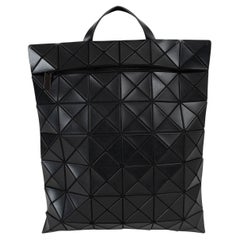
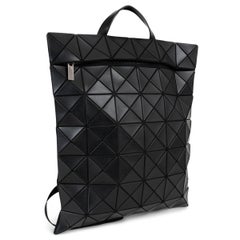
ISSEY MIYAKE black PVC BAO BAO FLAT Backpack Bag
By Issey Miyake
Located in Zürich, CH
This 100% authentic Issey Miyake Bao Bao backpack in black mesh is a striking fusion of futuristic design and functional style.
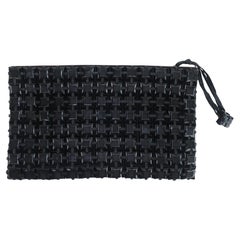

Black Plasticflex Mesh Clutch Handbag, 1940’s
Located in Atlanta, GA
It really is the fashion precursor to Paco Rabanne’s chain mail designs and Issey Miyake’s Bao Bao bag. Vintage at its most inventive! CONDITION Good vintage condition with some sig...

Sold
H 14.97 in W 15.75 in
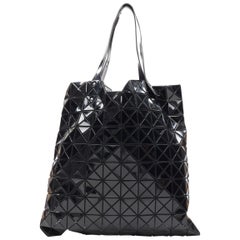
BAO BAO ISSEY MIYAKE Prism black PVC geometric mesh leather handle tote bag
Located in Hong Kong, NT
BAO BAO ISSEY MIYAKE Prism black PVC geometric mesh leather handle tote bag Brand: Bao Bao Issey Miyake Model Name / Style: Prism Material: PVC Color: Black Pattern: Solid Extra Deta...

Sold
H 13.39 in W 13.39 in
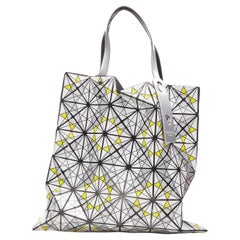
rare ISSEY MIYAKE BAO BAO Prism yellow white silver geometric print tote bag
By Issey Miyake
Located in Hong Kong, NT
are ISSEY MIYAKE BAO BAO Prism yellow white silver geometric print tote bag Reference: CLCN/A00002 Brand: Issey Miyake Model: Prism Collection: Bao Bao Material: PVC Color: Sil...
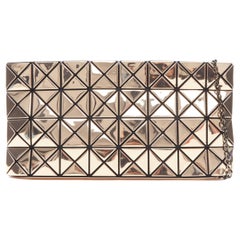
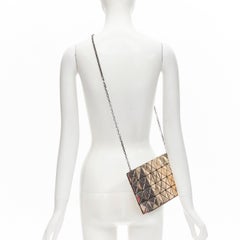
ISSEY MIYAKE BAO BAO Prism mirrored gold PVC crossbody chain zip pouch bag
By Issey Miyake
Located in Hong Kong, NT
ISSEY MIYAKE BAO BAO Prism mirrored gold PVC crossbody chain zip pouch bag Reference: CLCN/A00004 Brand: Issey Miyake Material: PVC Color: Gold Pattern: Solid Closure: Zip Ext...
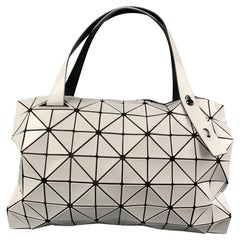

ISSEY MIYAKE BAO BAO White Black Geometric Acetate Tote Bag
By Issey Miyake
Located in San Francisco, CA
ISSEY MIYAKE BAO BAO bag comes in a white & black leather featuring signature triangular appliqués , mesh tote in black, adjustable top handles, and a inner zipper pocket.
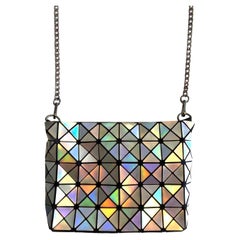

ISSEY MIYAKE Bao Bao - Iridescent Prism Shoulder Bag - Chain Strap
By Issey Miyake
Located in KENT, United Kingdom
Product Details: ISSEY MIYAKE - BAO BAO - Iridescent Prism Shoulder Bag - Heavy Weight Silver Detachable Chain Strap - Black Rubberised Base Fabric - Fully Lined - Bao Bao Rubberised...
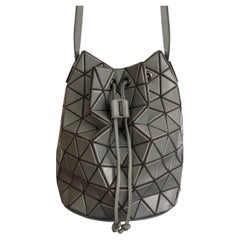

Issey Miyake Bao Bao - Shoulder Bag - Grey Leather - Prism Detailing
By Issey Miyake
Located in KENT, United Kingdom
Product Details: Issey Miyake Bao Bao - Shoulder Bag - Grey Leather Prism Detailing - Adjustable Shoulder Strap - Drawstring + Eyelet Closure - Fully Lined + Inner Pockets - Gunmetal...
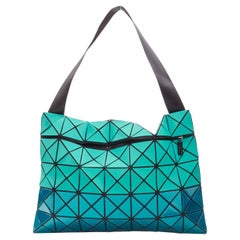

new ISSEY MIYAKE BAO BAO Prism Rare turquoise metallic bluecrossbody bag
By Issey Miyake
Located in Hong Kong, NT
new ISSEY MIYAKE BAO BAO Prism Rare turquoise metallic bluecrossbody bag Reference: CLCN/A00001 Brand: Issey Miyake Model: Prism Material: PVC Color: Turquoise Pattern: Solid ...
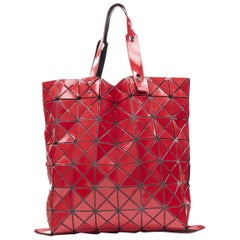

BAO BAO ISSEY MIYAKE Prism red PVC geometric mesh leather handle tote bag
Located in Hong Kong, NT
BAO BAO ISSEY MIYAKE Prism red PVC geometric mesh leather handle tote bag Brand: Bao Bao Issey Miyake Model Name / Style: Prism Material: PVC Color: Red Pattern: Solid Extra Detail: ...
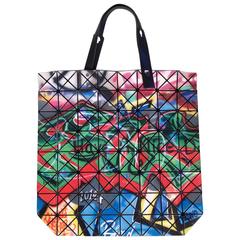

Issey Miyake Blue and Pink Graffiti Bao Bao Bag
By Issey Miyake
Located in San Francisco, CA
The iconic Bao Bao looks amazing in this vividly colorful graffiti print.
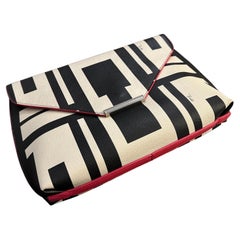
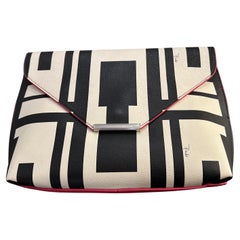
21st Century Never Used Black and White Clutch Bag by Emilio Pucci
By Emilio Pucci
Located in Aci Castello, IT
This is a striking black-and-white geometric-patterned bag by Emilio Pucci, exemplifying modern sophistication and artistic design. Crafted in the 21st century and in never-used cond...
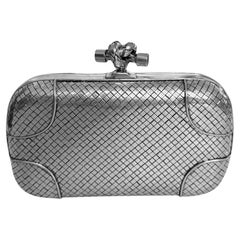
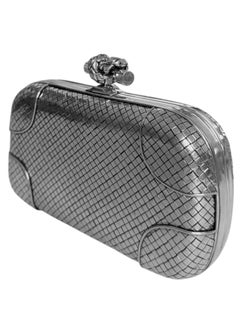
Bottega Veneta Sterling Silver Intrecciato Knot Clutch
By Bottega Veneta
Located in CANNES, FR
Bottega Veneta Rare minaudière "Knot" in sterling silver 925 intrecciato, suede interior. Dimensions : 16x9cm.
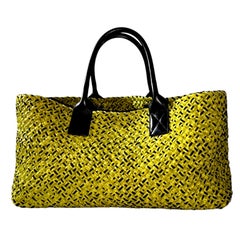
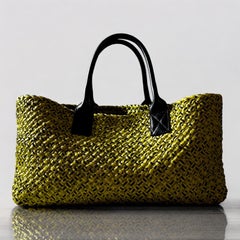
BOTTEGA VENETA Rare 2010 Limited Edition Cabat Woven Tote Shoulder Shopper Bag
By Bottega Veneta
Located in Switzerland, CH
Just Gorgeous! Bottega Veneta Intrecciato Cabat Bag A rare piece produced in a very limited edition Special color & material combination Details: A Bottega Veneta signature pi...
$745Sale Price|50% Off
Size: One Size
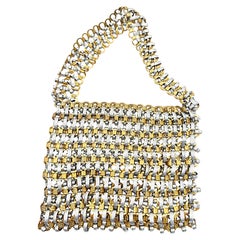
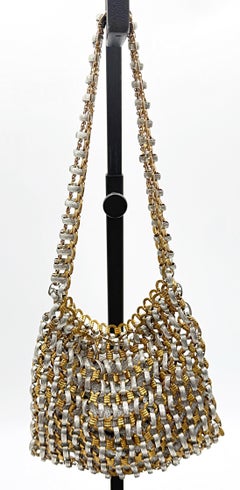
Paco Rabanne 1960s Chain Link Silver and Gold Metal Evening Bag Handbag Purse
By Paco Rabanne
Located in San Diego, CA
Rare and iconic 1960s Paco Rabanne gold and silver metal chain link evening bag ! A true statement piece that successfully completes any outfit. In great condition Made in Italy Mea...
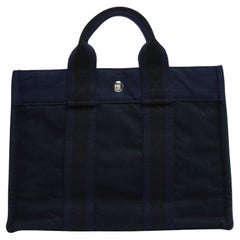
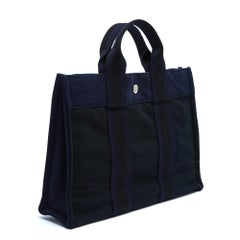
Hermès Sac Cabas Herline Toto PM Black Navy Cotton Canvas Hand Bag Tote Hermes
By Hermès
Located in PARIS, FR
Hermès Toto bag (formerly Herline), small size, in black cotton canvas with navy and black cotton strap. The interior features a large zipped pocket and a silver-tone metal Clou de S...
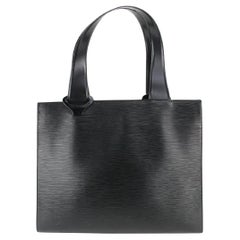
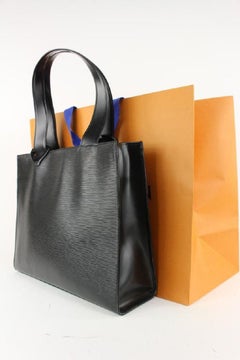
Louis Vuitton Black Epi Leather Gemeaux Tote Bag 913lv9
By Louis Vuitton
Located in Dix hills, NY
Date Code/Serial Number: VI0011 Made In: France Measurements: Length: 15" Width: 4.2" Height: 12" Shoulder Handle Drop: 8.5" OVERALL VERY GOOD CONDITION ( 7.5/10 or B+ ) Accesso...
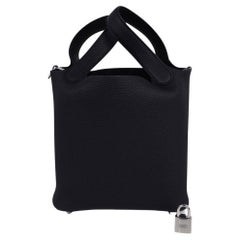
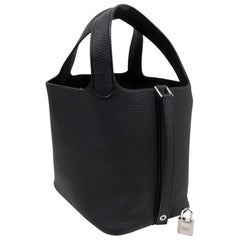
Hermes Picotin Lock 18 Tote Bag Black Clemence Tote Palladium Hardware
By Hermès
Located in Miami, FL
Mightychic offers an Hermes Picotin Lock 18 Black bag. Classic neutral tote in clemence leather. This roomy little Hermes tote bag is the perfect go to bag, and is gaining popularity...
$295
H 4.5 in L 6.25 in
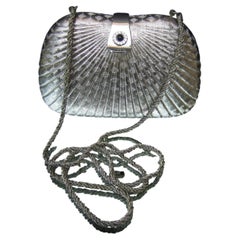
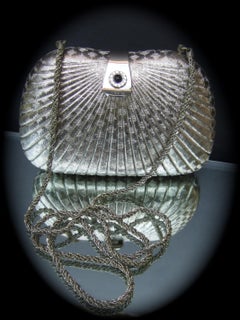
SAKS FIFTH AVENUE Italian Silver Metal Minaudiere' Clutch - Shoulder Bag c 1980s
By Saks Fifth Avenue
Located in University City, MO
SAKS FIFTH AVENUE Italian Silver metal minaudiere' clutch - shoulder bag c 1980s The elegant Italian metal evening bag is designed with linear impressed bands on the exterior panels ...
Azzaro evening bag circa 1970 by Loris Azzaro
By Loris Azzaro
Located in SAINT-OUEN-SUR-SEINE, FR
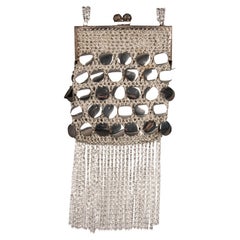
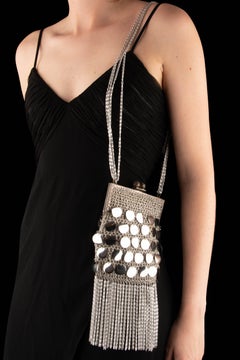
AZZARO - Ready-to-wear collection circa 1970 under the artistic direction of Loris Azzaro. Evening bag in gray crocheted knit and silver lurex thread, embellished with matching sequ...
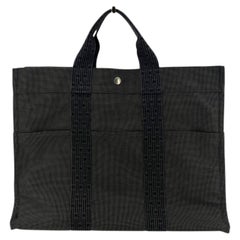
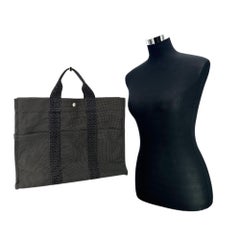
Hermes Paris Grey Canvas Her Line Herline MM Yale Tote Bag
By Hermès
Located in Rome, Rome
Discover the timeless appeal of this authentic Hermes Herline MM Yale Tote Bag, a classic piece from the 1990s. Crafted in France from durable blue canvas, this medium-sized tote fea...
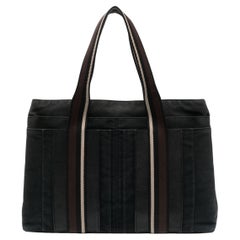
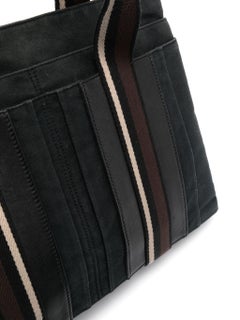
Hermes Troca Black Cotton Tote Bag
By Hermès
Located in Paris, FR
Hermes 2000s black Troca cotton tote bag featuring leather trim, stripe detailing, two top handles, press-stud fastening, main compartment, internal zip-fastening pocket, slip pocket...
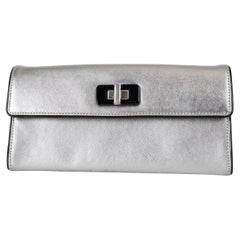
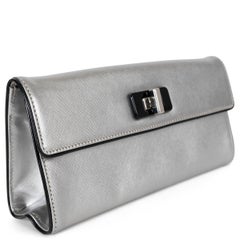
PRADA metallic silver Saffiano leather TURNLOCK Clutch Bag
By Prada
Located in Zürich, CH
100% authentic Prada clutch in metallic silver Saffiano leather with black piping, showcasing the house’s iconic crosshatched texture in a sleek elongated silhouette. The design feat...
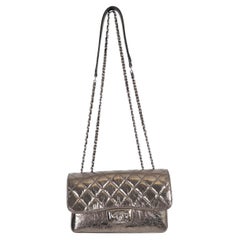
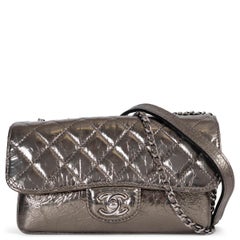
CHANEL metallic pewter leather 2012 ACCORDION MINI FLAP Bag
By Chanel
Located in Zürich, CH
100% authentic Chanel Mini Flap bag in metallic pewter aged calfskin leather. Designed in a refined, compact silhouette, this luminous piece features silver-tone hardware and a doubl...
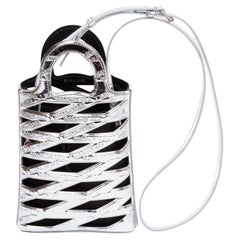
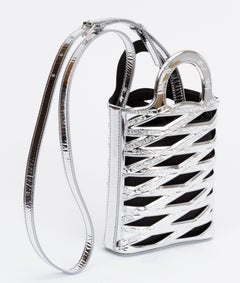
Balenciaga Silver Cross Body 2 Way Bag
By Balenciaga
Located in West Hollywood, CA
Balenciaga new mirror silver leather 2 way bag. Comes with adjustable and detachable shoulder strap. Shoulder strap drop 18" / 21" Includes original dust cover
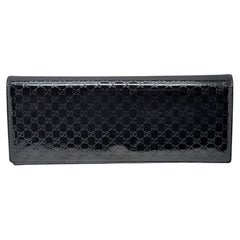
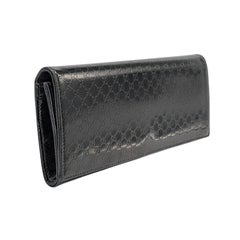
Gucci Vintage Microguccissima Patent Leather Broadway Clutch
By Gucci
Located in Scottsdale, AZ
This sleek Gucci Broadway Clutch features a glossy black patent leather exterior debossed with the signature, downsized Microguccissima monogram pattern. A minimalist, rectangular ev...
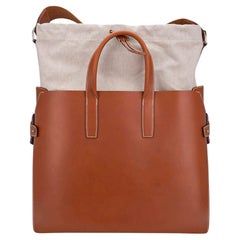
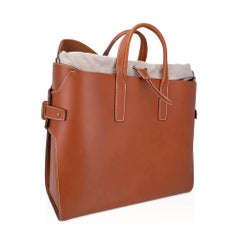
Hermes Limited Edition Tote Bag Fauve Leather Removeable Toile Palladium
By Hermès
Located in Miami, FL
Mightychic offers a rare limited edition Hermes Tote featured in Fauve. Tote has a detachable Toile insert with canvas shoulder strap. The bag has Fauve leather handles and Palladium...
$8,400Sale Price|20% Off
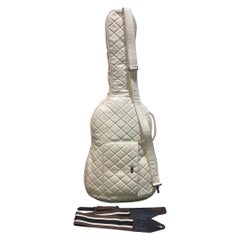
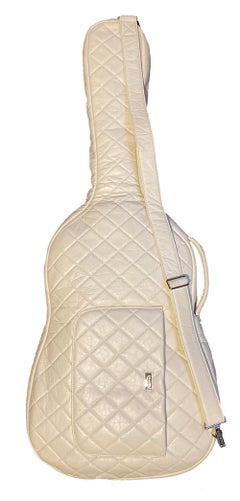
Chanel Rare White Leather Guitar Case with Silver Hardware RARE Runway Piece
By Chanel
Located in Philadelphia, PA
Rare Chanel white leather guitar case in excellent condition straight from the spring 2009 runway show. Cream leather exterior in signature diamond quilt pattern trimmed with silver ...
$11,140Sale Price|20% Off
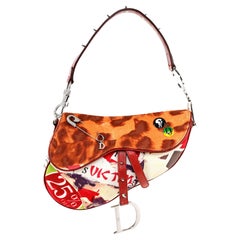
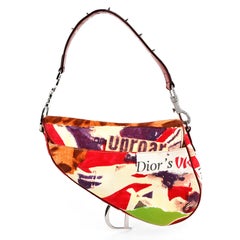
Limited Edition Christian Dior by John Galliano Victim Saddle Bag
By John Galliano for Christian Dior, Christian Dior
Located in Bressanone, Trentino-Alto Adige
Rare Christian Dior by John Galliano Spring 2003 "Victim" Saddle bag. Condition: Good / Really good. Signs of use on the leather edges, please check the photos. Measurements: 24cm ...
$876Sale Price|20% Off
Size: 10.8"L x 7"W x 132"H
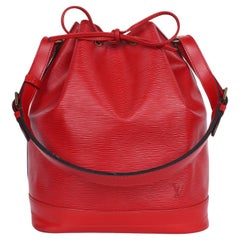
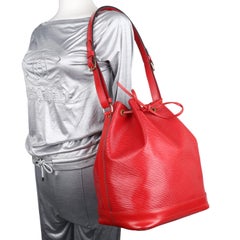
1990s Louis Vuitton Epi Leather Noe GM Red Shoulder Bag with Alcantara
By Louis Vuitton
Located in Salt Lake Cty, UT
Authentic, pre-owned Louis Vuitton Noe GM shoulder bag in red. Features the classic Epi leather, top pull string closure, and a large very roomy red Alcantara-lined interior. Authe...
From the prismatic Pleats Please collection to the modular, three-dimensional garments crafted from recycled plastic bottles in his Reality Lab, the captivating fashions by Japanese designer Issey Miyake are all about movement.
Born in Hiroshima, Miyake studied graphic design at Tama Art University in Tokyo before relocating to Paris in 1965, where he studied couture and cut his teeth working for Guy Laroche and Hubert de Givenchy. In 1969, he moved to New York, where he worked for Geoffrey Beene. He returned to Tokyo in 1970 to found his first solo venture, the Miyake Design Studio. It wasn’t until the 1990s, though, that the designer had his breakthrough moment with experimentations in pleating. Some of his earliest explorations were for choreographer William Forsythe’s Frankfurt Ballet Company, with the 1991 performance of The Loss of Small Detail featuring costumes Miyake designed with pleats that complemented and transformed the movement of the dancers.
Though long a staple in couture — from delicate women’s skirts to men’s suit pants — pleats took on new life in Miyake’s hands. By using a heat press to cure his fabrics after his garments are stitched, Miyake was able to maintain the accordion structure of the pleat, turning a series of folds into sculptural, often futuristic forms unbound by the shape of the human body. In 1993, Miyake debuted “garment pleating” in his Pleats Please line, in which the clothes are constructed at a size that is larger than what is intended for the finished product. The pleats are then created — a process that involves folding and ironing and is separate from the joining of seams — and individual pieces are subsequently hand-fed into a heat press. The pleats are permanent and the garments can be worn and washed without losing their shape.
Miyake’s pleats run the gamut in scale, which enabled him to evoke dramatic, sharp silhouettes and flowy movements in equal measure. In essence, he created an entirely new material whose iterations are infinite — a feat of technology as much as fashion.
Other innovations include Miyake’s 1997 Just Before collection, which introduced a series of tube-knit dresses that could be cut as desired, reducing both work and resources. His Reality Lab now investigates new materials, such as a fully recycled polyester. Miyake’s prowess, in fact, captured another iconic figure in the tech world: Steve Jobs, for whom the designer made hundreds of identical black turtlenecks, the late Apple founder’s sartorial signature.
Find a collection of vintage Issey Miyake day dresses, jackets, shirts and other clothing on 1stDibs.
An integral part of fashion, handbags and purses have been indispensable accessories ever since we began to carry around personal items. Level of craftsmanship, style and shape matters — from coin purses in ancient Greece to early 20th-century opera bags and onward, handbags have evolved considerably over the years to meet our needs and desires, whether or not you happen to be prioritizing functionality over a flashy exterior.
Once, a single “It” handbag ruled each fashion season. No more. Today, lovers of vintage handbags are savvier and have a wider range of shopping options. Nevertheless, classics created by the likes of Louis Vuitton, Dior and Balenciaga still rule.
“It is not a fashion bag — it is a statement bag,” says Mightychic's Debra Kent of Hermès's widely beloved accessories. “When you carry an iconic Hermès bag — Birkin, Kelly, Constance — no one knows how long you have been into this culture or if you are a newbie. Your status is validated immediately.”
First released in 1997, Fendi's Baguette rose to fame along with Carrie Bradshaw, the Sex and the City character portrayed by Sarah Jessica Parker. Recently, the design has seen such a resurgence in popularity that Fendi has reissued it.
They are part of design history, so owning a handbag has meaning. As New York–based fashion historian Sarah C. Byrd says, “You have made the choice to invest in this piece because you understand the value of it in the past and in the future to come.”
From a 1980s Chanel black leather quilted mini buckle bag to the rare Hermès Birkin 30cm Himalayan with diamond hardware to a range of 19th-century bags, find a rich variety of vintage and designer handbags and purses spanning numerous brands on 1stDibs — seasonal “It” designation no longer needed.