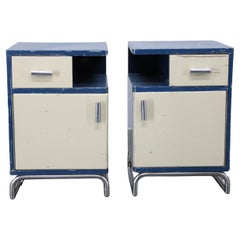
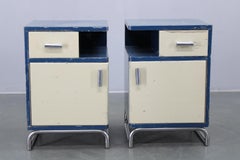
Pair of Bauhaus Nightstands, Czechoslovakia, 1930s
Located in Praha, CZ
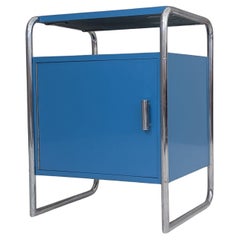
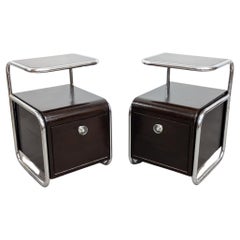
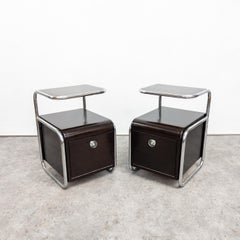
Exceptional pair of original Bauhaus nightstands produced in Czechoslovakia during the 1930s. These
Category
Vintage 1930s Czech Bauhaus Night Stands
Materials
Metal, Brass
Pair of Bauhaus Nightstands, Czechoslovakia, 1930s
Located in Praha, CZ
Exceptional pair of original Bauhaus nightstands produced in Czechoslovakia during the 1930s. These
Metal, Brass
$3,177 / set
H 23.63 in W 17.72 in D 16.15 in
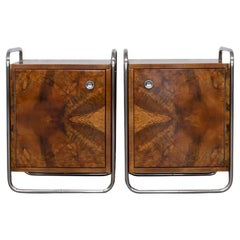
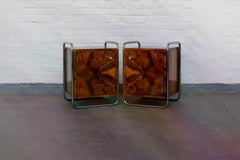
Pair of Bauhaus nightstands with walnut burl veneer, chrome plated tubular steel
By Hynek Gottwald
Located in Berlin, DE
This refined pair of Bauhaus nightstands was produced in Czechoslovakia around 1930 and is
Steel, Chrome
$1,957
H 23.63 in W 17.72 in D 15.75 in
Rare Bauhaus Nightstand by J. Fenyves for Thonet, Model B 107, circa 1930
By Thonet
Located in PRAHA 5, CZ
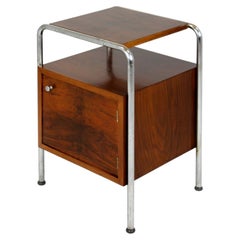
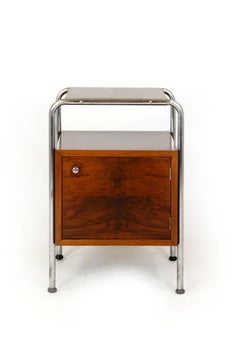
A rare and highly collectible Bauhaus-era nightstand, model B 107, designed by architect J. Fenyves
Steel, Chrome
Bauhaus Modernist Nightstand by Slezak, Model N1, 1940s
By Slezak Company
Located in Żory, PL
Elegant mid-century nightstand designed by Slezak, model N1, reflecting the clean lines of Central
Steel
$1,600
H 29.53 in W 15.75 in D 15.75 in
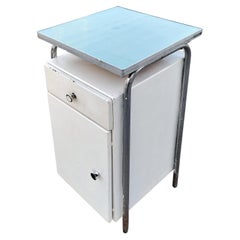
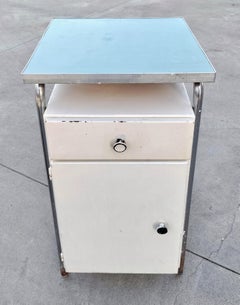
Rare Bauhuas Hospital Bedside Table or Nightstand, Yugoslavia, 1930s
Located in Beograd, RS
In this listing you will find a very rare Bauhaus bedside table or cabinet used in hospitals. It is
Metal
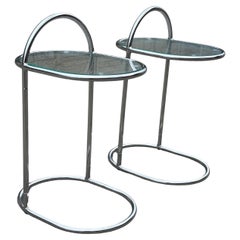
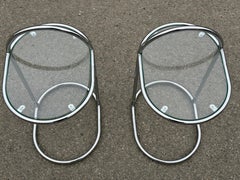
a pair of German 1980´s chrome and glass night stands
Located in Copenhagen, DK
These 1980s Bauhaus-style nightstands exude a cool, clean ambiance, offering both functionality and
Chrome
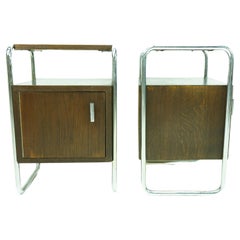
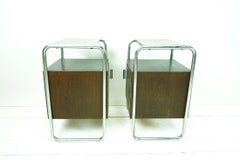
Nightstands or Bedside Tables 'Set of 2' by Thonet
By Michael Thonet
Located in Chemnitz, SN
Manufacturer/Designer: Slezak/Thonet Dimensions: W 40 H 60 D 37 +knob Bauhaus nightstands from the 30s
Steel, Chrome
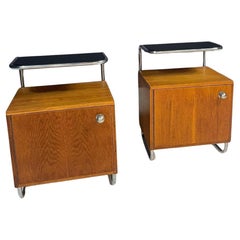

Unavailable
H 24.02 in W 18.12 in D 14.57 in
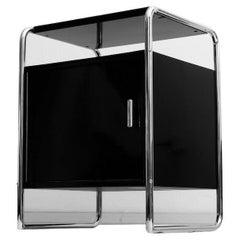
Bauhaus Style Chrome and Oak Nightstand by Kovona, Czechoslovakia, 1950s
By Kovona
Located in Prague 8, CZ
This Bauhaus-style nightstand was manufactured by Kovona (originally Slezákovy závody) in
Chrome
Unavailable
H 23.63 in W 17.72 in D 15.75 in
Original Bauhaus Steelpipe-Nightstand, J. Fenyves for Thonet (1930), Nr. B 107
By Thonet, J. Fenyves
Located in Wien, AT
Instagram: traudes.kinder Website: www . traudeskinder . com Objekt: Nachtkästchen Entwurf: Architekt J. Fenyves, verm. HUN. um 1930 Modell-Nummer: B 107 Ausführung: Thonet, um 1930...
Steel, Chrome
Unavailable
H 7.29 in W 7.88 in D 3.55 in
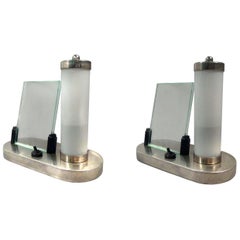
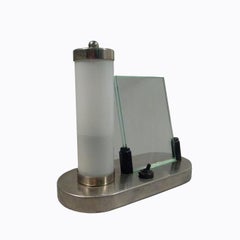
Bauhaus Original Opal Cylindrical Glass Table Lamps Pair, Hungary, 1930s
By Mofem of Hungary
Located in BUDAPEST, HU
Nice pair of 1930s Hungarian Bauhaus table or nightstand lights with their original opal
Brass, Nickel

Sold
H 25.6 in W 15.75 in D 14.57 in
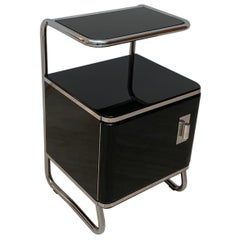
Bauhaus Nightstand, Steeltube and Black Lacquer, Germany circa 1930
Located in Regensburg, DE
Very elegant German Bauhaus nightstand / bed side table from Germany about 1930. (Newly) Chromed
Stainless Steel
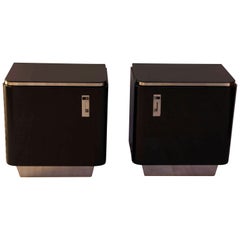

Bauhaus Nightstands, Black Lacquer, Germany, circa 1930
Located in Regensburg, DE
Elegant pair of German Bauhaus nightstands or bedside tables. Each has 1 door with compartments
Metal

Sold
H 20.48 in W 19.69 in L 20.48 in
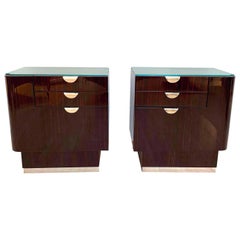
Pair of Bauhaus Nightstands, Rosewood, Maple, France, circa 1930
Located in Regensburg, DE
Beautiful pair of elegant, petite Bauhaus nightstands / bedside tables from Germany, circa 1930. 1
Metal
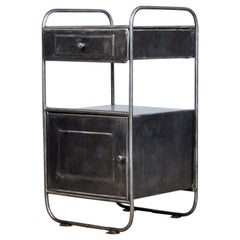

Iron Bauhaus Nightstand, 1930s
Located in Amsterdam, Noord Holland
Bedside table in the Bauhaus style, made of polished iron. Treated against rust, circa 1930.
Iron
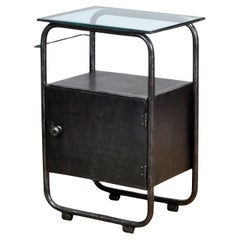

Bauhaus nightstand, 1930’s
Located in Amsterdam, Noord Holland
Bedside table in Bauhaus style, made of polished iron with a glass top. Treated against rust. Circa
Iron
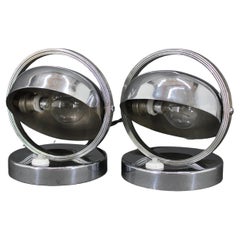

1930s Pair of Bauhaus Nightstand Lamps, Czechoslovakia
Located in Praha, CZ
- cleaned polished and rewired - US wiring compatible
Chrome
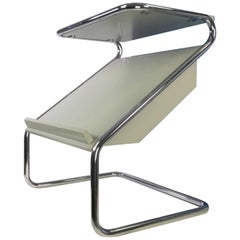
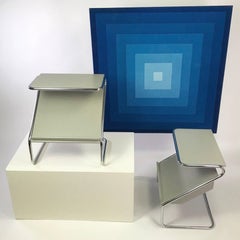
Sold
H 22.05 in W 20.08 in L 22.05 in
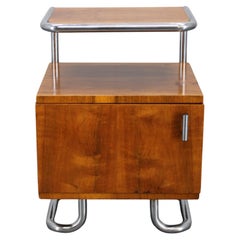
Rare Set of Bauhaus Nightstands Mid-Century Modern Art Deco Set of Bedside T
By Thonet, Marcel Breuer
Located in Haderslev, DK
lacquered nightstands will be perfect for your bedroom. Or maybe as side table in your living room. This
Chrome

Sold
H 31.89 in W 17.72 in D 17.72 in
Restored Bauhaus Chrome and Walnut Nightstand, Czechoslovakia 1940s
Located in Praha, CZ
Exceptionally restored Bauhaus nightstand from Czechoslovakia, crafted in the 1940s. This piece
Steel, Chrome
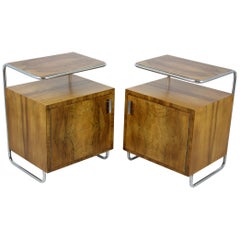
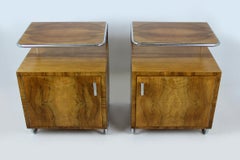
Bauhaus Chromed Tubular Steel Nightstands, 1930s, Set of Two
Located in Żory, PL
A pair of Bauhaus style side tables. Manufactured in the 1930s, made of wood with a chromed tubular
Steel, Chrome
Sold
H 33.47 in W 74.81 in D 35.44 in
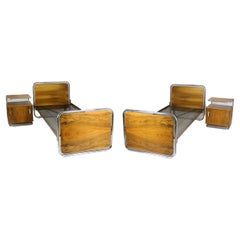
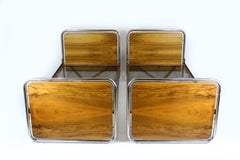
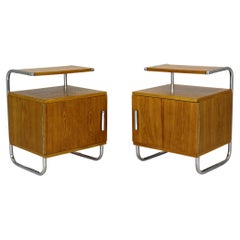
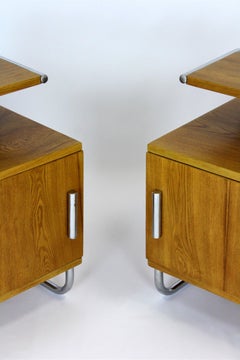
Bauhaus Tubular Steel Bedroom Set, Beds & Nightstands, 1940s, Set of 4
Located in Żory, PL
This Bauhaus-style bedroom set consists of two beds and two nighstands. The set was produced in the
Steel, Chrome
Sold
H 23.63 in W 17.72 in D 16.54 in
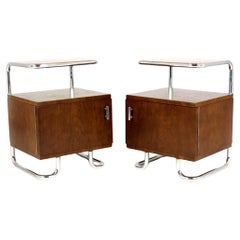
Refinished Bauhaus Tubular Steel Nightstands from Mücke Melder for Famed, 1940s
Located in Żory, PL
This set of two Bauhaus style bedside tables was produced in the 1940's by Famed Zadziele. They are
Steel, Chrome
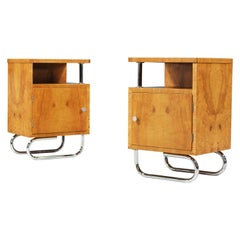

Bauhaus Style Chrome and Burl Wood Nightstands
Located in Los Angeles, CA
Designer: by Unknown Manufacturer: Unknown Country of origin: United States Date of manufacture: 1940-1949 Materials: Burl olivewood, polished chrome Period style: Mid-Century M...
Chrome

Sold
H 24.41 in W 17.72 in D 16.93 in
Restored Bauhaus Tubular Steel Nightstands by Hynek Gottwald, 1930s, Set of 2
By Hynek Gottwald
Located in Żory, PL
This set of two Bauhaus style bedside tables was produced in the 1930's by Hynek Gottwald. They
Steel, Chrome
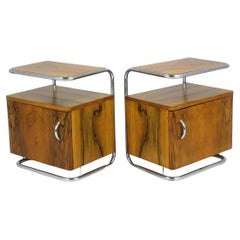
Sold
H 24.02 in W 20.08 in D 16.15 in
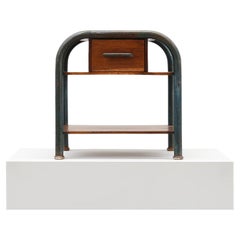
Restored Bauhaus Chromed Tubular Steel Nightstands, 1930s, Set of 2
Located in Żory, PL
A pair of bauhaus style nightstands, made in the 1930s in Czechoslovakia. The frame is made of
Steel, Chrome

Sold
H 23.63 in W 23.63 in D 15.75 in
Industrial side table or nightstand in Bauhaus style, Belgium ca. 1910
Located in Meulebeke, BE
Belgium / 1910 / side table or nightstand / wood, metal / Industrial / Bauhaus Industrial early
Metal
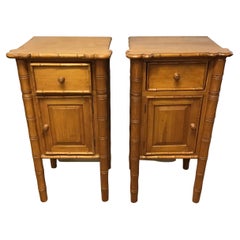

Late 19th Century Faux Bamboo Nightstands, a Pair
Located in Bradenton, FL
19th century faux bamboo nightstand or side table most likely from American, around early 1900
Pine
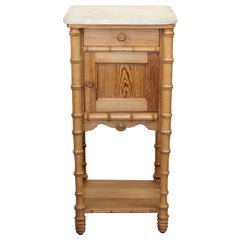

19th Century French Faux Bamboo Side Table or Nightstand
Located in Bradenton, FL
A French faux bamboo nightstand or nightstand. Executed in pine featuring a white marble top over a
Faux Bamboo
Sold
H 20.08 in W 18.12 in D 14.18 in
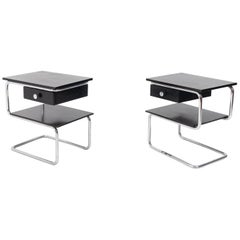
Pair of Rare D3 Rotterdam Avant Garde 1932-1934 Side Tables or Nightstands
By Paul Schuitema
Located in Den Haag, NL
Very rare Avant garde side tables or nightstands featuring an ebonized oak top on a chromed tube
Chrome
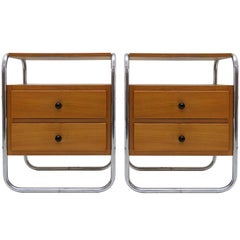

Pair of Bauhaus Nightstands
Located in Los Angeles, CA
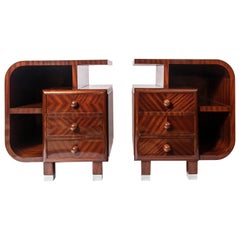
Wonderful pair of Bauhaus era bedside tables in veneered elm, each with two drawers and two shelves
Metal
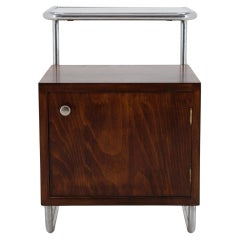
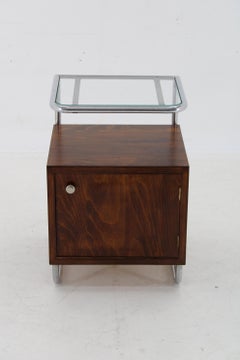
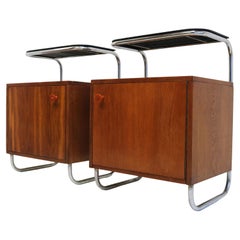
1930s Bauhaus Nightstand by Vichr a Spol., Czechoslovakia
By Vichr & Spol
Located in Praha, CZ
- carefully refurbished - minor signs of use
Chrome
Sold
H 24.61 in W 17.72 in D 14.57 in
Pair of Art Deco Bauhaus Bedside Tables / Nightstands 1930 Chrome Black Glass
By Bauhaus
Located in Ijzendijke, NL
Stylish & timeless ! This rare pair of antique Art Deco German nightstands by Bauhaus 1930. The
Chrome
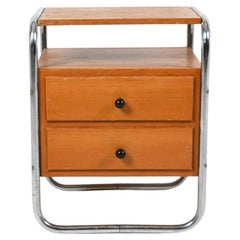

Mid century Deco Bauhaus chrome 2 drawer oak nightstand
Located in BROOKLYN, NY
Mid century Deco Bauhaus chrome 2 drawer oak nightstand. Has black ball pulls with 2 drawers. Bent
Chrome

Sold
H 24.02 in W 20.08 in D 16.15 in
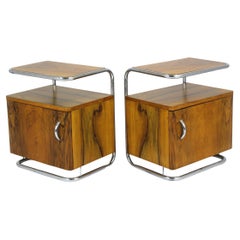
Restored Bauhaus Chromed Tubular Steel Nightstands, 1930s, Set of 2
Located in Żory, PL
A pair of bauhaus style nightstands, made in the 1930s in Czechoslovakia. The frame is made of
Steel, Chrome
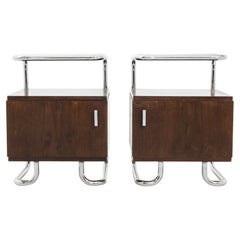

1930s Bauhaus Tubular Steel Nightstands, a Pair
Located in High Point, NC
This pair of wood and metal bedside tables was made in Germany, circa 1930. With their combination of materials and forms, these pieces will bring style and elegance to any space. Th...
Steel, Chrome
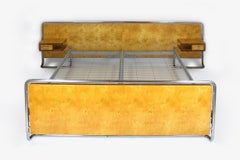
Sold
H 30.32 in W 98.43 in D 76.78 in
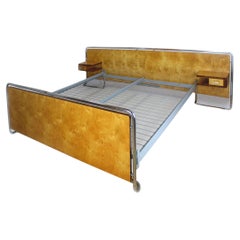
Restored Bauhaus Chromed Tubular Steel Bed with Nightstands from R. Vichr, 1940s
By Rudolf Vichr
Located in Żory, PL
This Bauhaus style bed was produced by Rudolf Vichr in the 1940's in Czechoslovakia. The set
Steel, Chrome
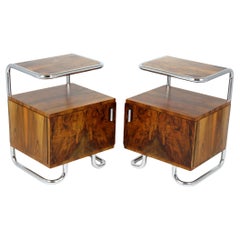

Sold
H 23.63 in W 16.93 in D 16.93 in
Restored Bauhaus Tubular Steel Nightstands by Hynek Gottwald, 1930s, Set of 2
By Hynek Gottwald
Located in Żory, PL
This set of two Bauhaus style bedside tables was designed by Hynek Gottwald and produced in the
Steel, Chrome
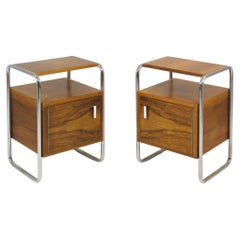

Sold
H 23.63 in W 15.75 in D 14.18 in
Restored Bauhaus Chromed Tubular Steel Nightstands by R. Slezak, 1940s, Set of 2
By Robert Slezák
Located in Żory, PL
This pair of nightstands was manufactured by Robert Slezak in the 1940s. The frame is made of
Steel, Chrome
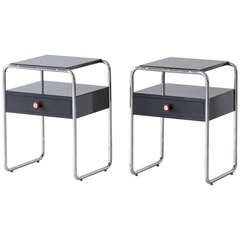

Pair Of Bauhaus Nightstands
Located in Berlin, DE
Pair of original Bauhaus nightstands carefully restored.
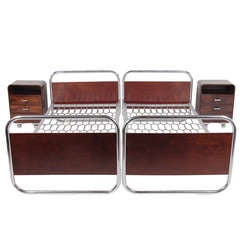
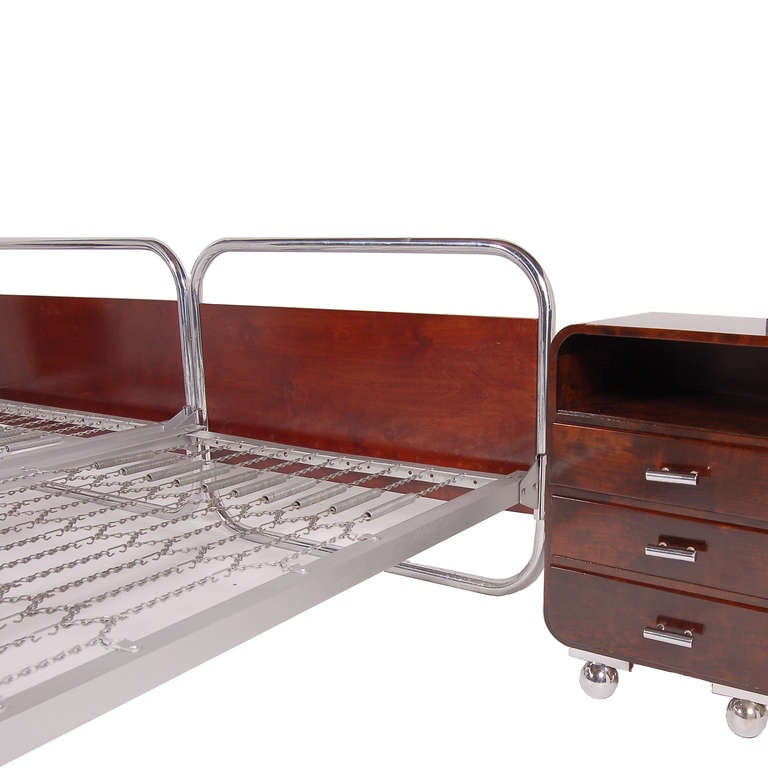
Bauhaus Bed Set with Nightstands by Desta
By Desta Stahlmöbel Gmbh
Located in Hudson, NY
): 77.5"long x 35"w x 26.5"h (inside measurement): 74"long x 33.75"w Nightstands: 10.5"w x 10.5
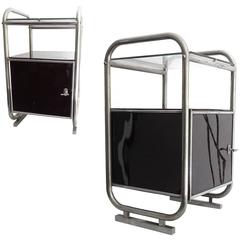
Pair of Bauhaus Nightstands 1930's
By Desta Stahlmöbel Gmbh
Located in Hudson, NY
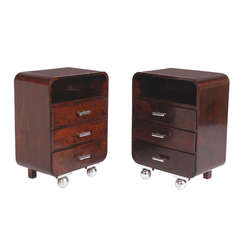
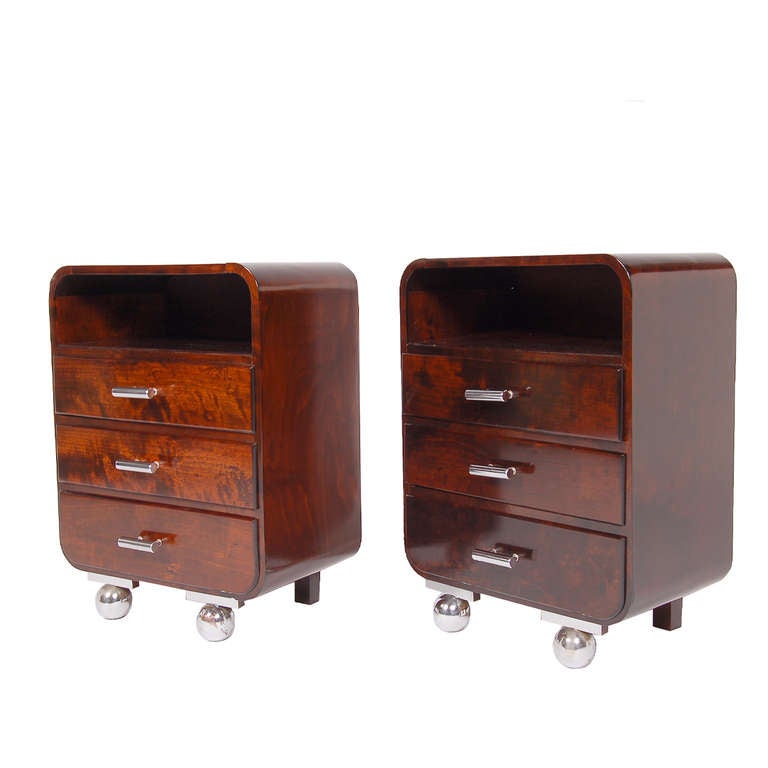
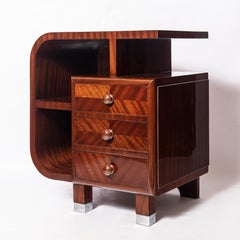
Two small nightstands with three drawers and one open space. Chrome pulls and chrome ball feet in

Sold
H 25.2 in W 14.18 in D 14.18 in
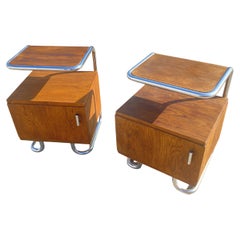
Pair of Bauhaus Art Deco Industrial Side Tables Cabinets, 1930s Modernist Design
By Marcel Breuer
Located in Bremen, DE
Extremely rare pair of original 1930s Bauhaus design bedside tables / nightstands, tubular
Steel

Sold
H 24.02 in W 17.72 in D 16.54 in
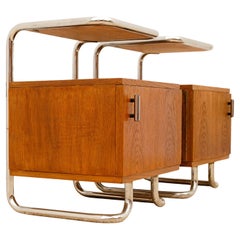
Pair of Functionalist chromed night stands by Vichr & spol, 1950’s, Czechoslovak
By Vichr & Spol, Kovona
Located in Prague 8, CZ
A pair of Modernist nightstands in the Bauhaus style. Outstanding timeless design. Made in the
Metal, Chrome

Sold
H 23.63 in W 17.72 in D 17.72 in
Pair of Functionalist chromed night stands by Vichr & spol, 1950’s, Czech.
By Kovona, Vichr & Spol
Located in Prague 8, CZ
A pair of Modernist nightstands in the Bauhaus style. Outstanding timeless design. Made in the
Metal, Chrome
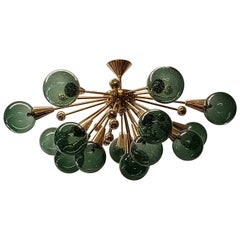
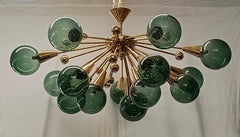
Murano Sputnik Spherical Green Glass and Brass Chandelier
Located in Roma, Lazio
A fantastic emerald green sputnik, with a surprising design and for its very low height, which allows it to fit in both high and low ceilings. Very elegant, it will furnish and decor...
Brass
$1,155Sale Price / item|30% Off
H 16.1 in Dm 11.5 in
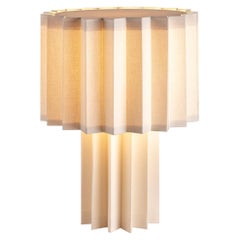
'Plissé White Edition' Pleated Textile Table Lamp by Folkform for Örsjö
By Örsjö Industri AB
Located in Glendale, CA
'Plissé White Edition' pleated textile table lamp by Folkform for Örsjö. This unique table lamp was awarded “Lighting of the Year 2022” by Residence Magazine Sweden, who called it “...
Textile
$2,800 / set
H 14.75 in W 8.5 in D 4 in
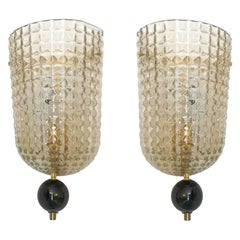
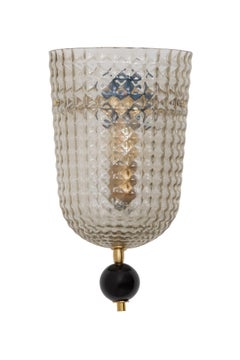
Pair of Art Deco Style Murano Glass Demi Lune Wall Sconces, in Stock
Located in Miami, FL
Pair of Art Deco style Murano glass demi lune wall sconces, in stock Black glass sphere and brass fittings. Textured Murano glass, Wired to the American standard Multiple available ...
Brass
$15,439 / item
H 32.68 in W 110.24 in D 40.56 in
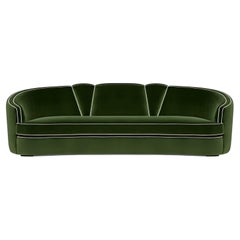
Art Deco Sofa by Munna Design Studio with Velvet Upholstery
By Munna Design Studio
Located in NEW YORK, NY
This sofa features a wonderfully elegant fan-shaped motif, with its accentuated curvy lines with decadent and lavish finish. The feminine curves are ravishingly enhanced by the diffe...
Velvet
$2,118 / item
H 17.72 in W 15.75 in D 11.82 in
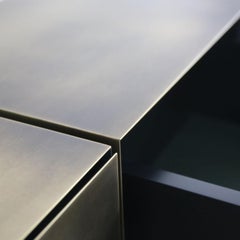
Brass Cabinet Modern Floating Brass Side Table Nightstand
By Renats Kotlevs
Located in Riga, LV
Exquisite custom nightstand, a masterpiece crafted from engineered wood and adorned with a polished, slightly brushed, burnished, varnished brass finish. This exceptional piece is de...
Brass
Pair of 70s Style Italian Bamboo and Brass Table Lamps
Located in New York, NY
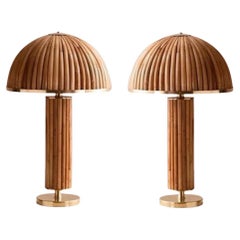
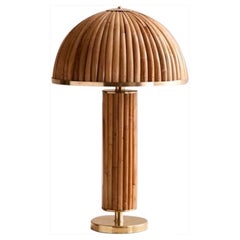
Monumental size Bamboo lamps. Crafted in Italy and made to order, these lamps are modern and chic. Production lead time 2-4 weeks. Base diameter 8 inches, hat diameter 20 inches, he...
Brass
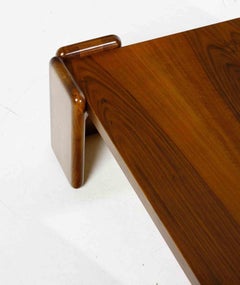
Coffee Table by Mario Marenco for Mobilgirgi, Italy 1970s
By Mario Marenco
Located in Roma, IT
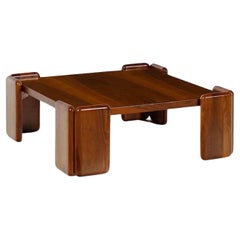
Coffee Table by Mario Marenco for Mobilgirgi, Italy 1970s. Cm 32,00 x 87,00 x 87,00. Walnut Wood. Good conditions!
Walnut
$3,305 / item
H 14 in W 48 in D 8 in
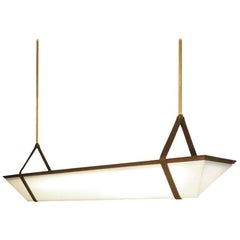
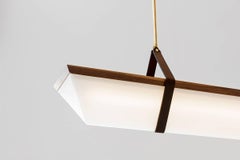
4-foot Pendant Light in Black Walnut with Brass Fixtures by Hinterland Design
By Hinterland Design
Located in Vancouver, BC
It’s believed that ancient Egyptians may have had the technology to harness electricity and create light thousands of years ago. This technology is referred to as the light of the De...
Brass
$16,845 / item
H 53.15 in W 125.99 in D 59.06 in
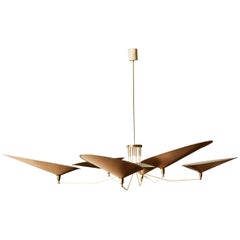
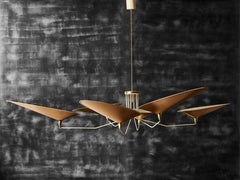
Oval Brass and Parchment Chandelier by Diego Mardegan for Glustin Luminaires
By Diego Mardegan
Located in Saint-Ouen, IDF
Beautiful chandelier by Diego Mardegan for Glustin Luminaires, this other version of the spider chandelier has longer arms on the sides giving the oval shape. The metal arms paint...
Metal, Brass
$2,500 / item
H 29 in Dm 19 in
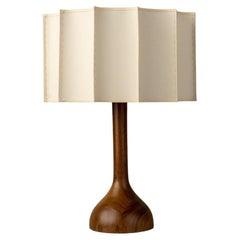
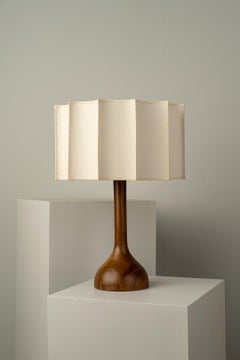
Organic Modern Small Table Lamp Natural Wood Handmade Ivory Fluted Shade
By Isabel Moncada
Located in San Antonio, TX
PATA DE ELEFANTE SMALL table lamp was designed for the Atomic collection by Mexican artist Isabel Moncada. Named Pata de Elefante –Elephant's Foot– for the prominent shape at its ba...
Wood, Fabric, Linen, Fiberglass
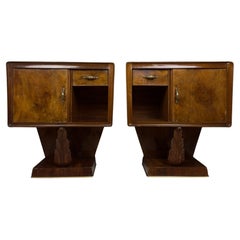
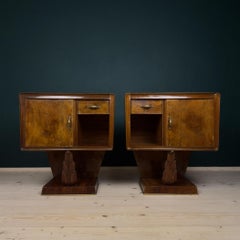
Vintage wood nightstands, Italy 1950s, Set of 2
Located in Miklavž Pri Taboru, SI
Pair beautiful bedside tables were made in the 1950s in Italy. Made of solid wood, plywood. Original fittings. They have been preserved to this day in good condition. Despite their v...
Glass, Wood
$1,883 / set
H 21.66 in W 24.02 in D 35.83 in
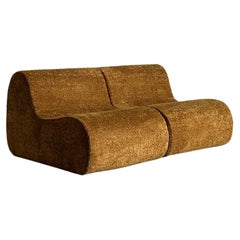
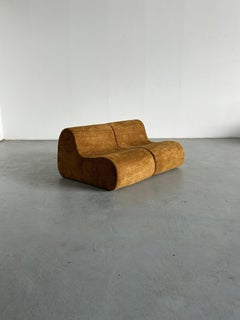
Pair of Italian Mid-Century-Modern Lounge Chairs in Ochre Boucle, 1970s Italy
Located in Zagreb, HR
Pair of Vintage Italian Mid-Century Modern lounge chairs or club chairs. Modules can be used as a modular sofa or modular seating set. Beautiful and unique shape. A 1970 design and p...
Bouclé, Foam, Wood

$5,107Sale Price / set|30% Off
H 24.01 in Dm 13.78 in
Pair of Constant Night Stands in Poplar Burl wood by Master for Lemon
By Lemon
Located in Amsterdam, NL
Envisioned by designer Yaniv Chen, the Constant nightstand exudes an air of refined luxury, celebrating the inherent splendor of Poplar burl wood. Meticulously crafted with impeccabl...
Burl, Poplar
$3,072 / set
H 22.45 in W 15.36 in D 16.93 in
Pair of unique Bauhaus tubular steel night stands Hynek Gottwald
By Mücke & Melder
Located in PRAHA 5, CZ
Attractive and very rare streamline tubular steel night stands manufactured by Gottwald company, former Czechoslovakia in 1930's. In very good original condition. All surfaces were e...
Steel, Chrome
$7,000 / set
H 23.63 in W 20.08 in D 16.93 in
Pair of Wood Nightstands, Art Deco Period, France, circa 1940
Located in Buenos Aires, Buenos Aires
Pair of wood nightstands. Art Deco Period, France, circa 1940.
Wood
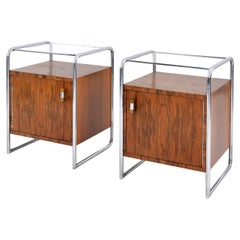
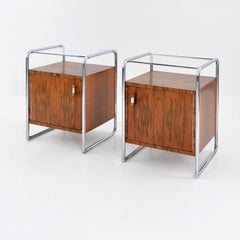
$5,178 / set
H 23.63 in W 17.72 in D 15.75 in
Bauhaus Bedside Cabinets by Thonet, Chrome-Plated Steel, Walnut Veneer, c. 1930
By J. Fenyves, Thonet
Located in Berlin, DE
Pair of Bauhaus bedside cabinets, model B 107, designed by J. Fenyves and manufactured by Thonet Mundus A.G. Chrome-plated tubular steel frame, walnut veneer, and glass. Austria, c. ...
Steel, Chrome
The Bauhaus was a progressive German art and design school founded by the architect Walter Gropius that operated from 1919 to 1933. Authentic Bauhaus furniture — sofas, dining chairs, tables and more — and the school’s followers married industrial and natural materials in simple, geometric forms. The goal of the Bauhaus was to erase the distinction between art and craft while embracing the use of new technologies and materials.
ORIGINS OF BAUHAUS FURNITURE DESIGN
CHARACTERISTICS OF BAUHAUS FURNITURE DESIGN
BAUHAUS FURNITURE DESIGNERS YOU SHOULD KNOW
AUTHENTIC BAUHAUS FURNITURE ON 1STDIBS
The name Bauhaus is derived from the German verb bauen, “to build.” Under the school’s innovative curriculum, students were taught the fine arts, such as painting and sculpture, as well as practical skills like carpentry and metalworking.
The school moved from Weimar in 1925 to the city of Dessau, where it enjoyed its heyday under Gropius, then Hannes Meyer and Ludwig Mies van der Rohe. The period from 1932 to 1933 when it operated in Berlin under Mies was its final chapter. Despite its brief existence, the Bauhaus has had an enduring impact on art and design in the United States and elsewhere, and is regarded by many as the 20th century’s chief crucible of modernism.
The faculty roster at the Bauhaus reads like a who’s who of modernist creative genius — it included such artists as Paul Klee, Wassily Kandinsky and László Moholy-Nagy along with architects and designers like Mies and Marcel Breuer, who became known for his muscular brutalist-style concrete buildings in the postwar years. In 1925, while he was head of the Bauhaus carpentry workshop, Breuer gave form to his signature innovation: the use of lightweight tubular-steel frames for chairs, side tables and sofas — a technique soon adopted by Mies and others. Breuer’s Cesca chair was the first-ever tubular steel frame chair with a caned seat to be mass produced, while the inspiration for his legendary Wassily chair, a timeless design and part of the collection crafted to furnish the Dessau school, was the bike he rode around campus.
Bauhaus design style reflects the tenets by which these creators worked: simplicity, clarity and function. They disdained superfluous ornament in favor of precise construction. Seating pieces such as side chairs, armchairs or club chairs for example, were made with tubular metal or molded plywood frames, and upholstery was made from leather or cane. Above all, designs in the Bauhaus style offer aesthetic flexibility. They can be the elements of a wholly spare, minimalist space, the quiet foundation of an environment in which color and pattern come from one’s own collection of art and artifacts.
Today, from textiles to typefaces, architecture, furniture and decorative objects for the home, Bauhaus creations continue to have an outsize influence on modern design.
Find a collection of authentic Bauhaus furniture on 1stDibs.