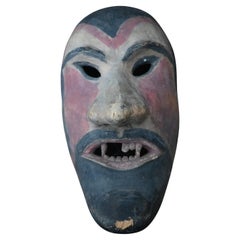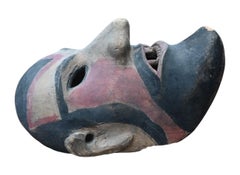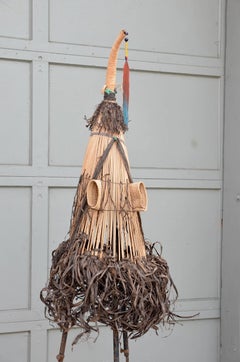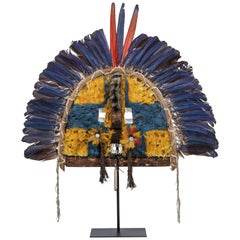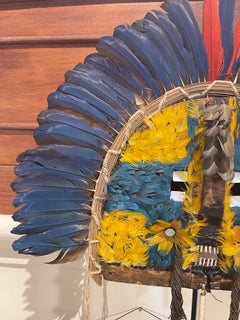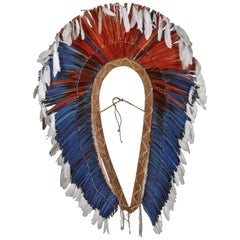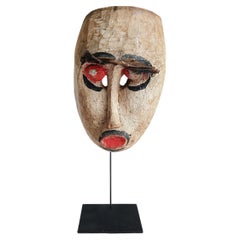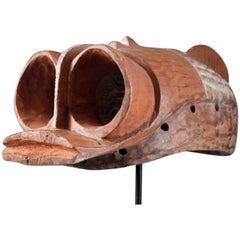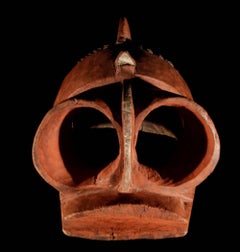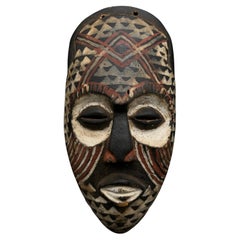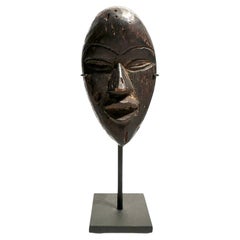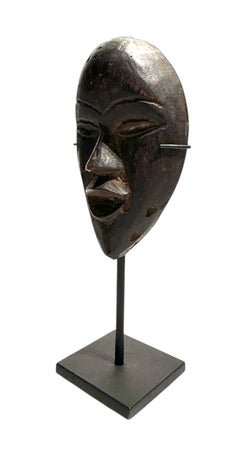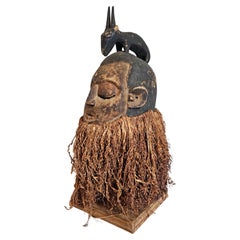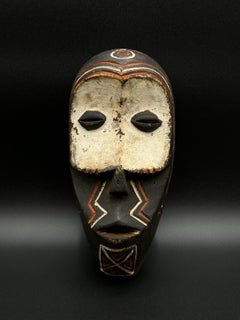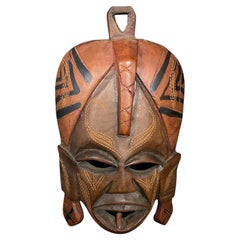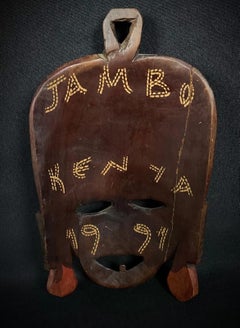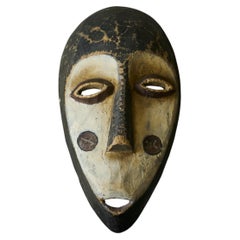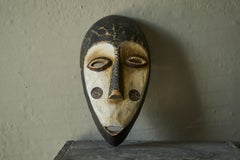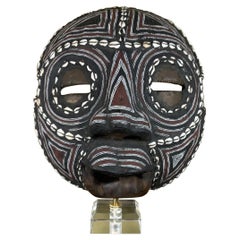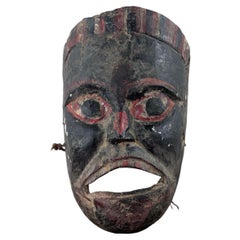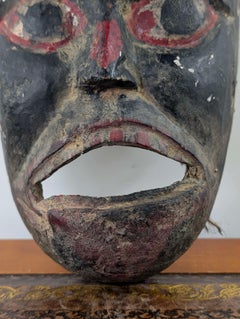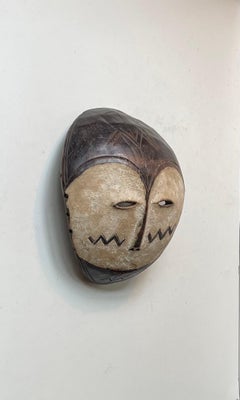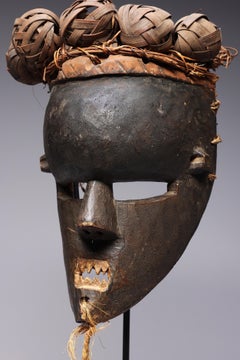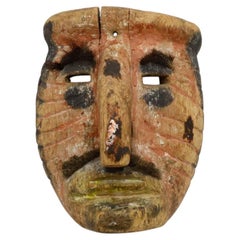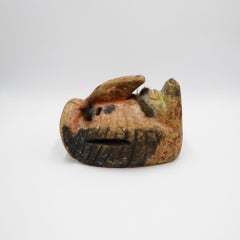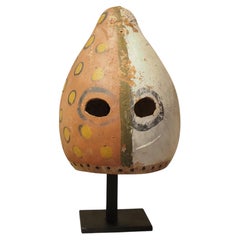
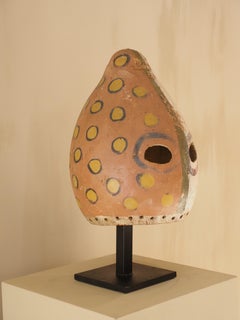
Brazilian Bloco da Lama mask Paraty, Brazil 1980's
Located in Diest, BE
Authentic piece of Brazilian carnival heritage with this original 1980s Bloco da Lama mask from Paraty, Brazil.
Vintage 1980s Brazilian Folk Art Carnival Art
Paint, Paper
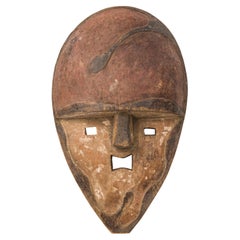
Brazilian Bloco da Lama mask Paraty, Brazil 1980's
Located in Diest, BE
Authentic piece of Brazilian carnival heritage with this original 1980s Bloco da Lama mask from Paraty, Brazil.
Paint, Paper
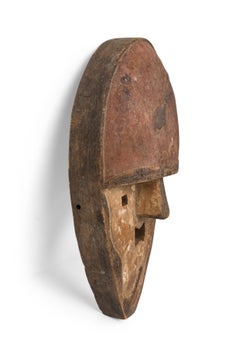
$1,654
H 10.24 in W 6.5 in D 4.73 in
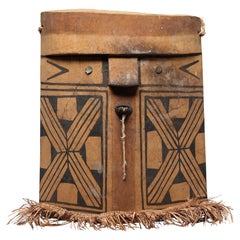
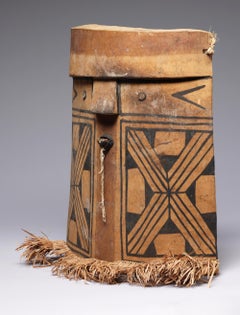
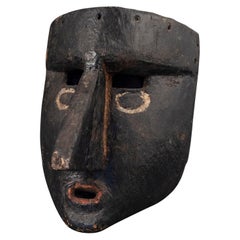
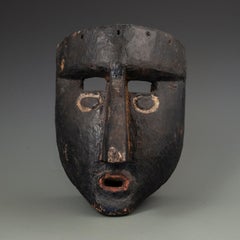
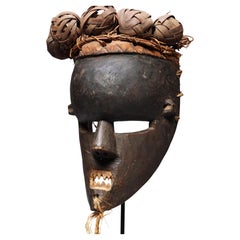
Ancient Amazonian Ritual Mask, Late 19th – Early 20th Century, Brazil
Located in Bilzen, BE
Antique Amazonian ritual mask, carved and polychromed wood Ritual mask carved and hollowed by hand from light wood, originating from the western Amazon basin, most likely Brazil (Br...
Wood
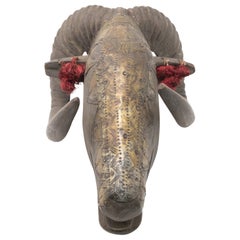
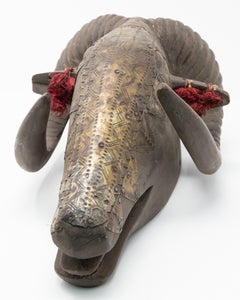
Wood and Metal Plate Marka Ram Mask
Located in Cookeville, TN
Carved wooden ram mask with brass overlay. Horns are carved wrapping the head on either side. Ears have tassels in them for the effect of fur. Brass overlay is hammered, punched, and...
Brass
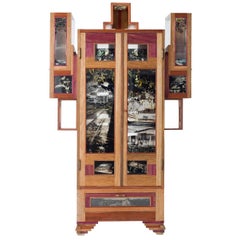
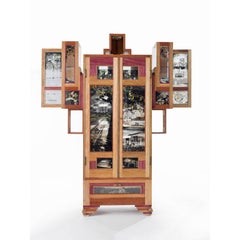
Contemporary Coffee Mask Cabinet by Hillsideout, 2016
By Andrea Zambelli e Nat Wilms
Located in Sao Paulo, SP
This contemporary cabinet is made of handcrafted Amazonian woods (Jequitiba, Muirapiranga, Cedro, Roxinho, Freijo, Sucupira), acrylic, 16 lambda prints, Japanese handmade paper and m...
Metal
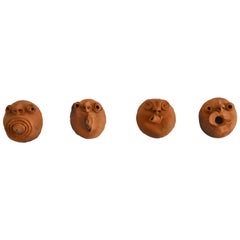
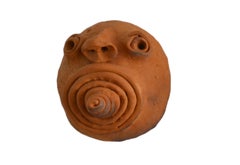
Brazilian Ceramic Sculptures Zezinhos
Located in Rio de Janeiro, RJ
Originally entitled "Zezinhos", this is an original set of four ceramic masks by the Brazilian artist Zezinho Muriçoca, from Alto do Moura, Pernambuco.
Ceramic
Sold
H 20.87 in W 14.77 in D 0.04 in
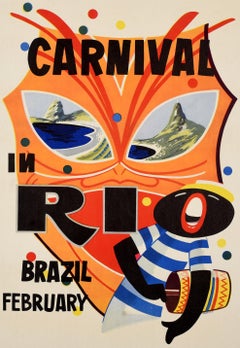
Original Vintage South America Travel Poster Carnival In Rio Brazil Mask
Located in London, GB
Original vintage South America travel poster for the Carnival in Rio Brazil February featuring a colourful design depicting a view through the eye holes of an orange carnival mask of...
Paper
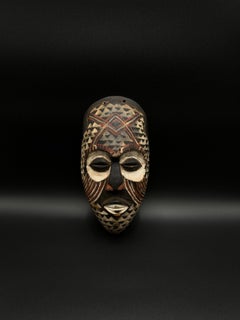
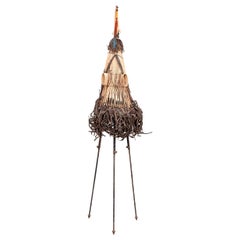
Decorative Brazilian Indian Ceremonial Mask on Stand
Located in Los Angeles, CA
Decorative Brazilian Indian ceremonial mask on stand.
Steel
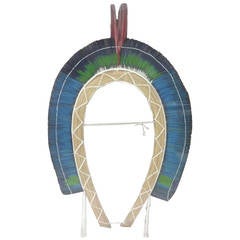
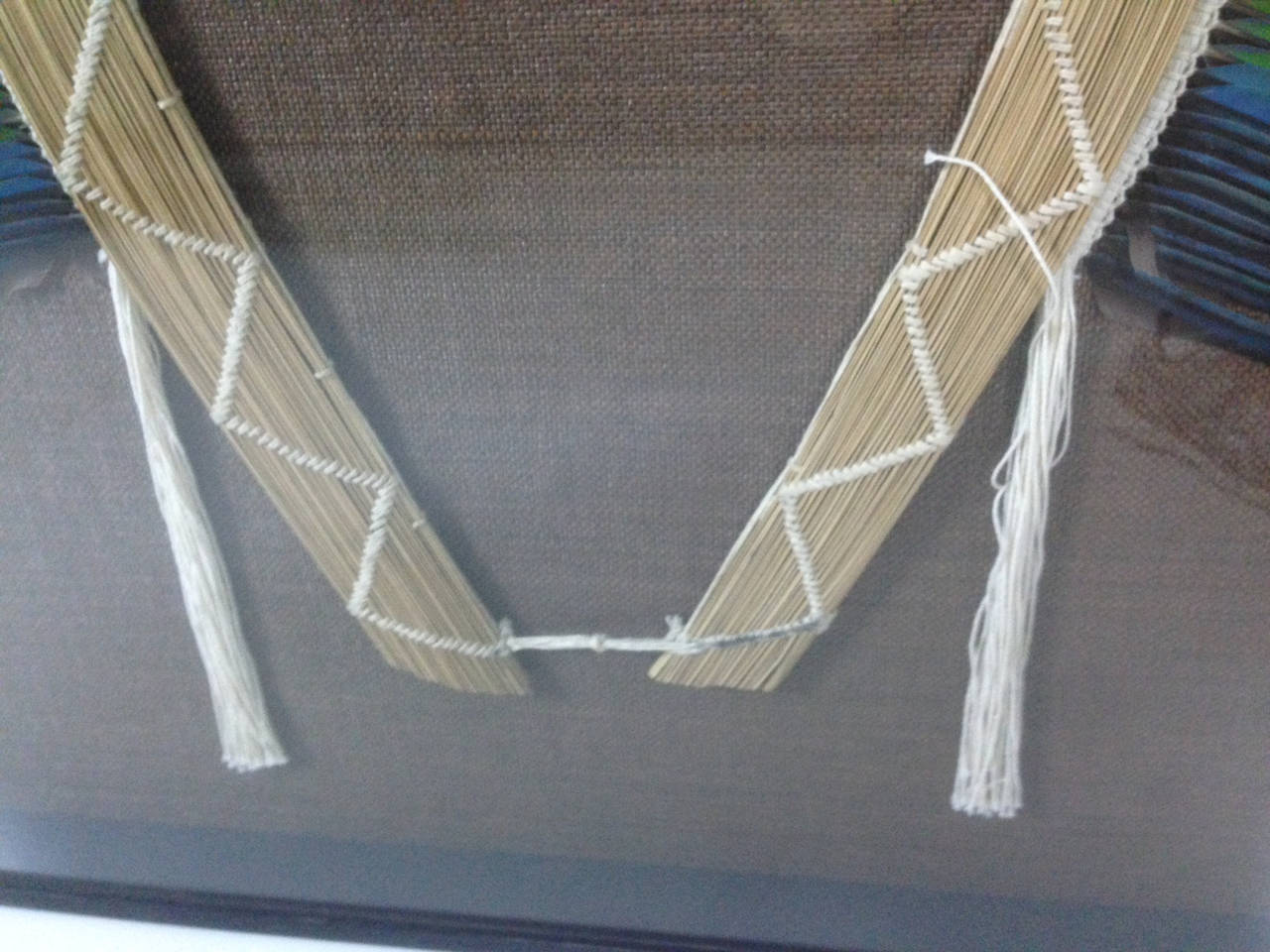
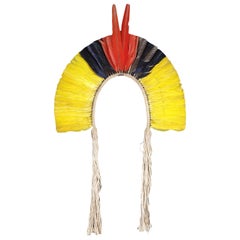
Large "Cocar" Amazon Headdress
Located in San Diego, CA
Large Framed Cocar Headdress from Amazon Native Tribe. The natural colors of the jungle are brought to life in these magical works of art. This piece is from an important collection ...
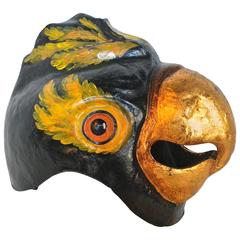
Black Hooded Conure Carnival Mask
Located in Charlottesville, VA
Hand-painted carnival mask of papier mâché' depicting a black hooded conure. The lovebird of South American origin can be sweet, or at times, quite feisty. This mask is wonderfully h...
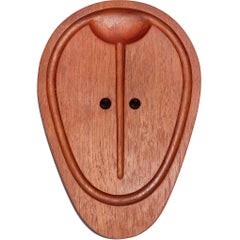
Teak Carving Board by Kay Bojesen
By Kay Bojesen
Located in Los Angeles, CA
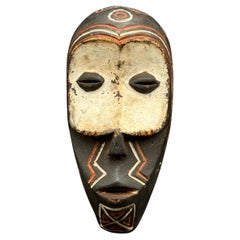
The great Danish artisan's anthropomorphic take on a simple board for carving beef is both playful and practical, delightfully resembling a stylized-abstract Primitive mask. The two ...
Rosewood, Teak
More often than not, vintage mid-century Brazilian furniture designs, with their gleaming wood, soft leathers and inviting shapes, share a sensuous, unique quality that distinguishes them from the more rectilinear output of American and Scandinavian makers of the same era.
Commencing in the 1940s and '50s, a group of architects and designers transformed the local cultural landscape in Brazil, merging the modernist vernacular popular in Europe and the United States with the South American country's traditional techniques and indigenous materials.
Key mid-century influencers on Brazilian furniture design include natives Oscar Niemeyer, Sergio Rodrigues and José Zanine Caldas as well as such European immigrants as Joaquim Tenreiro, Jean Gillon and Jorge Zalszupin. These creators frequently collaborated; for instance, Niemeyer, an internationally acclaimed architect, commissioned many of them to furnish his residential and institutional buildings.
The popularity of Brazilian modern furniture has made household names of these designers and other greats. Their particular brand of modernism is characterized by an émigré point of view (some were Lithuanian, German, Polish, Ukrainian, Portuguese, and Italian), a preference for highly figured indigenous Brazilian woods, a reverence for nature as an inspiration and an atelier or small-production mentality.
Hallmarks of Brazilian mid-century design include smooth, sculptural forms and the use of native woods like rosewood, jacaranda and pequi. The work of designers today exhibits many of the same qualities, though with a marked interest in exploring new materials (witness the Campana Brothers' stuffed-animal chairs) and an emphasis on looking inward rather than to other countries for inspiration.
Find a collection of vintage Brazilian furniture on 1stDibs that includes chairs, sofas, tables and more.