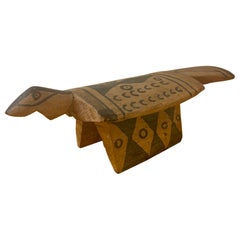
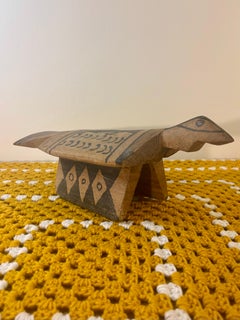
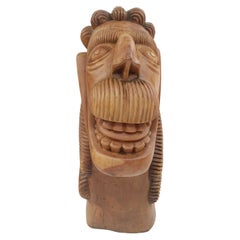
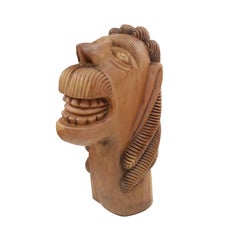
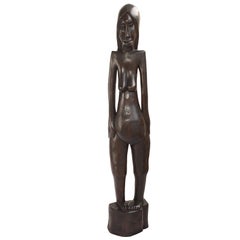
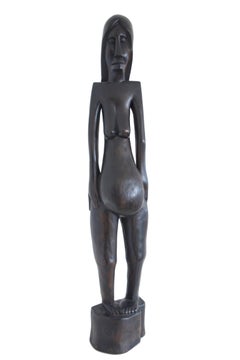
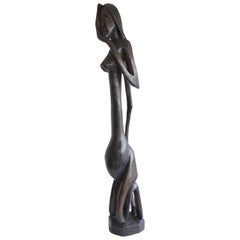
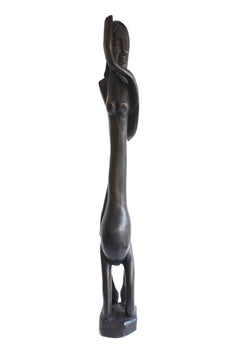
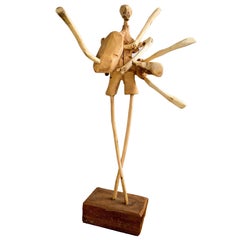
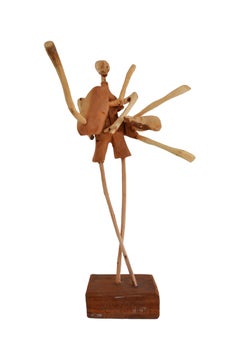
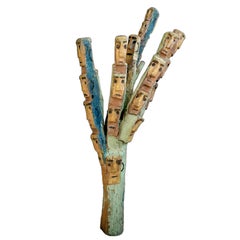
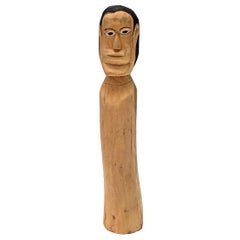
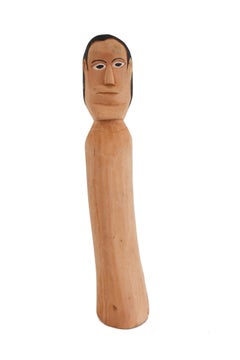
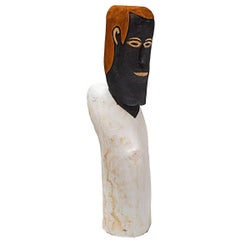
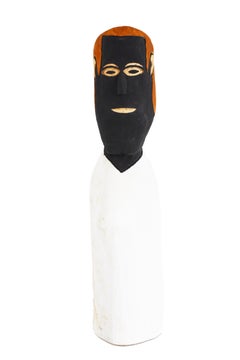
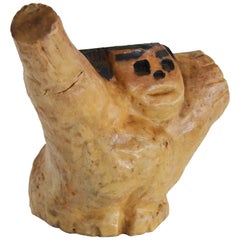
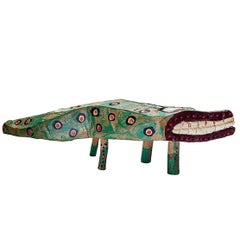
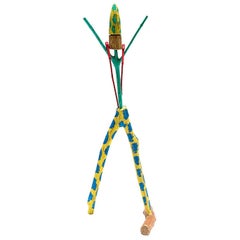
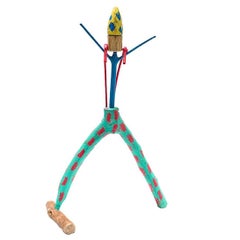
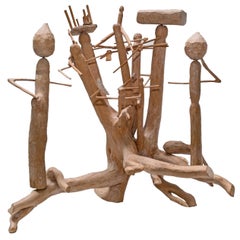
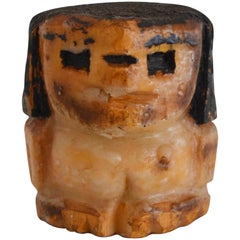
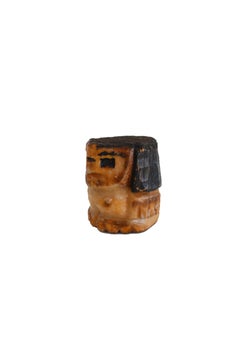
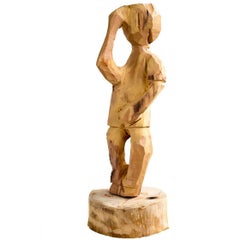
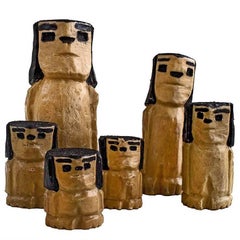
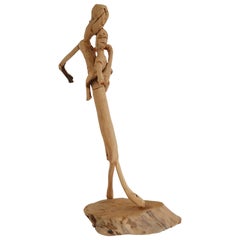
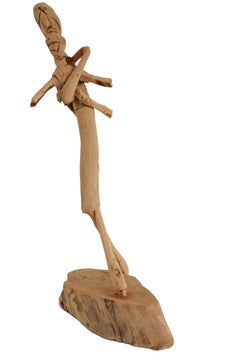
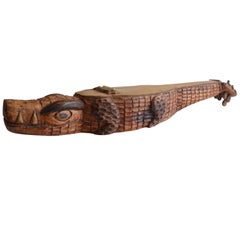
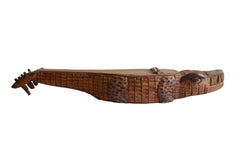
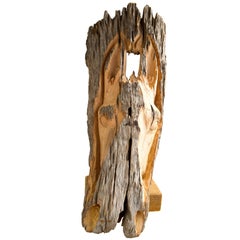
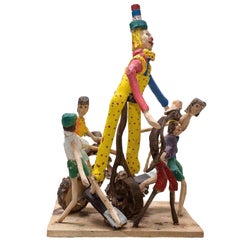
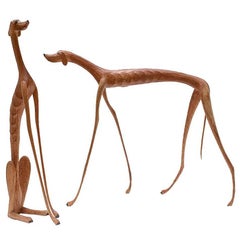
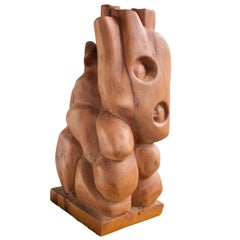
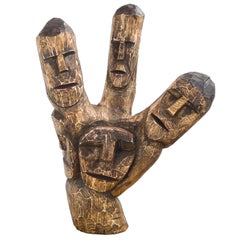
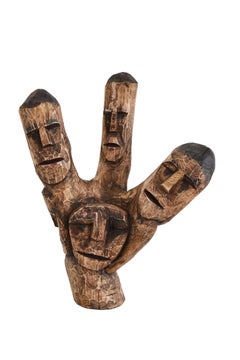
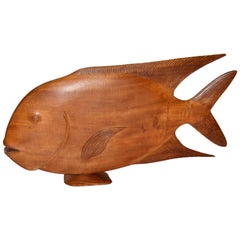
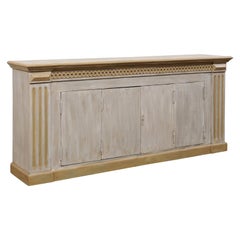
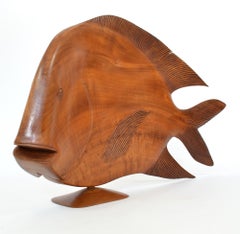
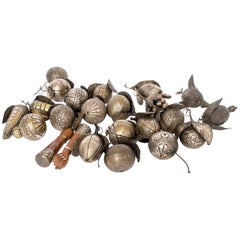
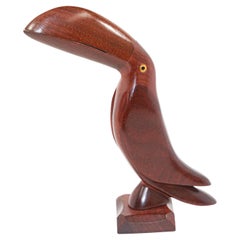
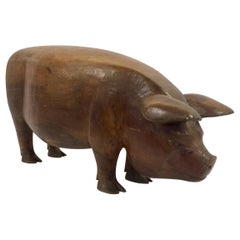
At 1stDibs, there are many versions of the ideal Brazilian wood carving for your home. Frequently made of
wood,
hardwood and
rosewood, every Brazilian wood carving was constructed with great care. Find 23 options for an antique or vintage Brazilian wood carving now, or shop our selection of 5 modern versions for a more contemporary example of this long-cherished piece. Whether you’re looking for an older or newer Brazilian wood carving, there are earlier versions available from the 18th Century and newer variations made as recently as the 21st Century. A Brazilian wood carving is a generally popular piece of furniture, but those created in
mid-century modern,
Baroque and
folk art styles are sought with frequency.
José Zanine Caldas,
Dansk Designs and
Jens Harald Quistgaard each produced at least one beautiful Brazilian wood carving that is worth considering.
A Brazilian wood carving can differ in price owing to various characteristics — the average selling price 1stDibs is $7,550, while the lowest priced sells for $350 and the highest can go for as much as $31,402.
Folk art refers to a genre of art that shares the creator’s traditions, offering not just an artistic display but an opportunity to learn about a culture. Vintage, new and antique folk art typically reflects a heritage or location. It can include utilitarian objects and handmade art as diverse as weather vanes, portraiture and paintings, carnival art, quilts and duck decoys.
American folk art is frequently valued because of the traditional skills involved, like weaving, hand-carving wood and even stonework. Many folk artists are self-taught, while some train as apprentices within their community. By using available materials and taking a personal approach to their creations, artists ensure each piece is unique and conveys a story. Native American folk art includes functional objects reflecting their heritage, such as baskets, textiles and wooden pieces.
During the Great Depression, artistic materials in America were hard to come by, so artisans used discarded wood from cigar boxes and shipping crates to make highly stylized, notched pieces — most often picture frames and boxes — that are today sought after by collectors. This folk art style is called tramp art and was popular from roughly 1870 until the 1940s.
Folk art brings vibrant culture and traditions into your home. Browse an extensive collection of folk art on 1stDibs.