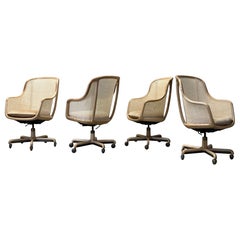
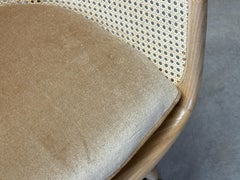
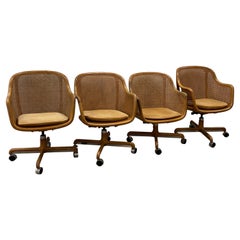
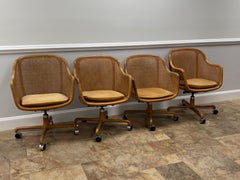
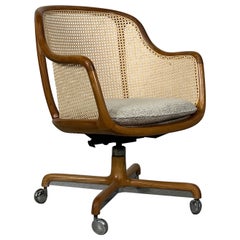
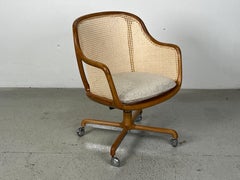
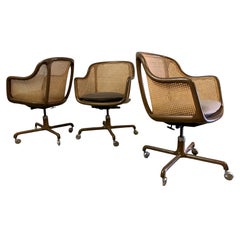
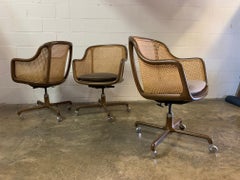
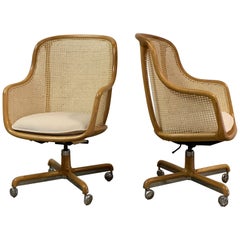
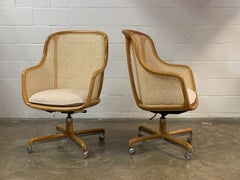
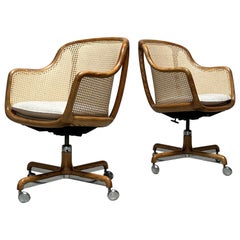
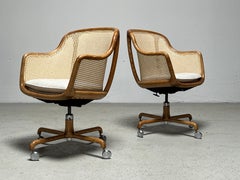
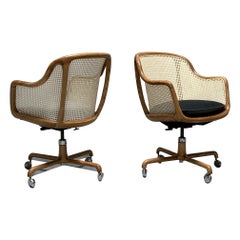
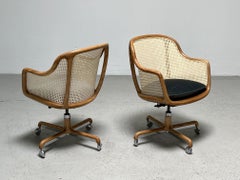
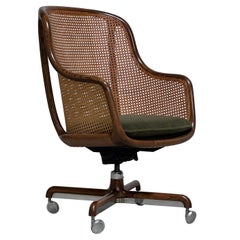
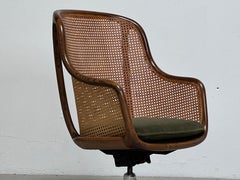
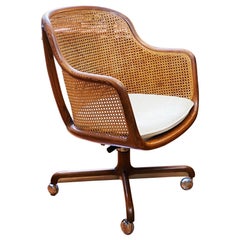
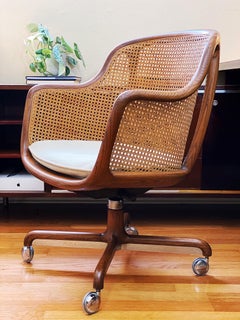
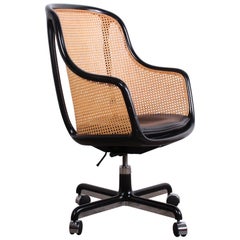
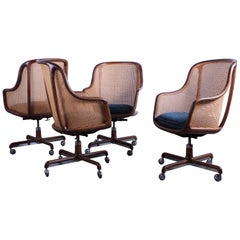
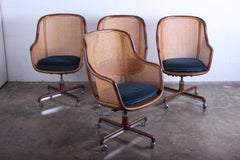
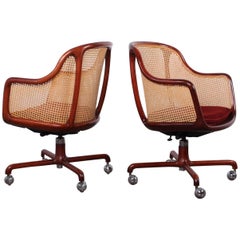
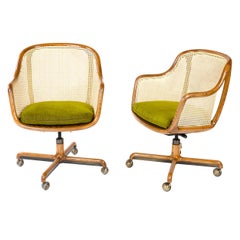
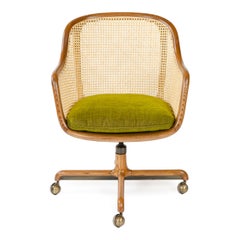
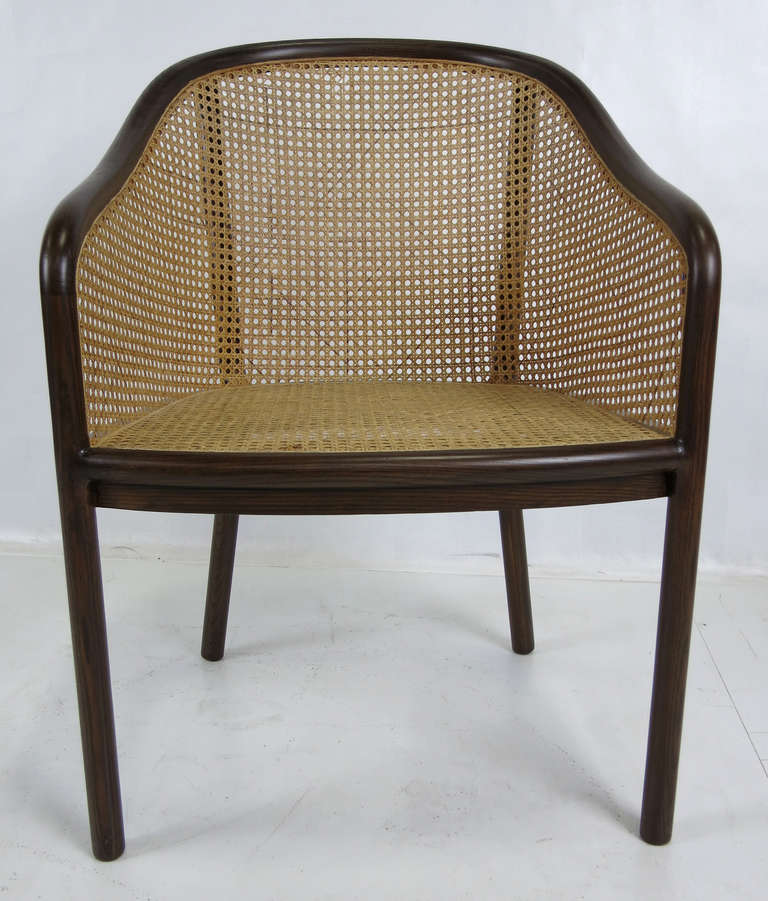
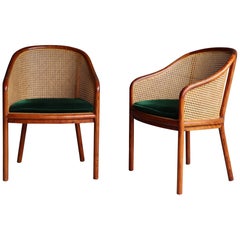
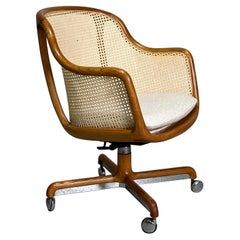
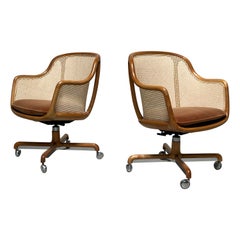
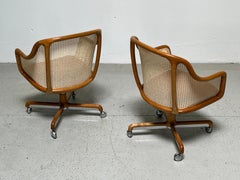
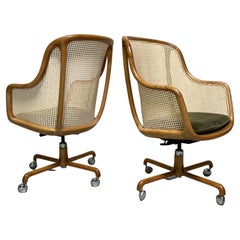
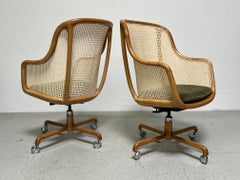
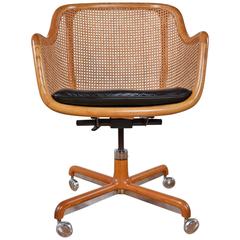
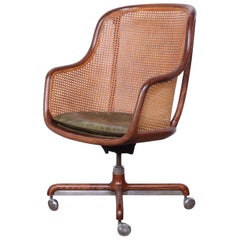
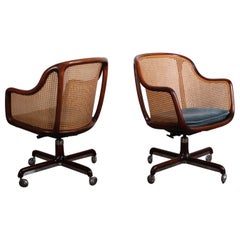
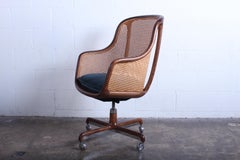
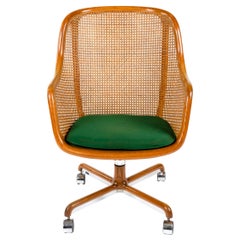
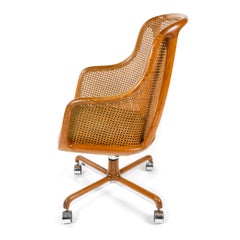
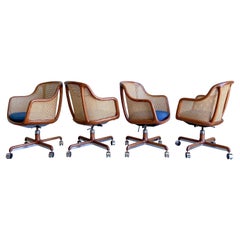
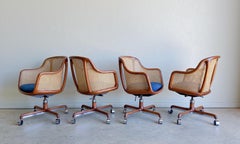
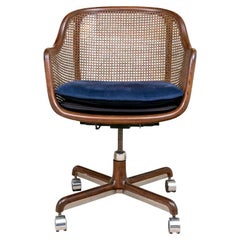
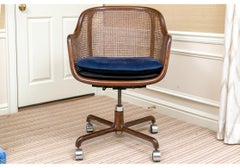
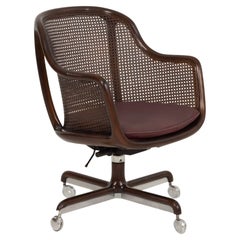
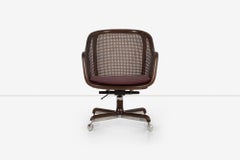
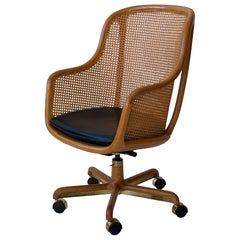
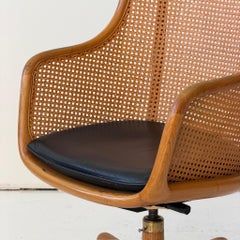
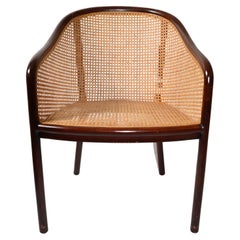
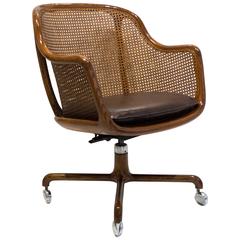
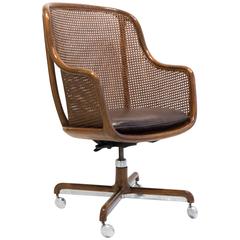
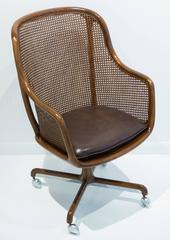
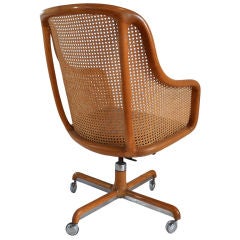
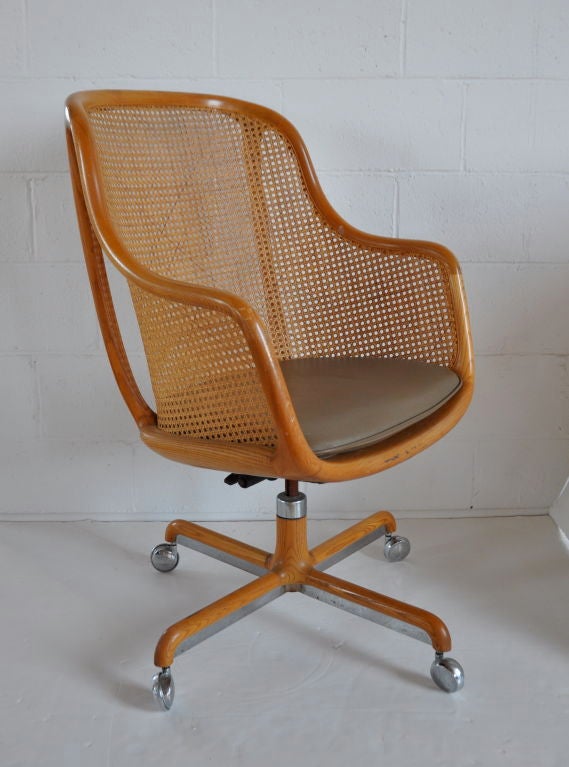
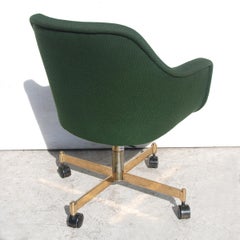
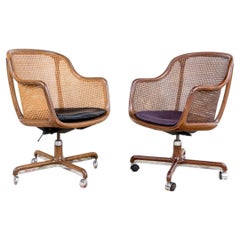
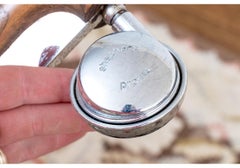
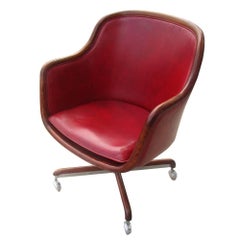
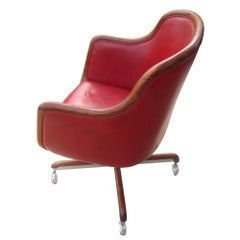
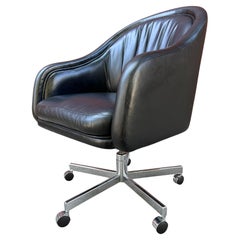
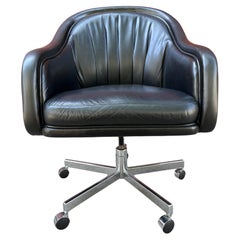
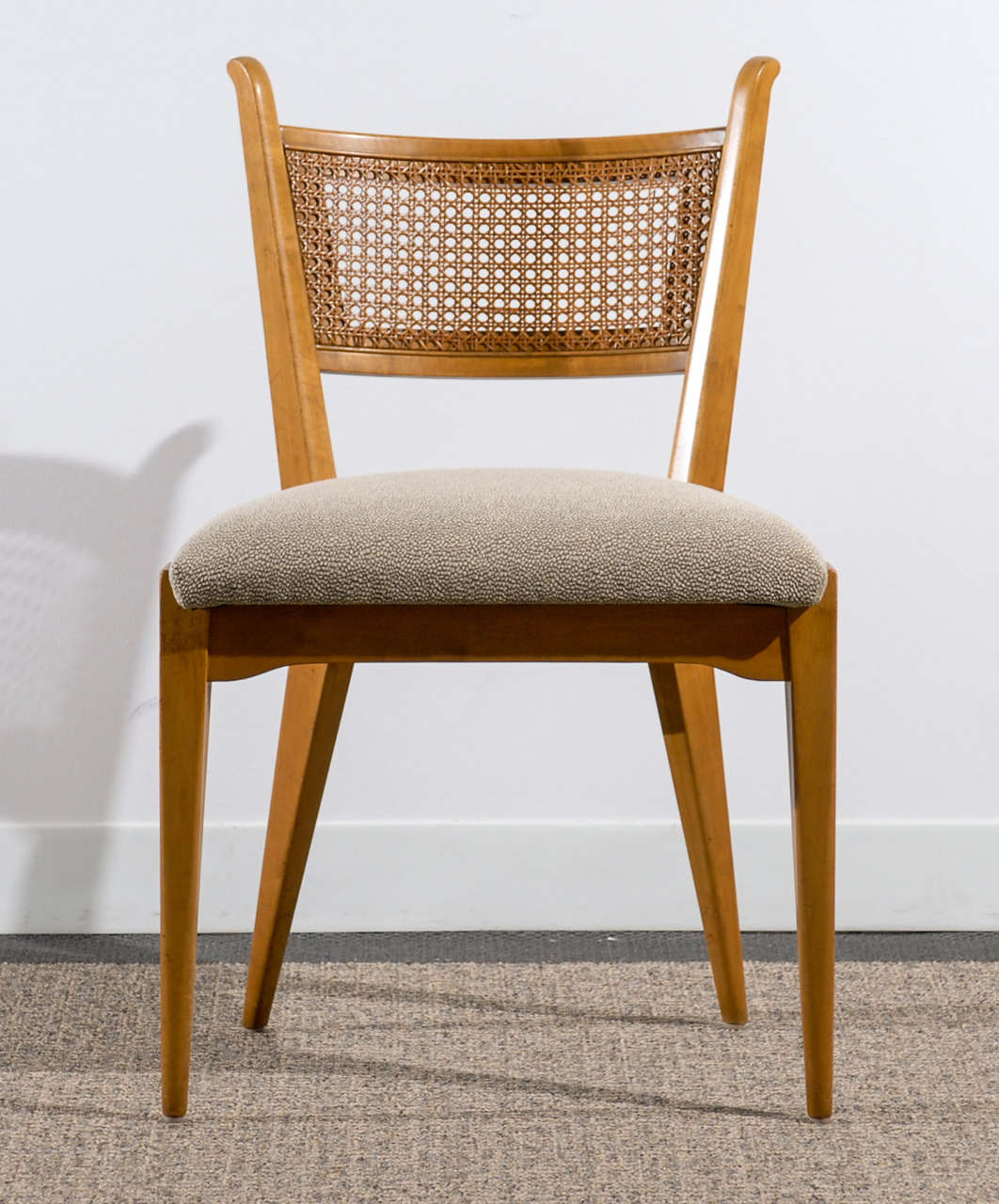
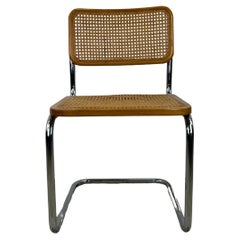
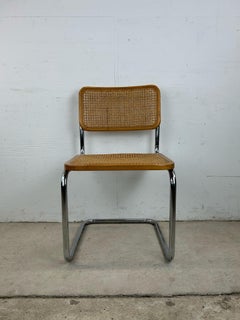
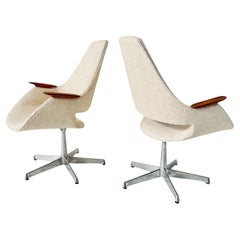
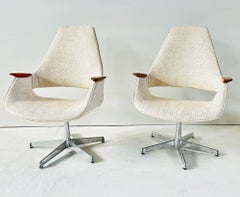
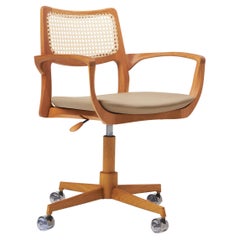
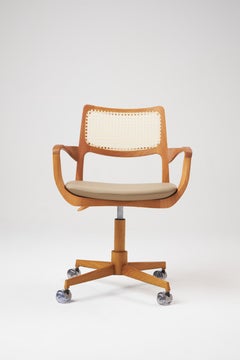
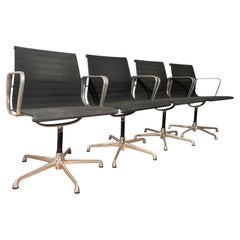
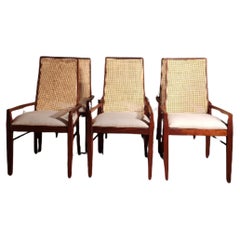
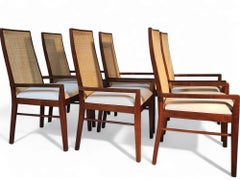
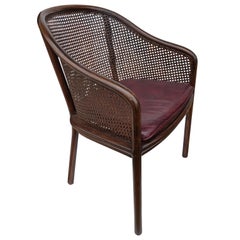
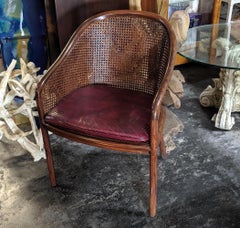
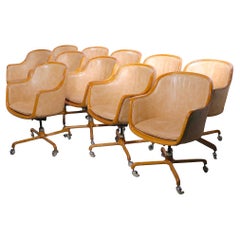
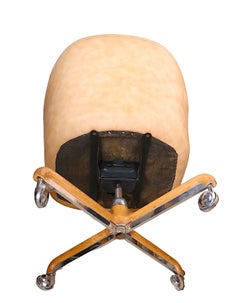
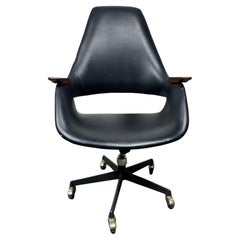
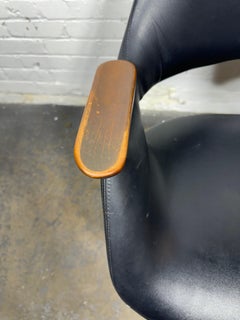
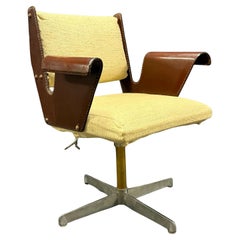
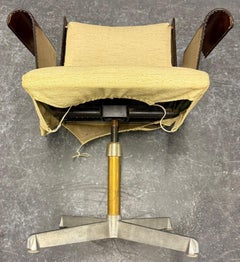
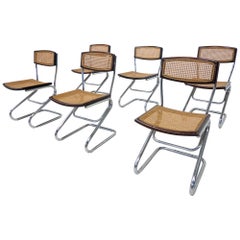
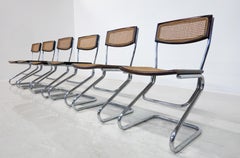
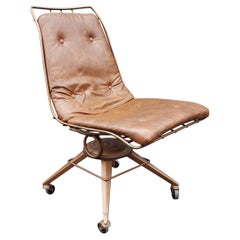
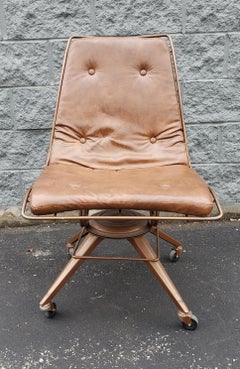
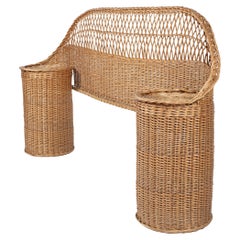
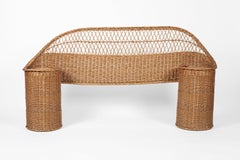
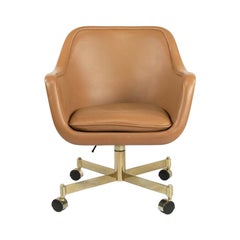
Find many varieties of an authentic caned desk chair by ward bennett available at 1stDibs. Each caned desk chair by ward bennett for sale was constructed with extraordinary care, often using
wood,
ash and
hardwood. Your living room may not be complete without a caned desk chair by ward bennett — find older editions for sale from the 20th Century and newer versions made as recently as the 20th Century. Each caned desk chair by ward bennett bearing
Mid-Century Modern hallmarks is very popular.
A caned desk chair by ward bennett can differ in price owing to various characteristics — the average selling price 1stDibs is $5,800, while the lowest priced sells for $1,950 and the highest can go for as much as $9,500.
Ward Bennett created everything from interiors and furniture to textiles and flatware. The unsung New York City-born modernist designer drew on the work of Le Corbusier and Auguste Rodin, studied art with the likes of Abstract Expressionist painter Hans Hofmann and counted legendary American luxury house Tiffany & Co. among his clients. For decades, Bennett created and filled spaces that were elegant, minimalist and deeply appealed to everyone who laid eyes on them.
Bennett left home and school at the young age of 13. He found work in Manhattan’s Garment District, and within a few years, Bennett traveled to Europe on behalf of a clothing manufacturer to gather ideas for modern garments. He lived abroad as a young man, and when he returned to New York, during the early 1940s, he assisted fashion entrepreneur Hattie Carnegie as a window dresser.
Bennett would also go on to share a sculpture studio with artist Louise Nevelson. He ventured into the world of jewelry design, creating necklaces, bracelets and other pieces with Richard Pousette-Dart. The Whitney Museum of American Art exhibited his sculptures, and it wouldn’t be long before the Museum of Modern Art included Bennett’s personal adornments with accessories by the likes of Alexander Calder, Harry Bertoia and Anni Albers in its 1946 “Modern Handmade Jewelry” show.
Bennett didn’t take the plunge into interior design work until he was 30 years old — his inaugural project was an apartment in Manhattan and his clients were family members. He had no formal training in architecture or decorating — and would ultimately design a mere handful of houses in his life — so for his inviting leather office chairs, marble-topped tables and sleek storage cabinets, Bennett relied only on what he learned in the fashion world. Soon, every time he redecorated his own home — an elaborate apartment comprising former maids’ quarters in New York City’s magnificent Dakota building — it earned splashy coverage in the newspapers.
Bennett’s client list eventually included David Rockefeller and Chase Manhattan Bank, Tiffany & Co., Sasaki, Italian industrialist Gianni Agnelli, and others, and during the 1970s he became in-house designer for Brickel Associates, a role that would endure for more than two decades. His work is on permanent view at the Museum of Modern Art and the Cooper-Hewitt National Design Museum in New York.
On 1stDibs, find vintage Ward Bennett seating, decorative objects and more.
An essential part of every office or home workstation, office chairs and desk chairs are critically important to your comfort and getting the job done.
Desk chairs have evolved over time. While writing the Declaration of Independence, Thomas Jefferson pined for a wider range of motion and introduced some improvements to his English-style Windsor chair, inventing the swivel chair along the way. So the next time you roll, recline or swivel at your vintage desk, remember: The third president of the United States had a lot to do with that functionality.
Changes in the availability of resources have also led to innovations in desk chair design. After World War II, for example, optimistic American designers made use of wartime materials in their efforts to create practical domestic goods.
Mid-century modernism is the name given to the broad postwar time period that prioritized thoughtful design. Journalist Cara Greenberg, who coined the term “mid-century modernism,” cites “ergonomic wisdom” as part of the reason for the longevity of the era’s furnishings, and when it comes to sitting in a desk chair for hours at a time, what could be more important than ergonomic support?
As mid-century modernism was marked by resourcefulness and boundless creativity — and produced designers who, in most cases, prioritized comfort and support — it follows that all mid-century chairs are not the same. Nowhere is this perhaps more evident than at Herman Miller. The legendary Michigan furniture manufacturer got its start in the office, with design director George Nelson enlisting the likes of Charles and Ray Eames to produce desk chairs and lounge chairs that are still celebrated today. Elsewhere at the time, the numerous pieces Florence Knoll created for Knoll’s office furniture line were envisioned as design solutions for the changing needs of residential and office spaces.
If you’re working remotely and streamlined seating isn’t your thing, don’t be afraid of making a statement with your office chair. Introduce a touch of drama to your video calls by way of 19th-century desk accessories and the alluring forms we typically associate with antique desk chairs designed in the Empire and Regency styles. For a minimalist touch, a spare, utilitarian Industrial-style office chair can work in any space but will fit in particularly well amid the exposed brick and steel architecture that characterizes a loft apartment.
An inspiring home office cleverly mixes materials and styles to create a welcoming place of productivity and comfort, and if you’re gathering with colleagues at your company HQ, an array of wood, leather and metal office chairs can help integrate disparate textures in a conference room or any other collaborative space. On 1stDibs, explore a diverse collection of office and desk chairs today.