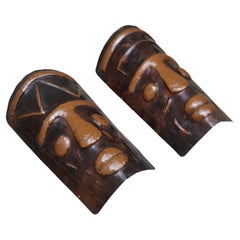
Two Hammered Copper Sconces in the Shape of African Masks
Located in Antwerp, BE
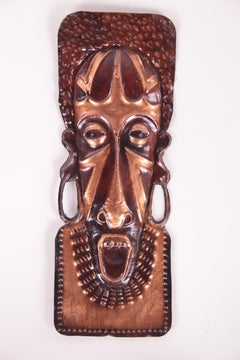
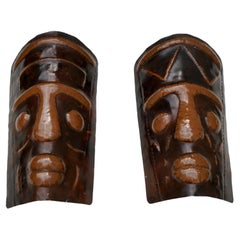
Set of two beautiful copper wall lamps sconces in the shape of African masks. Belgium, 1950s
Mid-20th Century Belgian Mid-Century Modern Wall Lights and Sconces
Copper
Two Hammered Copper Sconces in the Shape of African Masks
Located in Antwerp, BE
Set of two beautiful copper wall lamps sconces in the shape of African masks. Belgium, 1950s
Copper
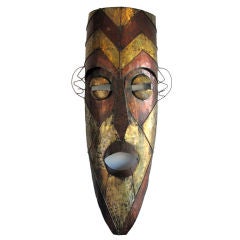
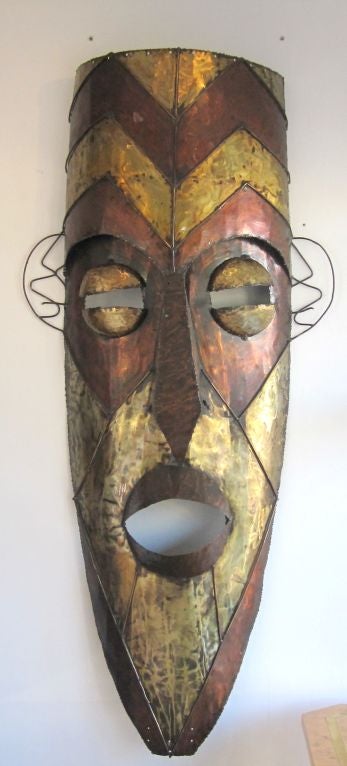
Mid-Century African Mask
Located in Miami, FL
A monumental welded brass and copper African mask. Highly decorative!
Copper
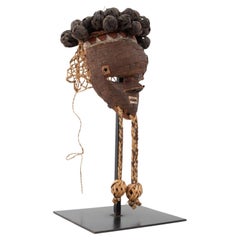
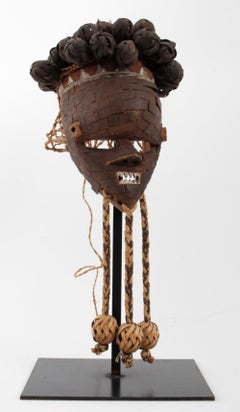
African Salampasu Helmet Mask
Located in Astoria, NY
African Salampasu Helmet Mask, carved wood, copper, and raffia, together with metal stand. Mask: 25
Copper
Sold
H 16.54 in W 5.91 in D 1.58 in
Vintage African hand made copper wall masks from the 60s to the 70s
Located in Oirlo, LI
Vintage African handmade copper wall masks from the 60s to the 70s Set of hanging beaten African
Copper
Sold
H 16.25 in W 2.5 in D 5 in
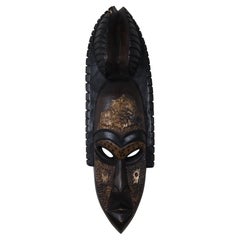
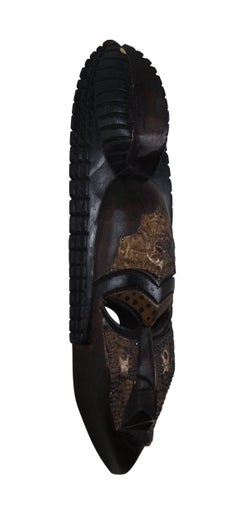
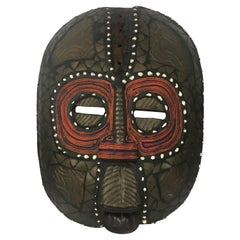
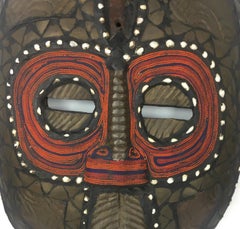
Ghana African Tribal Carved Hammered Copper Folk Art Warrior Face Mask 16"
Located in Dayton, OH
Vintage Ghana African hand carved tribal mask featuring an elongated slender warrior face with
Copper
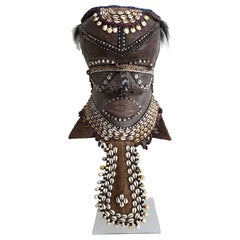
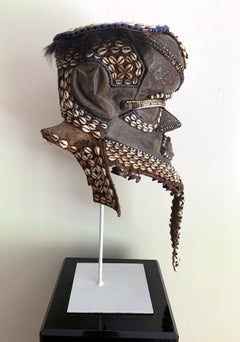
African Kuba Helmet Mask on Stand
Located in Atlanta, GA
Congo, Central Africa circa mid-20th century. The carved wood mask was decorated with copper plates on
Copper
Very Large Mid-20th Century African Tribal Mask
Located in Miami, FL
Magnificent African tribal mask hand-carved and constructed with copper and wood. Decorated with
Copper
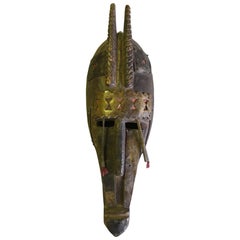
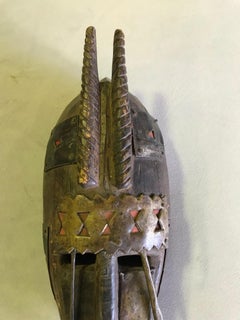
African Mali Warka Marka Carved Wood and Metal Mask
Located in Studio City, CA
A fantastic mask. Warka masks are usually made of elongated carved wood and covered with copper
Copper
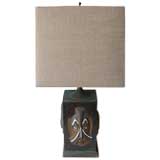
African Masks Copper Table Lamp
Located in North Hollywood, CA
A hand formed column of copper, with each side displaying a different mask. Original paint
From cupolas to cookware and fine art to filaments, copper metal has been used in so many ways since prehistoric times. Today, antique, new and vintage copper coffee tables, mirrors, lamps and other furniture and decor can bring a warm metallic flourish to interiors of any kind.
In years spanning 8,700 BC (the time of the first-known copper pendant) until roughly 3,700 BC, it may have been the only metal people knew how to manipulate.
Valuable deposits of copper were first extracted on the Mediterranean island of Cyprus around 4,000 BC — well before Europe’s actual Bronze Age (copper + tin = bronze). Tiny Cyprus is even credited with supplying all of Egypt and the Near East with copper for the production of sophisticated currency, weaponry, jewelry and decorative items.
In the 15th, 16th and 17th centuries, master painters such as Leonardo da Vinci, El Greco, Rembrandt and Jan Brueghel created fine works on copper. (Back then, copper-based pigments, too, were all the rage.) By the late 19th and early 20th centuries, decorative items like bas-relief plaques, trays and jewelry produced during the Art Deco, Arts and Crafts and Art Nouveau periods espoused copper. These became highly valuable and collectible pieces and remain so today.
Copper’s beauty, malleability, conductivity and versatility make it perhaps the most coveted nonprecious metal in existence. In interiors, polished copper begets an understated luxuriousness, and its reflectivity casts bright, golden and earthy warmth seldom realized in brass or bronze. (Just ask Tom Dixon.)
Outdoors, its most celebrated attribute — the verdigris patina it slowly develops from exposure to oxygen and other elements — isn’t the only hue it takes. Architects often refer to shades of copper as russet, ebony, plum and even chocolate brown. And Frank Lloyd Wright, Renzo Piano and Michael Graves have each used copper in their building projects.
Find antique, new and vintage copper furniture and decorative objects on 1stDibs.
At Waddesdon Manor, artist Joana Vasconcelos has installed a three-tiered patisserie inspired by the narrative tile work of her homeland. We take a look at the cake sculpture and how Portuguese tiles have been used in architecture from the 17th century to today.
The streets of fin-de-siècle Paris were set aglow with colorful poster ads, thanks to the printing techniques invented by Jules Chéret. Now, the Milwaukee Art Museum is celebrating this undersung talent in America's first solo show dedicated his exuberant works.
Expert Jeff Bridgman explains the history and meaning behind the twinkling constellations that have graced Old Glory.
The iconoclastic style setter displayed African and Oceanic art, as well as works by indigenous peoples of the Americas, alongside pieces by such major modernists as Pablo Picasso and Jackson Pollock.
Perfect for July 4th weekend, a new show at Philadelphia's Museum of the American Revolution displays an array of antique red, white and blue flags.
Designers are beginning to see this enigmatic form of folk art in a whole new light.