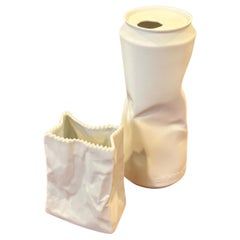
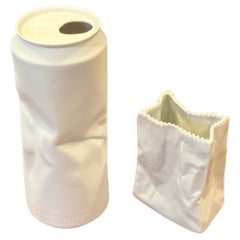
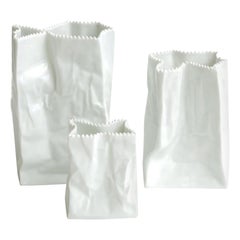
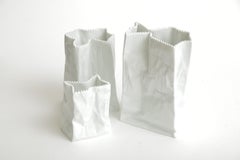
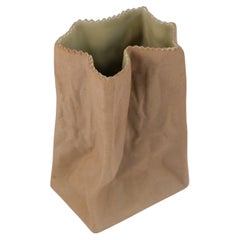
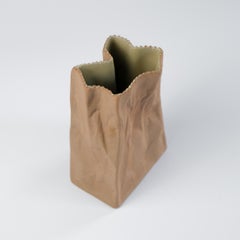
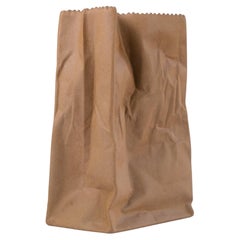
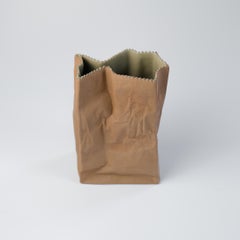
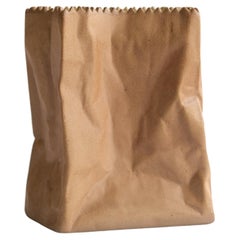
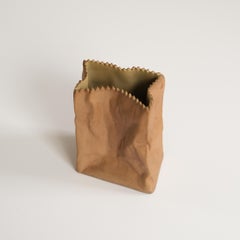
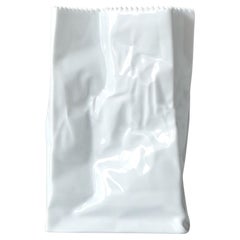
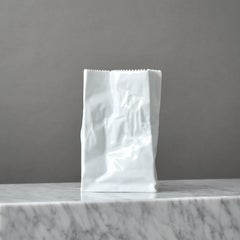
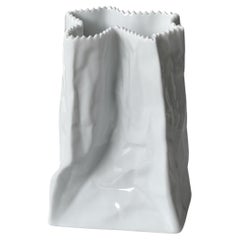
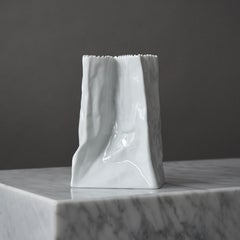
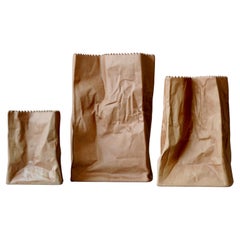
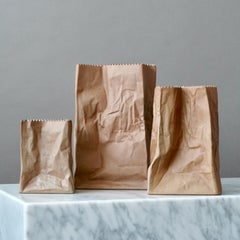
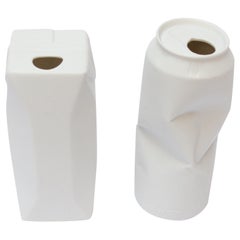
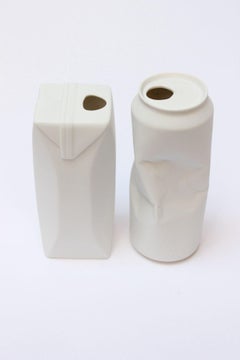
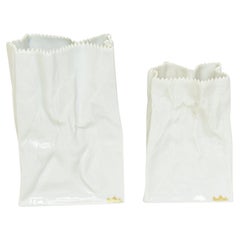
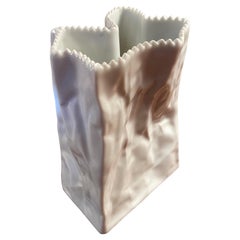
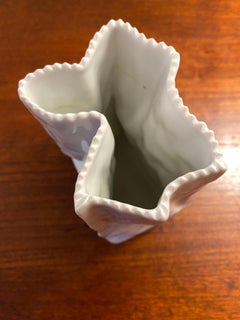
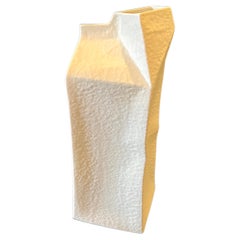
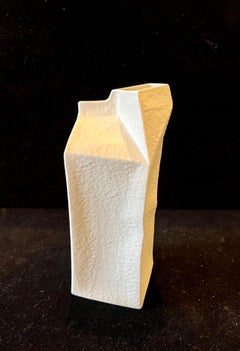
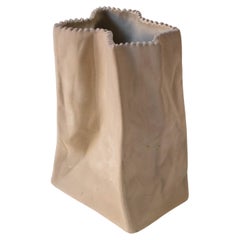
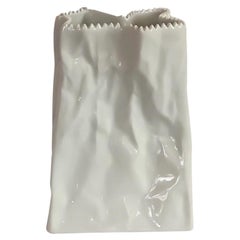
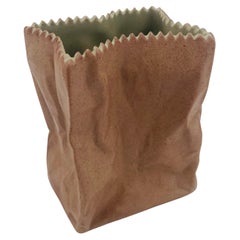
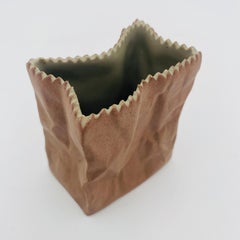
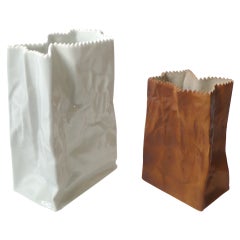
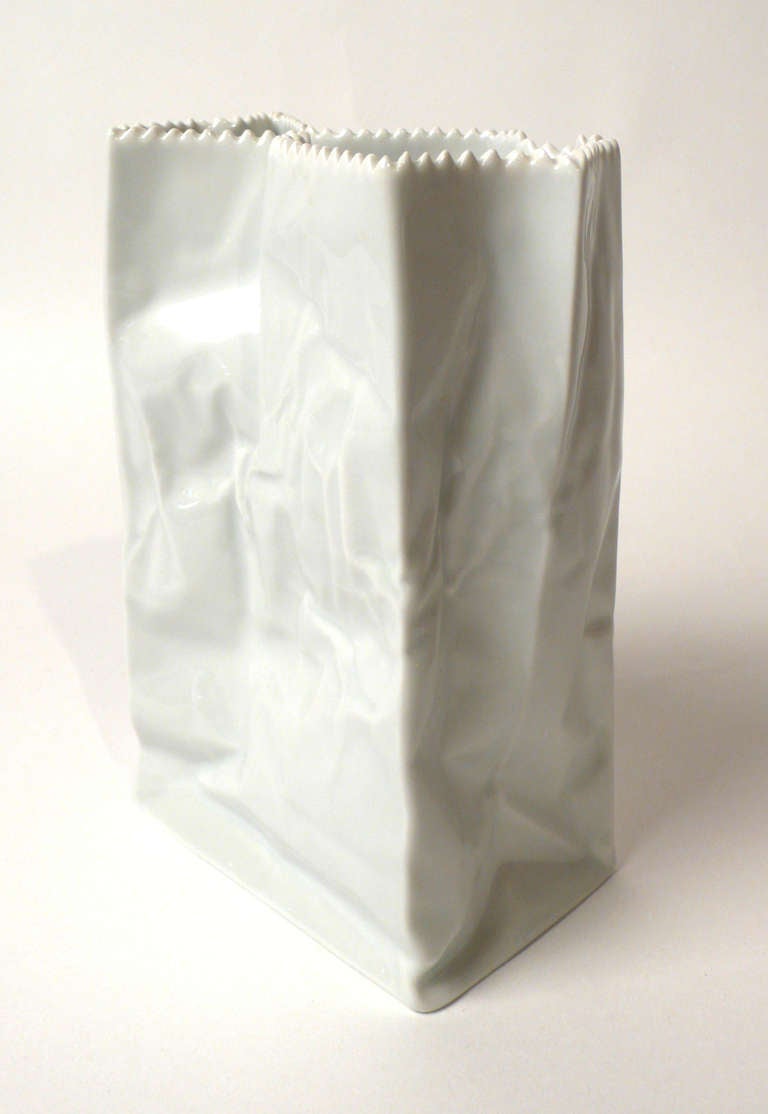
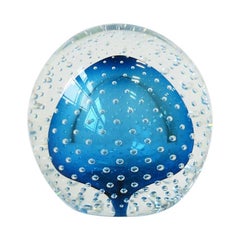
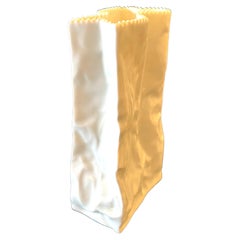
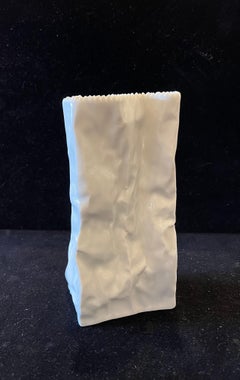
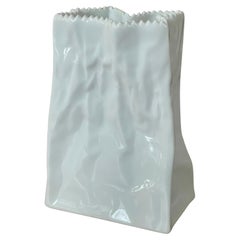
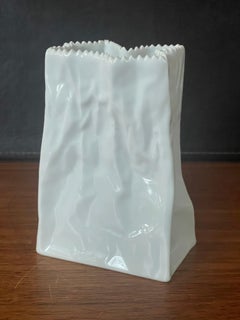
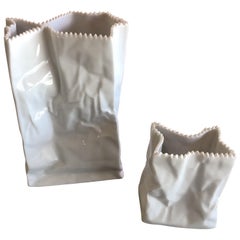
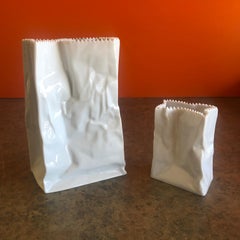
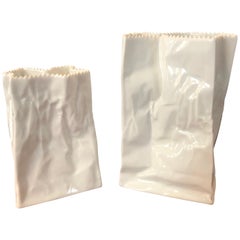
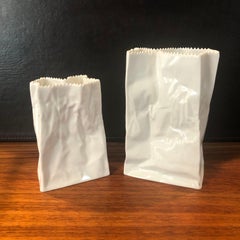
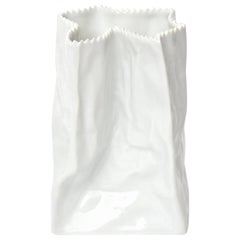
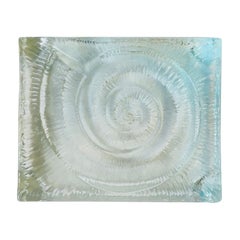
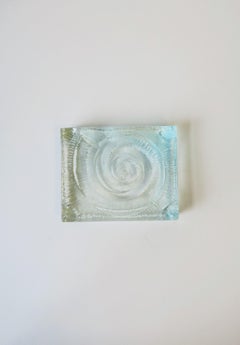
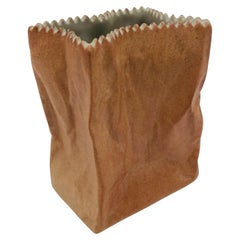
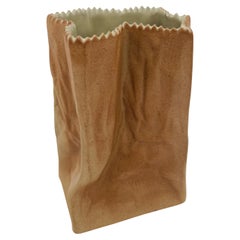
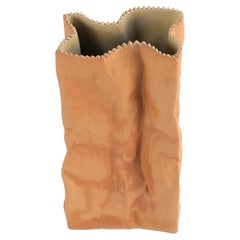
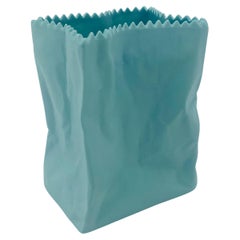
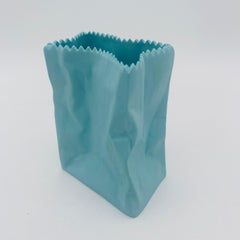
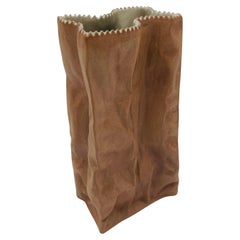
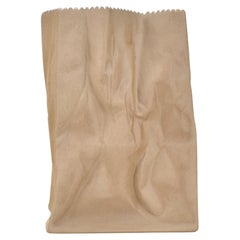
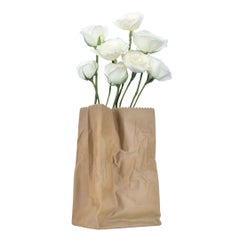
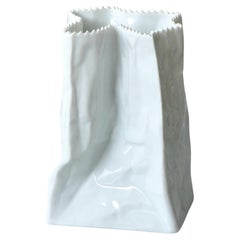
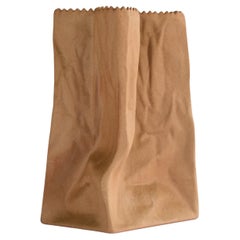
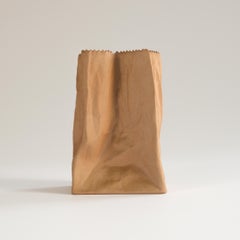
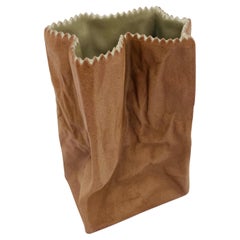
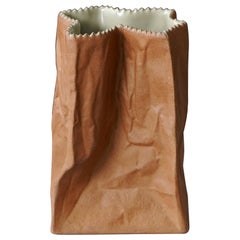
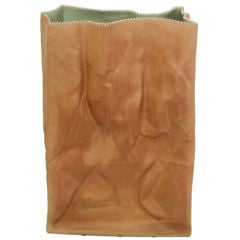
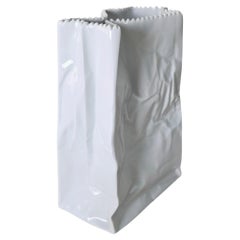
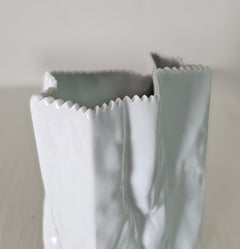
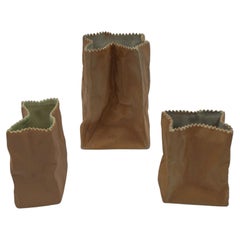
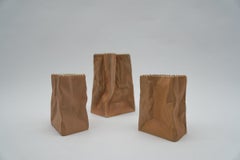
Find many varieties of an authentic do not litter available at 1stDibs. Frequently made of
ceramic,
porcelain and
metal, every do not litter was constructed with great care. There are 8 variations of the antique or vintage do not litter you’re looking for, while we also have 1 modern editions of this piece to choose from as well. There are many kinds of the do not litter you’re looking for, from those produced as long ago as the 18th Century to those made as recently as the 21st Century. Each do not litter bearing
mid-century modern,
Scandinavian Modern or
modern hallmarks is very popular.
Rosenthal and
Tapio Wirkkala each produced at least one beautiful do not litter that is worth considering.
Along with architect Alvar Aalto, the designer Tapio Wirkkala was Finland’s leading contributor to the Scandinavian interpretation of modernism in the mid-20th century. Prolific and innovative, Wirkkala excelled in a wide range of fields, including glass, furniture, porcelain, jewelry and tableware. The hallmark of his talent was an ability to impart a craft aesthetic based on natural forms — leaves, ice, bubbles, birds — to industrially produced designs.
A native of Helsinki, Wirkkala studied at the national School of Applied Arts and took up a career in graphic design. After serving in the Finnish army during World War II, he joined the glassmaking firm Iittala, an association that would continue to the end of his life. Wirkkala learned every aspect of glassmaking in keeping with his belief that an artist-designer should be involved in all stages of production. His best-known works for Iittala are vases and drinking vessels that resemble either carved ice or icicles. In 1956, Wirkkala began a long relationship with the porcelain maker Rosenthal, for whom he designed elegant table pieces, such as the Finlandia coffee service and the biomorphic Pollo vases.
House Beautiful magazine declared Wirkkala’s Leaf platter the “most beautiful object” of 1951. (The acclaim led to his brief employment stint with industrial designer Raymond Loewy in New York.) That platter was one of the first designs Wirkkala made using laminated sheets of plywood sanded to a smooth surface that resembles an abstract leaf. It would go on to become a motif in many Wirkkala furniture pieces — most notably in inlaid coffee tables for Asko — and in a sense these are the works most emblematic of his personal aesthetic.
Wirkkala was a traditionalist in many ways, but he had a modernist’s practical approach, incorporating his leaf-like spirals into simple, functional objects. That is the core attraction of Wirkkala’s designs: They stand out with a striking, sculptural energy yet blend in as part of a warm and comfortable decor.
Find vintage Tapio Wirkkala furniture on 1stDibs.
Every time you move into a house or an apartment — or endeavor to refresh the home you’ve lived in for years — life for that space begins anew. The right home accent, be it the simple placement of a decorative bowl on a shelf or a ceramic vase for fresh flowers, can transform an area from drab to spectacular. But with so many materials and items to choose from, it’s easy to get lost in the process. The key to styling with antique and vintage decorative objects is to work toward making a happy home that best reflects your personal style.
Ceramics are a versatile addition to any home. If you’ve amassed an assortment of functional pottery over the years, think of your mugs and salad bowls as decorative objects, ideal for displaying in a glass cabinet. Vintage ceramic serveware can pop along white open shelving in your dining area, while large stoneware pitchers paired with woven baskets or quilts in an open cupboard can introduce a rustic farmhouse-style element to your den.
Translucent decorative boxes or bowls made of an acrylic plastic called Lucite — a game changer in furniture that’s easy to clean and lasts long — are modern accents that are neutral enough to dress up a coffee table or desktop without cluttering it. If you’re showcasing pieces from the past, a vintage jewelry box for displaying your treasures can spark conversation: Where is the jewelry box from? Is there a story behind it?
Abstract sculptures or an antique vessel for your home library can draw attention to your book collection and add narrative charm to the most appropriate of corners. There’s more than one way to style your bookcases, and decorative objects add a provocative dynamic. “I love magnifying glasses,” says Alex Assouline, global vice president of luxury publisher Assouline, of adding one’s cherished objects to a home library. “They are both useful and decorative. Objects really elevate libraries and can also make them more personal.”
To help with personalizing your space and truly making it your own, find an extraordinary collection of decorative objects on 1stDibs.