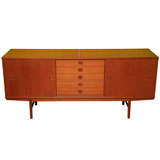
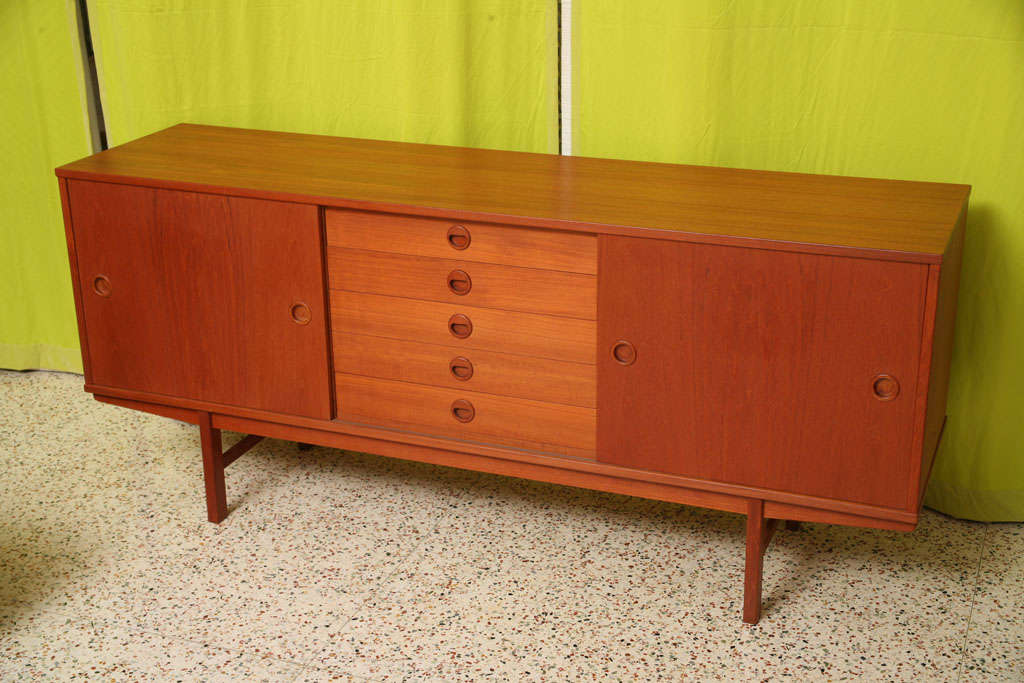
Fine Dux Teak Mid-Century Sideboard Credenza Sweden
Located in Miami, FL
SOLD AUG 2010 Swedish Modern rocks! This Dux teak sideboard credenza features five centered
Category
Fine Dux Teak Mid-Century Sideboard Credenza Sweden
Located in Miami, FL
SOLD AUG 2010 Swedish Modern rocks! This Dux teak sideboard credenza features five centered
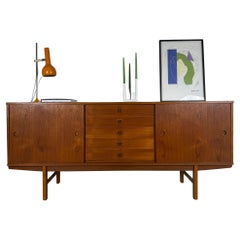
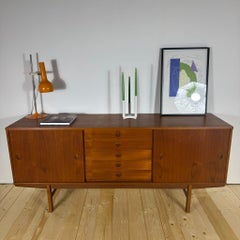
Teak sideboard by Yngve Ekstrom for Dux
By Yngve Ekström, Dux of Sweden
Located in Torino, IT
Straordinaria madia in teak disegnata da Yngve Ekstrom per DUX, Svezia, anni Cinquanta. Questo
Teak
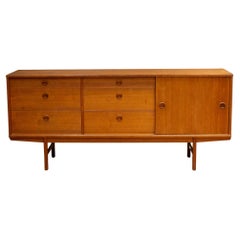
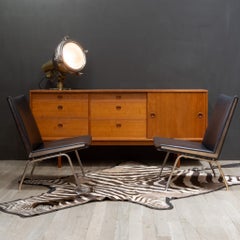
Midcentury Teak DUX Sweden Credenza/Sideboard, c.1960
By Dux of Sweden
Located in San Francisco, CA
ABOUT Revive your midcentury decor with this vintage DUX credenza/sideboard from Sweden c.1960
Walnut
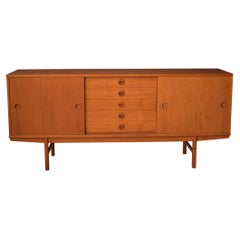
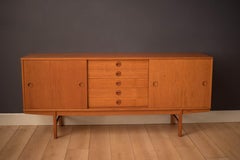
Mid-Century Modern Teak Sideboard Credenza by Dux of Sweden
By Dux of Sweden
Located in San Jose, CA
Mid-Century Modern sideboard in teak manufactured by Dux of Sweden, circa 1960s. This piece
Teak
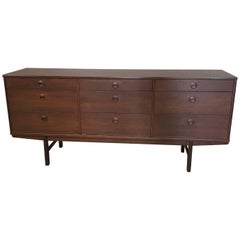
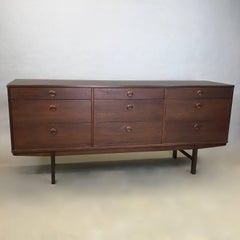
Danish Modern Teak Sideboard Credenza by Folke Ohlsson for DUX
By Dux of Sweden, Folke Ohlsson
Located in Brooklyn, NY
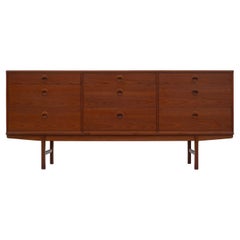
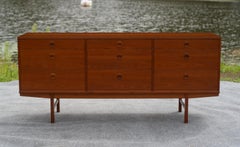
Danish modern, credenza, sideboard by Folke Ohlsson for DUX features his signature recessed pulls
Teak
Sold
H 31 in W 71 in D 18.5 in
Folke Ohlsson for DUX Swedish Teak 9-Drawer Mid Century Modern Dresser Sideboard
By Dux of Sweden, Folke Ohlsson
Located in Philadelphia, PA
Designed by Folke Ohlsson, this dresser or sideboard was made in the 1960s by DUX of Sweden. It
Teak
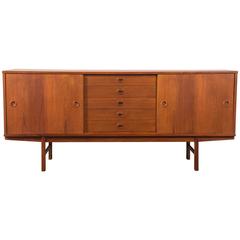

Vintage Mid-Century Sideboard by Yngve Ekstrom for Dux
By Yngve Ekström, Dux of Sweden
Located in San Francisco, CA
This Scandinavian Modern teak credenza was designed by Yngve Ekstrom for Dux's Carmel Collection
Teak
Today, Swedish manufacturer DUX’s most popular furniture lines — as well as the furnishings created by its first president, Folke Ohlsson — are synonymous with the work that vintage mid-century modern design obsessives love. Also important, the brand is known for some of the most commonplace means of furniture shipping and production in the modern era.
In Sweden, Studio Ljungs Industrier AB is the large family-owned parent company of Duxiana (in America, DUX). Initially a purveyor of bedding that is today celebrated for its ergonomically guided designs, Ljungs Industrier was founded by entrepreneur (and chocolate maker) Efraim Ljung in 1926. In 1950, Folke Ohlsson, then leading Ljungs Industrier’s design team, decamped to the States to explore how he could expand DUX’s business, which at that point included a wide range of furniture. Ohlsson established a DUX office not long after he arrived in California, first in San Francisco and later in Burlingame.
On the West Coast, the booming postwar American market was eager to embrace DUX’s affordable and practical bedroom furnishings, tables, armchairs and other seating. Characterized by sleek walnut and teak frames and low-slung silhouettes, the brand’s designs were emblematic of a generation of Scandinavian modernism that had gained popularity owing to visionaries such as product designer and architect Greta Magnusson-Grossman, who arrived in California from Sweden a decade prior to Ohlsson, and Finn Juhl, who created a Danish modern line for Michigan’s Baker Furniture Company in 1951.
DUX frequently collaborated with top-tier furniture design talent — among them Bruno Mathsson, Edward Wormley and Alf Svensson, a chief designer in the Malmö, Sweden, office of Ljungs Industrier — expanding the brand’s portfolio and establishing credibility as a design source. Ohlsson’s own designs, such as his comfortable leather lounges and wool-upholstered reclining rocking chairs, continue to be among the brand’s most desirable — and most imitated — however.
In 1949, DUX put into practice an idea that Ohlsson patented for the so-called “knock-down,” or “KD,” chair, a term referencing easy, flat-pack assembly. It saved DUX space in warehouses and money on transportation and was a concept that would provide inspiration to hundreds of subsequent companies — most notably fellow Swedish brand IKEA.
Today, vintage DUX sofas and dining chairs are valuable collector’s items. Find this coveted seating and other authentic DUX furniture on 1stDibs.
An antique or vintage sideboard today is a sophisticated and stylish component in sumptuous dining rooms of every shape, size and decor scheme, as well as a statement of its own, showcased in art galleries and museums.
Once simply boards made of wood that were used to support ceremonial dining, sideboards have taken on much greater importance as case pieces since their modest first appearance. In Italy, the sideboard was basically a credenza, a solid furnishing with cabinet doors. It was initially intended as an integral piece of any dining room where the wealthy gathered for meals in the southern European country.
Later, in England and France, sideboards retained their utilitarian purpose — a place to keep hot water for rinsing silverware and from which to serve cold drinking water — but would evolve into double-bodied structures that allowed for the display of serveware and utensils on open shelves. We would likely call these buffets, as they’re taller than a sideboard. (Trust us — there is an order to all of this!)
The sideboard is often deemed a buffet in the United States, from the French buffet à deux corps, which referred to a storage and display case. However, a buffet technically possesses a tiered or shelved superstructure for displaying attractive kitchenware and certainly makes more sense in the context of buffet dining — abundant meals served for crowds of people.
Every imaginable iteration of the sideboard has taken shape over the years. Furniture maker and artist Paul Evans, whose work has been the subject of various celebrated museum exhibitions, created ornamented, welded and patinated sideboards for Directional Furniture, collections such as the Cityscape series that speak to his place in revolutionary brutalist furniture design as much as they echo the origins of these sturdy, functional structures centuries ago.
If mid-century modern sideboards or vintage Danish sideboards are more to your liking than an 18th-century mahogany sideboard with decorative inlays in the Hepplewhite style, the particularly elegant pieces crafted by designers Hans Wegner, Edward Wormley or Florence Knoll are often sought by today’s collectors.
Whether you have a specific era or style in mind or you’re open to browsing a vast collection to find the right fit, 1stDibs has a variety of antique and vintage sideboards to choose from.