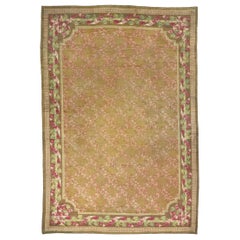
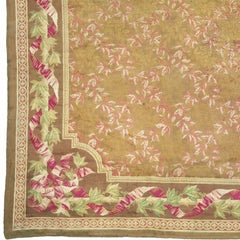
Mid-19th Century English Axminster Rug
Located in New York, NY
England, circa 1830 Handwoven Wilton carpet, Regency period Measures: 24'6" x 16'9" (747 x 511
Category
Antique Mid-19th Century English Regency Western European Rugs
Materials
Wool
Mid-19th Century English Axminster Rug
Located in New York, NY
England, circa 1830 Handwoven Wilton carpet, Regency period Measures: 24'6" x 16'9" (747 x 511
Wool
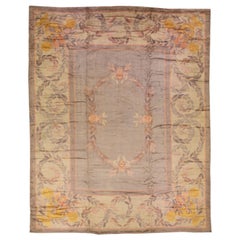
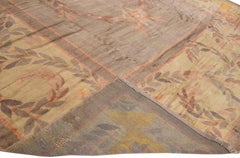
$12,750Sale Price|25% Off
W 177 in L 224 in
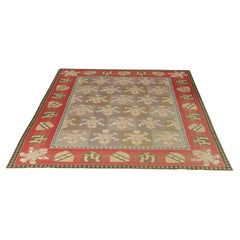
Vintage English Donegal Handmade Gray & Tan Designed Wool Rug
Located in Norwalk, CT
Beautiful vintage English Donegal hand-knotted wool rug with a gray color field. This piece has a
Wool
Smaller 19th Century English Needlepoint Carpet
Located in Shipston-On-Stour, GB
Large decorative late 19th Century English needlepoint tapestry carpet. The chequerboard centre
Wool
Bessarabian Rug, 1810
Located in New York, NY
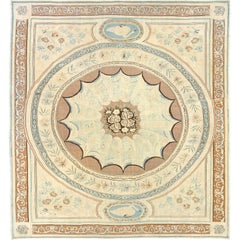
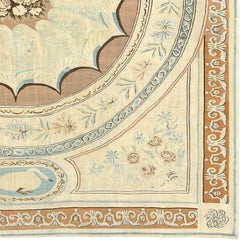
Bessarabian rug, 1810 Russia, circa 1810 Tapestry woven carpet Imperial Tapestry Factory, St. Petersburg Having an Adamesque central medallion on a warm caramel ground, with swan...
Wool
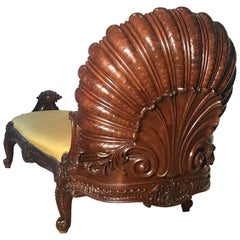
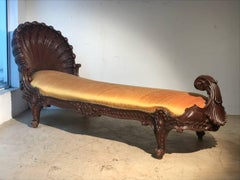
Liceu de Artes e Ofícios. 19th Century Daybed
Located in Sao Paulo, SP
This recamier/daybed was conceived and executed with utmost quality and expertise, showing a style that incorporates many influences from the eigtheenth and ninetheenth century. Made...
Wood
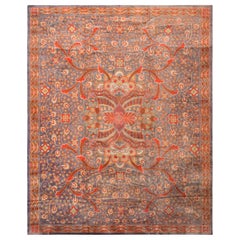
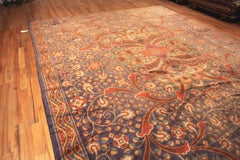
Antique Irish Arts And Crafts Rug. 13 ft x 16 ft 2 in
Located in New York, NY
Beautiful Large Antique Irish Arts And Crafts Donegal Rug, Country Of Origin : Ireland, Circa Date: 1920 – Donegal Carpets was founded in 1898 by Alexander Morton. He was a textile m...
Wool
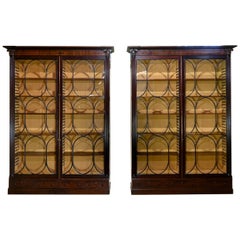
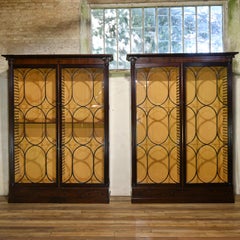
$127,927 / set
H 105.91 in W 72.05 in D 16.93 in
Pair of Monumental Regency Oval Astral Glazed Mahogany Library Bookcases, c.1810
Located in Basingstoke, Hampshire
An extraordinary near pair of oversized Regency astral glazed library bookcases c.1810. Demonstrating a remarkable pair of full-length oval astragal glazed doors to each - with car...
Mahogany, Pine
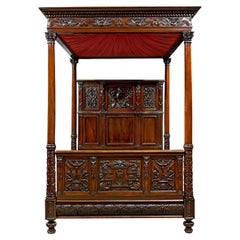
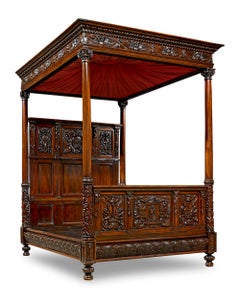
Oak and Walnut Tester Bed
Located in New Orleans, LA
This lavish American oak and walnut tester bed exhibits superior craftsmanship and detail. The design is embellished by elaborate carving throughout in a neoclassical motif the inclu...
Silk, Mahogany, Oak, Walnut
$28,000Sale Price|25% Off
W 135 in L 183 in
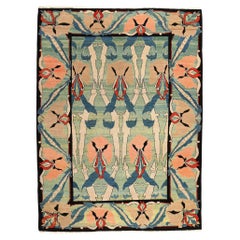
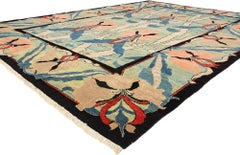
1950's Irish Donegal Biophilic Wool Rug Inspired by CFA Voysey & William Morris
By William Morris (English), Charles Voysey
Located in Dallas, TX
78758 Vintage Irish Donegal Rug Inspired by William Morris, 11'03 x 15'03. Irish Donegal rugs, originating from County Donegal, Ireland, are celebrated for their thick pile, intricat...
Wool
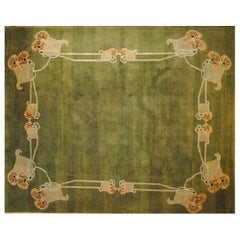
Donegal Liberty Rug Dark Olive Ground
By Archibald Knox
Located in Firenze, IT
Irish carpets have a long and proud tradition. Their most famous carpets come from a city called Donegal in Ireland. Over the years Donegal Carpets has become a trademark of handmade...
Wool
$450,000 / set
H 24.41 in Dm 11.82 in
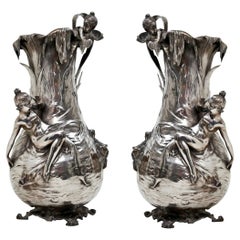
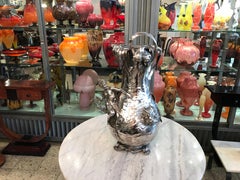
Pair of Big Vases Wmf, German, 1910 in Silver Plated, Jugendstil, Art Nouveau
By WMF Württembergische Metallwarenfabrik
Located in Ciudad Autónoma Buenos Aires, C
2 Vases WMF Signs: Page: 371 in the Book – Art Nouveau Domestic Metalwork from WMF Wurttembergische Metallwarenfabrik: The English Catalogue 1906 Hardcover. WMF G: Introduces on ...
Metal
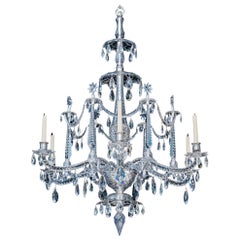
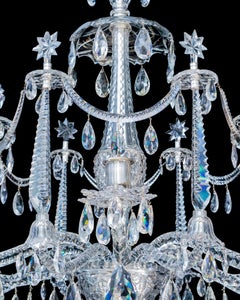
Highly Important George III Period Chandelier by Christopher Haedy
Located in Steyning, West sussex
The slender baluster shaped shaft divided by drop hung canopies. The unusual shallow candle arms are interspersed with others, shorter, surmounted with pagoda canopies, triangular no...
Cut Glass
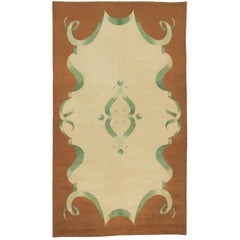
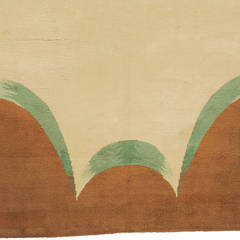
20th Century French Art Deco Carpet
By André Arbus
Located in New York, NY
France, circa 1937 Savonnerie, Art Deco Attributed to Andre Arubs
Wool
$110,000
H 33.5 in W 21.5 in D 23 in
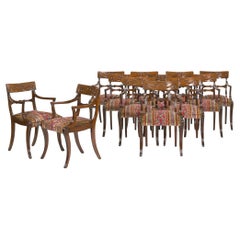
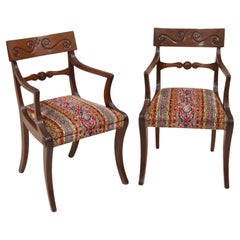
Rare Full Set Of 12 Regency Period Carved Mahogany Elbow Dining Armchairs Seats
Located in West Hollywood, CA
Rare Full Set Of 12 Regency Period Carved Mahogany Elbow Dining Armchairs Seats. All 12 Mahogany Chairs are armchairs CIRCA 1820 . A Curved bar crest rails with S Scroll Carving with...
Fabric, Wood, Mahogany
$195,257
H 28.35 in W 63.39 in D 239.77 in
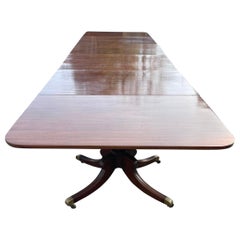
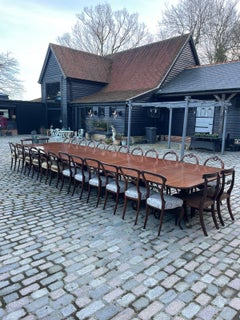
Rare 28 seater 6 pilar Antique Quality Mahogany Dining Table 72 x 161 x 609 cm
Located in Suffolk, GB
Rare 28 seater 6 pilar antique George III quality mahogany dining table having a large quality figured mahogany top supported by six turned shaped pedestal columns. Each pedestal co...
Other
Original Georg Jensen Silver Six Light Chandelier 307
By Johan Rohde, Georg Jensen
Located in Hellerup, DK
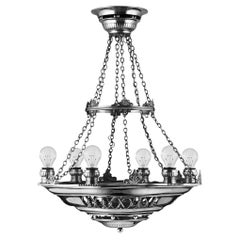
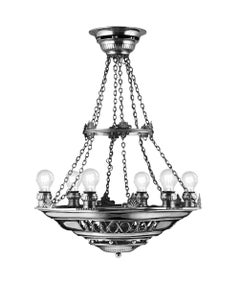
Considered the rarest piece of Georg Jensen on the open market and perhaps in the world; The original Georg Jensen silver six light chandelier #307, designed by Johan Rohde in 1918. ...
Sterling Silver
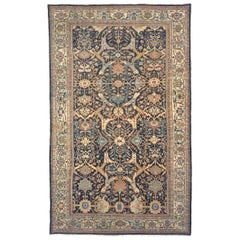

Late 19th Century Persian Ziegler Sultanabad Rug
Located in New York, NY
Persia ca. 1880 Measures: 22'3" x 13'4" (678 x 406 cm) Handwoven.
Wool
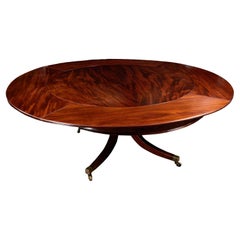
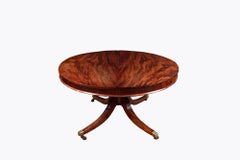
19th Century Jupe Circular Mahogany Extending Dining Table
By Robert Jupe
Located in Dublin 8, IE
19th Century Jupe circular extending mahogany dining table retaining the original quarter round extending leaves allowing it to expand in diameter. The top supported by a turned balu...
Brass
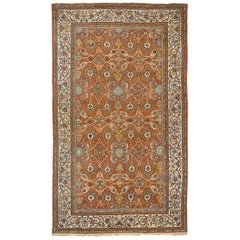

Late 19th Century Persian Ziegler Sultanabad Rug
Located in New York, NY
North-West Persia ca. 1890 Measures: 21'10" x 12'7" (665 x 384 cm) Handwoven.
Wool
Like France’s Empire style, Regency-style furniture was rooted in neoclassicism; the characteristics of its bedroom furniture, armchairs, dining room tables and other items include clean lines, angular shapes and elegant details.
Dating roughly from the 1790s to 1830s, antique Regency-style furniture gets its name from Prince George of Wales — formally King George IV — who became Prince Regent in 1811 after his father, George III, was declared unfit to rule. England’s Regency style is one of the styles represented in Georgian furniture.
George IV’s arts patronage significantly influenced the development of the Regency style, such as the architectural projects under John Nash, which included the renovation of Buckingham House into the formidable Buckingham Palace with a grand neoclassical facade. Celebrated designers of the period include Thomas Sheraton, Henry Holland and Thomas Hope. Like Nash, Hope instilled his work with classical influences, such as saber-legged chairs based on the ancient Greek klismos. He is credited with introducing the term “interior decoration” to English with the 1807 publishing of Household Furniture and Interior Decoration.
Although more subdued than previous styles like Rococo and Baroque, Regency interiors incorporated copious use of chintz fabrics and wallpaper adorned in chinoiserie-style art. Its furniture featured fine materials and luxurious embellishments. Furniture maker George Bullock, for instance, regularly used detailed wood marquetry and metal ornaments on his pieces.
Archaeological discoveries in Egypt and Greece informed Regency-era details, such as carved scrollwork, sphinxes and palmettes, as well as the shape of furniture. A Roman marble cinerary chest, for example, would be reinterpreted into a wooden cabinet. The Napoleonic Wars also inspired furniture, with martial designs like tented beds and camp-style chairs becoming popular. While the reddish-brown mahogany was prominent in this range of pieces, imported woods like zebrawood and ebony were increasingly in demand.
Find a collection of antique Regency tables, seating, decorative objects and other furniture on 1stDibs.
Good antique rugs and vintage rugs have made their way into homes across the globe, becoming fixtures used for comfort, prayer and self-expression, so choosing the right area rug is officially a universal endeavor.
In modern usage, “carpet” typically denotes a wall-to-wall floor cushioning that is fixed to the floor. Rugs, on the other hand, are designed to cover a specific area and can easily be moved to new locations. However, the terms are interchangeable in many parts of the world, and, in the end, it won’t matter what you decide to call it.
It’s well known that a timeless Persian rug or vintage Turkish rug can warm any interior, but there are lots of other styles of antique rugs to choose from when you're endeavoring to introduce fresh colors and textures to a bedroom or living room.
Moroccan Berber rugs are not all about pattern. In fact, some of the most striking examples are nearly monochrome. But what these rugs lack in complexity, they make up for in brilliant color and subtle variation. Moroccan-style interiors can be mesmerizing — a sitting room of this type might feature a Moroccan rug, carved wooden screens and a tapestry hung behind the sofa.
Handwoven kilim rugs, known for their wealth of rich colors and unique weaving tradition, are pileless: Whereas the Beni Ourain rugs of Morocco can be described as dense with a thick surface or pile, an authentic kilim rug is thin and flat. (The term “kilim” is Turkish in origin, but this type of textile artistry is practiced all across the Balkans, throughout the Arab world and elsewhere.)
When it comes to eye-catching floor coverings, the distinctive “medallion” pattern of Oushak rugs has two types of rounded shapes alternating against a rich red or blue background created with natural dyes, while the elaborate “star” pattern involves large eight-pointed shapes in diagonal rows alternating with diamonds.
If you’re looking for something unexpected, find a runner rug that pops in your hallway or on your stairs. Dig for dazzling geometric patterns in our inventory of mid-century modern rugs and carpets, which includes works designed by the likes of Swedish textile masters Märta Måås-Fjetterström, Marianne Richter and other artisans.
Carpets and rugs have been around for thousands of years. Prehistoric humans turned to animal skin, wool and fur to craft simple fabrics to soften hard terrain. A 2016 study suggests that "cave lions" were hunted for exactly this purpose, and that decorating your cave with their pelts may have conferred strength and prestige. Although many of these early textiles are still in existence, tracing their precise origins is difficult. Carpets quickly became such a valuable trade commodity that the weavings could easily travel far from their places of origin.
The oldest known carpet was found in southern Siberia. (It may have traveled there from Persepolis in Iran.) For the flat-weave floor rugs crafted by Native Americans, cotton was the primary material before sheep’s wool was introduced in the 16th century. In Europe, carpet-making was fundamental to folk art, and Asian carpets imported to European countries were at one time considered a precious luxury and not intended to remain permanently on the floor.
With the variety of area rugs and carpets rolled out for you on 1stDibs — a collection that includes traditional, modern, minimalist rugs and other coverings of all kinds — things will be looking up whenever you’re looking down.