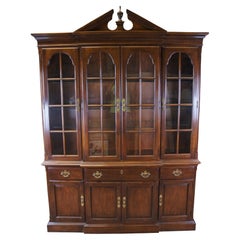
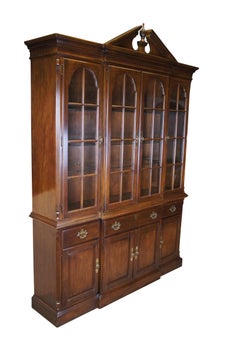
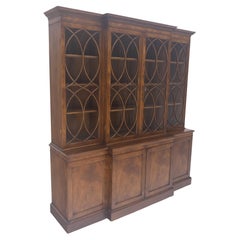
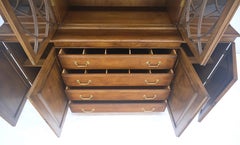
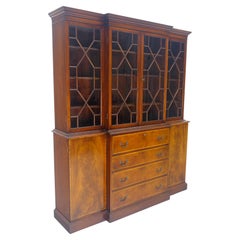
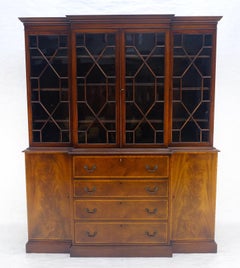
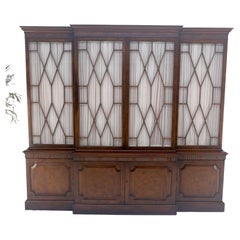
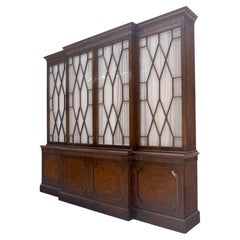
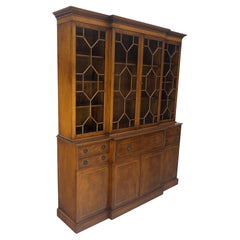
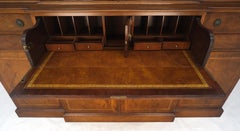
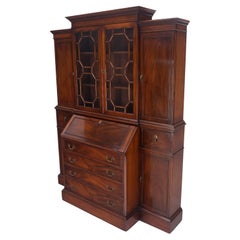
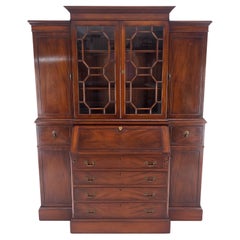
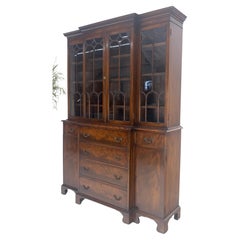
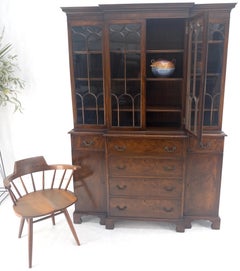
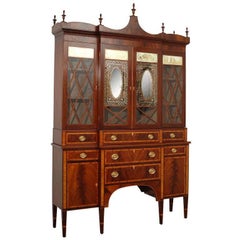
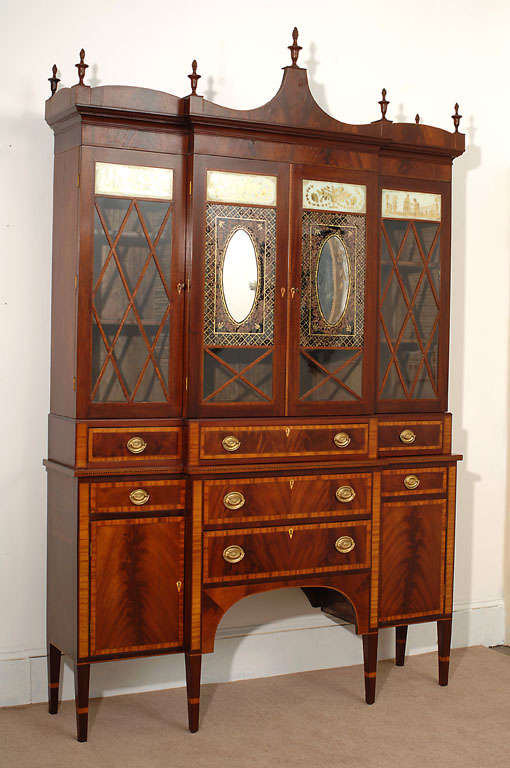
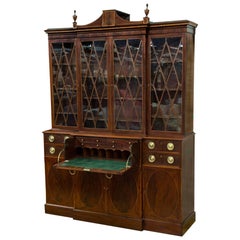
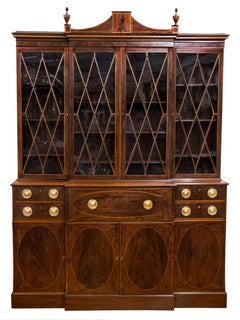
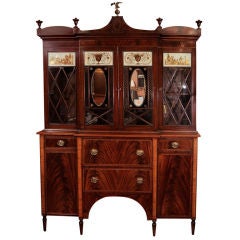
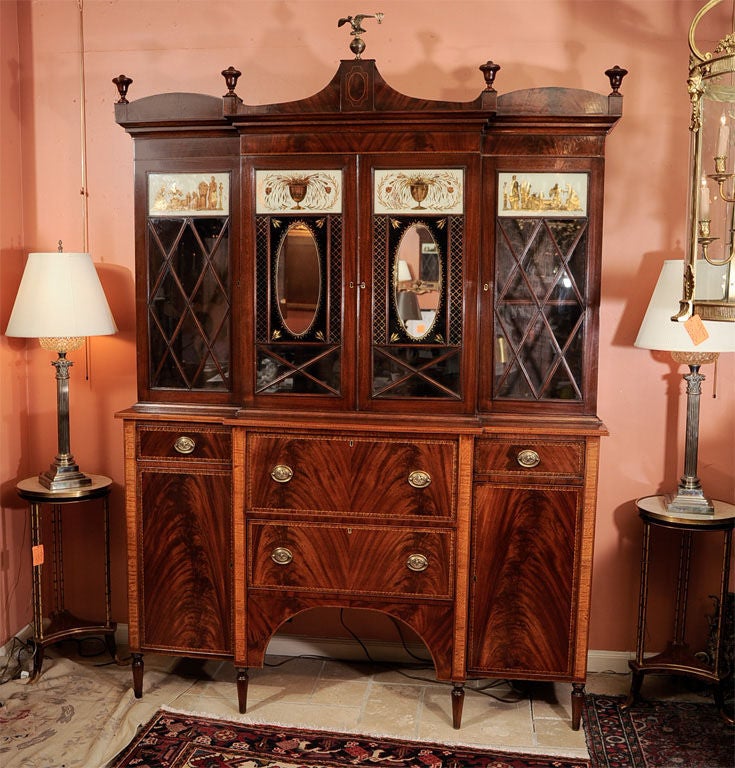
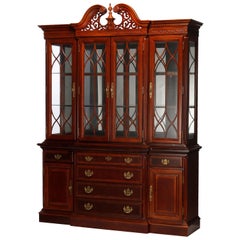
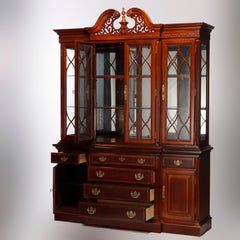
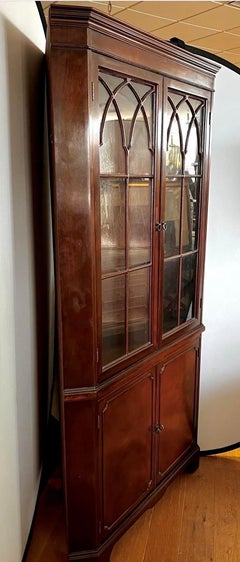
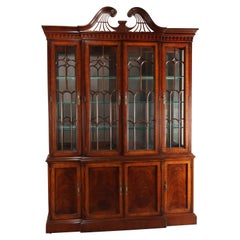
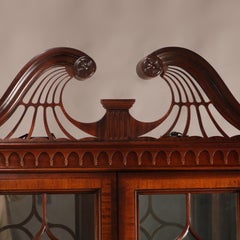
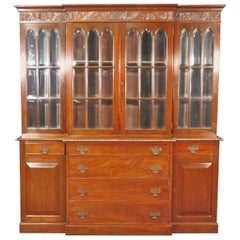
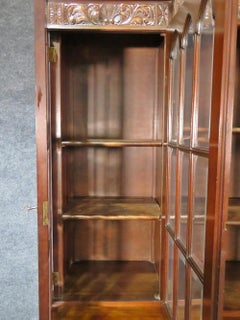
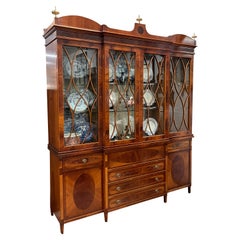
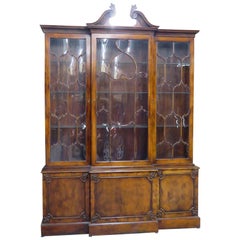
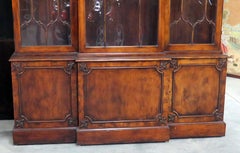
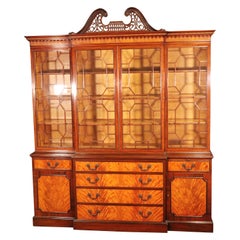
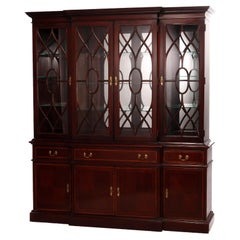
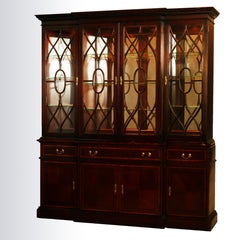
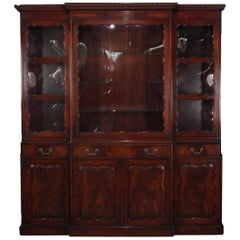
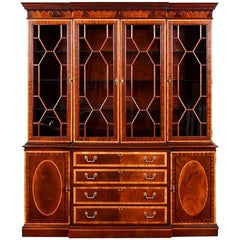
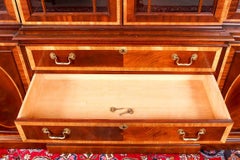
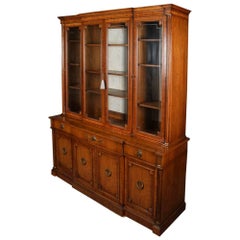
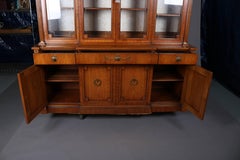
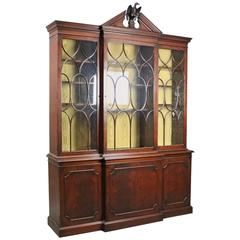
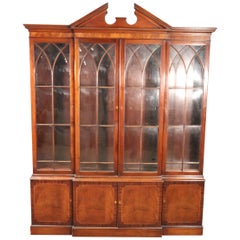
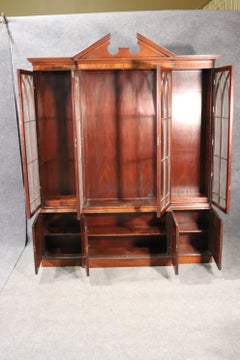
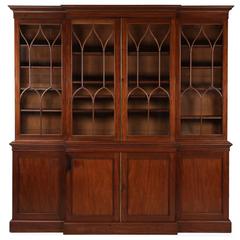
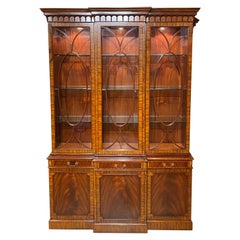
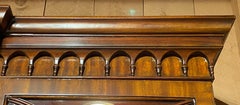
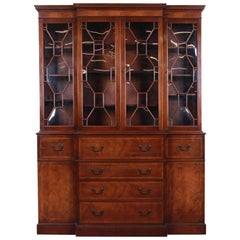
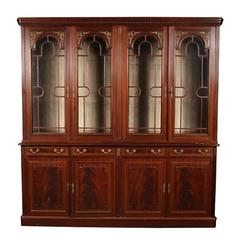
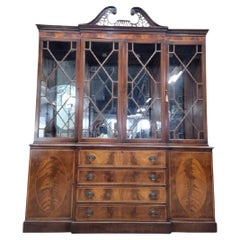
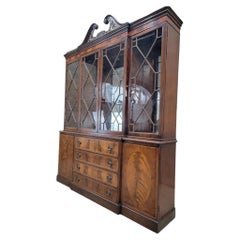
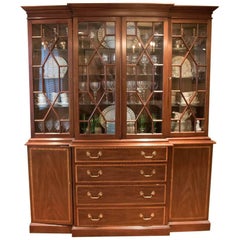
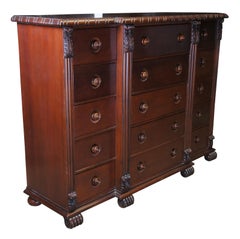
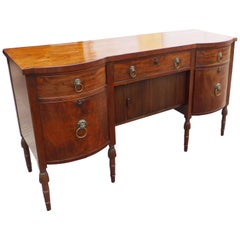
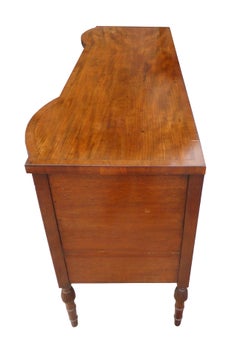
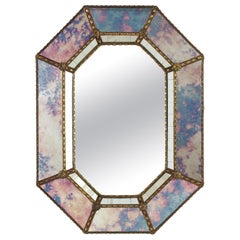
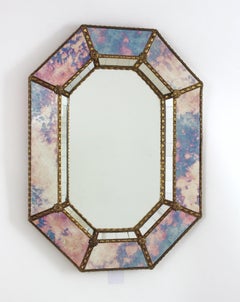
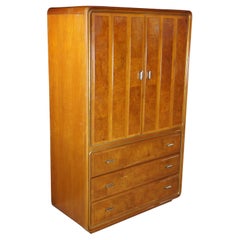
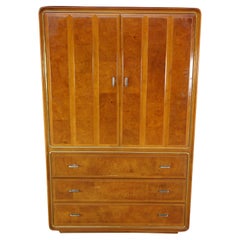
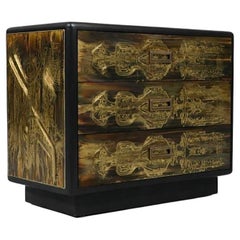
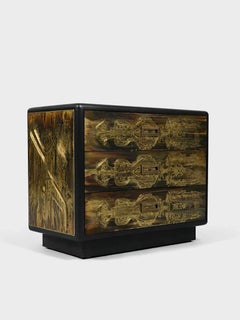
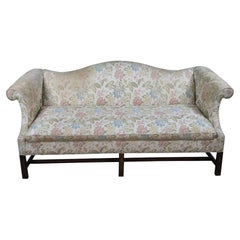
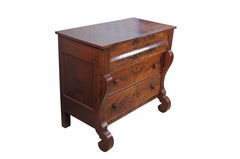
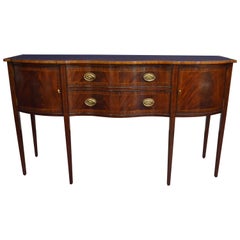
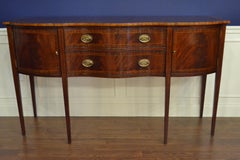
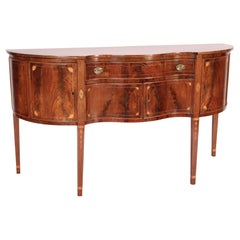
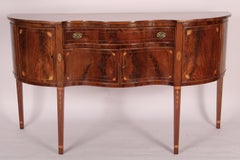
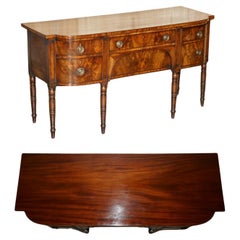
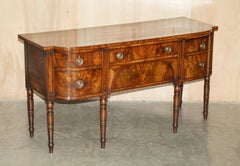
With a vast inventory of beautiful furniture at 1stDibs, we’ve got just the federal breakfront you’re looking for. A federal breakfront — often made from
wood,
mahogany and
glass — can elevate any home. Whether you’re looking for an older or newer federal breakfront, there are earlier versions available from the 19th Century and newer variations made as recently as the 20th Century. When you’re browsing for the right federal breakfront, those designed in styles are of considerable interest. You’ll likely find more than one federal breakfront that is appealing in its simplicity, but
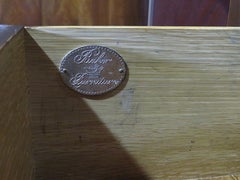
Baker Furniture Company,
Charak Furniture Company and
Grosfeld House produced versions that are worth a look.
Following the Revolutionary War, the American republic referenced the Roman Republic in its designs to celebrate its independence and declare itself a powerful new country. Imbued with neoclassical elements like those being promoted by architect Robert Adam in Great Britain, antique Federal-style furniture was the first distinctly American style in its melding of ancient influences, European aesthetics and national pride.
Dating roughly from 1790 to 1830, the style featured angular furniture with saber legs and smooth surfaces that contrasted with the curvy Rococo style that was previously in fashion. Eagles were common ornamental motifs on Federal-period furniture, as were cornucopia, lyres, garlands and scrolls, adding subtle flair to pieces characterized by clean lines, geometric symmetry, balanced shapes and a sense of grandeur.
Instead of sculptural carvings, authentic Federal-style furniture was adorned with inlays and patterned veneers that showcased the rich character of different grains and types of wood. As social life tended to be informal in the young country, furniture was often lightweight, so it could be easily rearranged in a drawing room or bedroom. Pieces like dining tables with drop leaves and sideboards became popular, replacing larger chests of drawers.
The Federal style varied by region: Artisans in Charleston, South Carolina, decorated chairs with carved backs, for instance, while those in Baltimore, Maryland, preferred painted details. Its major proponents included father-and-son cabinetmakers John and Thomas Seymour in Boston, Duncan Phyfe and Charles-Honoré Lannuier in New York and Samuel McIntire in Salem, Massachusetts.
Find antique Federal tables, mirrors, storage cabinets and other Federal furniture for sale on 1stDibs.
Of all the vintage storage cabinets and antique case pieces that have become popular in modern interiors over the years, dressers, credenzas and cabinets have long been home staples, perfect for routine storage or protection of personal items.
In the mid-19th century, cabinetmakers would mimic styles originating in the Louis XIV, Louis XV and Louis XVI eras for their dressers, bookshelves and other structures, and, later, simpler, streamlined wood designs allowed these “case pieces” or “case goods” — any furnishing that is unupholstered and has some semblance of a storage component — to blend into the background of any interior.
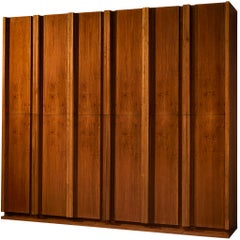
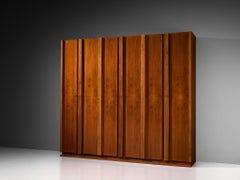
Mid-century modern furniture enthusiasts will cite the tall modular wall units crafted in teak and other sought-after woods of the era by the likes of George Nelson, Poul Cadovius and Finn Juhl. For these highly customizable furnishings, designers of the day delivered an alternative to big, heavy bookcases by considering the use of space — and, in particular, walls — in new and innovative ways. Mid-century modern credenzas, which, long and low, evolved from tables that were built as early as the 14th century in Italy, typically have no legs or very short legs and have grown in popularity as an alluring storage option over time.
Although the name immediately invokes images of clothing, dressers were initially created in Europe for a much different purpose. This furnishing was initially a flat-surfaced, low-profile side table equipped with a few drawers — a common fixture used to dress and prepare meats in English kitchens throughout the Tudor period. The drawers served as perfect utensil storage. It wasn’t until the design made its way to North America that it became enlarged and equipped with enough space to hold clothing and cosmetics. The very history of case pieces is a testament to their versatility and well-earned place in any room.
In the spirit of positioning your case goods center stage, decluttering can now be design-minded.
A contemporary case piece with open shelving and painted wood details can prove functional as a storage unit as easily as it can a room divider. Alternatively, apothecary cabinets are charming case goods similar in size to early dressers or commodes but with uniquely sized shelving and (often numerous) drawers.
Whether you’re seeking a playful sideboard that features colored glass and metal details, an antique Italian hand-carved storage cabinet or a glass-door vitrine to store and show off your collectibles, there are options for you on 1stDibs.