German Lamp Pottery
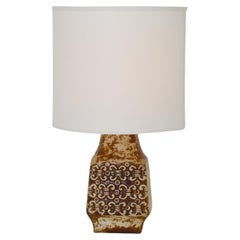
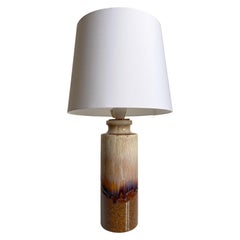
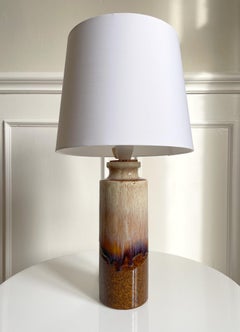
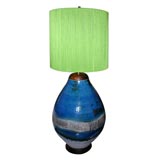
Mid-20th Century German Mid-Century Modern Table Lamps
Ceramic
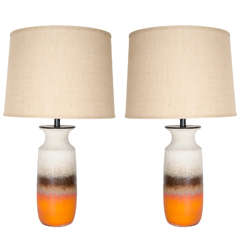
Vintage 1970s German Mid-Century Modern Table Lamps
Ceramic
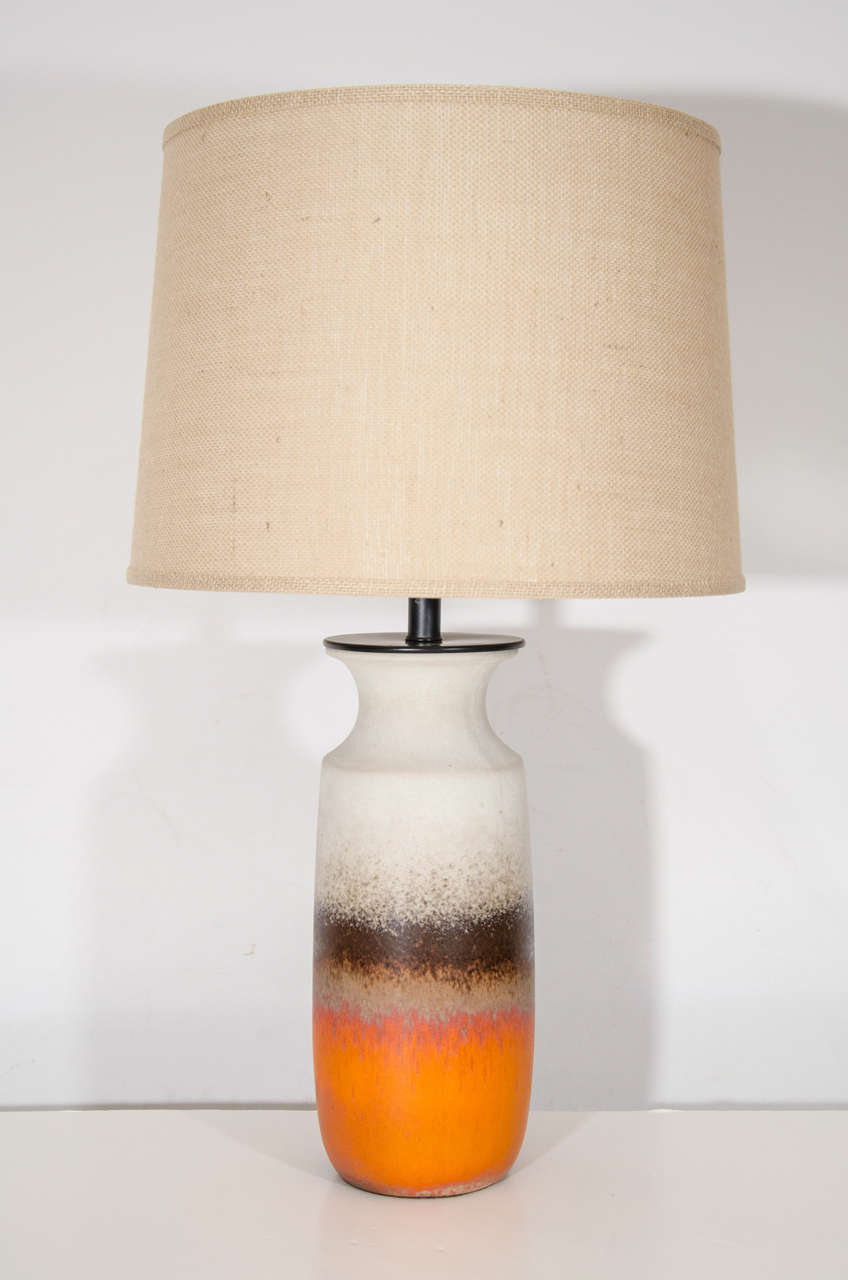
Mid-20th Century German Mid-Century Modern Table Lamps
Ceramic, Fabric
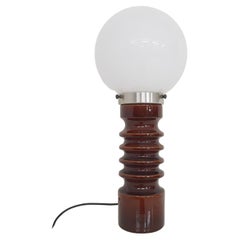
Vintage 1960s German Mid-Century Modern Table Lamps
Ceramic, Cotton, Fabric
Vintage 1970s German Mid-Century Modern Table Lamps
Ceramic
20th Century German Post-Modern Candle Lamps
Ceramic
Mid-20th Century German Mid-Century Modern Table Lamps
Ceramic
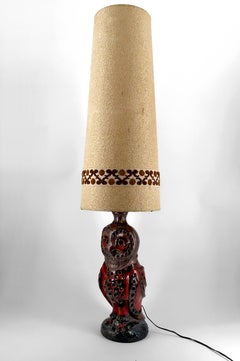
Vintage 1970s German Mid-Century Modern Floor Lamps
Ceramic
Vintage 1970s German Mid-Century Modern Floor Lamps
Ceramic
Vintage 1960s Spanish Mid-Century Modern Table Lamps
Brass
Vintage 1970s German Mid-Century Modern Table Lamps
Ceramic
Vintage 1970s German Mid-Century Modern Table Lamps
Ceramic
Vintage 1960s German Table Lamps
Ceramic, Linen
20th Century German Mid-Century Modern Table Lamps
Ceramic
Mid-20th Century German Mid-Century Modern Table Lamps
Gold
Mid-20th Century German Mid-Century Modern Table Lamps
Pottery
Mid-20th Century European Mid-Century Modern Table Lamps
Ceramic
20th Century French Modern Table Lamps
Ceramic, Fabric, Rope
Mid-20th Century Unknown Renaissance Table Lamps
Metal
Mid-20th Century German Mid-Century Modern Floor Lamps
Ceramic, Pottery
Mid-20th Century Mid-Century Modern Table Lamps
Brass
Vintage 1960s German Mid-Century Modern Table Lamps
Ceramic, Pottery, Stoneware, Teak
Vintage 1960s German Table Lamps
Pottery
Mid-20th Century German Mid-Century Modern Table Lamps
Ceramic, Pottery, Fabric, Silk
Vintage 1960s German Table Lamps
Pottery
Mid-20th Century German Mid-Century Modern Table Lamps
Ceramic, Pottery, Fabric, Silk
Late 20th Century German Mid-Century Modern Table Lamps
Ceramic
20th Century German Brutalist Table Lamps
Ceramic
Vintage 1960s German Table Lamps
Pottery
Vintage 1960s German Table Lamps
Ceramic
Mid-20th Century German Mid-Century Modern Table Lamps
Ceramic
Mid-20th Century German Country Table Lamps
Pottery
Vintage 1960s German Scandinavian Modern Floor Lamps
Ceramic, Pottery, Fabric
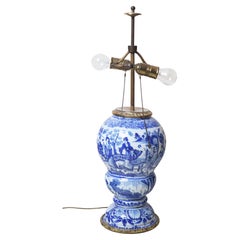
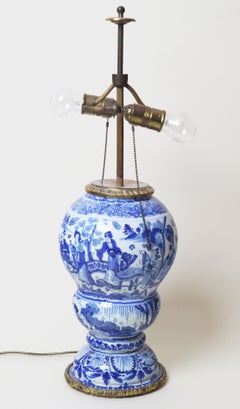
Antique Early 18th Century German Chinoiserie Table Lamps
Brass
20th Century German Post-Modern More Candle Holders
Ceramic
Mid-20th Century German Mid-Century Modern Table Lamps
Ceramic, Pottery
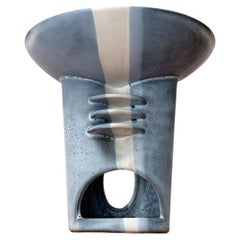
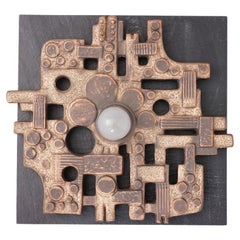
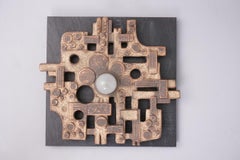
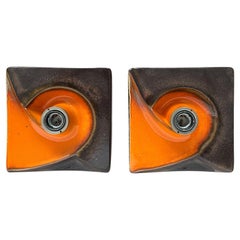
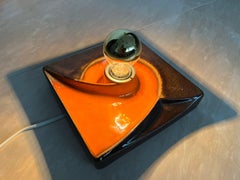
Vintage 1970s German Brutalist Wall Lights and Sconces
Slate
Vintage 1970s Mid-Century Modern Wall Lights and Sconces
Lava
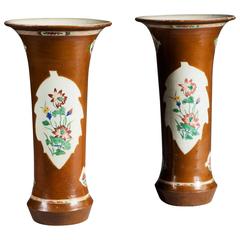
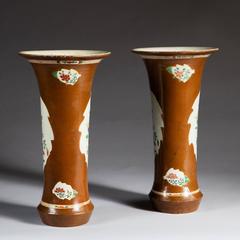
Antique Late 18th Century German Louis XVI Vases
Ceramic, Pottery
Mid-20th Century German Mid-Century Modern Table Lamps
Metal
Mid-20th Century German Modern Table Lamps
Earthenware
Vintage 1960s German Mid-Century Modern Table Lamps
Ceramic
Vintage 1940s German Mid-Century Modern Table Lamps
Pottery
Mid-20th Century German Mid-Century Modern Table Lamps
Clay
Mid-20th Century German Mid-Century Modern Floor Lamps
Clay
Vintage 1960s German Table Lamps
Pottery
Vintage 1960s German Vases
Pottery
20th Century German Table Lamps
Ceramic
Vintage 1960s German Mid-Century Modern Table Lamps
Ceramic
Vintage 1970s German Mid-Century Modern Pottery
Ceramic
Vintage 1970s German Mid-Century Modern Pottery
Ceramic
Late 20th Century German Mid-Century Modern Table Lamps
Pottery
Vintage 1960s German Table Lamps
Ceramic
Late 20th Century German Mid-Century Modern Table Lamps
Pottery, Ceramic
Late 20th Century German Mid-Century Modern Table Lamps
Ceramic, Pottery
1990s German Mid-Century Modern Table Lamps
Textile, Ceramic
Mid-20th Century German Mid-Century Modern Table Lamps
Brass
- 1
German Lamp Pottery For Sale on 1stDibs
How Much is a German Lamp Pottery?
Finding the Right Table-lamps for You
Well-crafted antique and vintage table lamps do more than provide light; the right fixture-and-table combination can add a focal point or creative element to any interior.
Proper table lamps have long been used for lighting our most intimate spaces. Perfect for lighting your nightstand or reading nook, table lamps play an integral role in styling an inviting room. In the years before electricity, lamps used oil. Today, a rewired 19th-century vintage lamp can still provide a touch of elegance for a study.
After industrial milestones such as mass production took hold in the Victorian era, various design movements sought to bring craftsmanship and innovation back to this indispensable household item. Lighting designers affiliated with Art Deco, which originated in the glamorous roaring ’20s, sought to celebrate modern life by fusing modern metals with dark woods and dazzling colors in the fixtures of the era. The geometric shapes and gilded details of vintage Art Deco table lamps provide an air of luxury and sophistication that never goes out of style.
After launching in 1934, Anglepoise lamps soon became a favorite among modernist architects and designers, who interpreted the fixture as “a machine for lighting,” just as Le Corbusier had reimagined the house as “a machine for living in.” The popular task light owed to a collaboration between a vehicle-suspension engineer by the name of George Carwardine and a West Midlands springs manufacturer, Herbert Terry & Sons.
Some mid-century modern table lamps, particularly those created by the likes of Joe Colombo and the legendary lighting artisans at Fontana Arte, bear all the provocative hallmarks associated with Space Age design. Sculptural and versatile, the Louis Poulsen table lamps of that period were revolutionary for their time and still seem innovative today.
If you are looking for something more contemporary, industrial table lamps are demonstrative of a newly chic style that isn’t afraid to pay homage to the past. They look particularly at home in any rustic loft space amid exposed brick and steel beams.
Before you buy a desk lamp or table lamp for your living room, consider your lighting needs. The Snoopy lamp, designed in 1967, or any other “banker’s lamp” (shorthand for the Emeralite desk lamps patented by H.G. McFaddin and Company), provides light at a downward angle that is perfect for writing, while the Fontana table lamp and the beloved Grasshopper lamp by Greta Magnusson-Grossman each yield a soft and even glow. Some table lamps require lampshades to be bought separately.
Whether it’s a classic antique Tiffany table lamp, a Murano glass table lamp or even a bold avant-garde fixture custom-made by a contemporary design firm, the right table lamp can completely transform a room. Find the right one for you on 1stDibs.
- How can you tell German pottery?1 Answer1stDibs ExpertOctober 24, 2024To tell German pottery, look on the bottom or inside for a maker's marking. Using trusted online resources, you can then research the marking and identify both the maker and the country in which it operates or operated. Some well-known makers of German pottery include Villeroy & Boch, Meissen, Dresdner Porzellan, Königliche Porzellan Manufaktur, Rosenthal, Fuerstenberg, Nymphenburg, Wallendorfer, Scheurich and ES Keramik. Explore a large collection of German pottery on 1stDibs.
- 1stDibs ExpertNovember 4, 2024To identify German pottery, look over the base or interior for the maker's markings. Many pieces will bear some type of stamp, sticker or other marking, which you can research using trusted online resources to learn who made them. From there, you can read about the maker to determine if the company or artisan is German. Some well-known German makers include Hutschenreuther, Meissen, Arzberg, Fürstenberg, Nymphenburg, Gmundner Keramik, Royal Porcelain Manufacture Berlin, Kahla and Königliche Porzellan-Manufaktur. If you can't find any maker's markings, consider having a certified appraiser or experienced antique dealer help you. Find a wide variety of German pottery on 1stDibs.
- What is German pottery called?1 Answer1stDibs ExpertAugust 20, 2024What German pottery is called depends on its style. Pieces with embossed surfaces and thick, chunky glaze produced in West Germany are nicknamed "Fat Lava." Hard-paste porcelain produced in Germany is sometimes referred to as Meissen or Dresden porcelain, depending on its manufacturer. Early 20th-century pieces that show off naturalistic motifs inspired by the Art Nouveau movement may be called Jugendstil pottery. Shop a large collection of German pottery on 1stDibs.
- 1stDibs ExpertSeptember 23, 2024To identify West German pottery, look on the bottom or interior for markings. Many pieces will have markings with the words "West Germany.” Others may instead or also have markings with the maker's name. By researching the maker's mark, you can determine whether the manufacturer was a West German company. Well-known West German pottery manufacturers include Scheurich, ES Keramik, Ceramano and Ruscha. Some pottery also has an item or piece number on it; this can be used to learn more about your piece's age, style or line name and other characteristics. If you can't find any markings on your piece, you may wish to have a certified appraiser or knowledgeable antique dealer help you with identifying it. On 1stDibs, shop a large collection of West German pottery.
- 1stDibs ExpertApril 16, 2024The markings on West German pottery vary. Nearly all pieces will include the words "West Germany," indicating the place of origin. Some also feature a piece or style number and/or a company logo or marking. You can compare the markings on your pottery to images posted on trusted online resources to identify pieces. On 1stDibs, explore a selection of West German pottery.
- 1stDibs ExpertFebruary 21, 2024A number of brands are West German pottery. Among them are Scheurich, Bay, Carstens, Otto, Ceramano and Dumler and Breiden. Basically, any pottery company that operated in western Germany between 1949 and 1990 can be categorized as West German. On 1stDibs, explore an assortment of pottery from some of the world's top sellers.
- 1stDibs ExpertOctober 30, 2024Yes, some West German pottery is worth something. Fat Lava-style pieces are particularly popular among some collectors, and there is often a demand for pottery produced by specific West German makers, such as Scheurich, ES Keramik, Ceramano and Ruscha. Generally, the age, style, type and condition will influence how much a particular piece may be worth. To get an estimated value for a particular item, consult a certified appraiser or experienced antique dealer. On 1stDibs, shop a selection of West German pottery.
- 1stDibs ExpertApril 5, 2024What the numbers mean on West German pottery varies. In some cases, the numbers represent the date of production. More often, the numbers represent the piece number — indicating what order it was produced in — or the style of the pottery. On 1stDibs, explore a range of West German pottery.
Read More
This 1950s Paavo Tynell Chandelier Got a Glow-Up
Commissioned for the lakeside villa of a Finnish industrialist, it illuminated visits with dignitaries.
These Designer Light Fixtures Are Total Scene Stealers
Across New York, there’s no shortage of statement lighting on view.
My Father Was Obsessed with This French Art Deco Tiger Lamp
The 1920s design is a thrilling combination of saturated colors, ancient motifs and modern aesthetics.
Hans Bergström’s Monumental Chandeliers Are Made for Grand Spaces
Designed by a giant of Swedish lighting, the large-scale fixtures bring major drama.
This Paavo Tynell Chandelier Is a Radiant Bouquet
The alluring pendant light exemplifies the designer’s winsome mid-career work.
Ettore Sottsass Captures a Shooting Star in This Rare 1970s Floor Lamp
Before founding the Memphis Group, Sottsass bent the rules of lighting design with the wonderfully wavy Cometa.
You Don’t Need a Fictional Fairy to Get This Real Pinocchio Lamp
Warm chalet style meets cool Bauhaus functionality in Pietro Cascella’s cleverly carved creation.
Why Is Italy Such a Hotbed of Cool Design?
Patrizio Chiarparini of Brooklyn’s Duplex gallery sheds light on the lasting legacy of Italy’s postwar furniture boom.