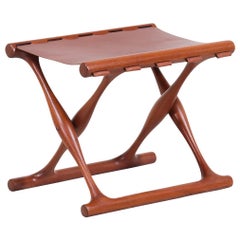
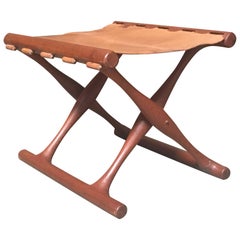
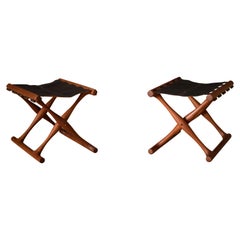
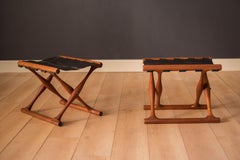
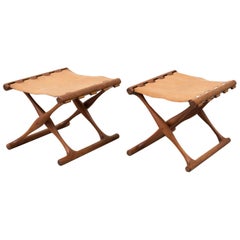
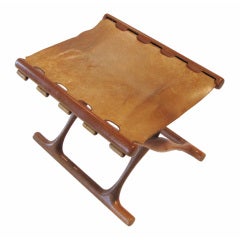
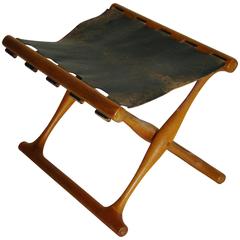
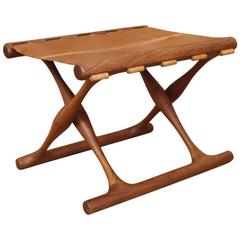
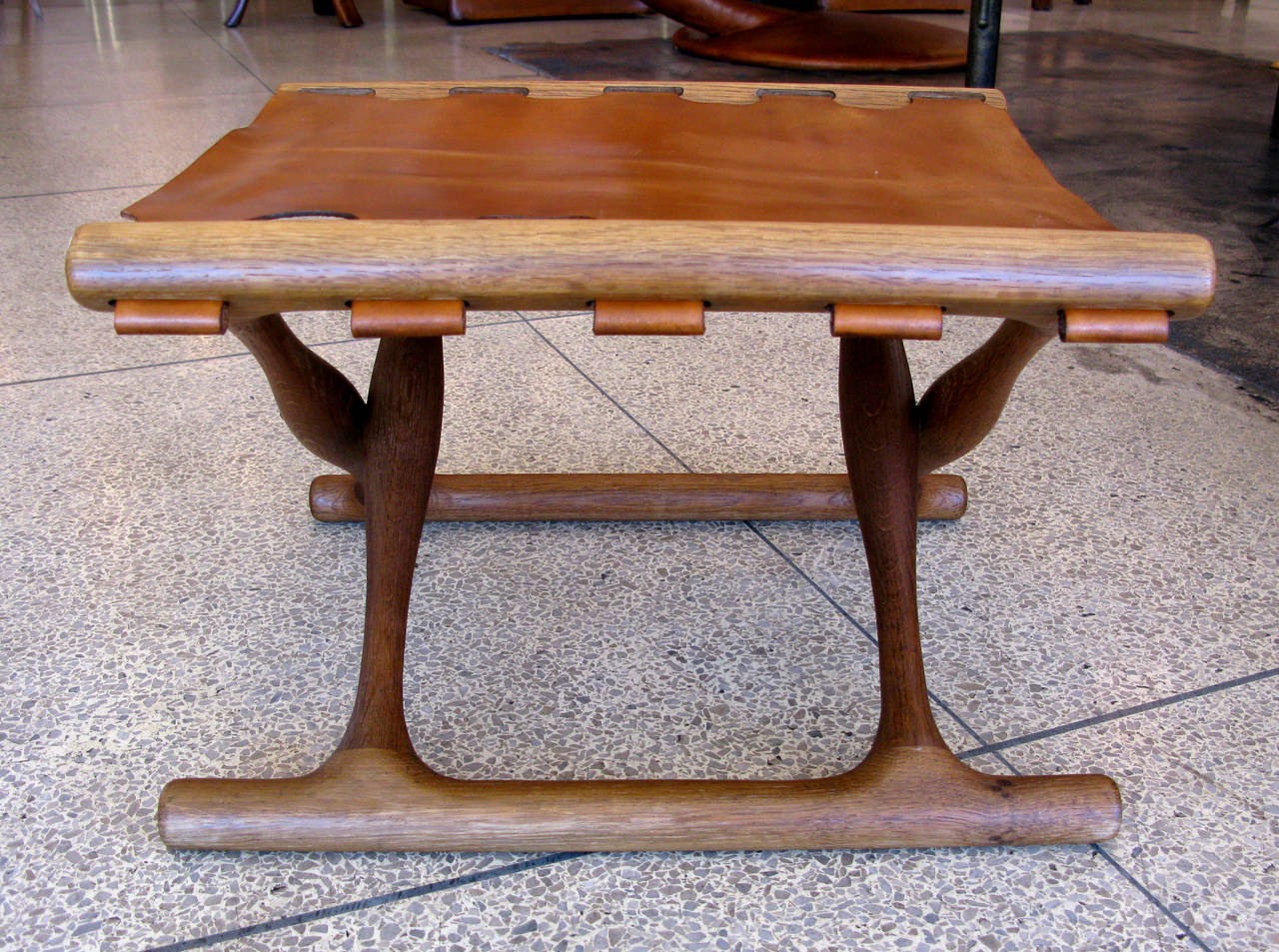
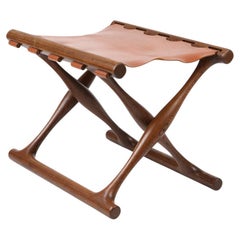
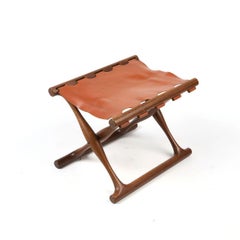
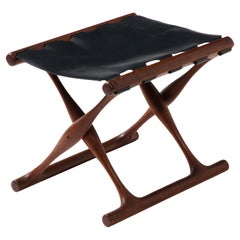
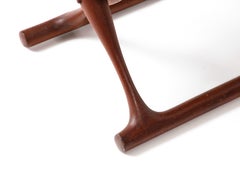
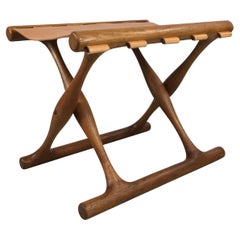
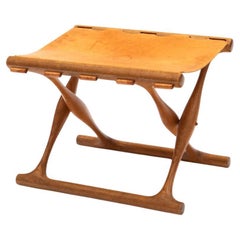
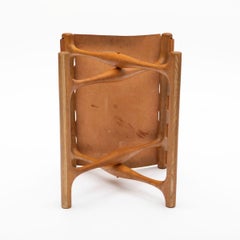
Find many varieties of an authentic gold hill stool available at 1stDibs. Frequently made of
animal skin,
leather and
wood, every gold hill stool was constructed with great care. There are many kinds of the gold hill stool you’re looking for, from those produced as long ago as the 20th Century to those made as recently as the 20th Century. When you’re browsing for the right gold hill stool, those designed in
mid-century modern and
Scandinavian Modern styles are of considerable interest. Many designers have produced at least one well-made gold hill stool over the years, but those crafted by
Poul Hundevad and
Vamdrup Stolefabrik are often thought to be among the most beautiful.
Prices for a gold hill stool can differ depending upon size, time period and other attributes — at 1stDibs, they begin at $1,800 and can go as high as $652,500, while the average can fetch as much as $3,273.
Poul Hundevad was a master craftsman who designed and built furniture in his hometown of Vamdrup, Denmark. He is famed for his adaptable, functionalist creations. Multi-purpose design had become a standard in the Scandinavian modern furniture of the mid-20th century, and Hundevad imbued this approach into many of his creations, such as incorporating fold-down trays into his credenzas and sideboards.
Hundevad was born in Vamdrup in 1917. He trained as a carpenter and for many years, he owned his own workshop and furniture factory. He designed and constructed his own furniture as well as pieces that were manufactured by other designers. He worked alongside such notable furniture creators as Carlo Jensen and Kaj Winding.
Hundevard put a premium on space — the homes of mid-20th-century Denmark were not very big and usually consisted of small rooms with little storage — and so he created many foldable designs that could be stowed easily and kept out of the way when they were not needed.
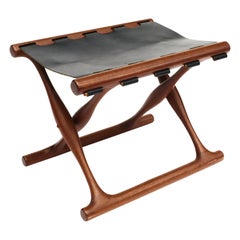
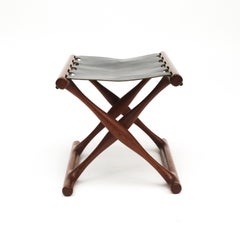
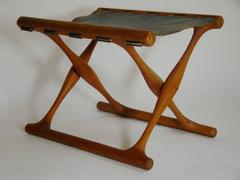
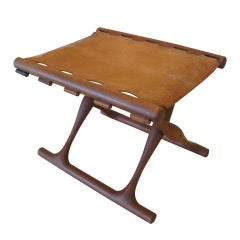
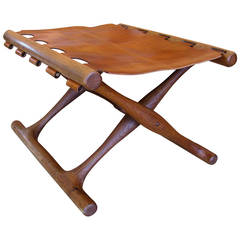
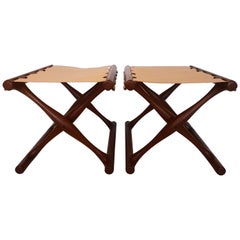
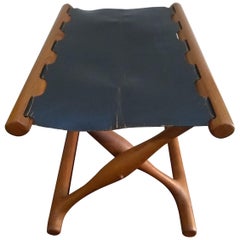
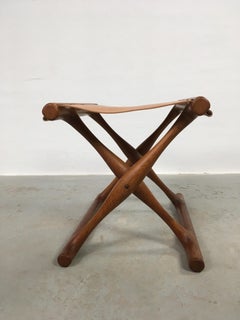
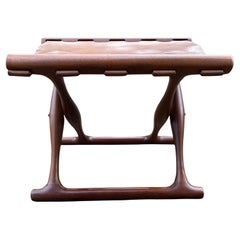
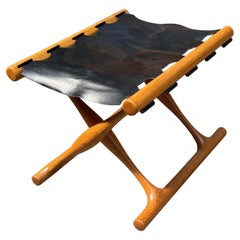
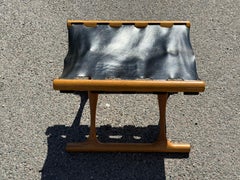
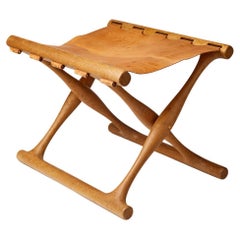
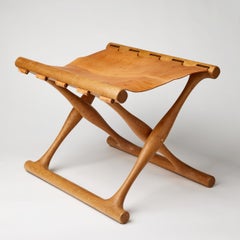
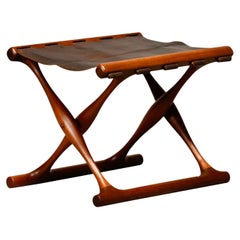
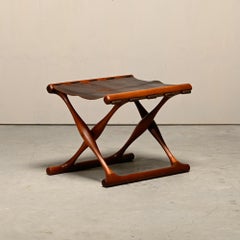
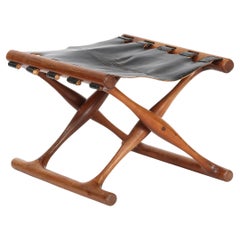
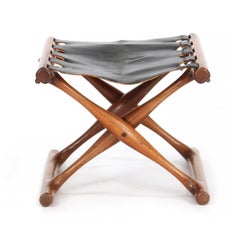
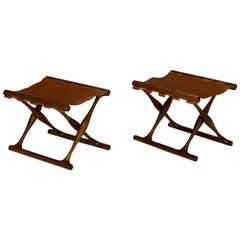
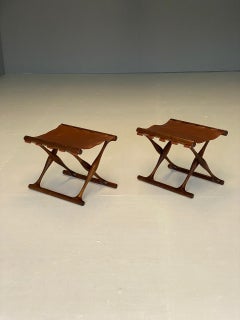
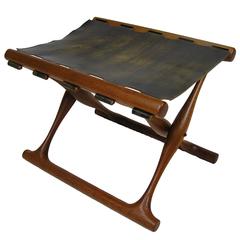
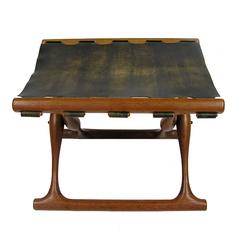
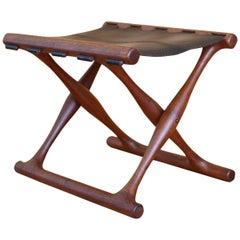
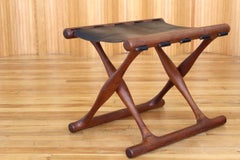
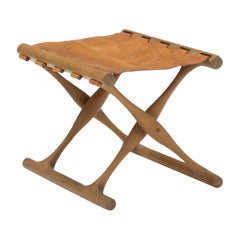
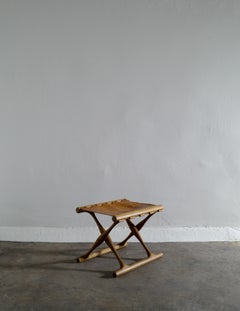
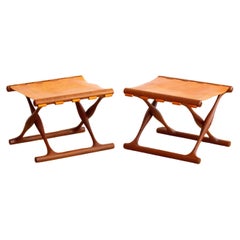
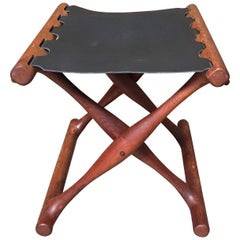
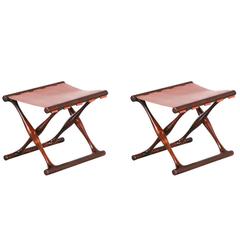
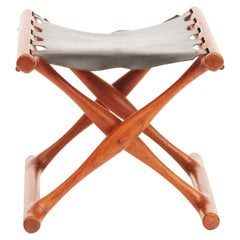
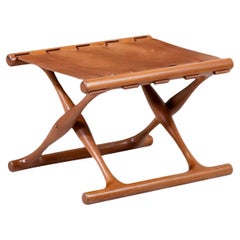
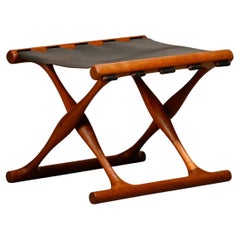
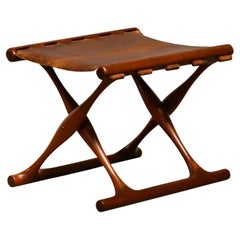
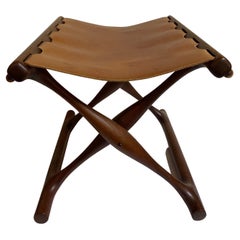
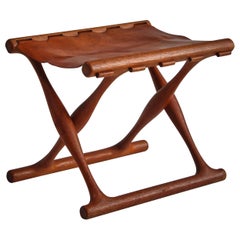
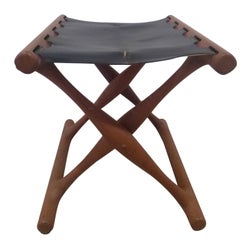
His fame grew in 1960 when Hundevad introduced the Guldhoj stool. He created it as a replica of a Bronze Age stool excavated from a burial mound near his hometown, keeping the original form and dimensions exact. The Guldhoj is a simple stool, made of teak, oak, beech or ash. It folds out in an X configuration and has an uncomplicated leather seat. It was produced through the early 21st century, the later iterations being reproductions made by one of Hundevard’s employees. Though Hundevard masterfully crafted many inventive and functional designs, he is most remembered for the minimal genius of this mid-century modern folding stool.
On 1stDibs, find vintage Poul Hundevard storage pieces, seating, tables and more.
Stools are versatile and a necessary addition to any living room, kitchen area or elsewhere in your home. A sofa or reliable lounge chair might nab all the credit, comfort-wise, but don’t discount the roles that good antique, new and vintage stools can play.
“Stools are jewels and statements in a space, and they can also be investment pieces,” says New York City designer Amy Lau, who adds that these seats provide an excellent choice for setting an interior’s general tone.
Stools, which are among the oldest forms of wooden furnishings, may also serve as decorative pieces, even if we’re talking about a stool that is far less sculptural than the gracefully curving molded plywood shells that make up Sōri Yanagi’s provocative Butterfly stool.
Fawn Galli, a New York interior designer, uses her stools in the same way you would use a throw pillow. “I normally buy several styles and move them around the home where needed,” she says.
Stools are smaller pieces of seating as compared to armchairs or dining chairs and can add depth as well as functionality to a space that you’ve set aside for entertaining. For a splash of color, consider the Stool 60, a pioneering work of bentwood by Finnish architect and furniture maker Alvar Aalto. It’s manufactured by Artek and comes in a variety of colored seats and finishes.
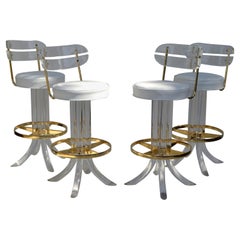
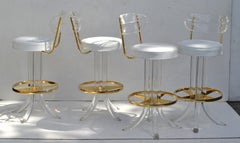
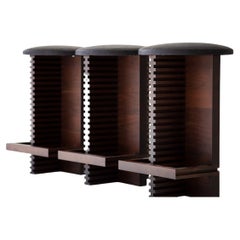
Barstools that date back to the 1970s are now more ubiquitous in kitchens. Vintage barstools have seen renewed interest, be they a meld of chrome and leather or transparent plastic, such as the Lucite and stainless-steel counter stool variety from Indiana-born furniture designer Charles Hollis Jones, who is renowned for his acrylic works. A cluster of barstools — perhaps a set of four brushed-aluminum counter stools by Emeco or Tubby Tube stools by Faye Toogood — can encourage merriment in the kitchen. If you’ve got the room for family and friends to congregate and enjoy cocktails where the cooking is done, consider matching your stools with a tall table.
Whether you need counter stools, drafting stools or another kind, explore an extensive range of antique, new and vintage stools on 1stDibs.









_l.jpg)