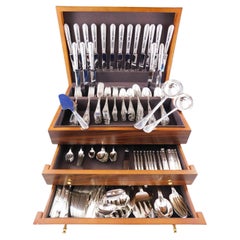
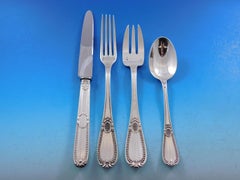
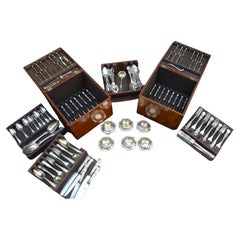
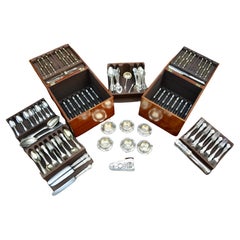
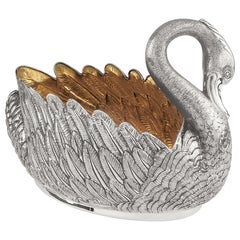
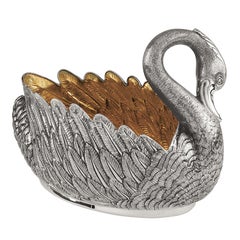
For nearly 160 years, the Gorham Manufacturing Company turned out a wide range of beautiful silver flatware, tea sets, serving bowls and other silver pieces, indelibly influencing the field of decorative arts in ways that still resonate.
When silversmiths Jabez Gorham and Henry Webster started making coin silver teaspoons and jewelry out of a small workshop in Providence, Rhode Island, in 1831, the pair likely had no idea that their modest operation would one day become the largest silver manufacturer in the world.
While some name changes and personnel shifts preceded the foundry officially being established as Gorham Manufacturing Company decades later, growth of the business between its early days and the mid–19th century can largely be attributed to the work of Jabez’s son John, who assumed control of Gorham in the 1840s.
John Gorham introduced steam power at the manufactory. He entered into a partnership with Michael Gibney, the first American silversmith to register a design patent for a flatware pattern. Gorham wanted to expand the business, seeking to produce forks and spoons adorned with decorative flourishes adapted from British patterns. The company hammered out the silver flatware, which it sent to Gibney in New York to apply decorative patterns before returning to Gorham. Consequently, Gorham found Gibney’s work unsatisfactory, and he purchased his own rolling press to do the work himself.
The partnership between John and Michael soured but the company thrived. Sales grew to more than $20,000 per year, and the staff of silversmiths expanded. To keep up with demand, Gorham had to retire its horse-powered rolling press and import a steam-powered drop press from England — the first used in the United States. Designs created at Gorham drew on natural-world motifs as well as artistic traditions from all over the world — alongside its tableware, the company would soon be producing cups and pitchers adorned with polar bears and forest creatures, while tea services and other serving pieces were crafted in a range of styles that included Art Nouveau, Egyptian Revival and Rococo.
Around 1860, Gorham delved into bronze casting. When it opened a division dedicated to bronze work, Gorham collaborated with sculptors such as Daniel Chester French, Anna Hyatt Huntington and Alexander P. Proctor.
By the 1920s, Gorham had employed thousands of workers and had partnered with Danish modernist silversmith Erik Magnussen. However, the Great Depression ground production to a halt. The company was sold to Textron, Inc. in the late 1960s and it changed hands several times before it sold to Department 56 in 2005.
Today, the work of Gorham Manufacturing Company continues to be exhibited in galleries and museums. The RISD Museum in Providence houses a collection of nearly 5,000 works.
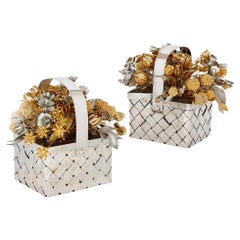
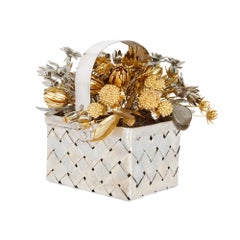
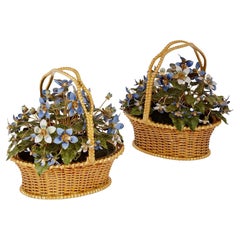
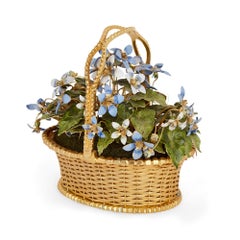
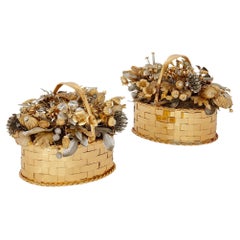
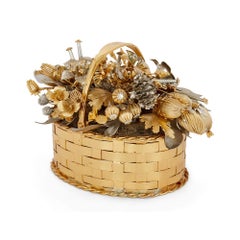
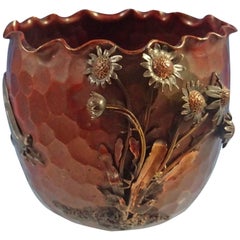
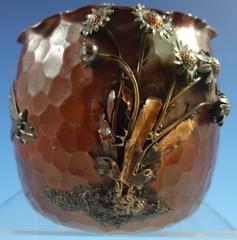
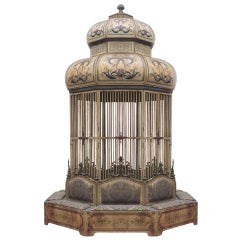
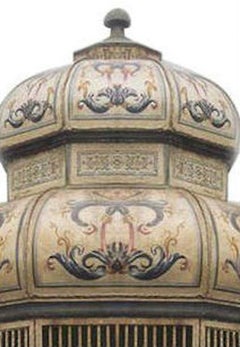
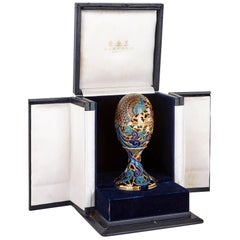
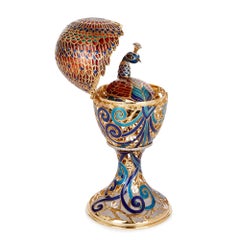
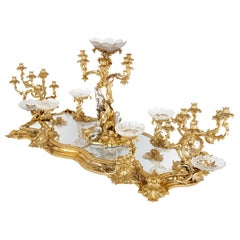
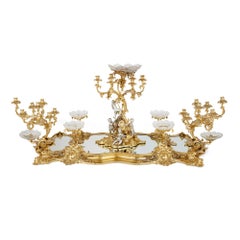
On 1stDibs, find a range of antique Gorham Manufacturing Company serveware and decorative objects.
Every time you move into a house or an apartment — or endeavor to refresh the home you’ve lived in for years — life for that space begins anew. The right home accent, be it the simple placement of a decorative bowl on a shelf or a ceramic vase for fresh flowers, can transform an area from drab to spectacular. But with so many materials and items to choose from, it’s easy to get lost in the process. The key to styling with antique and vintage decorative objects is to work toward making a happy home that best reflects your personal style.
Ceramics are a versatile addition to any home. If you’ve amassed an assortment of functional pottery over the years, think of your mugs and salad bowls as decorative objects, ideal for displaying in a glass cabinet. Vintage ceramic serveware can pop along white open shelving in your dining area, while large stoneware pitchers paired with woven baskets or quilts in an open cupboard can introduce a rustic farmhouse-style element to your den.
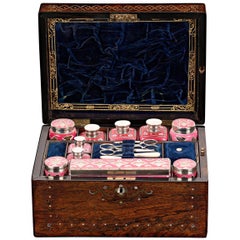
Translucent decorative boxes or bowls made of an acrylic plastic called Lucite — a game changer in furniture that’s easy to clean and lasts long — are modern accents that are neutral enough to dress up a coffee table or desktop without cluttering it. If you’re showcasing pieces from the past, a vintage jewelry box for displaying your treasures can spark conversation: Where is the jewelry box from? Is there a story behind it?
Abstract sculptures or an antique vessel for your home library can draw attention to your book collection and add narrative charm to the most appropriate of corners. There’s more than one way to style your bookcases, and decorative objects add a provocative dynamic. “I love magnifying glasses,” says Alex Assouline, global vice president of luxury publisher Assouline, of adding one’s cherished objects to a home library. “They are both useful and decorative. Objects really elevate libraries and can also make them more personal.”
To help with personalizing your space and truly making it your own, find an extraordinary collection of decorative objects on 1stDibs.