Long before trend-bucking creative director Alessandro Michele brought his hallucinatory “Utopian Fantasy” campaign to Gucci, it was a modest Italian leather shop. Today, it’s an internationally renowned luxury house with an iconic logo, and vintage Gucci clothing, handbags and shoes are among high fashion's most covetable goods.
Guccio Gucci (1881–1953) admired the stylish suitcases he saw wealthy guests arrive with at the Savoy Hotel in London, where he worked as a bellhop. So, in 1921, after a stint at Franzi, a luggage company in his hometown of Florence, he opened a leather goods shop of his own.
At first, Gucci’s Florence business specialized in equestrian accessories. But as its reputation flourished, particularly among the English aristocracy, so too did its footprint. In 1938, he brought three of his sons — Aldo, Vasco and Rodolfo — into the business and expanded it to Rome and later Milan. In the mid-1930s, a League of Nations embargo against Italy pushed Gucci to experiment with alternatives to imported leather. Its woven hemp fabric from Naples, adorned with the brand’s signature diamond print, was a hit, especially among A-list celebrities. The material was first used on suitcases before finding enduring popularity on handbags. (No list of revered designer purses would be complete without Gucci.)
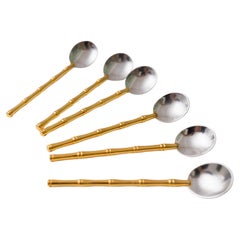
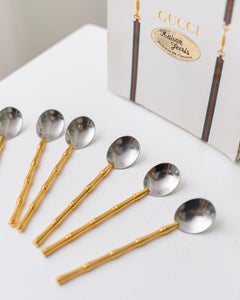
In the 1950s, Elizabeth Taylor carried one of Gucci’s bamboo-handled tote bags, another adaptation to material rationing. After Jackie Kennedy was seen sporting a slouchy Gucci tote in 1961, it was renamed for the First Lady. Then Grace Kelly, on a visit to the boutique in Milan, inspired Rodolfo Gucci to work with Italian illustrator and Gucci textile designer Vittorio Accornero on the Flora print in 1966. Taking cues from Sandro Botticelli’s Primavera, with its pattern of flora and insects, it was painted entirely by hand and featured no fewer than 37 colors.
In 1953, just 15 days after opening his first store on New York’s 5th Avenue, Guccio passed away at 72. The early 1970s saw store openings in Tokyo and Hong Kong, but by the late 1980s, Gucci was floundering. Rodolfo Gucci took charge in 1982, but family drama and lawsuits ensued. In 1993, Rodolfo’s son, Maurizio, transferred his shares in the company to Investcorp, ending the family’s involvement in Gucci. Dawn Mello, then-president of Bergdorf Goodman, joined as creative director in 1989. But it was Tom Ford, who took over as creative director in 1994, who ultimately revived the brand.
Ford’s racy ads, shot by photographers such as Mario Testino, stirred controversy. And his potent vision of sexed-up femininity — with “jewel-toned satin shirts unbuttoned to there,” as Vogue described his breakthrough 1995 runway show — was wildly successful. The new millennium brought new ownership — Pinault Printemps Redoute in 2004 — and a more toned-down vision from Frida Giannini, who became sole creative director in 2006. Alessandro Michele was named creative director in 2015, and the storied brand took a giant leap forward.
Find vintage Gucci clothing and accessories on 1stDibs.
Your dining room table is a place where stories are shared and personalities shine — why not treat yourself and your guests to the finest antique and vintage glass, silver, ceramics and serveware for your meals?
Just like the people who sit around your table, your serveware has its own stories and will help you create new memories with your friends and loved ones. From ceramic pottery to glass vases, set your table with serving pieces that add even more personality, color and texture to your dining experience.
Invite serveware from around the world to join your table settings. For special occasions, dress up your plates with a striking Imari charger from 19th-century Japan or incorporate Richard Ginori’s Italian porcelain plates into your dining experience. Celebrate the English ritual of afternoon tea with a Japanese tea set and an antique Victorian kettle. No matter how big or small your dining area is, there is room for the stories of many cultures and varied histories, and there are plenty of ways to add pizzazz to your meals.
Add different textures and colors to your table with dinner plates and pitchers of ceramic and silver or a porcelain lidded tureen, a serving dish with side handles that is often used for soups. Although porcelain and ceramic are both made in a kiln, porcelain is made with more refined clay and is more durable than ceramic because it is denser. The latter is ideal for statement pieces — your tall mid-century modern ceramic vase is a guaranteed conversation starter. And while your earthenware or stoneware is maybe better suited to everyday lunches as opposed to the fine bone china you’ve reserved for a holiday meal, handcrafted studio pottery coffee mugs can still be a rich expression of your personal style.
“My motto is ‘Have fun with it,’” says author and celebrated hostess Stephanie Booth Shafran. “It’s yin and yang, high and low, Crate & Barrel with Christofle silver. I like to mix it up — sometimes in the dining room, sometimes on the kitchen banquette, sometimes in the loggia. It transports your guests and makes them feel more comfortable and relaxed.”
Introduce elegance at supper with silver, such as a platter from celebrated Massachusetts silversmith manufacturer Reed and Barton or a regal copper-finish flatware set designed by International Silver Company, another New England company that was incorporated in Meriden, Connecticut, in 1898. By then, Meriden had already earned the nickname “Silver City” for its position as a major hub of silver manufacturing.
At the bar, try a vintage wine cooler to keep bottles cool before serving or an Art Deco decanter and whiskey set for after-dinner drinks — there are many possibilities and no wrong answers for tableware, barware and serveware. Explore an expansive collection of antique and vintage glass, ceramics, silver and serveware today on 1stDibs.