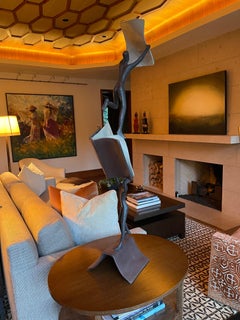
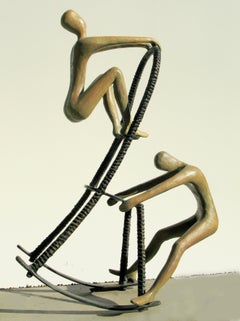
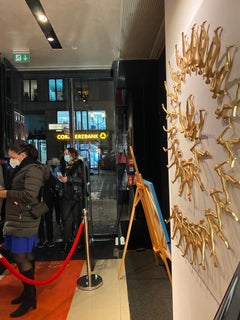
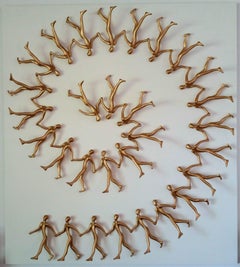
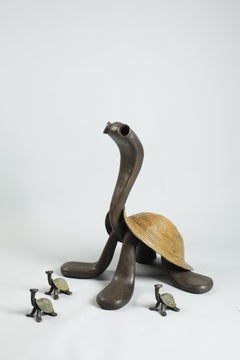
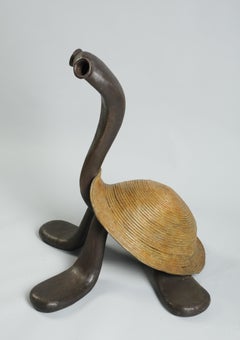
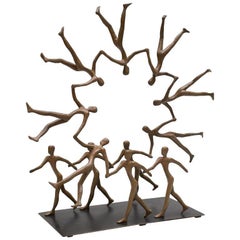
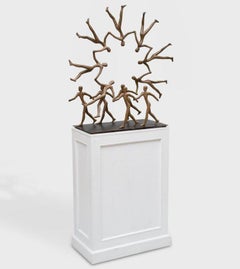
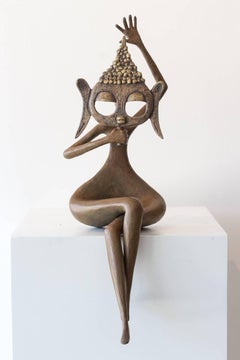
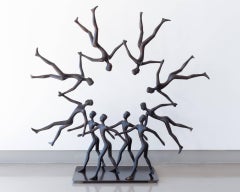
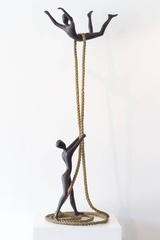
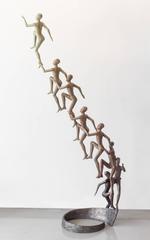
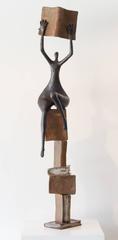
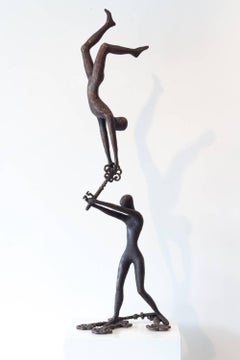
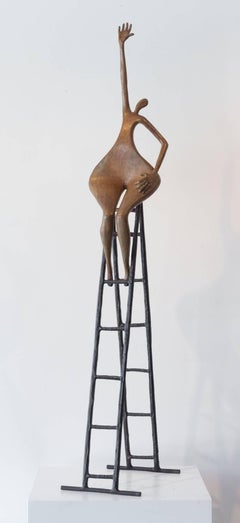
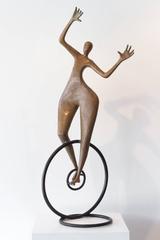
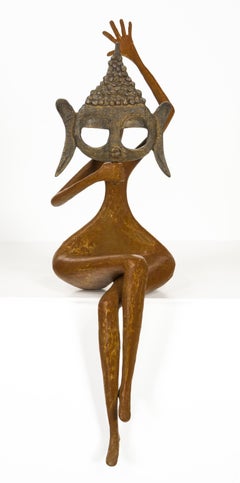
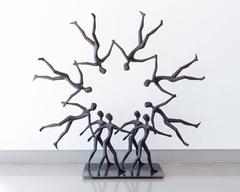
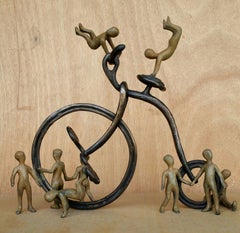
You are likely to find exactly the inbar tolla you’re looking for on 1stDibs, as there is a broad range for sale. Find
Modern versions now, or shop for
Modern creations for a more modern example of these cherished works. Making the right choice when shopping for a inbar tolla may mean carefully reviewing examples of this item dating from different eras — you can find an early iteration of this piece from the 20th Century and a newer version made as recently as the 21st Century. If you’re looking to add a inbar tolla to create new energy in an otherwise neutral space in your home, you can find a work on 1stDibs that features elements of
gold,
brown,
gray and more. These artworks were handmade with extraordinary care, with artists most often working in
bronze and
metal. A large inbar tolla can be an attractive addition to some spaces, while smaller examples are available — approximately spanning 12 high and 7 wide — and may be better suited to a more modest living area.
A inbar tolla can differ in price owing to various characteristics — the average selling price for items in our inventory is $9,900, while the lowest priced sells for $3,800 and the highest can go for as much as $65,000.
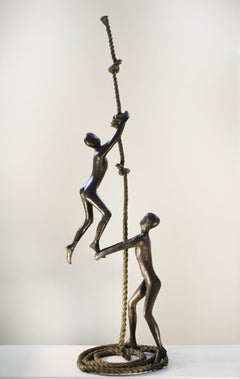
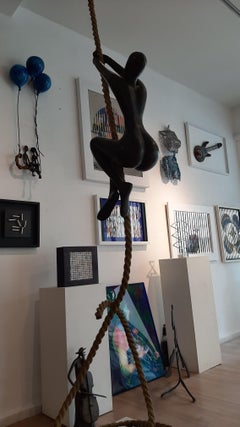
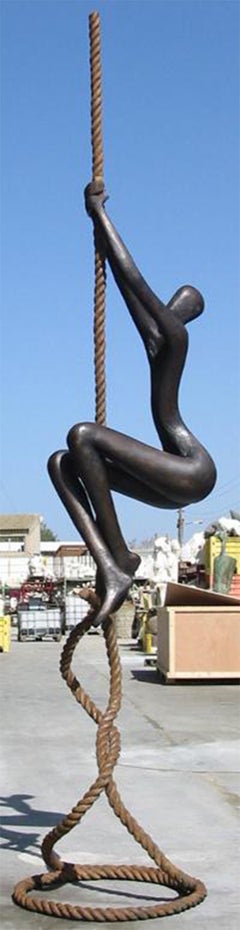
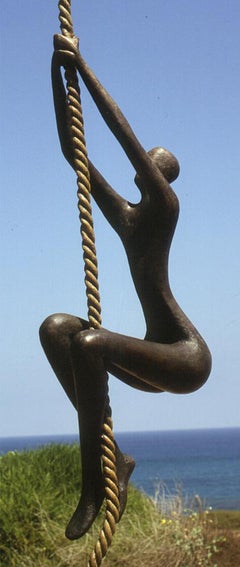
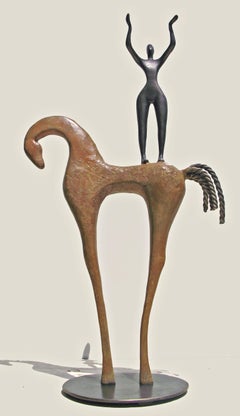
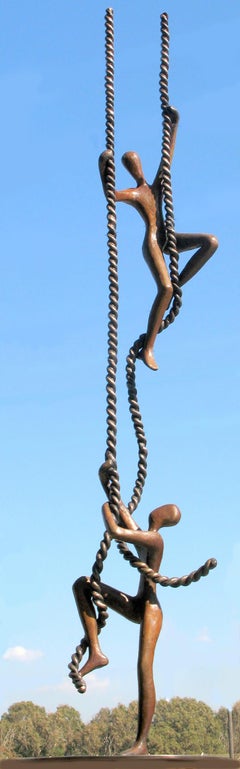
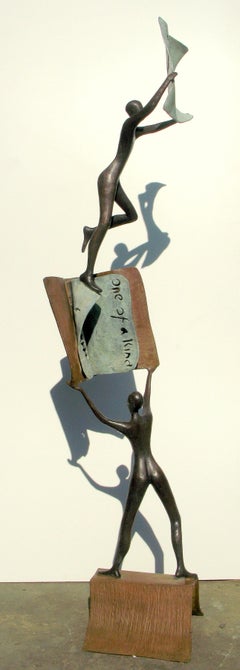
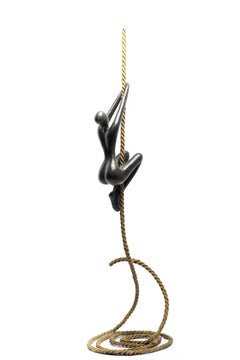
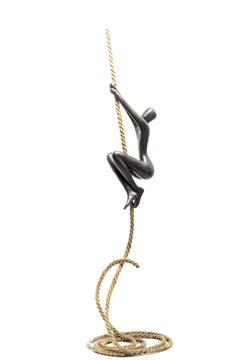
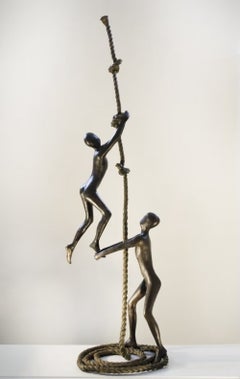
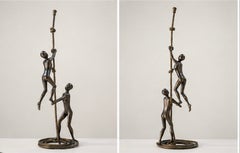
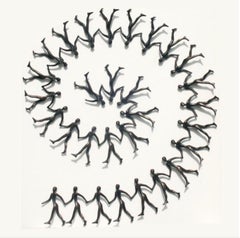
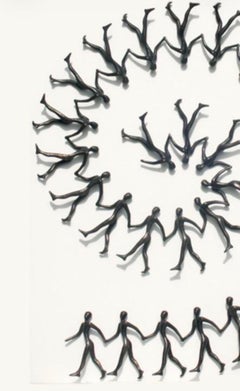
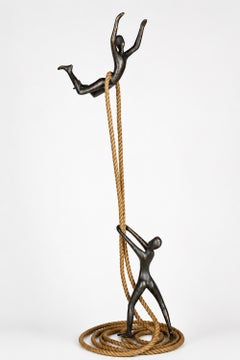
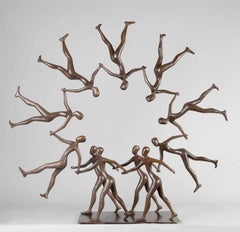
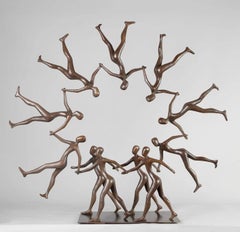
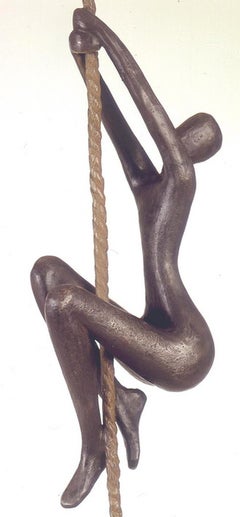
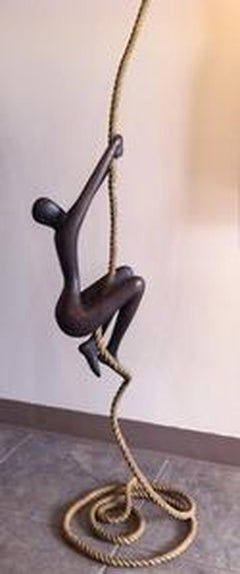
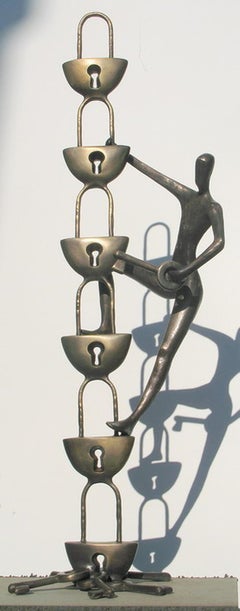
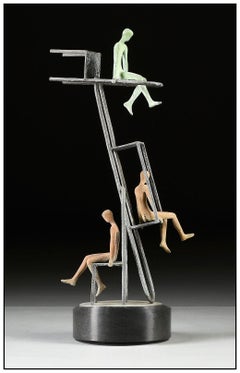
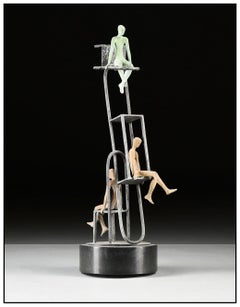
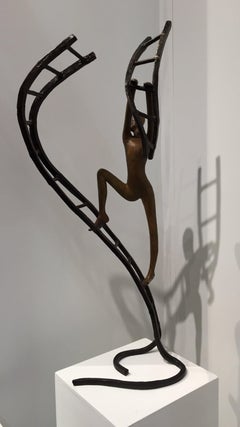
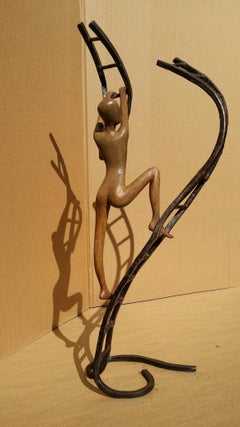
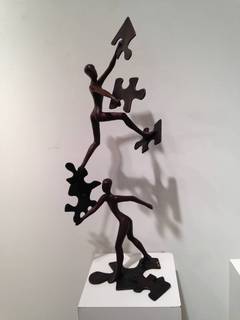
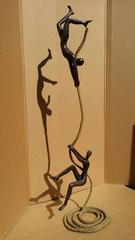
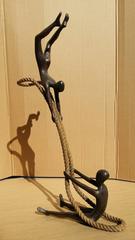
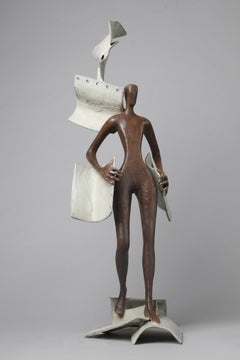
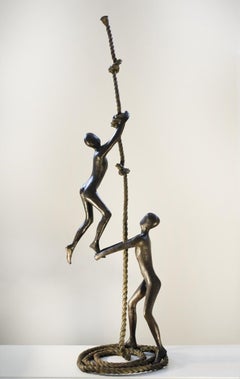
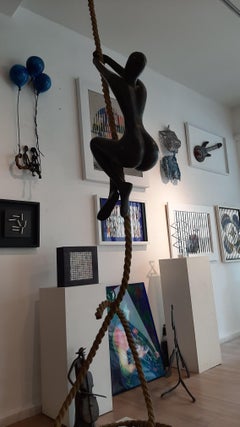
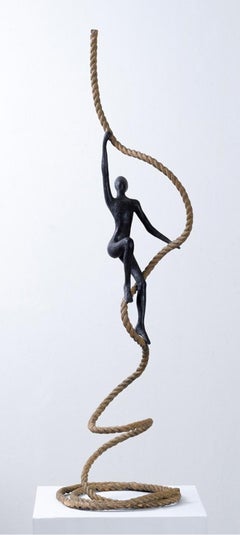
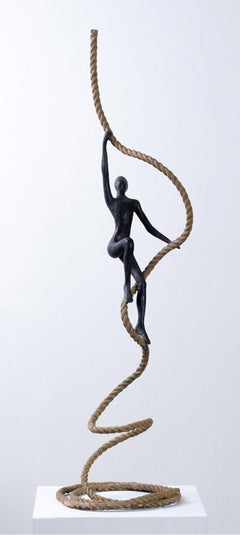
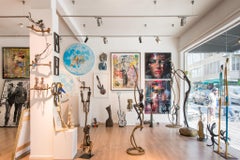
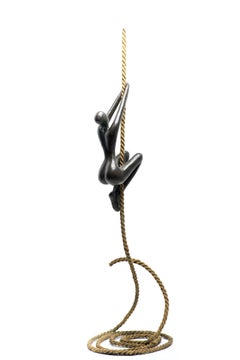
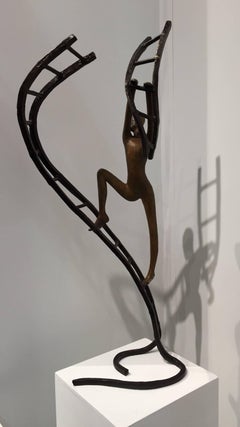
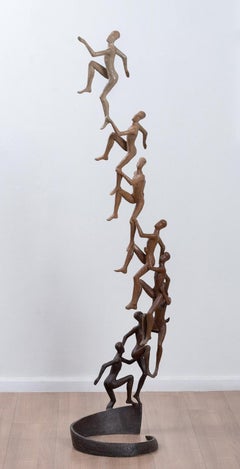
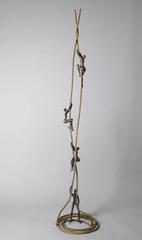
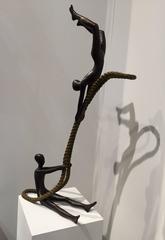
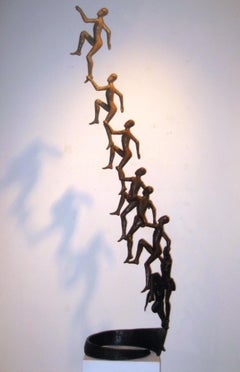
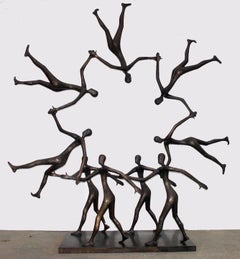
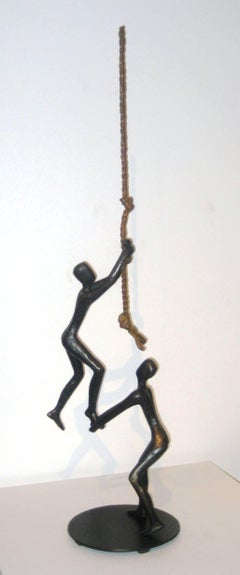
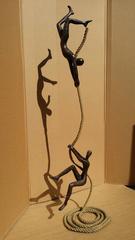
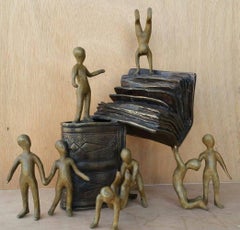
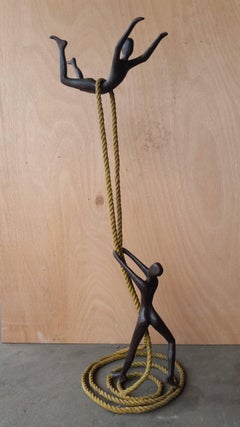
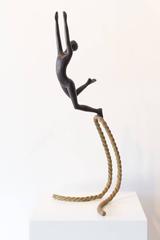
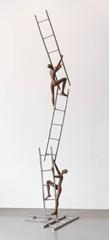
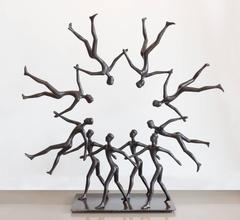
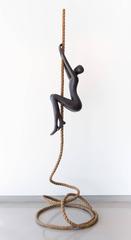
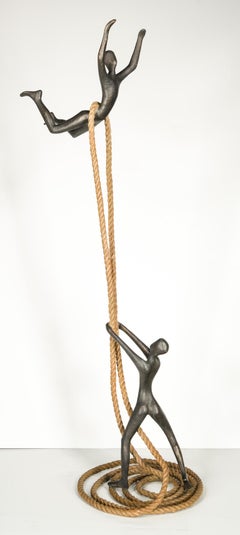
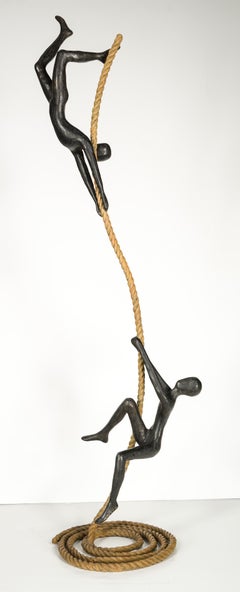
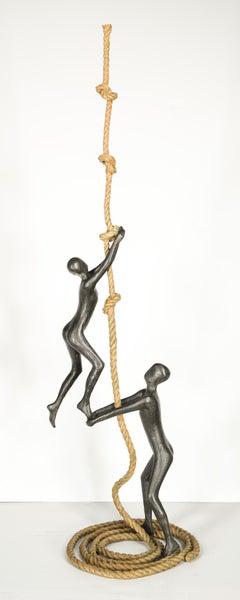
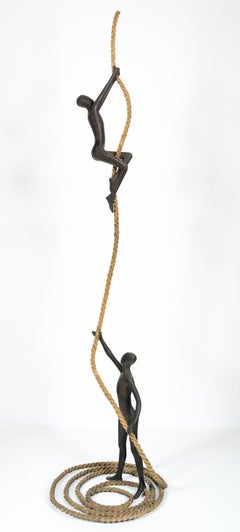
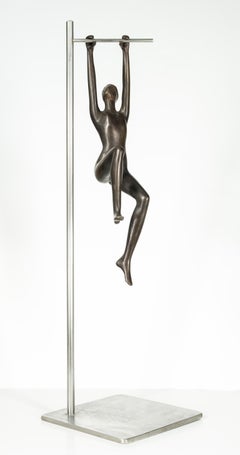
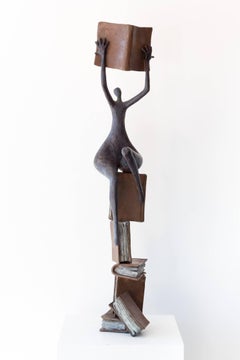
Tolla is considered one of the top Israeli artists working today. Born in Germany in 1958, Tolla attended the Merz school in Stuttgart until 1971. There she specialized in the art of ceramics and sculpture, developing her skill in an art form that would become a lifelong love story. Between 1977 - 1984 she studied at Bustan Institute and at Avni Institute of Arts, where she worked in stone and wood with well-known Russian sculptors. During these years of experimentation with varying materials, she transformed her style from realistic and figurative to more expressive and semi-abstract. Tolla describes her artistic process as a “relentless drive to keep creating different expressions of the ancient human spiritual quest for the divine.” This is evident in her rope sculptures which are both unique and naturalistic, balanced and fluid. In combining contrasting materials such as wood, metal, and bronze she is able to reflect tension or what she refers to as “spiritual optimism.” Tolla’s conviction is that, “our world is mostly composed of light and energy so that theoretically the victory of energy (spirit) over matter is only a question of time.” Tolla's works can be found in numerous private collections throughout Germany, France and the United States.
Figurative sculptures mix reality and imagination, with the most common muse being the human body. Animals are also inspirations for these sculptures, along with forms found in nature.
While figurative sculpture dates back over 35,000 years, the term came into popularity in the 20th century to distinguish it from abstract art. It was aligned with the Expressionist movement in that many of its artists portrayed reality but in a nonnaturalistic and emotional way. In the 1940s, Alberto Giacometti — a Swiss-born artist who was interested in African art, Cubism and Surrealism — created now-iconic representational sculptures of the human figure, and after World War II, figurative sculpture as a movement continued to flourish in Europe.
Lucian Freud and Francis Bacon were some of the leading figurative artists during this period. Artists like Jeff Koons and Maurizio Cattelan propelled the evolution of figurative sculpture into the 21st century.
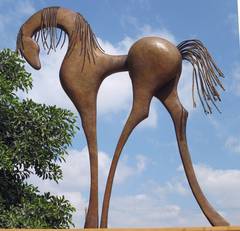
Figurative sculptures can be whimsical, uncanny and beautiful. Their materials range from stone and wood to metal and delicate ceramics. Even in smaller sizes, the sculptures make bold statements. A bronze sculpture by Salvador Dalí enhances a room; a statuesque bull by Jacques Owczarek depicts strength with its broad chest while its thin legs speak of fragility. Figurative sculptures allow viewers to see what is possible when life is reimagined.
Browse 1stDibs for an extensive collection of figurative sculptures and find the next addition to your collection.