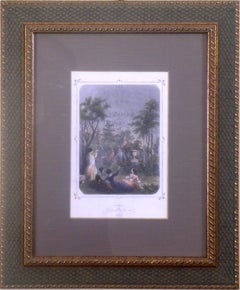
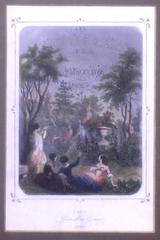
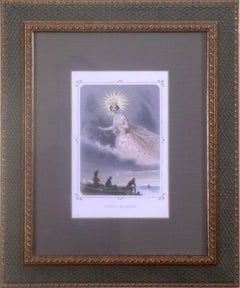
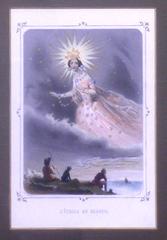
On 1stDibs, you can find the most appropriate jean ignace isidore gerard for your needs in our varied inventory. In our selection of items, you can find
modern examples as well as an
Old Masters version. Finding the perfect jean ignace isidore gerard may mean sifting through those created during different time periods — you can find an early version that dates to the 18th Century and a newer variation that were made as recently as the 19th Century. If you’re looking to add a jean ignace isidore gerard to create new energy in an otherwise neutral space in your home, you can find a work on 1stDibs that features elements of
white,
beige,
gray,
brown and more. Finding an appealing jean ignace isidore gerard — no matter the origin — is easy, but
Jean Jeacques Grandville,
J. J. Grandville and
Paul Gavarni each produced popular versions that are worth a look. Frequently made by artists working in
lithograph,
paper and
engraving, these artworks are unique and have attracted attention over the years.
A jean ignace isidore gerard can differ in price owing to various characteristics — the average selling price for items in our inventory is $65, while the lowest priced sells for $39 and the highest can go for as much as $7,358.
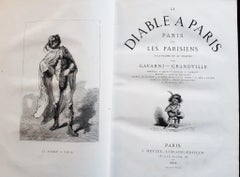
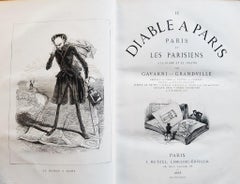
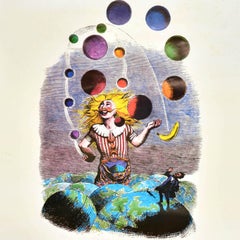
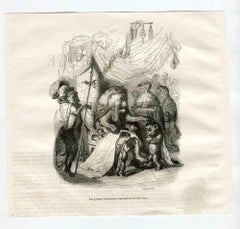
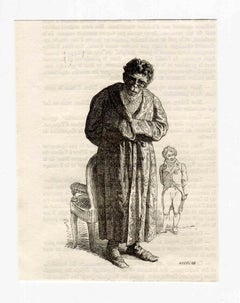
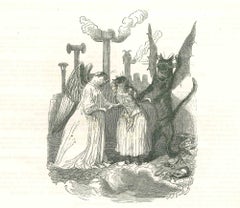
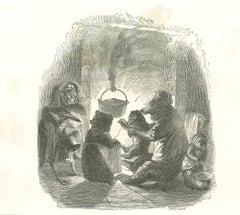
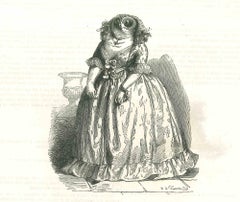
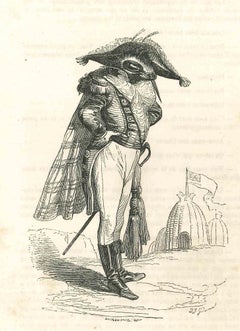
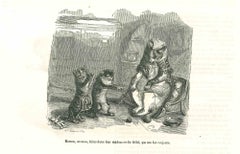
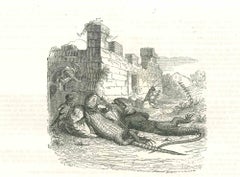
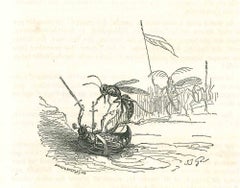
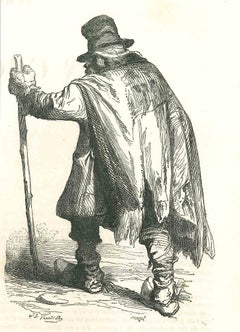
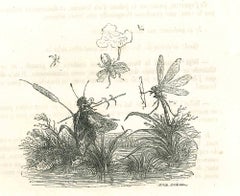
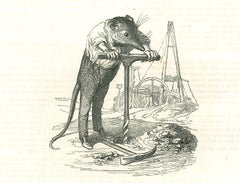
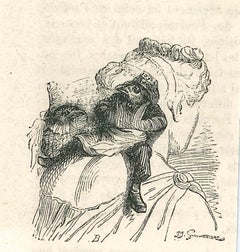
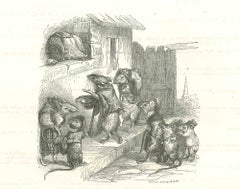
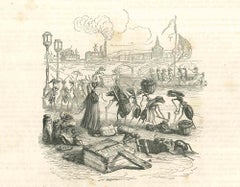
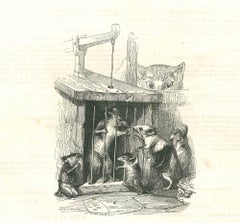
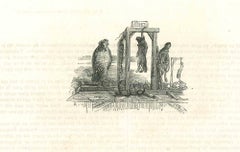
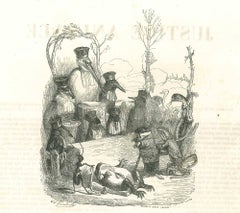
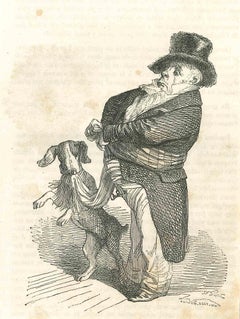
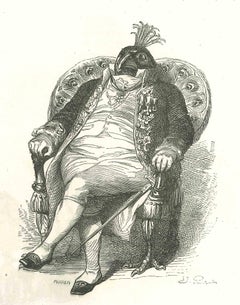
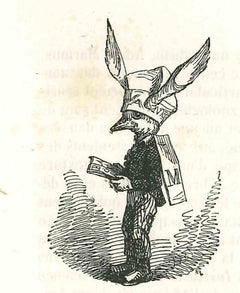
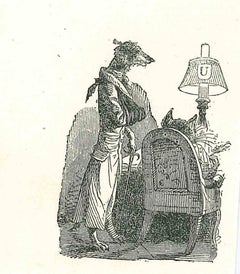
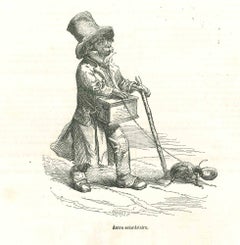
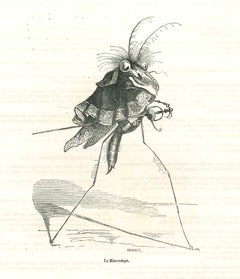
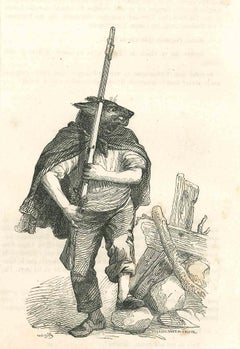
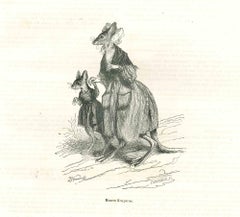
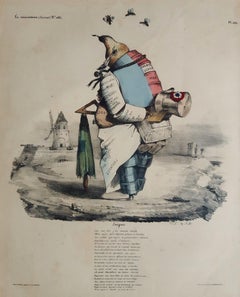
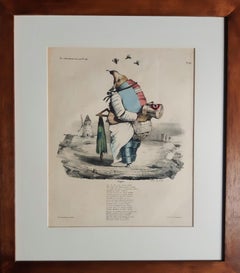
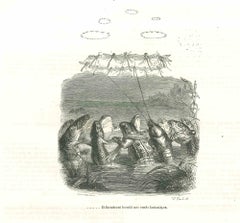
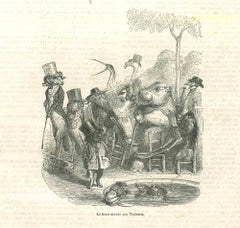
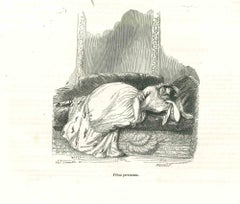
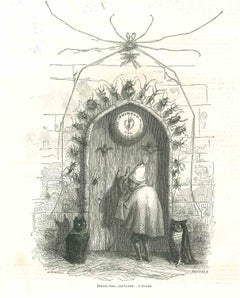
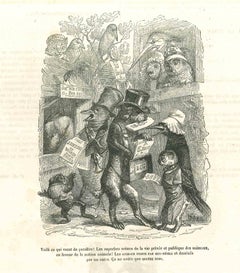
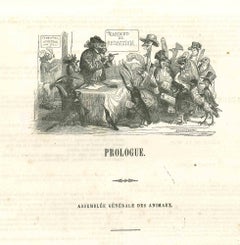
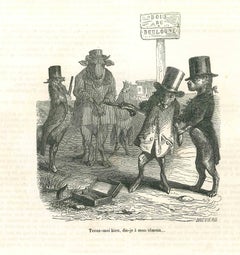
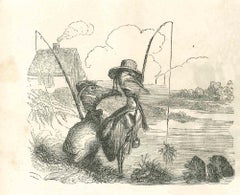
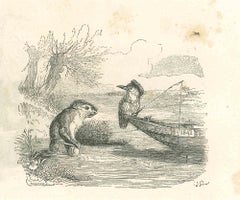
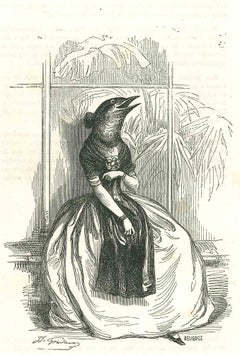
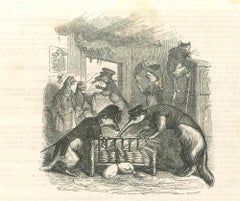
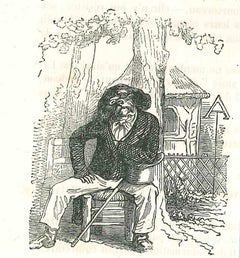
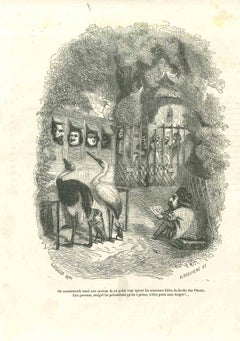
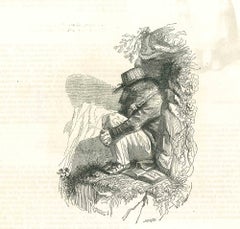
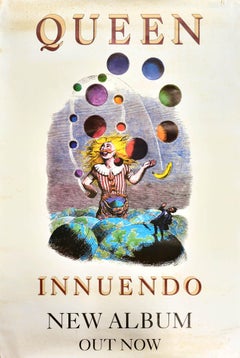
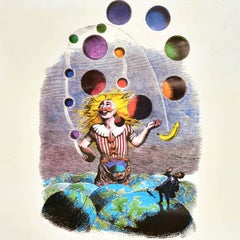
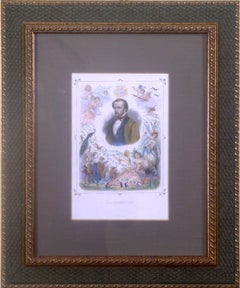
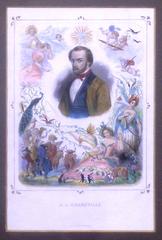
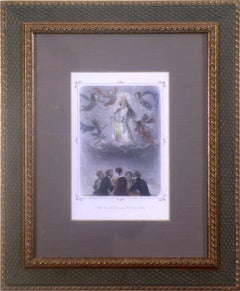
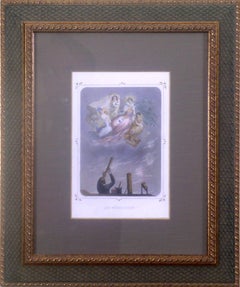
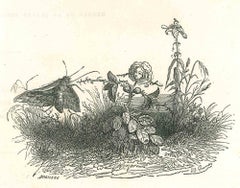
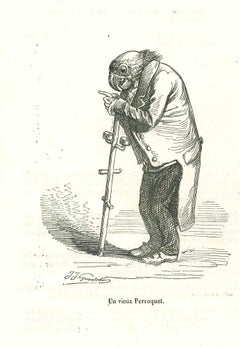
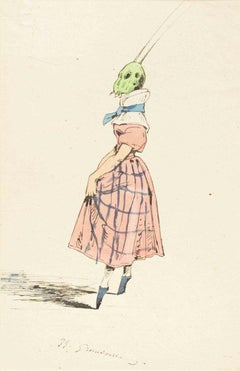
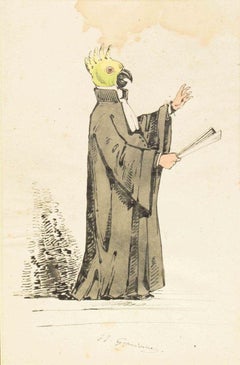
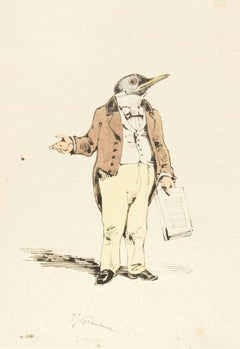
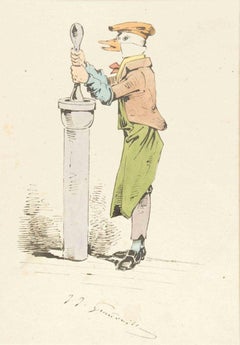
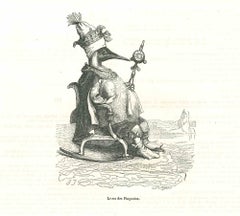
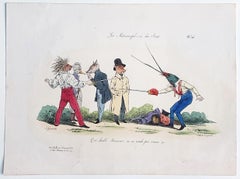
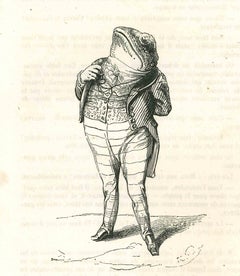
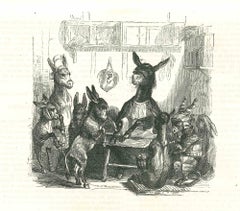
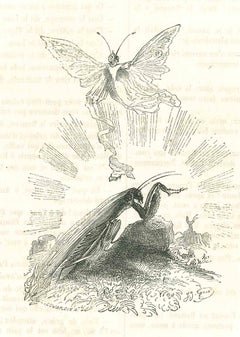
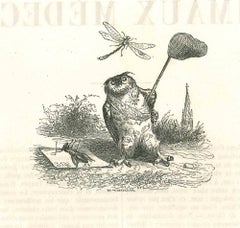
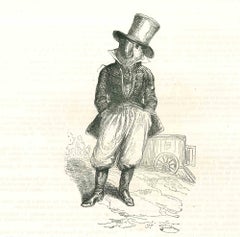
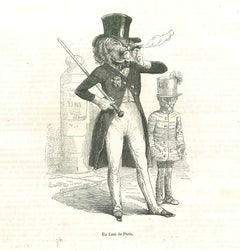
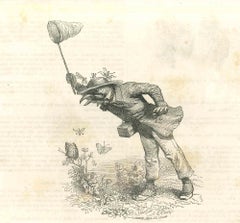
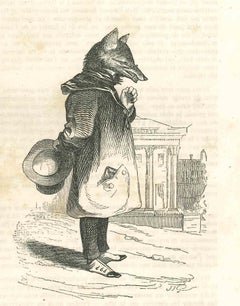
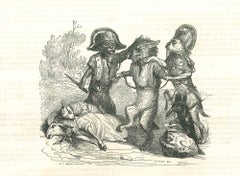
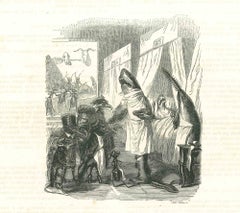
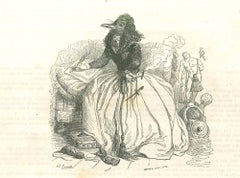
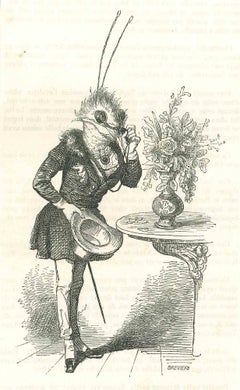
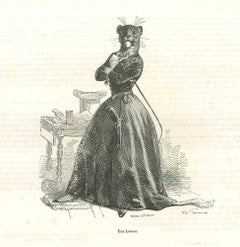
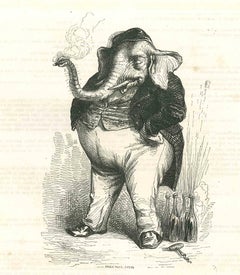
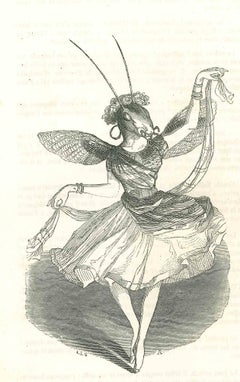
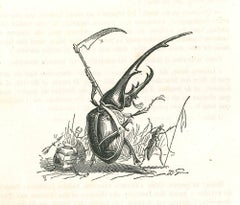
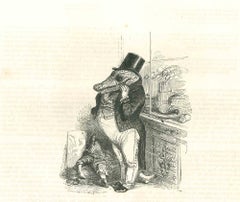
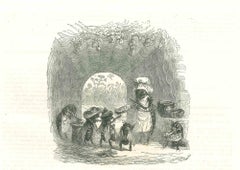
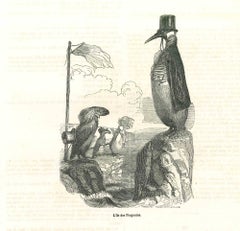
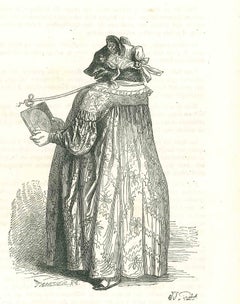
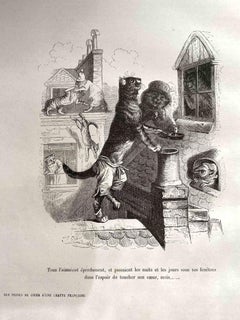
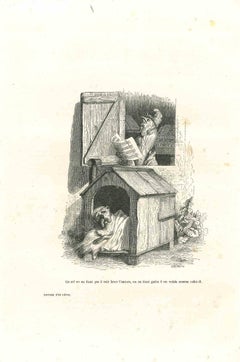
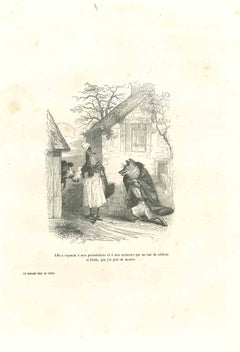
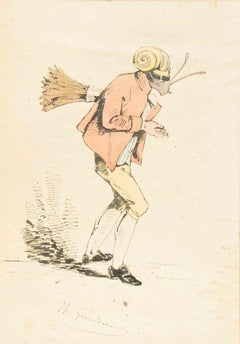
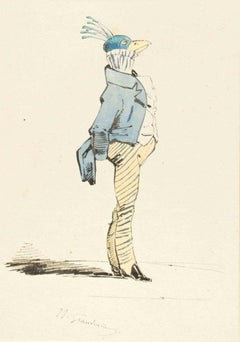
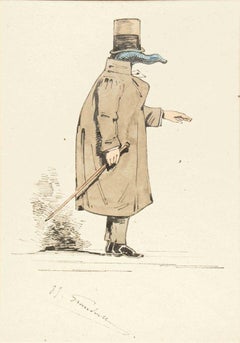
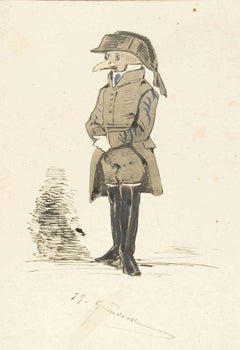
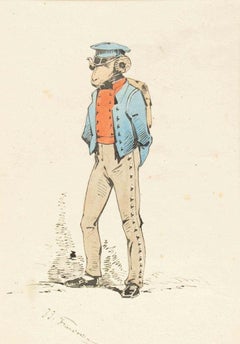
Jean Ignace Isidore Gérard, generally known by the pseudonym of Jean-Jacques or J. J. Grandville, was a French caricaturist.
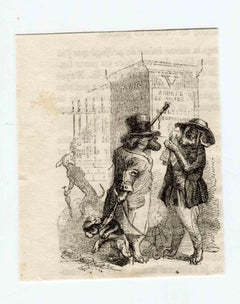
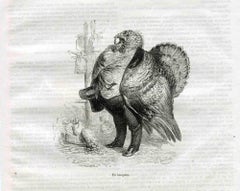
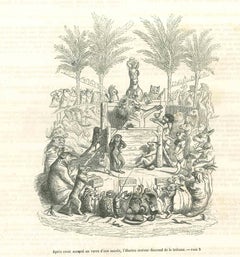
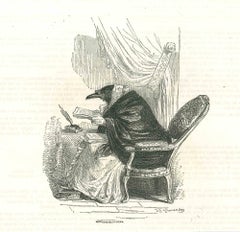
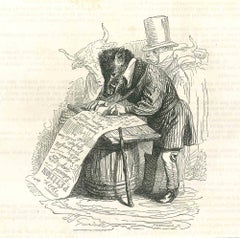
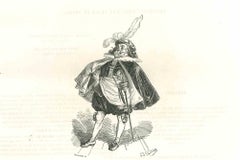
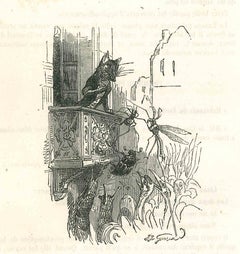
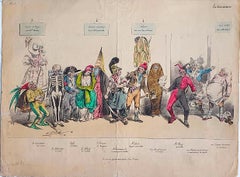
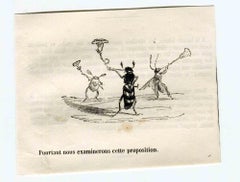
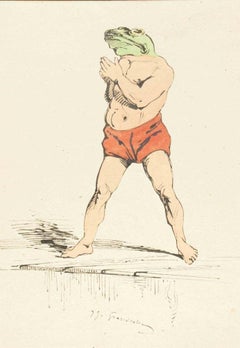
Grandville received his first instruction in drawing from his father, a painter of miniatures. At the age of twenty-one he moved to Paris, and soon afterward published a collection of lithographs entitled Les Tribulations de la petite proprieté. He followed this with Les Plaisirs de tout âge and La Sibylle des salons (1827); but the work which first established his fame was Les Métamorphoses du jour (1828–29), a series of seventy scenes in which individuals with the bodies of men and faces of animals are made to play a human comedy. These drawings are remarkable for the extraordinary skill with which human characteristics are represented in animal facial features.
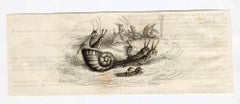
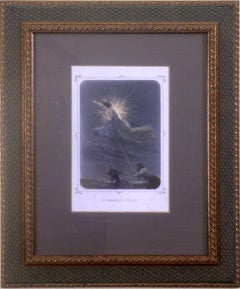
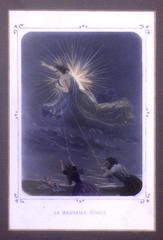
After the reinstitution of prior censorship of caricature in 1835, Grandville turned almost exclusively to book illustration, supplying illustrations for various standard works, such as the songs of Béranger, the fables of La Fontaine, Don Quixote, Gulliver's Travels, Robinson Crusoe. He also continued to issue various lithographic collections.
Though the designs of Grandville are occasionally unnatural and absurd, they usually display keen analysis of character and marvelous inventive ingenuity, and his humor is always tempered and refined by delicacy of sentiment and a vein of sober thoughtfulness.
Find original J. J. Grandville prints and other art for sale on 1stDibs.
(Biography provided by Wallector)
The first decades of the 20th century were a period of artistic upheaval, with modern art movements including Cubism, Surrealism, Futurism and Dadaism questioning centuries of traditional views of what art should be. Using abstraction, experimental forms and interdisciplinary techniques, painters, sculptors, photographers, printmakers and performance artists all pushed the boundaries of creative expression.
Major exhibitions, like the 1913 Armory Show in New York City — also known as the “International Exhibition of Modern Art,” in which works like the radically angular Nude Descending a Staircase by Marcel Duchamp caused a sensation — challenged the perspective of viewers and critics and heralded the arrival of modern art in the United States. But the movement’s revolutionary spirit took shape in the 19th century.
The Industrial Revolution, which ushered in new technology and cultural conditions across the world, transformed art from something mostly commissioned by the wealthy or the church to work that responded to personal experiences. The Impressionist style emerged in 1860s France with artists like Claude Monet, Paul Cézanne and Edgar Degas quickly painting works that captured moments of light and urban life. Around the same time in England, the Pre-Raphaelites, like Edward Burne-Jones and Dante Gabriel Rossetti, borrowed from late medieval and early Renaissance art to imbue their art with symbolism and modern ideas of beauty.
Emerging from this disruption of the artistic status quo, modern art went further in rejecting conventions and embracing innovation. The bold legacy of leading modern artists Georges Braque, Pablo Picasso, Frida Kahlo, Salvador Dalí, Henri Matisse, Joan Miró, Marc Chagall, Piet Mondrian and many others continues to inform visual culture today.
Find a collection of modern paintings, sculptures, prints and other fine art on 1stDibs.