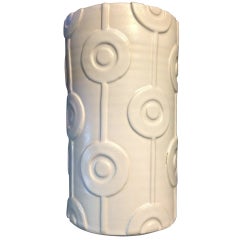
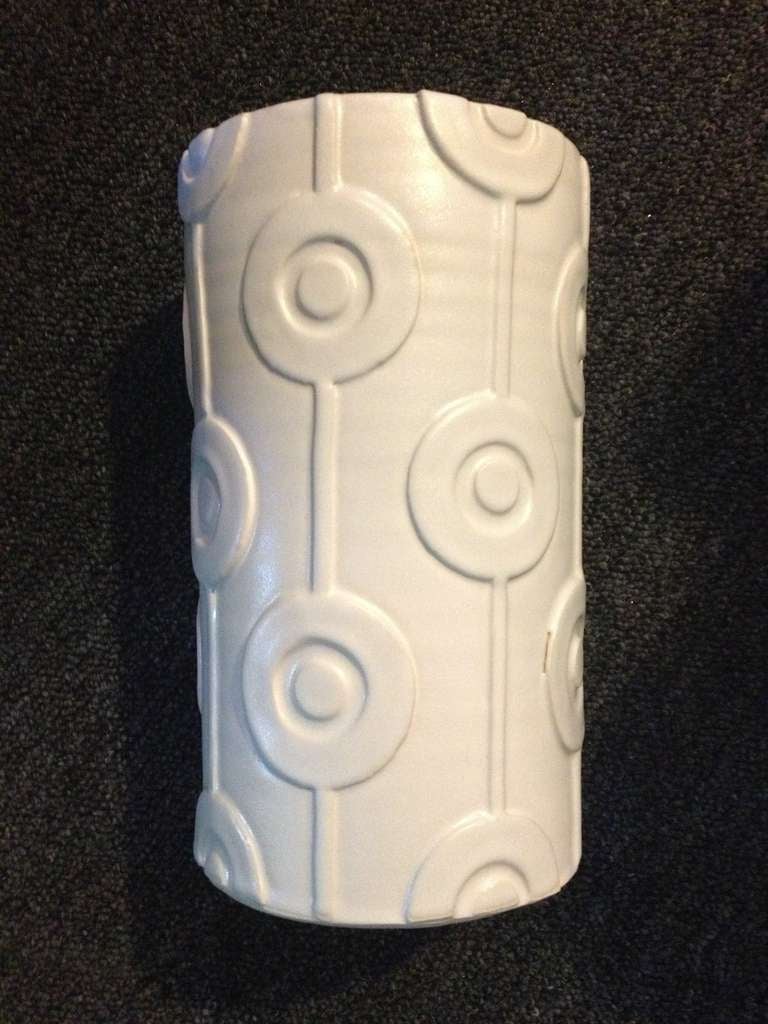
Jonathan Adler Couture Ceramic Vase
By Jonathan Adler
Located in Westport, CT
Jonathan Adler Couture ceramic vase handmade for a friend.
Category
Late 20th Century American Mid-Century Modern Ceramics
Materials
Ceramic
Jonathan Adler Couture Ceramic Vase
By Jonathan Adler
Located in Westport, CT
Jonathan Adler Couture ceramic vase handmade for a friend.
Ceramic
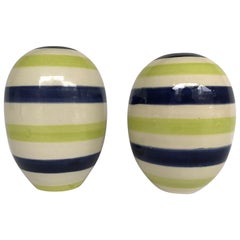
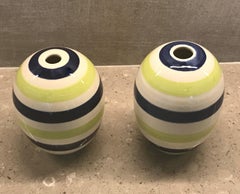
Pair of Early Couture Collection Bud Vases by Jonathan Adler, 1990s
By Jonathan Adler
Located in Miami, FL
Reduced from $175.....Jonathan Adler exhibited his first ceramic collection in Barney's New York in 1993. In 1998 he opened his first boutique in SOHO New York. These two hand thrown...
Ceramic, Pottery
Johnathan Adler Couture ceramic Vase
By Jonathan Adler
Located in Westport, CT
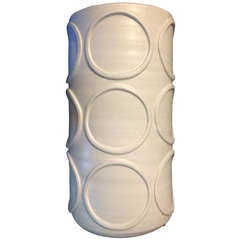
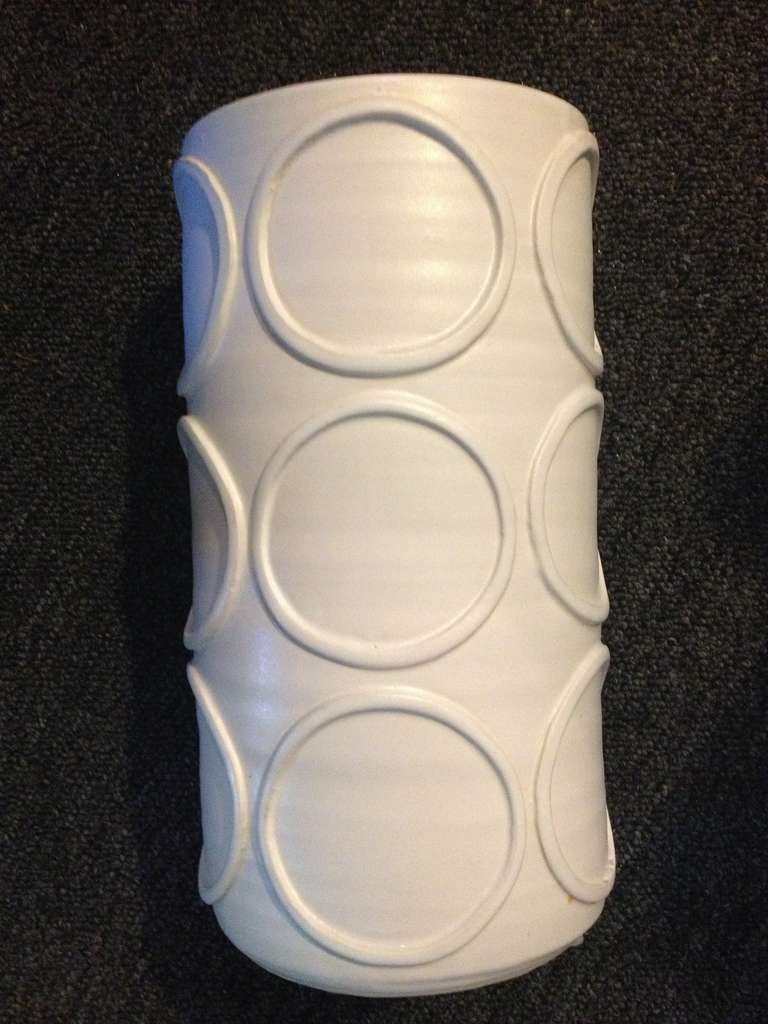
Johnathan Adler Couture ceramic Tall Handmade Vase 'circa 1980's made for a friend .rare,and i have 3 other Different pieces from this collection offered
Johnathan Adler Couture Handmade Ceramic Vase
By Jonathan Adler
Located in Westport, CT
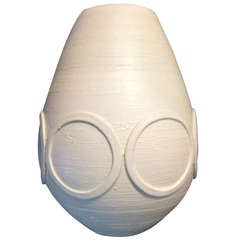
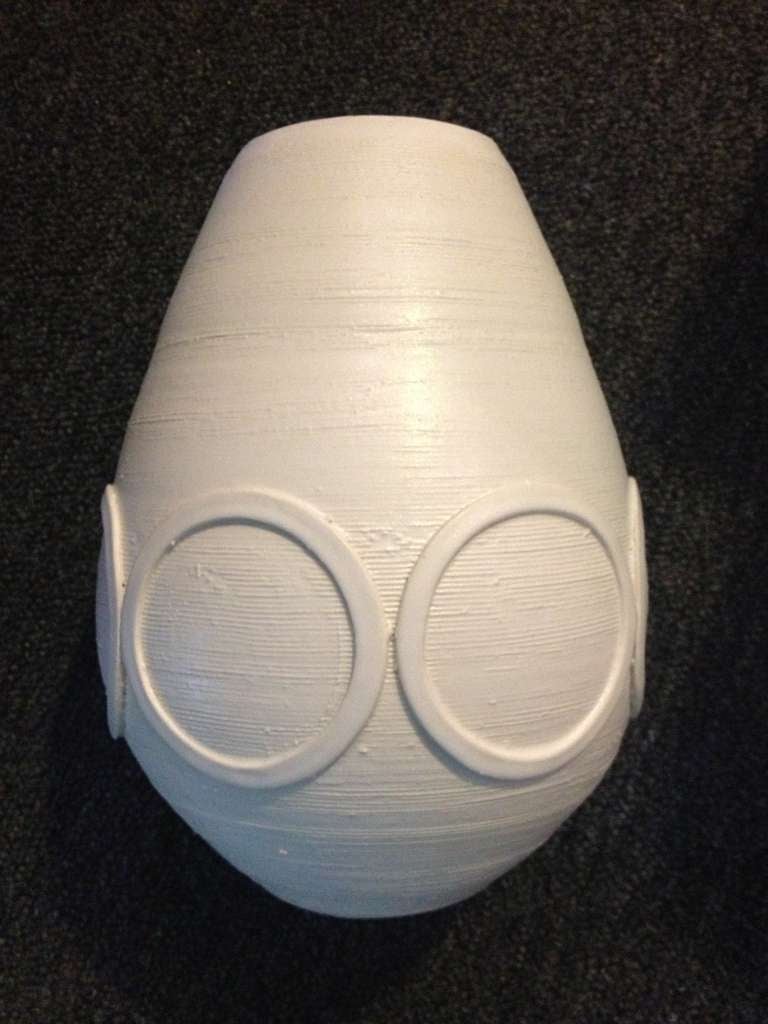
Circa 1980's Johnathan Adler(couture) Signed original Vase,made for a friend , Rare and early ,
Ceramic
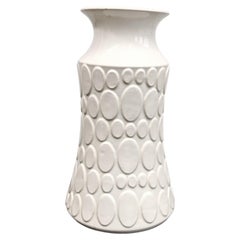
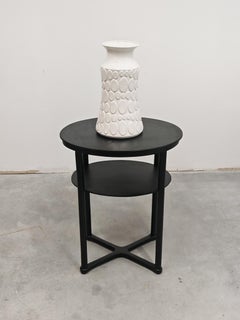
Mid Century Modern XL Ceramic Vase by Jasba West Germany 1970s
By Jasba Keramik
Located in Beograd, RS
In this listing you will find a gorous Minimalist ceramic vase by Jasba Keramik. It features a distinctive all-white glaze with a raised, geometric "op art" (optical art) oval patter...
Ceramic
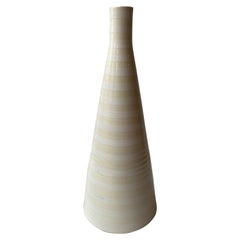
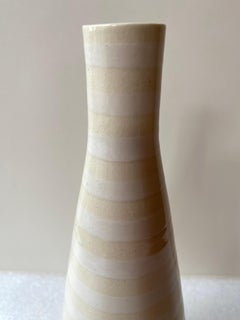
Jonathan Adler Hand-Thrown Ceramic Vase, Modern Design, USA, 1988
By Jonathan Adler
Located in Philadelphia, PA
Jonathan Adler Hand-Thrown and painted 14" tall vase. Nice condition with one very small rim chip as seen in photo.
Ceramic
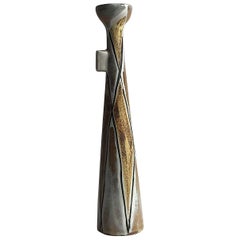
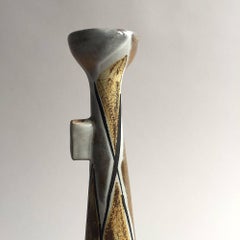
Madoura Vase Vallauris
By Madoura
Located in Munich, DE
Vallauris Madoura vase, France, 1960. Madoura Plein Feu Stamp, Suzanne Ramie H 30,5 , D 6,5 bottom cm.
Ceramic
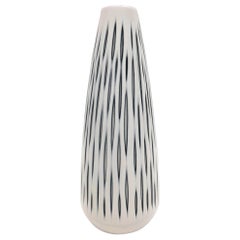
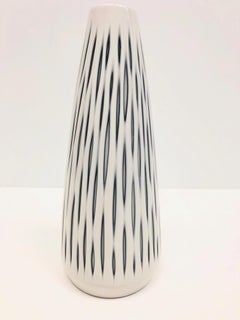
Vintage Sgrafo Modern Ceramic Vase Vintage, German, 1960s
By Sgrafo Modern
Located in Nuernberg, DE
An amazing glazed midcentury studio art pottery vase made in Germany, circa 1960s by Sgrafo Modern. Vase is in very good condition with no chips, cracks, or flea bites. Signed at the...
Ceramic
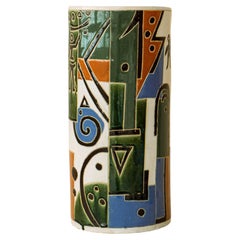
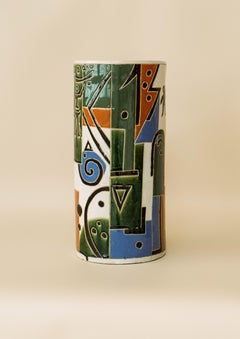
Mid-Century Modern Ceramic Vase by Unknown Artist, 1960s
Located in New York, NY
A hand-painted ceramic vase with colorful motifs and a vitrified finish. The piece plays with color through geometric or organic arrangements depending on the angle. Elegant and mode...
Ceramic
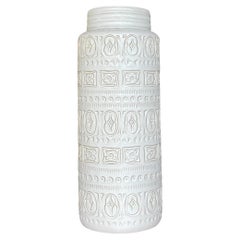
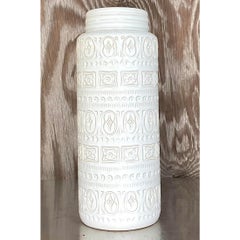
Vintage MCM West German Studio Pottery Vase
Located in West Palm Beach, FL
A fantastic vintage MCM table vase. An iconic West German design with a repeating ring of design characters. A beautiful neutral color that will blend easily into so many looks. Mark...
Pottery
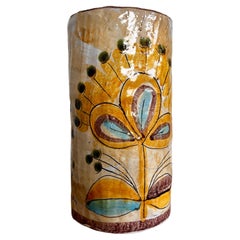
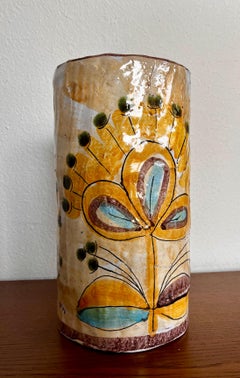
Large 1970s Signed Mid-Century Modern Studio Pottery Ceramic Vase
Located in Miami, FL
Large signed Mid-Century Modern studio pottery italian style ceramic vase. Signed and date by the artist, BF 77. Features a brutalist inspired design with hand-painted floral motiv...
Ceramic
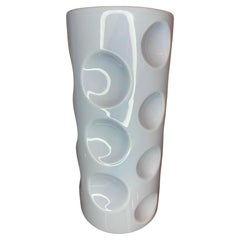
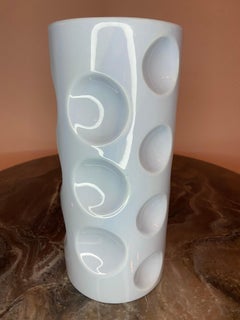
Mid-Century Modern Space Age Vase by Kingston Pottery
Located in Waddinxveen, ZH
Beautiful timeless piece of ceramics by Kingston Pottery UK.
Ceramic
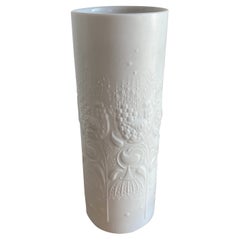
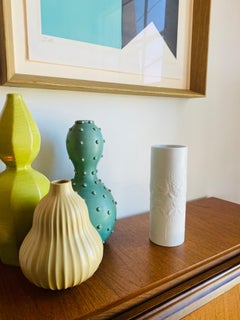
Vintage Opt Art Studio Line Vase by Bjorn Wiinblad for Rosenthal
By Bjørn Wiinblad, Rosenthal
Located in San Diego, CA
Opt-art Studio Line vase by Bjorn Wiinblad for Rosenthal, circa 1970s. The vase was conceptualized by Danish artist-cum-designer Bjorn Wiinblad for Rosenthal of Germany as part of th...
Porcelain
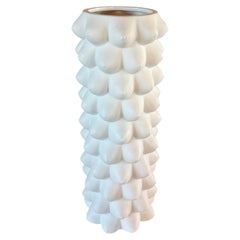
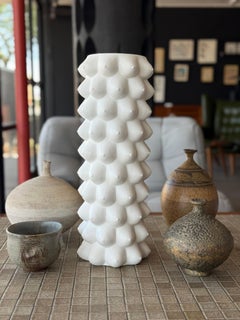
Jonathan Adler Large White Muse Vase
By Jonathan Adler
Located in Phoenix, AZ
Jonathan Adler large-scale all white "Muse" series vase in wonderful original condition.
Ceramic
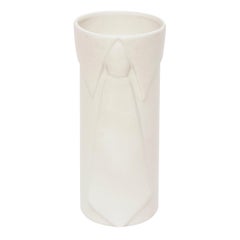
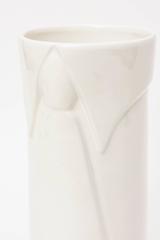
Vintage Raymor Pop Art Gazed Ceramic Vase Italy 1970's Off White
By Raymor
Located in North Miami, FL
Tie one on in this whimsical Italian Raymor vintage ceramic vase that is a circular shirt with a tie and collar. It is conversational and Italian pop art. These are hard to come by ...
Ceramic
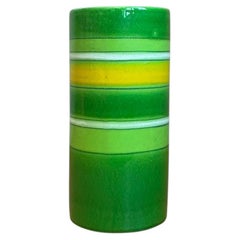
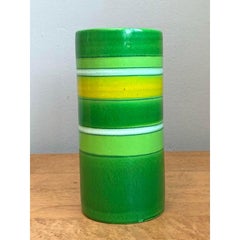
Vintage Italian MCM Rosenthal Netter Ceramic Vase
By Rosenthal Netter
Located in West Palm Beach, FL
This vibrant cylindrical vase was created in Italy for the renowned importer Rosenthal-Netter, a hallmark of sophisticated mid-century interior decor. Featuring a rhythmic, hand-pain...
Ceramic
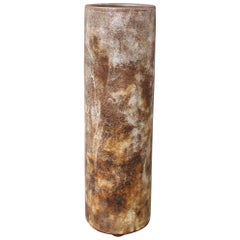
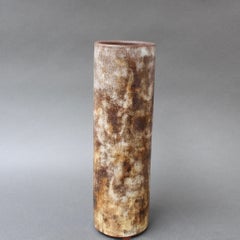
$486Sale Price|40% Off
H 11.03 in Dm 3.35 in
Vintage French Ceramic Vase by Alexandre Kostanda, circa 1960s
By Alexandre Kostanda
Located in London, GB
French ceramic vase by Alexandre Kostanda, (circa 1960s). This beautiful cylindrical vessel presents a misty appearance with natural earth tones in brown, beige and delicate hints of...
Ceramic
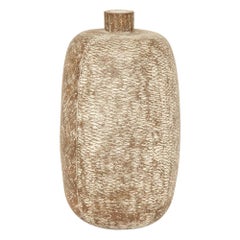
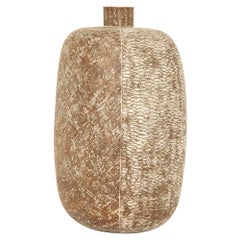
Mid-Century Modern Ceramic Vase by Claude Conover, Hand-Crafted, USA, 1970s
By Claude Conover
Located in New York, NY
Mid-Century Modern Ceramic Vase by Claude Conover, Hand-Crafted, USA, 1970s. Large hand built stoneware vase decorating with hatching and scratching patterns. An incised line divides...
Ceramic, Pottery

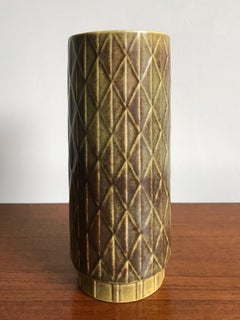
Gunnar Nylund Scandinavian Midcentury Ceramic Vase for Rörstrand 1960s
By Gunnar Nylund, Rörstrand
Located in Reggio Emilia, IT
Scandinavian ceramic vase designed by Gunnar Nylund for Rörstrand, made in Sweden, marked on the bottom, in matte enamel, 1960s. Dimensions: Height 22 cm, diameter 8 cm.
Ceramic, Stoneware
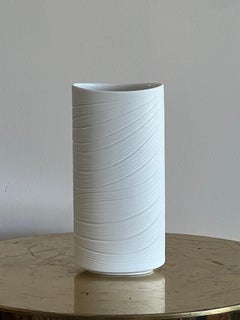
Rosenthal West German Studio Line Porcelain Vase
By Martin Freyer
Located in St.Petersburg, FL
Beautiful porcelain vase by M.Freyer, stamped Rosenthal Studio Line # 3562/22. Very 1970's look with swirls and OP Art effect.
Porcelain
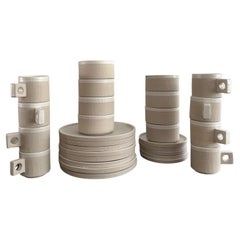
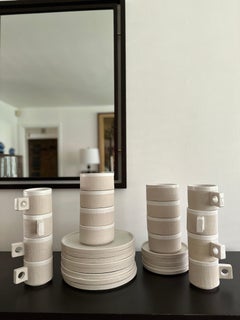
$2,400 / set
H 0.88 in W 10.63 in D 10.63 in
29 Piece Set of Pottery Tableware Designed by Jonathan Adler, Brazilia Pattern
By Jonathan Adler
Located in Doraville, GA
29 Piece set of pottery stoneware with a white ceramic overglaze designed by Jonathan Adler. The pattern is called "Brazilia", which was part of Adler's "Pot à Porter" line, the line...
Pottery
Potter-turned-home-design guru Jonathan Adler is a man with a peripatetic mind, inspired in equal parts, it seems, by classic modern design, Surrealism and pop culture.
Although his namesake company has expanded into a mini empire touching just about every aspect of modern living — chairs and ice buckets, wallpaper and menorahs, chandeliers and rugs — made in myriad materials, Adler still creates almost every object in clay first. His guiding principle is a simple one: “I make the stuff I want to surround myself with, and I surround myself with it.”
Adler grew up in a New Jersey farm town. His grandfather became a local judge, and his father returned home after graduating from the University of Chicago. “My pop was a brilliantly talented artist. At one point, he had to decide whether to become an artist or a —,” he pauses, searching for the right word, “person.” His father became a lawyer but spent all his free time in his studio, “making art, unencumbered by the need to make money from it. It was a totally pure pursuit.” Adler’s mother, who had worked at Vogue and moved to the rural town reluctantly, was also creative, and both parents encouraged their three children’s creativity.
When he was 12, Adler went to sleepaway camp, where he threw his first pot. “And it was on,” he says. His parents bought him a pottery wheel, and he spent the remainder of his adolescence elbow-deep in clay. Even while majoring in semiotics and art history at Brown University, he hung out at the nearby Rhode Island School of Design, making pots.
Adler moved to New York City, worked briefly in entertainment, and in 1993 returned to his true love, throwing pots (in exchange for teaching classes) at a Manhattan studio called Mud Sweat & Tears. One day, at Balducci’s food market, he ran into Bill Sofield, an old friend who had recently cofounded, with Thomas O’Brien, the now-legendary Aero Studios, a design firm and shop. Sofield paid a studio visit and promptly gave him an order. Then, another friend introduced Adler to a buyer at Barneys New York, who also wrote an order.
For about three years after Adler began devoting himself to ceramics full-time. Despite the street cred of both Aero and Barneys, he also wasn’t really making enough money to live on. Then, in 1997, he teamed with Aid to Artisans, a nonprofit aimed at creating economic opportunity for skilled artisans in developing countries, and traveled to Peru to hire potters who could follow his designs, thus increasing production.
Adler’s first store opened in 1998, in the Soho shopping mecca in Manhattan. He now operates about two dozen shops, as far-flung as London and Bangkok. During Adler’s trip to Peru, he connected not only with potters but also with several talented weavers and decided to branch out into textiles. Other categories followed, leading him to travel the world in search of artisans who could execute his endless supply of ideas. In India, Adler found a man who’s expert at beadwork; he has his limed furniture made in Indonesia, his honey-colored wood pieces in Vietnam.
After a friend asked him to decorate her house, Adler expanded to interior design, taking on hotels as well as private residences — projects for which he remains “agnostic,” using pieces by other designers. “I really try to get to know my clients and then make them seem more glamorous and more eccentric than they think,” he says. “I see myself as a slimming mirror for them.”
Find Jonathan Adler seating, case pieces, decorative objects and other furniture on 1stDibs.
Whether it’s a Chinese Han dynasty glazed ceramic wine vessel, a work of Murano glass or a hand-painted Scandinavian modern stoneware piece, a fine vase brings a piece of history into your space as much as it adds a sophisticated dynamic.
Like sculptures or paintings, antique and vintage vases are considered works of fine art. Once offered as tributes to ancient rulers, vases continue to be gifted to heads of state today. Over time, decorative porcelain vases have become family heirlooms to be displayed prominently in our homes — loved pieces treasured from generation to generation.
The functional value of vases is well known. They were traditionally utilized as vessels for carrying dry goods or liquids, so some have handles and feature an opening at the top (where they flare back out). While artists have explored wildly sculptural alternatives over time, the most conventional vase shape is characterized by a bulbous base and a body with shoulders where the form curves inward.
Owing to their intrinsic functionality, vases are quite possibly versatile in ways few other art forms can match. They’re typically taller than they are wide. Some have a neck that offers height and is ideal for the stems of cut flowers. To pair with your mid-century modern decor, the right vase will be an elegant receptacle for leafy snake plants on your teak dining table, or, in the case of welcoming guests on your doorstep, a large ceramic floor vase for long tree branches or sticks — perhaps one crafted in the Art Nouveau style — works wonders.
Interior designers include vases of every type, size and style in their projects — be the canvas indoors or outdoors — often introducing a splash of color and a range of textures to an entryway or merely calling attention to nature’s asymmetries by bringing more organically shaped decorative objects into a home.
On 1stDibs, you can browse our collection of vases by material, including ceramic, glass, porcelain and more. Sizes range from tiny bud vases to massive statement pieces and every size in between.