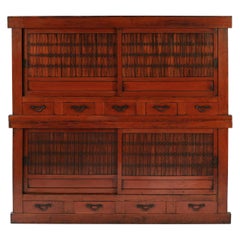
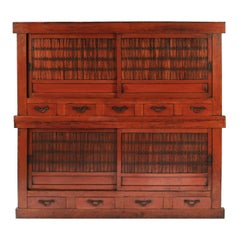
Late 19th Century Large Two Section Antique Japanese Kitchen Tansu
Located in Point Richmond, CA
Late 19th Century Large Two Swection Antique Japanese Kitchen Tansu A Kyoto Mizuya Tansu also
Category
1990s Japanese Meiji Furniture
Materials
Iron
Late 19th Century Large Two Section Antique Japanese Kitchen Tansu
Located in Point Richmond, CA
Late 19th Century Large Two Swection Antique Japanese Kitchen Tansu A Kyoto Mizuya Tansu also
Iron
$8,500
H 68.19 in W 66.7 in D 20.08 in
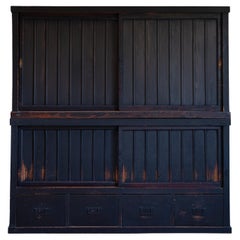
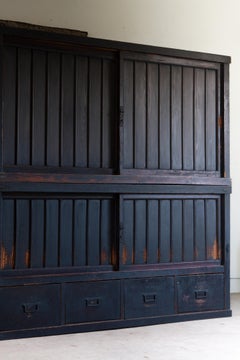
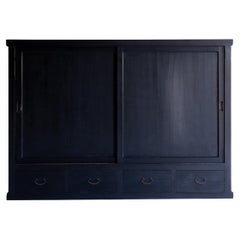
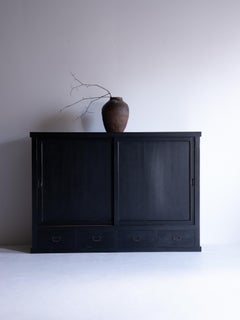
19th Cen. Edo Japanese 2-tier large black Mizuya Tansu, wabi sabi kitchen chests
Located in 常陸大宮市, JP
prefecture, Japan. This 2-tier large Mizuya tansu (Kitchen chest) is the product of mid to late Edo period
Wood, Cedar, Pine
Japanese Large Black Tansu Circa 1860's / Cabinet Wabi-Sabi
Located in Sammu-shi, Chiba
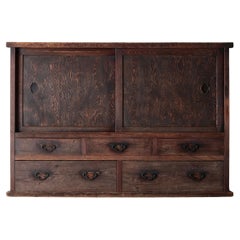
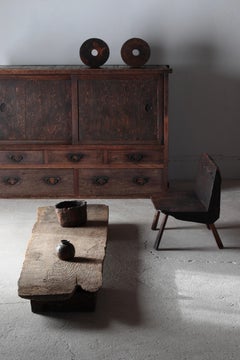
This large Japanese tansu was crafted in the early 1900s and reflects a restrained yet powerful
Cedar
$6,500
H 44.49 in W 65.16 in D 21.07 in
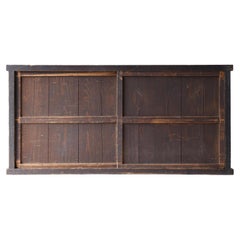
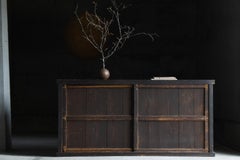
Japanese Antique Large Tansu / Cabinet Sideboard / 1868-1912s / Wabi-Sabi
Located in Iwate-gun Shizukuishi-cho, Iwate Prefecture
Overview This exceptional 19th-century Japanese Mizuya Tansu (traditional kitchen cabinet) is a
Hardwood, Cedar
$3,500
H 33.47 in W 68.9 in D 19.69 in
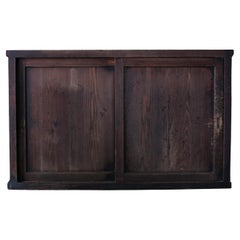
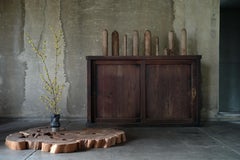
Japanese Antique Large Tansu 1860s-1900s / Storage Cabinet Sideboard Wabisabi
Located in Chōsei District Nagara, JP
This is a large antique Tansu chest from Japan, crafted during the Meiji period (1860s–1900s). Made
Cedar
$4,200
H 34.65 in W 55.91 in D 18.51 in
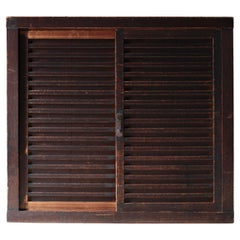
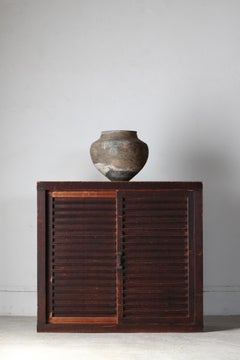
Japanese Antique Simple Large BK Tansu 1860s-1900s / Cabinet Sideboard
Located in Sammu-shi, Chiba
This is an antique Japanese chest of drawers. It features a simple design with only carved handles
Cedar
$5,500
H 41.15 in W 45.28 in D 17.92 in
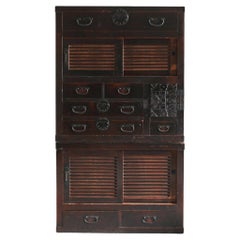
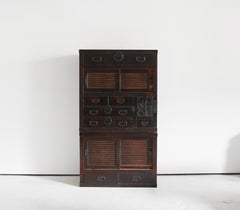
Japanese Antique Large Tansu / Cabinet Sideboard / 1868-1912s / Wabi-Sabi
Located in Iwate-gun Shizukuishi-cho, Iwate Prefecture
Description This exceptional Japanese merchant’s chest (Tansu), dating from the Meiji Period (late
Iron
$7,925
H 67.72 in W 38.59 in D 17.72 in
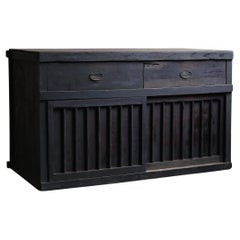
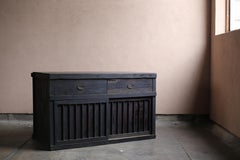
Large Wabi Sabi Two Section Late Edo Period Japanese Tansu Cabinet
Located in London, GB
A tall two section Japanese tansu from the mid 19th century. Nicely patinated cedar with
Iron
$3,800
H 28.75 in W 48.23 in D 24.41 in
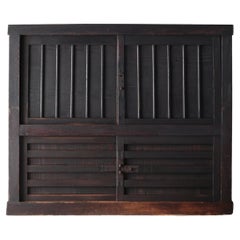
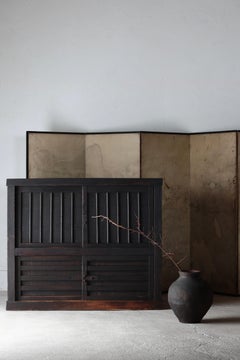
Japanese Antique Large BK Tansu 1860s-1900s / Cabinet Sideboard Wabi Sabi
Located in Sammu-shi, Chiba
This is an antique Japanese Tansu. Judging by the condition of the metal parts, it appears to be
Cedar
$4,500
H 42.92 in W 50.79 in D 26.38 in
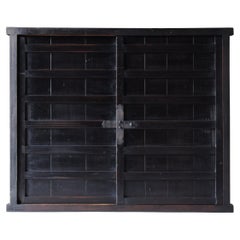
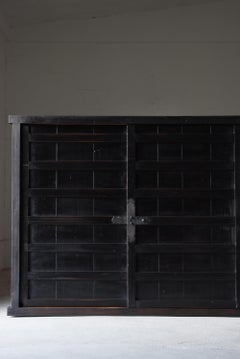
Japanese Antique Large Black Tansu / Cabinet Sideboard / 1800-1868s / Wabi-Sabi
Located in Iwate-gun Shizukuishi-cho, Iwate Prefecture
This is an old Japanese cabinet called a tansu. It is made of cedar and is thought to date from the
Iron
$3,200Sale Price|28% Off
H 50.01 in W 61.42 in D 29.93 in
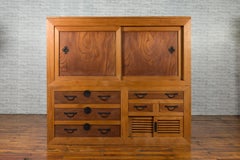
Japanese Antique Large Black Tansu 1860s-1900s / Cabinet Sideboard Wabi Sabi
Located in Chōsei District Nagara, JP
This is an old large Tansu made in Japan. This furniture was made during the Meiji period (1860s
Iron

$25,300
H 64.5 in W 71.5 in D 36 in
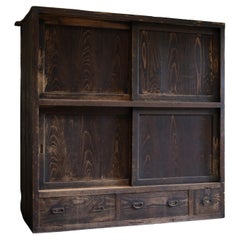
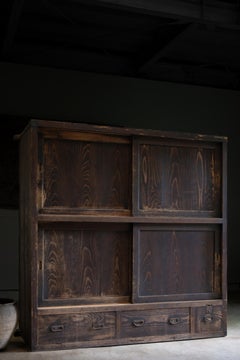
Large Japanese Meiji Period 19th Century Futon Tansu Cabinet with Iron Hardware
Located in Yonkers, NY
A large Japanese Meiji period two-piece futon tansu cabinet from the late 19th century, with
Iron
$4,800
H 69.3 in W 72.25 in D 24.02 in
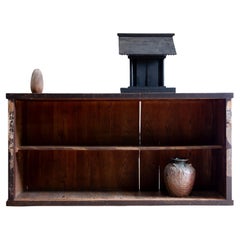
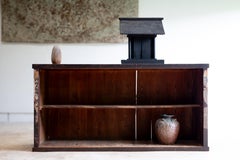
1870s-1900s Japanese antique large Mizuya tansu chest. wabi sabi primitive
Located in 常陸大宮市, JP
New finds from Kanto or Tohoku area, Japan. This large Mizuya tansu is made from premium quality
Wood, Cedar
$2,450
H 29.3 in W 59.06 in D 17.13 in
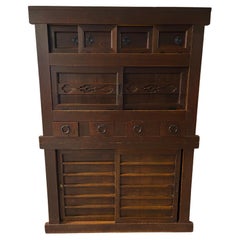
1890-1930s Japanese antique large Mizuya tansu chest, wabi sabi shelf, primitive
Located in 常陸大宮市, JP
Japanese Antique Mizuya tansu chest / side board, From Kanto area, Japan. Made from premium
Wood, Cedar
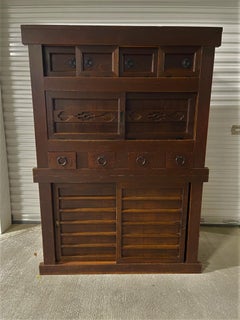
$2,340
H 66.25 in W 47.5 in D 18.75 in
Japanese Tansu Storage Cabinet with Sliding Doors, Meiji Period, 19th Century
Located in Savannah, GA
Large Two Section Japanese Kitchen Tansu, Late 19th Century. Interior bottom section has been
Elm
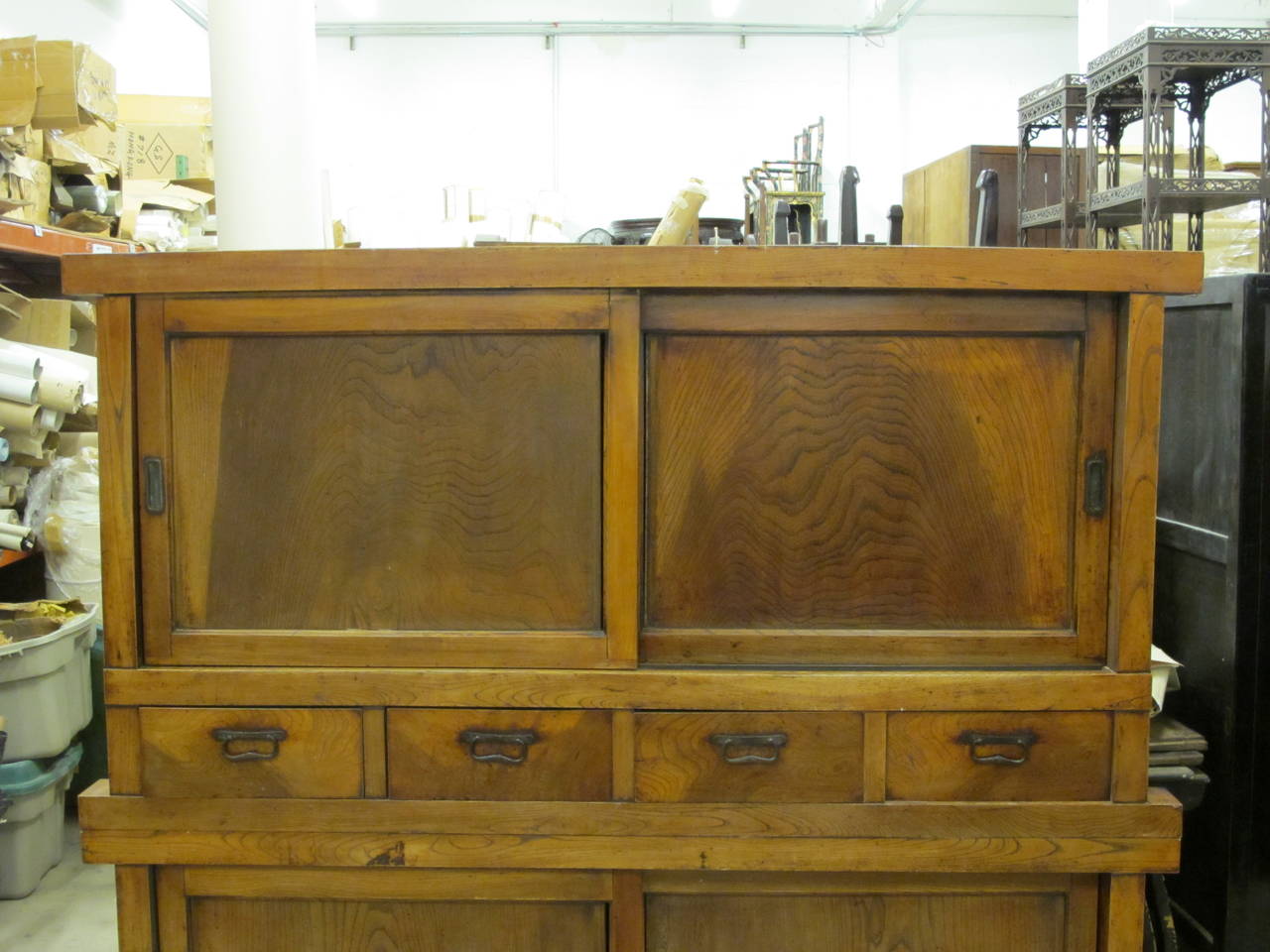
19th Century Japanese Large Kitchen Tansu
Located in New York, NY
A beautiful 19th century wooden Mizuya Tansu chest, in two parts (upper and lower). With large
Wood
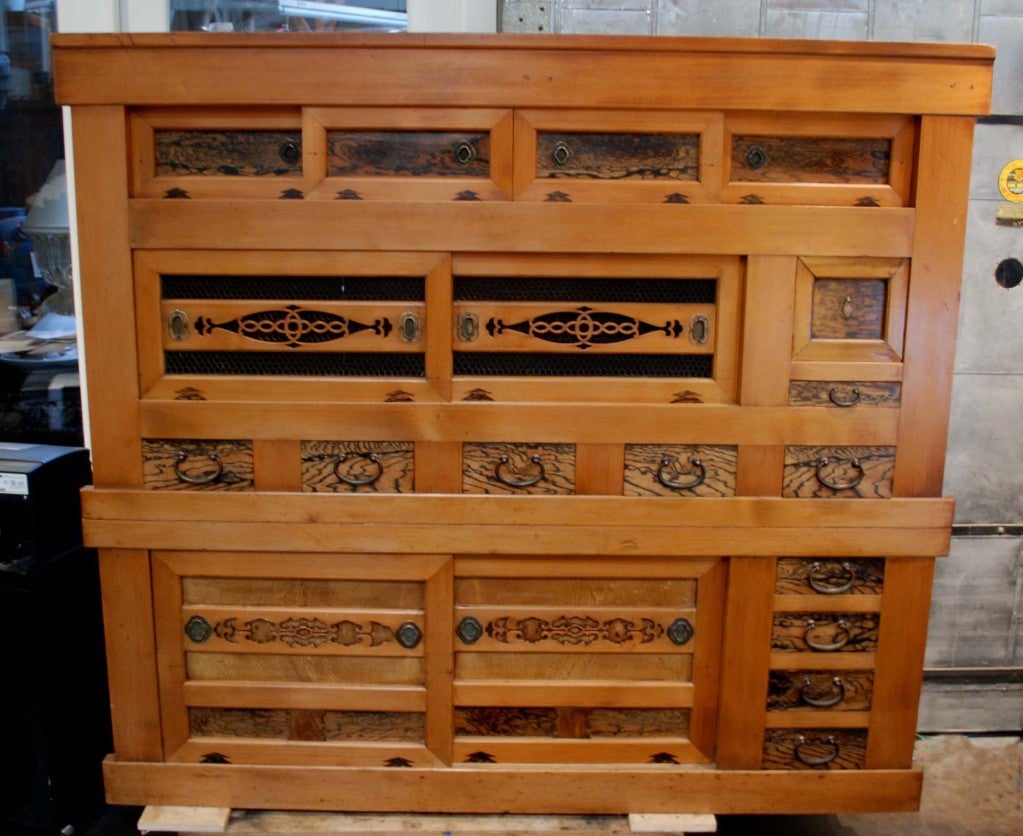
Large Japanese Tansu Cabinet, Meiji Period
Located in San Marino, CA
A finely crafted large Japanese kitchen tansu “mizuya dansu” with nine doors and ten drawers
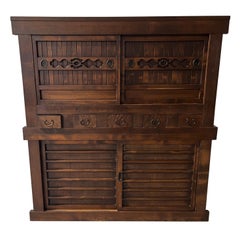

Large Two Section Japanese Kitchen Tansu, Late 19th Century
Located in Savannah, GA
Large two section Japanese Kitchen Tansu, late 19th century. Interior has been modified for bar use
Elm
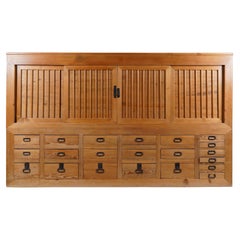
A Japanese Mizuya Tansu
Located in Chicago, IL
A large 2-piece Japanese Mizuya kitchen tansu with 21 drawers and an upper cabinet with 4 sliding
Cedar
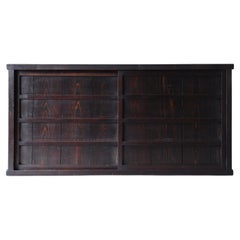
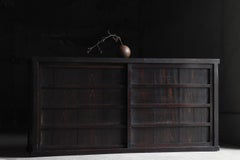
Japanese Antique Large Tansu 1860s-1900s / Sideboard Wabisabi
Located in Sammu-shi, Chiba
antiques. This is a very old Japanese large Tansu. The furniture is from the Meiji period (1860s-1900s
Cedar
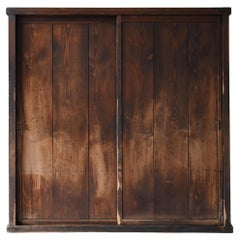
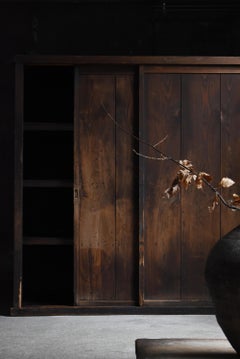
Japanese Antique Large Tansu 1860s-1900s / Cabinet Wabi Sabi
Located in Chōsei District Nagara, JP
This is a large Tansu made in Japan. It was made during the Meiji period (1860s-1900s), and the
Cedar
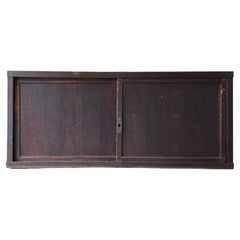
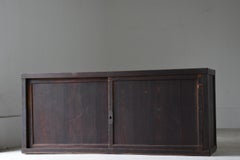
Sold
H 29.14 in W 68.12 in D 21.66 in
Japanese Antique Large Tansu 1860s-1900s/Cabinet Sideboard Wabisabi
Located in Sammu-shi, Chiba
This is an old large Japanese chest of drawers. It is from the Meiji period (1860s-1900s). It is
Cedar
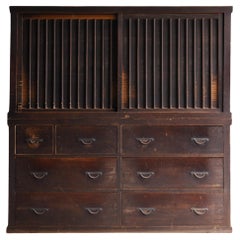
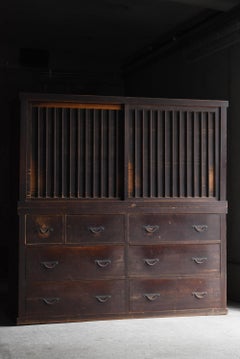
Sold
H 67.33 in W 66.54 in D 19.3 in
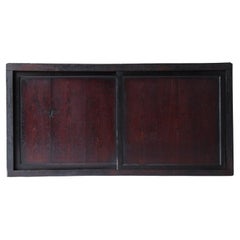
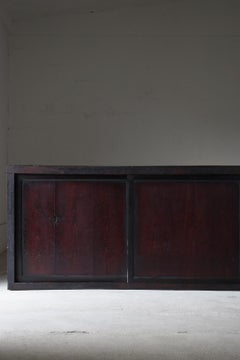
Japanese Antique Large Stacking Tansu 1860s-1920s / Cabinet Wabisabi
Located in Chōsei District Nagara, JP
This is a Stacking Tansu made in Japan. It was made between the Meiji and Taisho periods (1860s
Iron
Sold
H 35.04 in W 68.9 in D 18.9 in
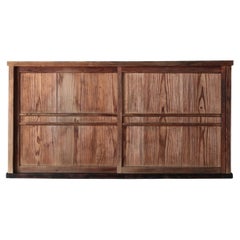
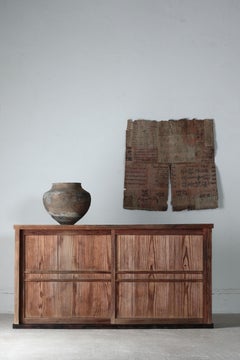
Japanese Antique Large Tansu 1860s-1920s / Cabinet Sideboard Wabisabi
Located in Sammu-shi, Chiba
This is a very old large type chest of drawers made in Japan. This furniture was made in the Meiji
Cedar
Sold
H 34.65 in W 66.74 in D 17.72 in
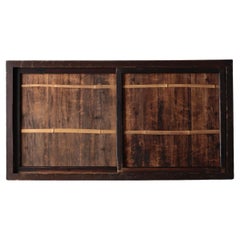
Japanese Antique Large Tansu / Cabinet Sideboard / 1868-1912s / Wabi-Sabi
Located in Iwate-gun Shizukuishi-cho, Iwate Prefecture
A beautifully aged Japanese tansu cabinet crafted from solid cedar, dating to the late 19th century
Cedar, Pine

Sold
H 34.65 in W 65.95 in D 23.04 in
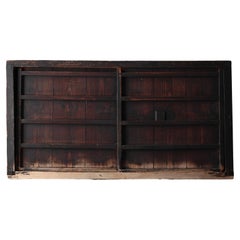
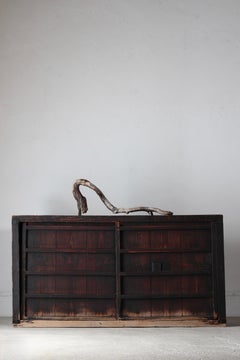
Japanese Antique Large Tansu / Cabinet Sideboard / Early 20th / Wabi-Sabi
Located in Iwate-gun Shizukuishi-cho, Iwate Prefecture
Overview: This authentic Japanese Tansu (storage chest) features a long, low-profile design that
Cedar
Sold
H 36.03 in W 68.51 in D 21.46 in
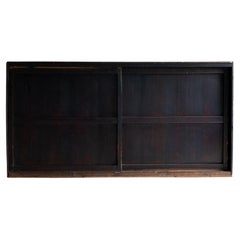
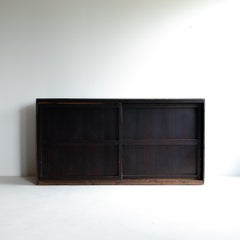
Japanese Antique Large Black Tansu / Cabinet Sideboard / 19thCentury / Wabi-Sabi
Located in Iwate-gun Shizukuishi-cho, Iwate Prefecture
(kitchen cabinet) hails from the Tohoku region of Northern Japan. Constructed from solid cedar (Sugi), the
Cedar
Sold
H 34.65 in W 66.93 in D 18.51 in
Japanese Antique Rare Large Tansu 1860s-1900s / Cabinet Sideboard Wabisabi
Located in Sammu-shi, Chiba
Very rare and old Japanese large Tansu. Furniture made in the Meiji era (1860s-1900s). The material
Cedar
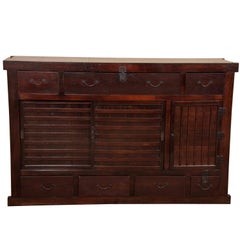
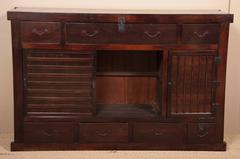
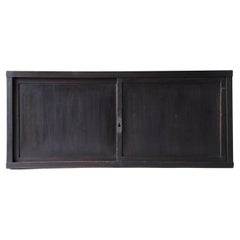
Large Japanese Tansu Cabinet of Lacquered Wood and Waxed Steel
Located in Stamford, CT
A Japanese Tansu cabinet of lacquered wood and waxed steel; having six drawers, one door and two
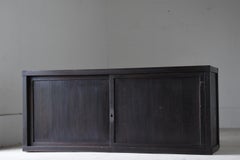
Sold
H 29.14 in W 68.12 in D 21.66 in
Japanese Antique Large Black Tansu 1860s-1900s / Cabinet Sideboard Wabi Sabi
Located in Sammu-shi, Chiba
This is a very old large Japanese Black Tansu. It is from the Meiji period (1860s-1900s). It is
Cedar
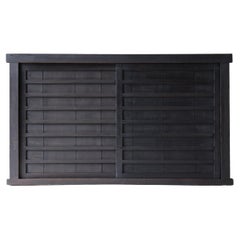

Sold
H 34.65 in W 59.65 in D 16.74 in
Japanese Antique Large Black Tansu 1860s-1900s / Cabinet Sideboard Wabi Sabi
Located in Sammu-shi, Chiba
This is a very old and large Japanese Tansu. It dates from the Meiji period (1860s-1900s). It is
Cedar
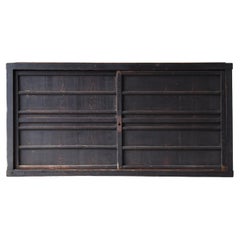

Sold
H 34.65 in W 68.9 in D 17.92 in
Japanese Antique Large Black Tansu 1860s-1900s / Sideboard Wabi Sabi
Located in Sammu-shi, Chiba
perspective. This is an old Japanese large Tansu. The furniture is from the Meiji period (1860s-1900s). The
Cedar
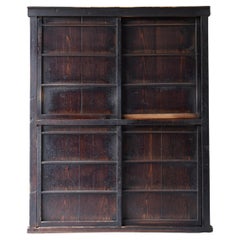

Sold
H 60.24 in W 49.22 in D 21.86 in
Japanese Antique Large Tansu 1860s-1900s / Cabinet Cupboard Wabi Sabi
Located in Chōsei District Nagara, JP
This is an old, large Tansu made in Japan. It is an unusual style with a vertical structure, and is
Cedar
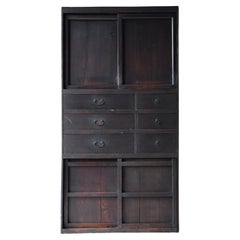

Sold
H 68.9 in W 35.83 in D 16.74 in
Japanese Antique Large Black Tansu 1860s-1900s / Cabinet Wabi Sabi
Located in Chōsei District Nagara, JP
This is a large black Tansu made in Japan. It was made in the Meiji period (1860s-1900s) and is
Cedar
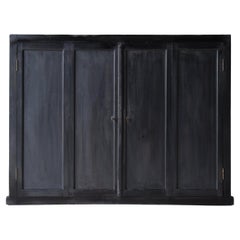

Sold
H 35.44 in W 46.26 in D 20.48 in
Japanese Antique Large Tansu 1860s-1920s/Storage Shelf Cabinet Wabisabi
Located in Sammu-shi, Chiba
This is an old Japanese cabinet. It is from the Meiji period (1860s-1920s). It is made of cedar
Cedar
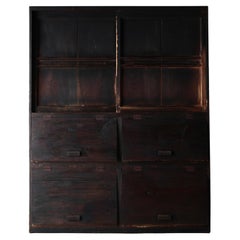

Sold
H 63.78 in W 50.79 in D 11.62 in
Japanese Antique Large Tansu / Cabinet Cupboard / 1868-1912s Wabi-sabi
Located in Iwate-gun Shizukuishi-cho, Iwate Prefecture
This is an old Japanese tansu. It was used in the Tohoku region around the Meiji period, and the
Wood, Cedar, Chestnut, Pine
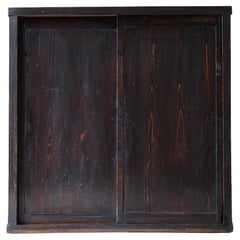

Sold
H 47.84 in W 47.64 in D 21.66 in
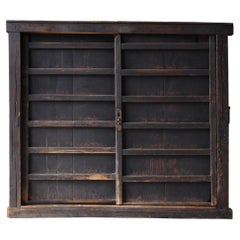
Japanese Antique Large Tansu 1860s-1900s / Cabinet Sideboard Wabi Sabi Mingei
Located in Sammu-shi, Chiba
This is a very old large Japanese Tansu. This item is from the Meiji era (1860s-1900s). It is
Cedar

Sold
H 47.05 in W 54.73 in D 24.41 in
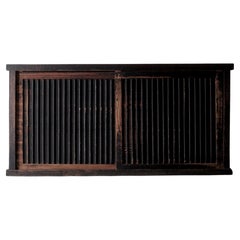
Japanese Antique Large Tansu 1800s-1860s/Chests of Drawers Cabinet Wabisabi
Located in Sammu-shi, Chiba
It is a very old Japanese large tansu. It is made of cedar trees. Furniture from the Edo period
Cedar

Sold
H 33.67 in W 68.9 in D 20.08 in
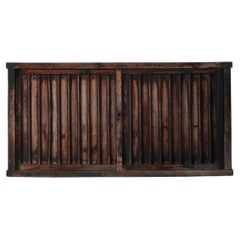
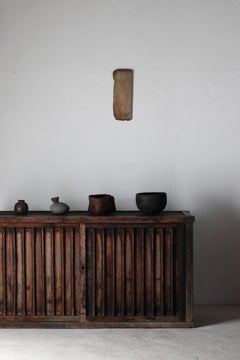
Japanese Antique Large Black Tansu / Cabinet Sideboard / 1868-1912s WabiSabi
Located in Iwate-gun Shizukuishi-cho, Iwate Prefecture
This is an old Japanese black cabinet. It seems to be around the Meiji period, and cedar is the
Wood, Cedar
Sold
H 33.47 in W 66.54 in D 23.04 in
Japanese Antique Large Tansu / Cabinet Sideboard / 1868-1912s Wabi-sabi
Located in Iwate-gun Shizukuishi-cho, Iwate Prefecture
This is an old Japanese tansu. It was used around the Meiji period and is made primarily of cedar
Iron
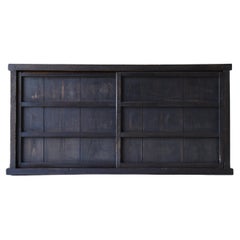

Sold
H 34.26 in W 69.1 in D 21.26 in
Japanese Antique Large Black Tansu 1860s-1900s / Chests of Drawers Wabi Sabi
Located in Sammu-shi, Chiba
Very old, large Japanese black Tansu. It is from the Meiji period (1860s-1900s). It is made of
Cedar
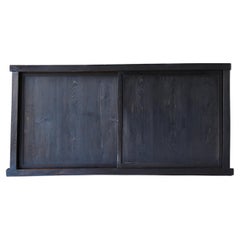

Sold
H 21.46 in W 68.9 in L 21.46 in
Japanese Antique Black Large Tansu 1860s-1900s/Chests of Drawers Cabinet
Located in Sammu-shi, Chiba
This is an old Japanese black large tansu. It is from the Meiji period (1860s-1900s). It is made of
Cedar
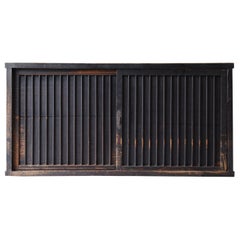
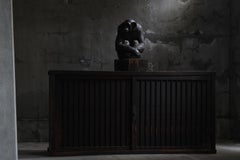
Sold
H 36.62 in W 73.82 in D 19.1 in
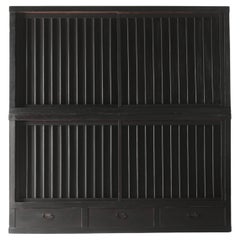
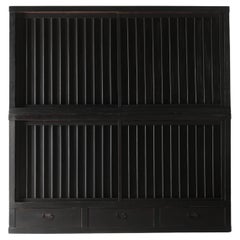
Japanese Antique Large Black Tansu 1860s-1900s / Cabinet Sideboard Wabi Sabi
Located in Sammu-shi, Chiba
Very old large black Tansu made in Japan. This furniture was made in the Meiji era. (1860s-1900s
Cedar
Sold
H 71.07 in W 69.69 in D 22.84 in
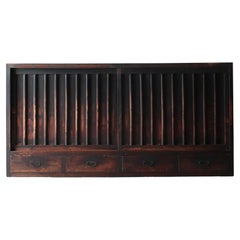
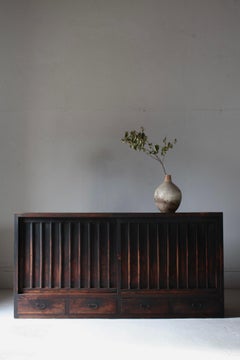
Japanese Antique Large Black Mizuya Tansu /Cabinet Cupboard 1868-1912s Wabi-sabi
Located in Iwate-gun Shizukuishi-cho, Iwate Prefecture
It is an old Japanese cupboard called "Mizuya Tansu". "Mizuya" means a place that deals with water
Wood, Cedar, Pine
Sold
H 34.26 in W 68.51 in D 19.89 in
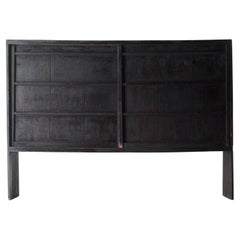
Japanese Antique Large Tansu / Cabinet Sideboard / 1868-1912s Wabi-sabi
Located in Iwate-gun Shizukuishi-cho, Iwate Prefecture
This is an old Japanese cabinet. It is estimated that it was around the Meiji period, and the main
Iron

Sold
H 50.4 in W 70.48 in D 19.3 in
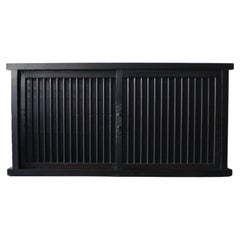
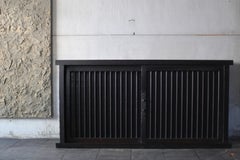
Japanese Antique Large Black Tansu / Cabinet Sideboard / 1868-1912s Wabi-sabi
Located in Iwate-gun Shizukuishi-cho, Iwate Prefecture
This is an old Japanese cabinet called "Mizuya Tansu". It is used in the Tohoku region of Japan
Wood, Cedar, Pine
Sold
H 34.26 in W 68.51 in D 19.69 in
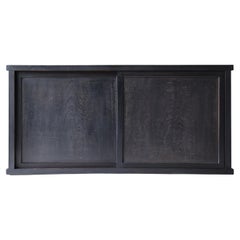
Japanese Antique Large BK Tansu 1860s-1900s / Cabinet Sideboard Wabi Sabi
Located in Sammu-shi, Chiba
piece is reminiscent of the spirit of wabi-sabi, the Japanese philosophy of finding beauty in
Cedar

Sold
H 70.28 in W 19.1 in L 70.28 in
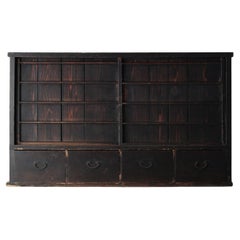
Japanese Antique Large Tansu 1860s-1920s/Chests of Drawers Cabinet Mingei
Located in Sammu-shi, Chiba
This is an old Japanese black large chest of drawers. It is from the Meiji period (1860s-1920s
Wood, Cedar

Sold
H 39.38 in W 66.15 in D 18.51 in
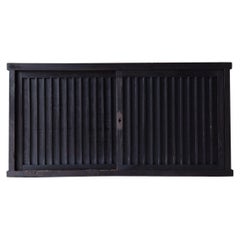
Japanese Antique Large Black Tansu / Cabinet Sideboard / 1868-1912s Wabi-sabi
Located in Iwate-gun Shizukuishi-cho, Iwate Prefecture
This is an old Japanese tansu. It was used in the Tohoku region around the Meiji period and is
Iron

Sold
H 35.44 in W 70.28 in L 35.44 in
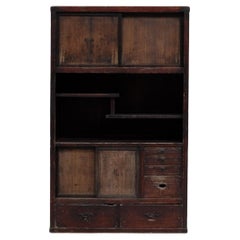
Japanese Antique Large Tansu 1800s-1900s/Chest of Drawer Cabinet Shelf Wabisabi
Located in Sammu-shi, Chiba
It is a large black tansu from Japan. Made of cedar tree. Furniture from the Edo period to the
Cedar

Sold
H 68.51 in W 41.74 in D 18.12 in
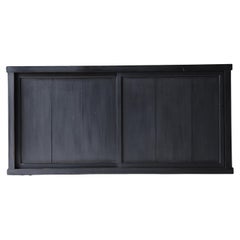
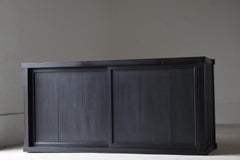
Unusually Large Heavily Patinated 19th C. Edo Period Japanese Tansu Wabi Sabi
Located in London, GB
An unusually tall early 19th C. Edo period Japanese Tansu cabinet. Constructed in a combined of
Cedar, Pine
Sold
H 32.09 in W 66.54 in L 32.09 in
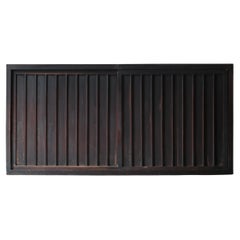
Japanese Antique Large Tansu Meiji Period 1860s-1920s/Chests of Drawers Cabinet
Located in Sammu-shi, Chiba
This is a Japanese tansu from the Meiji era (1860s-1920s). It is made of cedar wood. It is rare
Cedar

Sold
H 33.86 in W 69.1 in D 15.95 in
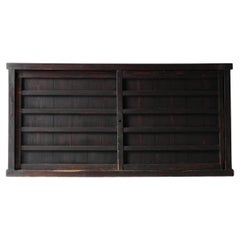
Japanese Antique Large Black Tansu / Cabinet Sideboard / 1868-1912s / Wabi-Sabi
Located in Iwate-gun Shizukuishi-cho, Iwate Prefecture
This is an old Japanese cabinet. It was used in the Tohoku region around the Meiji period, and is
Wood, Cedar

Sold
H 34.26 in W 68.71 in D 23.23 in
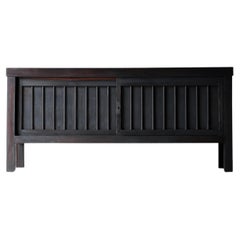
Japanese Antique Large Black Tansu / Cabinet Sideboard / 1868-1912s / Wabi-Sabi
Located in Iwate-gun Shizukuishi-cho, Iwate Prefecture
This is an old Japanese cabinet from around the Meiji period. It is made primarily of cedar and
Iron

Sold
H 30.32 in W 66.34 in D 21.46 in
Japanese Antique Large Black Tansu / Cabinet Sideboard / 1868-1912s Wabi-sabi
Located in Iwate-gun Shizukuishi-cho, Iwate Prefecture
This is an old Japanese cabinet. It originally came with a drawer, but it is an original product
Wood, Cedar, Cherry, Pine
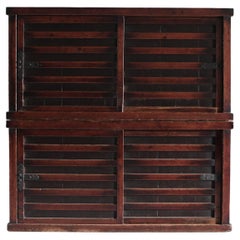

Very Large Late Edo/Early Meiji Period Two Part Tansu Wabi Sabi
Located in London, GB
A very large late Edo/early Meiji period two part tansu. Constructed in a combination of
Iron


Japanese Antique Large Tansu 1860s-1900s / natural color
Located in Sammu-shi, Chiba
This is a very old Japanese large Tansu. The furniture is from the Meiji period (1860s-1900s). The
Cedar
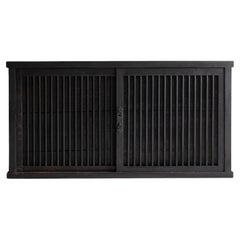

Japanese Antique Large Tansu 1860s-1900s / Sideboard Wabisabi
Located in Sammu-shi, Chiba
This is a very old Japanese large Tansu. The furniture is from the Meiji period (1860s-1900s). The
Iron
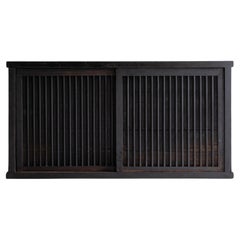

Japanese Antique Large Tansu 1860s-1900s / Sideboard Wabisabi
Located in Sammu-shi, Chiba
This is a very old Japanese large Tansu. The furniture is from the Meiji period (1860s-1900s). The
Cedar
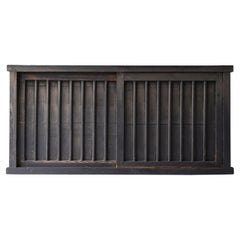
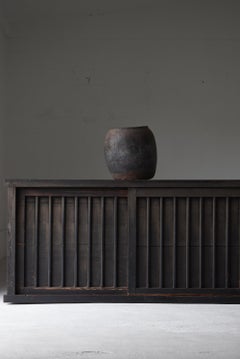
Sold
H 32.68 in W 67.52 in D 20.87 in
Japanese Antique Large Tansu 1860s-1900s / Sideboard Cabinet Wabisabi
Located in Chōsei District Nagara, JP
This is an old large black Japanese tansu, crafted during the Meiji period (1860s–1900s). It is
Cedar
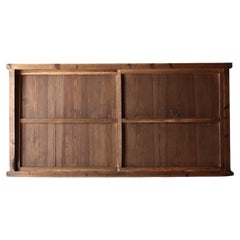

Japanese Antique Large Tansu / Cabinet Sideboard / Wabi-sabi
Located in Iwate-gun Shizukuishi-cho, Iwate Prefecture
This is an old Japanese cabinet. It is estimated to be around the early Showa period. The
Wood, Cedar
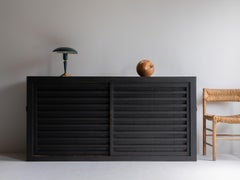
Japanese Antique Large Tansu 1860s-1900s / Sideboard Wabi Sabi
Located in Sammu-shi, Chiba
This is a historically significant Japanese tansu (chest) from the Meiji era (1860s–1900s), crafted
Cedar
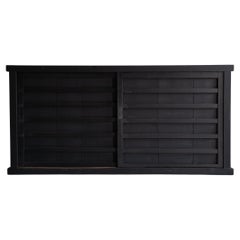
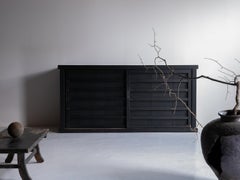
Japanese Antique Large Tansu 1860s-1900s / Sideboard Wabi Sabi
Located in Sammu-shi, Chiba
This is a historically significant Japanese tansu (chest) from the Meiji era (1860s–1900s), crafted
Cedar
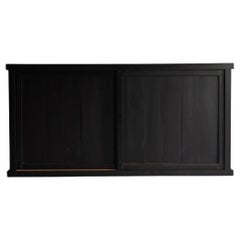
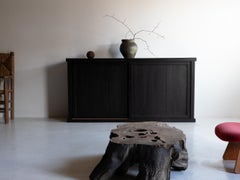
Japanese Antique Large Tansu 1860s-1900s / Sideboard Wabi Sabi
Located in Sammu-shi, Chiba
This is a historically significant Japanese tansu (chest) from the Meiji era (1860s–1900s), crafted
Cedar
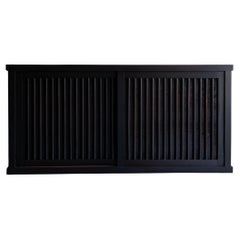
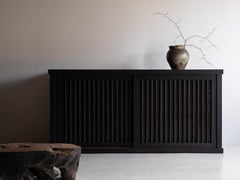
Japanese Antique Large Tansu 1860s-1900s / Sideboard Wabi Sabi
Located in Sammu-shi, Chiba
This is a historically significant Japanese tansu (chest) from the Meiji era (1860s–1900s), crafted
Cedar
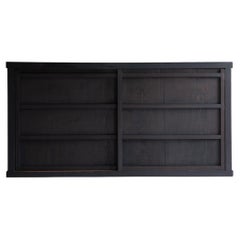

Japanese Antique Large Tansu 1860s-1900s / Sideboard Wabi Sabi
Located in Sammu-shi, Chiba
This is a historically significant Japanese tansu (chest) from the Meiji era (1860s–1900s), crafted
Cedar, Wood
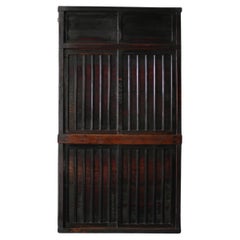

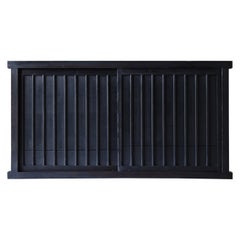
Japanese Antique BK Large Cabinet 1860s-1900s / Tansu Wabisabi
Located in Sammu-shi, Chiba
This account consists of 5 companies. I specialize in selecting and carefully selecting Japanese
Cedar

Sold
H 34.06 in W 64.97 in D 20.28 in
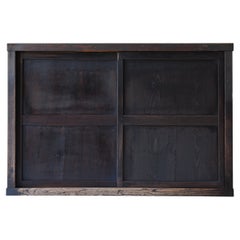
Japanese Antique Large Black Tansu 1860s-1900s / Cabinet Sideboard Wabisabi
Located in Sammu-shi, Chiba
Very old Japanese large black Tansu. Furniture made in the Meiji era (1860s-1900s). The material is
Cedar

Sold
H 35.83 in W 52.96 in D 23.82 in
Japanese Antique Large Tansu 1860s-1900s / Cabinet Sideboard Wabi Sabi
Located in Sammu-shi, Chiba
Very old Japanese large Tansu. Furniture made in the Meiji era (1860s-1900s). It is made of cedar
Cedar
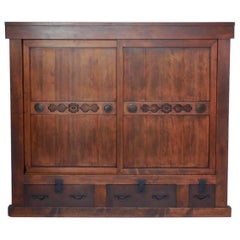

Large 19th Century Japanese Tansu Storage Chest with Sliding Doors
Located in Los Angeles, CA
19th century Japanese tansu chest used for storing bedding. Cabinet has three drawers and a pair of
Wood

Sold
H 59.65 in W 66.74 in D 26.19 in
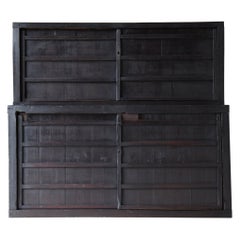
Japanese Antique Large Black Tansu 1860s-1900s / Cabinet Cupboard Wabisabi
Located in Sammu-shi, Chiba
Very old Japanese large Tansu (separate type). The furniture dates from the Meiji period (1860s
Cedar

Sold
H 67.33 in W 35.04 in D 20.48 in
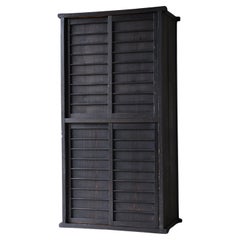
Japanese Antique Large Black Tansu 1860s-1900s / Cabinet Wabi Sabi
Located in Sammu-shi, Chiba
This is a very old large black tansu made in Japan. This furniture was made in the Meiji era
Cedar
$149 / item
H 1.78 in W 4.14 in D 4.53 in
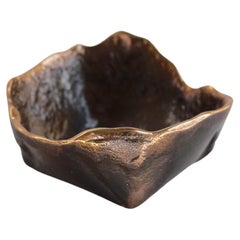
Handmade Cast Bronze Squared Wabi-Sabi Decorative Bowl, Vide-Poche, Small
By The Design Foundry
Located in London, London
Graceful bronze bowl, vide-poche, inspired by Wabi-Sabi, the ancient Japanese philosophy that views and embraces the world for its imperfections and transient nature. It translates i...
Bronze
$6,541Sale Price / item|20% Off
H 26.78 in W 70.87 in D 36.23 in
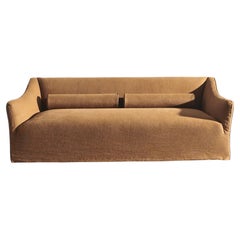
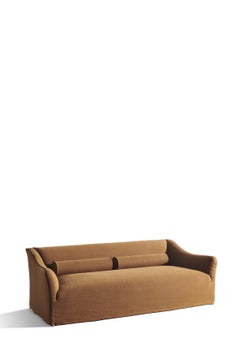
Gervasoni Sofa Upholstered Saia 10 by David Lopez Quincoces
By David Lopez Quincoces, Gervasoni
Located in Brooklyn, NY
With balanced lines, the Saia upholstered collection is created from a classic ideal reinterpreted in a contemporary key. The name, meaning "skirt" in Portuguese, illustrates its dis...
Upholstery
$1,696Sale Price / item|20% Off
H 4.15 in W 5.35 in D 7.75 in
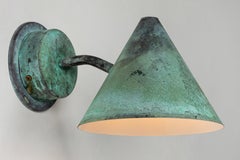
Hans-Agne Jakobsson 'Mini-Tratten' Verdigris Patinated Outdoor Sconce
By Örsjö Industri AB, Hans-Agne Jakobsson
Located in Glendale, CA
Hans-Agne Jakobsson 'Mini-Tratten' verdigris patinated outdoor sconce. An exclusive made for U.S. and UL listed authorized re-edition of the classic Swedish design executed in rich v...
Metal
$1,380
H 13.78 in W 39.77 in D 39.97 in
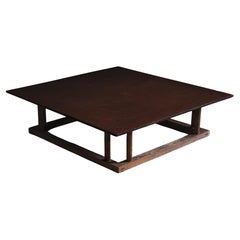
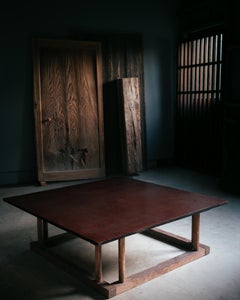
1910s-20s Japanese antique wabi sabi Zataku, low canter table, low coffee table
Located in 常陸大宮市, JP
Japanese antique Zataku low table for 4 people, a set of tabletop & wooden leg frame. Aimed to make as Kotatsu table (heat table with brazier) in winter. Tabletop material is ma...
Hardwood, Cedar
$1,900
H 16.15 in W 67.33 in D 32.29 in
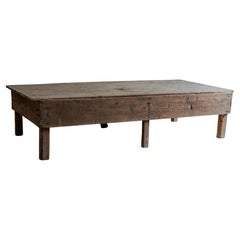
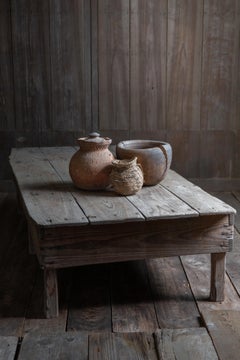
1920s-40s Japanese wabi sabi large low center table, display table or bench
Located in 常陸大宮市, JP
New finds from an old elementary school in Ibaraki pref., Japan. This vintage low table - or bench, was manufactured circa 1920s to 40s (early Showa era), estimate from the style & ...
Cypress

$4,500
H 14.38 in W 70.48 in D 42.52 in
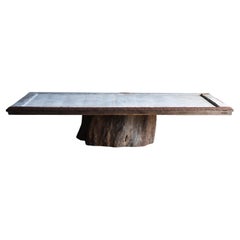
Japanese Antique Large Exhibition Table 1860s-1920s / Low Table Wabi-Sabi
By Axel Vervoordt
Located in Chōsei District Nagara, JP
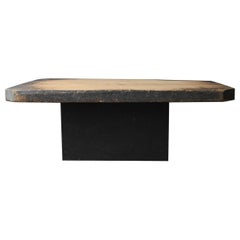
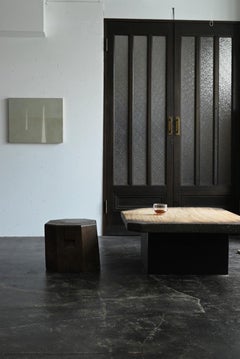
This is a large antique Japanese display table. A substantial sliding door from the Meiji period (1860s–1920s) has been repurposed as the tabletop and set atop a raw tree stump, pres...
Tin
$1,200
H 12.64 in W 28.15 in D 37.29 in
Japanese antique wooden sofa table/Late 19th century/Wabi-sabi low table
Located in Sammu-shi, Chiba
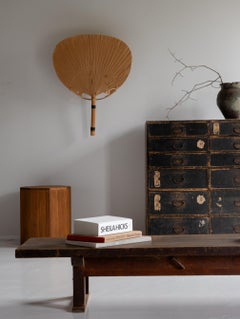
This is a board and a wooden box that were used in Japan from the Meiji period to the early Showa period. These two can be combined to make a low table. The tabletop is made of eithe...
Cedar
$1,800 / set
H 16.54 in W 13.59 in D 13.59 in
Set of Japanese Old Octagon Wood Stools 1940s-1960s / Side Table Stool Wabisabi
Located in Sammu-shi, Chiba
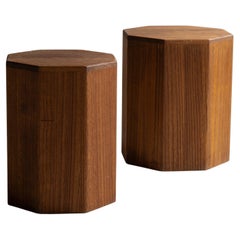
This is a vintage octagonal stool crafted in Japan, dating from the Taisho to early Showa period (1940s–1960s). Made from KIRI (Paulownia wood), a traditional material cherished in J...
Wood
$17,505 / item
H 13 in W 36 in D 52 in
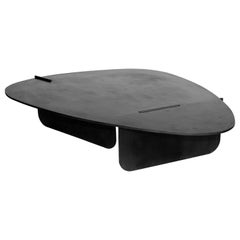
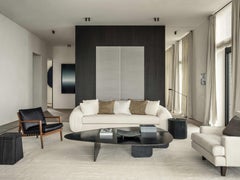
Circular Coffee/Side Table Organic Black Modern Contemporary Blackened Steel
By J.M. Szymanski
Located in Bronx, NY
TABLE NO. 15 - COFFEE TABLE J.M. Szymanski d. 2019 This Noguchi-inspired coffee table is handcrafted in 3/8” thick steel, with a natural black patina and wax finish, to create an u...
Steel, Iron
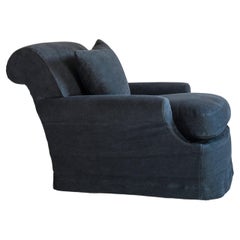
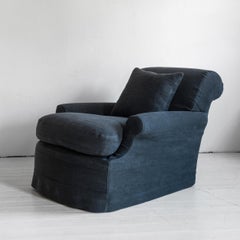
The Albert, Custom Made Belgian Linen Armchair
Located in Jesteburg, DE
Introducing the home collection. A small selection of timeless Flemish designs made by hand for us in a small third generation workshop in Belgium. Has been used by many influent...
Linen
$1,692Sale Price / item|20% Off
H 23.6 in Dm 19.6 in
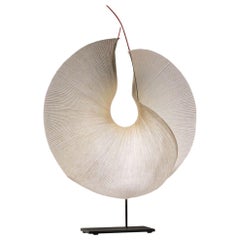
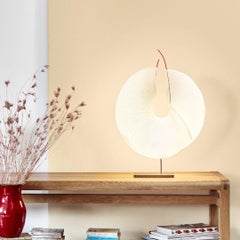
'Yoruba Rose' Japanese Washi Paper & Stainless Steel Table Lamp for Ingo Maurer
By Ingo Maurer, Dagmar
Located in Glendale, CA
'Yoruba Rose' Japanese Washi paper & stainless steel table lamp for Ingo Maurer Designed by Dagmar Mombach and produced by Ingo Maurer, one of the most celebrated German lightin...
Stainless Steel
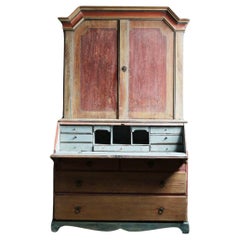
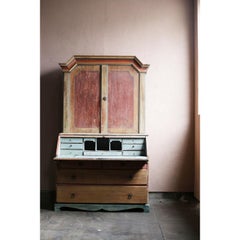
18th Century Antique Swedish Red Painted Baroque Secretary
Located in Sammu-shi, Chiba
A two-tiered wooden cabinet from the 18th century Swedish Gustavian period. The top door opens to reveal a decorative top shelf and three other shelves. The top of the bottom shelf c...
Wood
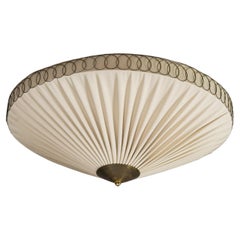
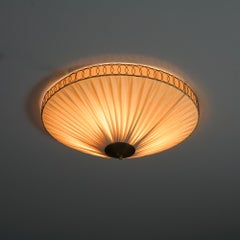
Flush Mount Model 20399, Idman Oy, 1950s
By Idman Oy
Located in Helsinki, Uusimaa
Flush mount model 20399, manufactured by Idman Oy, 1950s. Reupholstered fabric shade, brass details. Good vintage condition, minor patina consistent with age and use. Idman Oy is ...
Brass

$800Sale Price|33% Off
H 12.6 in W 42.92 in D 20.48 in
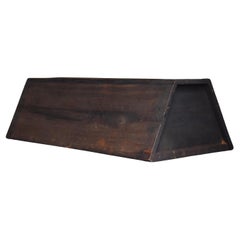
Japanese Antique Side Table or Bench 1860s-1920s / Display Stand Wabisabi
Located in Chōsei District Nagara, JP
This is an old Japanese side table or bench. It was made in the Meiji and Taisho periods (1860s-1920s), and is made of cedar wood with a beautiful rustic texture. The straight, stre...
Cedar
$1,000
H 20.28 in W 22.84 in D 14.38 in
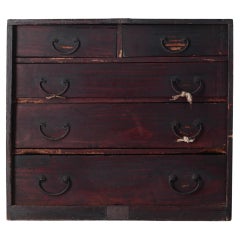
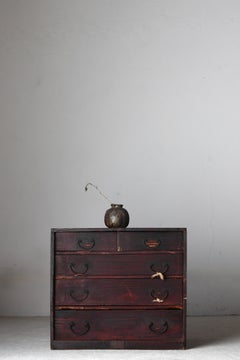
Japanese Antique Drawer / Storage Tansu / 1912s / Wabi-Sabi Mingei
Located in Iwate-gun Shizukuishi-cho, Iwate Prefecture
This is an antique Japanese-made drawer. It is made from cedar, and the date "Meiji 45 (1912s)" is written in ink on the bottom of the drawer at the time. Through years of use, it ...
Iron
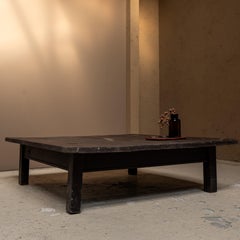
Japanese Low Table, Wabi-sabi, 1920s, Japan
Located in Tokyo, Tokyo
The antique low table, that was crafted from old Japanese wood. The top panel has been roughly shaved and showcases various marks and scratches that tell a story of its history. It...
Wood
Although traditionally used in the bedroom to store garments that would not be hung in a closet, an antique or vintage cabinet can easily find a purpose in rooms throughout your entire house.
The world's first storage cabinets, reportedly constructed in Renaissance-era Europe, were demonstrative of excellence in carpentry and the work of master carvers. These robust bureaus or sophisticated chests of drawers were typically built from common woods, such as oak or walnut. Although they were fairly uniform in structure and lacked the bright colors of modern-day furniture, case pieces and storage cabinets that date from the 18th century and earlier were often found in the homes of nobility.
Their intricate carvings and various embellishments — adornments made from ivory, ornate lacquer work and, later, glass shelvings — reflect the elegance with which these decorative furnishings were associated. Given its valuable purpose and the beauty of the early furnishings' designs, the storage cabinet is an investment that will never go out of style.
The practical design that defines the earliest storage cabinets has inspired the creation of household must-haves, like minimalist drink trolleys and marble wood bookcases. From hiding outdoor gear in the mudroom to decluttering your kitchen with a tall kitchen pantry cabinet, these versatile furnishings have now become available in enough sizes, styles and colors to accommodate any space. After all, these aren't your run-of-the-mill filing cabinets.
A sophisticated storage cabinet — wood storage cabinets with doors and shelves, for example — can serve as a room divider when necessary, while the right vintage wall unit or floor-to-ceiling cabinetry solutions can seamlessly become part of any space without disrupting the energy of the room. And although you may hide items away in its drawers, bookworms might prefer a storage cabinet with open shelving for displaying favorite books or other media.
One-of-a-kind solutions for the modern consumer abound, but enthusiasts of understated, classical beauty may turn to Baroque-style storage cabinets. Elsewhere, admirers of mid-century modernism looking to make a statement with their case pieces will warm to the dark woods and clean lines of vintage storage cabinets by Paul McCobb, Florence Knoll or Edward Wormley.
Sometimes the best renovation is a reorganization. If you're ready to organize and elevate your space, a luxury storage cabinet is the addition you need.
Find a variety of vintage and antique storage cabinets on 1stDibs, including unique Art Deco storage cabinets, chinoiserie cabinets and more.