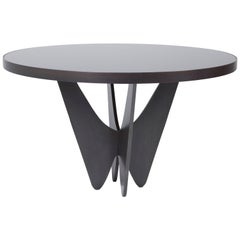
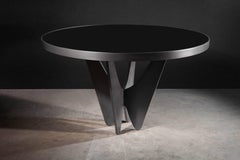
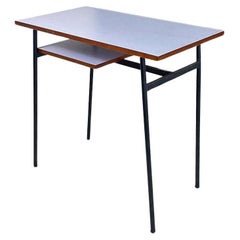
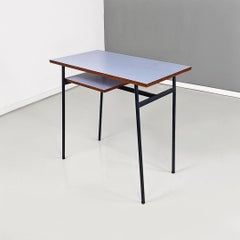
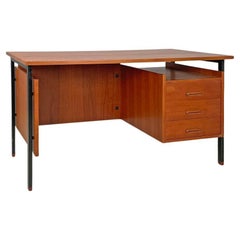
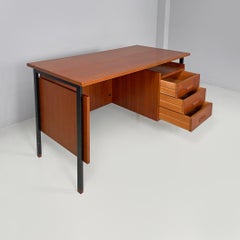
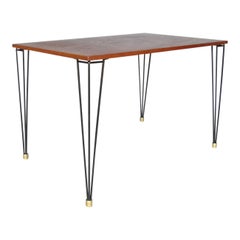
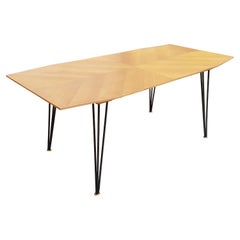
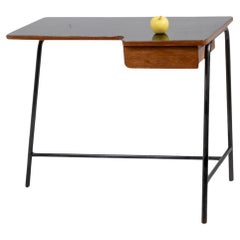
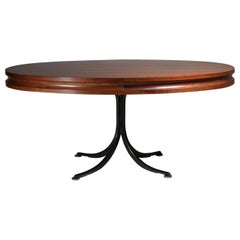
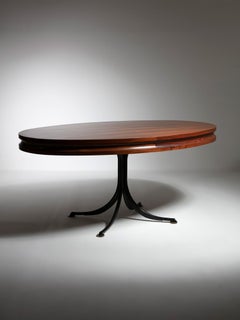
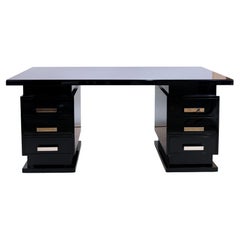
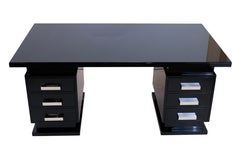
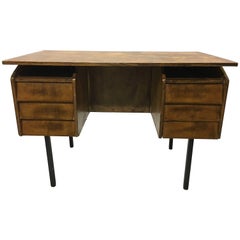
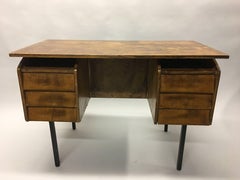
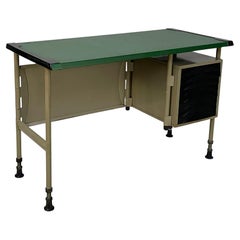
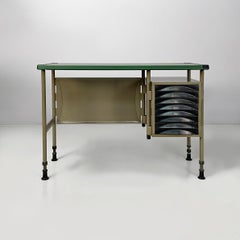
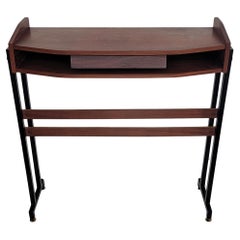
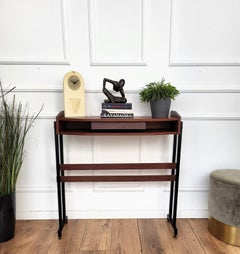
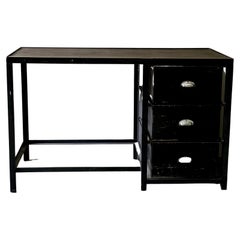
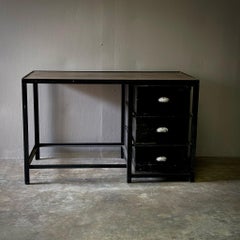
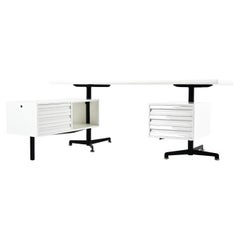
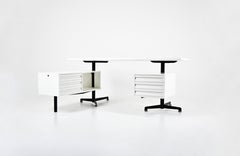
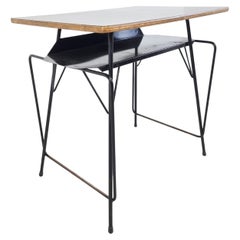
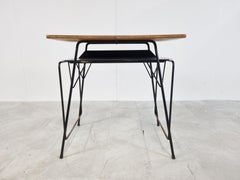
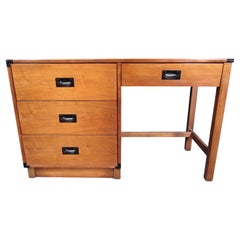
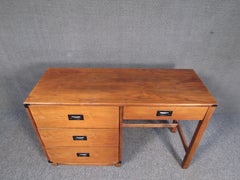
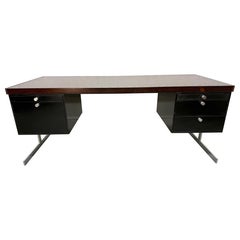
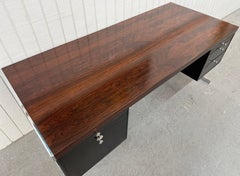
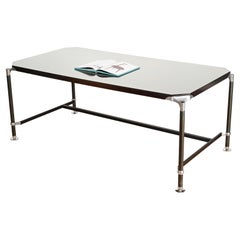
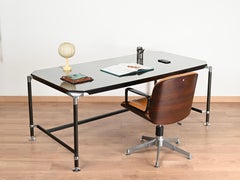
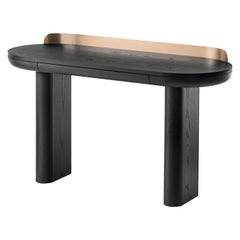
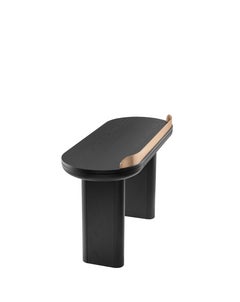
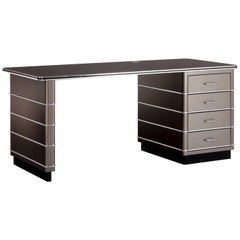
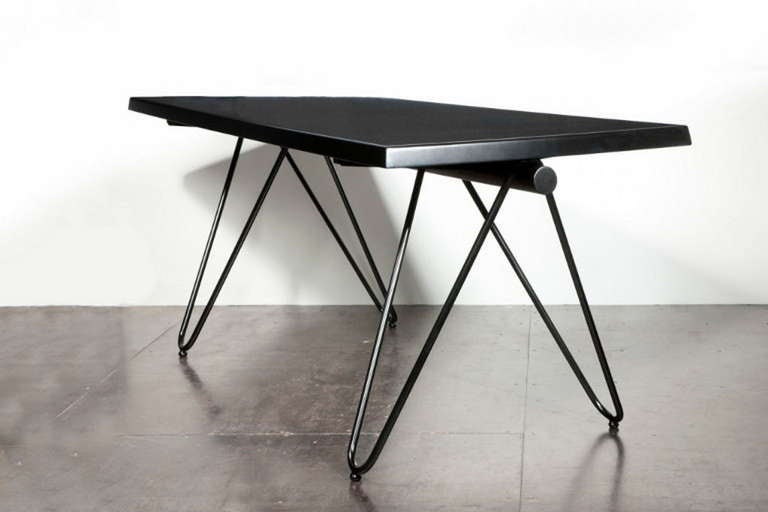
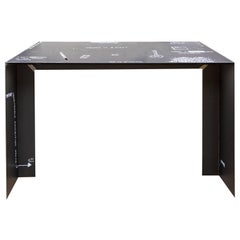
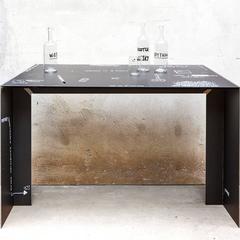
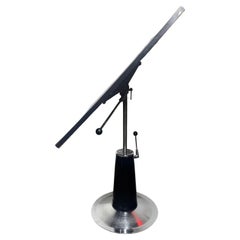
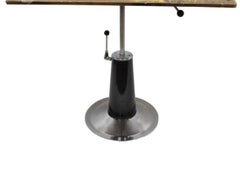
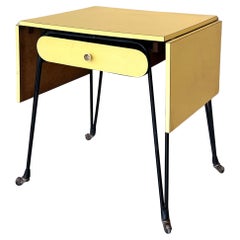
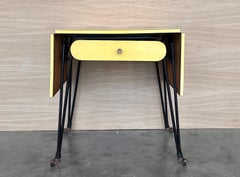
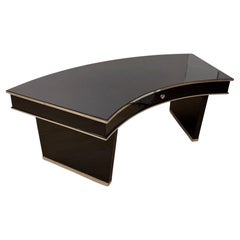
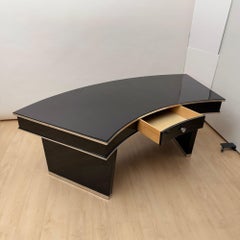
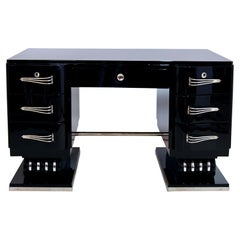
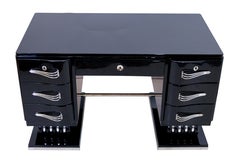
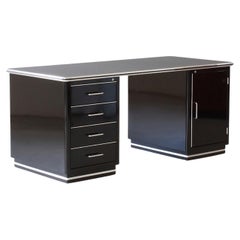
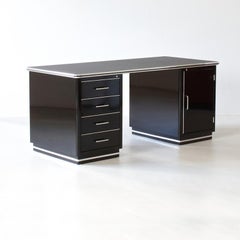
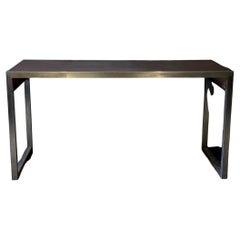
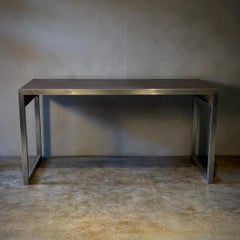
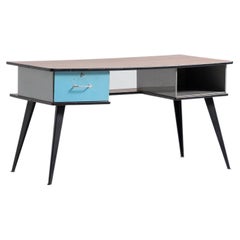
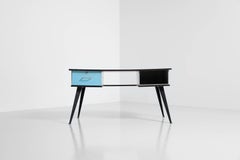
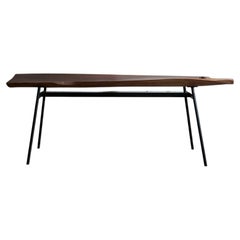
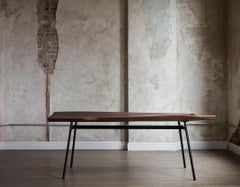
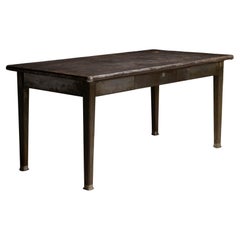
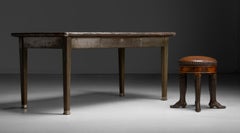
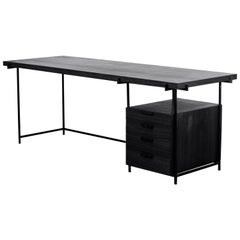
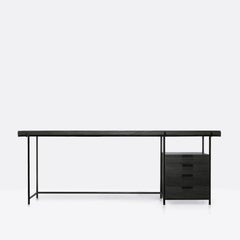
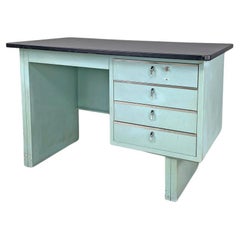
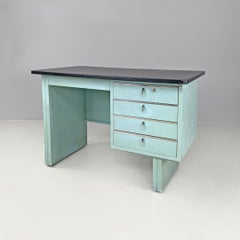
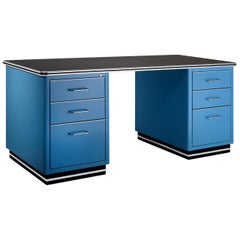
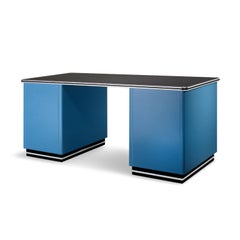
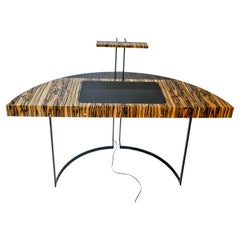
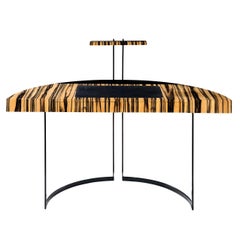
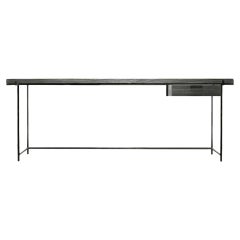
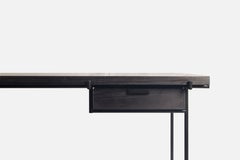
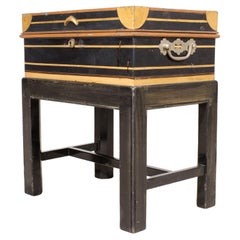
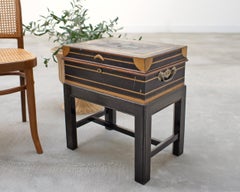
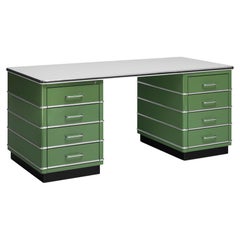
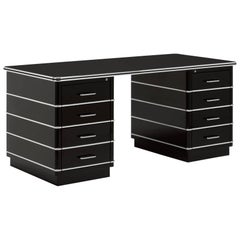
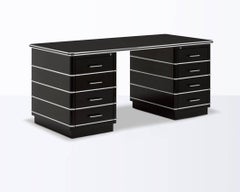
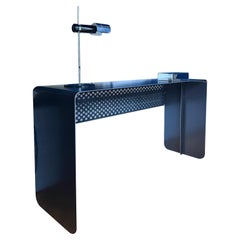
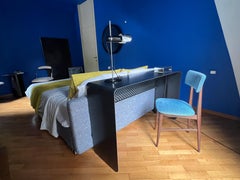
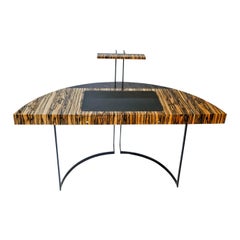
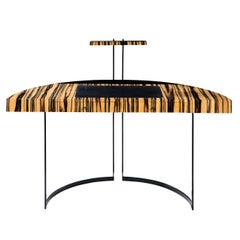
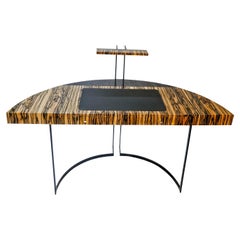
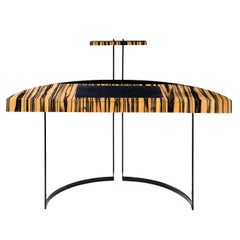
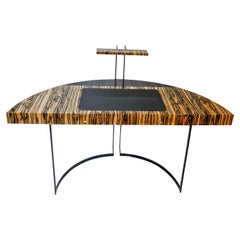
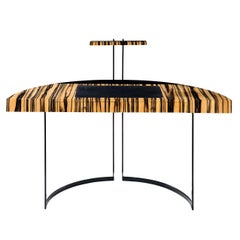
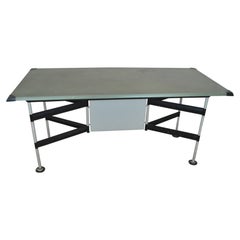
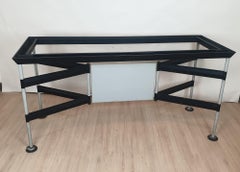
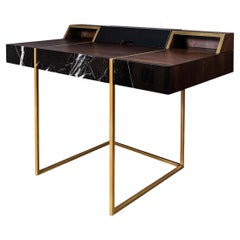
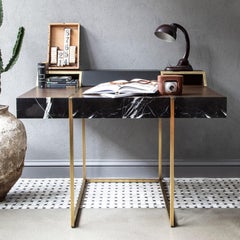
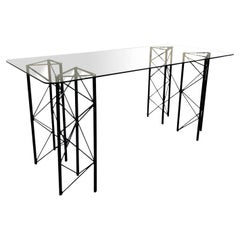
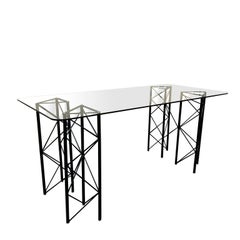
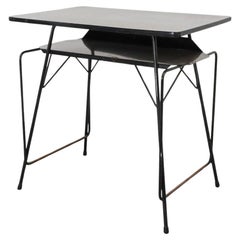
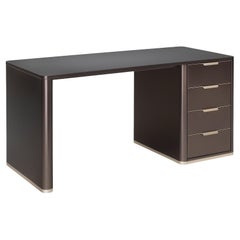
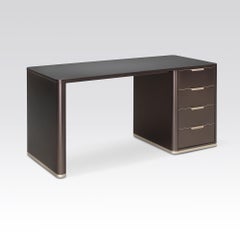
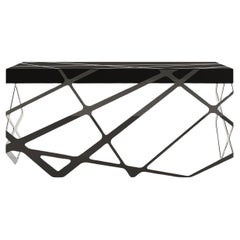
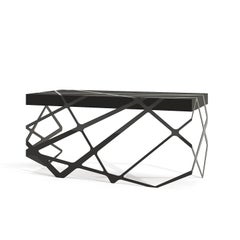
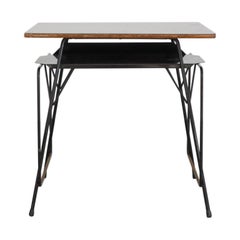
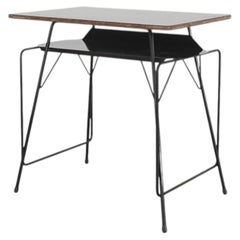
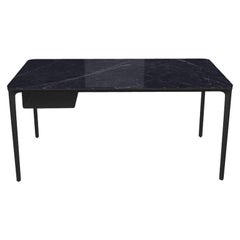
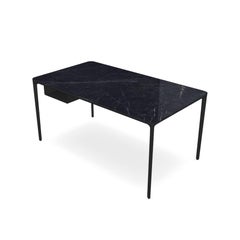
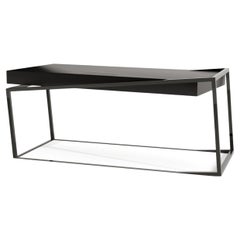
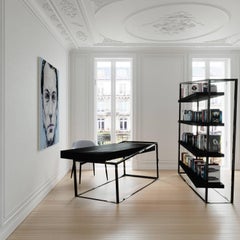
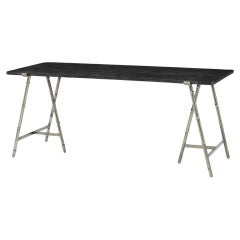
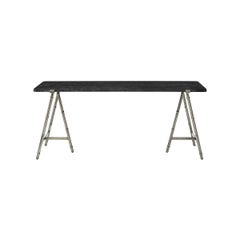
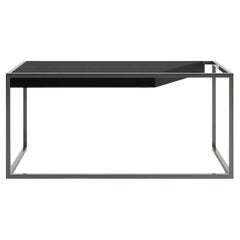
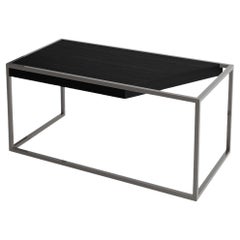
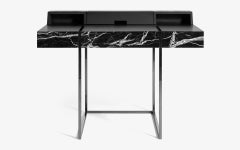
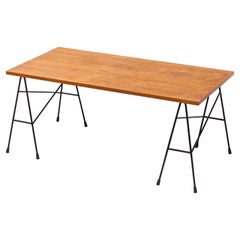
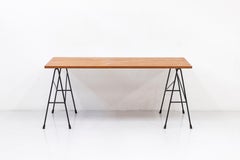
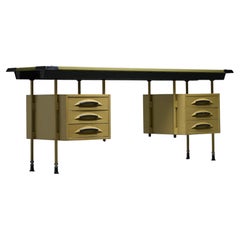
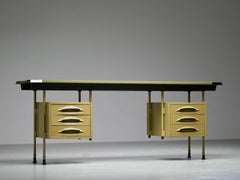
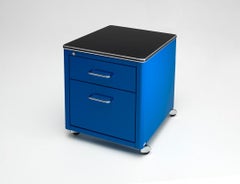
At 1stDibs, there are several options of black metal desks available for sale. Frequently made of
metal,
wood and
steel, all black metal desks available were constructed with great care. There are 124 antique and vintage black metal desks for sale at 1stDibs, while we also have 38 modern editions to choose from as well. Black metal desks have been made for many years, and versions that date back to the 19th Century alongside those produced as recently as the 21st Century. Black metal desks are generally popular furniture pieces, but
Mid-Century Modern,
Modern and
Art Deco styles are often sought at 1stDibs. Some black metal desks are too large for some spaces — a variety of smaller black metal desks, measuring 18 inches across, are available at 1stDibs.
Aymeric Lefort,
Olivetti and
Studio BBPR each produced beautiful black metal desks that are worth considering.
Prices for black metal desks can differ depending upon size, time period and other attributes — at 1stDibs, black metal desks begin at $525 and can go as high as $61,200, while the average can fetch as much as $4,142.
Choosing the perfect writing desk or writing table is a profoundly personal journey, one that people have been embarking upon for centuries.
Queen Atossa of Persia, from her writing table circa 500 B.C., is said to have been the originator of the art of handwritten letters. Hers was reportedly the first in a long and colorful history of penned correspondence that grew in popularity alongside literacy. The demand for suitable writing desks, which would serve the composer of the letters as well as ensure the comfort of the recipient naturally followed, and the design of these necessary furnishings has evolved throughout history.
Once people began to seek freedom from the outwardly ornate styles of the walnut and rosewood writing desks and drafting tables introduced in the name of Queen Victoria and King Louis XV, radical shifts occurred, such as those that materialized during the Art Nouveau period, when designers longed to produce furniture inspired by the natural world’s beauty. A prime example is the work of the famous late-19th-century Spanish architect Antoni Gaudí — his rolltop desk featured deep side drawers and was adorned with carved motifs that paid tribute to nature. Gaudí regularly combined structural precision with decorative elements, creating beautiful pieces of furniture in wood and metal.
Soon afterward, preferences for sleek, geometric, stylized forms in furniture that saw an emphasis on natural wood grains and traditional craftsmanship took hold. Today, Art Deco desks are still favored by designers who seek to infuse interiors with an air of luxury. One of the most prominent figures of the Art Deco movement was French decorator and furniture designer Émile-Jacques Ruhlmann. With his use of neoclassical motifs as well as expensive and exotic materials such as imported dark woods and inlays of precious metals for his writing desks, Ruhlmann came to symbolize good taste and modernity.
The rise in appreciation for Scandinavian modernism continues to influence the design of contemporary writing desks. It employs the “no fuss” or “less is more” approach to creating a tasteful, sophisticated space. Sweden’s master cabinetmaker Bruno Mathsson created gallery-worthy designs that are as functional as they are beautiful. Finnish architect Alvar Aalto never viewed himself as an artist, but, like Mathsson, his furniture designs reflected a fondness for organic materials and a humanistic approach. Danish designers such as Hans Wegner introduced elegant shapes and lines to mid-century desks and writing tables, often working in oak and solid teak.
From vintage desks to contemporary styles, 1stDibs offers a broad spectrum of choices for conducting all personal and business writing and reading activities.