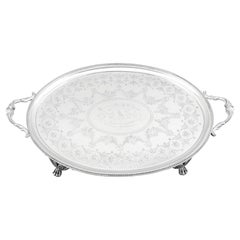
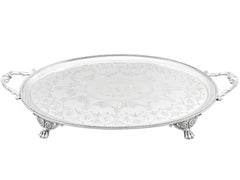
Appointed the Crown Jeweler in 2012, Mappin & Webb is one of the most widely recognized makers of silver and luxury goods in the world. With a roster of prestigious clients that has included six British monarchs as well as Charles Dickens, Winston Churchill and Harry Houdini, the historic firm has supplied fine jewelry and silver objects for royalty all over the globe including the Russian Imperial Household, the Siamese royal family and the Indian Maharaja.
Mappin & Webb’s origins are rooted in Jonathan Mappin’s workshop in Sheffield. He opened in 1775 with the intent to serve British society with the highest quality silverware ever made. His son and grandson, both named Joseph, carried on his vision until the mid-19th century when his four great-grandsons incorporated the business into Mappin Brothers Ltd. and embarked on a substantial expansion of the firm.
Nearing 1860, two of the great-grandsons, eldest Sir William Mappin and youngest John Mappin, left to pursue other opportunities. John opened his own business, Mappin & Company, and was joined two years later by his brother-in-law George Webb. Webb passed away in 1868 — the same year that saw the family form Mappin & Webb Co.
Webb’s name lived on in the company even after 1889 when the company became Mappin & Webb Ltd. In 1897, Mappin & Webb were granted their first Royal Warrant as silversmiths to Queen Victoria. The firm has been a holder of Royal Warrants since then.
Mappin & Webb supplied soldiers in the battle of Omdurman with their acclaimed Campaign watch. The company also supported wartime efforts during both World Wars in their enormous factory in Sheffield. Today Mappin & Webb is among the most prominent makers of Sheffield silver in the world.
Watches of Switzerland Operations Ltd. acquired Mappin & Webb in 1998 after a series of mergers and acquisitions.
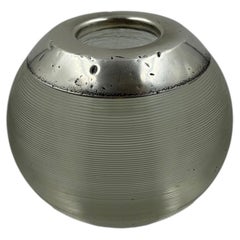
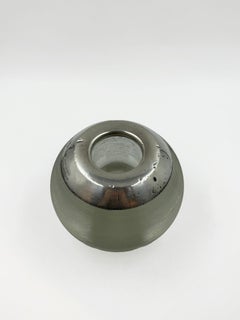
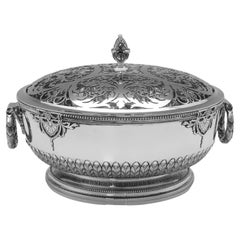
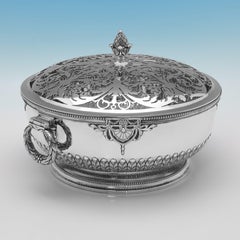
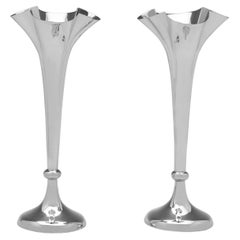
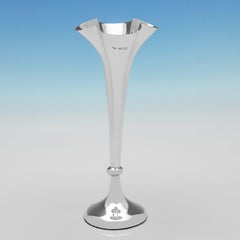
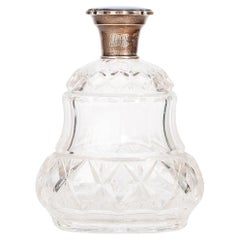
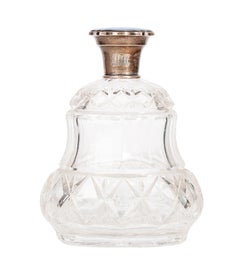
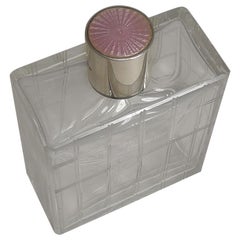
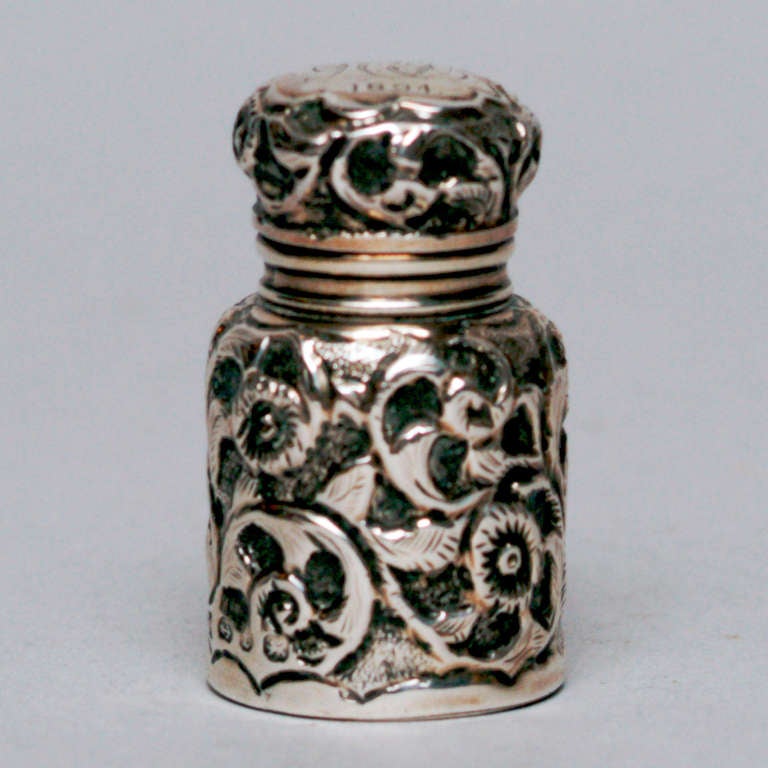
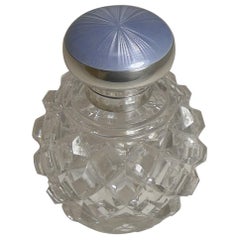
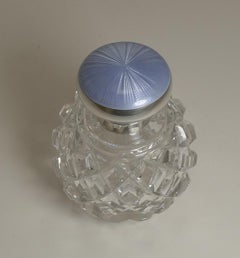
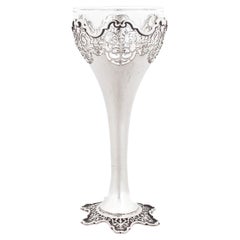
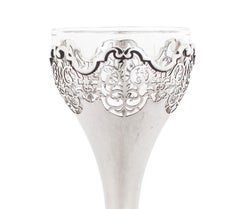
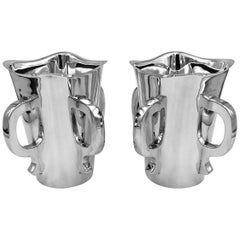
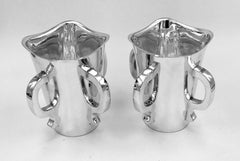
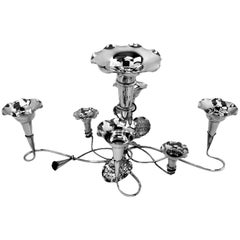
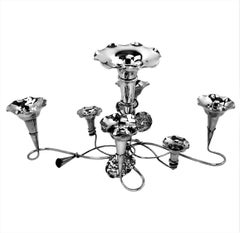
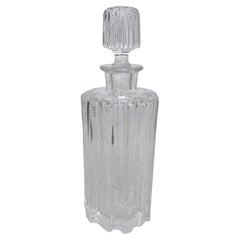
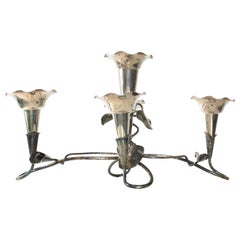
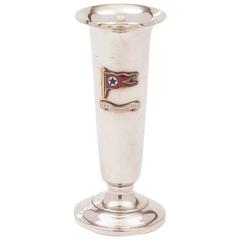
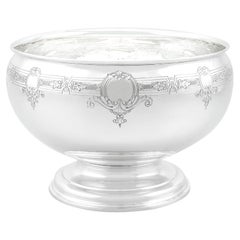
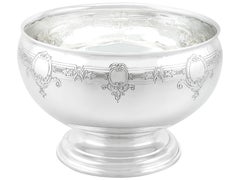
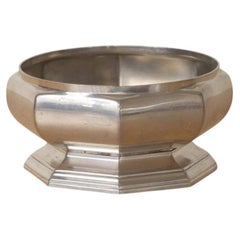
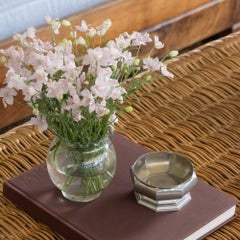
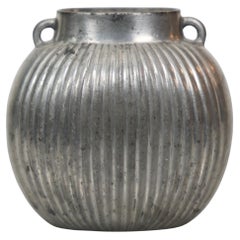
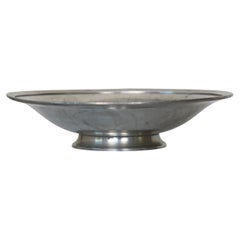
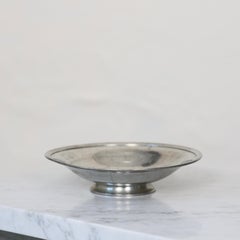
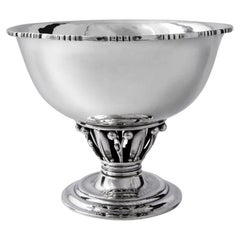
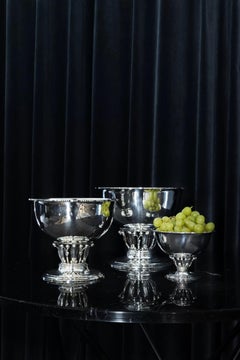
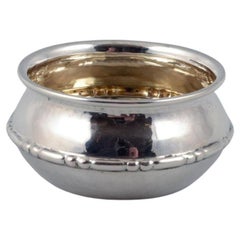
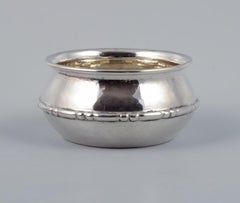
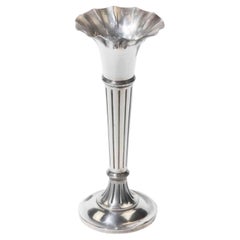
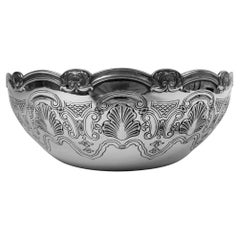
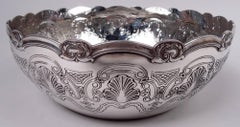
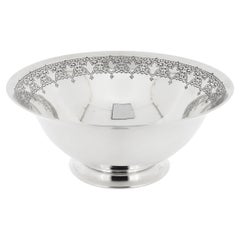
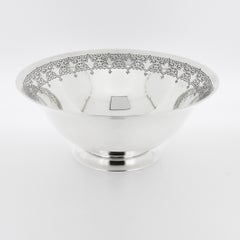
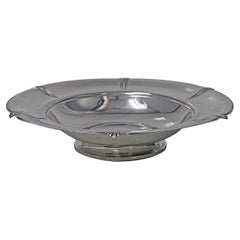
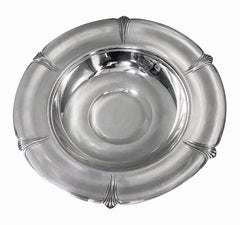
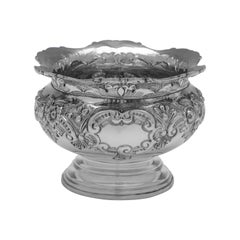
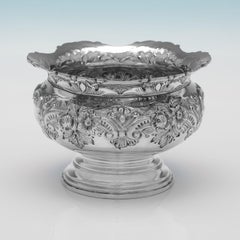
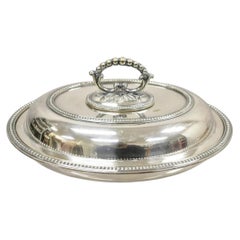
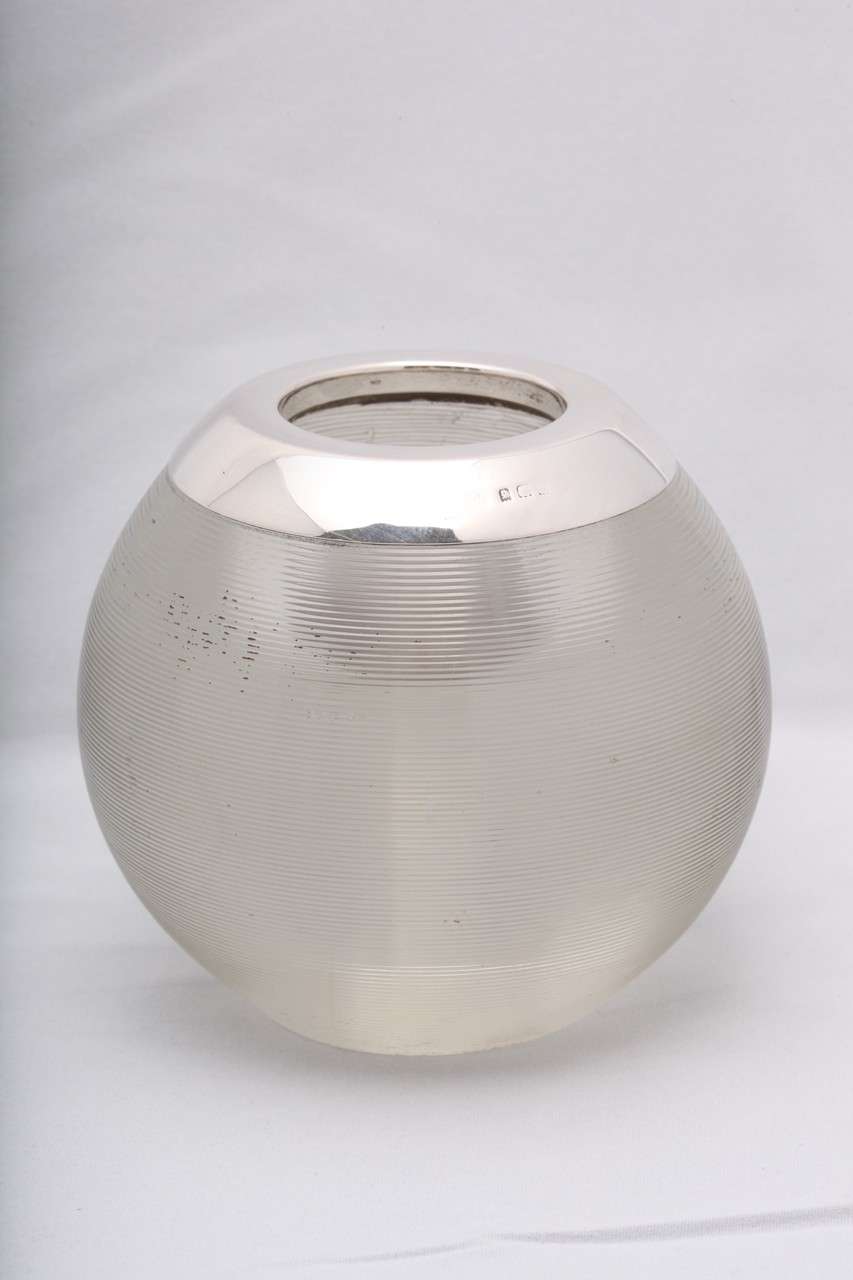
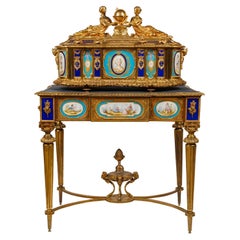
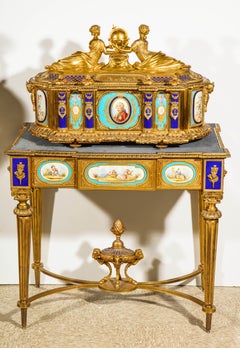
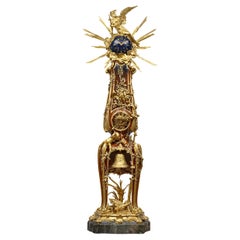
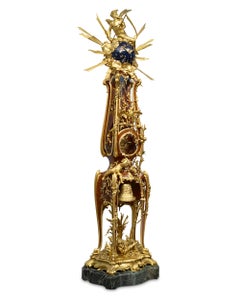
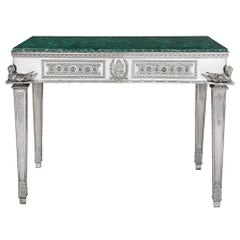
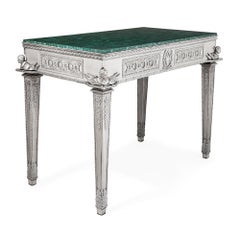
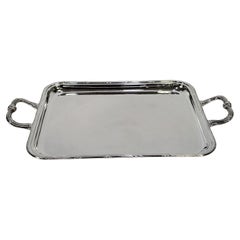
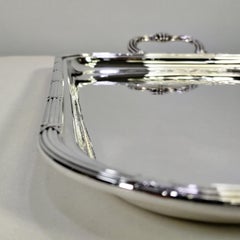
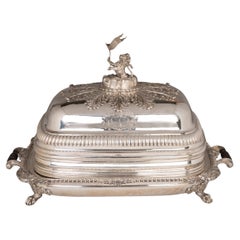
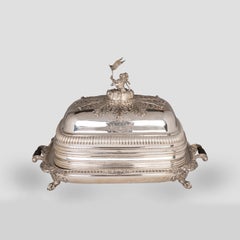
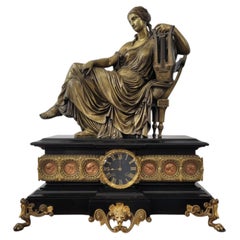
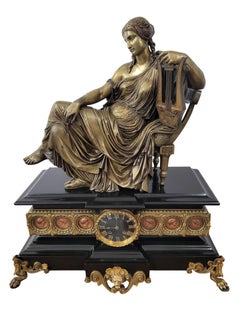
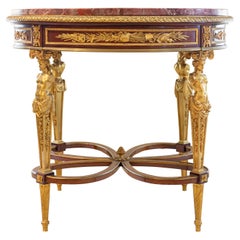
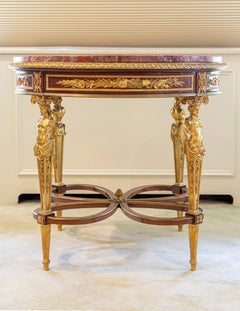
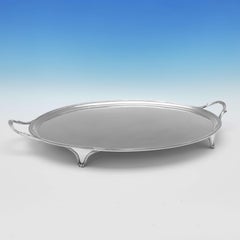
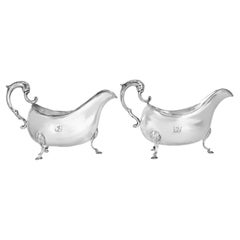
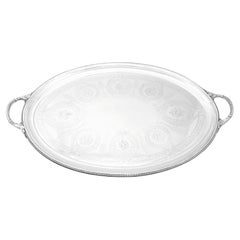
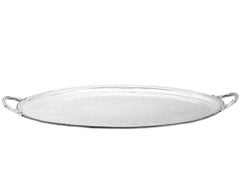
Find antique Mappin & Webb serveware, decorative objects and other collectibles on 1stDibs.
Every time you move into a house or an apartment — or endeavor to refresh the home you’ve lived in for years — life for that space begins anew. The right home accent, be it the simple placement of a decorative bowl on a shelf or a ceramic vase for fresh flowers, can transform an area from drab to spectacular. But with so many materials and items to choose from, it’s easy to get lost in the process. The key to styling with antique and vintage decorative objects is to work toward making a happy home that best reflects your personal style.
Ceramics are a versatile addition to any home. If you’ve amassed an assortment of functional pottery over the years, think of your mugs and salad bowls as decorative objects, ideal for displaying in a glass cabinet. Vintage ceramic serveware can pop along white open shelving in your dining area, while large stoneware pitchers paired with woven baskets or quilts in an open cupboard can introduce a rustic farmhouse-style element to your den.
Translucent decorative boxes or bowls made of an acrylic plastic called Lucite — a game changer in furniture that’s easy to clean and lasts long — are modern accents that are neutral enough to dress up a coffee table or desktop without cluttering it. If you’re showcasing pieces from the past, a vintage jewelry box for displaying your treasures can spark conversation: Where is the jewelry box from? Is there a story behind it?
Abstract sculptures or an antique vessel for your home library can draw attention to your book collection and add narrative charm to the most appropriate of corners. There’s more than one way to style your bookcases, and decorative objects add a provocative dynamic. “I love magnifying glasses,” says Alex Assouline, global vice president of luxury publisher Assouline, of adding one’s cherished objects to a home library. “They are both useful and decorative. Objects really elevate libraries and can also make them more personal.”
To help with personalizing your space and truly making it your own, find an extraordinary collection of decorative objects on 1stDibs.