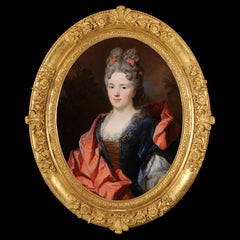
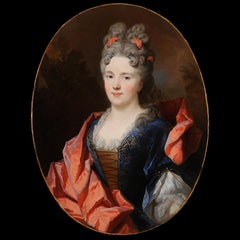
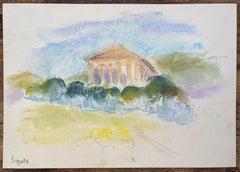
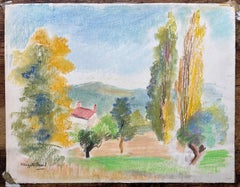
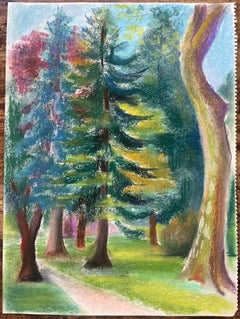
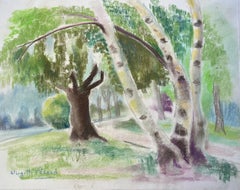
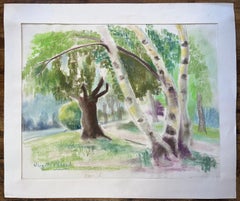
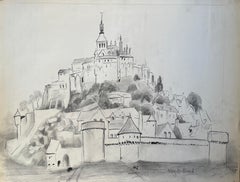
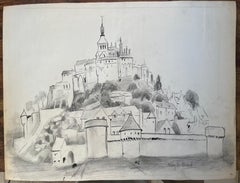
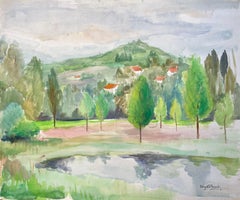
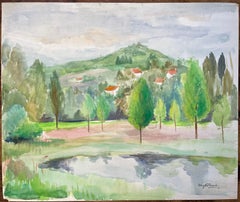
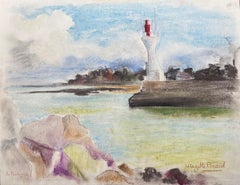
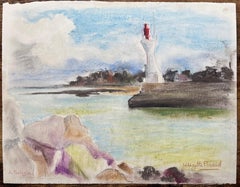
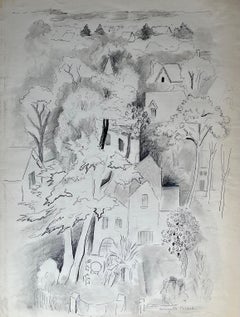
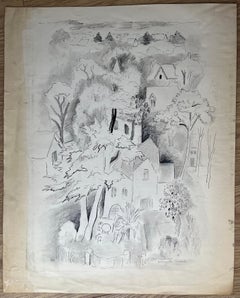
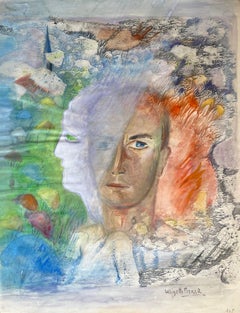
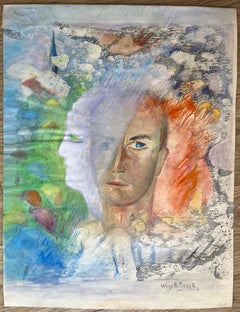
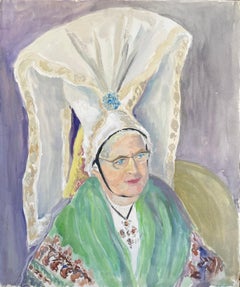
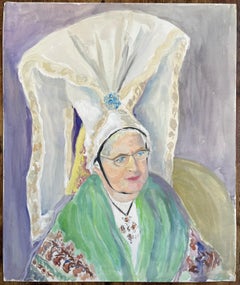
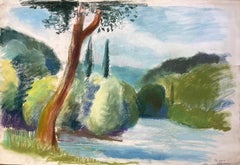
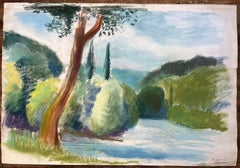
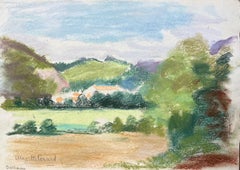
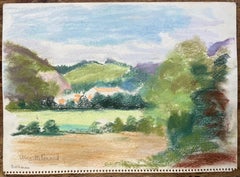
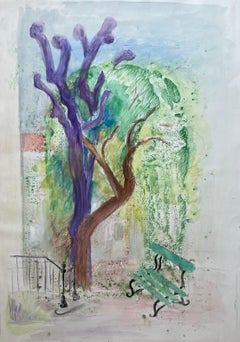
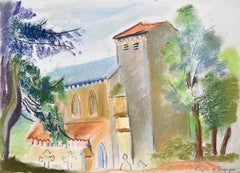
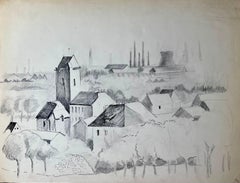
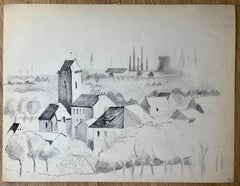
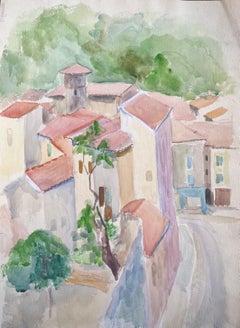
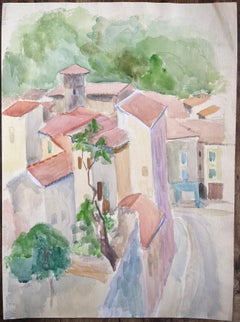
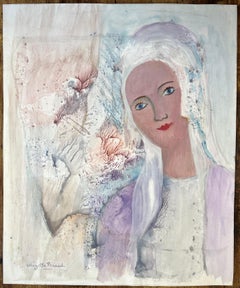
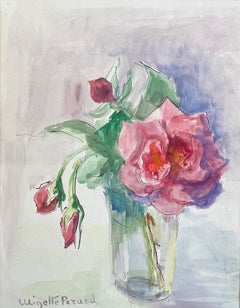
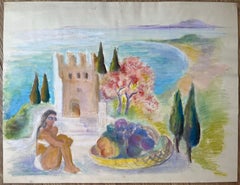
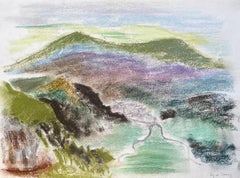
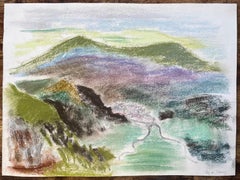
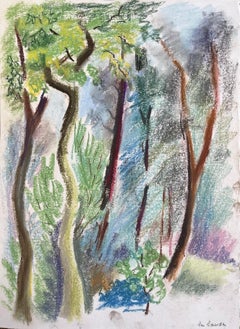
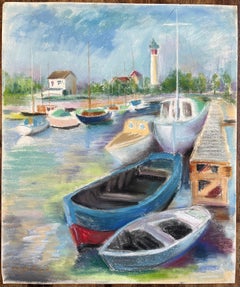
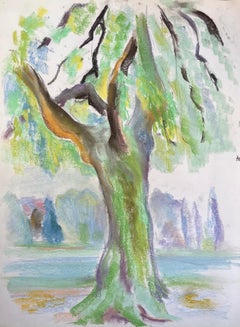
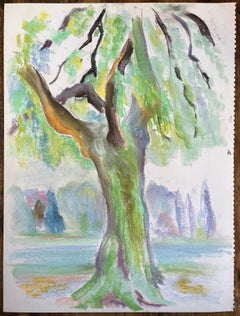
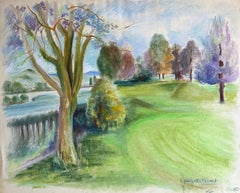
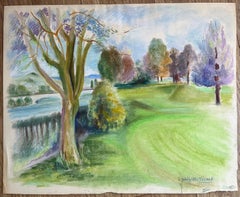
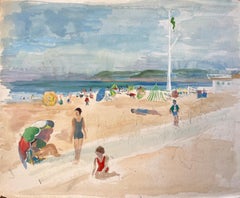
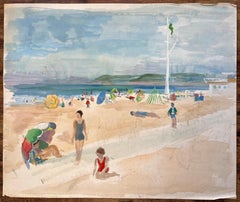
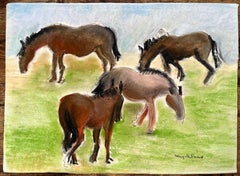
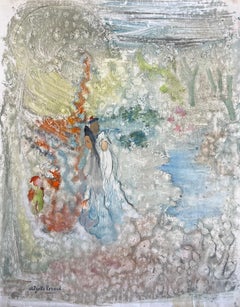
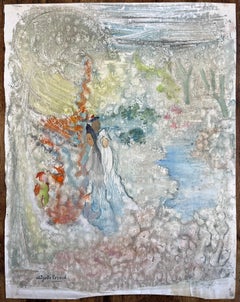
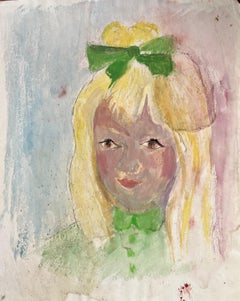
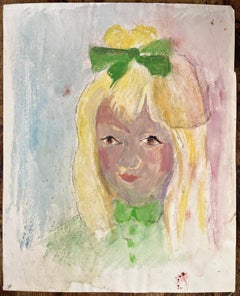
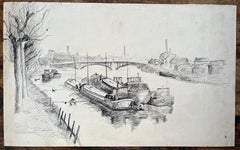
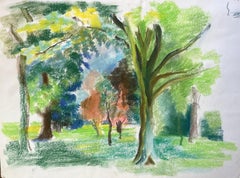
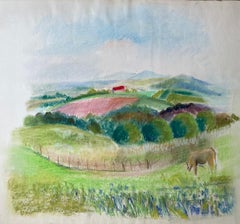
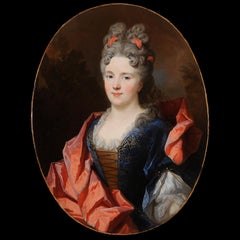
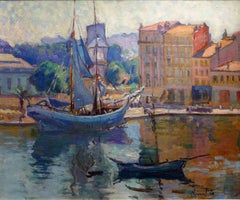
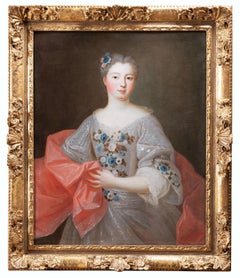
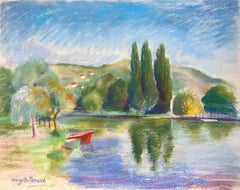
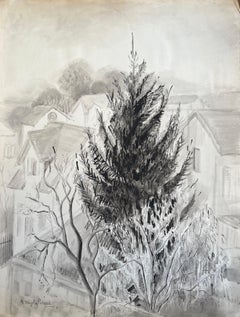
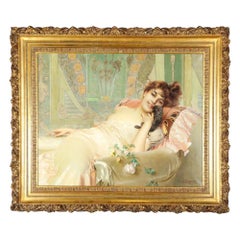
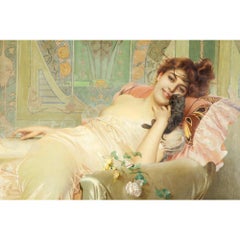
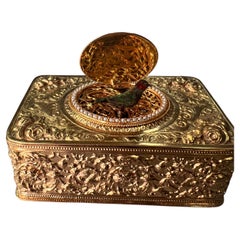
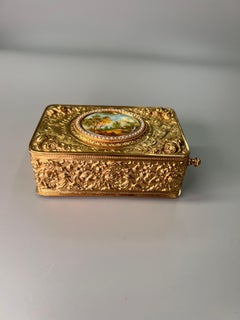
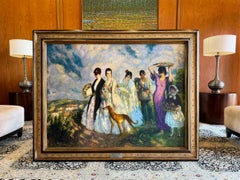
On 1stDibs, you can find the most appropriate anne marie of france for your needs in our varied inventory. Find
modern versions now, or shop for
modern creations for a more modern example of these cherished works. Making the right choice when shopping for a anne marie of france may mean carefully reviewing examples of this item dating from different eras — you can find an early iteration of this piece from the 18th Century and a newer version made as recently as the 21st Century. On 1stDibs, the right anne marie of france is waiting for you and the choices span a range of colors that includes
gray,
gold,
brown and
beige. Finding an appealing anne marie of france — no matter the origin — is easy, but
Allan Houser,
Terry O'Neill,
Pierre Marie Brisson,
Léopold Survage and
Achille Devéria each produced popular versions that are worth a look. Artworks like these of any era or style can make for thoughtful decor in any space, but a selection from our variety of those made in
paint,
metal and
oil paint can add an especially memorable touch. A large anne marie of france can prove too dominant for some spaces — a smaller anne marie of france, measuring 2.5 high and 1.5 wide, may better suit your needs.
A anne marie of france can differ in price owing to various characteristics — the average selling price for items in our inventory is $5,493, while the lowest priced sells for $379 and the highest can go for as much as $100,000.
In the revolutionary wake of Impressionism, artists like Vincent van Gogh, Georges Seurat, Paul Cézanne and Paul Gauguin advanced the style further while firmly rejecting its limitations. Although the artists now associated with Postimpressionist art did not work as part of a group, they collectively employed an approach to expressing moments in time that was even more abstract than that of the Impressionists, and they shared an interest in moving away from naturalistic depictions to more subjective uses of vivid colors and light in their paintings.
The eighth and final Impressionist exhibition was held in Paris in 1886, and Postimpressionism — also spelled Post-Impressionism — is usually dated between then and 1905. The term “Postimpressionism” was coined by British curator and art critic Roger Fry in 1910 at the “Manet and the Postimpressionists” exhibition in London that connected their practices to the pioneering modernist art of Édouard Manet. Many Postimpressionist artists — most of whom lived in France — utilized thickly applied, vibrant pigments that emphasized the brushstrokes on the canvas.
The Postimpressionist movement’s iconic works of art include van Gogh’s The Starry Night (1889) and Seurat’s A Sunday on La Grande Jatte (1884). Seurat’s approach reflected the experimental spirit of Postimpressionism, as he used Pointillist dots of color that were mixed by the eye of the viewer rather than the hand of the artist. Van Gogh, meanwhile, often based his paintings on observation, yet instilled them with an emotional and personal perspective in which colors and forms did not mirror reality. Alongside Mary Cassatt, Cézanne, Henri Matisse and Gauguin, the Dutch painter was a pupil of Camille Pissarro, the groundbreaking Impressionist artist who boldly organized the first independent painting exhibitions in late-19th-century Paris.
The boundary-expanding work of the Postimpressionist painters, which focused on real-life subject matter and featured a prioritization of geometric forms, would inspire the Nabis, German Expressionism, Cubism and other modern art movements to continue to explore abstraction and challenge expectations for art.
Find a collection of original Postimpressionist paintings, mixed media, prints and other art on 1stDibs.
Figurative art, as opposed to abstract art, retains features from the observable world in its representational depictions of subject matter. Most commonly, figurative paintings reference and explore the human body, but they can also include landscapes, architecture, plants and animals — all portrayed with realism.
While the oldest figurative art dates back tens of thousands of years to cave wall paintings, figurative works made from observation became especially prominent in the early Renaissance. Artists like Michelangelo, Leonardo da Vinci and other Renaissance masters created naturalistic representations of their subjects.
Pablo Picasso is lauded for laying the foundation for modern figurative art in the 1920s. Although abstracted, this work held a strong connection to representing people and other subjects. Other famous figurative artists include Francis Bacon and Lucian Freud. Figurative art in the 20th century would span such diverse genres as Expressionism, Pop art and Surrealism.
Today, a number of figural artists — such as Sedrick Huckaby, Daisy Patton and Eileen Cooper — are making art that uses the human body as its subject.
Because figurative art represents subjects from the real world, natural colors are common in these paintings. A piece of figurative art can be an exciting starting point for setting a tone and creating a color palette in a room.
Browse an extensive collection of figurative paintings on 1stDibs.