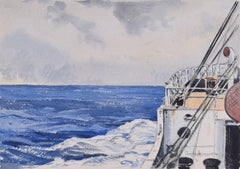
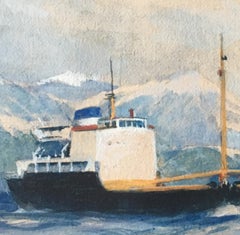
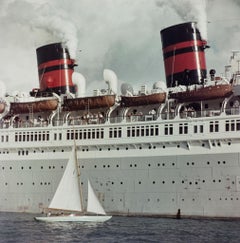
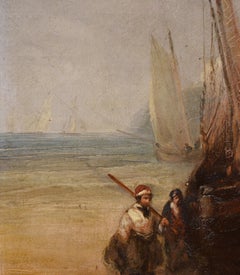
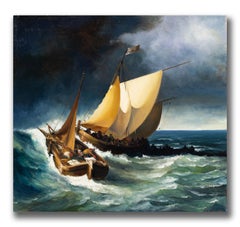
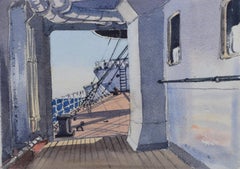
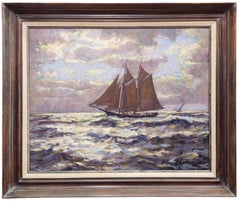
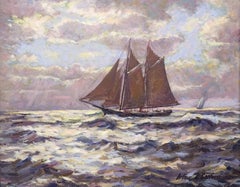
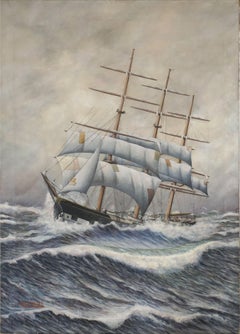
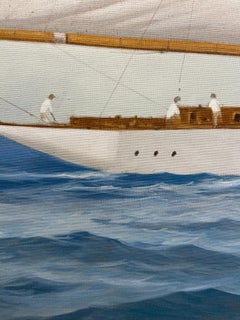
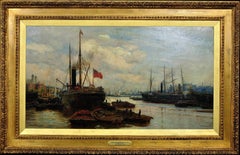
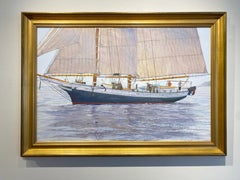
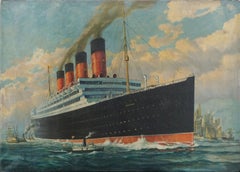
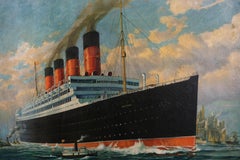
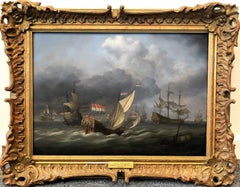
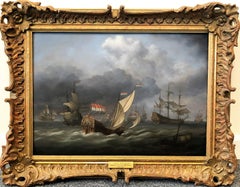
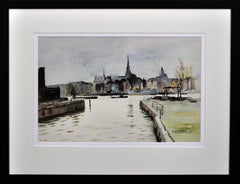
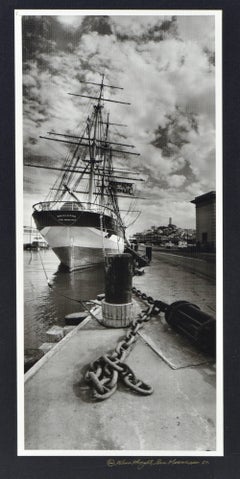
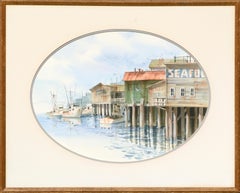
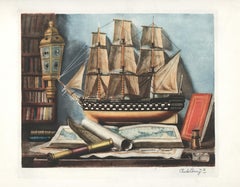
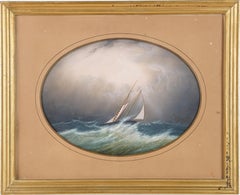
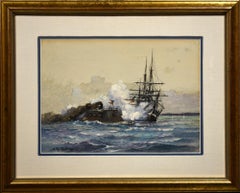
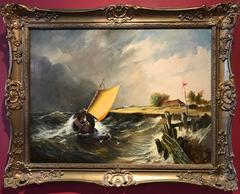
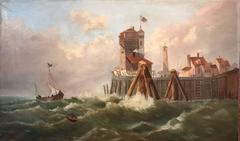
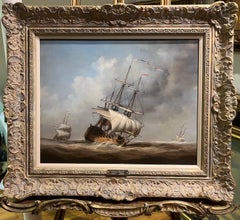
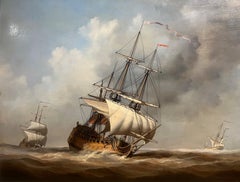
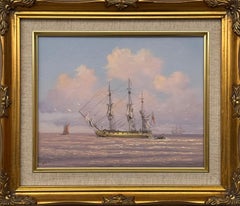
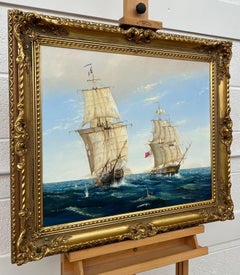
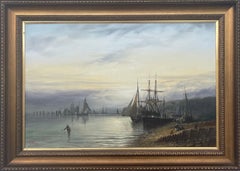
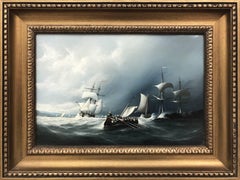
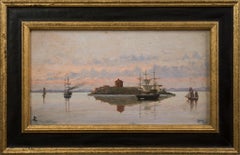
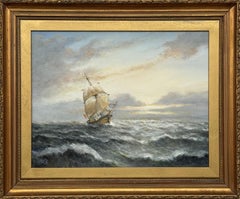
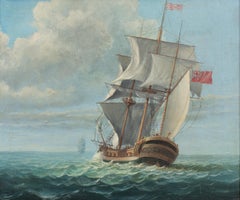
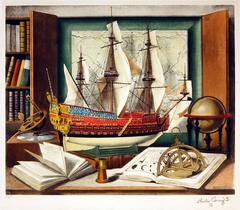
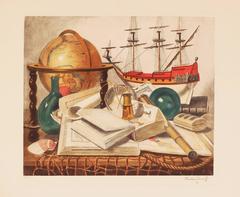
Surely you’ll find the exact piece of maritime realist art you’re seeking on 1stDibs — we’ve got a vast assortment for sale. If you’re looking for an item from our selection of maritime realist art from a specific time period, our collection is diverse and broad-ranging, and you’ll find at least one that dates back to the 19th Century while another version may have been produced as recently as the 21st Century. If you’re looking to add a choice in our collection of maritime realist art to create new energy in an otherwise neutral space in your home, you can find a work on 1stDibs that features elements of
gray,
beige,
brown,
blue and more. There have been many interesting object in our assortment of maritime realist art examples over the years, but those made by
Charles Cerny,
Laurence Dunn,
Robert Dumont-Smith,
Robert Moore (b.1945) and
Claude Muncaster are often thought to be among the most thought-provoking. Artworks like these — often created in
paint,
oil paint and
canvas — can elevate any room of your home.
The price for an artwork of this kind can differ depending upon size, time period and other attributes — a piece of maritime realist art in our inventory may begin at $99 and can go as high as $20,365, while the average can fetch as much as $1,293.
Realist art attempts to portray its subject matter without artifice. Similar to naturalism, authentic realist paintings and prints see an integration of true-to-life colors, meticulous detail and linear perspectives for accurate portrayals of the world.
Work that involves illusionistic techniques of realism dates back to the classical world, such as the deceptive trompe l’oeil used since ancient Greece. Art like this became especially popular in the 17th century when Dutch artists like Evert Collier painted objects that appeared real enough to touch. Realism as an artistic movement, however, usually refers to 19th-century French realist artists such as Honoré Daumier exploring social and political issues in biting lithographic prints, while the likes of Gustave Courbet and Jean-François Millet painting people — particularly the working class — with all their imperfections, navigating everyday urban life. This was a response to the dominant academic art tradition that favored grand paintings of myth and history.
By the turn of the 20th century, European artists, such as the Pre-Raphaelites, were experimenting with nearly photographic realism in their work, as seen in the attention to every botanical attribute of the flowers surrounding the drowned Ophelia painted by English artist John Everett Millais.
Although abstraction was the guiding style of 20th-century art, the realism trend in American modern art endured in Edward Hopper, Andrew Wyeth and other artists’ depictions of the complexities of the human experience. In the late 1960s, Photorealism emerged with artists like Chuck Close and Richard Estes giving their paintings the precision of a frame of film.
Contemporary artists such as Jordan Casteel, LaToya Ruby Frazier and Aliza Nisenbaum are now using the unvarnished realist approach for honest representations of people and their worlds. Alongside traditional mediums, technology such as virtual reality, artificial intelligence and immersive installations are helping artists create new sensations of realism in art.
Find authentic realist paintings, sculptures, prints and more art on 1stDibs.