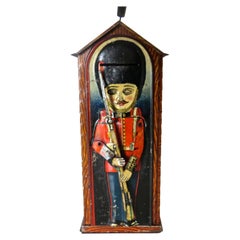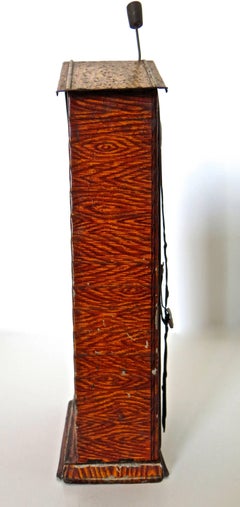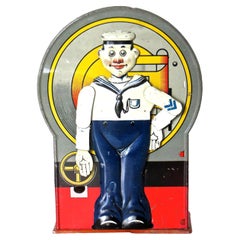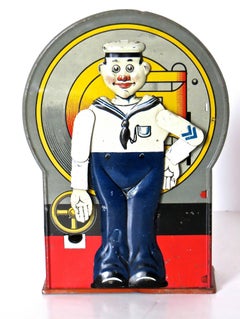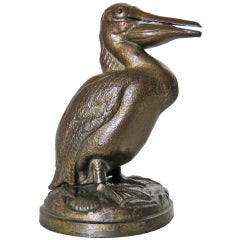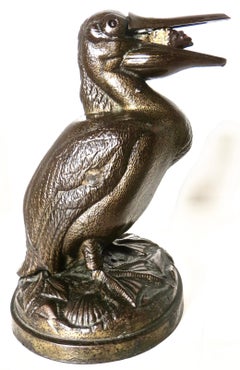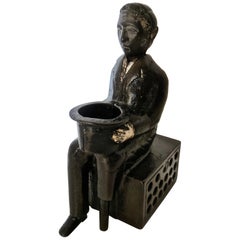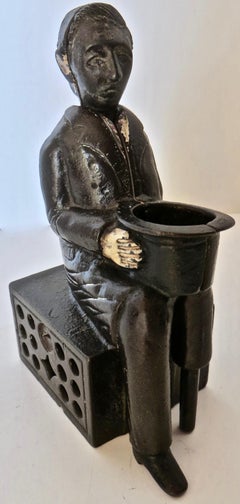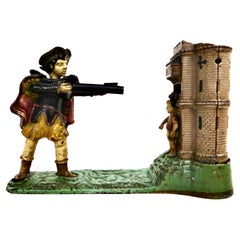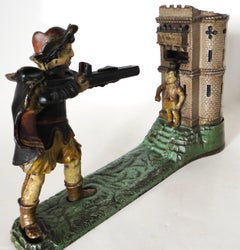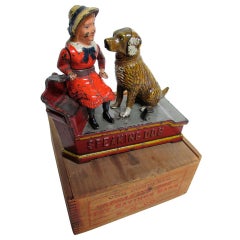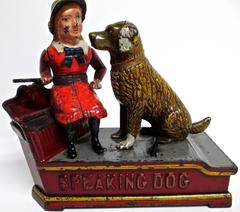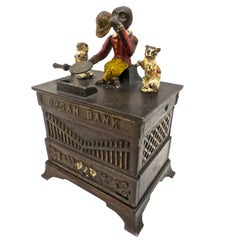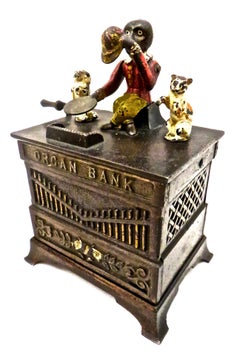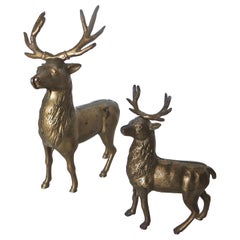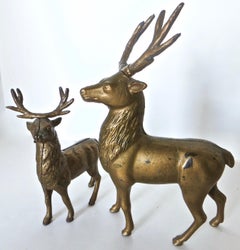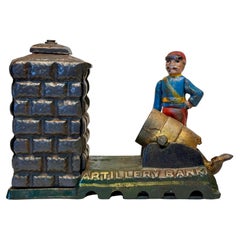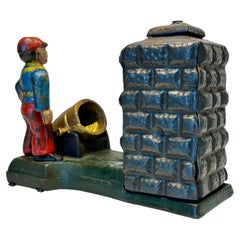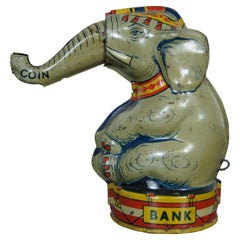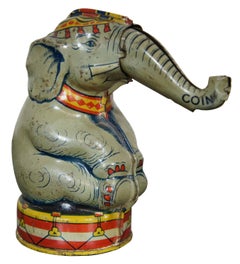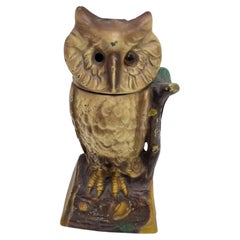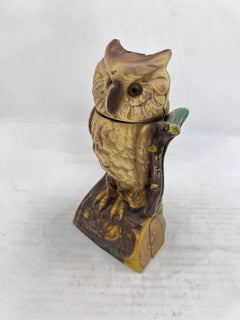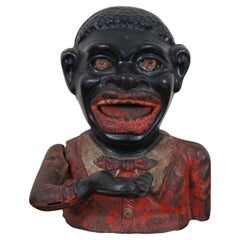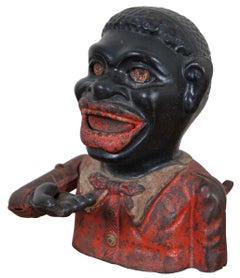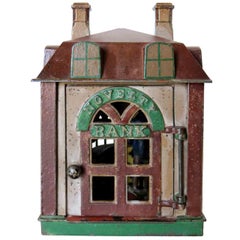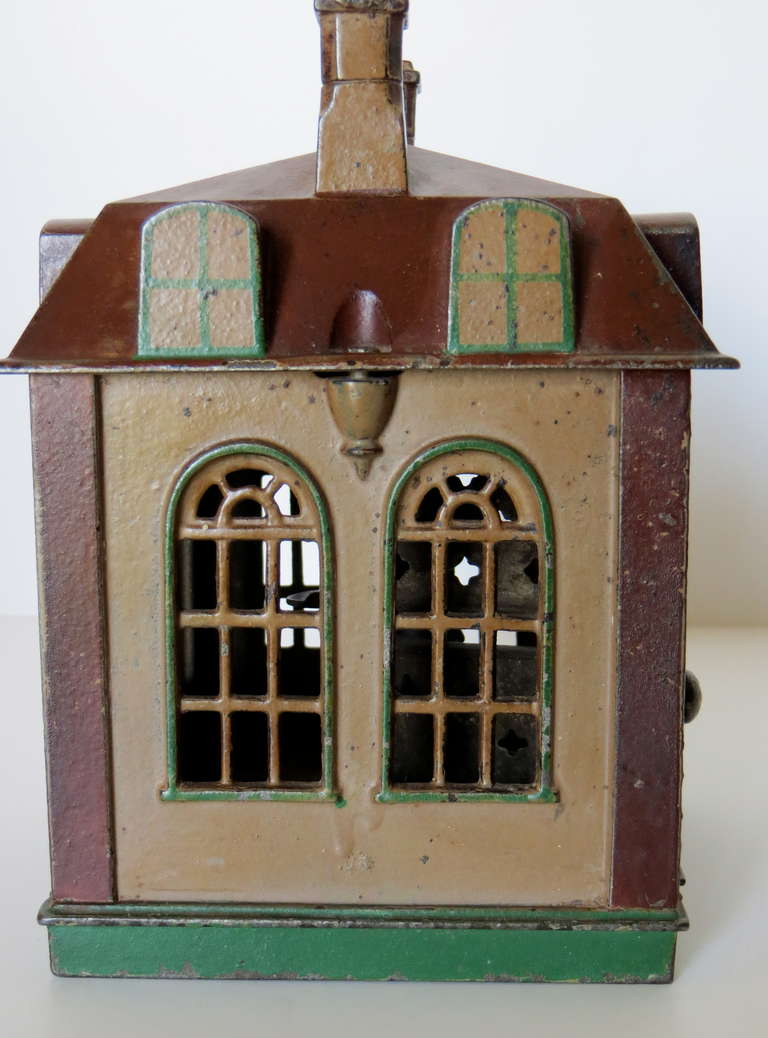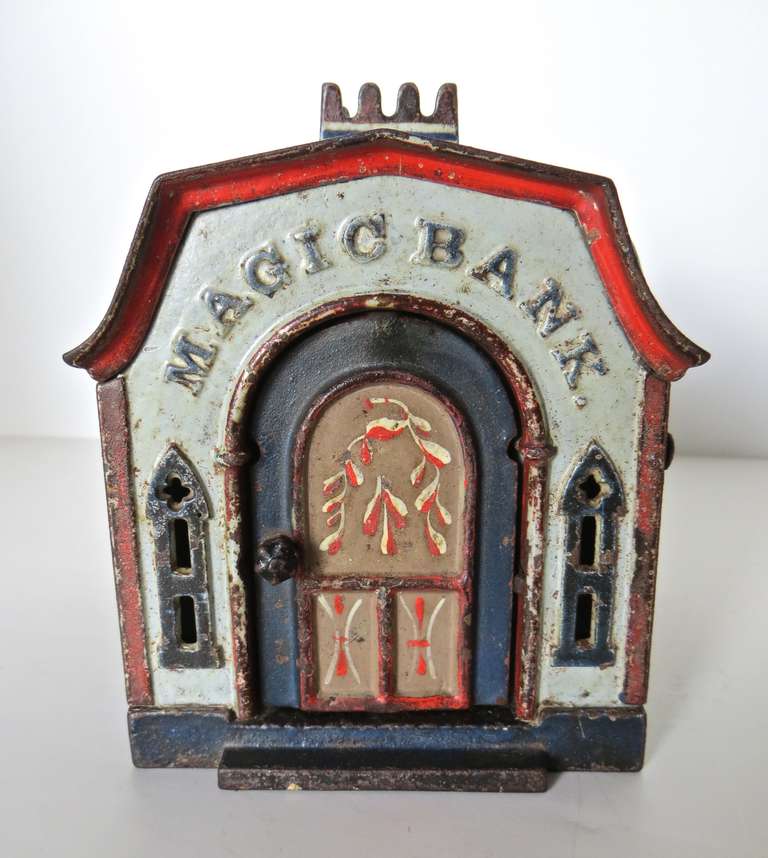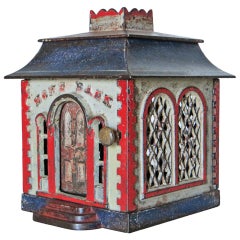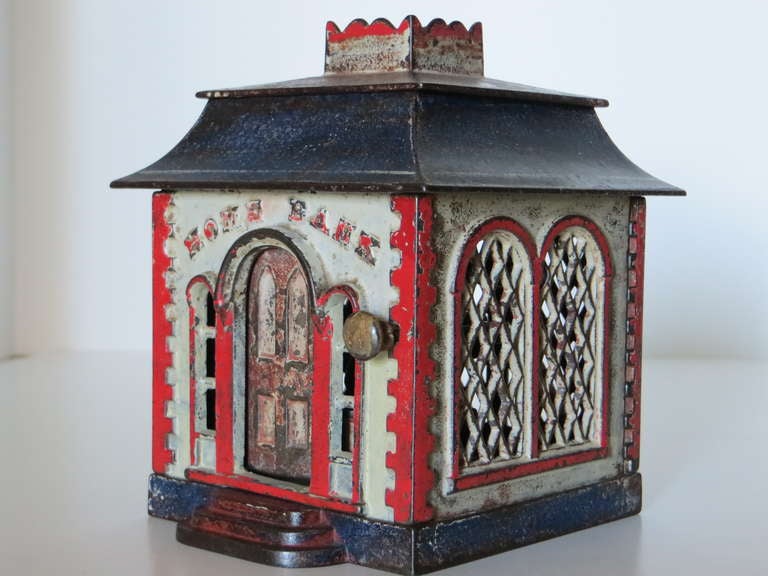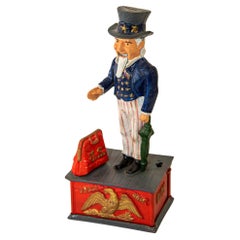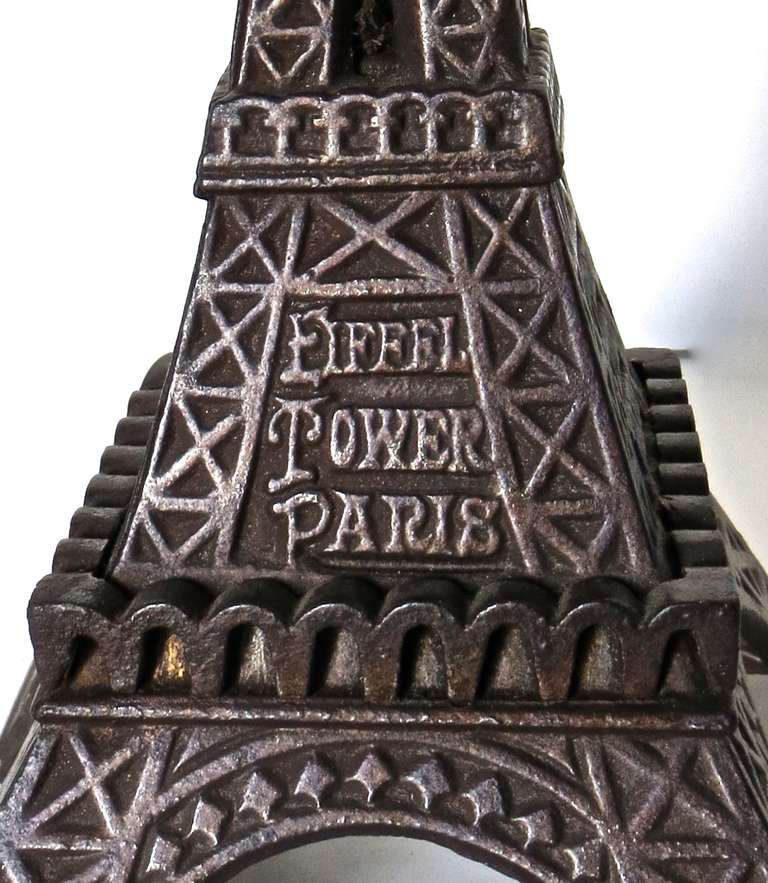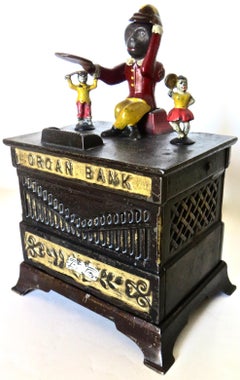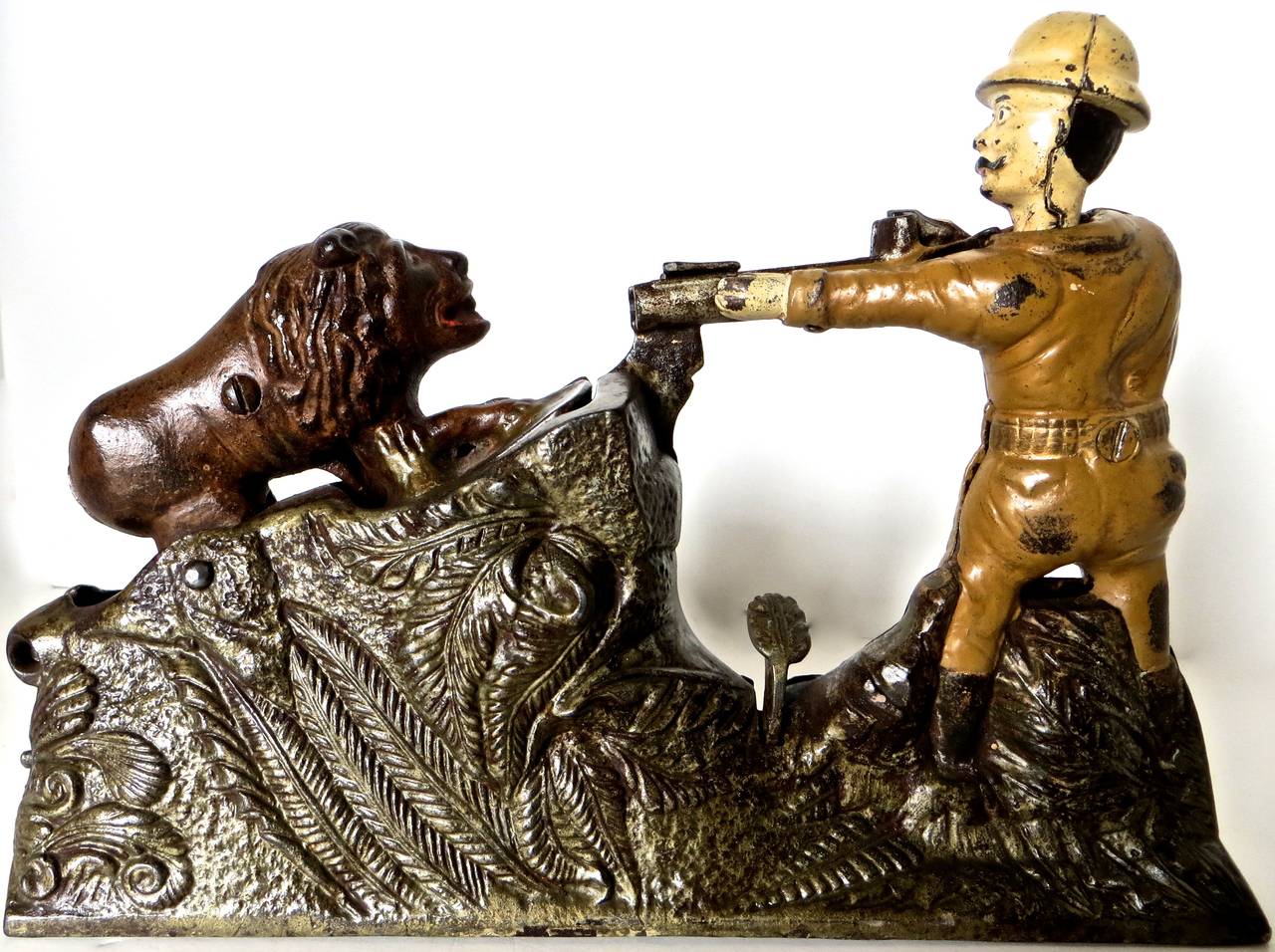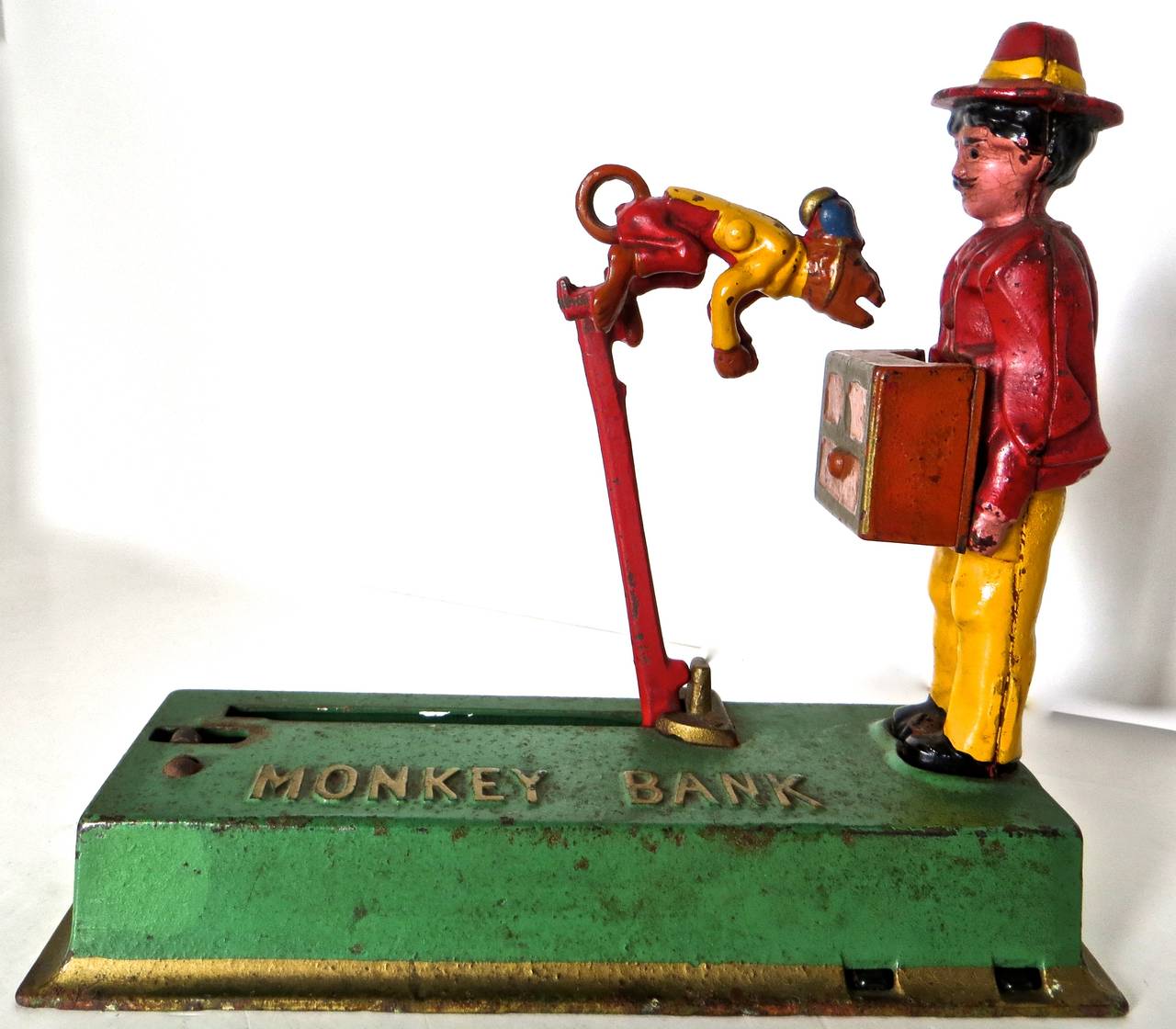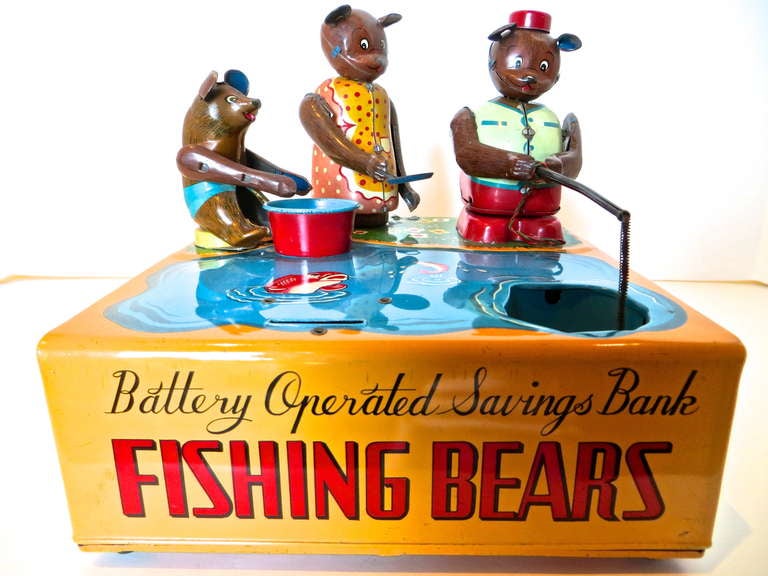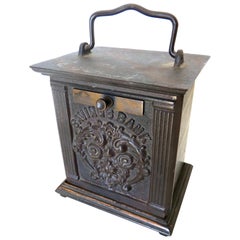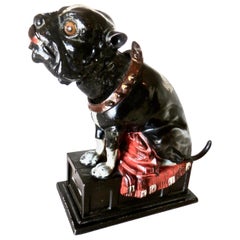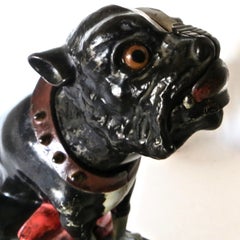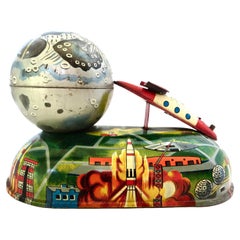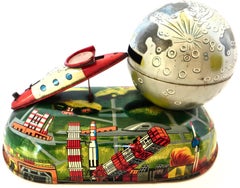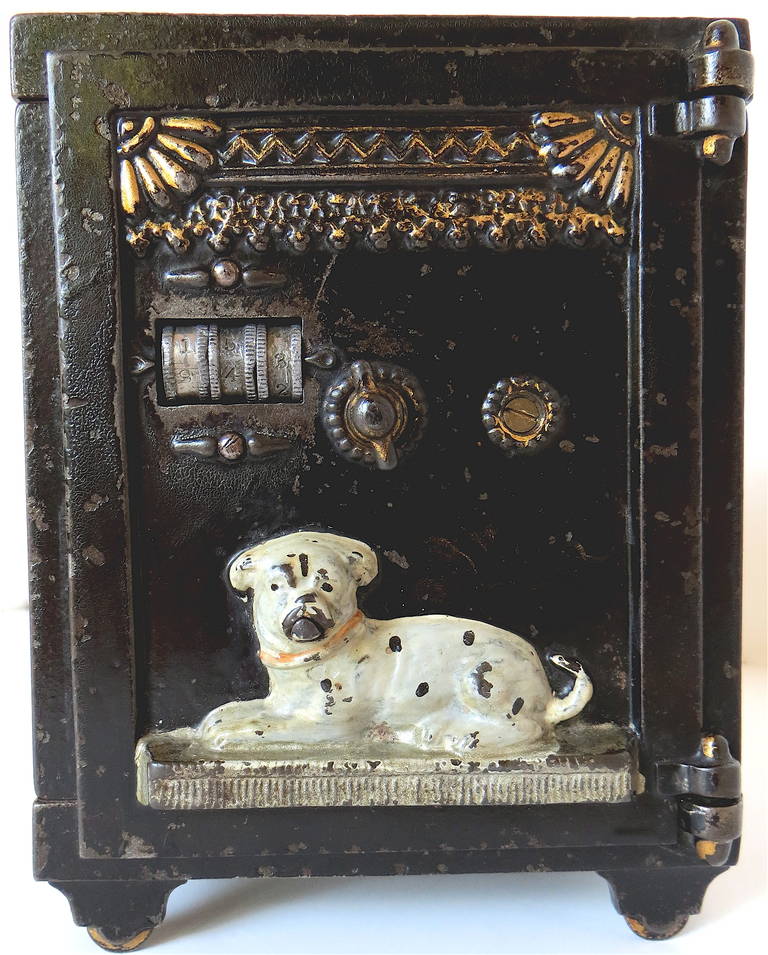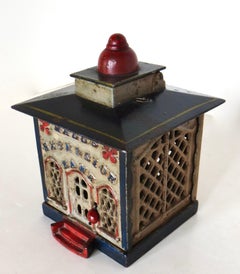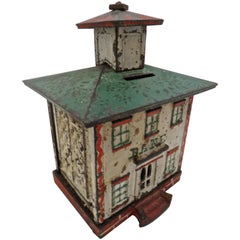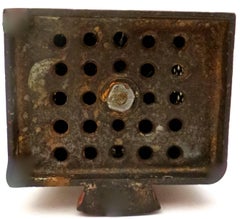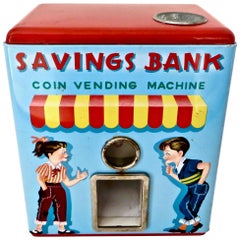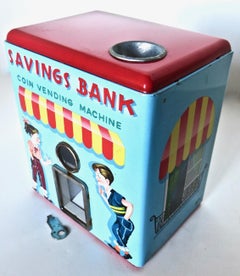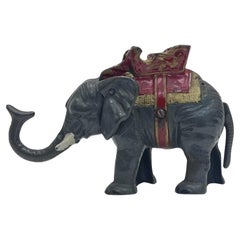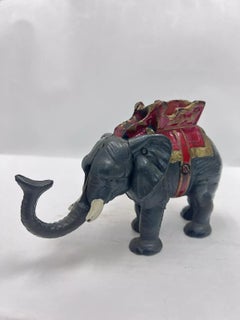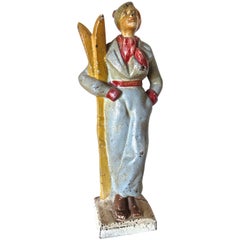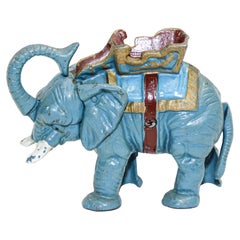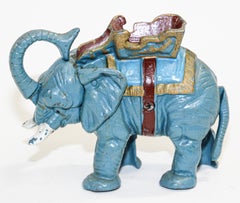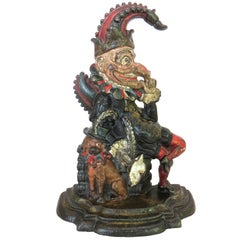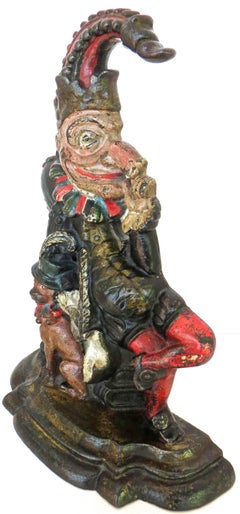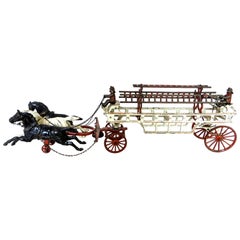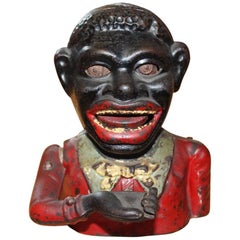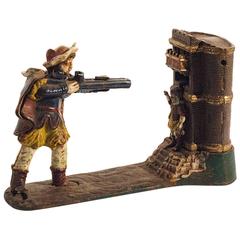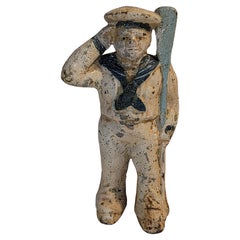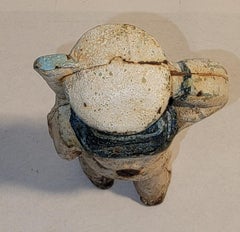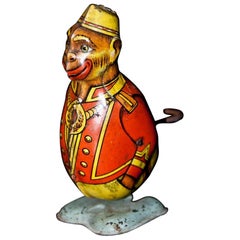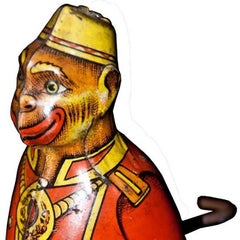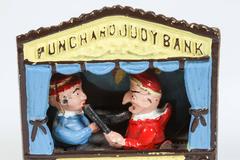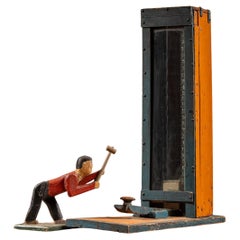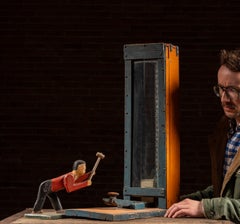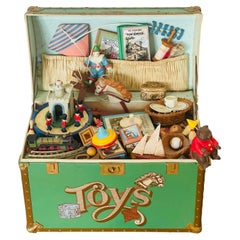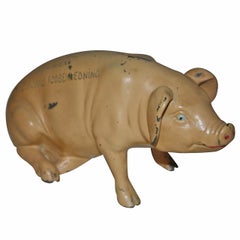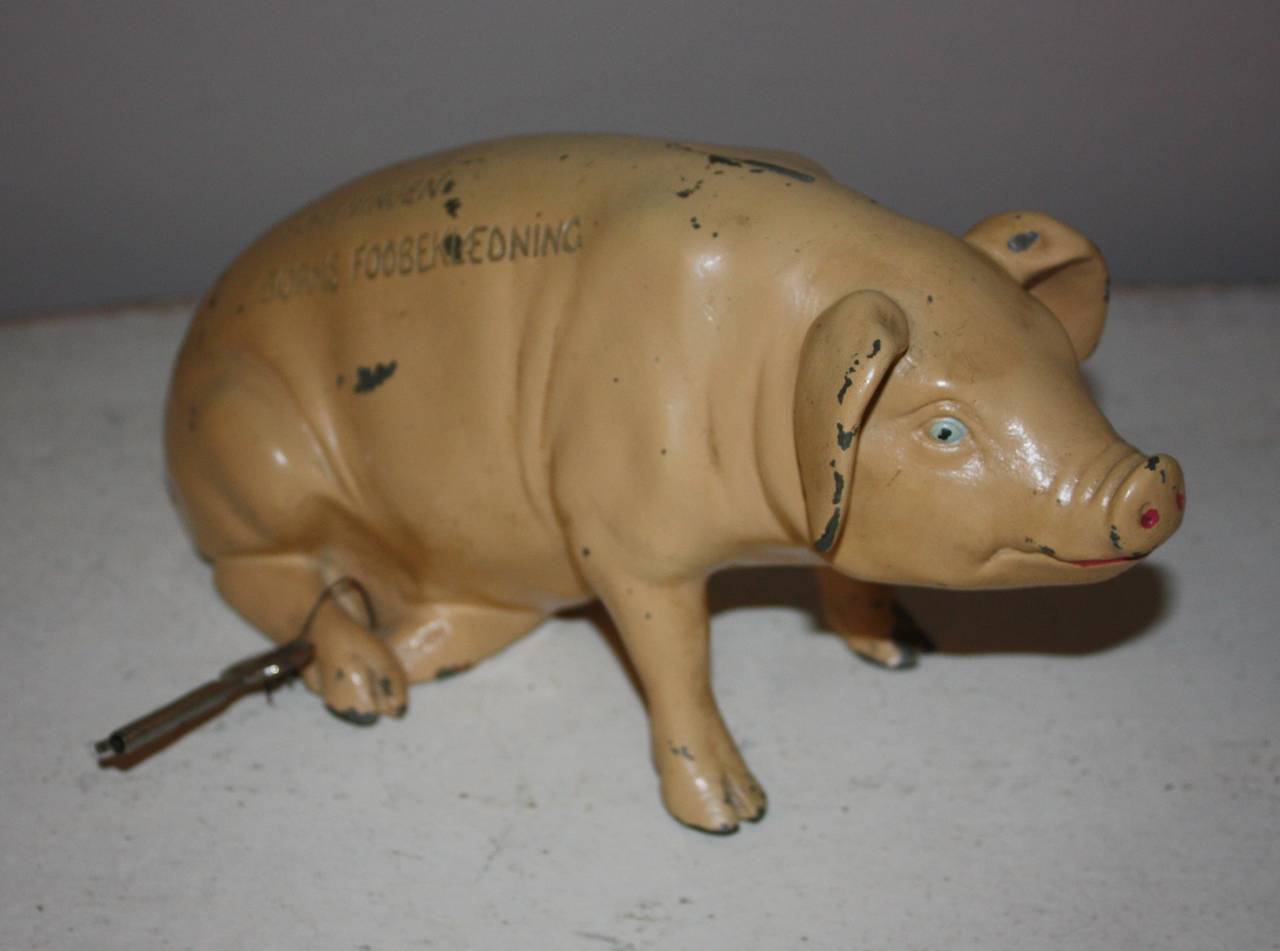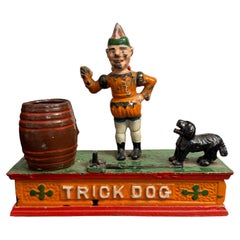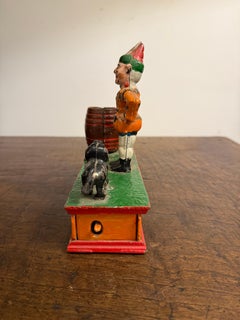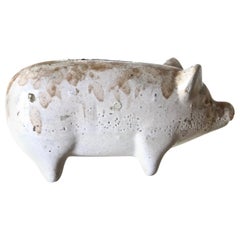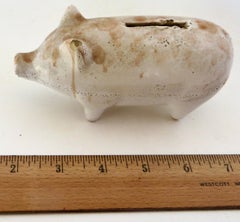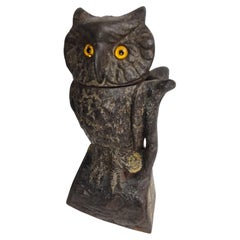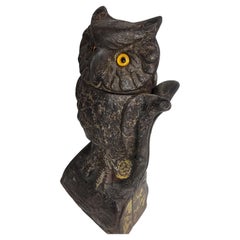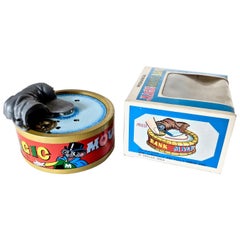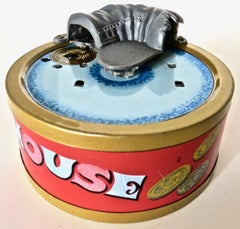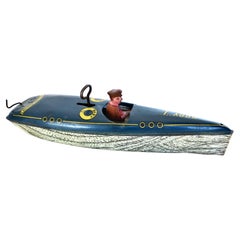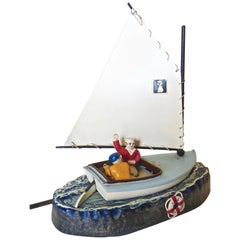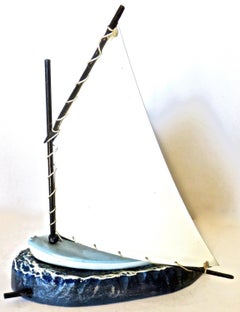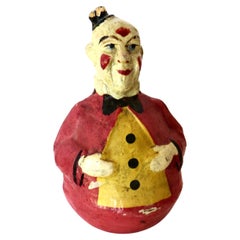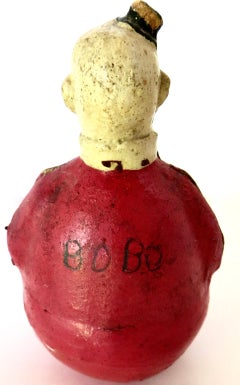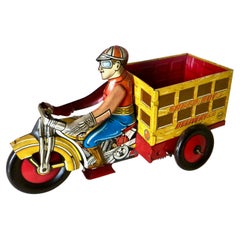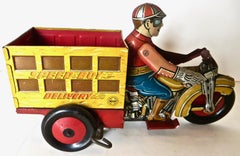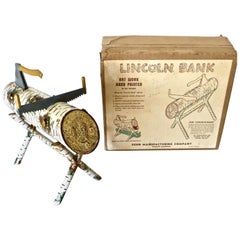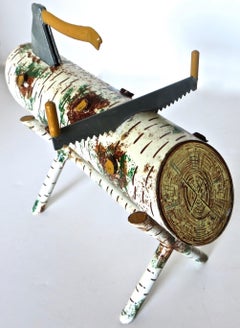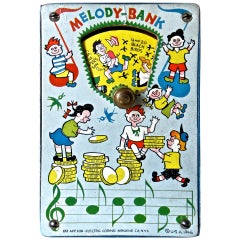
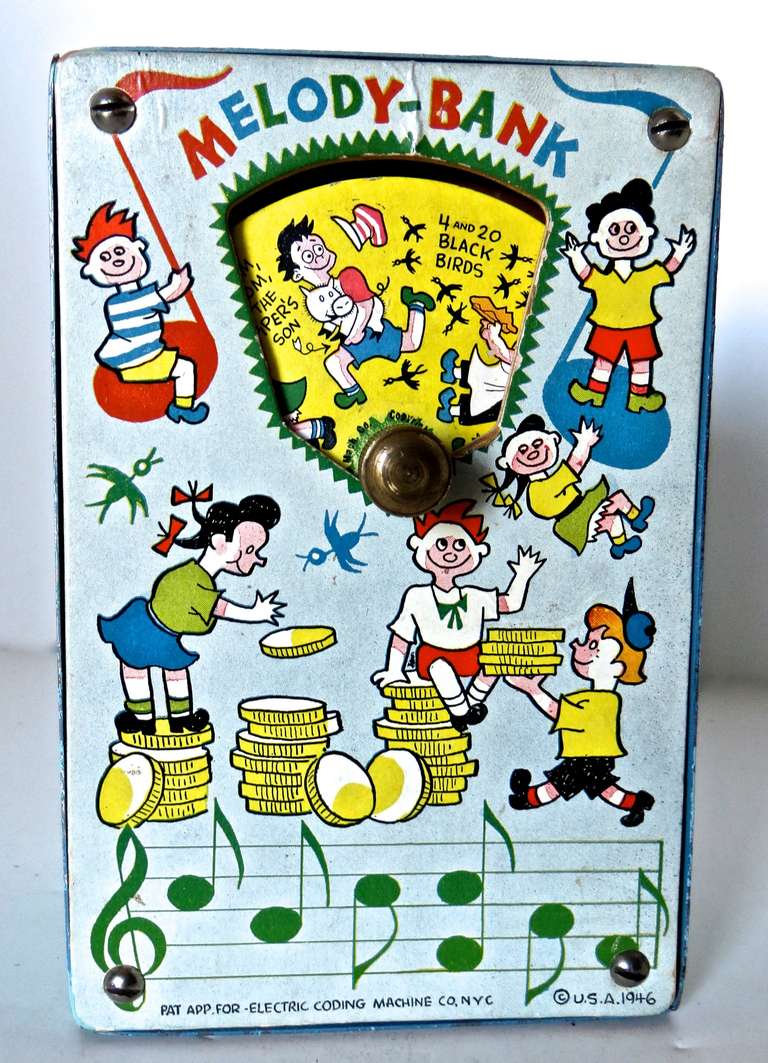
With a vast inventory of beautiful furniture at 1stDibs, we’ve got just the mechanical coin bank you’re looking for. Frequently made of
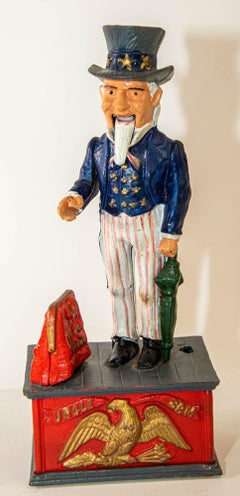
metal,
iron and
tin, every mechanical coin bank was constructed with great care. You’ve searched high and low for the perfect mechanical coin bank — we have versions that date back to the 19th Century alongside those produced as recently as the 21st Century are available. A mechanical coin bank is a generally popular piece of furniture, but those created in
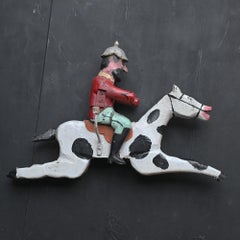
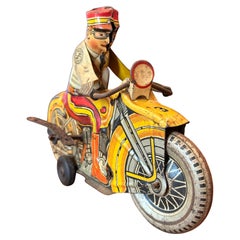
folk art,
Art Deco and
mid-century modern styles are sought with frequency. You’ll likely find more than one mechanical coin bank that is appealing in its simplicity, but
A.C. Williams Company,
J. & E. Steven's Company and
Reynolds Toys produced versions that are worth a look.
Prices for a mechanical coin bank can differ depending upon size, time period and other attributes — at 1stDibs, they begin at $135 and can go as high as $1,285, while the average can fetch as much as $673.
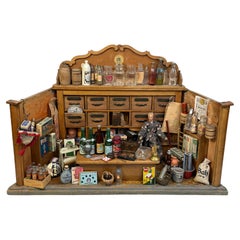
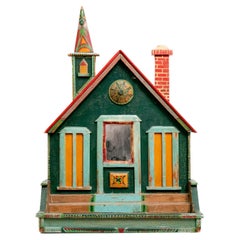
Folk art is a genre of art that shares the creator’s traditions, offering not just an artistic display but an opportunity to learn about a culture. Antique, new and vintage folk art typically reflects a heritage or location. It can include utilitarian objects and handmade art as diverse as weather vanes, duck decoys, portraiture and paintings, carnival art and quilts.
Quilts are a quintessential part of American folk art but their roots are international, with quilting dating back to Ancient Egypt. The practice spread to Europe and was especially prominent in the Middle Ages, with one of the oldest surviving examples being the Tristan quilt made in Sicily in the 14th century. They were made as bedcovers and clothing, including as a layer for knights to wear beneath their armor. Native American folk art includes functional objects reflecting their heritage, such as baskets, textiles and wooden pieces.
Elsewhere, the vast range of work associated with Mexican folk art includes masks made by Mexican craftspeople for traditional celebrations and ceremonial dances. Mexican masks are part of the country’s folk-art traditions that go back thousands of years and play a role in festivals and theater.
Works in the folk art tradition are valuable because of the skills involved, like weaving, hand-carving wood and even stonework. Many folk artists are self-taught, while some train as apprentices within their community. By using available materials and taking a personal approach to their creations, artists ensure each piece is unique and conveys a story.
During the Great Depression, artistic materials in America were hard to come by, so artisans used discarded wood from cigar boxes and shipping crates to make highly stylized, notched pieces — most often picture frames and boxes — that are today sought after by collectors. This folk art style is called tramp art and was popular from roughly 1870 until the 1940s.
Folk art brings vibrant culture and traditions into your home. Browse an extensive collection of antique, new and vintage folk art on 1stDibs.