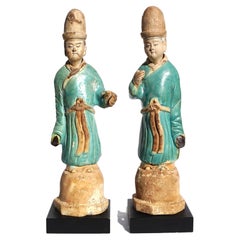
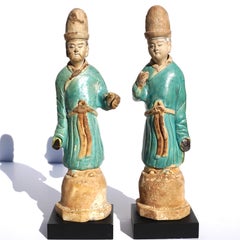
Pair Ming Dynasty Glazed Pottery Dignitary Figures
Located in Dallas, TX
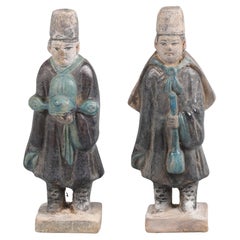
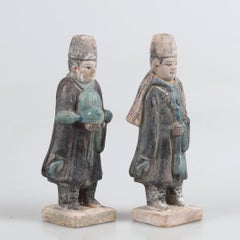
A pair of Ming dynasty sancai blue glazed pottery figures. Circa 1500 AD Ming Dynasty I have
Category
Antique 16th Century Chinese Ming Figurative Sculptures
Materials
Pottery
Pair Ming Dynasty Glazed Pottery Dignitary Figures
Located in Dallas, TX
A pair of Ming dynasty sancai blue glazed pottery figures. Circa 1500 AD Ming Dynasty I have
Pottery
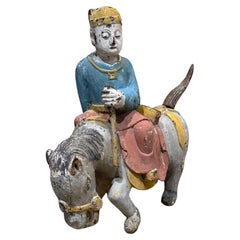
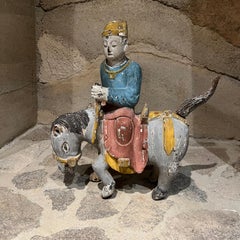
Antique Chinese Ming Dynasty Glazed Wood Horseman
Located in Chula Vista, CA
For your consideration, an antique Chinese Ming Dynasty hand carved glazed wood horse with rider
Ceramic
$6,900
H 7 in W 13 in D 6 in
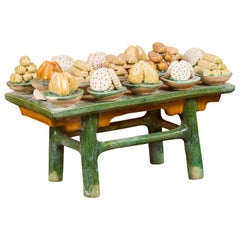
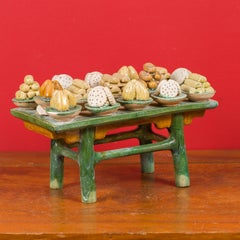
Ming Dynasty Glazed Terracotta Funeral Table Mingqi with Miniature Food Offering
Located in Yonkers, NY
A Ming dynasty period glazed terracotta funeral table mingqi from 15th-16th century with food in
Terracotta
$27,500
H 48.75 in W 26.25 in D 12 in
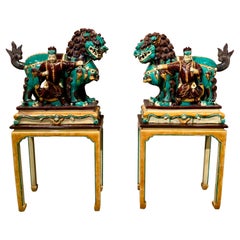
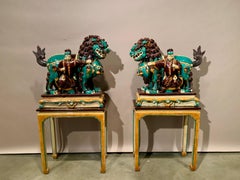
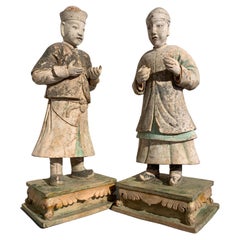
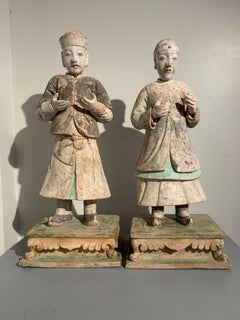
Pair Chinese Ming Dynasty Glazed Buddhist Lions and Attendants, 17th Century
Located in Austin, TX
Ming Dynasty, first half of the 17th century, Shanxi, China. Presented on custom 20th century wood and
Ceramic, Wood
$17,500 / set
H 27.75 in W 11.5 in D 8.5 in
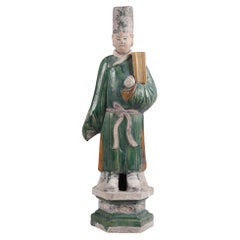
Pair Large Chinese Ming Dynasty Glazed and Painted Pottery Figures, 16th Century
Located in Austin, TX
A striking pair of large Chinese glazed and painted pottery figures, Ming Dynasty (1368 to 1644
Pottery
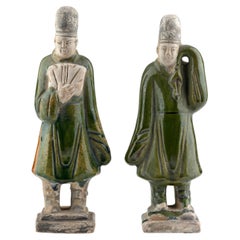
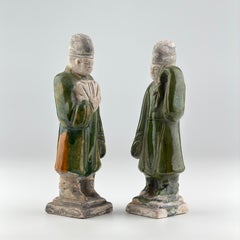
Two Green Glazed Court Figures, Ming Dynasty
Located in seoul, KR
A pair of Ming dynasty green-glazed pottery court figures, fully glazed and modeled with neat court
Pottery
$2,075
H 12.75 in W 19 in D 13 in
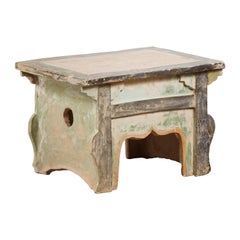
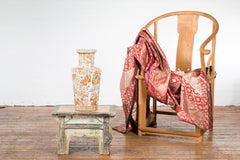
Petite Chinese Ming Dynasty Period Glazed Pedestal with Polychrome Finish
Located in Yonkers, NY
A petite Chinese Ming Dynasty glazed pedestal from the 15th or 16th century with polychrome finish
Ceramic
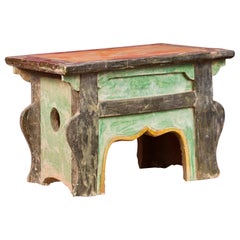
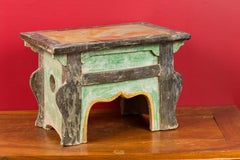
Petite Chinese Ming Dynasty Period Glazed Table with Polychrome Finish
Located in Yonkers, NY
A petite Chinese Ming Dynasty glazed table from the 15th or 16th century with polychrome finish
Terracotta
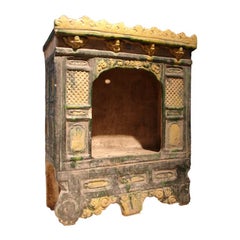
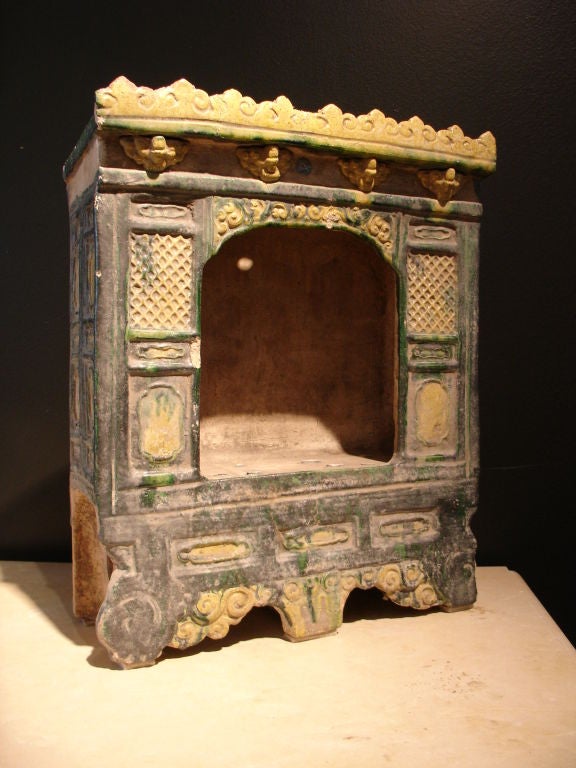
$3,800
H 16 in W 14 in D 4 in
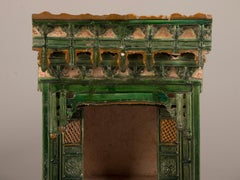
Chinese Ming Dynasty Sancai Glazed Pottery Architectural Model, 16th Century
Located in Austin, TX
An unusually large Chinese Ming Dynasty glazed pottery architectural model of a shrine or cabinet
Pottery
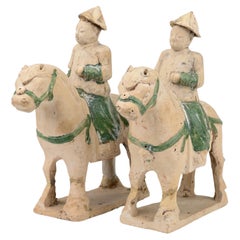
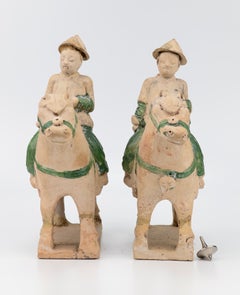
Ming Dynasty Two Green Glazed Horses and Riders (15-16th Century)
Located in seoul, KR
: Ming Dynasty Medium: Green-glazed Pottery Type: Figure Provenance : Acquired in early 2000s from
Pottery
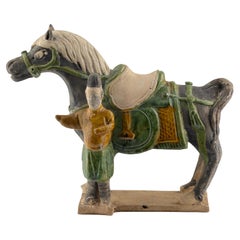
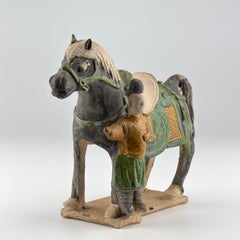
Ming Dynasty Green-Glazed Horse and Rider (15-16th Century)
Located in seoul, KR
. Period: Ming Dynasty Medium: Green-glazed Pottery Type: Figure Provenance : Acquired in early 2000s from
Pottery
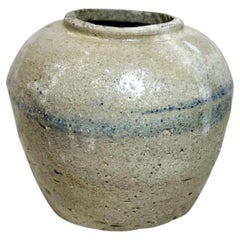
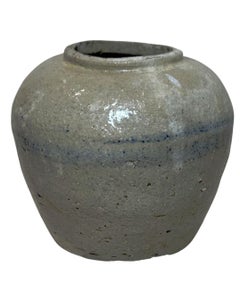
Blue And White Chinese Glazed Sandstone Jar
Located in Tampa, FL
A small Chinese ming dynasty glazed blue and white glazed sandstone pottery jar. China, Ming
Sandstone
$1,625Sale Price|35% Off
H 12.6 in Dm 10.24 in
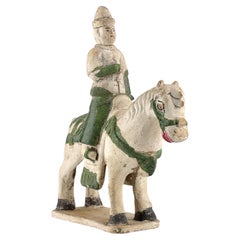
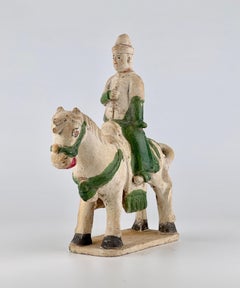
Green Glazed Horse and Rider, Ming period(15-16th Century)
Located in seoul, KR
: Ming Dynasty Medium: Green-glazed Pottery Type: Figure Condition : Good Provenance : Acquired in early
Pottery
$1,943Sale Price / set|35% Off
H 7.49 in Dm 2.37 in
Three Glazed Figures of Musicians, Ming Period (1368-1644)
Located in seoul, KR
Glazed Pottery Figures Ming Dynasty glazed pottery figures are renowned for their bold color palette
Pottery
$2,333Sale Price|41% Off
H 10.63 in Dm 4.73 in
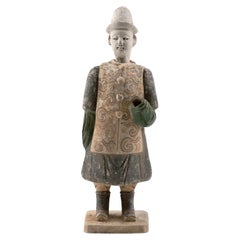
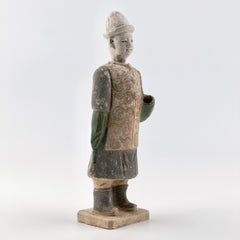
Rare Figure of an Attendant Wearing Swirling Vest, Ming Dynasty(1368-1644)
Located in seoul, KR
adorned with swirling patterns. Set on rectangular bases. Period: Ming Dynasty Medium: Glazed Pottery
Pottery
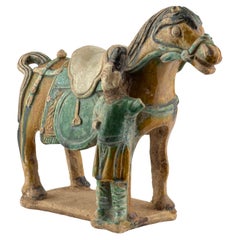
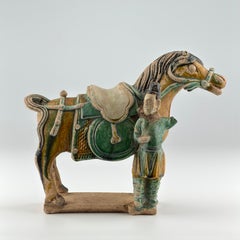
Ming Period Horse and Rider Pottery Figure
Located in seoul, KR
. Period: Ming Dynasty Medium: Green and Amber-glazed Pottery Type: Figure Provenance : Acquired in early
Pottery
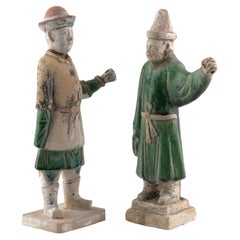
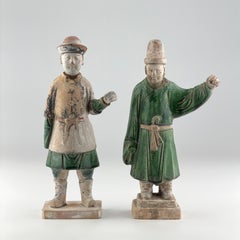
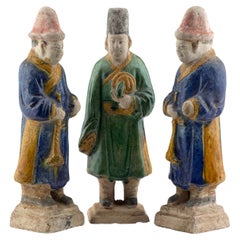
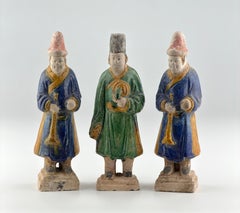
Two Figures of Attendants, Ming Period(1368-1644)
Located in seoul, KR
. Period: Ming Dynasty Medium: Glazed Pottery Type: Figure Condition : Excellent(It has soil on it, which
Pottery
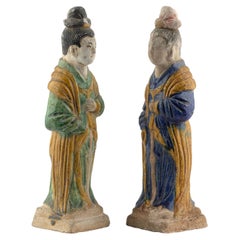
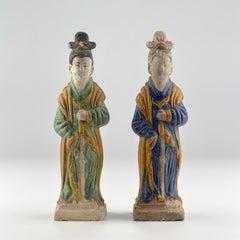
$1,943Sale Price / set|35% Off
H 8.27 in Dm 2.37 in
Two Glazed Court Attendants, Ming Period (1368-1644)
Located in seoul, KR
the living world for the deceased. Period: Ming Dynasty Medium: Green/blue-glazed Pottery Type
Pottery
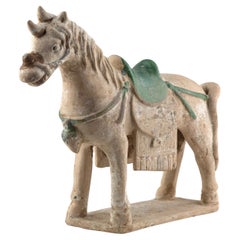
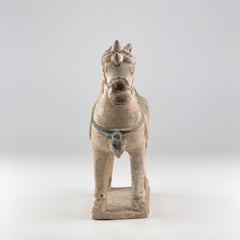
Ming Period Pottery Horse with Saddle
Located in seoul, KR
realised : 3,360 USD / Type : Closely related * Ming Dynasty Glazed Pottery Figures Ming Dynasty glazed
Pottery
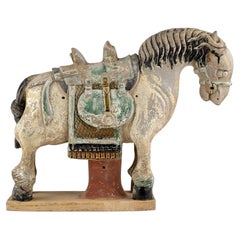
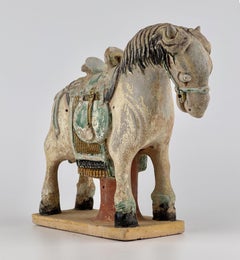
$2,437Sale Price|39% Off
H 9.45 in Dm 11.82 in
Ming Period Large Pottery Horse with Saddle (15-16th Century)
Located in seoul, KR
: Ming Dynasty Medium: Green, black, and ochre glazed Pottery Type: Figure Condition : Good(chips on the
Pottery
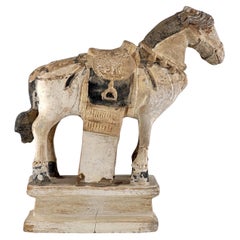
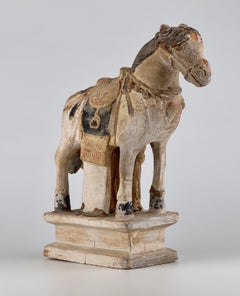
$2,437Sale Price|39% Off
H 12.6 in Dm 11.03 in
Ming Period Large Pottery Horse with Saddle (15-16th Century)
Located in seoul, KR
: Closely Related) * Ming Dynasty Glazed Pottery Figures Ming Dynasty glazed pottery figures are
Pottery
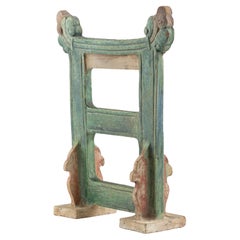
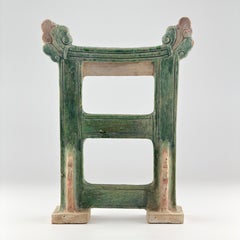
$1,072Sale Price|28% Off
H 11.42 in Dm 8.67 in
Green Glazed Standing Gate on Plinth with Finials, Ming Dynasty
Located in seoul, KR
. Period: Ming Dynasty Medium: Glazed Pottery Condition : Excellent(The piece has not had the soil removed
Pottery
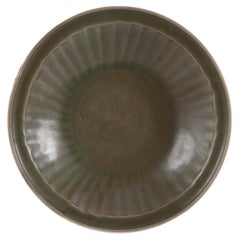
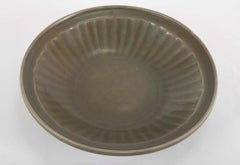
Ming Dynasty Celadon Glazed Charger
Located in Stamford, CT
Ming dynasty celadon glazed charger having fluted interior with plain well center.
Ceramic
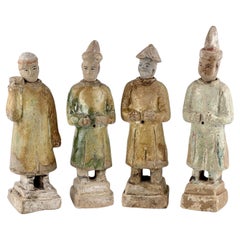
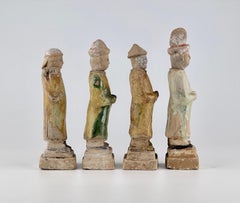
$1,943Sale Price|35% Off
H 9.06 in Dm 2.76 in
Four Green Glazed Pottery Attendant Figures, Ming Dynasty(1368-1644)
Located in seoul, KR
: Acquired in late 1990s from Hongkong * Ming Dynasty Green-glazed pottery figure Ming Dynasty green
Pottery
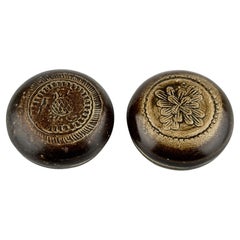
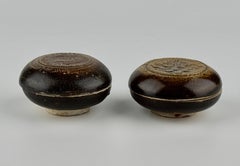
Brown-Glazed Moulded Box And Cover, Fujian Kiln, Yuan-Ming Dynasty
Located in seoul, KR
both Chinese and Vietnamese models found in the museum in Haiphong, Vietnam. Period: Yuan-Ming Dynasty
Pottery
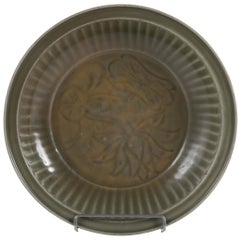
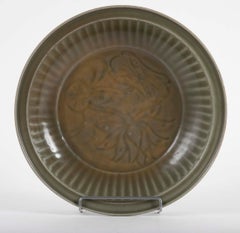
Ming Dynasty Longquan Celadon Glazed Charger
Located in Stamford, CT
. Ming dynasty. Underside with burnt orange firing mark otherwise glazed throughout.
Ceramic
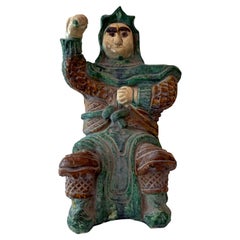
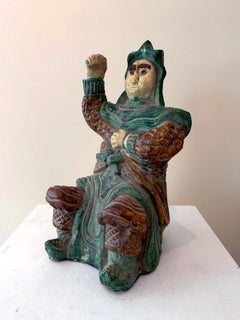
Chinese Ceramic Glazed Guardian Ming Dynasty
Located in Atlanta, GA
influenced from India, which give him a more severe look. In Ming dynasty (14th-17th century), this type of
Stoneware
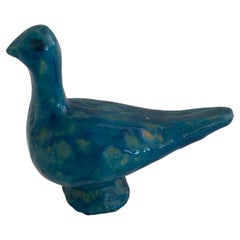
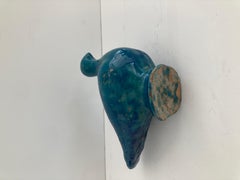
Ming Dynasty Blue Glazed Terra Cotta Bird
Located in Los Angeles, CA
Ming Dynasty Blue Glazed Terra Cotta Bird. Very rare early Ming Dynasty Blue Glazed Terra Cotta
Terracotta
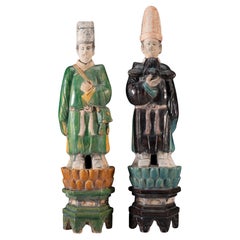
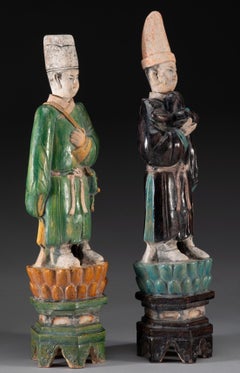
Tall Ming Dynasty Sancai Glazed Dignitary Tomb Figures
Located in Dallas, TX
A Pair of Chinese Enameled Sancai Glazed Pottery Attendant Figures Representing Dignitaries. Ming
Pottery
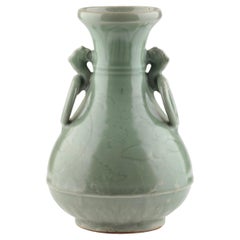
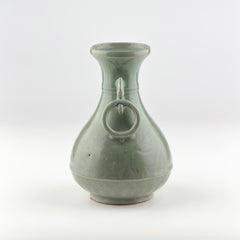
Carved Longquan Celadon Vase, Yuan-Ming Dynasty
Located in seoul, KR
restrained elegance. Period : Yuan-Ming Dynasty Type : Celadon Medium : Longquan ware Size : 20.5 cm(Height
Celadon
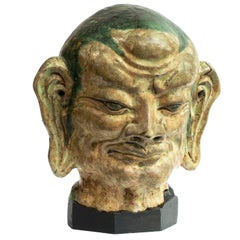
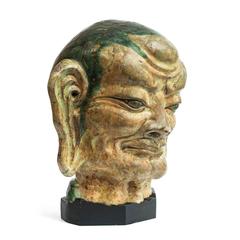
Chinese Sancai Glazed Buddhist Arhat, Ming Dynasty, c. 1600
Located in Chicago, IL
symbol. This exquisitely formed monumental ceramic Arhat dates to the Ming dynasty (1368-1644) and
Ceramic, Wood
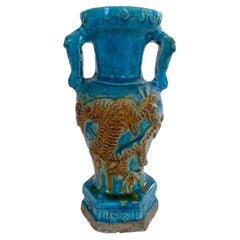
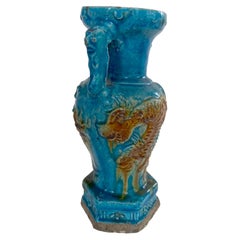
Ming Dynasty Vase with Vibrant Turquoise Glaze
Located in Atlanta, GA
Ming Dynasty (16th century) pottery vase with vivid turquoise glaze, decorated with dragons. The
Pottery
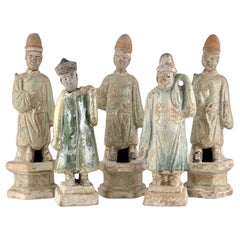
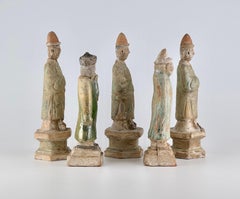
$2,795Sale Price / set|37% Off
H 10.63 in Dm 3.15 in
Five Green Glazed Pottery Attendant Figures, Ming Dynasty(1368-1644)
Located in seoul, KR
), a hat traditionally worn by Ming dynasty officials, and is fully coated in green glaze, which has
Pottery

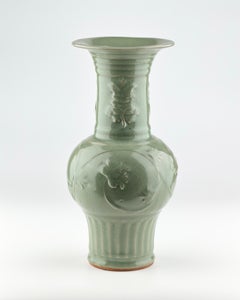
A Rare Longquan Celadon 'Peony' Vase Yuan-Ming Dynasty
Located in seoul, KR
This vase features a traditional vase coated with a clear and rich green celadon glaze. A fine
Celadon
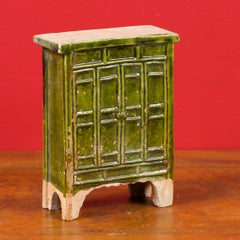
$1,025
H 8.5 in W 6 in D 3 in
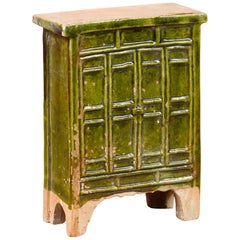
Chinese Ming Dynasty Period Green Glazed Miniature Armoire with Bracket Feet
Located in Yonkers, NY
A Chinese Ming Dynasty period miniature terracotta armoire with green glazed finish and bracket
Terracotta
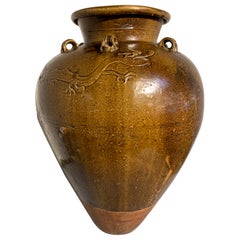
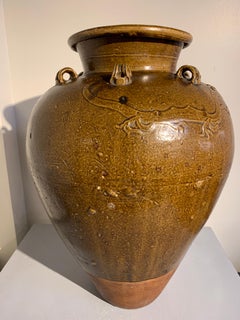
Chinese Ochre Brown Glazed Martaban Jar, Ming Dynasty, 15th-16th Century
Located in Austin, TX
Martavan jar, Ming dynasty, 15th-16th century. The elegant ovoid jar with a slender body rising up from
Stoneware
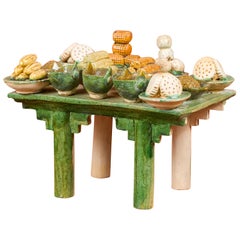
$6,900
H 6 in W 9 in D 5 in
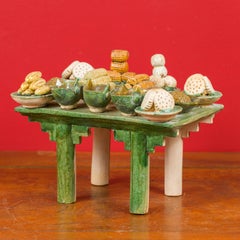
Ming Dynasty 15th-16th Century Glazed Terracotta Funeral Table with Food Mingqi
Located in Yonkers, NY
A Ming dynasty period glazed terracotta funeral table mingqi from 15th-16th century with food and
Terracotta
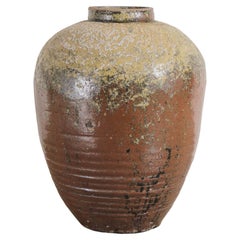
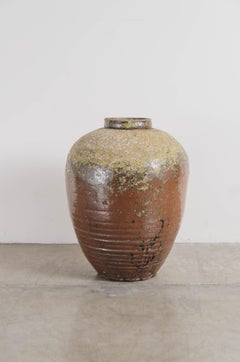
Large Antique Ming Dynasty, China Russet Glazed Ovoid Jar
Located in Los Angeles, CA
Antique Ovoid Jar from Ming Dynasty, China. Large jar with textures and a russet glaze (brown). Top
Ceramic
$3,300Sale Price / set|31% Off
H 16 in W 5 in D 4 in
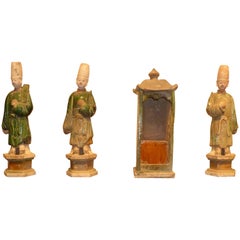
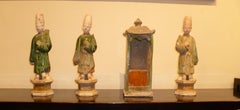
Set of Refine Ming Dynasty Green Glazed Attendants and a Sedan Chair
Located in Greenwich, CT
expression, beautiful colors and lines, Ming dynasty 1368-1644. Three glazed attendants, each attendant
Pottery
$2,500 / set
H 13.25 in W 5 in D 4.5 in
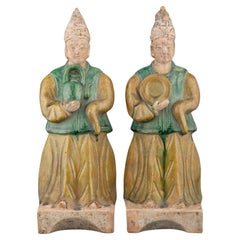
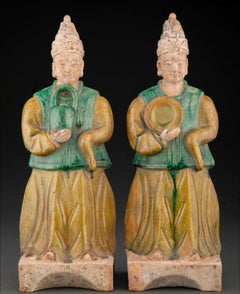
Chinese Ming Dynasty Antique Sancai Glazed Attendants Tomb Figure Pair
Located in Forney, TX
A pair of large antique Chinese polychrome ceramic attendants, Ming Dynasty (1368-1644
Ceramic, Earthenware
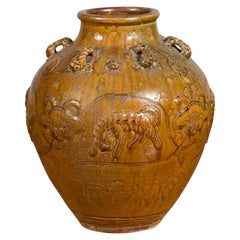
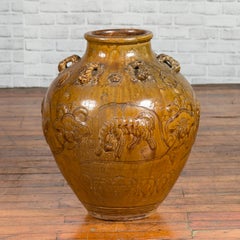
Ming Dynasty Period Golden Brown Glazed Martaban Water Jar with Tiger Motifs
Located in Yonkers, NY
A Ming Dynasty period glazed ceramic Martaban water jar from the 17th century, with tiger motifs
Ceramic

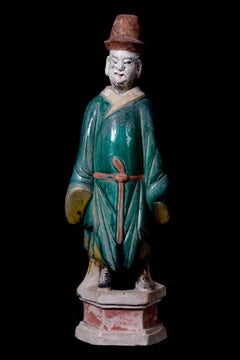
$19,000
H 15.25 in W 5.25 in D 4 in
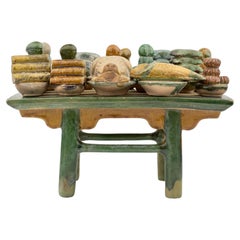
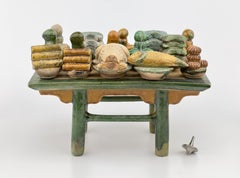
6 Elegant Ming Dynasty Court Attendants in Glazed Terracotta, China 1368-1644 AD
Located in San Pedro Garza Garcia, Nuevo Leon
Green & Red Daopao – a traditional men’s formal attire from the Ming Dynasty dated 1368-1643 A.D. – with
Terracotta
$2,567Sale Price|34% Off
H 7.88 in Dm 11.82 in
Green and Ochre Glazed Altar Table with Offerings, Ming Dynasty, 15~16th Century
Located in seoul, KR
. Period: Ming Dynasty (1368~1644) Medium: Sancai-Glazed Type: Mingqi Size : 30 cm x 17cm(Diameter), 20cm
Pottery
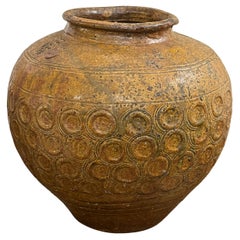
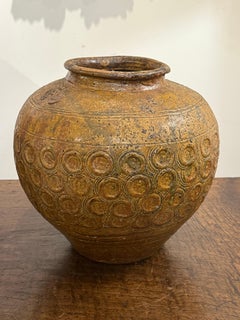
A Chinese Brown Glazed Martaban Storage Jar, Ming Dynasty, 17th Century
Located in ARMADALE, VIC
A Chinese Brown Glazed Martaban Storage Jar, Ming Dynasty, 17th Century Description: Impressed
Stoneware
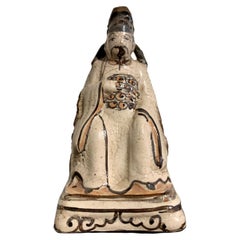
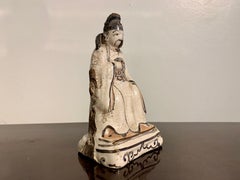
$1,500
H 5.5 in W 3.13 in D 2.25 in
Chinese Small Cizhou Glazed Figure of a Daoist Deity, Song to Ming Dynasty
Located in Austin, TX
to Ming Dynasty, 13th - 15th century, China, ex. Christie's NY. The small figure modeled as an
Stoneware
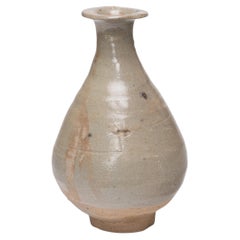
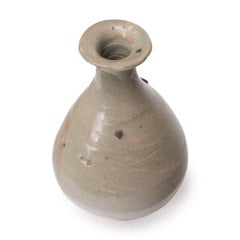
Chinese Ming Dynasty Celadon Wine Vessel, c. 1500
Located in Chicago, IL
This petite ceramic vessel is a Ming-dynasty (1368-1644) bottle originally used for storing cooking
Earthenware
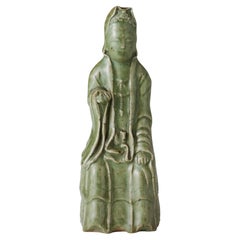
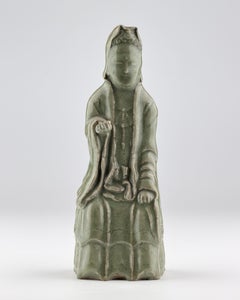
Longquan Celadon Figurine, Ming Dynasty (1368-1644)
Located in seoul, KR
: Ming Dynasty (1368-1644) Region: Longquan, China Medium: Stoneware - Celadon glazed, with a range from
Celadon
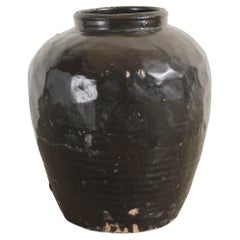
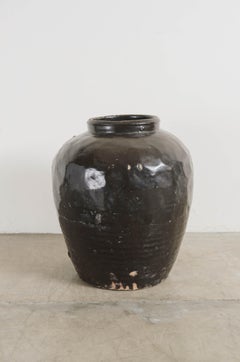
Ming Dynasty, China Antique Tall Bamboo Shaven Jar in Brown Glaze
Located in Los Angeles, CA
Tall Bamboo Shaven Jar Ming Dynasty, China Brown Glaze Hand Made Antique
Ceramic
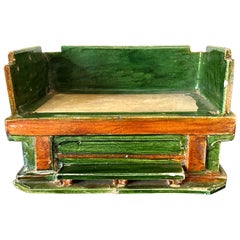
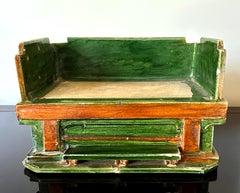
Chinese Ming Dynasty Tomb Funeral Pottery Bed Model
Located in Atlanta, GA
Ming Dynasty. The tomb stoneware tends to be relatively coarsely made and glazed in green and yellow
Stoneware
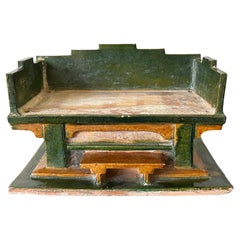
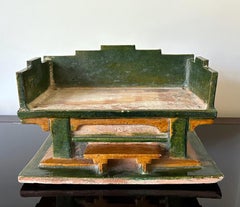
Chinese Ming Dynasty Tomb Funeral Pottery Bed Model
Located in Atlanta, GA
Ming Dynasty. The tomb stoneware tends to be relatively coarsely made and glazed in green and yellow
Stoneware
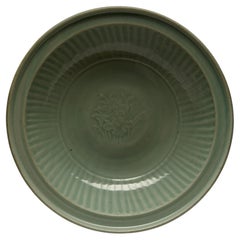
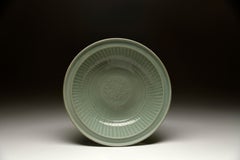
Ming Dynasty Longquan Celadon Dish
Located in Camarate, PT
Tang period. By the mid-Ming Dynasty, production declined due to competition from blue-and-white
Porcelain
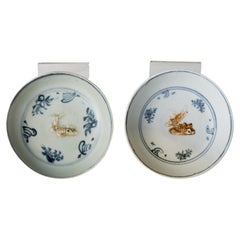
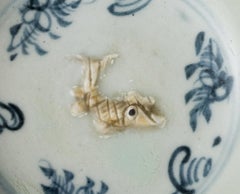
$1,917Sale Price / set|50% Off
H 1.38 in Dm 4.73 in
Moulded Goldfish Blue and White Dishes, Ming Dynasty
Located in seoul, KR
pieces. Period: Ming Dynasty (1368-1644) Region: Jingdezhen, China Type: Blue and White Porcelain
Ceramic
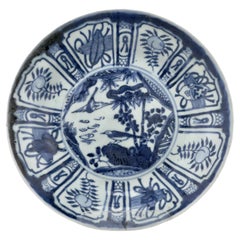
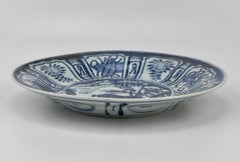
Blue And White Kraak Plate, Late Ming Dynasty
Located in seoul, KR
was produced during the late Ming Dynasty, especially during the reign of the Wanli Emperor (1573-1620
Ceramic, Porcelain
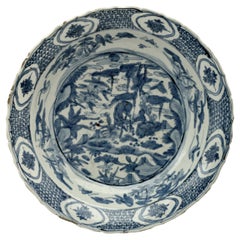
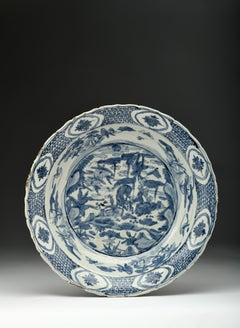
Ming Dynasty Zhangzhou (Swatow) Dish
Located in Camarate, PT
painted in cobalt blue under a transparent glaze. The central medallion depicts a bucolic scene with two
Porcelain
$1,275
H 8 in W 5 in D 2 in
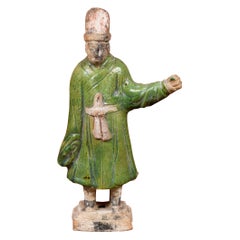
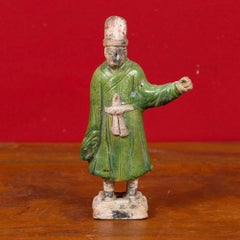
Chinese Ming Dynasty Terracotta Court Official Statuette, Original Polychromy
Located in Yonkers, NY
A petite Chinese Ming dynasty green glazed terracotta court official figurine from the 15th or 16th
Terracotta
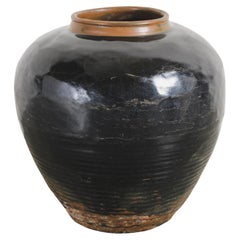
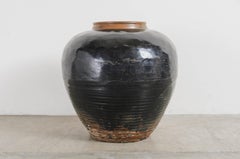
Antique Ming Dynasty, China Black Glaze Bamboo Shaven Jar with Russet Neck
Located in Los Angeles, CA
Antique Bamboo Shaven Jar with Russet Neck Ming Dynasty China Black Glaze Hand Made Ceramic
Ceramic
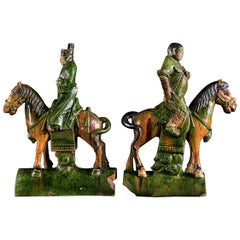
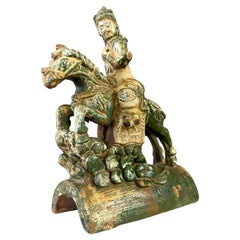
Pair of Ming Dynasty Horsemen Roof Tiles
Located in London, GB
A pair of Chinese Ming Dynasty (1368-1644) sancai-glazed ridge tiles modelled as horse and rider
Pottery
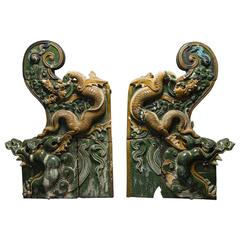
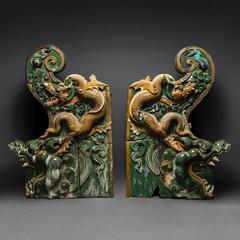
Pair of Ming Dynasty Glazed Dragon Temple Tiles
Located in Beverly Hills, CA
not until the rise of the Ming Dynasty that glazed sculptural tiles became a popular decorative device
Terracotta
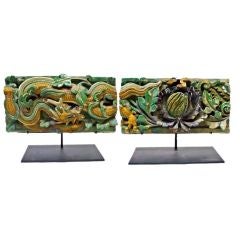
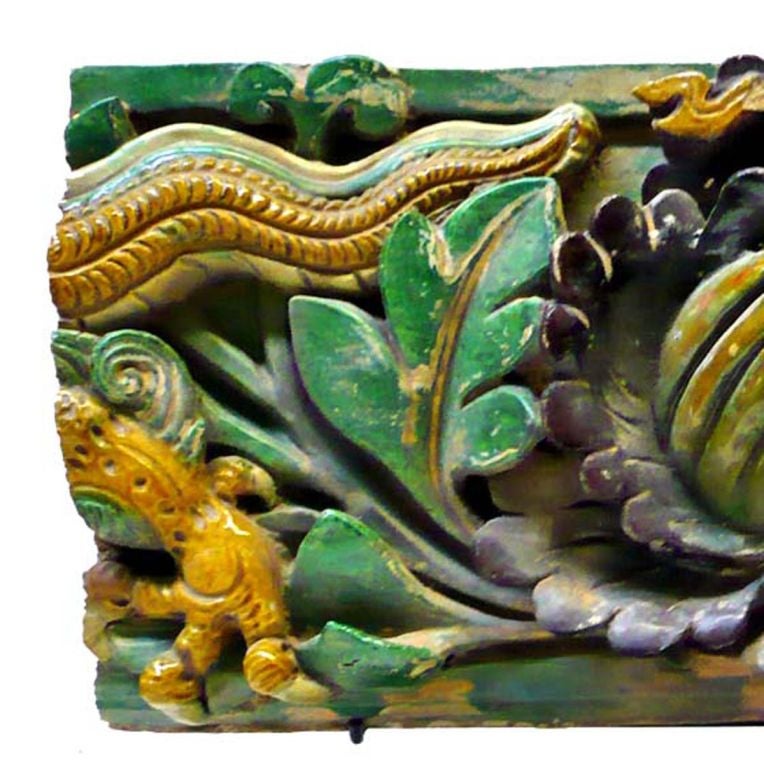
Pair Ming Dynasty Period Glazed Earthenware Wall Tiles 1368AD
Located in Louisville, KY
Pair of Ming Dynasty Period Glazed Earthenware Wall Tiles (1368-1644); in high relief and decorated
Pottery
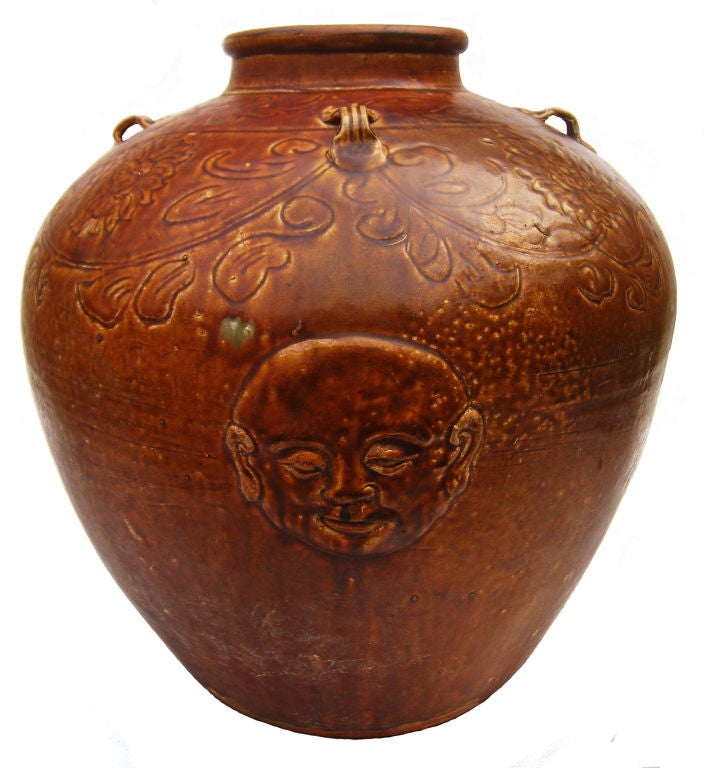
Ming Dynasty Brown Glazed Carved Ovid Jar
Located in New York, NY
A magnificent brown glazed Ming Dynasty ovid jar. Decorated with leaf scroll and accentuated by a
Pottery
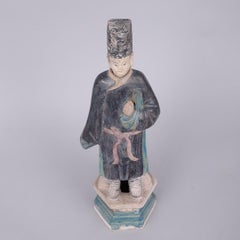
Ming Dynasty Terracotta Green Glazed Tomb Statue, China
Located in Basel, BS
A fine green-glazed Chinese Ming Dynasty earthenware figure, depicting a official. The statue has
Terracotta

Unavailable
H 16 in W 8.5 in D 12 in
Antique Chinese Wedding Bed Glazed Roof Tile, Ming Dynasty, China circa 1650
Located in Houston, TX
A green and ochre antique Chinese glazed earthenware wedding bed roof tile from the Ming dynasty in
Earthenware
Unavailable
H 7.49 in W 2.76 in D 2.37 in
Ming Dynasty, Pair of Green Glazed Terracotta Tomb Statues, China
Located in Basel, BS
Pair of Chinese green glazed pottery statues, Ming Dynasty (1368-1644). Comprising two male
Terracotta
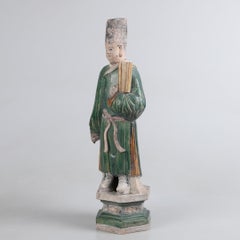
Unavailable
H 19.89 in W 7.49 in D 5.52 in
Ming Dynasty Green Glazed Pottery Tomb Statue "Official", China 1368-1644
Located in Basel, BS
A fine green-glazed Chinese Ming Dynasty earthenware figure, depicting a official. The statue has
Terracotta
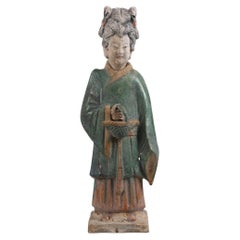
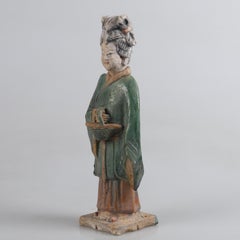
Unavailable
H 12.01 in W 5.52 in D 3.94 in
Ming Dynasty Green Glazed Teracotta Tomb Statue of a Woman, China
Located in Basel, BS
A fine green-glazed Chinese Ming Dynasty earthenware figure. In form of a female funeral guide
Terracotta
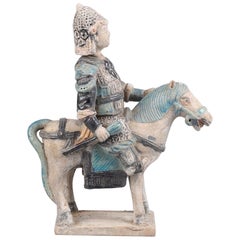
Unavailable
H 13.39 in W 10.63 in D 6.3 in
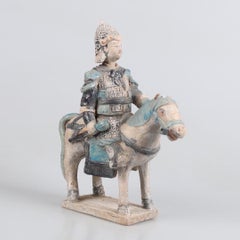
Ming Dynasty Terracotta Green Glazed Tomb Statue, Knight/Horse, China 1368 -1644
Located in Basel, BS
A fine green-glazed Chinese Ming Dynasty earthenware figure, depicting a knight or officer at horse
Terracotta
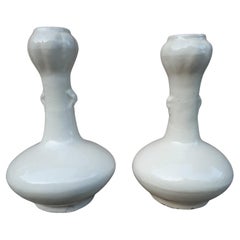
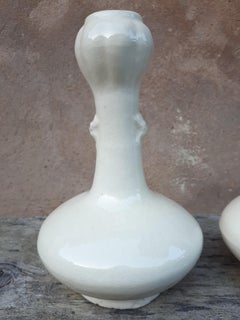
Pair Of Chinese Monochrome Vases, China Ming Dynasty
Located in Saverne, Grand Est
Pair of suantouping (garlic head) vases in white-covered sandstone. Some frittings otherwise in very good condition ! China, 17th century or earlier.
Stoneware
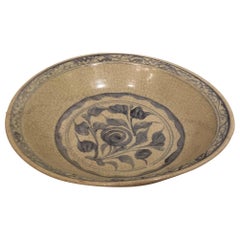
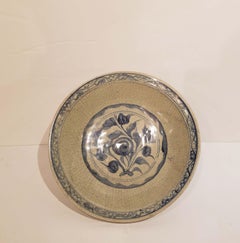
Ming Dynasty Chinese Porcelain Celadon Bowl
Located in New York, NY
Ming dynasty Chinese Porcelain celadon bowl. Purchased from a NYC collector. Measures: 12.5 inches
Porcelain
Unavailable
H 13 in W 10.5 in D 4.75 in
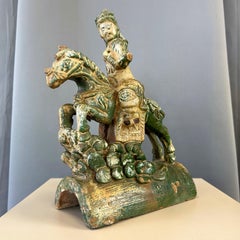
Antique Chinese Ming Dynasty-Style Equestrian Roof Tile, 18th C.
Located in San Francisco, CA
A circa 18th century Chinese Ming dynasty-style equestrian form glazed pottery roof tile
Earthenware, Terracotta, Pottery
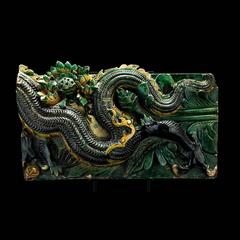
Unavailable
H 15.25 in W 48 in D 3.5 in
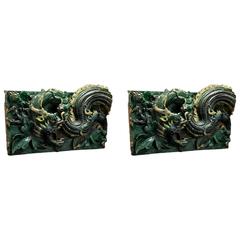
Pair of Ming Glazed Terracotta Temple Wall Tiles Depicting a Dragon
Located in Beverly Hills, CA
Ming Dynasty that glazed sculptural tiles became a popular decorative devise extensively employed in
Terracotta
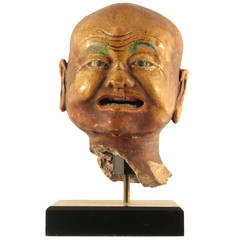
Glazed Ceramic Head of a Lohan
Located in Hudson, NY
Ming dynasty, circa 17th century glazed ceramic head of a Lohan, on of the original 16 students of
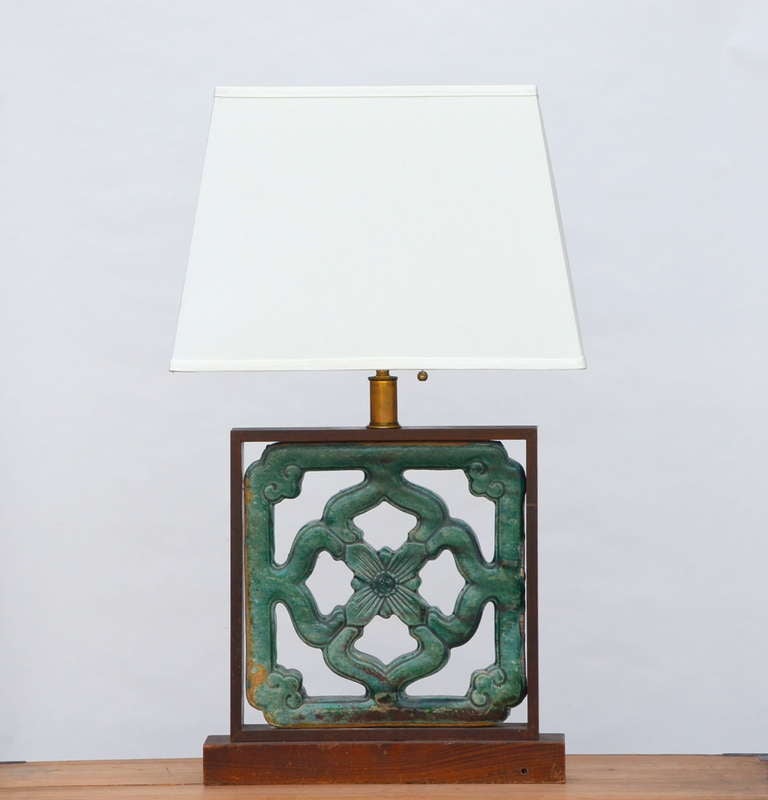
Late Ming Dynasty Glazed Terracotta Building Ornament Mounted as a Lamp
Located in Los Angeles, CA
Rare late Ming dynasty glazed terracotta building ornament mounted as a Lamp. A few of these
Terracotta, Linen, Wood
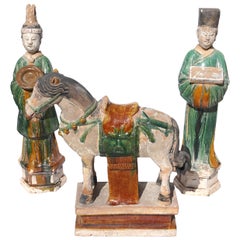
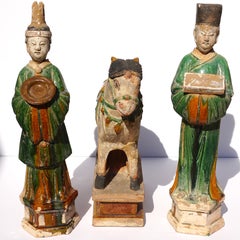
Ming Dynasty Sancai Glazed Horse and Tomb Figures
Located in Dallas, TX
dignitaries bearing gifts along with a saddled Horse. All sculptures are Sancai glazed with Signature ming
Terracotta
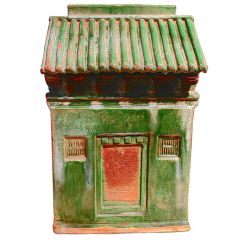
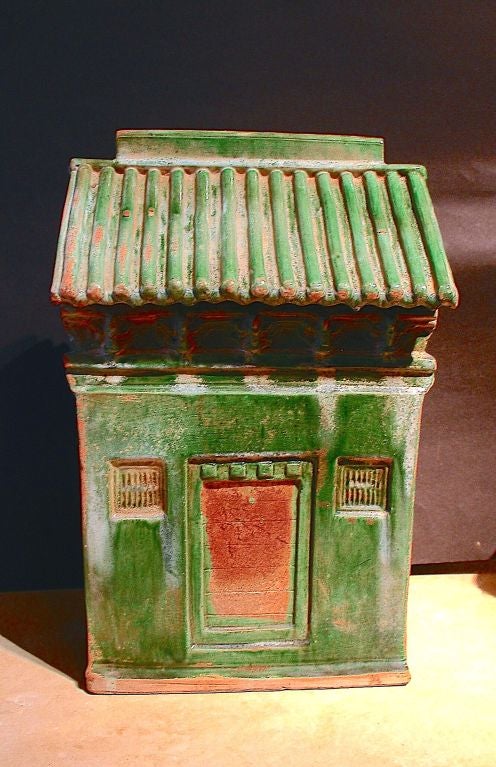
A Ming Dynasty Green Glazed Pottery Architectural Model
Located in Austin, TX
An unusually large Ming Dynasty green glazed model of a multi-story storehouse. Realistically
Terracotta
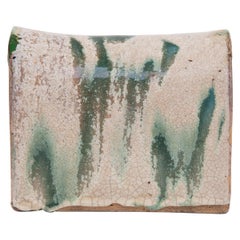

Chinese Green and White Glazed Headrest, Ming dynasty, c. 1650
Located in Chicago, IL
headrest as a pillow. Dating to the late Ming dynasty, this glazed headrest embodies the quiet simplicity
Ceramic
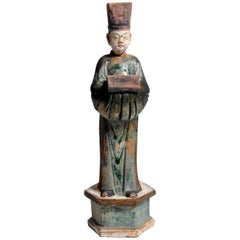

Ming Dynasty Green Glazed Figure of an Attendant
Located in Chicago, IL
This green glazed terra cotta figure of an attendant is from the Ming Dynasty (1368 – 1644). The
Terracotta
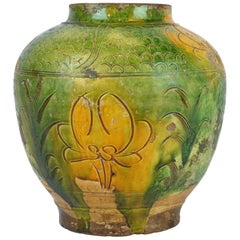
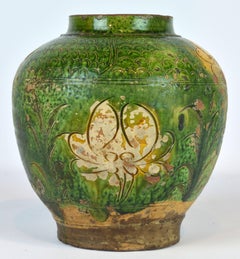
Rare Chinese Ming Dynasty or Earlier Earthenware Pottery Sancai Glaze Jar
Located in Ft. Lauderdale, FL
An ancient Ming dynasty or earlier sancai glazed jar decorated with incised lines, flowers, leaves
Pottery
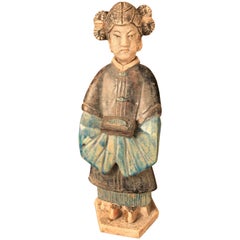
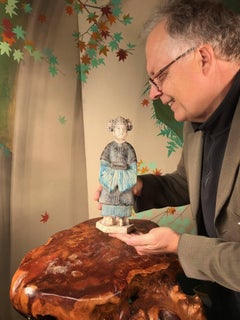
Ancient Chinese Cobalt Blue Glazed Attendant, Ming Dynasty, 1368-1644
Located in South Burlington, VT
colors, Ming dynasty, 1368-1644. Superb quality. The statue is dressed in long gowns with long
Ceramic, Pottery
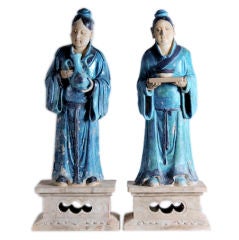

Ming Dynasty Blue Glazed Figures with TL Test
Located in Chicago, IL
Pair of gorgeous statues with impeccable detail. This duo will be sure to stand out whether they are in your home or office.
Terracotta
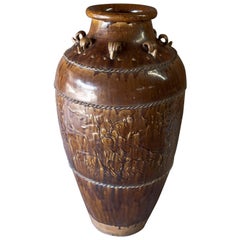

Tall Ming Dynasty Storage Jar. Martaban Ware. Found in Laos. Floral Design.
Located in Point Richmond, CA
Tall Ming Dynasty Storage Jar. Martaban Ware. Found in Laos. Floral Design. Tall brown glazed
Stoneware
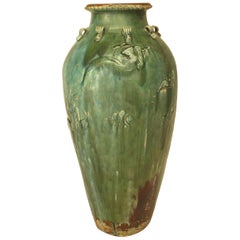

Chinese Ming Dynasty Green Glazed Martavan Vase
Located in Queens, NY
Asian Chinese (Ming Dynasty 1368-1644AD) green glazed pottery Martavan storage jar (vase) with
Pottery
Sold
H 11.5 in W 13.5 in D 4 in
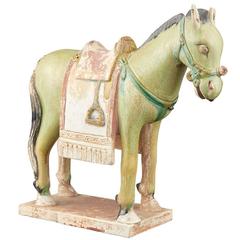
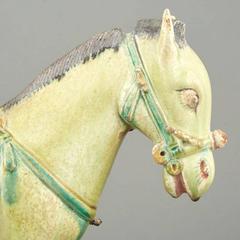
Chinese green glazed Pottery Model of a Caparisoned Horse, Ming Dynasty, 17thc
Located in South Burlington, VT
33.75cm, 13.5"in length and 10cm, 4"in width, Ming dynasty (1368 CE- 1644 CE). This example is the best
Terracotta
Sold
H 18 in W 5 in D 5 in
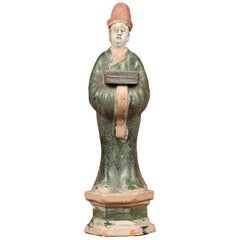
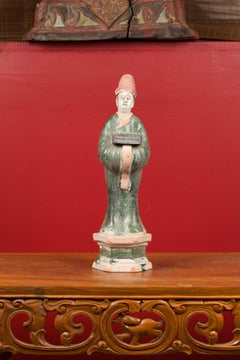
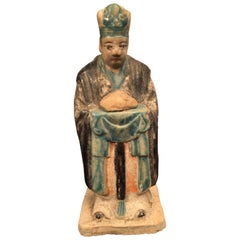
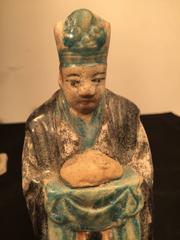
Ming Dynasty 17th Century Glazed Terracotta Statue of an Official Holding a Box
Located in Yonkers, NY
A petite antique Chinese Ming Dynasty period glazed terracotta statue from the 17th century
Terracotta
Sold
H 15 in W 11 in D 3 in
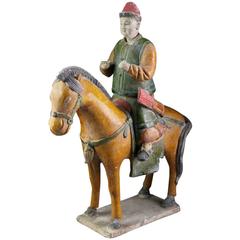
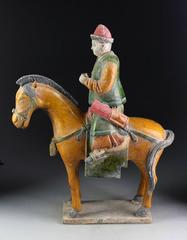
Important Ancient China Amber Glazed Horse and Rider Ming Dynasty, 1368-1644
Located in South Burlington, VT
imported into the USA. Guarantee: Our figure is guaranteed to be crafted during the Ming dynasty (1368
Ceramic
Sold
H 12.5 in W 4 in D 4 in
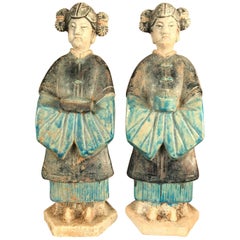
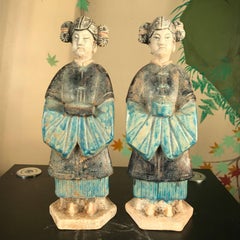
Ancient Chinese Pair of Cobalt Blue Glazed Attendants Ming Dynasty, 1368-1644
Located in South Burlington, VT
turquoise and cobalt blue colors - a collection two figures, Ming dynasty 1368-1644. Superb quality. The
Ceramic, Pottery
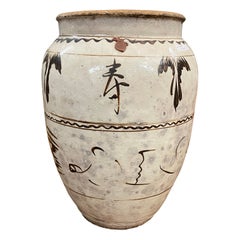

A Chinese Ming Dynasty Cizhou Wine Jar
Located in ARMADALE, VIC
A Chinese Ming Dynasty Cizhou Wine Jar Provenance: Private Australian Collection acquired in 1950s.
Ceramic
Sold
H 12.5 in W 5 in D 4 in
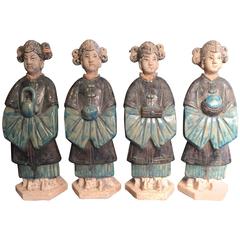
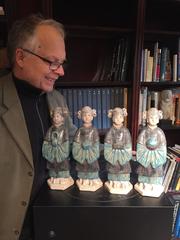
Important Ancient Chinese Four Women Cobalt Blue Glazed Ming Dynasty, 1368-1644
Located in South Burlington, VT
turquoise blue colors - a collection four figures, Ming dynasty 1368-1644. Superb quality. The statues
Ceramic, Pottery
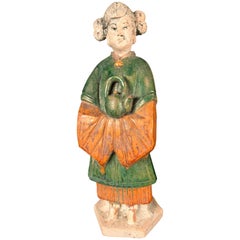
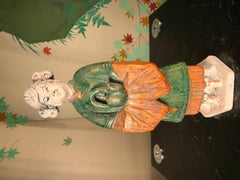
Important Ancient Chinese Tea Attendant Hand Glazed, Ming Dynasty 1368-1644
Located in South Burlington, VT
, Ming dynasty 1368-1644. Superb quality. The statue is dressed in long gowns with long sleeves, with
Ceramic, Pottery

Sold
H 12 in W 11 in D 4.5 in
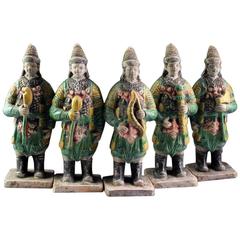
Important Ancient Chinese Military Ming Army Collection, Ming Dynasty 1368-1644
Located in South Burlington, VT
Important Ancient Chinese Military Great Ming Army Collection, Ming Dynasty 1368-1644 Unique
Pottery
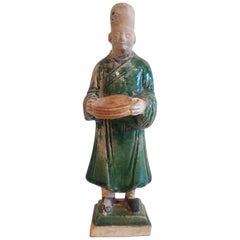

16th Century Ceramic Attendant Figure, Ming Dynasty
Located in New York, NY
A ritual attendant figure, used in funerary ceremonies during the Ming dynasty period (1368-1644
Terracotta
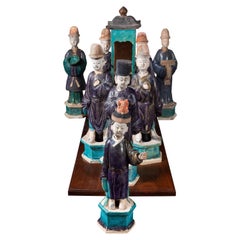
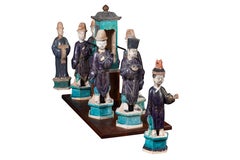
Rare, Ming-Dynasty, Terracotta Figural Procession
Located in Los Angeles, CA
Beautiful and unusual, hand-molded, painted and glazed, eight-person procession of robed attendants
Terracotta

Sold
H 21.5 in Dm 16 in
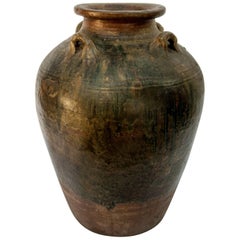
Martaban Ware Stoneware Storage Jar, Running Glaze, Ming Dynasty, Found in Laos
Located in Point Richmond, CA
Martaban ware stoneware storage jar, running glaze, Ming dynasty, found in Laos. This storage jar
Stoneware
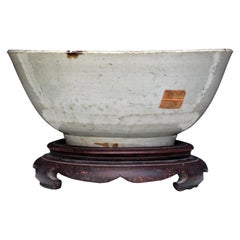
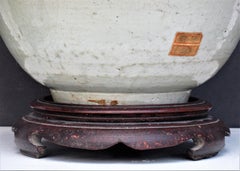
Large Antique Ming Dynasty Bowl with Stand
Located in Rochester, NY
Large antique Ming Dynasty bowl with beautifully aged glaze and a very elegant Classic austere form
Ceramic, Wood
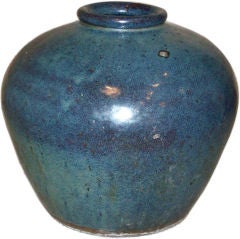
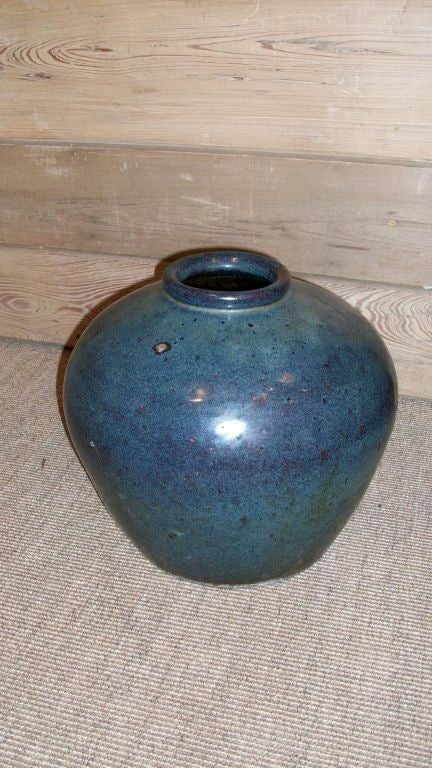
Stunning Ming Dynasty Soy Jar
Located in Wainscott, NY
Absolutely beautiful Chinese Ming Dynasty soy or wine storage pot from the Chongzhen Period, 17th
Ceramic
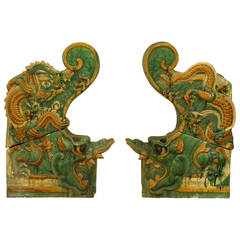
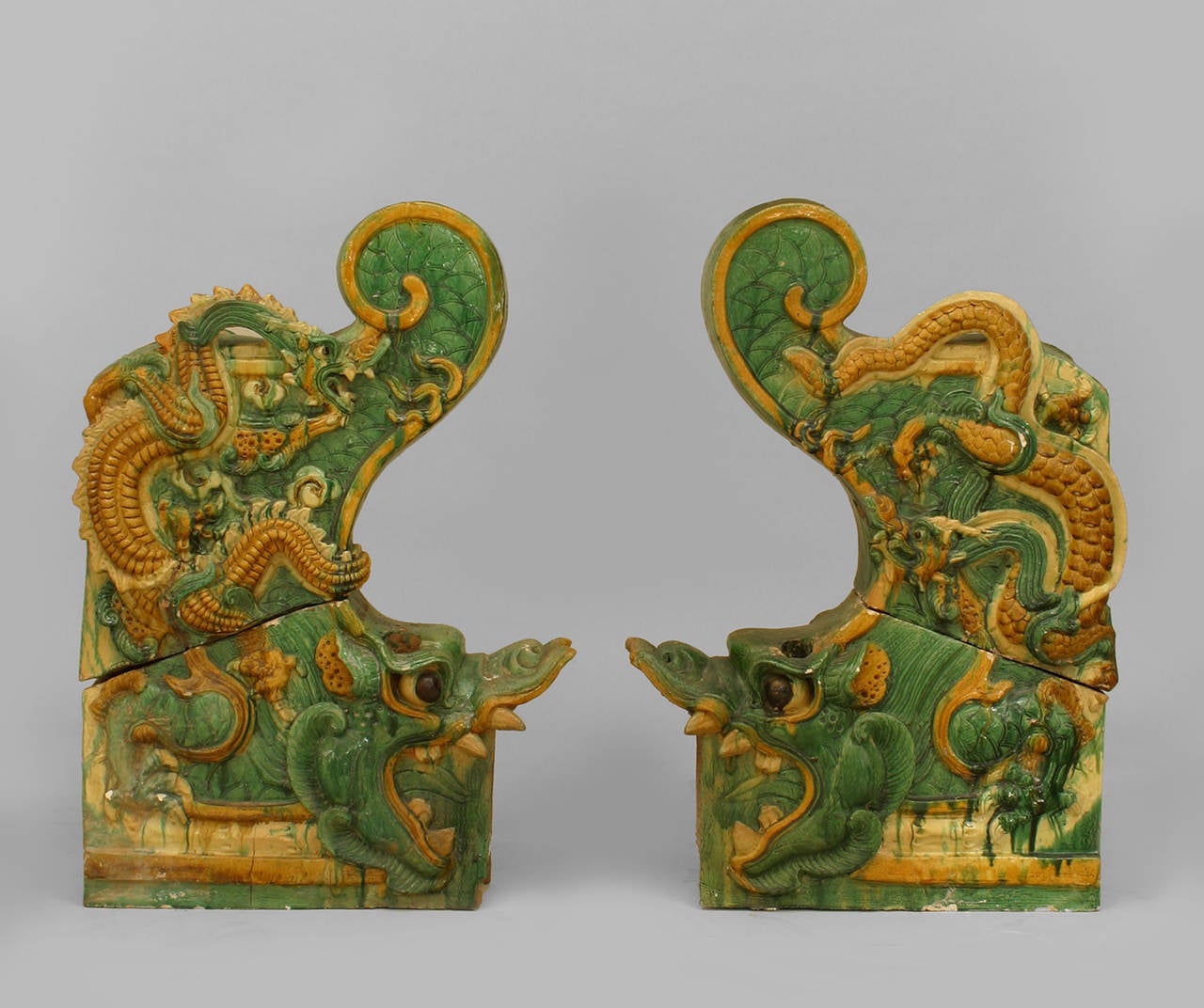
Pair of Chinese Ming Dynasty Dragon Roof Tiles
Located in Queens, NY
Pair of Chinese Ming dynasty, circa 1368-1644 C.E. green and yellow. Glazed terracotta dragon left
Terracotta
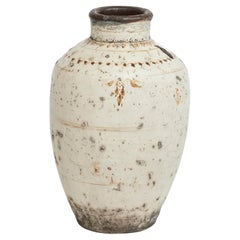
Large Ming Dynasty Cizhou Hand Painted Vessels
Located in Kastrup, DK
Hand potted Cizhou stoneware vessel, dating to the Ming dynasty, 17th century. Measure : Height: 54
Ceramic
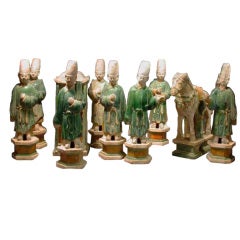
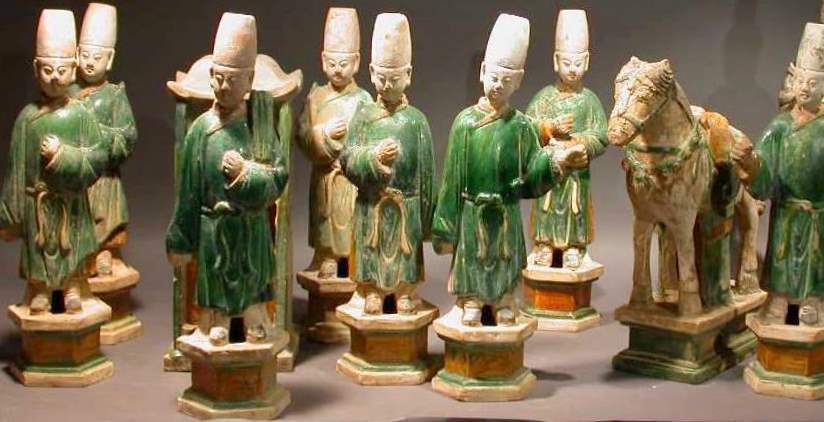
Set of Very Refined Ming Dynasty Green Glazed Wedding Procession
Located in Greenwich, CT
expression, beautiful colors and lines, one horse and one sedan chair, Ming dynasty 1368-1644
Pottery
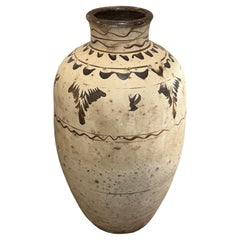
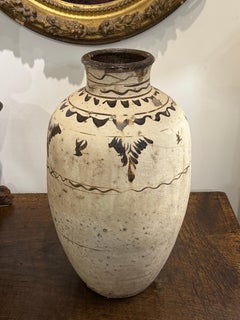
A Chinese Cizhou Stonweare Vessel, Ming Dynasty, 17th Century
Located in ARMADALE, VIC
A Chinese Cizhou Stonweare Vessel, Ming Dynasty, 17th Century Description: Produced in Northern
Stoneware
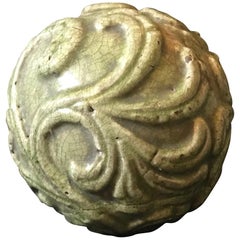

Ming Dynasty Chinese Longquan Celadon Large Carved Sphere Porcelaneous Stoneware
Located in Vero Beach, FL
Ming dynasty Chinese longquan celadon large carved sphere porcelaneous stoneware. This is
Ceramic
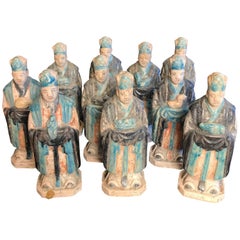

Important Ancient Chinese Zodiac Collection, Ming Dynasty 1368-1644
Located in South Burlington, VT
. Guarantee: Our figures are guaranteed to be crafted during the Ming Dynasty (1368-1644). A
Ceramic, Pottery
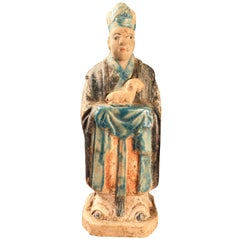
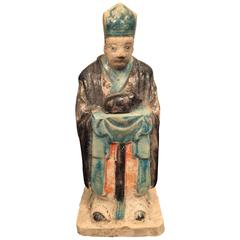
Ancient Chinese Zodiac Figure With " SHEEP" , Ming Dynasty, 1368-1644
Located in South Burlington, VT
Ancient Chinese Zodiac figure holding a SHEEP Ming Dynasty, 1368-1644. This interesting zodiac
Ceramic, Pottery

Sold
H 8 in W 4 in D 3 in
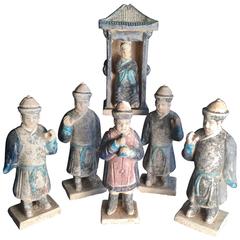
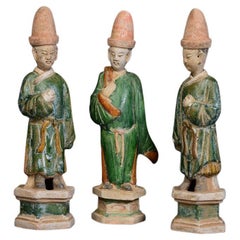
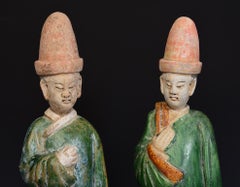
Important Ancient Chinese Processional Figures Palanquin Ming Dynasty, 1368-1644
Located in South Burlington, VT
figures are guaranteed to be crafted during the Ming dynasty (1368-1644). A thermoluminescence TL report
Ceramic, Pottery
Sold
H 10.25 in W 12 in D 6 in
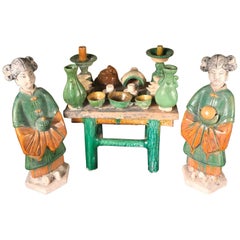
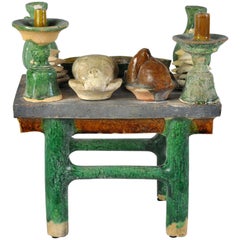
Important Ancient Chinese Antique Banquet Food Table, Ming Dynasty 1368-1644
Located in South Burlington, VT
This is a lovely hand-painted and hand glazed single sculpture of a large Ming dynasty banquet
Ceramic, Pottery
Sold
H 16.54 in W 5.04 in D 4.34 in
Ming Dynasty, A Set of Antique Chinese Green Glazed Pottery Court Man
Located in Sampantawong, TH
A set of Chinese green glazed pottery court man. Age: China, Ming Dynasty, A.D. 1368 - 1644 Size
Pottery
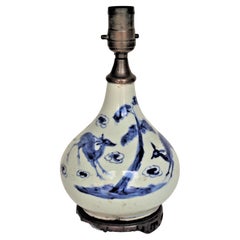
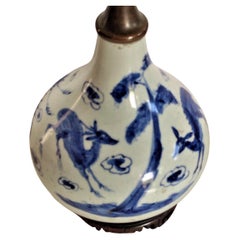
Chinese Ming Dynasty Kraak Porcelain Bottle Vase Lamp Deer Cranes
Located in Rochester, NY
Antique Chinese 17th century Ming Dynasty Kraak porcelain blue and white glazed bottle vase
Brass, Bronze

Sold
H 9 in W 3 in D 3 in
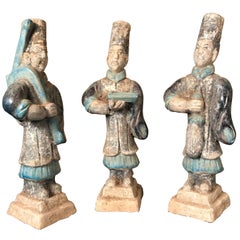
Important Ancient Chinese Figural Group Three GARDENERS, Ming Dynasty, 1368-1644
Located in South Burlington, VT
Important ancient Chinese figural group three (3) gardeners for the after life , Ming Dynasty, 1368
Ceramic, Pottery
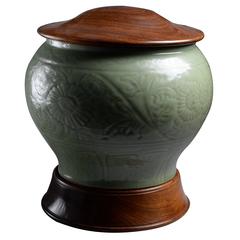

Large 15th Century Ming Dynasty Vase from an Important Collection
Located in London, GB
A beautiful Ming dynasty celadon glazed balluster jar, from the Longquan kilns and dating to the
Pottery
Sold
H 15 in W 13 in L 15 in
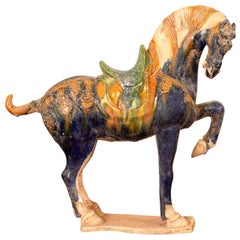
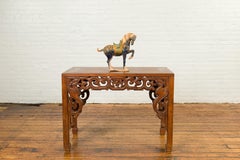
Chinese Ming Design Glazed Terracotta Tricolor Prancing Horse Sculpture on Base
Located in Yonkers, NY
A Chinese Ming dynasty style glazed terracotta prancing horse figure from the 20th century with
Terracotta
Sold
H 8 in W 3 in D 3 in
Important Ancient Chinese Zodiac Figure Holding a Rabbit, Ming Dynasty 1368-1644
Located in South Burlington, VT
Important Ancient Chinese Zodiac figure holding a RABBIT, Ming Dynasty, 1368-1644 This interesting
Pottery
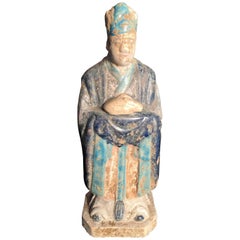

Sold
H 8 in W 3 in D 3 in
Important Ancient Chinese Zodiac Figure Holding a Rabbit, Ming Dynasty 1368-1644
Located in South Burlington, VT
Important ancient Chinese zodiac figure holding a rabbit, Ming dynasty, 1368-1644 This interesting
Ceramic, Pottery
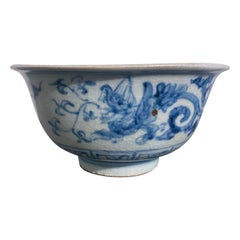
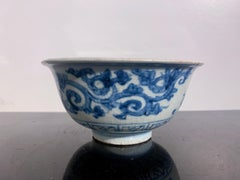
Ming Dynasty Blue and White Bowl for the Tibetan Market, 15th/16th c, China
Located in Austin, TX
A rare Chinese Ming Dynasty blue and white porcelain bowl made for the Tibetan market, early Ming
Porcelain
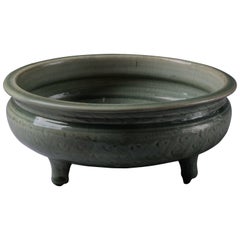
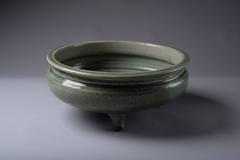
Chinese Ming Dynasty Longquan Tripod Censer, 15th Century
Located in London, GB
A beautiful Ming dynasty celadon glazed tripod censer, used for burning incense, from the Longquan
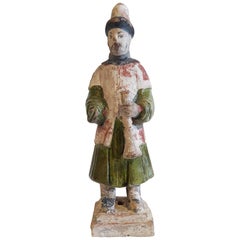

16th Century Ritual Attendant Figure, Ming Period
Located in New York, NY
A ritual attendant figure, used in funerary ceremonies during the Ming dynasty period (1368-1644
Terracotta
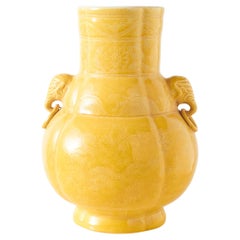
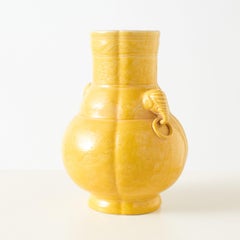
Yellow-Glazed Twin-Handled Vase
Located in San Francisco, CA
Yellow-Glazed Twin-Handled Vase Porcelain vase in the style of the Ming Dynasty, featuring a
Porcelain
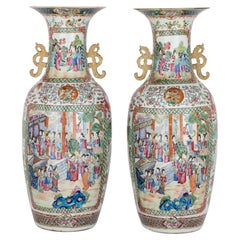
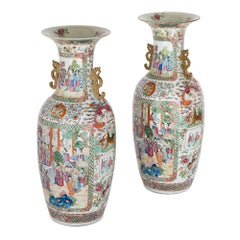
Pair of Large Canton Style Famille Rose Chinese Porcelain Vases
Located in London, GB
Pair of large Canton style famille rose Chinese porcelain vases. Qing Dynasty, late 19th century Measures: height 65cm, diameter 25cm Crafted from porcelain and executed in the ...
Porcelain
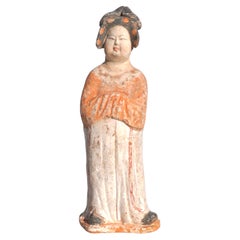
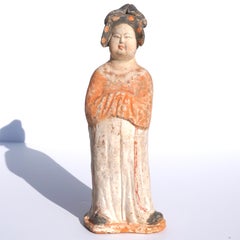
Tang Dynasty Fat Lady Pottery Figure
Located in Dallas, TX
Tang Dynasty Terracotta sculpture of a fat lady This stunning lady wears her hair in an elaborately styled coiffure. A remarkable amount of the original pigment that once decorated ...
Pottery
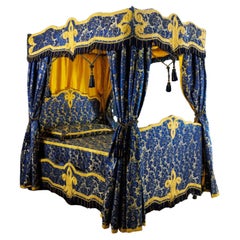
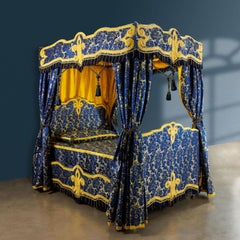
Letto a baldacchino. Italia, inizi del XIX sec
By Non-Standard Furniture and Lighting
Located in Milano, IT
Letto a baldacchino in ferro battuto con pediera e testiera in legno sagomato per poter essere rivestita di tappezzeria. I montanti in ferro battuto come i piedi presentano delle ins...
Wrought Iron
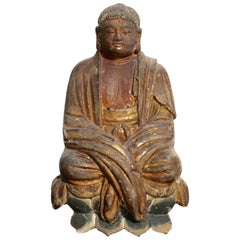
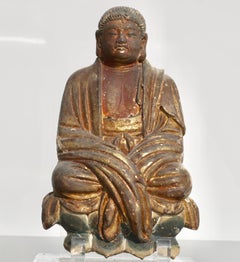
Early Ming Dynasty Chinese Buddha Statue, circa 14th Century
Located in Dallas, TX
A very fine late Yuan to early Ming Chinese terracotta gilt and polychrome painted Buddha figure, he is dressed in thick robes, his hair arranged in typical early song or Yuan dynast...
Terracotta
$1,250
H 15.25 in W 14.5 in D 5.25 in
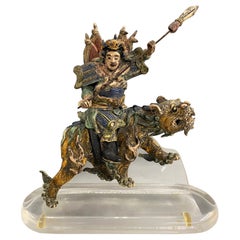
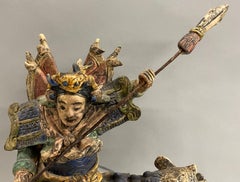
Chinese Hokkien Style Ceramic Roof Tile Fragment, Nicely Mounted
Located in Milford, NH
A fine Chinese Hokkien style polychrome ceramic roof tile fragment of a warrior on a dragon with metal spear, nicely mounted to a custom solid acrylic stand. Probably dates to the ea...
Ceramic
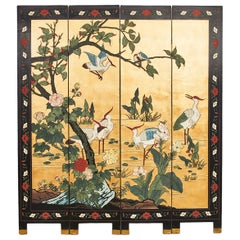
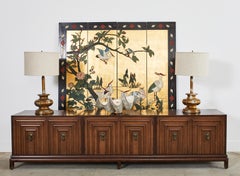
Chinese Export Four Panel Coromandel Screen Cranes on Gold Leaf
Located in Rio Vista, CA
Dazzling Chinese export lacquered four-panel coromandel screen featuring a flora and fauna waterscape with stylized cranes. The carved lacquer panels are embellished with vivid color...
Brass, Gold Leaf
$395,000
H 89 in W 22 in
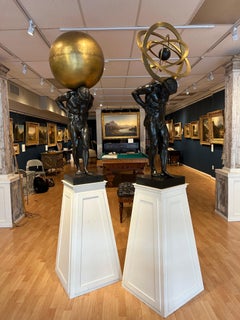
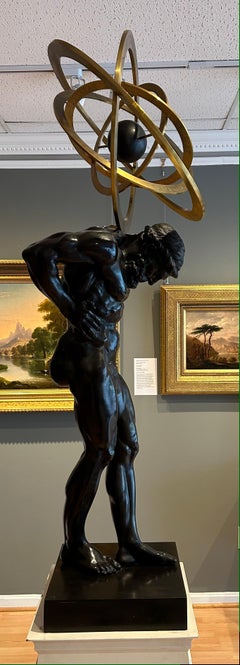
Late 19th Century Pair of Bronze Atlas Sculptures with Globe & Armillary Sphere
Located in Fredericksburg, VA
This pair of bronze sculptures of Atlas with Globe & Armillary Sphere are of high cast quality. Pairs have sold for over 700,000 Euro. Their condition is excellent for age and has ve...
Bronze
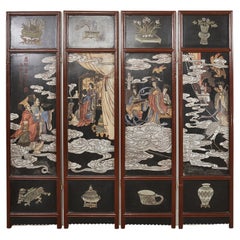
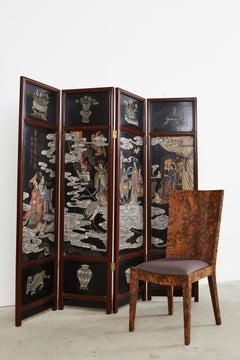
Chinese Export Four Panel Lacquered Coromandel Screen
Located in Rio Vista, CA
Celestial Chinese export coromandel four-panel screen depicting figures in colorful robes in a heavenly landscape among the white clouds. Each scene is bordered on top and bottom wit...
Brass
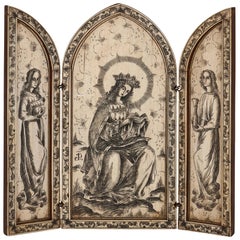
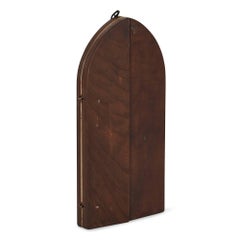
Devotional Triptych Engraved with Depictions of the Madonna
Located in London, GB
This excellent bone triptych is a highly rare and unusual piece which features wonderfully-detailed engravings of the Madonna. The triptych is shaped like an arch, and backed onto a ...
Wood, Bone
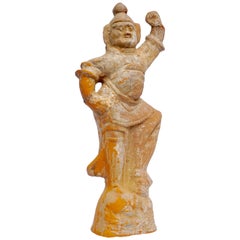
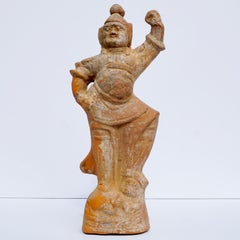
Tang Dynasty Painted Terracotta Sculpture of a Lokapala
By Tang Dynasty
Located in Dallas, TX
Tang Dynasty terracotta Pottery Tomb figure of the Lokapala Warrier Deity. Figure molded wearing heavy armor, standing in a dynamic pose with left arm raised in a threatening gesture...
Terracotta
$13,200Sale Price|20% Off
H 102 in W 45 in D 23 in
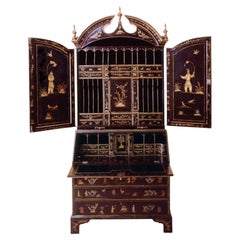
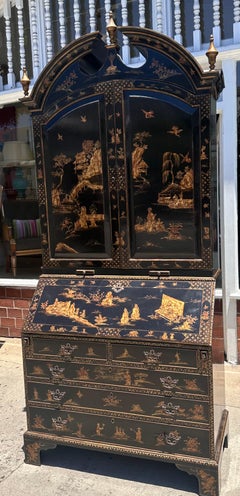
George II Style Black & Gold Lacquer Chinoiserie Secretary Desk Bookcase
Located in LOS ANGELES, CA
George II Style Black & Gold Lacquer Chinoiserie Secretary Desk Bookcase.
Wood, Giltwood, Lacquer
$185,000 / set
H 23.42 in W 11.81 in D 20.47 in
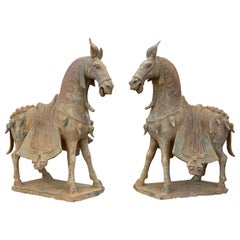
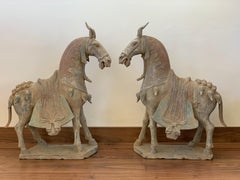
Northern Wei Dynasty Terracotta Horses, TL Tested, '386 AD-535 AD'
Located in Miami, FL
A massive pottery pair of horses standing on all fours and striding with its right hoof forward. Extended snout ends in parted lips showing teeth beneath in a braying attitude. Low r...
Terracotta
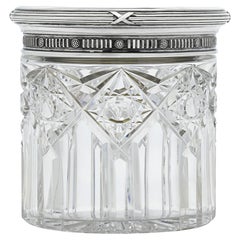
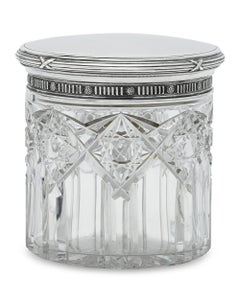
Fabergé Glass Box
By Peter Carl Fabergé
Located in New Orleans, LA
Beautifully rare, this superb silver-mounted cut glass toilette box was crafted by legendary Russian jeweler and artisan Peter Carl Fabergé. The rounded cut glass box features a pris...
Silver
$2,275Sale Price|40% Off
H 7.49 in Dm 5.91 in
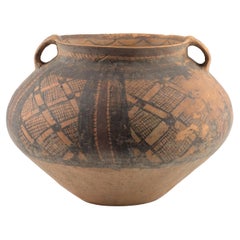
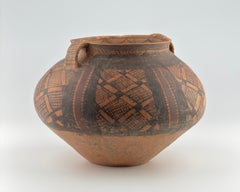
Neolithic Pottery Jar, Majiayao culture, 3rd-2nd Millenium BC
Located in seoul, KR
Fine-grained, buff-colored clay. Potted thin. Upper part of body painted with symbolic patterns in black and chocolate brown. Majiayao culture, Banshan type, 3rd millennium BC Peri...
Earthenware, Pottery
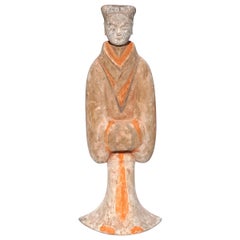
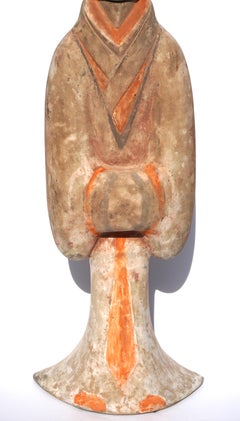
Large Han Dynasty Terra-cotta Court Lady Figure TL Tested
Located in Dallas, TX
Huge Han Dynasty Terracotta figure Of A Court Lady. TL Test conducted by Ralf Kotalla Laboratory in Germany. Report included. Height: 29.5 Inches (75 cm) Width: 11.5 Inches (29 cm) ...
Terracotta
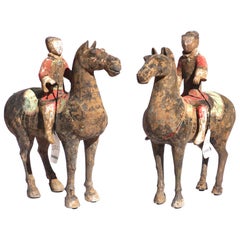
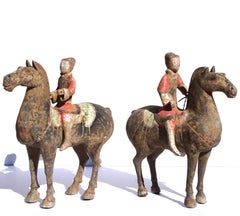
Pair of Han Dynasty Pottery Horses and Equestrian Riders
Located in Dallas, TX
A wonderful pair of Ex Sotheby’s painted Polychrome Equestrian Horse and Riders made from gray pottery, Presents beautifully and guaranteed authentic with provenance and COA. Measu...
Pottery
In what’s considered a golden age of Chinese furniture, Ming dynasty artisans produced expertly made designs that married elegance and function. Ming furniture was versatile, such as tables that doubled as writing desks and dining spaces. But it was also beautiful, enhancing a room with clean lines, soft curves and sophisticated decoration.
Dating from 1368 to 1644, the Ming dynasty was a vibrant time for international trade and culture. Especially for scholars and the wealthy, there was an emphasis on a home’s design to promote a good life. From large wardrobes to angular sofas, Ming-style furniture was defined by its joinery, which, instead of nails, involved meticulously designed interlocking elements of wood. This material was carefully selected and positioned to make the grain part of the design. The slow-growing huanghuali, a yellowish rosewood, was particularly valued for its bright color.
Although ornamentation was minimal, Ming dynasty furniture often featured carved or painted details of flowers, insects, dragons, fruits and other motifs. Chairs crafted for scholars could include calligraphic brush writing. As overseas trade expanded, techniques from the West, like cloisonné enamel painting, adorned table screens and other pieces.
Ming furniture influenced styles abroad such as Queen Anne in England and Hollywood Regency in the United States. The curved shape of Ming armchairs had a profound impact on legendary Scandinavian modernist furniture designer Hans Wegner. The Danish cabinetmaker shared the Ming artisans’ interest in creating streamlined, functional furnishings, and his China chair, Round chair and Wishbone chair are inspired by Ming dynasty seating. Today, the Ming-style horseshoe chair is a graceful and sought-after type of seat, and contemporary Chinese designers such as Jerry Chen and Gan Erke are also drawing on this heritage for a new era of style.
Find a collection of Ming cabinets, decorative objects, lounge chairs and other furniture on 1stDibs.