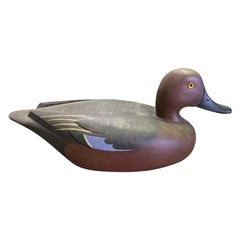
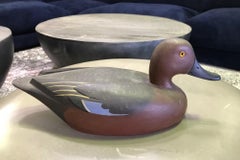
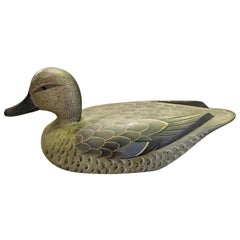
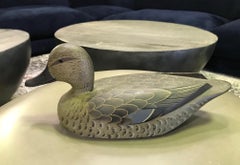
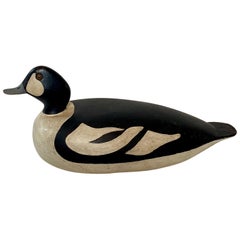
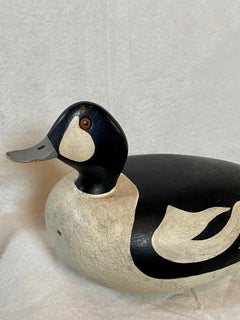
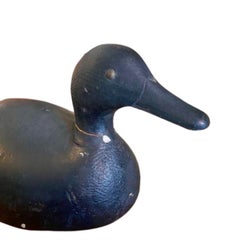
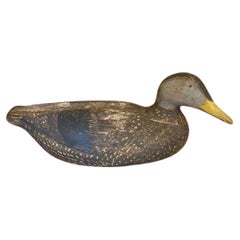
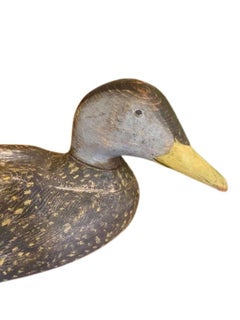
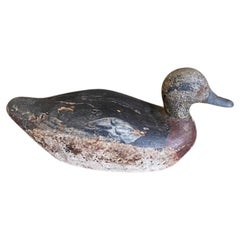
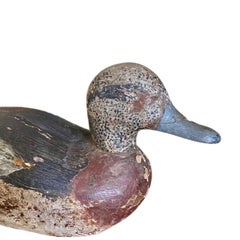
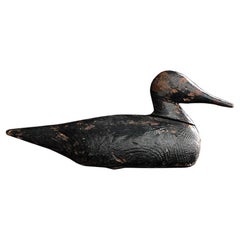
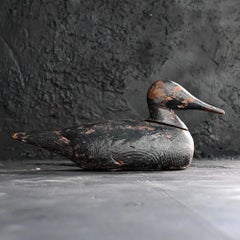
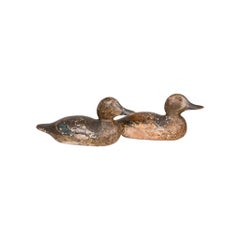
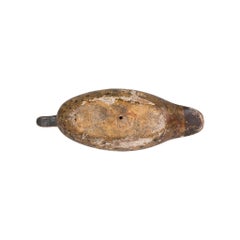
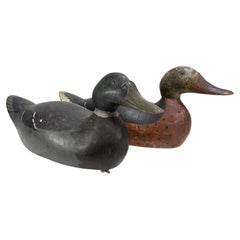
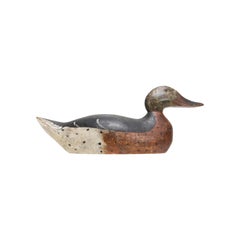
Folk art is a genre of art that shares the creator’s traditions, offering not just an artistic display but an opportunity to learn about a culture. Antique, new and vintage folk art typically reflects a heritage or location. It can include utilitarian objects and handmade art as diverse as weather vanes, duck decoys, portraiture and paintings, carnival art and quilts.
Quilts are a quintessential part of American folk art but their roots are international, with quilting dating back to Ancient Egypt. The practice spread to Europe and was especially prominent in the Middle Ages, with one of the oldest surviving examples being the Tristan quilt made in Sicily in the 14th century. They were made as bedcovers and clothing, including as a layer for knights to wear beneath their armor. Native American folk art includes functional objects reflecting their heritage, such as baskets, textiles and wooden pieces.
Elsewhere, the vast range of work associated with Mexican folk art includes masks made by Mexican craftspeople for traditional celebrations and ceremonial dances. Mexican masks are part of the country’s folk-art traditions that go back thousands of years and play a role in festivals and theater.
Works in the folk art tradition are valuable because of the skills involved, like weaving, hand-carving wood and even stonework. Many folk artists are self-taught, while some train as apprentices within their community. By using available materials and taking a personal approach to their creations, artists ensure each piece is unique and conveys a story.
During the Great Depression, artistic materials in America were hard to come by, so artisans used discarded wood from cigar boxes and shipping crates to make highly stylized, notched pieces — most often picture frames and boxes — that are today sought after by collectors. This folk art style is called tramp art and was popular from roughly 1870 until the 1940s.
Folk art brings vibrant culture and traditions into your home. Browse an extensive collection of antique, new and vintage folk art on 1stDibs.
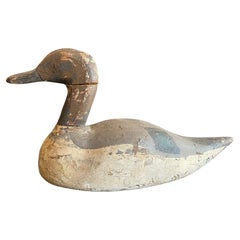
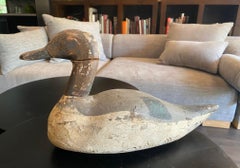
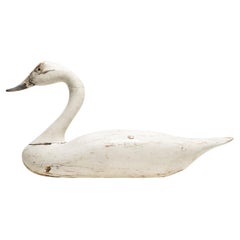
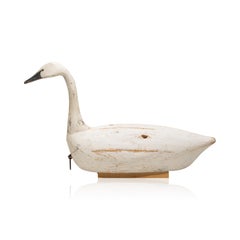
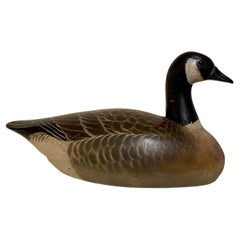
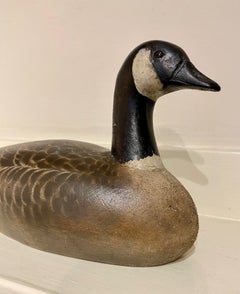
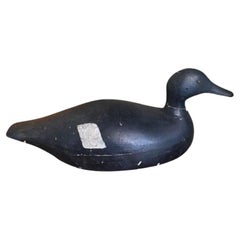
Vintage, new and antique decoys have become fashionable decor in modern homes.
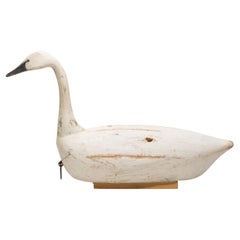
The history of decoy ducks, shorebirds, geese and other waterfowl as part of the folk art tradition stretches back thousands of years. Tule duck decoys made between 400 B.C. and 100 A.D. by Indigenous people for use in hunting have been found in Nevada that are similar to decoys still in use today.
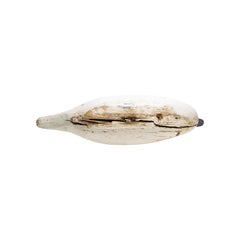
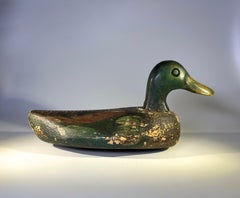
Waterfowl decoys are now often made of plastic and foam, but vintage duck decoys from the mid-19th to early 20th century were frequently made of wood. Canvas duck decoys were popularized from the 1920s to ’40s as a lightweight alternative. These folk art pieces feature hand-painted feathers and long, flat bodies, lending themselves well to display in living rooms on shelves and in cabinets.
One of the fascinating aspects of handcrafted waterfowl decoys is their regional variation to match the local birds. For example, German decoys are regularly decorated with green and gray paints, making them look like mallard ducks. Scandinavian decoys are typically black and white, resembling the common eider.
Either option could be a rustic treasure for one’s home, adding a touch of eclectic art to any room. Browse antique, new and vintage decoys on 1stDibs today.