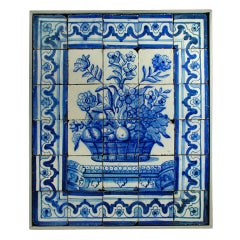
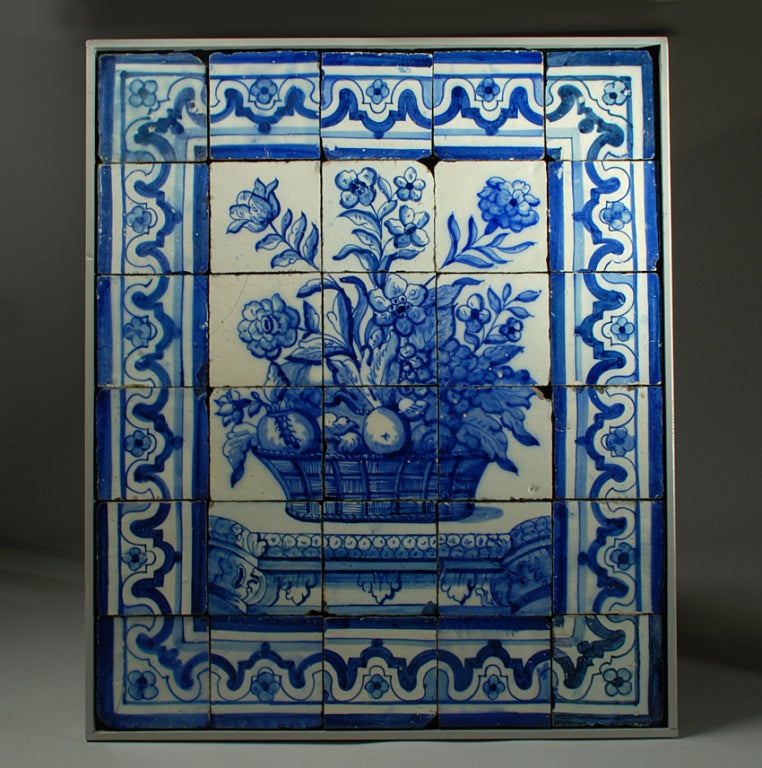
Rare 17th Century Portuguese Blue on White Azulejo - Tile Panel
Located in San Francisco, CA
A rare 17th century Portuguese hand painted tile panel with 30 blue on white 'azulejos' - circa 1675.
Category
Rare 17th Century Portuguese Blue on White Azulejo - Tile Panel
Located in San Francisco, CA
A rare 17th century Portuguese hand painted tile panel with 30 blue on white 'azulejos' - circa 1675.
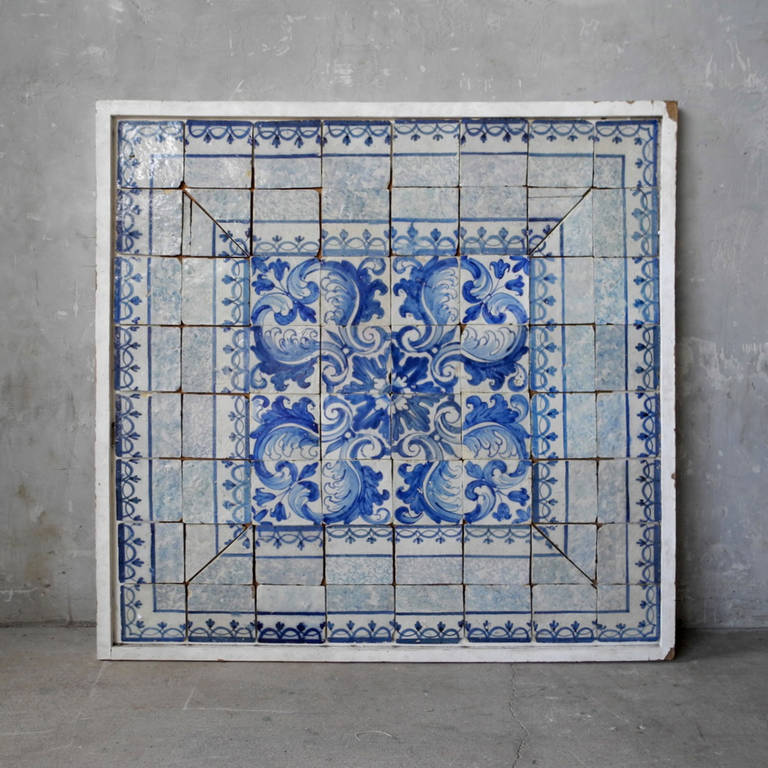
Pair 18th Century Azulejos
Located in Houston, TX
Pair 18th Century Portuguese Azulejos Panels
Sold|$3,305
Portuguese Tile Panel, Azulejos
Located in Lisbon, PT
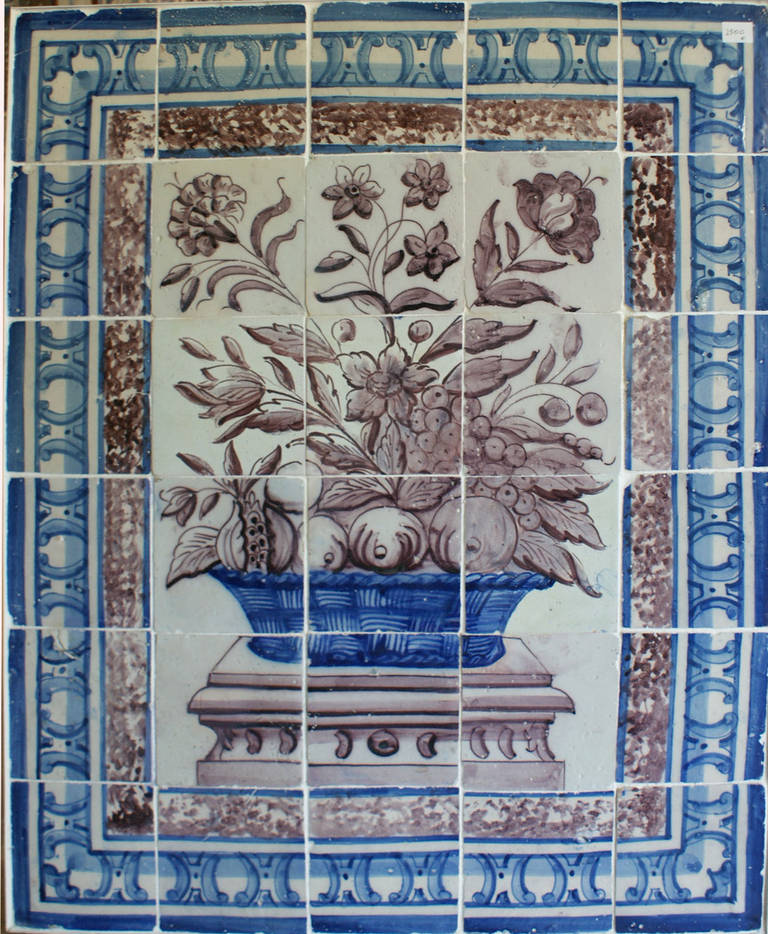
Blue and manganese on white tile panel representing a flower vase, Albarrada.
The decadence of the Baroque style, in which ornate furnishings were layered against paneled walls, painted ceilings, stately chandeliers and, above all, gilding, expressed the power of the church and monarchy through design that celebrated excess. And its influence was omnipresent — antique Baroque furniture was created in the first design style that truly had a global impact.
Theatrical and lavish, Baroque was prevalent across Europe from the 17th to mid-18th century and spread around the world through colonialism, including in Asia, Africa and the Americas. While Baroque originated in Italy and achieved some of its most fantastic forms in the late-period Roman Baroque, it was adapted to meet the tastes and materials in each region. French Baroque furniture informed Louis XIV style and added drama to Versailles. In Spain, the Baroque movement influenced the elaborate Churrigueresque style in which architecture was dripping with ornamental details. In South German Baroque, furniture was made with bold geometric patterns.
Compared to Renaissance furniture, which was more subdued in its proportions, Baroque furniture was extravagant in all aspects, from its shape to its materials.
Allegorical and mythical figures were often sculpted in the wood, along with motifs like scrolling floral forms and acanthus leaves that gave the impression of tangles of dense foliage. Novel techniques and materials such as marquetry, gesso and lacquer — which were used with exotic woods and were employed by cabinetmakers such as André-Charles Boulle, Gerrit Jensen and James Moore — reflected the growth of international trade. Baroque furniture characteristics include a range of decorative elements — a single furnishing could feature everything from carved gilded wood to gilt bronze, lending chairs, mirrors, console tables and other pieces a sense of motion.
Find a collection of authentic antique Baroque tables, lighting, decorative objects and other furniture on 1stDibs.
Whether you’re adding an eye-catching mid-century modern glazed stoneware bowl to your dining table or grouping a collection of decorative plates by color for the shelving in your living room, decorating and entertaining with antique and vintage ceramics is a great way to introduce provocative pops of colors and textures to a space or family meals.
Ceramics, which includes pottery such as earthenware and stoneware, has had meaningful functional value in civilizations all over the world for thousands of years. When people began to populate permanent settlements during the Neolithic era, which saw the rapid growth of agriculture and farming, clay-based ceramics were fired in underground kilns and played a greater role as important containers for dry goods, water, art objects and more.
Today, if an Art Deco floor vase, adorned in bright polychrome glazed colors with flowers and geometric patterns, isn’t your speed, maybe minimalist ceramics can help you design a room that’s both timeless and of the moment. Mixing and matching can invite conversation and bring spirited contrasts to your outdoor dining area. The natural-world details enameled on an Art Nouveau vase might pair well with the sleek simplicity of a modern serving bowl, for example.
In your kitchen, your cabinets are likely filled with ceramic dinner plates. You’re probably serving daily meals on stoneware dishes or durable sets of porcelain or bone china, while decorative ceramic dishes may be on display in your dining room. Perhaps you’ve anchored a group of smaller pottery pieces on your mantelpiece with some taller vases and vessels, or a console table in your living room is home to an earthenware bowl with a decorative seasonal collection of leaves, greenery and acorns.
Regardless of your tastes, however, it’s possible that ceramics are already in use all over your home and outdoor space. If not, why? Whatever your needs may be, find a wide range of antique and vintage ceramics on 1stDibs.