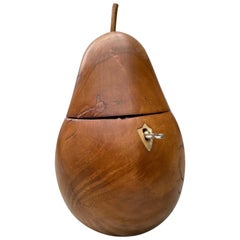
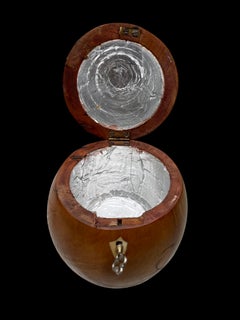
George III Fruitwood Pear-Shaped Tea Caddy, Late 18th Century
Located in London, GB
A superb George III fruitwood pear-shaped tea caddy late 18th century with a stem finial and metal
Category
Antique 18th Century Serving Pieces
Materials
Fruitwood
George III Fruitwood Pear-Shaped Tea Caddy, Late 18th Century
Located in London, GB
A superb George III fruitwood pear-shaped tea caddy late 18th century with a stem finial and metal
Fruitwood
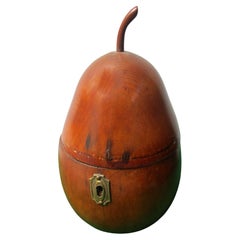
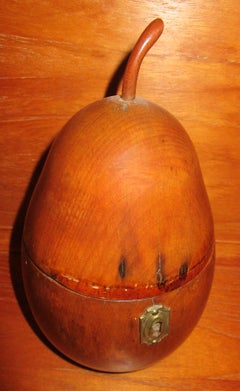
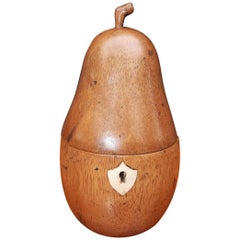
Georgian Period Pear Shaped Treen Tea Caddy
Located in Savannah, GA
refined than this simple fruitwood tea caddy in the shape of a pear? Carved from treen as a novelty, the
Brass
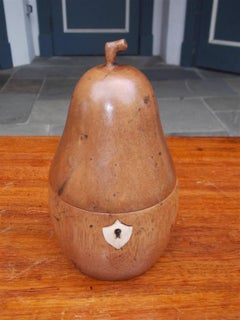
English Cherry Pear Shaped Hinged Tea Caddy with Lined Foil Interior. 20th Cent.
Located in Charleston, SC
English cherry pear shaped hinged tea caddy with exterior upper stem, inlaid shield escutcheon and
Foil
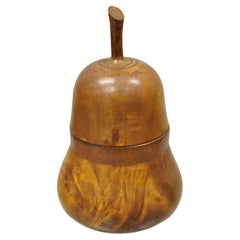
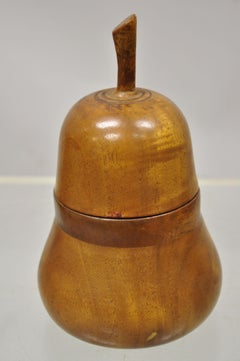
Vintage Carved Wood Pear Shaped Mahogany Tea Caddy Folk Art Regency Desk Box
Located in Philadelphia, PA
Small Vintage carved wood pear shaped mahogany tea caddy Folk Art Regency desk box. Circa mid to
Mahogany
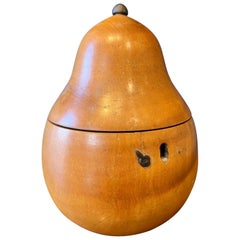
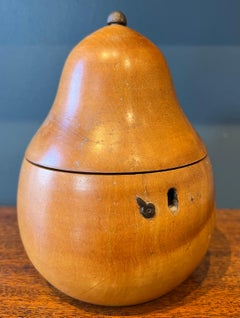
Georgian Pear Shaped Tea Caddy
Located in Wiscasset, ME
Most likely made of sycamore in a unique fruit form. No key, but it does not lock. Beautiful patination and color. Measures 6" x 4" diameter.
Sycamore
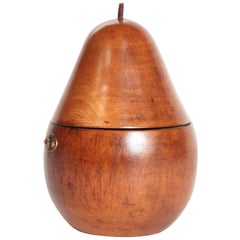
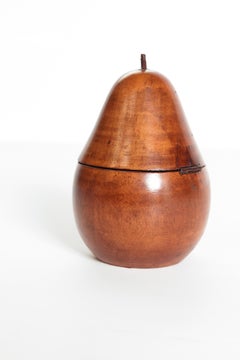
Early 19th Century Georgian Fruitwood Pear Form Tea Caddy
Located in Dallas, TX
A beautifully shaped pear form tea caddy with a rich warm finish and patination. Intact stem of
Brass
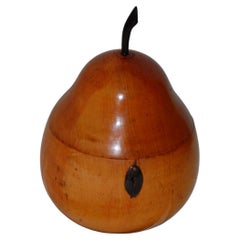

English Georgian Pear Shaped Turned Tea Caddy from Solid Pear Wood
Located in Wells, ME
English Georgian hand turned pear shaped tea caddy made of pearwood. This is a particularly bold
Pearwood
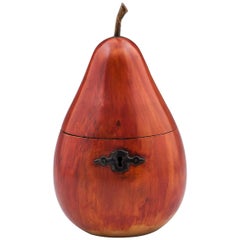

Antique Continental Blushing Pear Tea Caddy 19th Century
Located in Northampton, United Kingdom
Beautiful shaped pear tea caddy with wonderful vibrant red blushing to its body having a realistic
Steel
From mere trinkets to useful receptacles that serve a distinct purpose, antique boxes as decorative objects have come in many forms over the years. No matter what they’re made of or where they end up in your home, decorative boxes add both style and storage to your space.
The decorative box that is likely most common is the jewelry box. These boxes were originally known as jewel caskets and were in common use in Ancient Egypt, as most Egyptians wore some sort of jewelry. A portable jewelry box, in its original intended use, was integral to keeping your jewelry safe and secure. This accessory has transformed in size, shape and appearance over the years. Initially it was common for a jewelry box to bear intricate ornamentation. Whether they’re mid-century modern works of marble and brass or feature playful Art Deco–style geometric decor, jewelry boxes boast real staying power.
Snuff boxes began to soar in popularity during the 17th century (and were commonplace in European homes by the mid-19th century). The boxes, some hand-painted with landscape scenes, some made from gold, porcelain or stone, contained a small amount of tobacco, which users would sniff, or “snuff,” throughout the day. Some particularly ornamental snuff boxes featured enameled designs or were set with precious gems and were given as gifts or party favors, particularly at the coronation of royalty or other lavish events.
Whether you’re organizing important mail in the foyer or tucking away medications in your bathroom, antique boxes — be they metal tea caddies, sterling-silver decorative boxes or Victorian cigar boxes made of oak (even if you don’t smoke) — are a sophisticated solution to help keep the surfaces in your home clutter-free. And no matter if you’re seeking a decorative box to beautify a desktop or bestow upon a loved one, you are sure to find something you love in the collection of antique and vintage boxes on 1stDibs.
After synthetic dyes changed fashion, home goods and printed matter, it was only a matter of time till glass caught up.
The brilliantly simple design turns a modest bouquet into a major statement.
The Greek tragedian is said to have been handsome in his day.
Even for those who don’t indulge, elegant smoking accessories and audacious art portraying cigar enthusiasts hold a nostalgic allure.
It’s an excellent example of the sought-after ceramics coming out of South Africa’s KwaZulu-Natal province.
Thanks to its new leadership, the Spanish maker of figurines, busts and lighting is on a mission to update the art of porcelain for the 21st century.
The free-form stoneware piece is inspired by the magnolia tree and its associations with home.
The pair behind the Instagram account @houseplantclub share their tips for making any room of the house gloriously green.