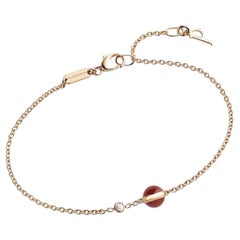
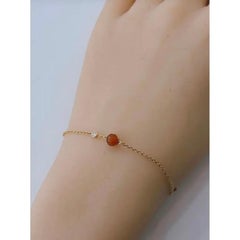
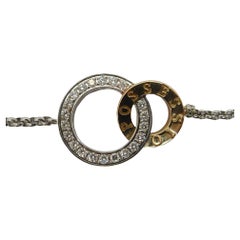
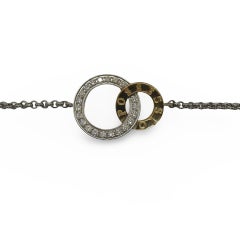
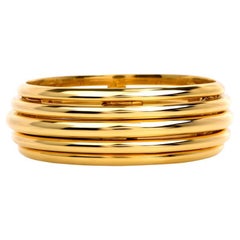
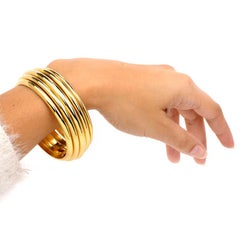
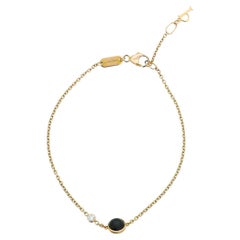
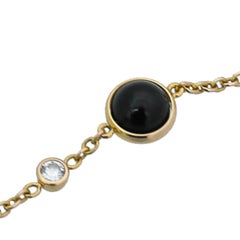
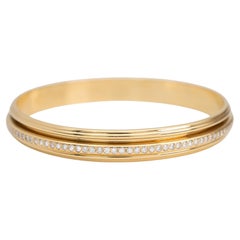
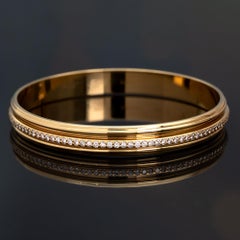
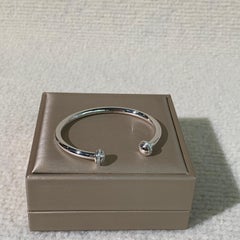
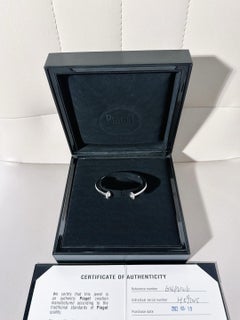
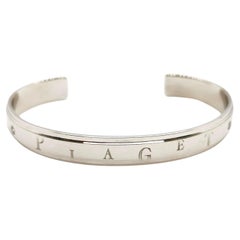
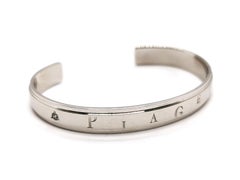
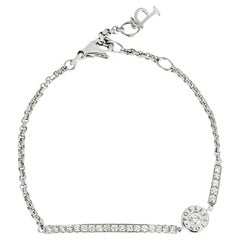
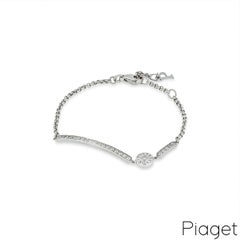
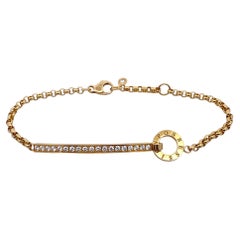
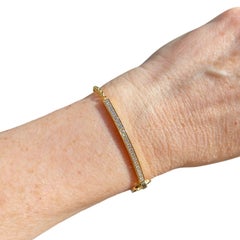
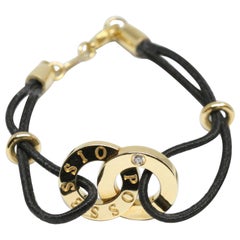
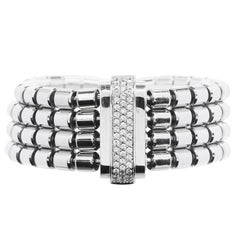
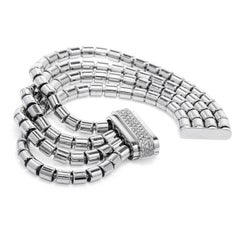
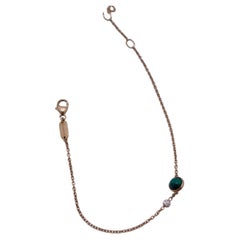
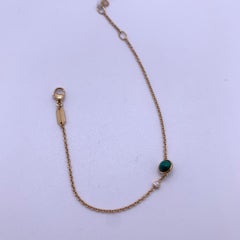
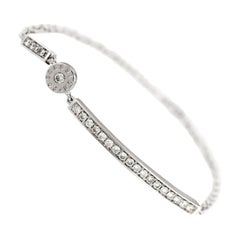
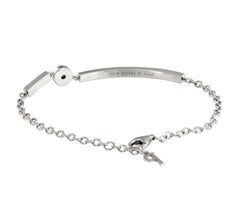
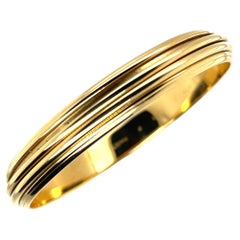
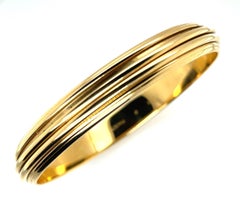
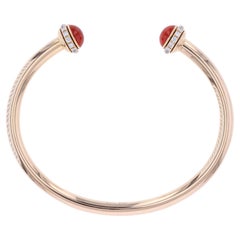
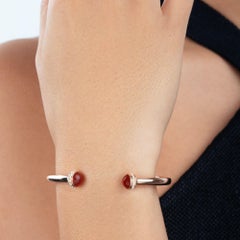
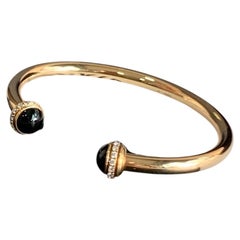
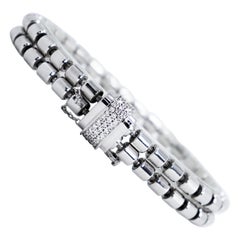
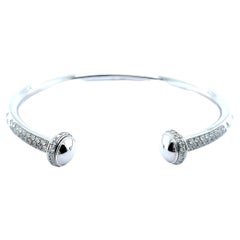
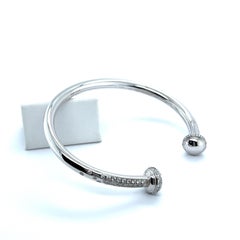
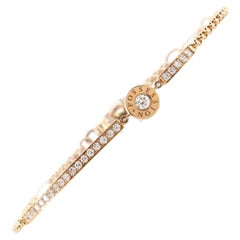
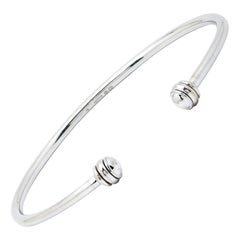
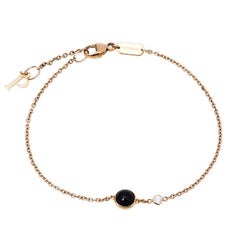
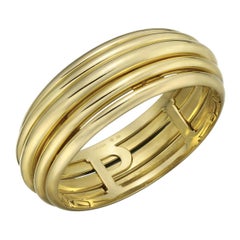
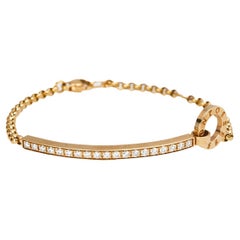
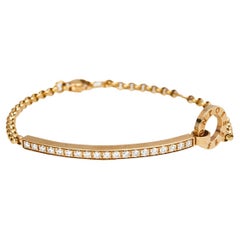
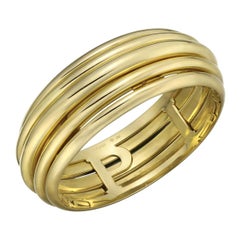
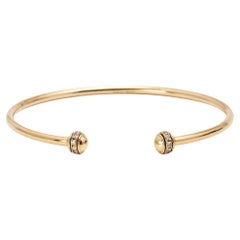
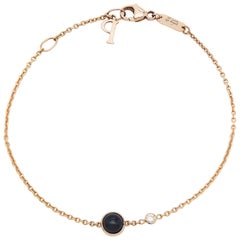
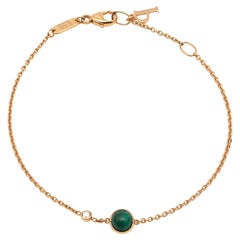
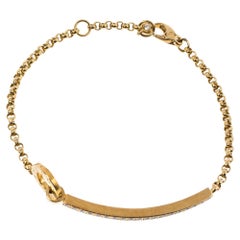
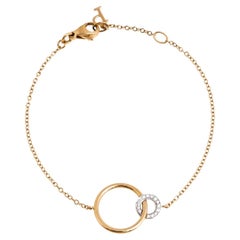
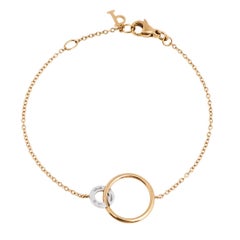
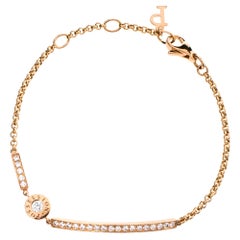
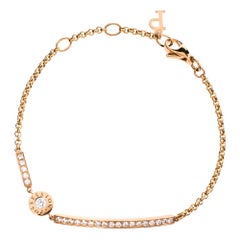
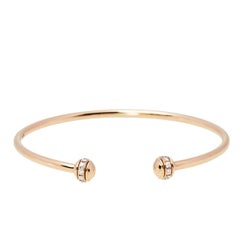
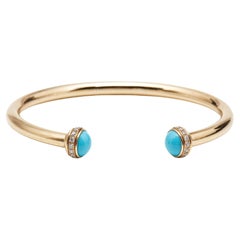
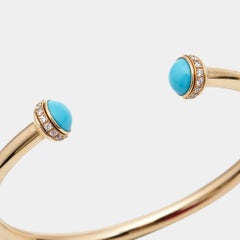
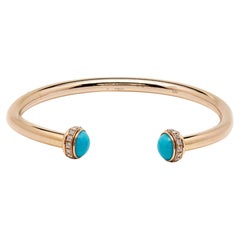
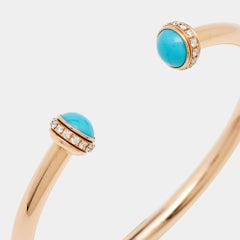
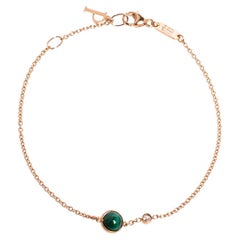
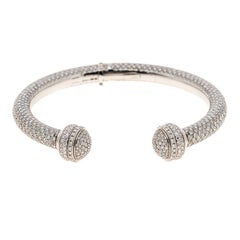
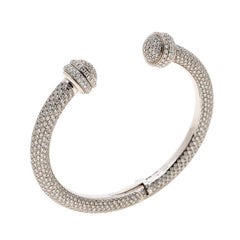
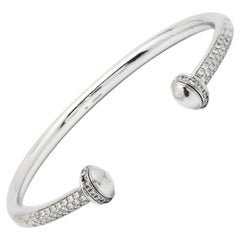
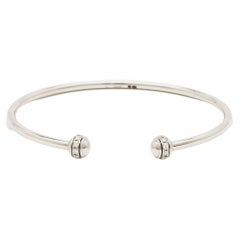
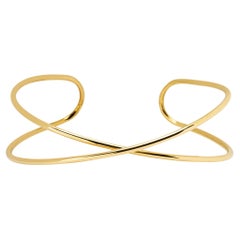
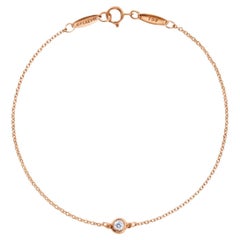
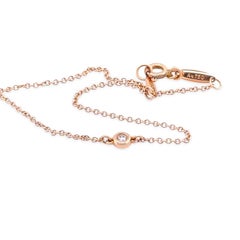
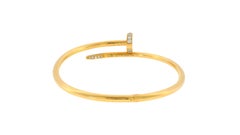
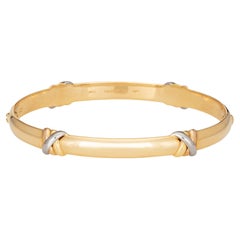
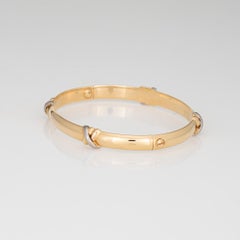
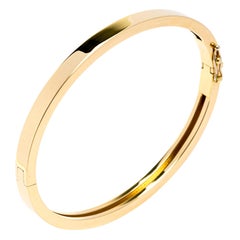
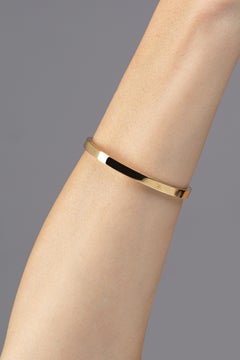
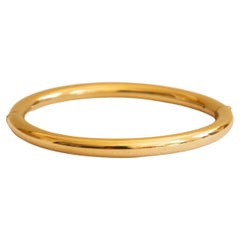
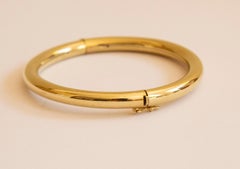
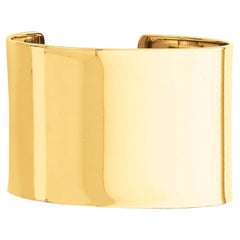
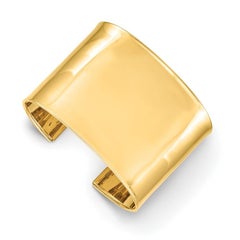
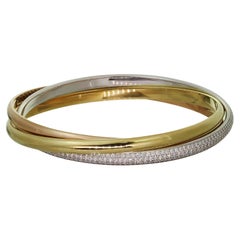
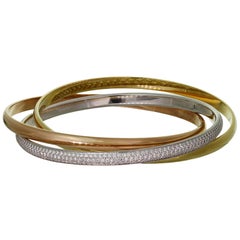
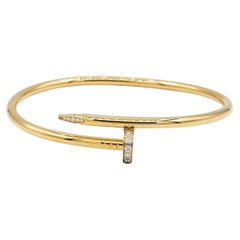
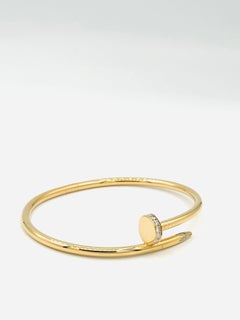
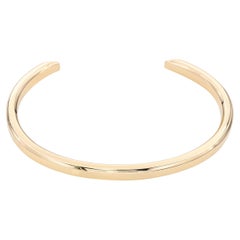
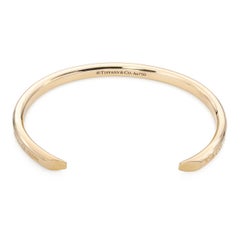
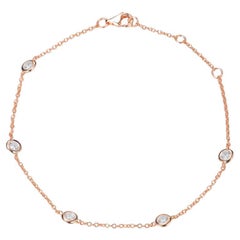
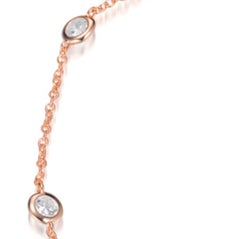
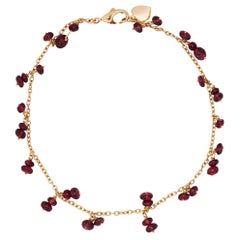
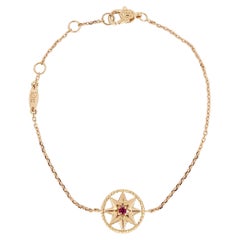
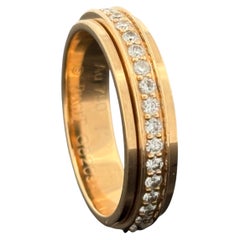
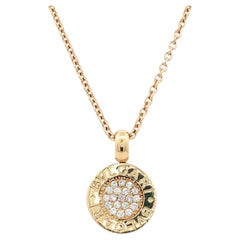
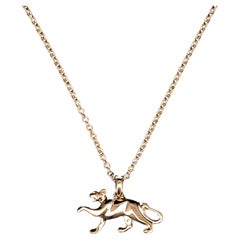
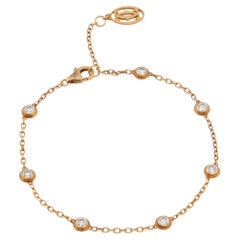
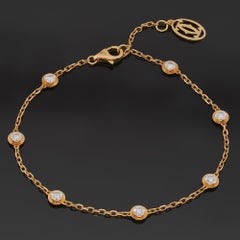
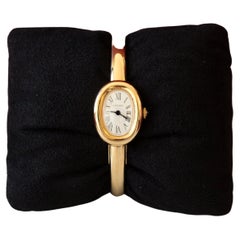
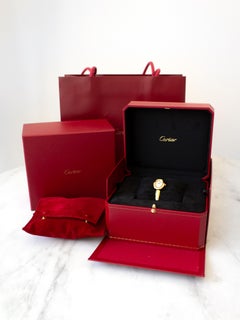
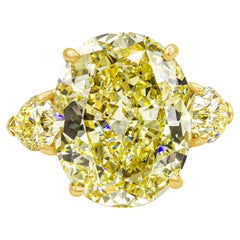
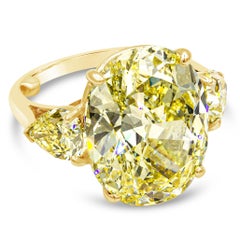
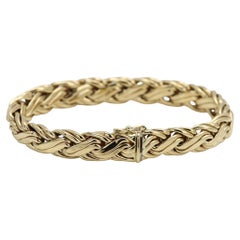
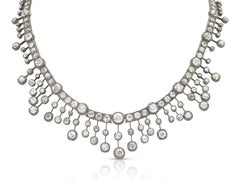
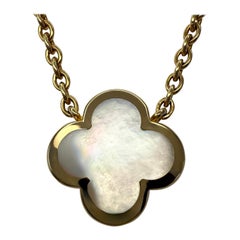
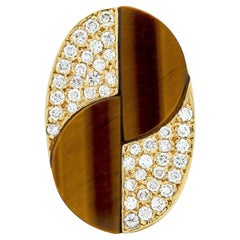
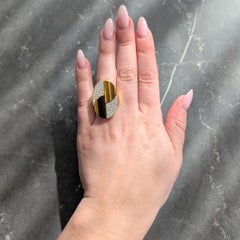
You are likely to find exactly the piaget possession bracelet you’re looking for on 1stDibs, as there is a broad range for sale. Every item for sale was constructed with extraordinary care, often using
Gold,
Yellow Gold and
18k Gold. You can easily find a 11 antique edition and 10 modern creations to choose from as well. If you’re looking for a piaget possession bracelet from a specific time period, our collection is diverse and broad-ranging, and you’ll find at least one that dates back to the 20th Century while another version may have been produced as recently as the 21st Century. Take a look at a piaget possession bracelet featuring
Diamond from our inventory today to add the perfect touch to your look. See these pages for a
rose cut iteration of this accessory, while there are also
round cut cut and
antique cushion cut cut versions available here, too. There aren’t many items for
men if you’re seeking a piaget possession bracelet, as most of the options available are for
women and unisex.
In 1874, at age 19, Georges-Édouard Piaget (1855–1931) began manufacturing handmade timepiece components and movements in a workshop on his family farm in La Côte-aux-Fées, Switzerland. The company expanded into luxury wristwatches and pocket watches under the direction of Georges-Édouard’s son, Timothée Piaget. Later, Timothée’s sons, Gérald and Valentin Piaget, would lead a team of talented craftspeople into a new era of innovation for the brand in both watches and luxury jewelry.
The Piaget family name was trademarked in 1943 and a large manufacturing facility was established in La Côte-aux-Fées. There they would perfect one of their signatures: ultra-thin movements. Valentin urged his design team to “do what has never been done before.”
In 1959, the Salon Piaget was opened in Geneva, where Piaget also set up workshops for goldsmithing and gem setting, introducing the company’s inaugural jewelry creations and establishing a creative hub where artisans were encouraged to push the boundaries of their designs. In 1963, Piaget released its first collection of watches with ornamental stones set into their dials (the brand's stone-dial watches are undeniable classics of watchmaking).
These artful creations caught the eye of such storied tastemakers as Jacqueline Kennedy Onassis, Elizabeth Taylor, Andy Warhol and Sophia Loren. In 1967, Yves Piaget collaborated with Salvador Dalí on a collection with pieces featuring the Dalí d’Or gold medals of the artist and his wife, Gala. Gala would also inspire the 1973 Limelight Gala timepiece and the subsequent collection.
Luxury jewelry designed by the company’s artisans has often cleverly reflected Piaget’s watchmaking origins, like the Possession collection, whose swinging pendants and turning rings nod to the movement of its watches. The Rose and Sunlight collections of bracelets, earrings and necklaces, meanwhile, reflect natural themes with a bit of Art Deco style. Piaget’s watches, likewise, have embodied an inventive approach to design, such as the Piaget Polo watch, which was introduced in 1979, popular for its luxurious refinement and widely imitated in the 1980s.
In 2001, the Piaget Haute Horlogerie was opened outside of Geneva, a facility that advanced its work in watchmaking and jewelry. The Swiss luxury watchmaker and jeweler now operates as part of the Richemont Group.
Find Piaget rings, necklaces, watches and other jewelry on 1stDibs.
Today, antique and vintage bracelets are versatile and universally loved accessories that can add polish and pizzazz to any ensemble.
Bracelets were among the jewels discovered to have been buried with Pharaoh Tutankhamun when his tomb was unearthed in 1922, and wrist and arm bracelets were allegedly worn by Queen Puabi in Sumer, southern Mesopotamia. But preceding the adornments of Ancient Egypt and elsewhere, the people of prehistoric times likely wore the decorative accessory, fashioning it from shells and fish bones. When the Bronze Age allowed for more durable materials and semiprecious stones to be incorporated into jewelry, bracelets became a treasured symbol of wealth.
In the thousands of years following the debut of the world’s first bracelets, the artistry behind this common accessory has only broadened, with designers at popular jewelry houses growing more venturesome over time. David Webb looked to nature for his Animal Kingdom bracelets, and for her best-selling bracelets and more at Tiffany & Co., Elsa Peretti would frequently do the same. From bangles to tennis bracelets, the modern age offers plenty of options.
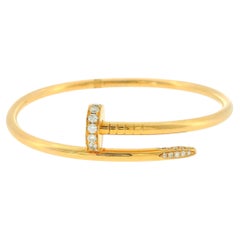
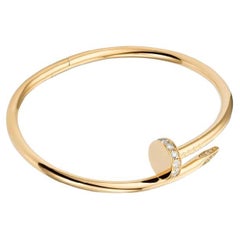
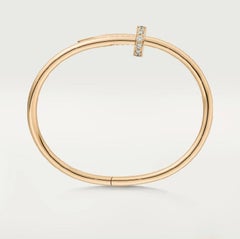
Internationally acclaimed bracelet designs have on occasion become powerful symbols of status, style and, in the case of Cartier's iconic design, love. The Cartier Love bracelet can be found on the wish list of most jewelry lovers and on the wrist of some of the world’s biggest stars. Its arrangement of mock screwheads and distinctive functionality — it was initially locked and unlocked with an accompanying vermeil screwdriver — is an enduring expression of loyalty, unity and romance. (Do you know how to spot a fake Cartier Love bracelet?)
While the Love bracelet has played a role in the skyrocketing popularity of cuff-style bracelets, they are far from the only glamorous option for collectors. Make a statement with an Art Deco design, a style that sees all kinds of iterations fitted with studded cuffs, one-of-a-kind shapes and dazzling insets. A chunky vintage gold bracelet in the Retro style will prove eye-catching and elevate any outfit.
One of the best things about bracelets, however, is that you never have to choose just one. Style icon Jacqueline Kennedy stacked her Croisillon bracelets — designed by Jean Schlumberger for Tiffany & Co. — with such frequency that the ornate bangles were eventually dubbed “Jackie bracelets” by reporters. Contemporary silver pieces can easily complement each other, rendering a layering of luxury almost a necessity.
Find a diverse collection of bracelets that you can sort by style, stone cut and more on 1stDibs.