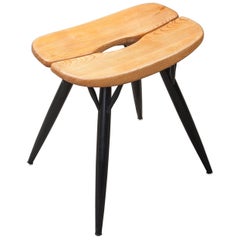
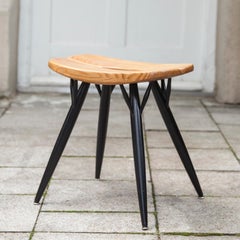
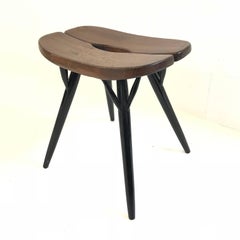
Ilmari Tapiovaara Pirkka Stool for Laukaan Puu, 1950s
By Ilmari Tapiovaara, Laukaan Puu
Located in Munich, DE
This Pirkka stool is made by Laukaan Puu in the 1950s.
Category
Vintage 1950s Finnish Mid-Century Modern Stools
Materials
Oak
Ilmari Tapiovaara Pirkka Stool for Laukaan Puu, 1950s
By Ilmari Tapiovaara, Laukaan Puu
Located in Munich, DE
This Pirkka stool is made by Laukaan Puu in the 1950s.
Oak
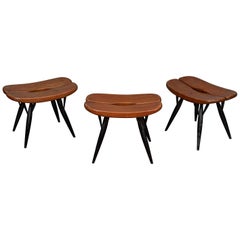
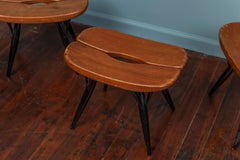
Ilmari Tapiovaara Pirkka Stool for Laukaan Puu
By Ilmari Tapiovaara
Located in San Francisco, CA
Pirkka stool by Ilmari Tapiovaara. Designed for Laukaan Puu in 1957, stamped.
Pine
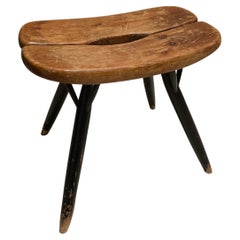
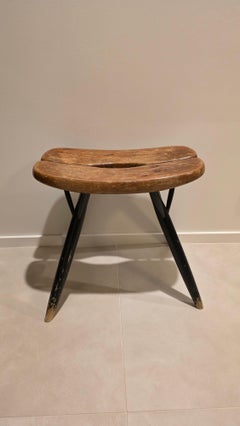
Ilmari Tapiovaara, Pirkka Stool, Laukaan Puu, Finland 1950s.
By Ilmari Tapiovaara
Located in Kiiminki, FI
Pirkka stool, Ilmari Tapiovaara. Manufactured by Laukaan Puu, Finland, 1950s.
Pine

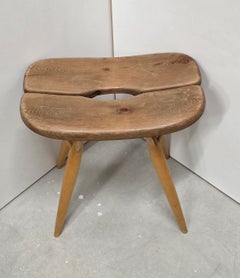
Pirkka Stool by Ilmari Tapiovaara, Laukaan Puu 1950s
By Ilmari Tapiovaara, Laukaan Puu
Located in Kiiminki, FI
Ilmari Tapiovaara Pirkka stool, manufactured by Laukaan Puu, Finland, 1950s.
Pine
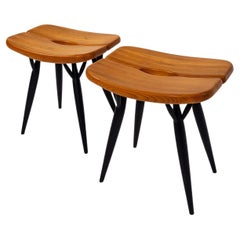
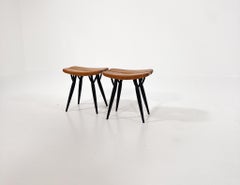
Ilmari Tapiovaara for ASKO – Pair of Original “Pirkka” Stools, Finland
By Asko, Ilmari Tapiovaara
Located in Staffanstorp, SE
A beautifully preserved and highly collectible pair of original Pirkka stools designed by Ilmari Tapiovaara and produced by ASKO, Finland, circa 1959–1965.
Birch
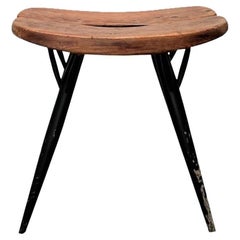
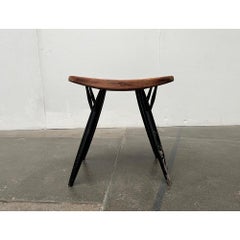
Mid-Century Pirkka Stool by Ilmari Tapiovaara for Laukaan Puu
By Ilmari Tapiovaara
Located in Hamburg, DE
Original Pirkka Stool from Laukaan Puu after a design by Ilmari Tapiovaara from the 1950s.
Wood
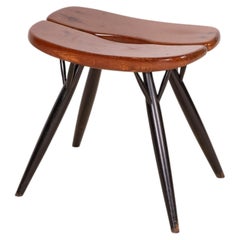
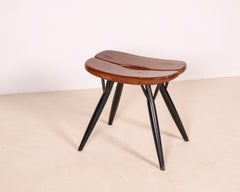
Early Pirkka Stool by Ilmari Tapiovaara for Laukaan Puu, Finland, 1950s
By Ilmari Tapiovaara, Laukaan Puu
Located in Balen, BE
Early Pirkka stool designed by Ilmari Tapiovaara for Laukaan Puu, Finland, in the 1950s.
Softwood
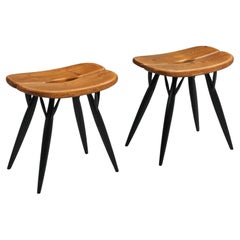
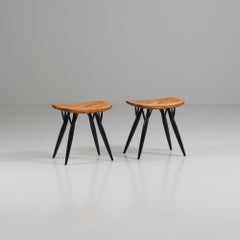
Pair of Model Pirkka Stools, Ilmari Tapiovaara, Laukaan Puu, Finland, 1950s
By Ilmari Tapiovaara, Laukaan Puu
Located in Helsinki, Uusimaa
Pair of model Pirkka stools, design Ilmari Tapiovaara, manufactured by Laukaan Puu, Finland, 1950s.
Wood, Pine, Paint
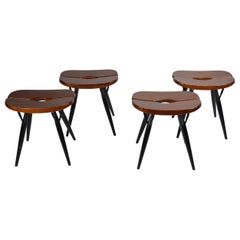
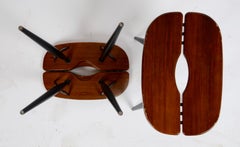
Ilmari Tapiovaara, `Pirkka` Stools 4 Pieces, 1970s
By Ilmari Tapiovaara
Located in Stockholm, SE
Four stools, model Pirkka designed by Imari Tapiovaara, Finland, 1970s.
Wood
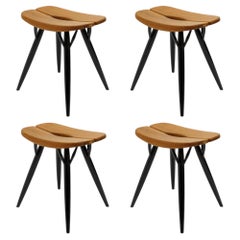
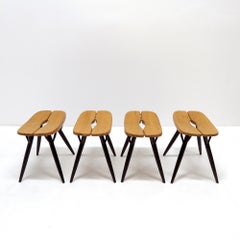
Ilmari Tapiovaara Pirkka Stools, Pinewood with Black Legs, 1955
By Ilmari Tapiovaara, Laukaan Puu
Located in Los Angeles, CA
Wonderful stools designed by Ilmari Tapiovaara for Laukaan Puu, Finland 1955 in pinewood and black lacquered dowel legs, marked. Priced individually.
Pine
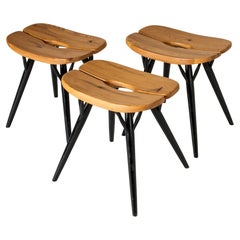
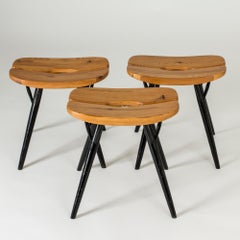
Set of Three "Pirkka" Stools by Ilmari Tapiovaara, Artek, Finland, 1950s
By Ilmari Tapiovaara, Artek
Located in Östermalm, Stockholms län
Set of three stools by Ilmari Tapiovaara, from the furniture line “Pirkka”.
Pine
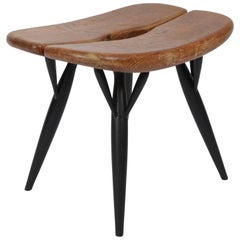
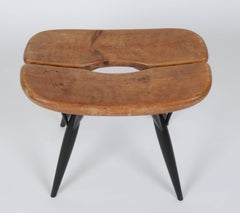
Ilmari Tapiovaara, Stool Model Pirkka, Designed for Laukaan Puu, 1957
By Ilmari Tapiovaara
Located in Stockholm, SE
Pirkka stool by Ilmari Tapiovaara. Designed for Laukaan Puu in 1957.
Wood
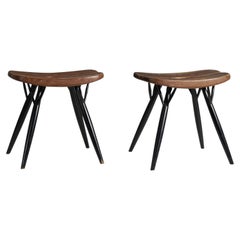
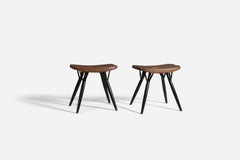
Ilmari Tapiovaara, Pair of "Pirkka", Lacquered and Solid Pine, Finland, 1950s
By Ilmari Tapiovaara
Located in High Point, NC
A pair of organic pine "Pirkka" stools. Designed by Ilmari Tapiovaara, and produced by Laukaan Puu, Finland, 1950s.
Pine
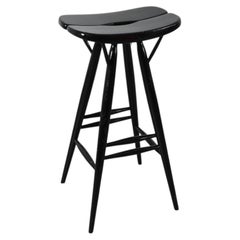
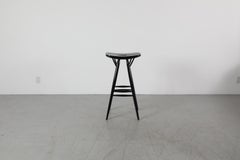
Ilmari Tapiovaara Pirkka Bar Stool for Laukaan Puu, 1950s
By Artek, Ilmari Tapiovaara
Located in Los Angeles, CA
Designed by Ilmari Tapiovaara for Laukaan Puu in the 1950s, the Pirkka bar stool is one of his most recognized works.
Wood, Lacquer
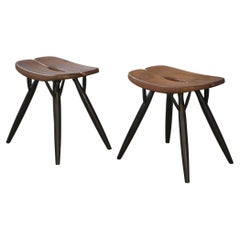
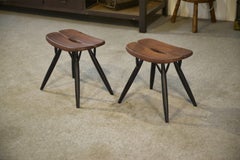
Paire de tabourets Pirkka par Ilmari Tapiovaara pour Laukaan Puu
By Ilmari Tapiovaara, Laukaan Puu
Located in TOURCOING, FR
Paire de tabourets Pirkka par Ilmari Tapiovaara pour Laukaan Puu (première édition, estampillé) 1950's Voici une superbe paire de tabourets Pirkka (première édition), dessinés au mi...
Wood
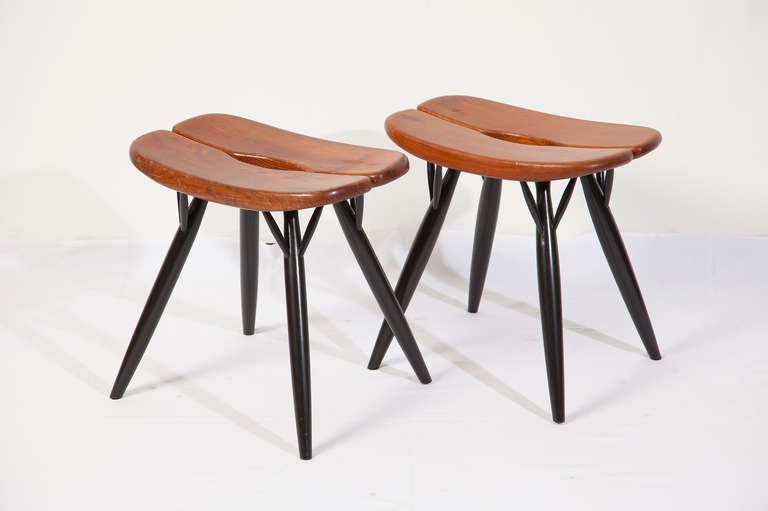
Ilmari Tapiovaara, 2st Pirkka stools
By Ilmari Tapiovaara
Located in Salzburg, Austria
This pair of Pirkka stools, produced by Laukaan Puu in the 1950's is in a good original condition.
Pine
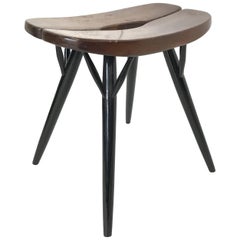
Unavailable
H 17.33 in W 17.33 in D 11.03 in
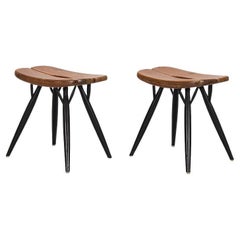
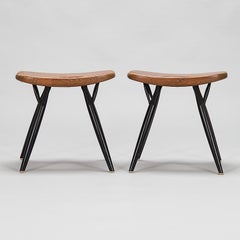
Pirkka Stool Ilmari Tapiovaara for Laukaan Puu, Finland, 1950s
By Ilmari Tapiovaara, Laukaan Puu
Located in The Hague, NL
Ilmari Tapiovaara designed this Pirkka stool for Laukaan Puu, Finland, in the 1950s.
Wood, Pine
Unavailable
H 16.93 in W 16.93 in D 11.03 in
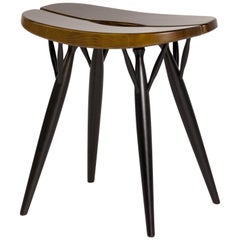
Pair of Mid-20th Century 'Pirkka' Stools by Ilmari Tapiovaara
By Ilmari Tapiovaara
Located in Stockholm, SE
Ilmari Tapiovaara, a pair of mid-20th century 'Pirkka' stools for Laukaan Puu. Black and stained pine wood.
Pine, Paint
Unavailable
H 18.51 in W 17.72 in D 16.93 in
Authentic Pirkka Stool in Birch and Pine by Ilmari Tapiovaara & Artek
By Artek, Ilmari Tapiovaara
Located in New York, NY
The Pirkka Stool was originally conceived as a seat on which to cool-off after the sauna.
Birch, Pine
Set of 4 Pirkka Bar Stool by Ilmari Tapiovaara
By Ilmari Tapiovaara
Located in Roubaix, FR
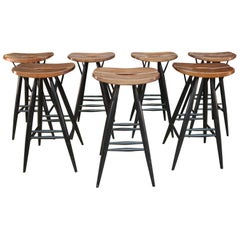
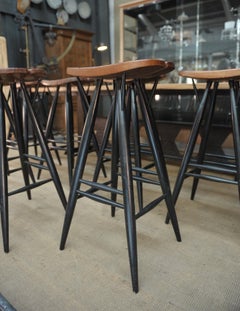
Set of 4 pirkka bar stool by Ilmari Tapiovaara in beech wood frame and pine seat, circa 1980.
Beech, Pine
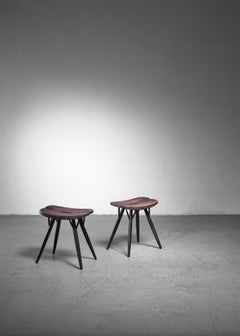
Unavailable
H 16.74 in W 17.33 in D 11.03 in
Pair of Pirkka Low Stools by Ilmari Tapiovaara for Laukaan Puu
By Laukaan Puu, Ilmari Tapiovaara
Located in Maastricht, NL
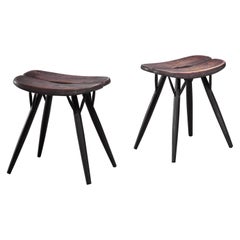
A pair of Finnish ebonized pine Ilmari Tapiovaara stools from the Pirkka series. The stools are branded by Tapiovaara and Laukaan Puu.
Pine
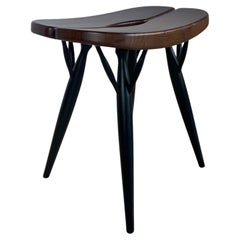

Pirkka stool Ilmari Tapiovaara for Artek 1950
By Artek, Ilmari Tapiovaara
Located in Torino, IT
Pirkka stool Ilmari Tapiovaara for Artek 1950
Teak
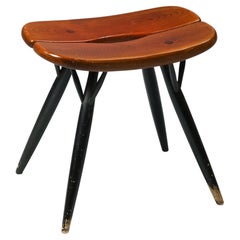

Pirkka Stool by Ilmari Tapiovaara, 1950s
By Ilmari Tapiovaara
Located in Helsinki, Uusimaa
Pirkka stool by Ilmari Tapiovaara from the 1950s.
Pine
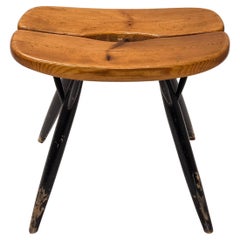
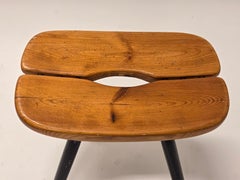
Pirkka Stool by Ilmari Tapiovaara 1960s
By Ilmari Tapiovaara, Laukaan Puu
Located in Espoo, FI
Pirkka stool, designed by Ilmari Tapiovaara, made by Laukaan Puu.
Pine
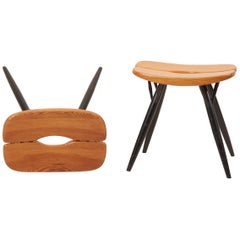

Pair of Ilmari Tapiovaara Pirkka Stools for Laukaan Puu, 1950s
By Ilmari Tapiovaara, Laukaan Puu
Located in Berlin, DE
This Pirkka stools are made by Laukaan Puu in the 1950s.
Wood, Pine
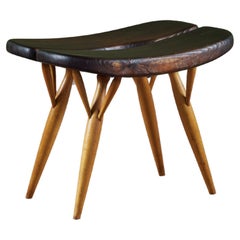
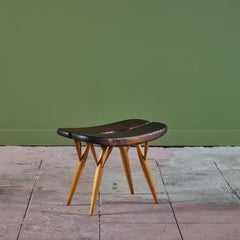
Pirkka Stool by Ilmari Tapiovaara for Laukaan Puu
By Ilmari Tapiovaara, Laukaan Puu
Located in Los Angeles, CA
Pirkka Stool by Ilmari Tapiovaara for Laukaan Puu, c.1950s, Finland.
Pine
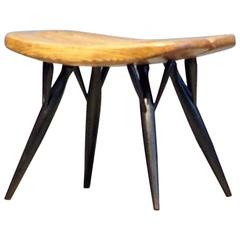

Ilmari Tapiovaara Pirkka Stool by Laukaan Puu, Finland, 1950s
By Ilmari Tapiovaara
Located in Berlin, DE
Rare Ilmari Tapiovaara low Pirkka stool made by Laukaan Puu in Finland in the 1950s.
Wood
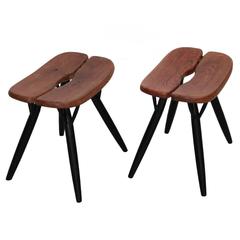

Sold
H 15.75 in W 17.13 in D 11.23 in
Pair of Ilmari Tapiovaara Pirkka Stools in Vintage Condition for Laukaan Puu
By Ilmari Tapiovaara, Laukaan Puu
Located in Berlin, DE
Beautiful pair of Pirkka stools by finish designer Ilmari Tapiovaara in vintage condition.
Wood
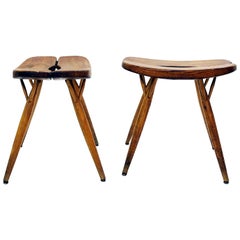

Sold
H 16.93 in W 17.33 in D 11.03 in
Pair of Two Pirkka Stools by Ilmari Tapiovaara for Laukaan Puu, Finland, 1960s
By Ilmari Tapiovaara, Laukaan Puu
Located in Brussels, BE
Pair of two Pirkka stools by Ilmari Tapiovaara for Laukaan Puu, Finland, 1960s.
Wood
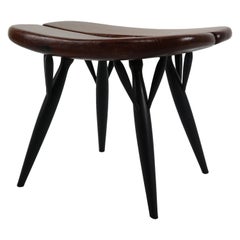

Ilmari Tapiovaara Pirkka Stool for Laukaan Puu, 1950s, Finland
By Ilmari Tapiovaara
Located in The Hague, NL
Ilmari Tapiovaara for Laukaan Puu, Pirkka stool, beech, pine, Finland, 1950s. This stool is designed by Ilmari Tapiovaara.
Wood, Beech, Pine
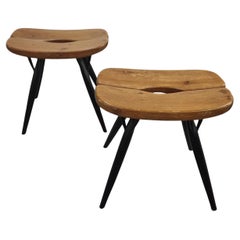

Pair of Ilmari Tapiovaara "Pirkka" Stools", Laukaan Puu, 1950
By Ilmari Tapiovaara, Laukaan Puu
Located in Helsinki, FI
This pair of Ilmari Tapiovaara "Pirkka" stools from the 1950s (designed from 1955) is an example of a combination of ideas taken from the Finnish heritage, native language of forms a...
Wood, Birch, Pine
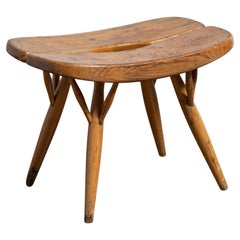

Sold
H 17.75 in W 16 in D 11 in
Vintage Ilmari Tapiovaara Pirkka Stool in Pine and Birch – Laukaan Puu
By Ilmari Tapiovaara
Located in Brooklyn, NY
Pirkka Stool, designed by Ilmari Tapiovaara for Laukaan Puu.
Pine
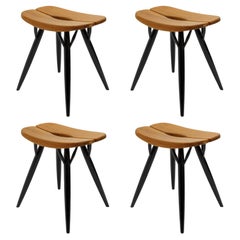

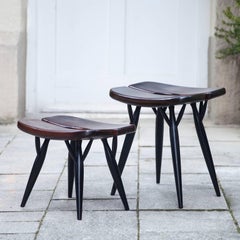
Ilmari Tapiovaara, ‘Pirkka’ Stools, 1955
By Ilmari Tapiovaara, Laukaan Puu
Located in Los Angeles, CA
Wonderful stools designed by Ilmari Tapiovaara for Laukaan Puu, Finland 1955 in pinewood and black lacquered dowel legs, marked, priced individually.
Pine
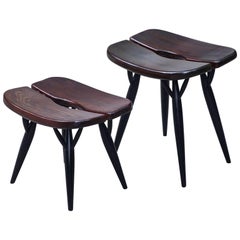
Sold
H 17.33 in W 16.93 in D 13 in
Ilmari Tapiovaara ‘Prikka’ Stools for Laukaan Puu / Asko, Set of Two
By Asko, Ilmari Tapiovaara, Laukaan Puu
Located in Munich, DE
The normal size Pirkka stool is made by Asko and rare low sauna stool is made by Laukaan Puu and the height of the low version is 33cm.
Pine
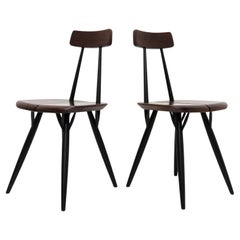
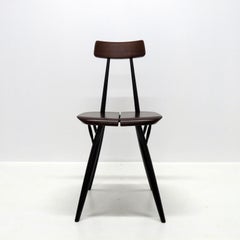
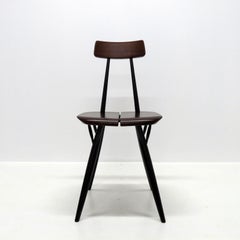
Ilmari Tapiovaara, ‘Pirkka’ Chairs, 1955
By Ilmari Tapiovaara, Laukaan Puu
Located in Los Angeles, CA
Wonderful chairs designed by Ilmari Tapiovaara for Laukaan Puu, Finland 1955 in dark stained pinewood and black lacquered dowel legs, marked. Priced individually.
Pine
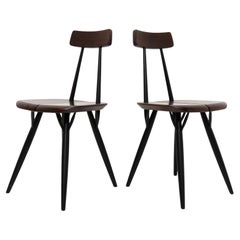
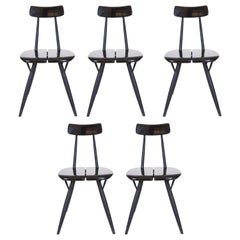
Ilmari Tapiovaara, ‘Pirkka’ Chairs, 1955
By Ilmari Tapiovaara, Laukaan Puu
Located in Los Angeles, CA
Wonderful side chairs designed by Ilmari Tapiovaara for Laukaan Puu, Finland 1955 in dark stained pinewood and black lacquered dowel legs, marked. Priced individually.
Pine

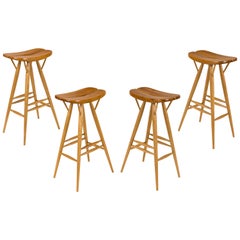
Ilmari Taplovaara PIRKKA Table and Chairs
By Ilmari Tapiovaara
Located in Washington, DC
A set of "Pirkka" table and four chairs/stools - by Ilmari Tapiovaara
Wood

Sold
H 32 in W 18.75 in D 14.5 in
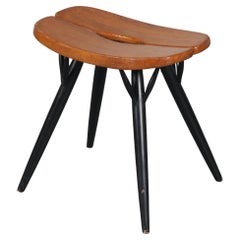
Ilmari Tapiovaara Pine "Pirkka" Barstools for Laukaan Puu, Finland, 1955
By Ilmari Tapiovaara
Located in New York, NY
A set of rare early Pirkka barstools by Ilmari Tapiovaara. Over his lifetime Tapiovaara won a total of six gold medals at the Milan Triennale in addition to many other prestigious ar...
Pine

Sold
H 16.93 in W 16.93 in D 11.03 in
“Pirkka” Stool by Ilmari Tapiovaara for Laukaan Puu, Finland, 1950
By Ilmari Tapiovaara, Laukaan Puu
Located in Wilnis, UT
An eye-catching “Pirkka” stool designed by Ilmari Tapiovaara, manufactured by Laukaan Puu in FInland around 1950.
Wood
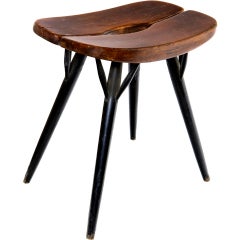

"Pirkka" Stool by Ilmari Tapiovaara
By Ilmari Tapiovaara
Located in Los Angeles, CA
A well-used and rather old example of this beautiful stool, designed by Ilmari Tapiovaara, the idiosyncratic Finnish modernist whose education included a stint at the atelier of Le C...
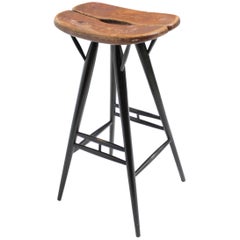

Tapiovaara 'Pirkka' Stool for Laukaan Puu
By Ilmari Tapiovaara, Laukaan Puu
Located in JM Haarlem, NL
Rare bar stool Pirkka by Ilmari Tapiovaara for Laukaan Puu, Finland.
Birch, Pine
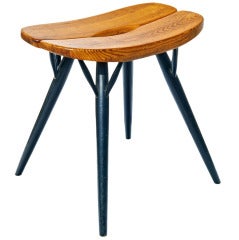

Pair of "Pirkka" Stools by Ilmari Tapiovaara
By Ilmari Tapiovaara
Located in Los Angeles, CA
A pair of well-used (with lovely patina) and rather old examples of the "Pirkka". These beautiful stools were designed by Ilmari Tapiovaara, the idiosyncratic Finnish modernist whose...
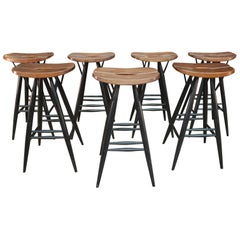

Set of 6 Pirkka Bar Stool by Ilmari Tapiovaara
By Ilmari Tapiovaara
Located in Roubaix, FR
Set of 6 pirkka bar stool by Ilmari Tapiovaara in beech wood frame and pine seat, circa 1980.
Beech, Pine
During the mid-20th century, Finnish furniture designer Ilmari Tapiovaara worked with pine, teak and his country’s native birch to create sleek and sculptural chairs, dining room tables and bookcases in the Scandinavian modern style. Tapiovaara’s areas of expertise expanded beyond furniture to include interior architecture, wooden sculptures, film posters and cutlery.
After completing his studies at the Central School of Applied Arts in Helsinki, Tapiovaara embarked on a design career that would envelop his entire life. As a young man, Tapiovaara idolized revered architect and furniture designer Alvar Aalto — whom, with his wife, Aino Aalto, cofounded Artek, the company that would eventually manufacture the majority of Tapiovaara’s creations. The budding designer had one of Aalto’s chairs in his apartment while he was a student. After graduating, he worked as an assistant in an office at Le Corbusier, then as a designer and artistic director at Asko.
By 1951, Tapiovaara and his wife, Annikki, had established their own studio. A few years previous, the pair had designed the now-legendary Domus chair while creating interiors and furnishings for a new student housing complex in Helsinki. Made of molded plywood and easily stackable, the ergonomic Domus chair, with its slender form, featured a modest silhouette — its lightweight structure allowed for easy exporting, and iconic mid-century modern furniture manufacturer Knoll added a low-backed version to its offerings in the early 1950s. (It was marketed as the Finn chair in the United States.)
Tapiovaara went on to design pieces for Pihlgren ja Ritola and Santa and Cole. His experience earned him teaching positions at the Institute of Applied Arts, the Helsinki University of Technology and the Illinois Institute of Technology. While in Chicago for the latter, he worked in the office of Mies van der Rohe.
Tapiovaara centered his passion for design on social responsibility. He wanted his creations to be accessible to everyone, which was the concept behind his democratic approach. In Finland’s postwar era, the goal was exemplary, affordable designs. With this in mind, he created products such as stackable chairs and “knock-down” pieces packed flat, so they shipped efficiently and cost less.
An influential champion of his profession, he spent two decades as a United Nations ambassador, working to improve design’s contribution to society. His lasting, collectible furniture is a testament to the designer’s goal to create humane, radiant and intimate spaces. The United Nations project included traveling to Paraguay to create much-needed furniture. A similar project followed in Mauritius.
Tapiovaara’s success as an industrial and mass producer of everyday furniture was widely recognized and awarded. He received six gold medals for his chairs alone at the Milan Triennials. He also accepted a Good Design award, the Finnish State Design Award, a prize from the Finnish Culture Foundation and the Furniture Prize of the SIO Interior Architects’ Association of Finland.
Find vintage Ilmari Tapiovaara seating, tables and lighting on 1stDibs.
Stools are versatile and a necessary addition to any living room, kitchen area or elsewhere in your home. A sofa or reliable lounge chair might nab all the credit, comfort-wise, but don’t discount the roles that good antique, new and vintage stools can play.
“Stools are jewels and statements in a space, and they can also be investment pieces,” says New York City designer Amy Lau, who adds that these seats provide an excellent choice for setting an interior’s general tone.
Stools, which are among the oldest forms of wooden furnishings, may also serve as decorative pieces, even if we’re talking about a stool that is far less sculptural than the gracefully curving molded plywood shells that make up Sōri Yanagi’s provocative Butterfly stool.
Fawn Galli, a New York interior designer, uses her stools in the same way you would use a throw pillow. “I normally buy several styles and move them around the home where needed,” she says.
Stools are smaller pieces of seating as compared to armchairs or dining chairs and can add depth as well as functionality to a space that you’ve set aside for entertaining. For a splash of color, consider the Stool 60, a pioneering work of bentwood by Finnish architect and furniture maker Alvar Aalto. It’s manufactured by Artek and comes in a variety of colored seats and finishes.
Barstools that date back to the 1970s are now more ubiquitous in kitchens. Vintage barstools have seen renewed interest, be they a meld of chrome and leather or transparent plastic, such as the Lucite and stainless-steel counter stool variety from Indiana-born furniture designer Charles Hollis Jones, who is renowned for his acrylic works. A cluster of barstools — perhaps a set of four brushed-aluminum counter stools by Emeco or Tubby Tube stools by Faye Toogood — can encourage merriment in the kitchen. If you’ve got the room for family and friends to congregate and enjoy cocktails where the cooking is done, consider matching your stools with a tall table.
Whether you need counter stools, drafting stools or another kind, explore an extensive range of antique, new and vintage stools on 1stDibs.