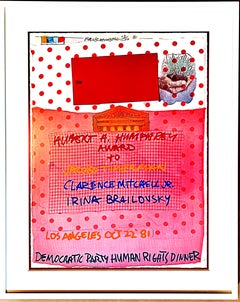
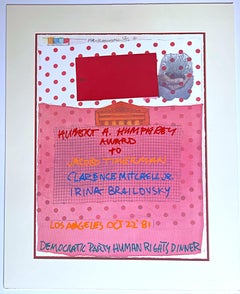
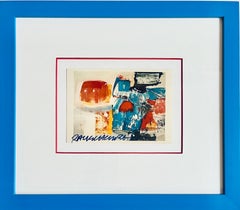
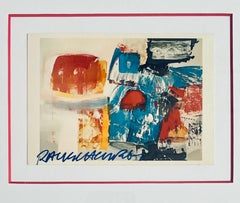
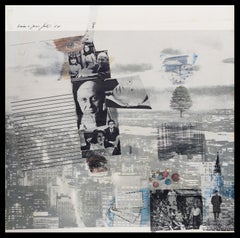
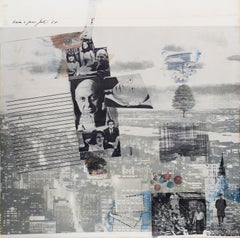
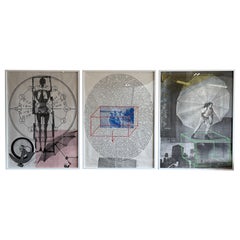
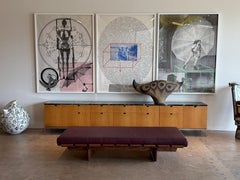
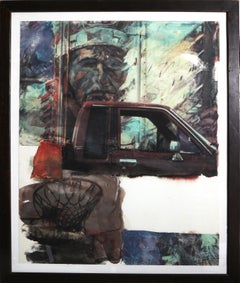
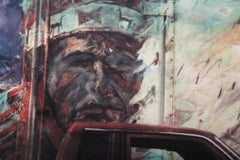
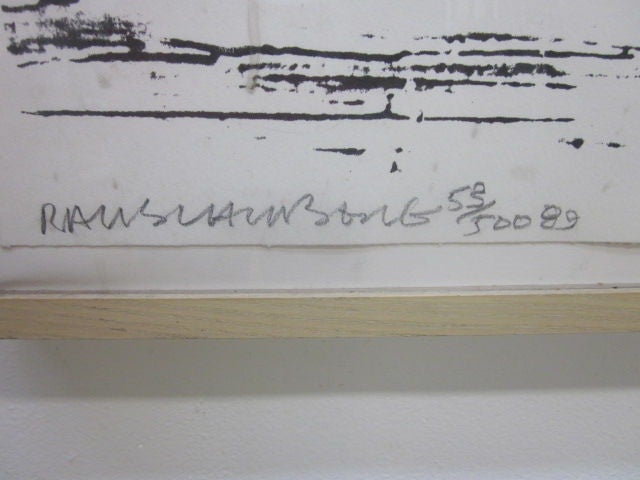
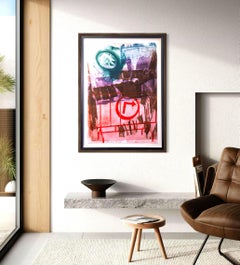
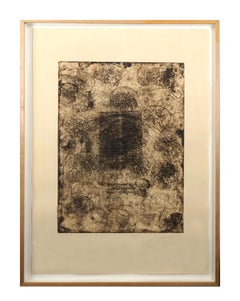
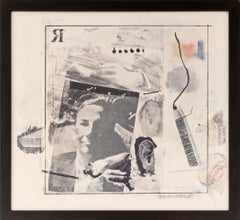
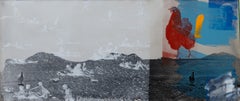
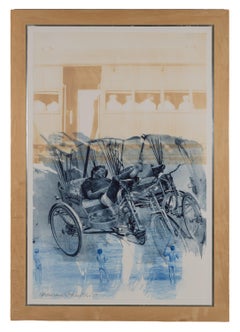
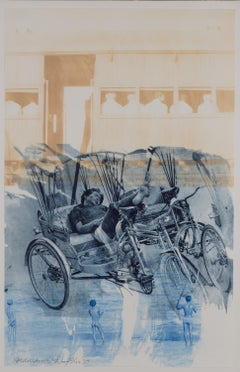
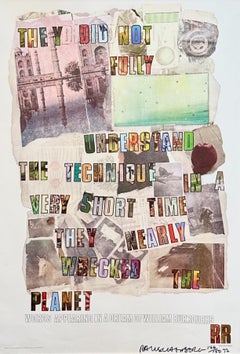
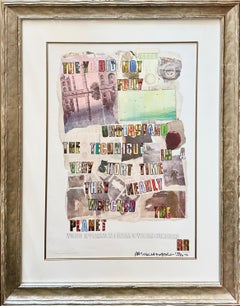
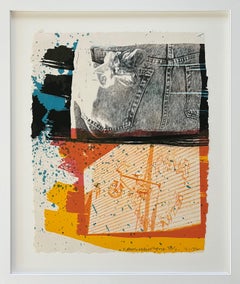
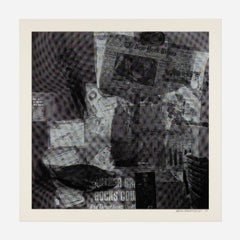
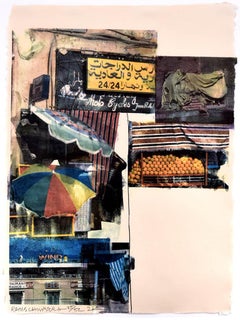
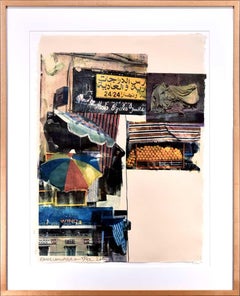
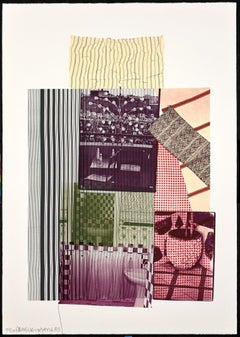
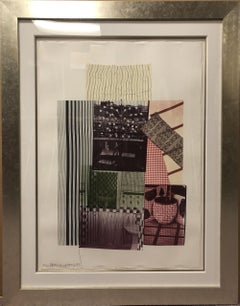
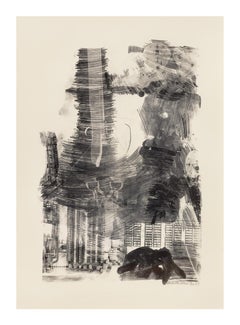
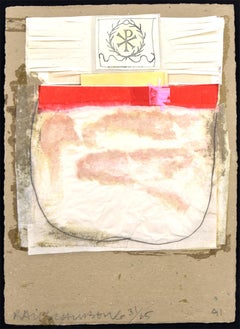
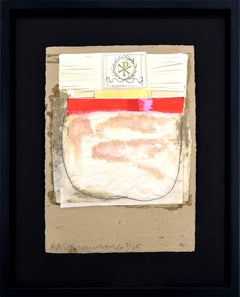
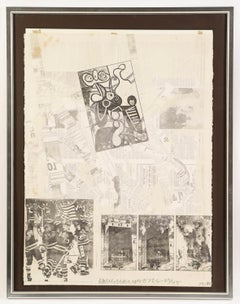
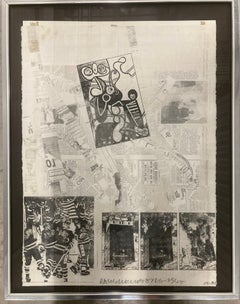
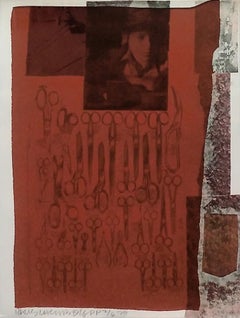
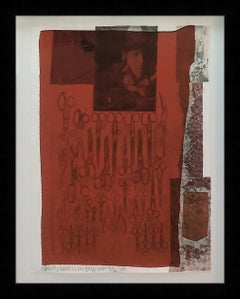
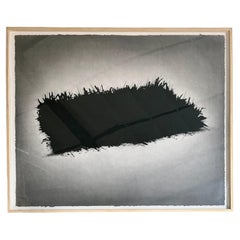
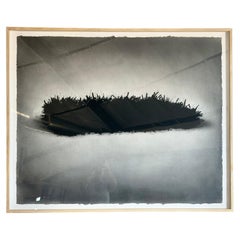
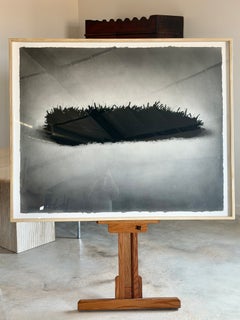
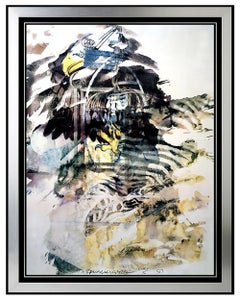
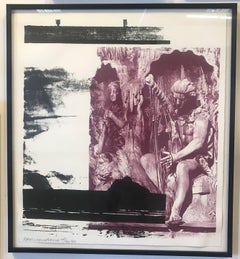
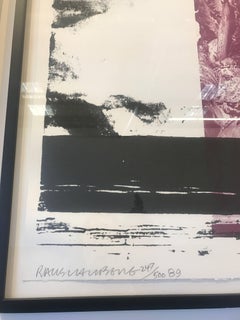
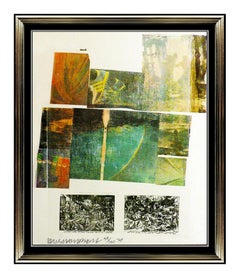
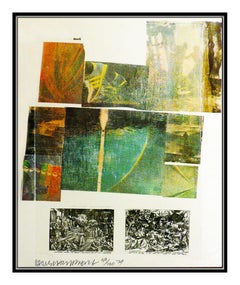
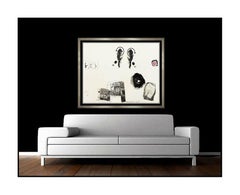
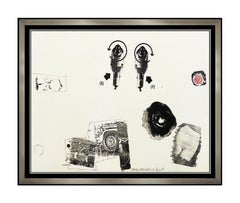
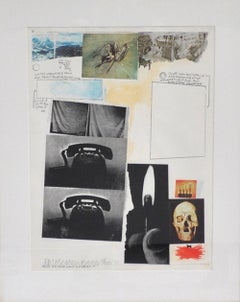
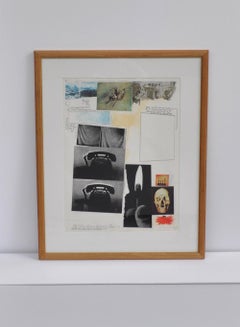
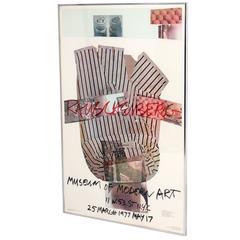
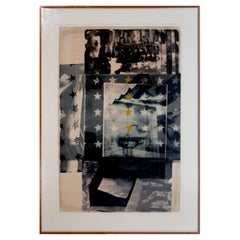
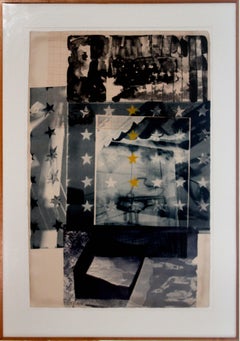
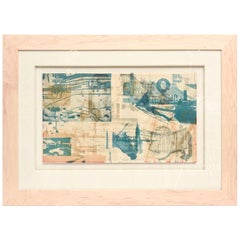
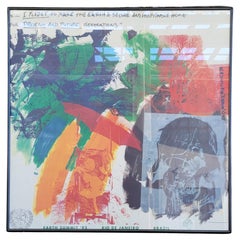
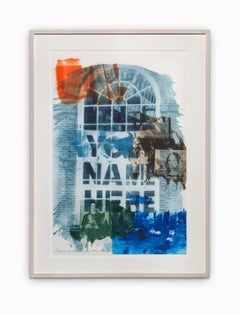
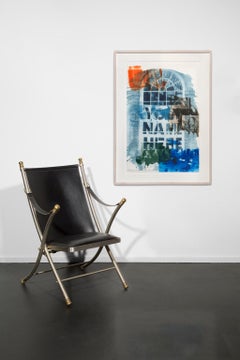
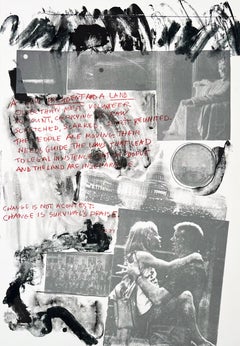
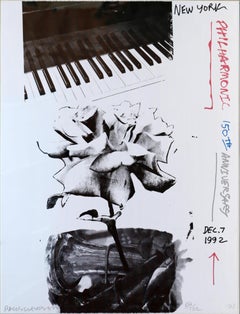
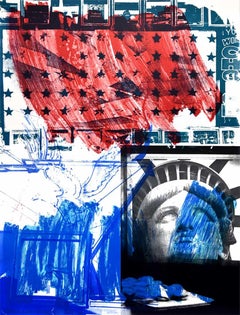
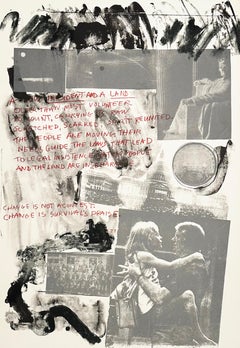
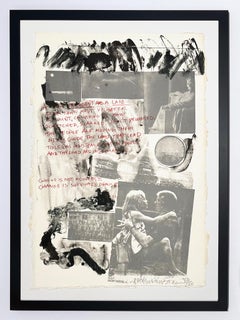
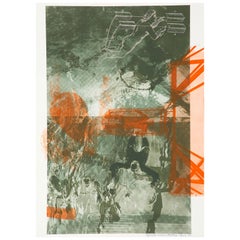
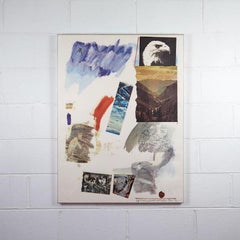
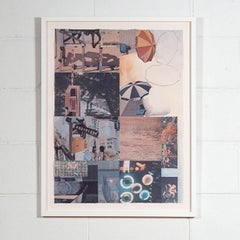
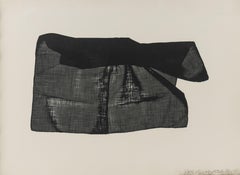
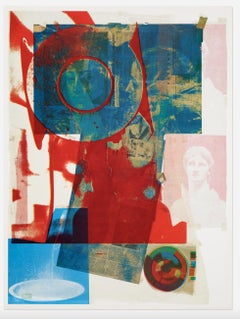
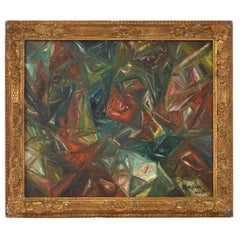
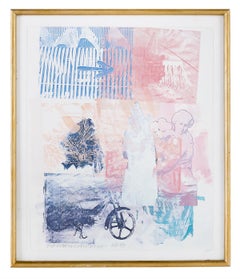
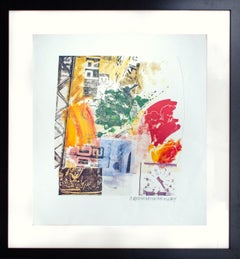
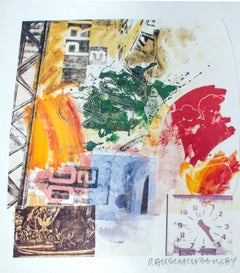
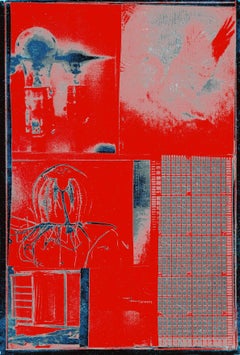
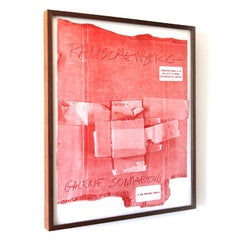
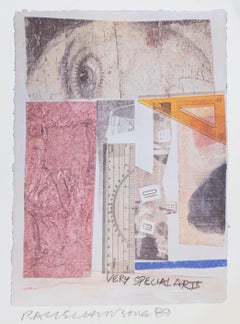
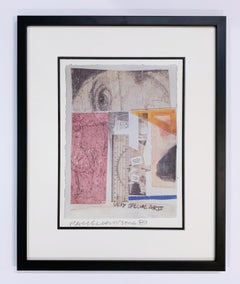
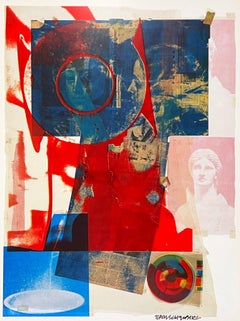
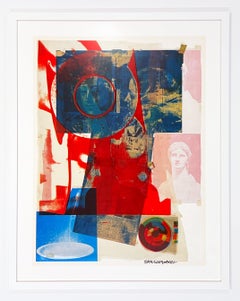
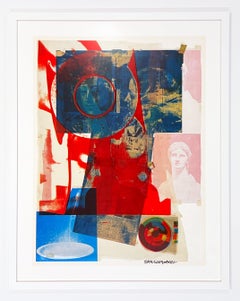
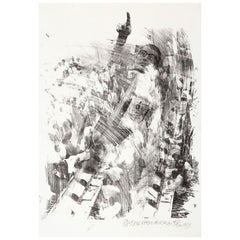
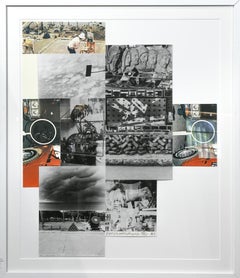
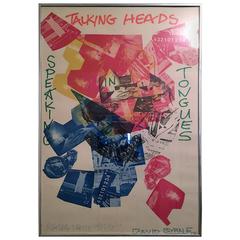
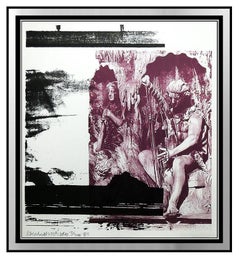
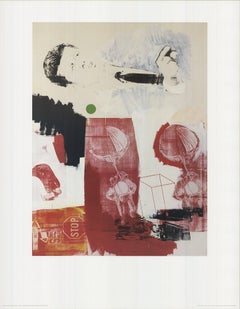
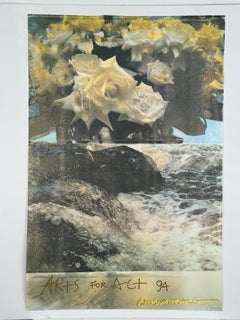
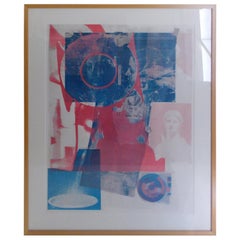
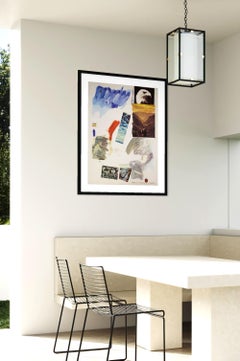
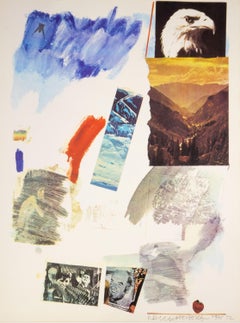
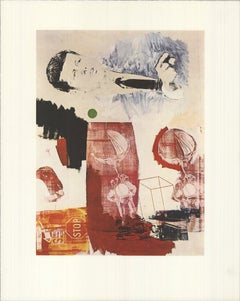
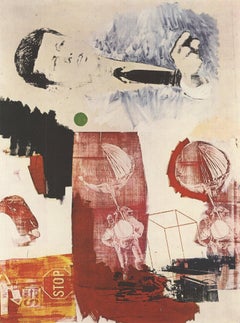
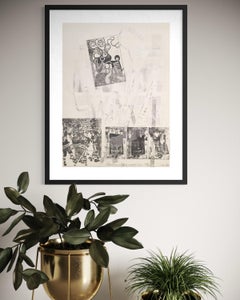
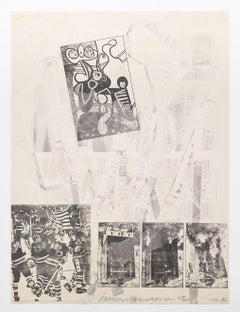
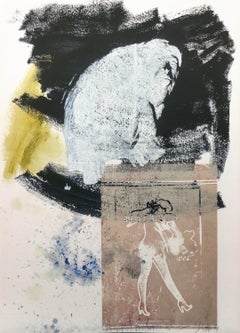
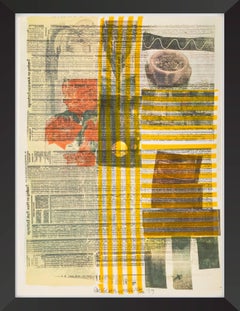
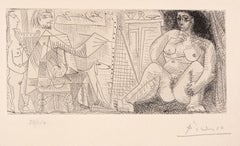
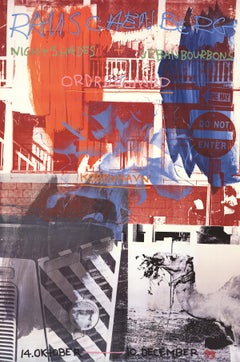
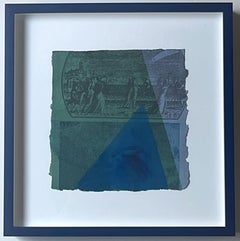
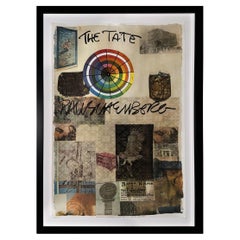
You are likely to find exactly the rauschenberg framed you’re looking for on 1stDibs, as there is a broad range for sale. In our selection of items, you can find
Contemporary examples as well as a
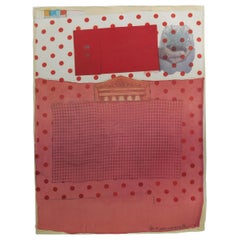
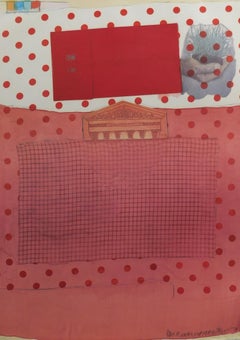
Pop Art version. You’re likely to find the perfect rauschenberg framed among the distinctive items we have available, which includes versions made as long ago as the 20th Century as well as those made as recently as the 21st Century. When looking for the right rauschenberg framed for your space, you can search on 1stDibs by color — popular works were created in bold and neutral palettes with elements of
gray,
beige,
black and
brown. Finding an appealing rauschenberg framed — no matter the origin — is easy, but
Robert Rauschenberg and
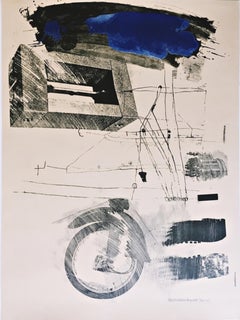
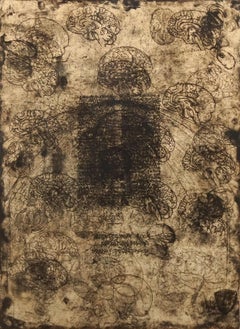
(After) Robert Rauschenberg each produced popular versions that are worth a look. These artworks were handmade with extraordinary care, with artists most often working in
lithograph,
screen print and
paper.
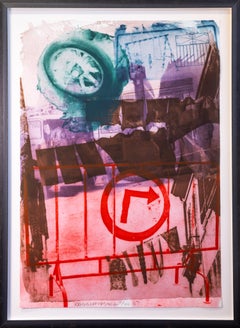
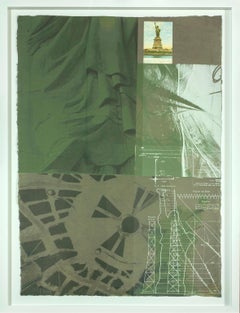
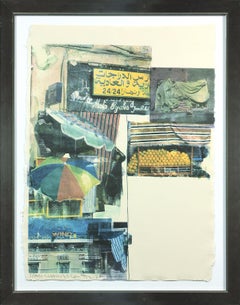
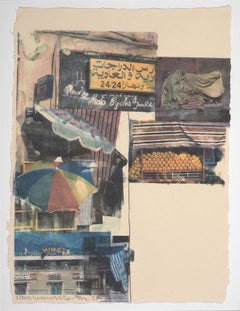
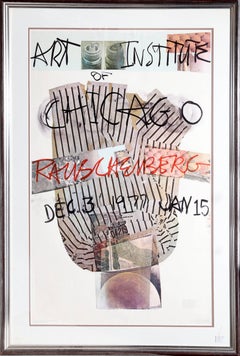
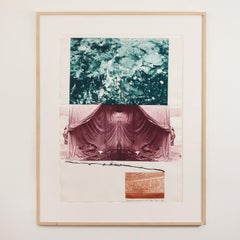
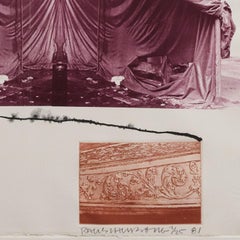
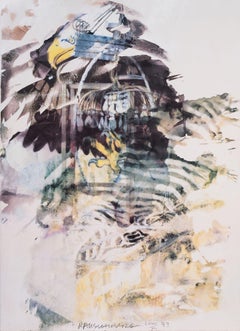
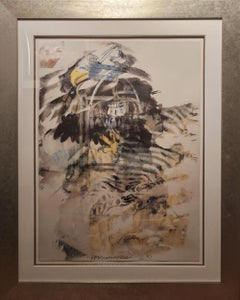
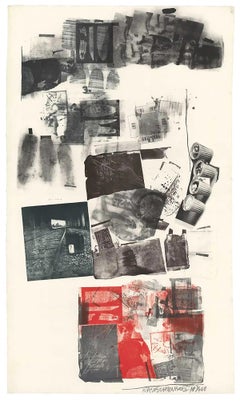
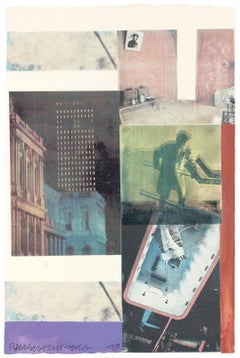
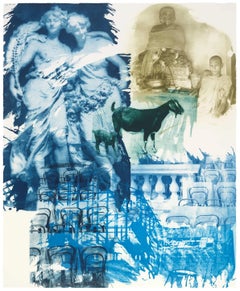
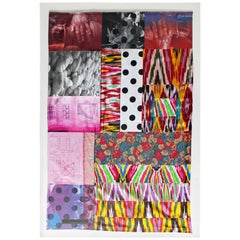
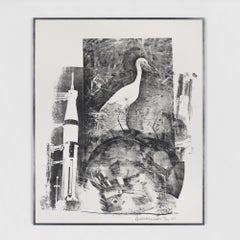
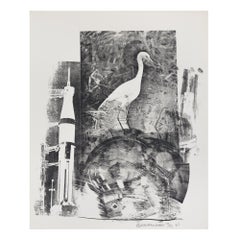
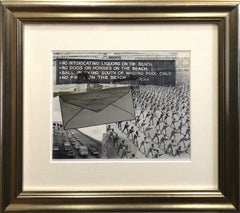
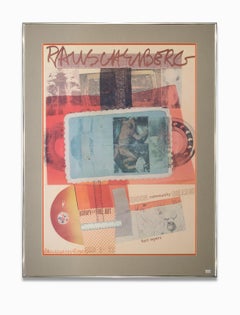
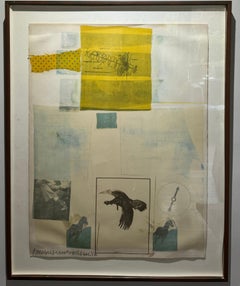
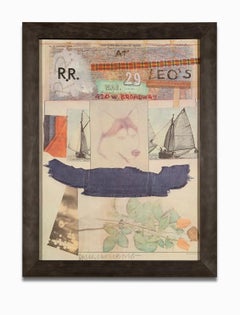
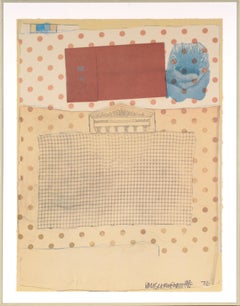
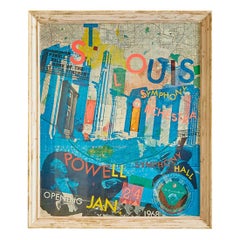
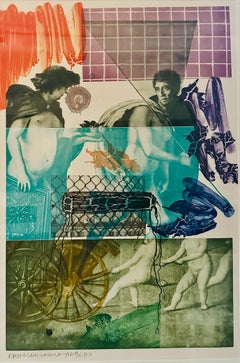
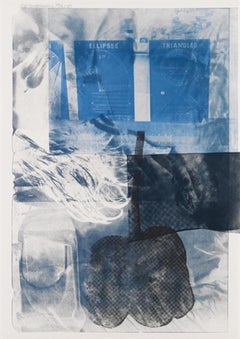
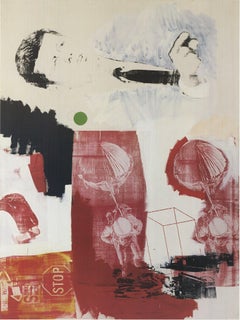
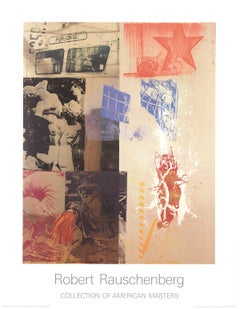
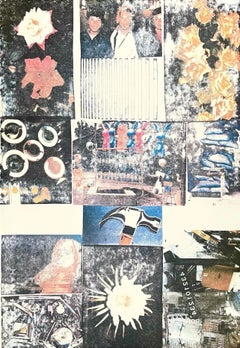
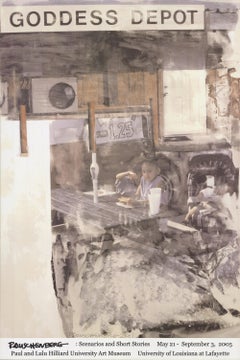
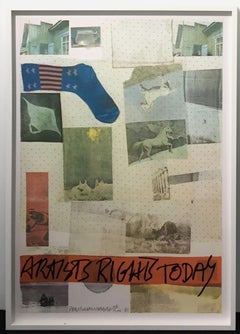
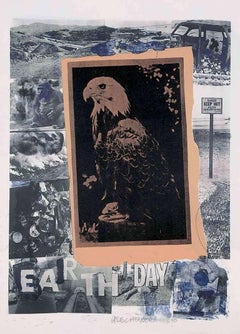
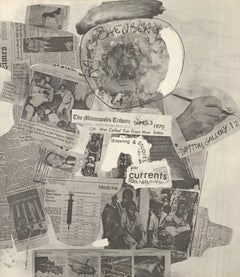
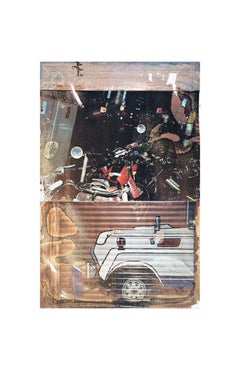
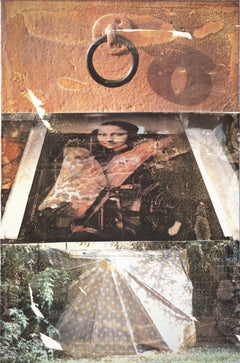
Robert Rauschenberg was one of the preeminent American artists of the 20th century, occupying a singular position that straddled the Abstract Expressionist and Pop art movements, drawing on key elements of each. An artistic polymath equally adept at painting, collage and silkscreening, Rauschenberg is best known for for the complex assemblages of found objects he termed “combines.”
Rauschenberg was born in Port Arthur, Texas, in 1925. He first began to seriously consider a career in art in 1947, while serving in the U.S. Marines. After leaving the service, he briefly studied art in Paris with support from the G.I. Bill, then moved to North Carolina to attend Black Mountain College, home to a flourishing cross-disciplinary art community. Among his peers there were choreographer Merce Cunningham and composer John Cage, both of whom became friends and artistic collaborators.
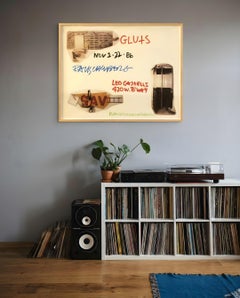
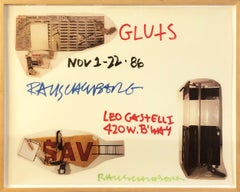
Relocating to New York in the mid-1950s, Rauschenberg was initially put off by what he perceived as the self-seriousness of the adherents of Abstract Expressionism, then the dominant movement in the New York art world. Like Andy Warhol and Roy Lichtenstein, Rauschenberg was drawn to the visual landscape of popular culture and mined its imagery for inspiration. He used unorthodox materials like house paint and tried novel techniques in his studio like running paper over with a car whose wheels he had inked. Shortly after his inaugural solo exhibition at Leo Castelli Gallery, which featured paintings and drawings, he pivoted to a new format, creating his first found-object combines, which became his signature. The most famous of these is the 1959 Monogram in which a taxidermied goat is surrounded by a car tire, recalling the way a person’s initials are interwoven in the design referred to by the title.
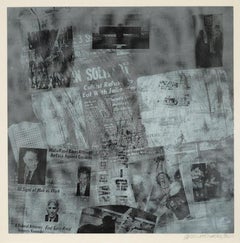
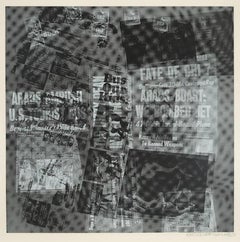
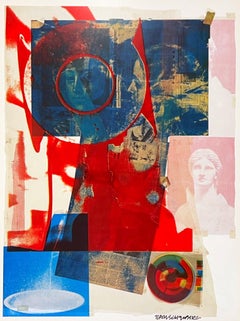
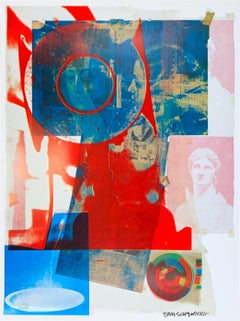
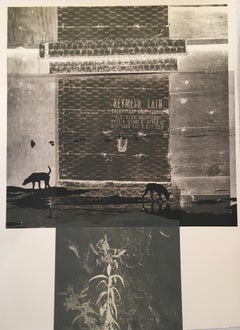
Later in the 1960s, Rauschenberg turned his attention to silkscreening, creating prints that feature iconic figures of the day, very much in line with the style and content of Pop art. One such work, 1965's Core, which was created to commemorate the Congress of Racial Equality, combines photographs of President Kennedy, an unidentified Native American man, and a statue of a Civil War soldier with images of highways, amusement parks, street signs, and other features of the built environment. A circular color-test wheel sits at the composition’s formal core, reflecting the work’s commentary on race and ethnicity.
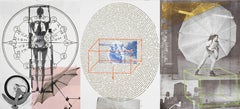
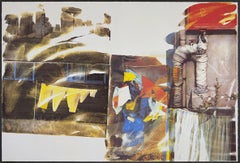
Throughout the 1960s and ‘70s, Rauschenberg experimented with printing on unusual materials, such as Plexiglas, clothing and aluminum. Venturing even further afield, he created performance works, such as his 1963 choreographed piece “Pelican” and the 1966 film Open Score. In 1998, the Guggenheim Museum presented a large and comprehensive retrospective of Rauschenberg’s work, highlighting his influence on American art in the second half of the 20th century.
Find original Robert Rauschenberg art for sale on 1stDibs.