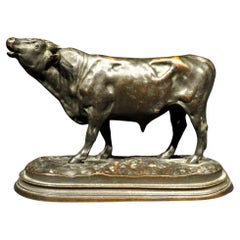
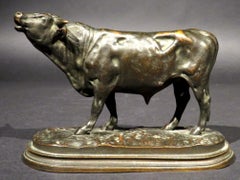
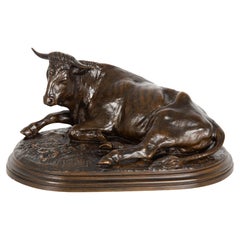
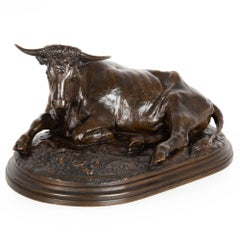
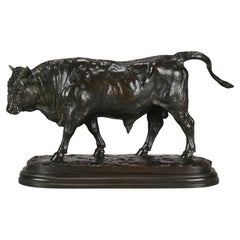
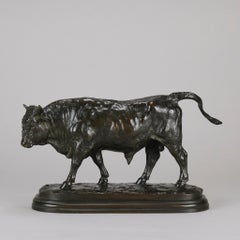
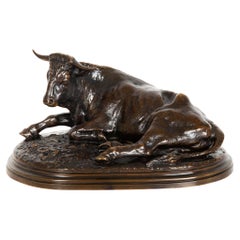
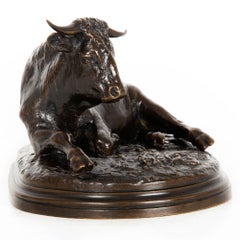
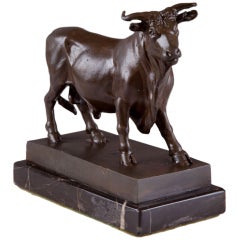
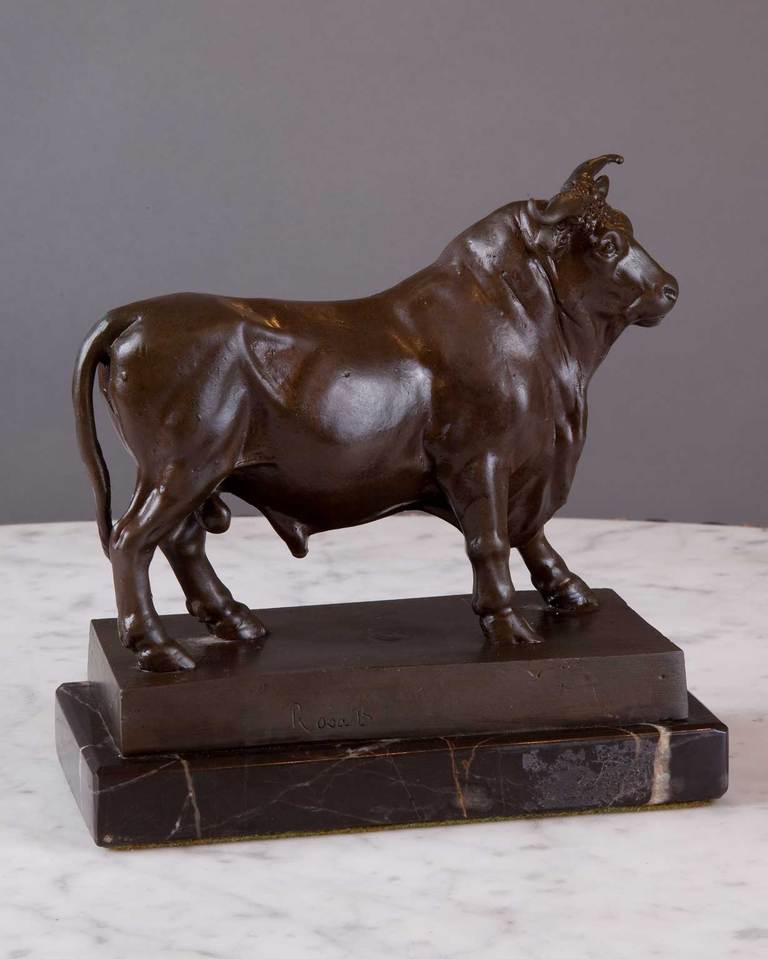
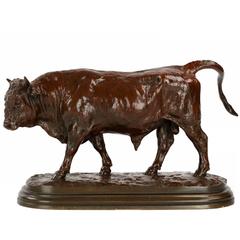
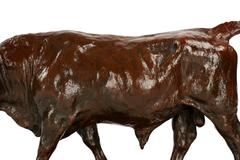
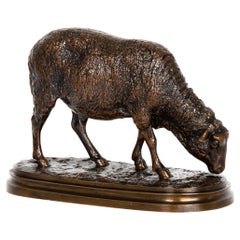
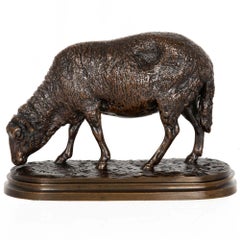
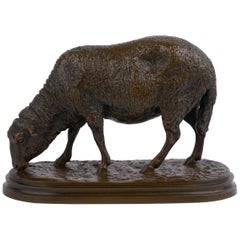
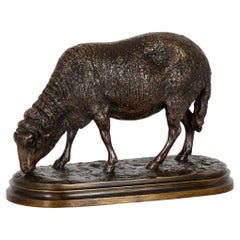
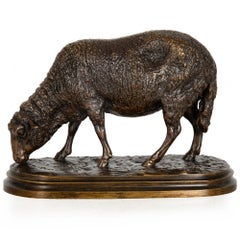
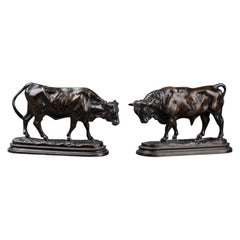
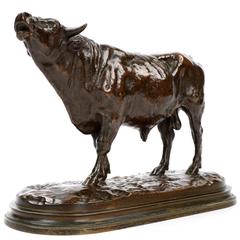
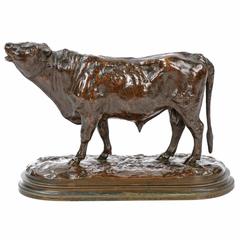
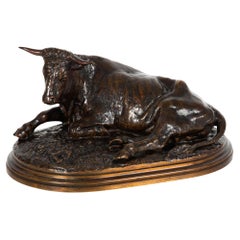
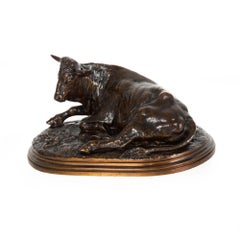
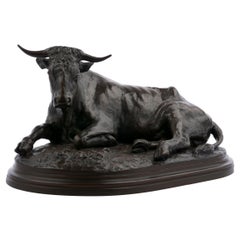
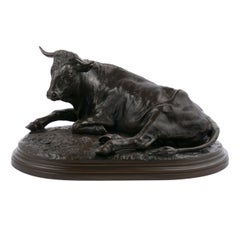
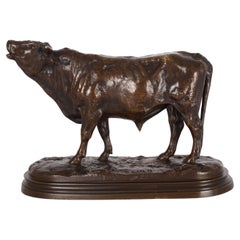
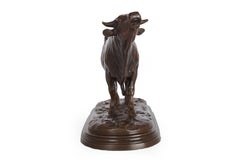
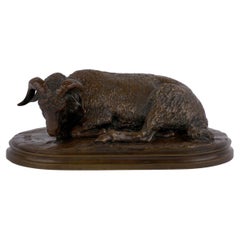
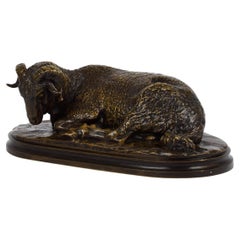
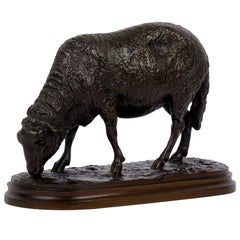
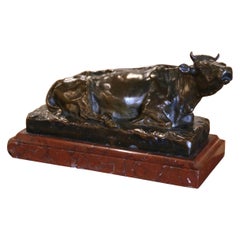
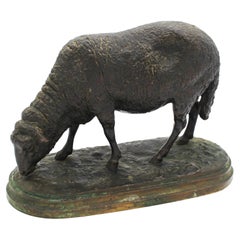
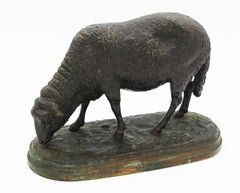
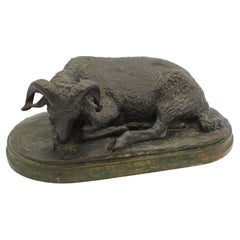
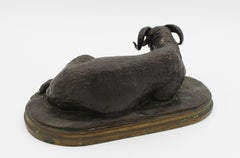
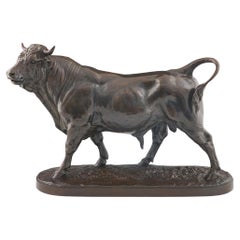
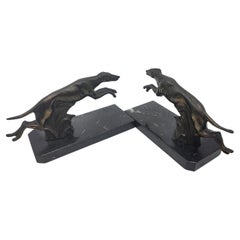
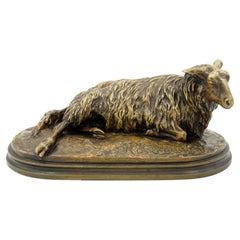
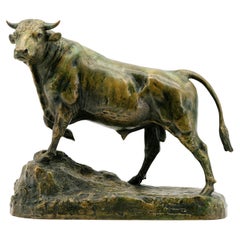
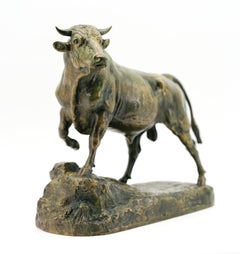
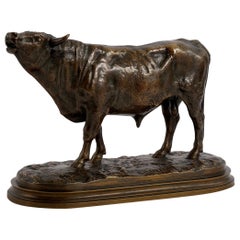
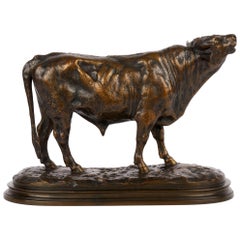
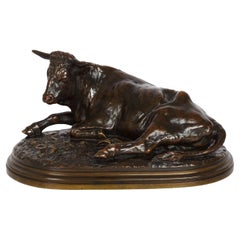
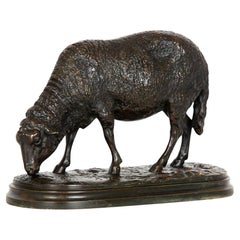
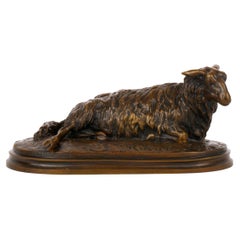
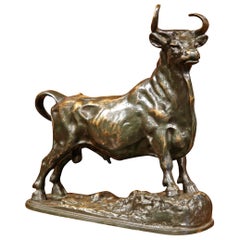
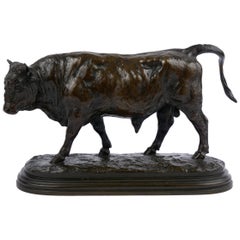
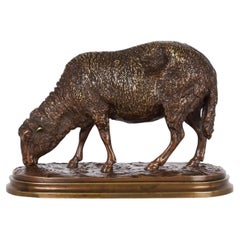
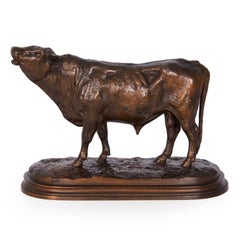
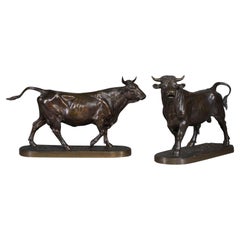
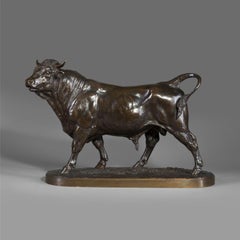
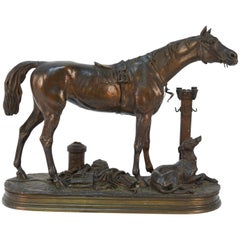
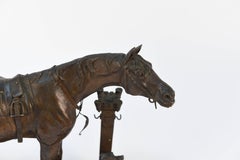
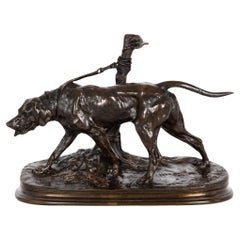
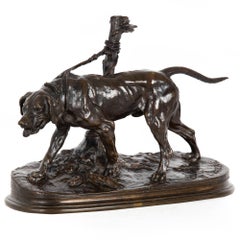
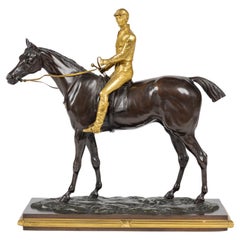
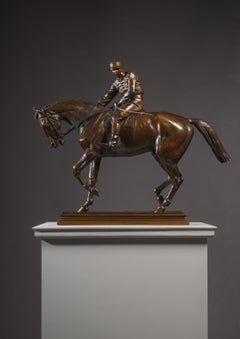
Choose from an assortment of styles, material and more in our collection of rosa bonheur bronze on 1stDibs. Was constructed with extraordinary care, often using
bronze and
metal. A piece of rosa bonheur bronze, designed in the style, is generally a popular piece of furniture.
A piece of rosa bonheur bronze can differ in price owing to various characteristics — the average selling price 1stDibs is $3,500, while the lowest priced sells for $2,945 and the highest can go for as much as $12,000.
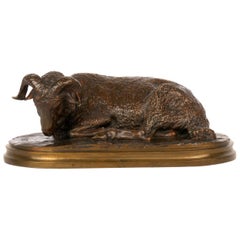
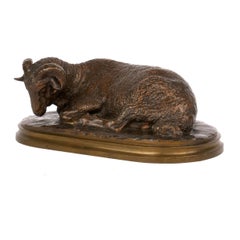
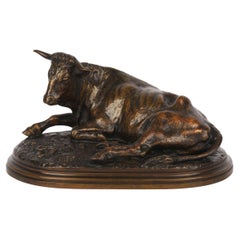
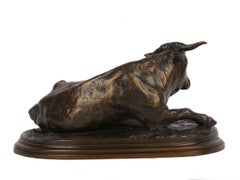
Rosa Bonheur was among the most accomplished female painters of the 19th century, a time when women were typically not encouraged to pursue fine arts as a profession. Bonheur never married and lived openly as a lesbian. She is remembered for her realist animal paintings and highly detailed bronze animal sculptures.
Bonheur was born in Bordeaux, France, in 1822. Her mother died when she was just 11. Her father, a painter, believed in female education and supported her artistic pursuits. He oversaw Bonheur’s painting education after her unsuccessful apprenticeship as a seamstress.
Bonheur rose to prominence relatively early in her career. In 1848, the French government commissioned a piece for an exhibition at the Paris Salon. The resulting painting, Ploughing in the Nivernais, is today in the collections of the Musée d’Orsay in Paris. Around this time, she began a relationship with fellow artist Nathalie Micas. The pair remained together for the rest of Micas’s life.
Bonheur’s most famous painting, The Horse Fair, was exhibited at the Paris Salon in 1853 and completed in 1855. It is a depiction of the horse market, where Bonheur went twice a week for a year and a half to work on her sketches. She applied for a police permit to wear men’s clothing for comfort and to dissuade attention. The painting, which measures eight feet across, is in the collections of the Metropolitan Museum of Art in New York.
In 1855, Bonheur’s art dealer introduced her work to the United Kingdom, where her art proved even more popular than in her home country. Her financial success allowed her to move to a large property near Fontainebleau, France, in 1859, where she lived for the rest of her life. It has since been renamed Château de Rosa Bonheur and includes a museum dedicated to her work.
Bonheur was awarded the decoration of the French Legion of Honour in 1865 and was promoted to Officer of the Order in 1894, becoming the first female artist to receive the honor. In 1893, she exhibited at the World’s Columbian Exposition in Chicago.
Bonheur died in 1899 at the age of 77. She was buried in Père Lachaise Cemetery next to Nathalie Micas.
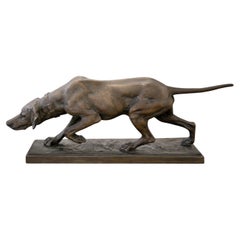
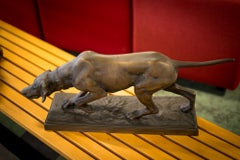
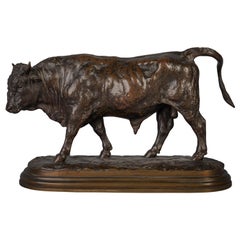
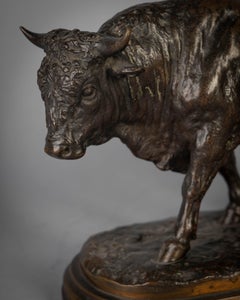
On 1stDibs, find a collection of Rosa Bonheur’s sculptures.
Invite the untamed wonders of the animal kingdom into your home — and do so safely — with the antique, new and vintage animal sculptures available on 1stDibs.
Artists working in every medium from furniture design to jewelry to painting have found inspiration in wild animals over the years. For sculptors, three-dimensional animal renderings — both realistic and symbolic — crisscross history and continents. In as early as 210 B.C., intricately detailed terracotta horses guarded early Chinese tombs, while North America’s native Inuit tribes living in the ice-covered Arctic during the 1800’s wore small animal figurines carved from walrus ivory. Indeed, animal sculpture has a long history, and beginning in the 19th century, the art form started becoming not only fashionable but artistically validated — a trend that continues today. At home, animal sculptures — polished bronze rhinos crafted in the Art Deco style or ceramic dogs of the mid-century modern era — can introduce both playfulness and drama to your decor.
In the case of the frosted glass sculptures crafted by artisans at legendary French glassmaker Lalique, founded by jeweler and glass artist René Lalique, some animal sculptures are purely decorative. With their meticulously groomed horse manes and detailed contours of their parakeet feathers, these creatures want to be proudly displayed. Adding animal sculptures to your bookcases can draw attention to your covetable collection of vintage monographs, while side tables and wall shelving also make great habitats for these ornamental animal figurines.
Some sculptures, however, can find suitable nests in just about any corner of your space. Whimsical brass flamingos or the violent, realist bronze lions created by Parisian sculptor Antoine-Louis Barye are provocative and versatile pieces that can rest on windowsills or your desk. Otherwise, the brass cat shoehorns and bronze porcupine ashtrays designed by Viennese artist Walter Bosse are no longer roaming aimlessly throughout your living room, as they’ve found a purpose to serve.
Embark on your safari today and find a fascinating collection of vintage, modern and antique animal sculptures on 1stDibs.