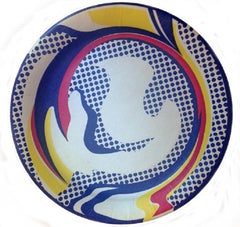
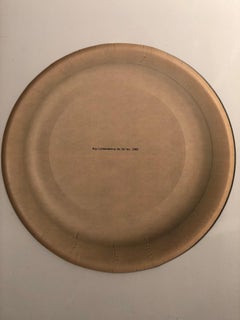
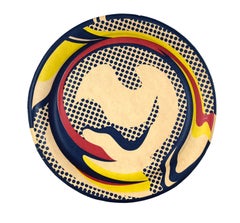
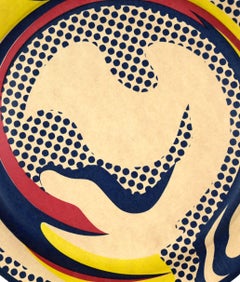
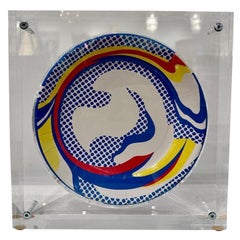
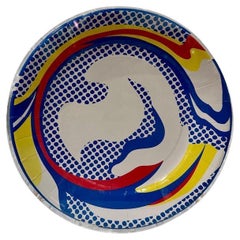
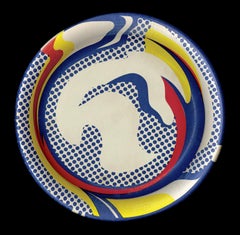
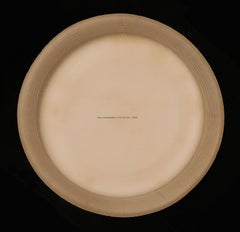
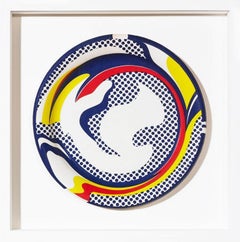
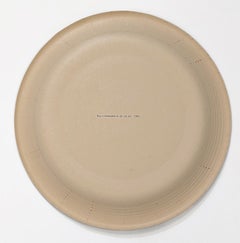
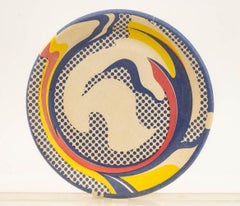
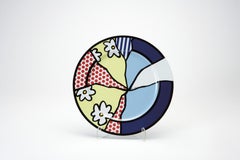
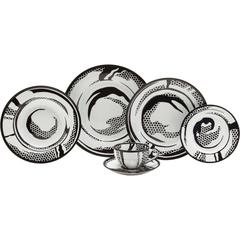
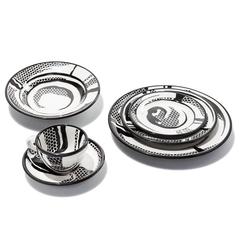
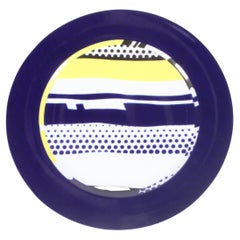
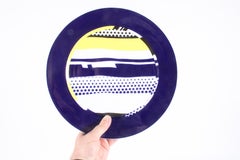
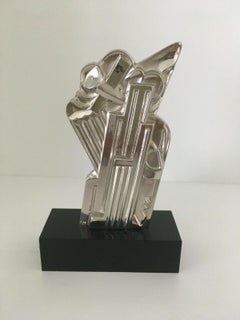
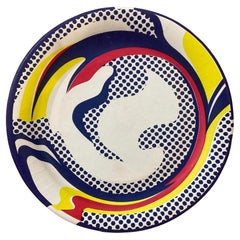
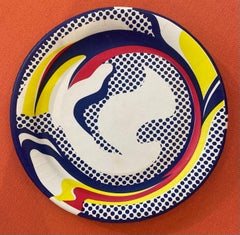
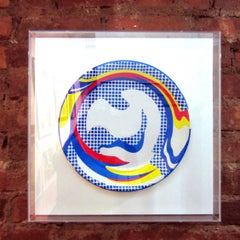
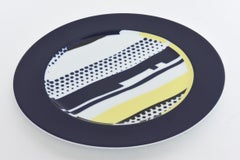
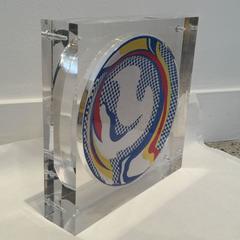
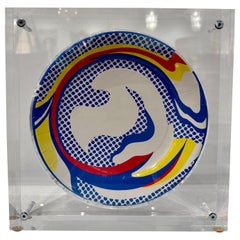
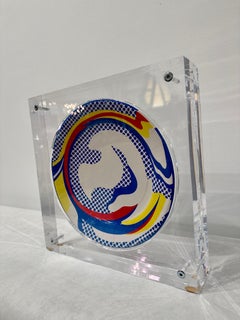
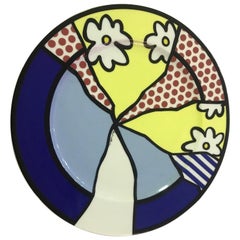
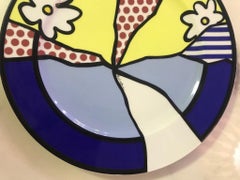
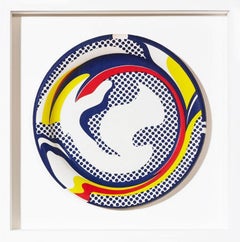
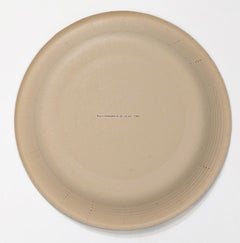
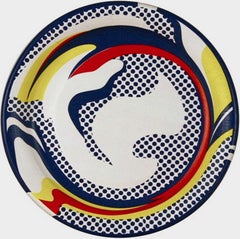
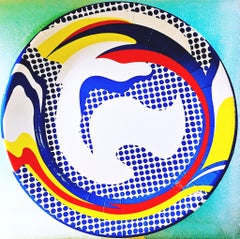
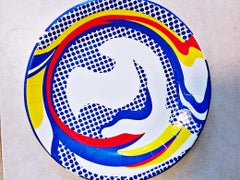
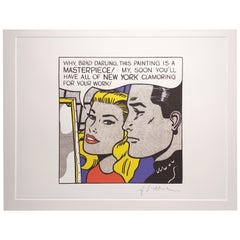
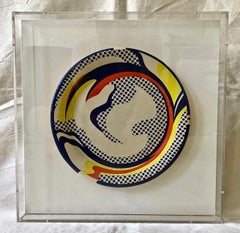
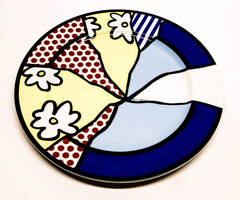
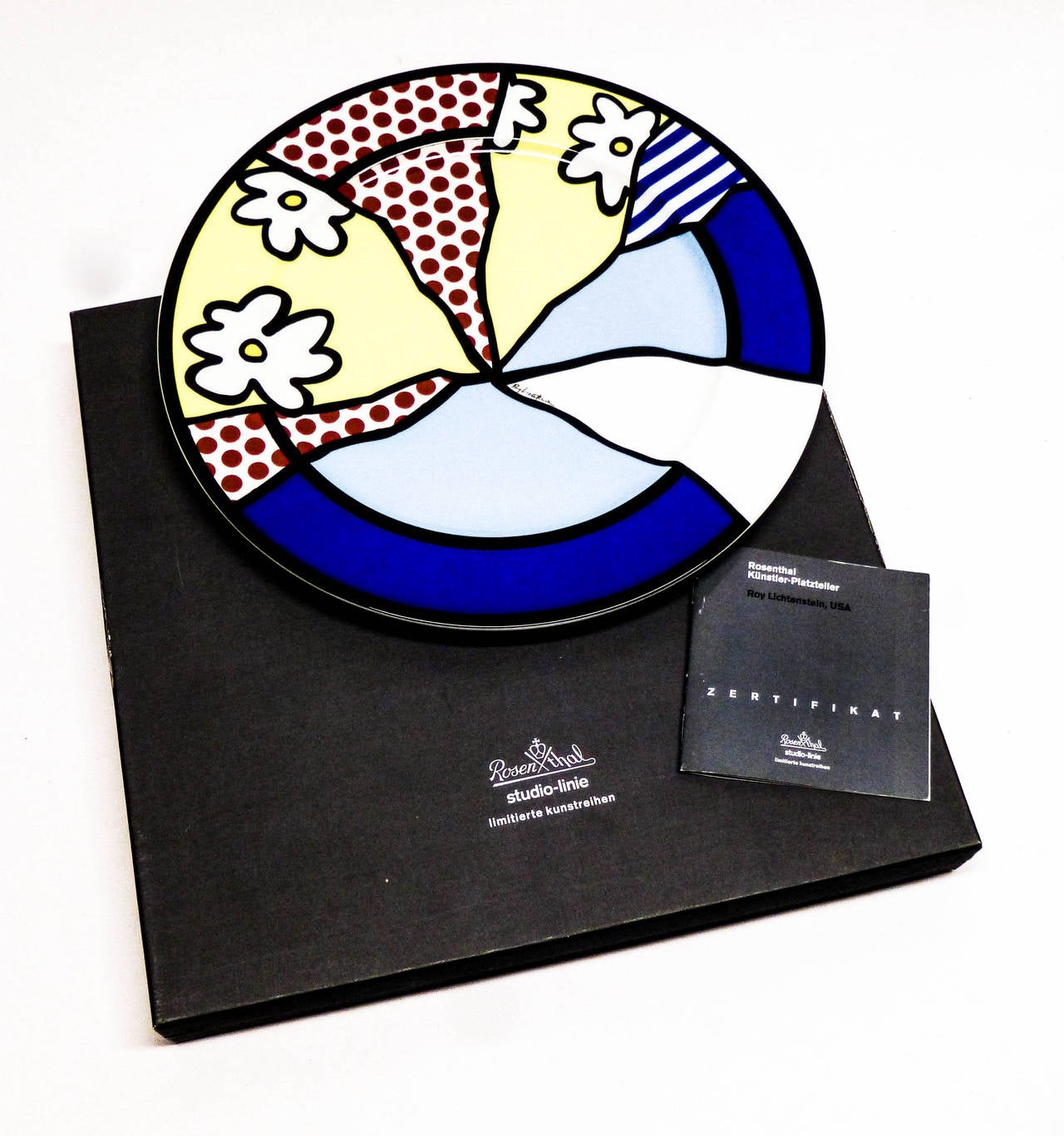
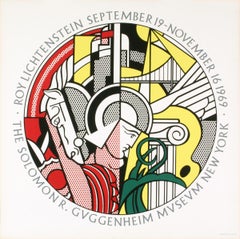
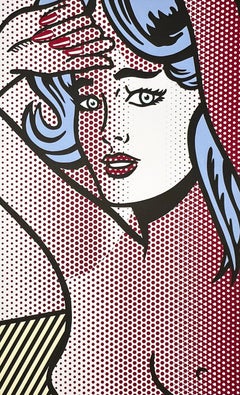
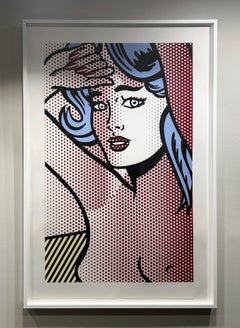
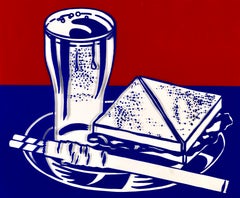
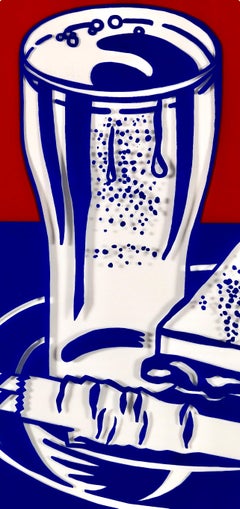
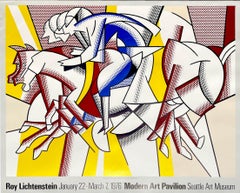
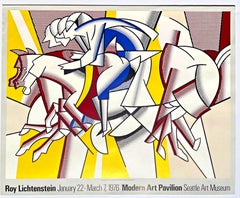
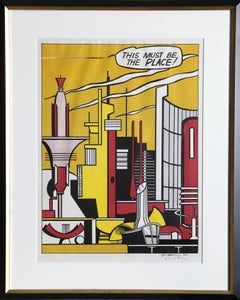
Surely you’ll find the exact roy lichtenstein plate you’re seeking on 1stDibs — we’ve got a vast assortment for sale. In our selection of items, you can find
Pop Art examples as well as a
Abstract version. Making the right choice when shopping for a roy lichtenstein plate may mean carefully reviewing examples of this item dating from different eras — you can find an early iteration of this piece from the 20th Century and a newer version made as recently as the 21st Century. Adding a roy lichtenstein plate to a room that is mostly decorated in warm neutral tones can yield a welcome change — find a piece on 1stDibs that incorporates elements of
beige,
brown,
gold,
gray and more. Finding an appealing roy lichtenstein plate — no matter the origin — is easy, but
Roy Lichtenstein each produced popular versions that are worth a look. Artworks like these of any era or style can make for thoughtful decor in any space, but a selection from our variety of those made in
screen print,
bronze and
ceramic can add an especially memorable touch.
The price for an artwork of this kind can differ depending upon size, time period and other attributes — a roy lichtenstein plate in our inventory may begin at $265 and can go as high as $11,500, while the average can fetch as much as $990.
Roy Lichtenstein is one of the principal figures of the American Pop art movement, along with Andy Warhol, James Rosenquist, Claes Oldenburg and Robert Rauschenberg.
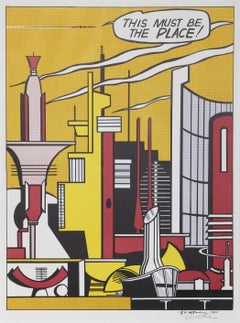
Drawing inspiration from comic strips, Lichtenstein appropriated techniques commercial printing in his paintings, introducing a vernacular sensibility to the visual landscape of contemporary art. He employed visual elements such as the halftone dots that comprise a printed image, and a comic-inspired use of primary colors gave his paintings their signature “Pop” palette.
Born and raised in New York City, Lichtenstein enjoyed Manhattan’s myriad cultural offerings and comic books in equal measure. He began painting seriously as a teenager, studying watercolor painting at the Parsons School of Design in the late 1930s, and later at the Art Students League, where he worked with American realist painter Reginald Marsh. He began his undergraduate education at Ohio State University in 1940, and after a three-year stint in the United States Army during World War II, he completed his bachelor’s degree and then his master’s in fine arts. The roots of Lichtenstein’s interest in the convergence of high art and popular culture are evident even in his early years in Cleveland, where in the late 1940s, he taught at Ohio State, designed window displays for a department store and painted his own pieces.
Working at the height of the Abstract Expressionist movement in the 1950s, Lichtenstein deliberately eschewed the sort of painting that was held in high esteem by the art world and chose instead to explore the visual world of print advertising and comics. This gesture of recontextualizing a lowbrow image by importing it into a fine-art context would become a trademark of Lichtenstein’s artistic style, as well as a vehicle for his critique of the concept of good taste. His 1963 painting Whaam! confronts the viewer with an impact scene from a 1962-era issue of DC Comics’ All American Men of War. Isolated from its larger context, this image combines the playful lettering and brightly colored illustration of the original comic with a darker message about military conflict at the height of the Cold War. Crying Girl from the same year featured another of Lichtenstein’s motifs — a woman in distress, depicted with a mixture of drama and deadpan humor. His work gained a wider audience by creating a comic-inspired mural for the New York State Pavilion of the 1964 World's Fair, he went on to be represented by legendary New York gallerist Leo Castelli for 30 years.
In the 1970s and ’80s, Lichtenstein experimented with abstraction and began exploring basic elements of painting, as in this 1989 work Brushstroke Contest. In addition to paintings in which the brushstroke itself became the central subject, in 1984 he created a large-scale sculpture called Brushstrokes in Flight for the Port Columbus International Airport in Ohio. Still Life with Windmill from 1974 and the triptych Cow Going Abstract from 1982 both demonstrate a break from his earlier works where the subjects were derived from existing imagery. Here, Lichtenstein paints subjects more in line with the norms of art history — a pastoral scene and a still life — but he has translated their compositions into his signature graphic style, in which visual elements of printed comics are still a defining feature.
Lichtenstein’s work is represented in the collections of the Metropolitan Museum of Art, the Museum of Modern Art, Tate Modern, and many others. He was awarded National Medal of Arts in 1995, two years before he passed away.
Find a collection of Roy Lichtenstein prints, drawings and more on 1stDibs.