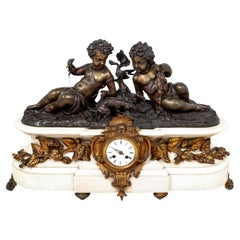
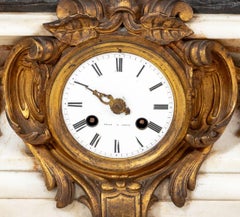
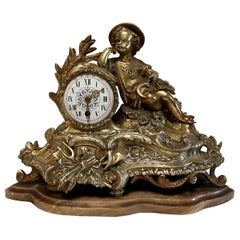
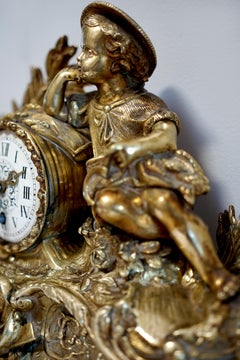
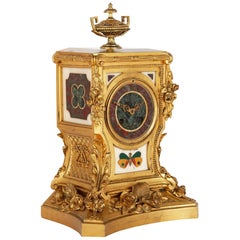
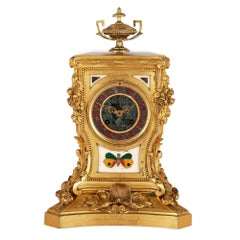
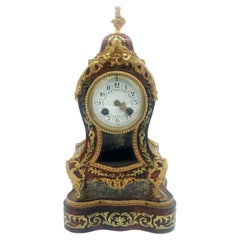
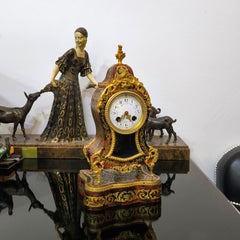
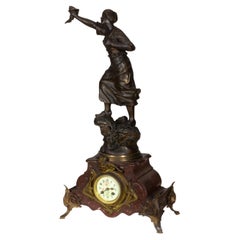
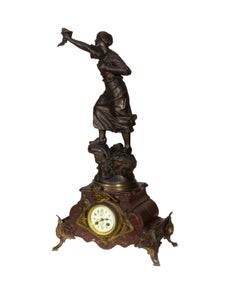
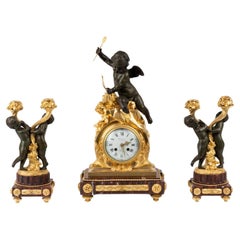
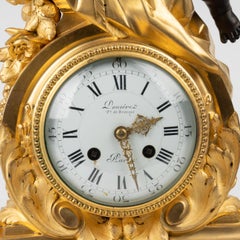
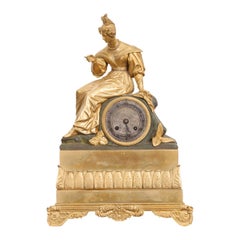
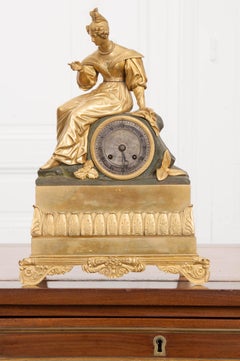
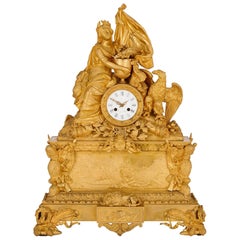
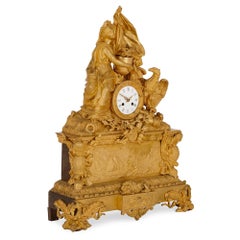
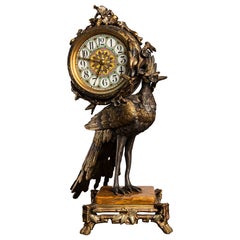
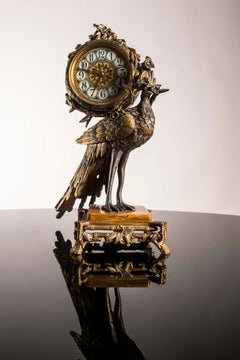
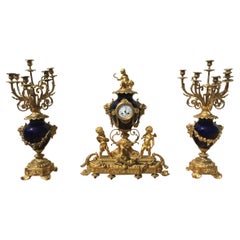
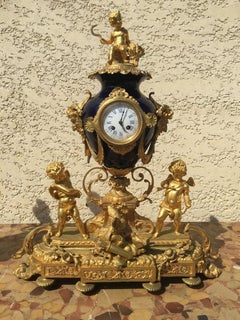
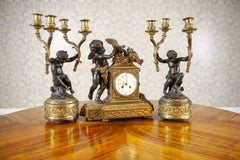
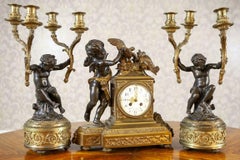
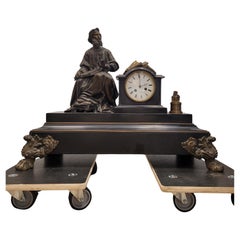
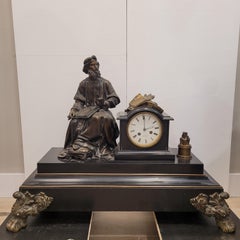
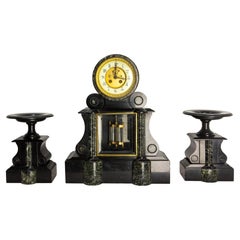
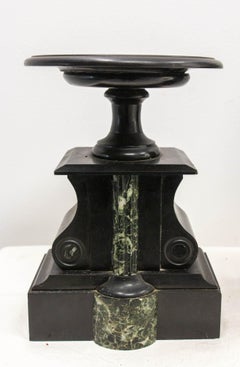
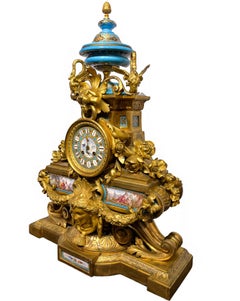
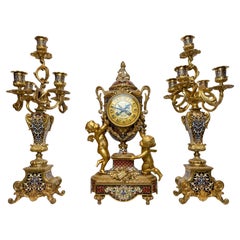
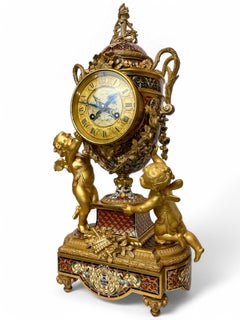
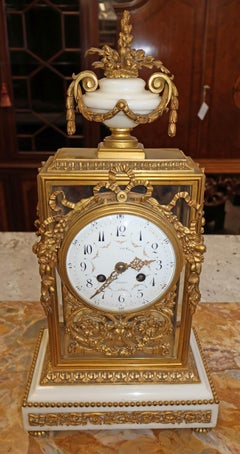
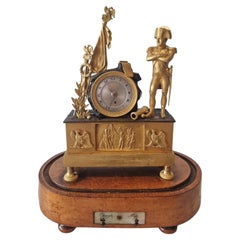
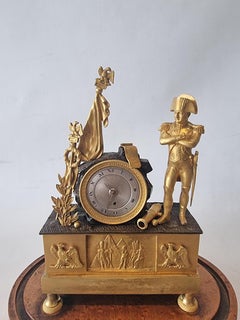
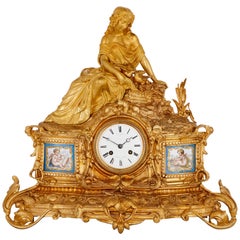
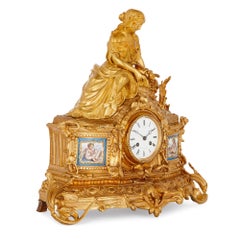
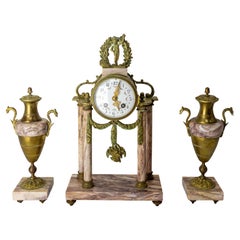
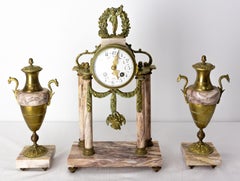
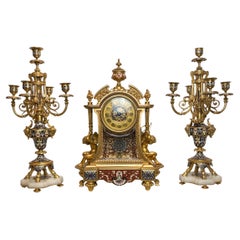
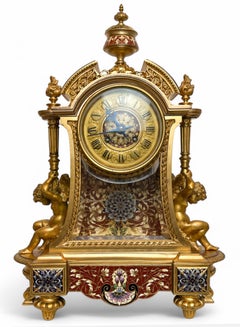
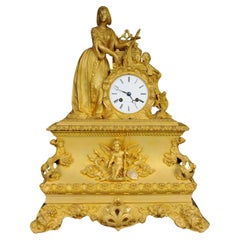
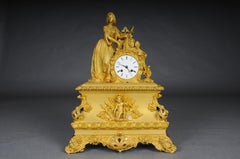
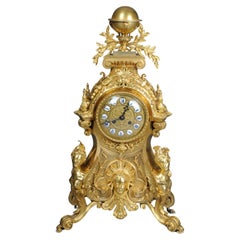
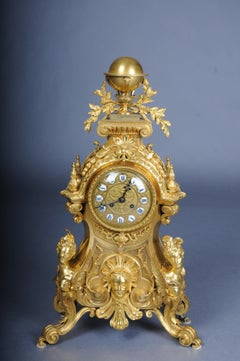
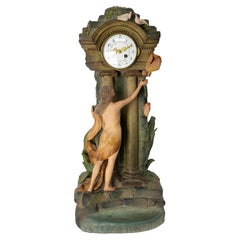
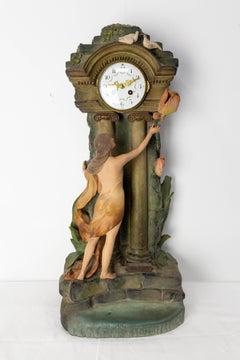
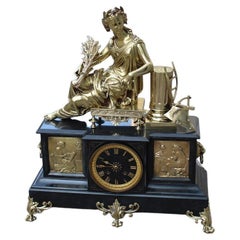
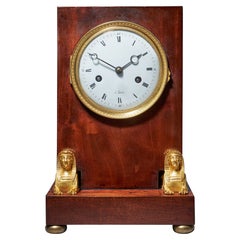
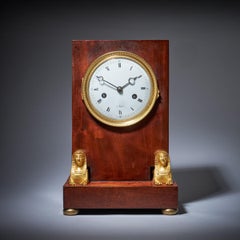
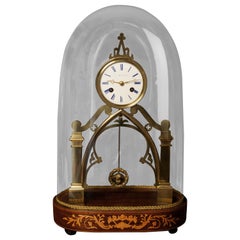
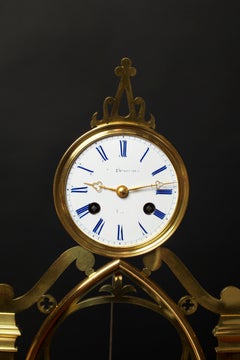
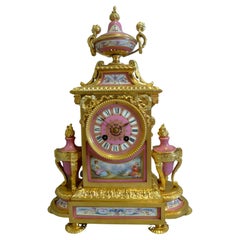
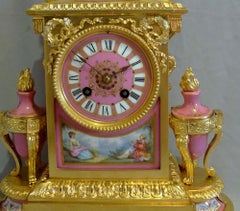
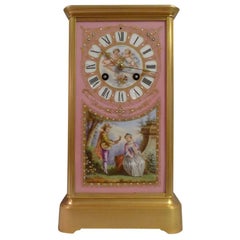
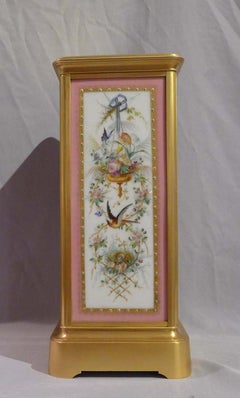
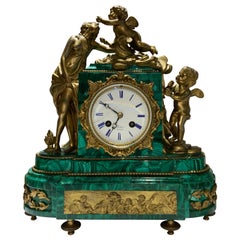
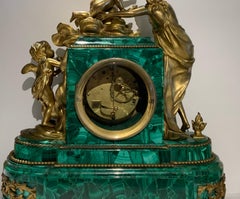
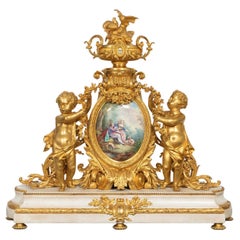
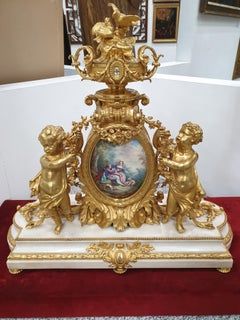
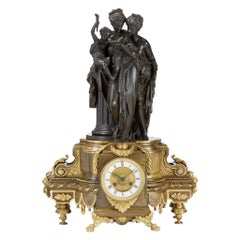
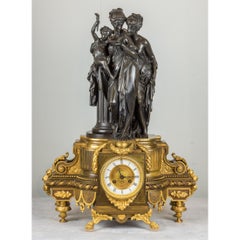
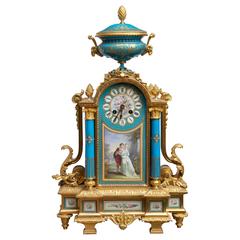
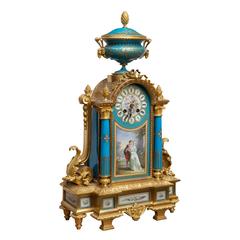
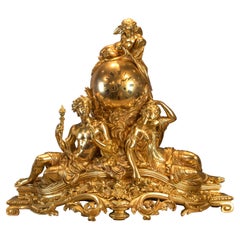
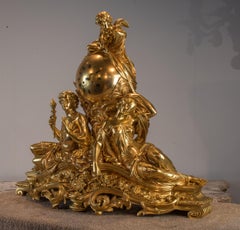
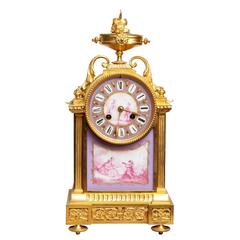
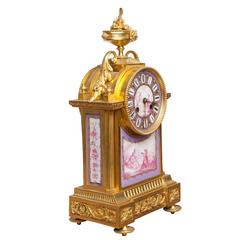
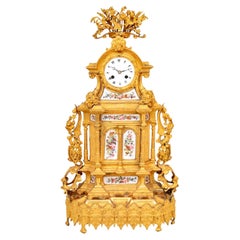
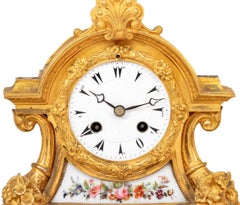
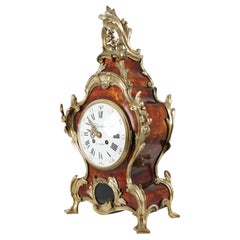
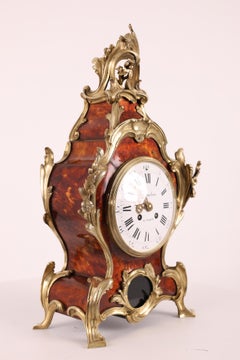
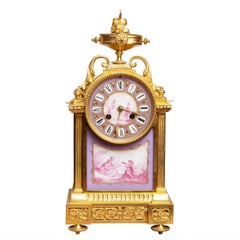
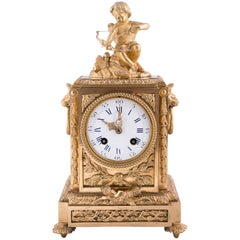
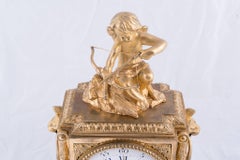
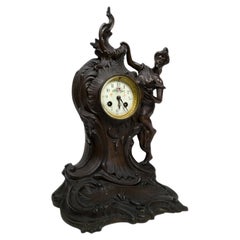
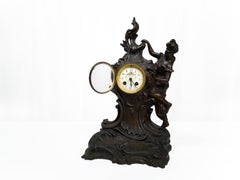
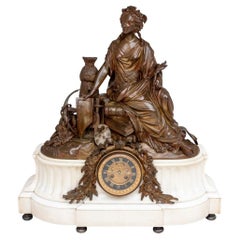
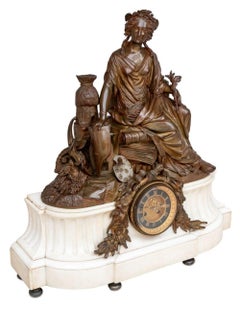
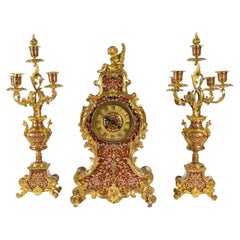
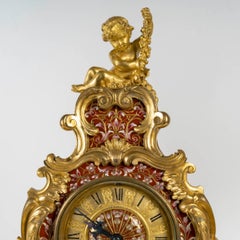
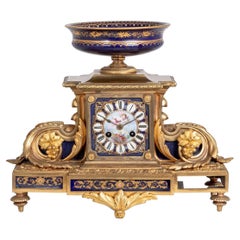
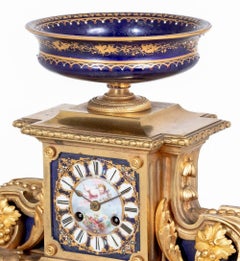
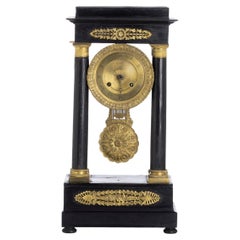
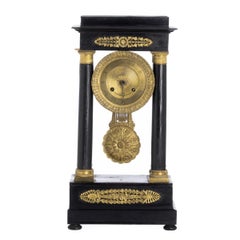
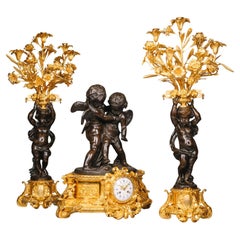
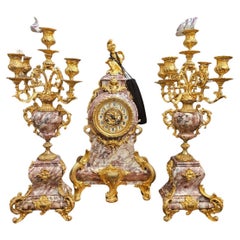
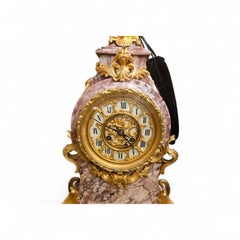
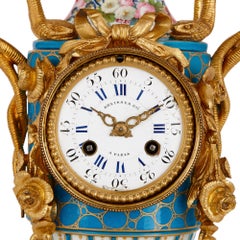
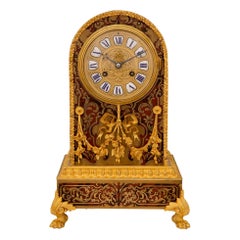
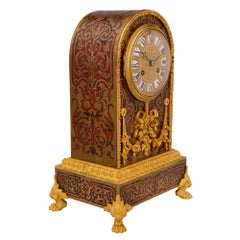
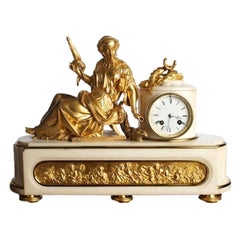
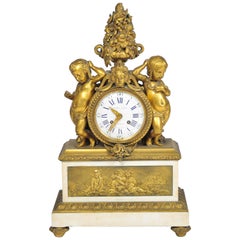
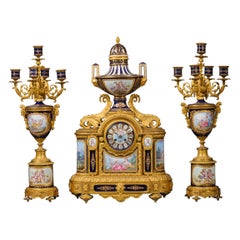
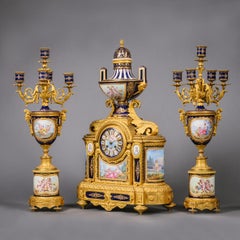
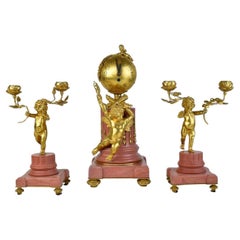
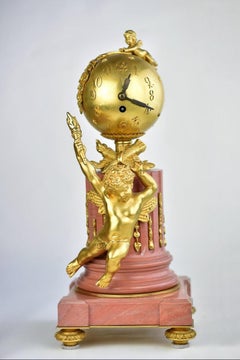
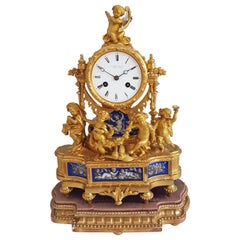
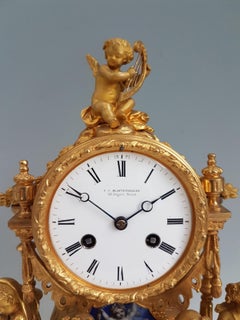
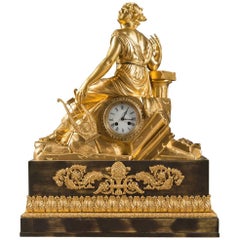
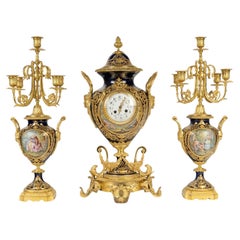
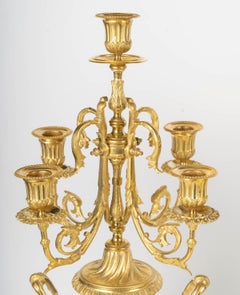
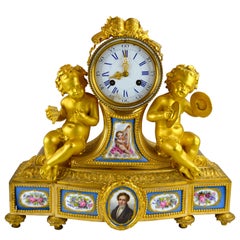
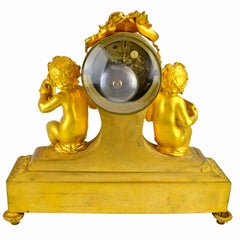
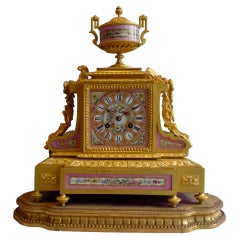
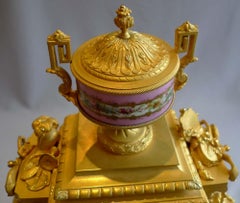
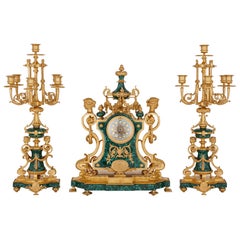
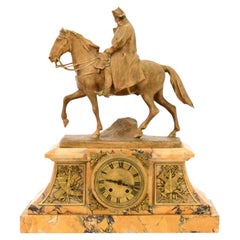
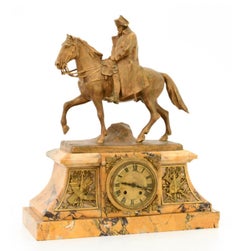
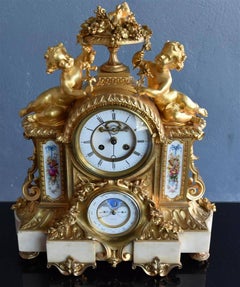
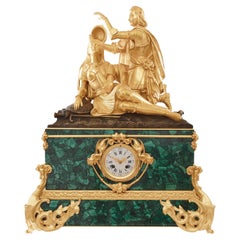
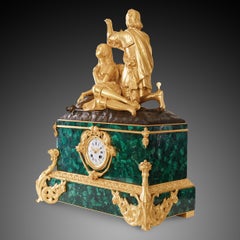
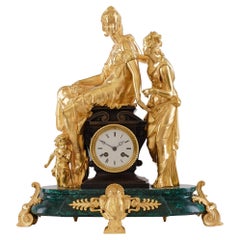
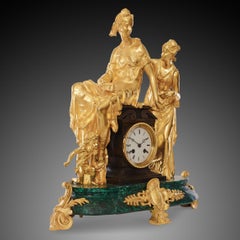
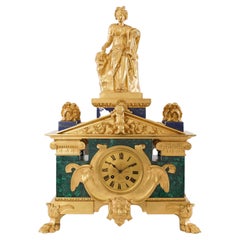
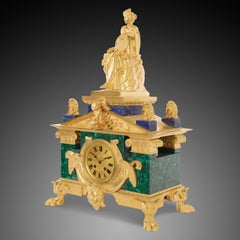
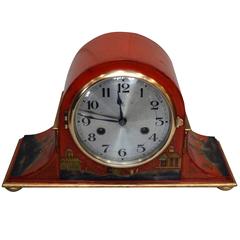
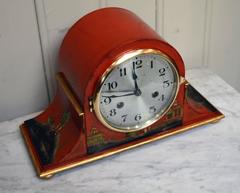
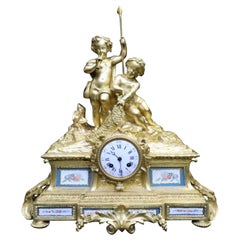
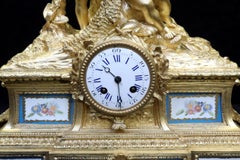
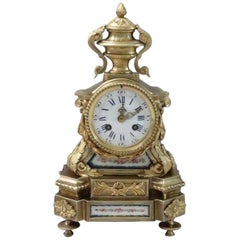
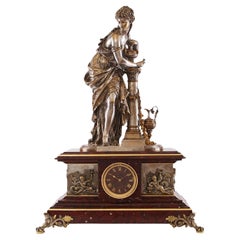
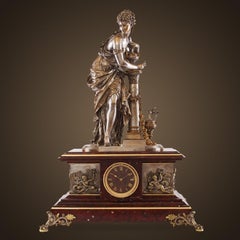
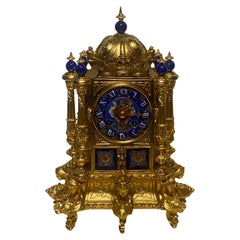
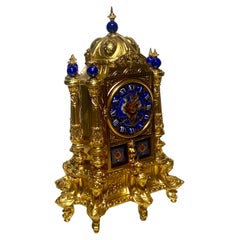
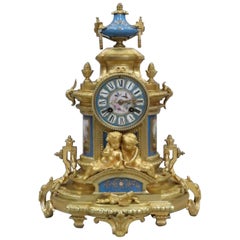
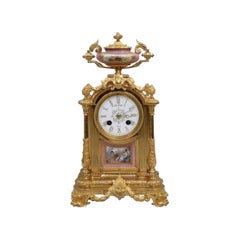
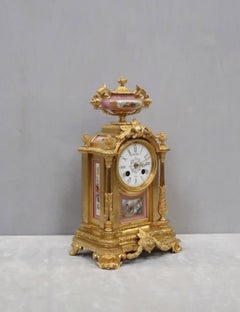
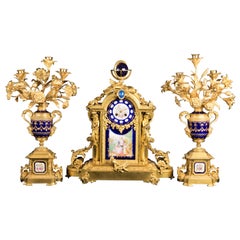
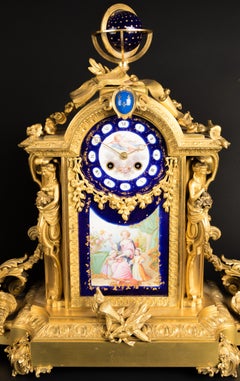
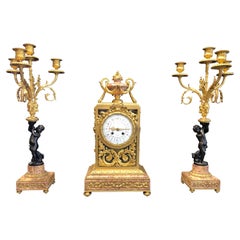
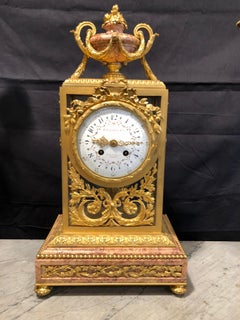
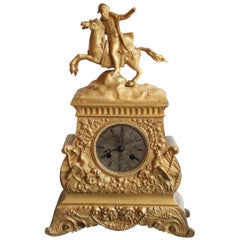
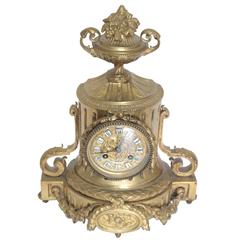
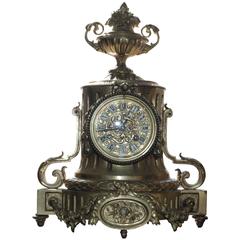
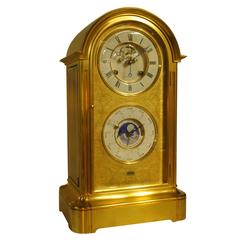
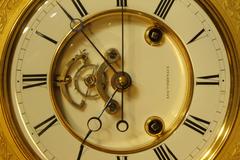
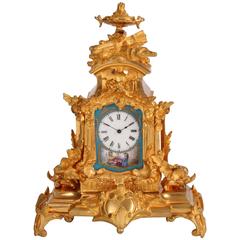
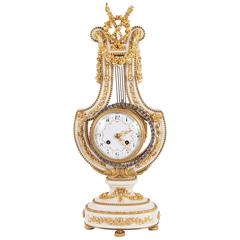
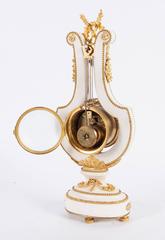
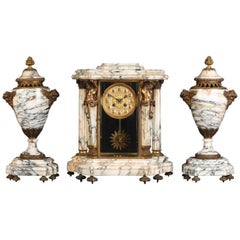
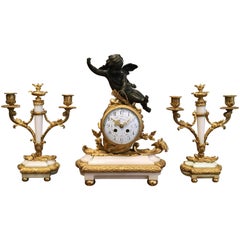
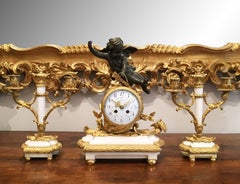
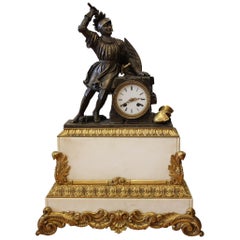
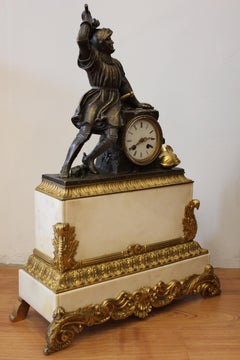
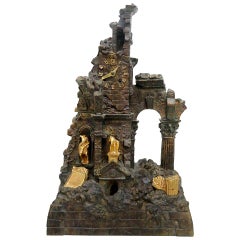
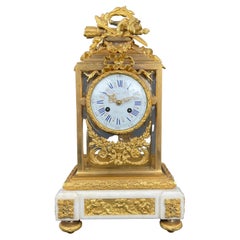
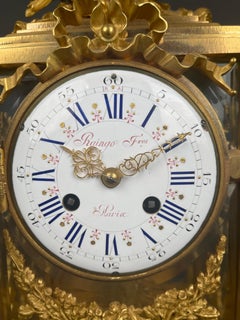
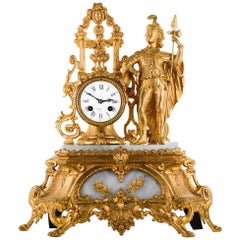
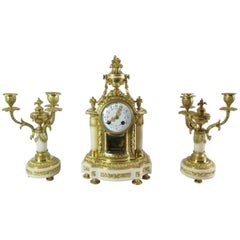
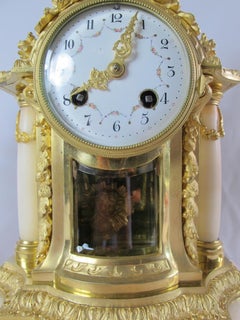
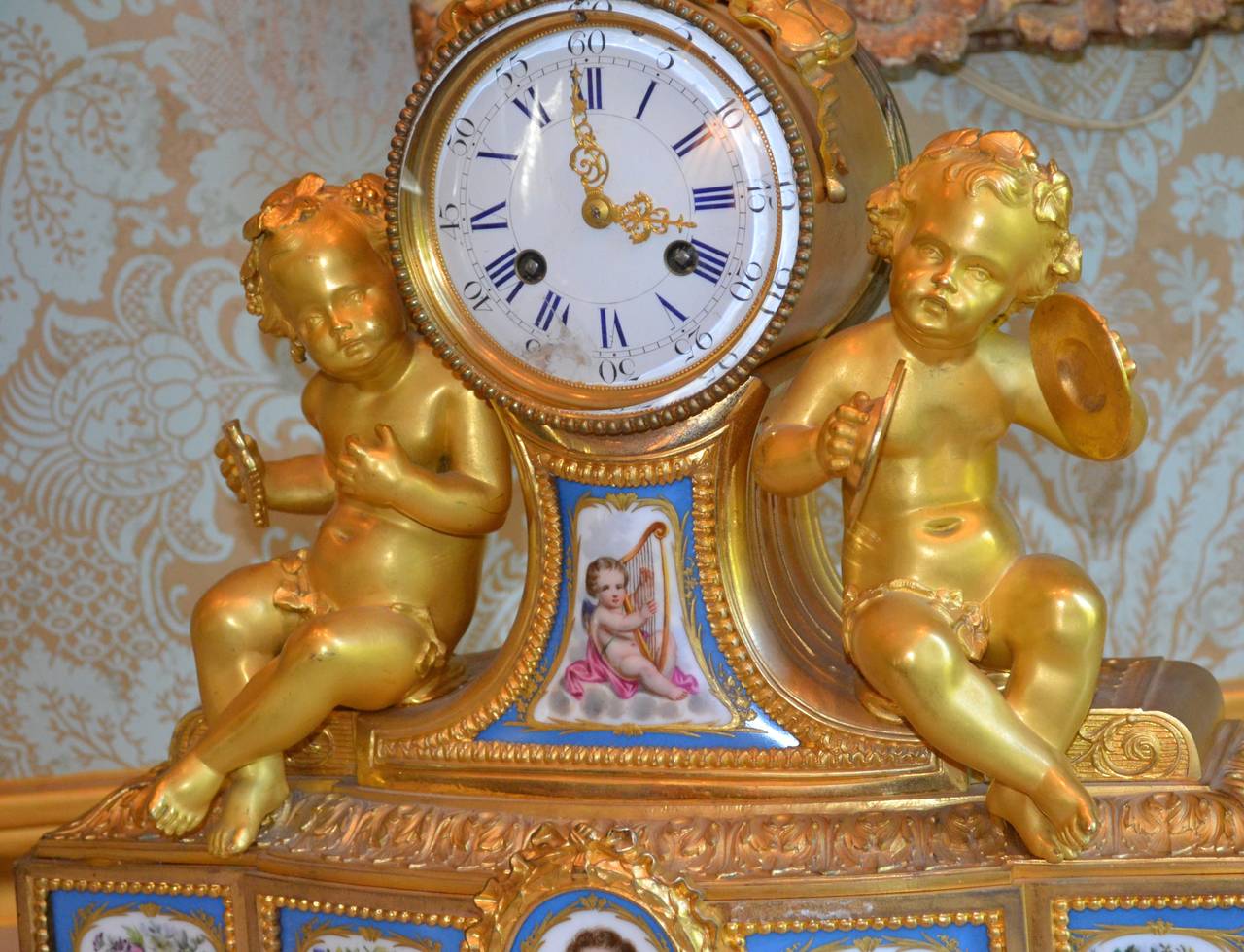
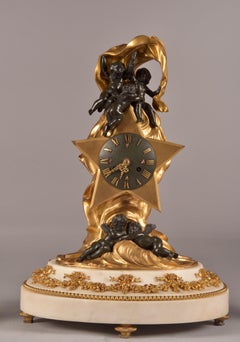
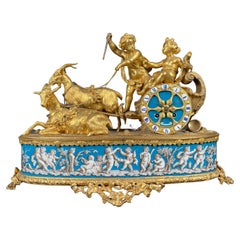
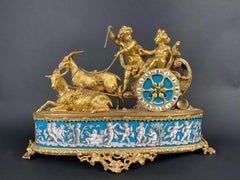
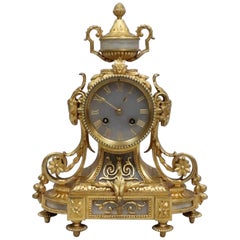
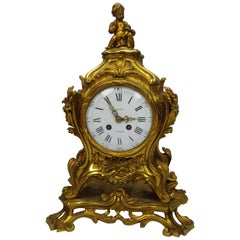
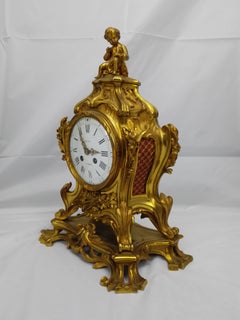
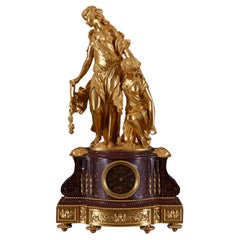
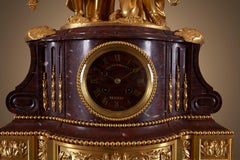
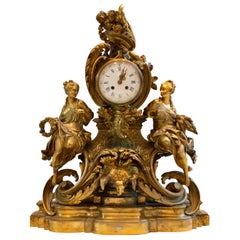
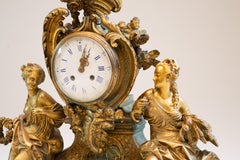
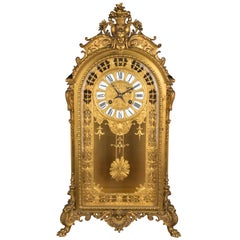
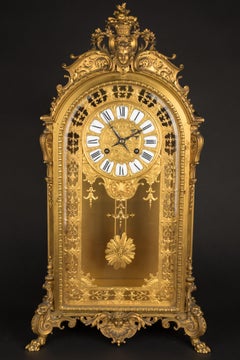
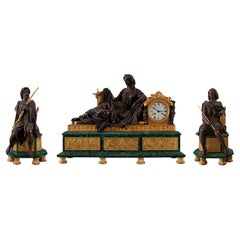
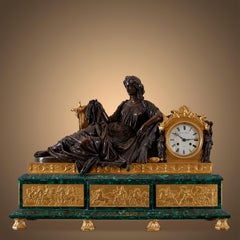
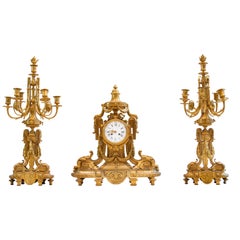
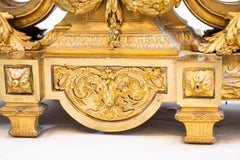
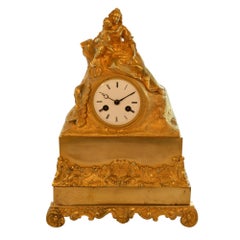
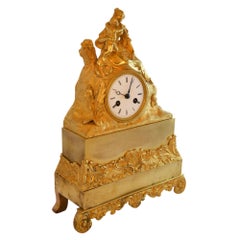
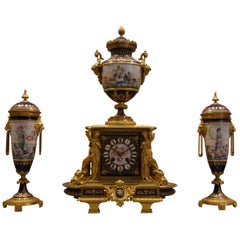
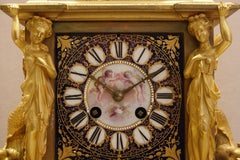
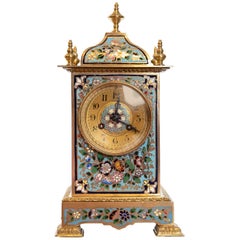
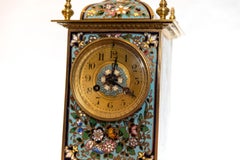
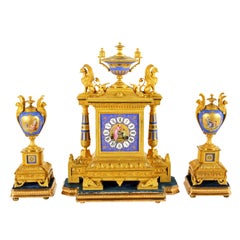
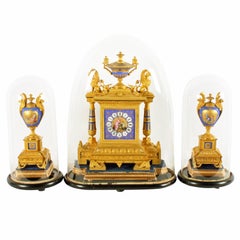
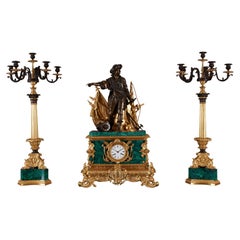
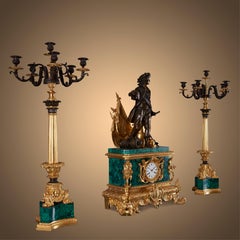
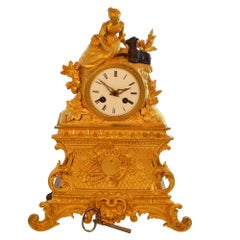
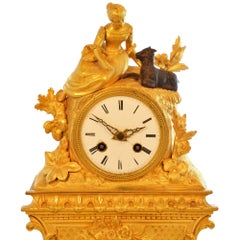
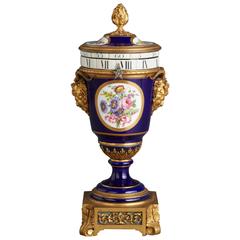
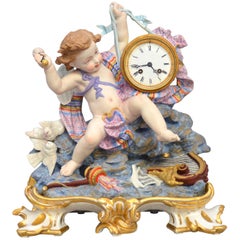
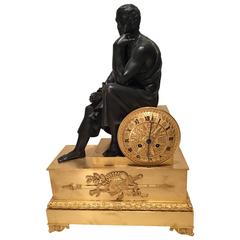
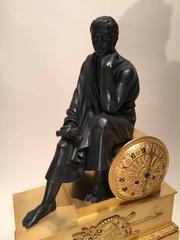
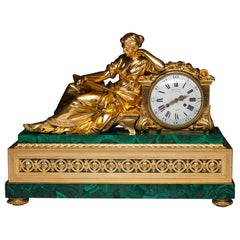
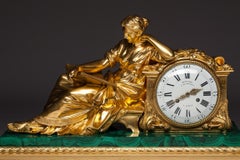
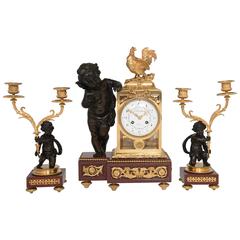
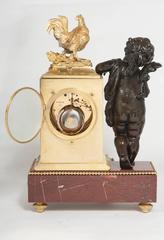
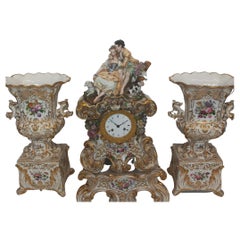
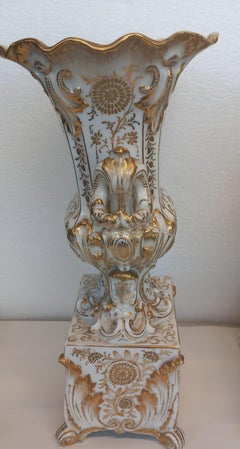
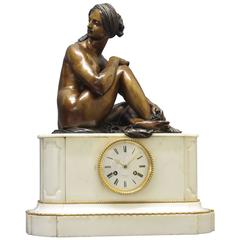
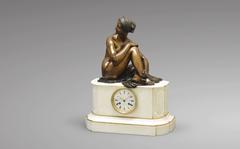
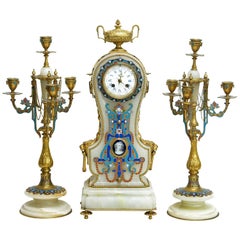
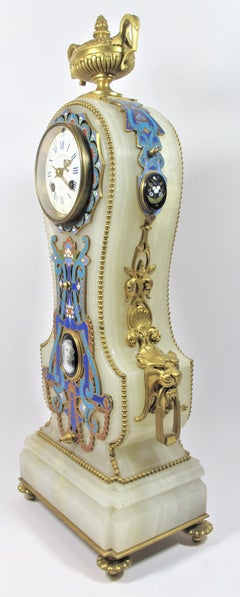
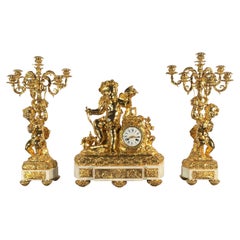
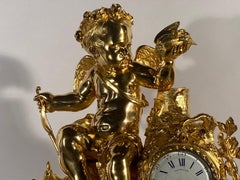
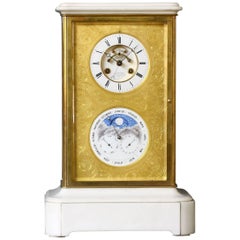
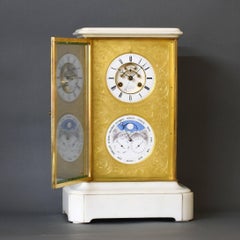
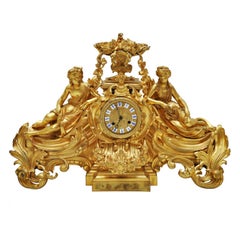
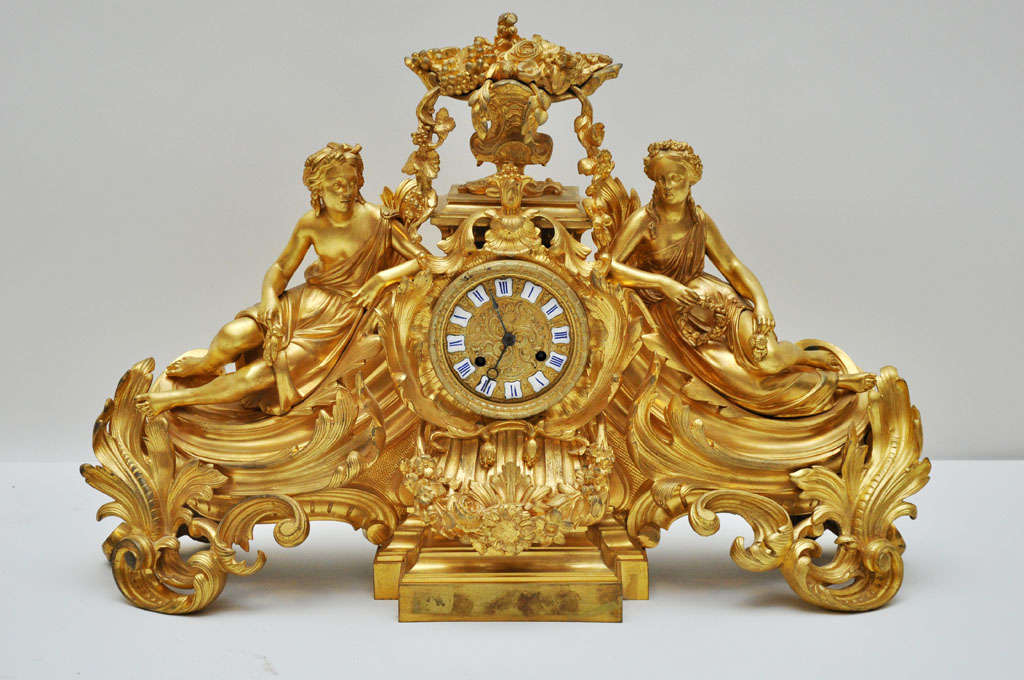
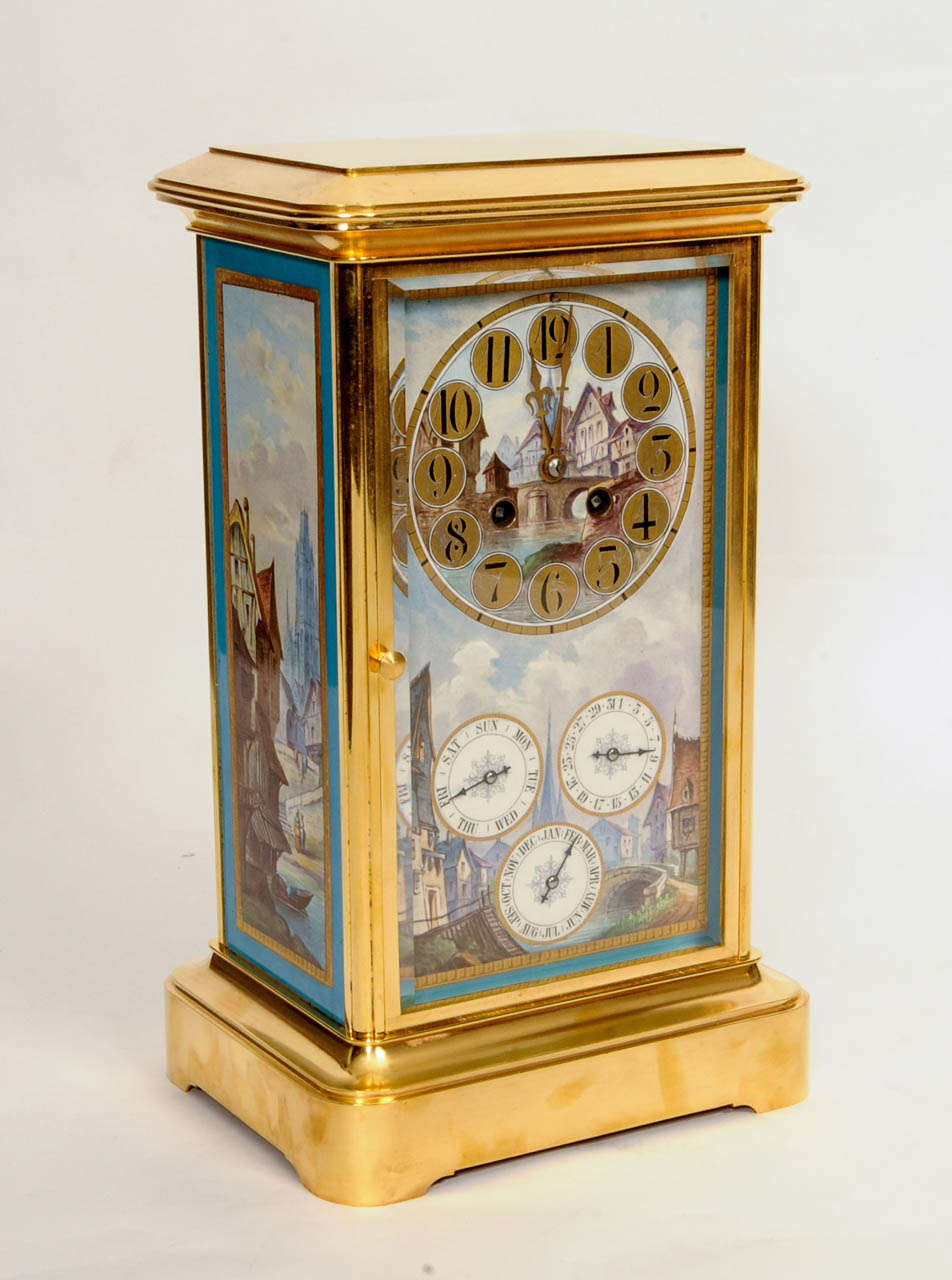
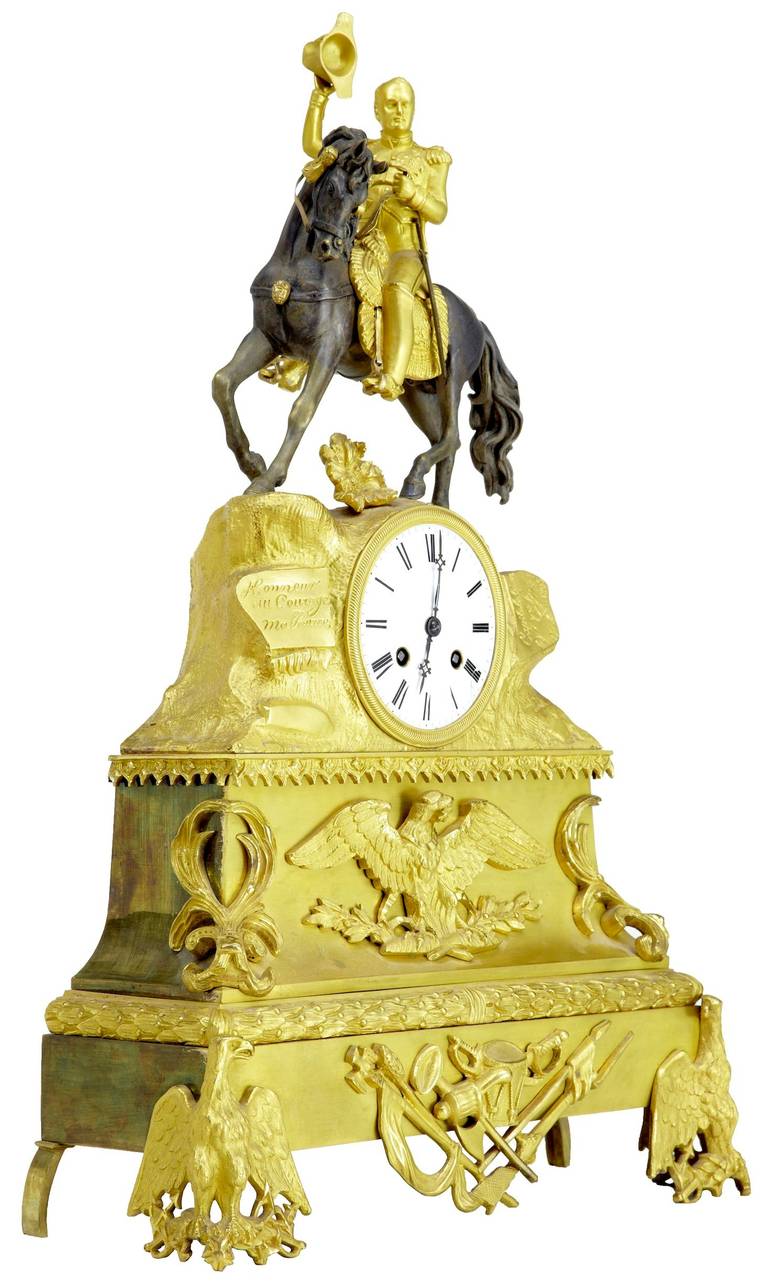
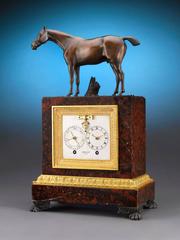
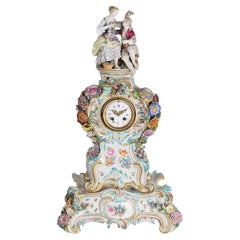
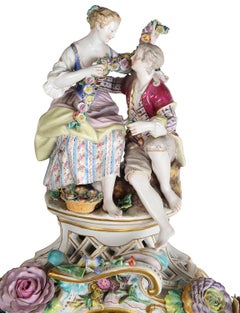
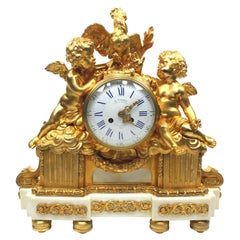
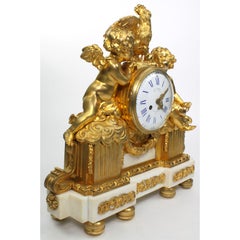
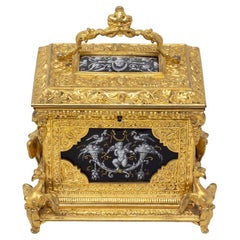
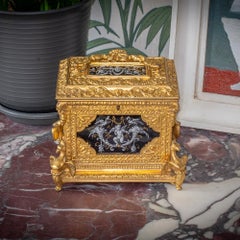
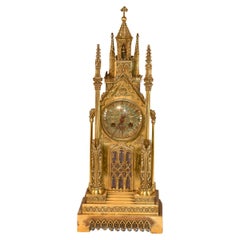
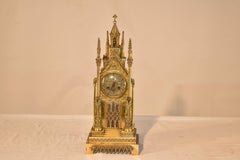
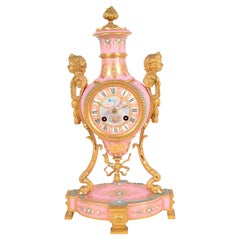
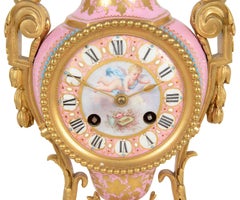
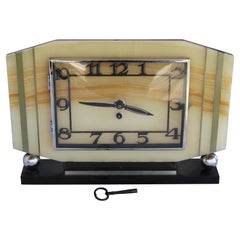
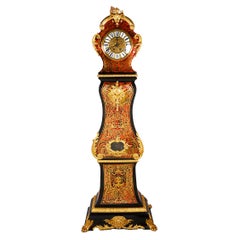
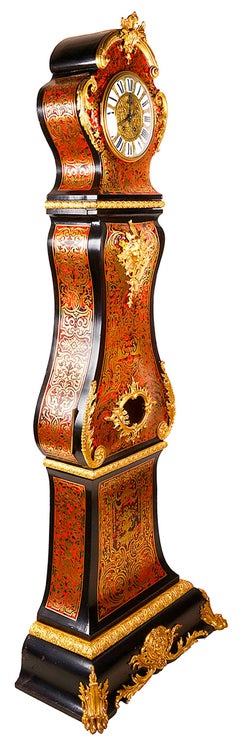
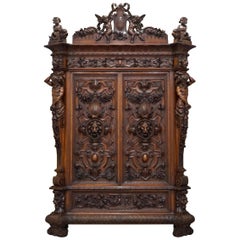
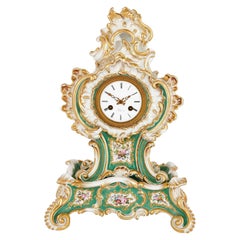
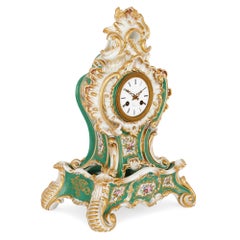
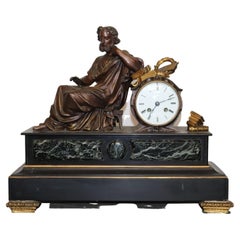
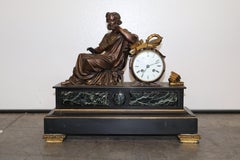
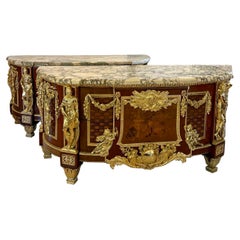
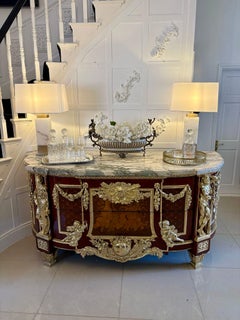
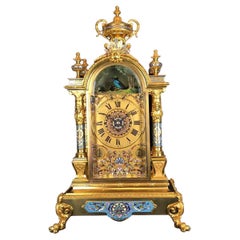
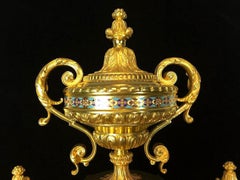
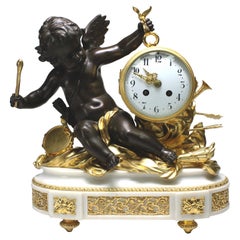
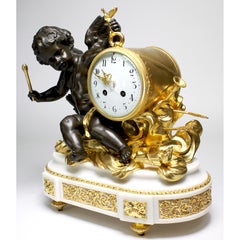
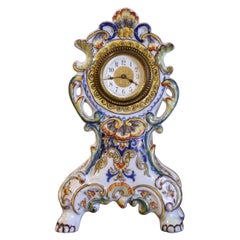
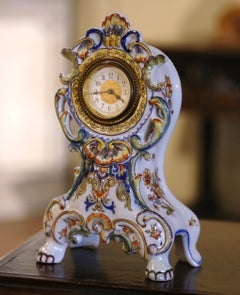
At 1stDibs, there are several options of antique napoleon mantel clocks available for sale. Each of these unique antique napoleon mantel clocks was constructed with extraordinary care, often using
metal,
bronze and
stone. There are all kinds of antique napoleon mantel clocks available, from those produced as long ago as the 18th Century to those made as recently as the 20th Century. Antique napoleon mantel clocks made by
Louis XVI designers — as well as those associated with
Neoclassical — are very popular at 1stDibs. Antique napoleon mantel clocks have been a part of the life’s work for many furniture makers, but those produced by
Japy Frères,
Henri Picard and
Raingo Frères are consistently popular.
Prices for antique napoleon mantel clocks can differ depending upon size, time period and other attributes — at 1stDibs, antique napoleon mantel clocks begin at $510 and can go as high as $225,000, while the average can fetch as much as $7,071.
Under Napoleon III’s rule, Paris underwent a great rebuilding overseen by Baron Georges-Eugène Haussmann, which created grand avenues and lavish landmarks like the Paris Opera. Antique Napoleon III–style furniture was flamboyant and eclectic. It was also known as Second Empire style since it followed and referenced the Empire style of his uncle Napoleon I.
Developing from 1852–70, Napoleon III furniture was plush and ornate, matching the fashion for masked balls and socializing in salons. It borrowed freely from earlier French styles including Louis XIV, Louis XV and Louis XVI as well as aesthetics from around the world, from antiquity to Asian art. As writer Gustave Claudin remarked in 1867, the country’s architects worked in “a style which one would be tempted to call neo-Greco-Gothico-Pompadour-Pompeian.”
Napoleon III chairs were completely covered with velvet and lined with tassels; pouf footstools invited people to put up their feet. Sofas were upholstered with tapestries, and beds were adorned with gilt bronze and theatrical canopies. The addition of conservatories to homes led to new indoor-outdoor furniture, while the spirit of hygiene promoted by Baron Haussmann inspired bright, floral motifs.
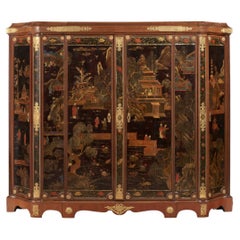
Although the most ostentatious designs were for the elite, as seen in the Napoleon III apartments preserved in the Louvre, where red velvet, gilding and chandeliers create a cacophony of luxury, these trends influenced homes across classes as manufacturing made design increasingly accessible. Papier-mâché furniture allowed for elaborate shapes that would have been difficult to carve in wood. The malleable material was painted with chinoiserie patterns and decorative designs. It was mass-produced by factories such as Jennens and Bettridge with varnishing and mother-of-pearl inlays creating an effect reminiscent of Asian lacquer. (Surfaces that had been “japanned” — a specialty of Jennens and Bettridge — were intended to resemble lacquer work that was created in East Asia.)
Find a collection of antique Napoleon III decorative objects, tables, seating and other furniture on 1stDibs.
Personal time-telling devices may have migrated from our pockets to our wrists and finally onto our phones, but despite the convenience of a handheld digital timekeeper, nothing can beat well-made vintage, new and antique mantel clocks.
Invented by clockmakers in France and popularized in the 18th and 19th centuries, these practical yet ornate pieces were typically displayed on top of fireplaces or desks. While the most common mantel clocks were created in the traditional tambour style, which features a wide base that flares into an upright drum- or camelback-shaped case, modern clockmakers and furniture designers have experimented with their own ideas for these decorative objects over the years, introducing different forms and working with unconventional materials. A collection of whimsical, monochromatic handmade mantel clocks crafted by Dutch designer Kiki van Eijk, called Floating Frames, for example, features minimalist frames of anodized wire and ceramic clockfaces.
When shopping for an antique, vintage or new mantel clock, don’t be afraid to branch out. Wood mantel clocks of any era will bring a classic, elegant allure to the shelving in your living room or the bookcase in your bedroom, while Empire-style mantel clocks will comparatively boast eye-catching gilt bronze and pronounced sculptural attributes. Some Art Deco mantel clocks will feature an integration of marble or glass and will likely be marked by the decorative embellishments associated with that particular furniture style.
There’s just something about cool clocks, right? Spend your time with an extraordinary collection of mantel clocks on 1stDibs today.