Still Life Lilacs
1960s Modern Mixed Media
Paper, Adhesive, Acrylic, Carbon Pencil
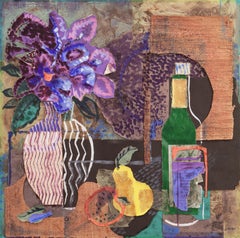
2010s Expressionist Still-life Paintings
Canvas, Oil
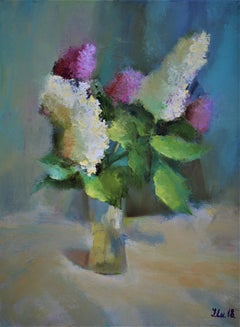

2010s Realist Still-life Paintings
Canvas, Oil
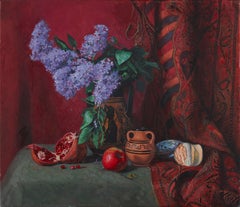
20th Century Still-life Paintings
Canvas, Oil
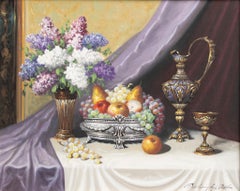
Mid-20th Century Impressionist Still-life Paintings
Oil
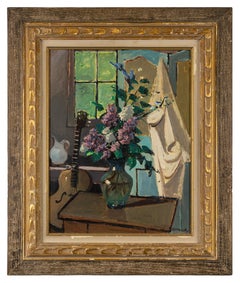
2010s Expressionist Still-life Paintings
Canvas, Oil
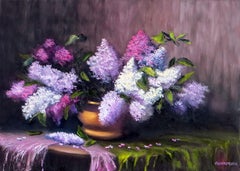
19th Century Still-life Paintings
Paper, Gouache
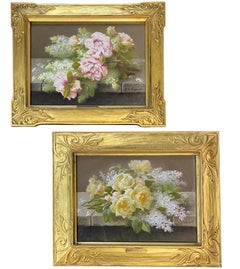
21st Century and Contemporary American Impressionist Still-life Paintings
Canvas, Oil
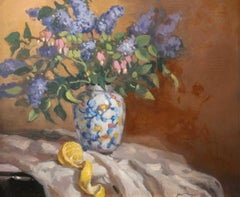
2010s Impressionist Still-life Paintings
Canvas, Oil
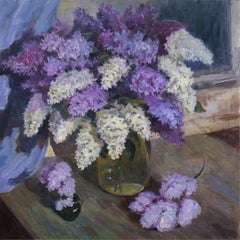
2010s Impressionist Still-life Paintings
Oil, Cotton Canvas
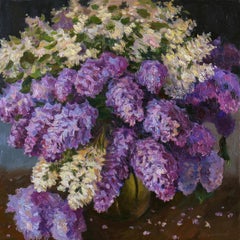
2010s Impressionist Still-life Paintings
Oil, Cardboard
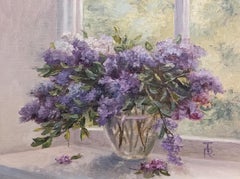
20th Century American Realist Still-life Paintings
Canvas, Oil
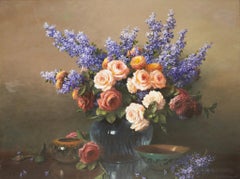
21st Century and Contemporary Impressionist Still-life Paintings
Linen, Oil
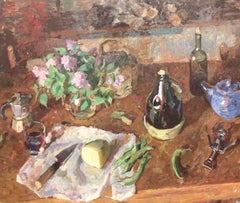
2010s Contemporary Still-life Paintings
Canvas, Acrylic
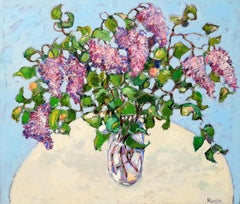
2010s Impressionist Still-life Paintings
Canvas, Linen, Oil
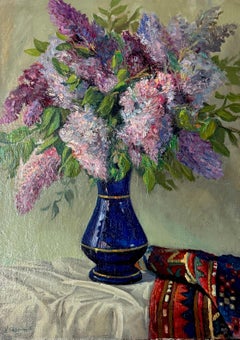
2010s Impressionist Still-life Paintings
Canvas, Oil
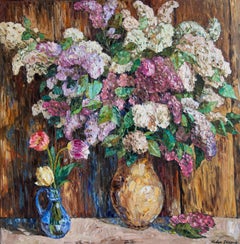
2010s Contemporary Still-life Paintings
Canvas, Oil
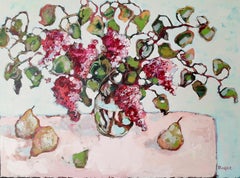
1960s Abstract Impressionist Still-life Paintings
Gouache, Paper
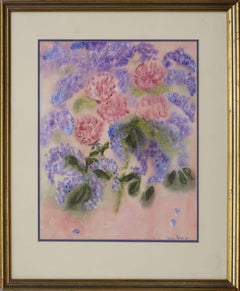
2010s Still-life Paintings
Canvas, Oil
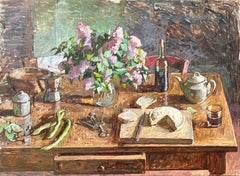
2010s Contemporary Still-life Paintings
Canvas, Oil
2010s Impressionist Still-life Paintings
Canvas, Oil
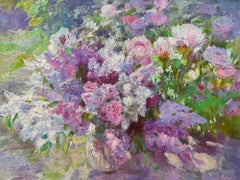
2010s Impressionist Still-life Paintings
Canvas, Oil
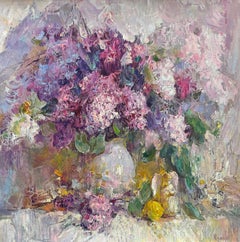
1920s Modern Still-life Paintings
Oil
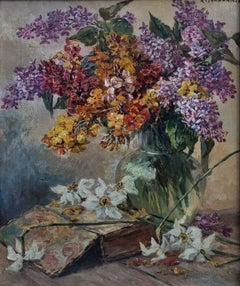
21st Century and Contemporary American Impressionist Still-life Paintings
Canvas, Oil
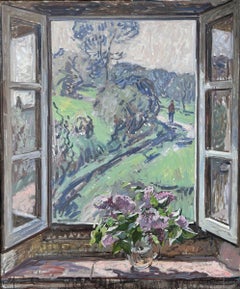
2010s Modern Still-life Paintings
Canvas, Oil
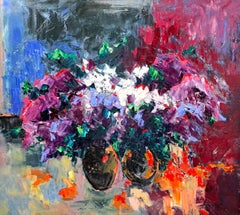
2010s Impressionist Still-life Paintings
Canvas, Oil
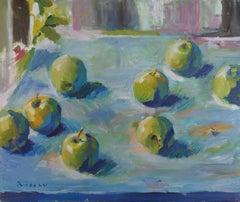
2010s Impressionist Still-life Paintings
Canvas, Oil, Stretcher Bars
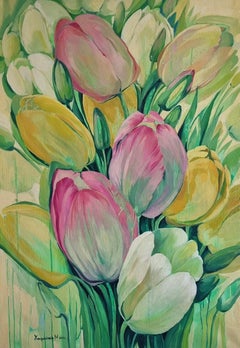
2010s Impressionist Still-life Paintings
Canvas, Oil
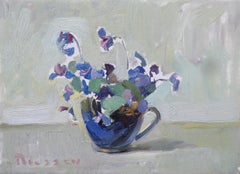
2010s Impressionist Still-life Paintings
Canvas, Oil
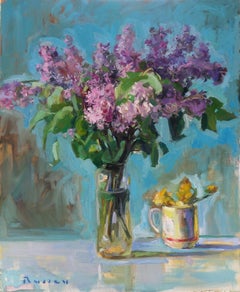
2010s Impressionist Still-life Paintings
Canvas, Oil, Stretcher Bars
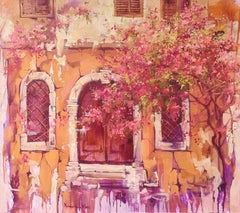
1980s Realist Still-life Paintings
Linen, Oil
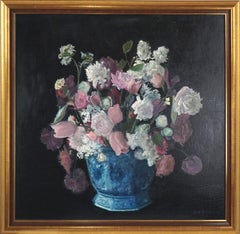
2010s Impressionist Still-life Paintings
Canvas, Oil
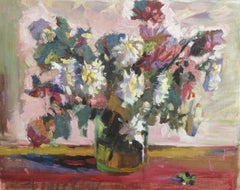
Early 1900s Impressionist Still-life Paintings
Canvas, Oil
2010s Impressionist Still-life Paintings
Canvas, Oil
2010s Impressionist Still-life Paintings
Canvas, Oil
Late 19th Century Still-life Paintings
Paper, Gouache
2010s Impressionist Still-life Paintings
Canvas, Oil
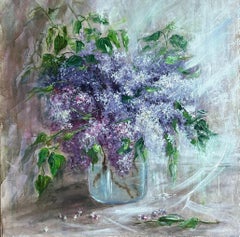
2010s Realist Still-life Paintings
Canvas, Oil
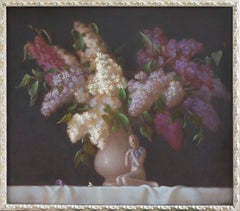
2010s Contemporary Still-life Prints
Etching, Aquatint
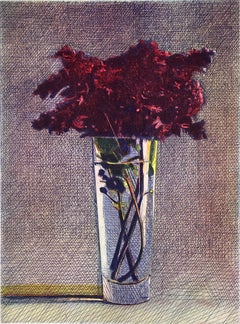
2010s Realist Still-life Paintings
Oil
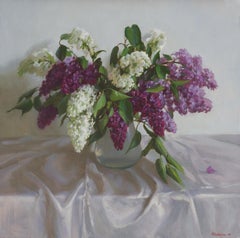
2010s Still-life Paintings
Oil, Linen
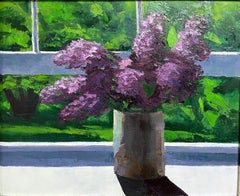
2010s Still-life Paintings
Linen, Oil Pastel
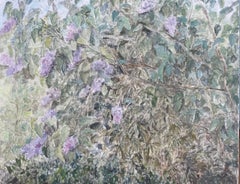
20th Century Impressionist Still-life Paintings
Canvas, Oil

2010s Aesthetic Movement Still-life Paintings
Canvas, Oil
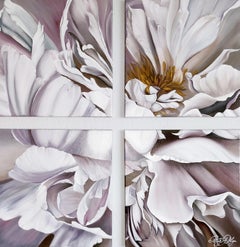
1880s Academic Still-life Paintings
Oil
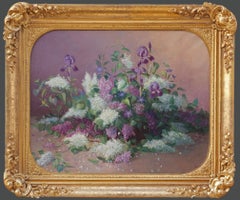
2010s Impressionist Still-life Paintings
Canvas, Oil
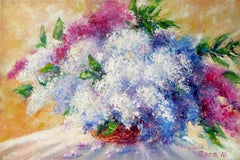
2010s Impressionist Still-life Paintings
Oil
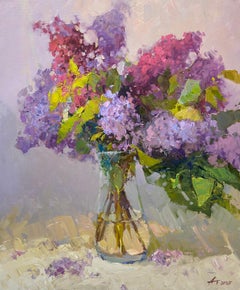
2010s Contemporary Still-life Paintings
Canvas, Oil
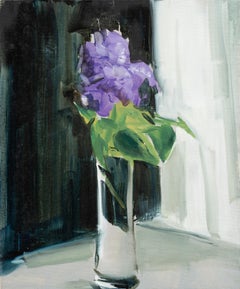
2010s Impressionist Still-life Paintings
Canvas, Oil
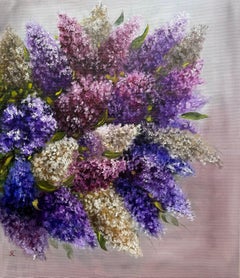
2010s Impressionist Still-life Paintings
Canvas, Oil
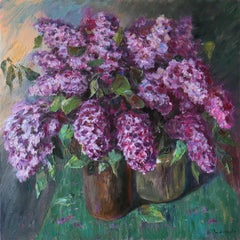
2010s Impressionist Still-life Paintings
Oil, Cardboard
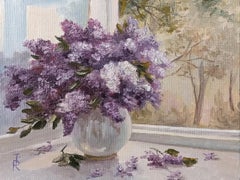
21st Century and Contemporary Impressionist Still-life Paintings
Oil
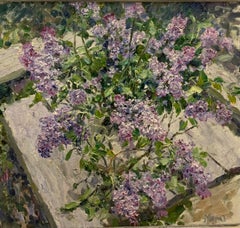
1970s Realist Still-life Paintings
Canvas, Oil
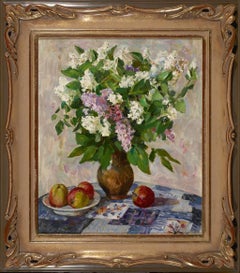
Mid-20th Century American Impressionist Still-life Paintings
Canvas, Oil
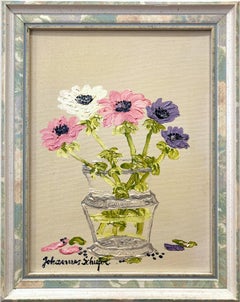
2010s American Impressionist Still-life Paintings
Oil, Wood Panel
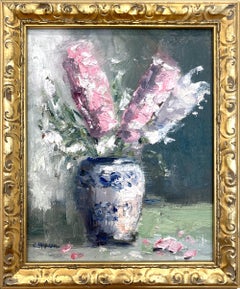
20th Century Post-Impressionist Still-life Paintings
Oil, Canvas
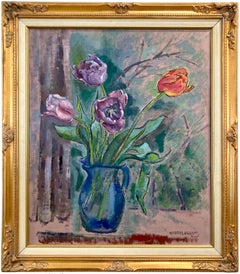
Early 20th Century American Impressionist Still-life Paintings
Canvas, Oil, Board
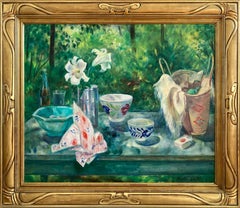
- 1
Still Life Lilacs For Sale on 1stDibs
How Much are Still Life Lilacs?
Finding the Right Still-life-paintings for You
Still-life paintings work as part of the decor in nearly every type of space.
Still-life art, which includes work produced in media such as painting, photography, video and more, is a popular genre in Western art. However, the depiction of still life in color goes back to Ancient Egypt, where paintings on the interior walls of tombs portrayed the objects — such as food — that a person would take into the afterlife. Ancient Greek and Roman mosaics and pottery also often depicted food. Indeed, still-life paintings frequently feature food, flowers or man-made objects. By definition, still-life art represents anything that is considered inanimate.
During the Middle Ages, the still life genre was adapted by artists who illustrated religious manuscripts. A common theme of these paintings is the reminder that life is fleeting. This is especially true of vanitas, a kind of still life with roots in the Netherlands during the 17th century, which was built on themes such as death and decay and featured skulls and objects such as rotten fruit. In northern Europe during the 1600s, painters consulted botanical texts to accurately depict the flowers and plants that were the subject of their work.
Leonardo da Vinci’s penchant for observing phenomena in nature and filling notebooks with drawings and notes helped him improve as an artist of still-life paintings. Vincent van Gogh, an artist who made a couple of the most expensive paintings ever sold, carried out rich experiments with color over the course of painting hundreds of still lifes, and we can argue that Campbell’s Soup Cans (1961–62) by Andy Warhol counts as still-life art.
While early examples were primarily figurative, you can find still lifes that belong to different schools and styles of painting, such as Cubism, Impressionism and contemporary art.
As part of the wall decor in your living room, dining room or elsewhere, a still-life painting can look sophisticated alongside your well-curated decorative objects and can help set the mood in a space.
When shopping for a still-life painting, think about how it makes you feel and how the artist chose to represent its subject. When buying any art for your home, choose pieces that you connect with. If you’re shopping online, read the description of the work to learn about the artist and check the price and shipping information. Make sure that the works you choose complement or relate to your overall theme and furniture style. Artwork can either fit into your room’s color scheme or serve as an accent piece. Introduce new textures to a space by choosing an oil still-life painting.
On 1stDibs, find a collection of still-life paintings in a wide range of styles and subject matter.
- What is a still life?1 Answer1stDibs ExpertFebruary 22, 2021A still life is a type of painting or drawing portraying an arrangement of different objects. Typically, these subjects include fruit, flowers, dining ware, and glassware.
- 1stDibs ExpertAugust 29, 2024No, a still life doesn't have to be realistic. Still life is a genre or type of subject matter. To fit the definition, a piece simply needs to portray inanimate objects. Artists can employ any style they choose to represent the objects in their paintings. Some examples of abstract still-life paintings include Georges Braque's Violin and Candlestick, Pablo Picasso's Still Life with Chair Caning and Paul Cézanne's Fruit Bowl, Glass, and Apples. Find a large collection of still-life paintings on 1stDibs.
- What is Flemish still life?1 Answer1stDibs ExpertApril 5, 2022Pronkstilleven is a type of still life that was developed in the 1640s by Flemish artists. Rather than traditional still-life paintings, these emphasized abundances and various objects considered to be part of a luxurious life such as fruits, flowers and wild game. On 1stDibs, find a variety of original artwork from top artists.
- What is Dutch still life?1 Answer1stDibs ExpertApril 5, 2022Dutch still life paintings are painted works of art depicting everyday objects that were produced in the Netherlands during the 16th and 17th centuries. Although the pictured items are realistic, they tend to have symbolic meanings. On 1stDibs, shop a selection of Dutch still life paintings.
- What is a still-life painting?1 Answer1stDibs ExpertSeptember 25, 2019
A still- life painting depicts inanimate, everyday objects.
- Why is it called still life?1 Answer1stDibs ExpertNovember 26, 2024Why it is called still life has to do with the history of the art genre. Still life painting became a distinct genre thanks to the work of late 16th- and 17th-century Dutch artists. They called their paintings stilleven, which translates to motionless or silent life in English. This term relates to the fact that Dutch still life artists painted motionless objects such as flowers and fruit. As the genre spread beyond the Netherlands, English-speaking artists referred to it as still life. Shop a selection of still life paintings on 1stDibs.
- What is a still life image?1 AnswerLilac Gallery Ltd.March 17, 2021A 'Still Life' image refers to a work of art where the main subject usually portrays an intimate interior scene showing natural objects like food, flowers, dead animals, plants, rocks, shells, etc. or man-made objects like drinking glasses, books, vases, jewelry, coins, pipes, etc. which are mostly arranged on top of a flat surface like a table or mantel.
- 1stDibs ExpertSeptember 25, 2019
The subject of a portrait is typically a person; the subject of a still life consists predominantly of inanimate objects.
- Is still life art realism?1 Answer1stDibs ExpertApril 5, 2022Whether or not still life art is realism depends on the piece. Dutch still lifes produced during the 17th, 18th and 19th centuries are examples of a realistic style. Impressionist and Expressionist still lifes from the late 19th and early 20th centuries are not realistic. Shop a variety of still life art on 1stDibs.
- 1stDibs ExpertSeptember 25, 2019
Although still lifes occur in ancient murals, Jacopo de’Barbari is considered to have painted the first still life, in 1504.
- 1stDibs ExpertApril 5, 2022Most people considered the nationality of the still life technique to be Dutch. This is because Realist still life painting originated in Holland in the 16h century. However, artists from other parts of the world also work in the genre. On 1stDibs, shop a range of still life paintings.
- La ChrysomeleFebruary 23, 2021A still life painting portrays inanimate subjects of small to medium size : a bouquet, a cup of fruits, cooking utensils, a set of keys, etc.
 Glenn Green GalleriesFebruary 25, 2021A still-life painting is typically a group of arranged objects in an intimate setting. The term comes from the Dutch word "stilleven".
 - 1stDibs ExpertMarch 22, 2022In his work Still Life with Fuji Chrysanthemums, Tom Wesselmann used well-defined contour lines to depict flowers, fruit and other household objects. The American Pop artist made the piece of laser-cut steel and designed it to hang on the wall like a canvas painting. Shop a variety of Tom Wesselmann art on 1stDibs.
Read More
Impressionist Rebel Camille Pissarro Made the Everyday Feel Radical
In Denver, a major new retrospective reveals how the painter’s devotion to ordinary life — and his fearless shifts in style — shaped modern art.
The Real World Portraitist of “The Gilded Age,” Season Three
Only the best painter could suit the calculatedly extravagant Bertha Russell.
See Kent Monkman’s Magical Realist Take on Frontier History
With a solo show at the Denver Art Museum and a commission from the Met, the Cree Canadian painter has become an international sensation.
Yale’s Trove of British Art Is Back on View in a Refreshed Louis Kahn Building
After a two-year closure, they Yale Center for British Art opens its doors again, with all sorts of changes to its building and programming.
At 89, Artist Lucio Pozzi Is Reaching New Career Heights
The Italian-American’s 2020 abstract painting “The Hoe” personifies his “art of not knowing.”
The 1stDibs Guide to Types of Abstract Art
Get to know the key movements and artists who have influenced visual culture for more than a century.
With a Show at MoMA, Marlon Mullen Paints Pictures That Are beyond Words
The nonspeaking California artist is having a moment, with vivacious paintings that play on art-magazine covers as well as more mysterious abstractions.
The Vibrant Beauty of Orphist Art Supersedes Its Perplexing Name
This kaleidoscopic early-modern art style has long deserved another look. Now, the Guggenheim museum is doing just that.