Art Deco furniture is characterized by its celebration of modern life. More than its emphasis on natural wood grains and focus on traditional craftsmanship, vintage Art Deco dining chairs, tables, desks, cabinets and other furniture — which typically refers to pieces produced during the 1920s and 1930s — is an ode to the glamour of the “Roaring Twenties.”
ORIGINS OF ART DECO FURNITURE DESIGN
CHARACTERISTICS OF ART DECO FURNITURE DESIGN
- Bold geometric lines and forms, floral motifs
- Use of expensive materials such as shagreen or marble as well as exotic woods such as mahogany, ebony and zebra wood
- Metal accents, shimmering mirrored finishes
- Embellishments made from exotic animal hides, inlays of mother-of-pearl or ivory
ART DECO FURNITURE DESIGNERS TO KNOW
VINTAGE ART DECO FURNITURE ON 1STDIBS
Few design styles are as universally recognized and appreciated as Art Deco. The term alone conjures visions of the Roaring Twenties, Machine Age metropolises, vast ocean liners, sleek typography and Prohibition-era hedonism. The iconic movement made an indelible mark on all fields of design throughout the 1920s and ’30s, celebrating society’s growing industrialization with refined elegance and stunning craftsmanship.
Widely known designers associated with the Art Deco style include Émile-Jacques Ruhlmann, Eileen Gray, Maurice Dufrêne, Paul Follot and Jules Leleu.
The term Art Deco derives from the name of a large decorative arts exhibition held in Paris in 1925. “Art Deco design” is often used broadly, to describe the work of creators in associated or ancillary styles. This is particularly true of American Art Deco, which is also called Streamline Moderne or Machine Age design. (Streamline Moderne, sometimes known as Art Moderne, was a phenomenon largely of the 1930s, post–Art Nouveau.)
Art Deco textile designers employed dazzling floral motifs and vivid colors, and while Art Deco furniture makers respected the dark woods and modern metals with which they worked, they frequently incorporated decorative embellishments such as exotic animal hides as well as veneers in their seating, case pieces, living room sets and bedroom furniture.
From mother-of-pearl inlaid vitrines to chrome aviator chairs, bold and inventive works in the Art Deco style include chaise longues (also known as chaise lounges) and curved armchairs. Today, the style is still favored by interior designers looking to infuse a home with an air of luxury and sophistication.
The vintage Art Deco furniture for sale on 1stDibs includes dressers, coffee tables, decorative objects and more.
When you’re shopping for antique, new and vintage children’s furniture, you’ll want your choices to fit nicely within the decor scheme of the rest of your home. But you’ll also want to create an alluring and inspirational space for your children to feel relaxed and encouraged creatively. Indeed, a child’s room can be simultaneously stylish and playful — the ideal environment for children.
Understandably, beds were the first piece of furniture designed for young children. In Ancient Egypt, children’s beds were scaled-down versions of adult beds. They were intended to be a logical size for a child and low enough to the ground so that they could climb in by themselves.
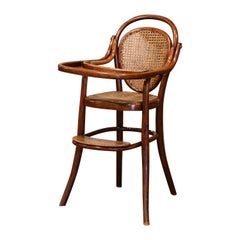
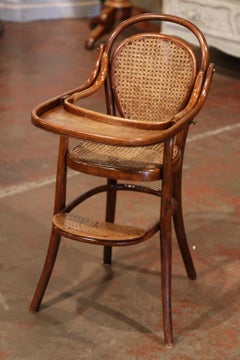
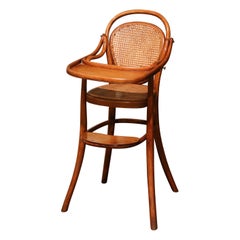
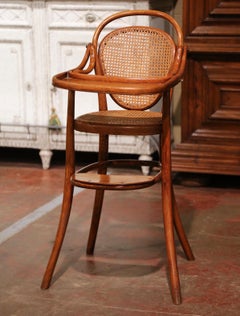
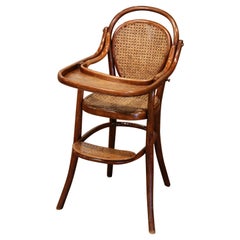
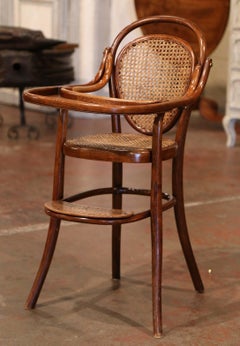
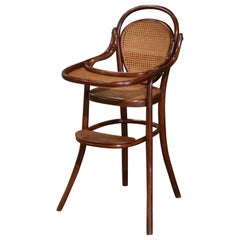
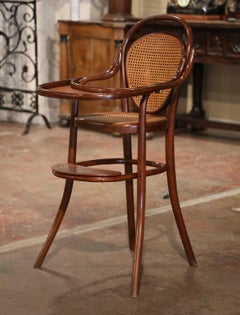
Historians discovered early high chairs in Ancient Greece. In the 6th century B.C., a child’s training potty might have also been used as a high chair, while archaeologists on a dig discovered a terracotta high chair in a marketplace in Athens. By the Renaissance period, children’s bookshelves were popular with upper-class families who had disposable income and the desire to beautify all areas of the home. The original purpose was to organize school books, but shelves eventually became integral to children’s rooms of the era.
In the early 20th century, Italian physician Maria Montessori changed the way designers thought about children’s furniture. She wrote that it was important for children to have a safe environment of their own that they could easily navigate. Montessori believed that children’s furniture should be sized for them but that it should also be made of light, durable materials so that it’s easy for them to carry if needed.
Today’s widely known mid-century modern furniture designers took interest in the idea that young children should have well-crafted furniture of their own. You can find vintage mid-century modern children’s furniture created by the likes of Harry Bertoia, Charles and Ray Eames and Alvar Aalto. Contemporary industrial designer and architect Philippe Starck is also known for having introduced versions of his furniture that were geared toward children, especially his seating and storage solutions.
It’s never too early for good design. Decorating a child’s room offers the opportunity to combine elevated furnishings and a youthful spirit and can result in spaces that are at once elegant and whimsical. On 1stDibs, find design ideas for children’s rooms as well as a variety of new, antique and vintage children’s furniture today.