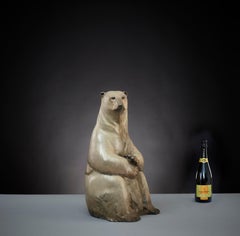
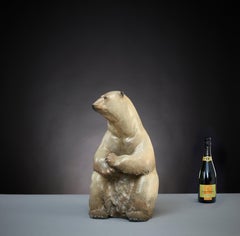
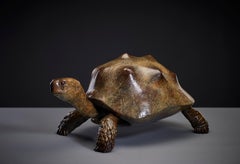
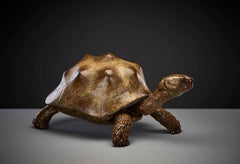
Tobias Martin For Sale on 1stDibs
Surely you’ll find the exact tobias martin you’re seeking on 1stDibs — we’ve got a vast assortment for sale. On 1stDibs, the right tobias martin is waiting for you and the choices span a range of colors that includes
gold. Artworks like these of any era or style can make for thoughtful decor in any space, but a selection from our variety of those made in
bronze and
metal can add an especially memorable touch. A large tobias martin can be an attractive addition to some spaces, while smaller examples are available — approximately spanning 8 high and 8 wide — and may be better suited to a more modest living area.
How Much is a Tobias Martin?
The average selling price for a tobias martin we offer is $8,250, while they’re typically $8,250 on the low end and $8,250 for the highest priced.
Tobias Martin for sale on 1stDibs
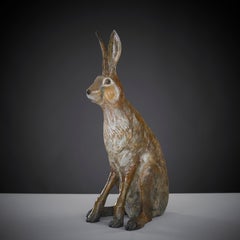
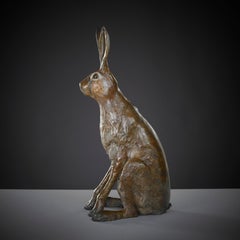
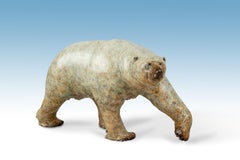
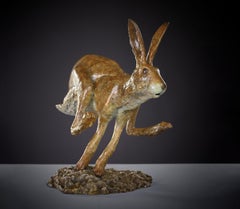
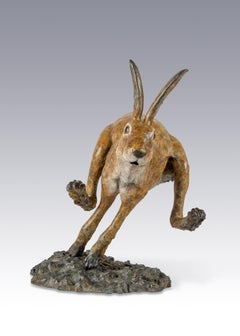
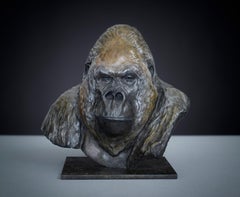
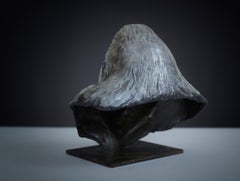
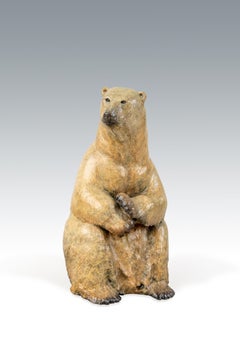
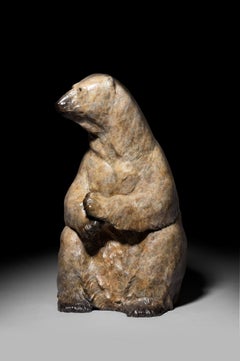
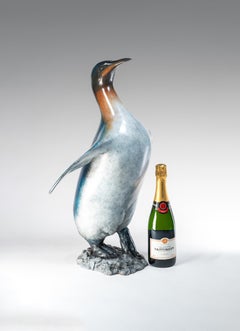
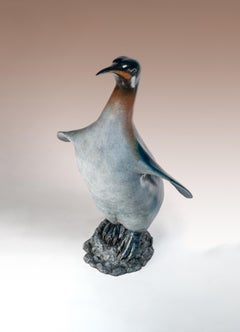
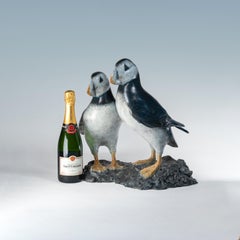
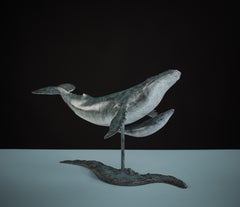
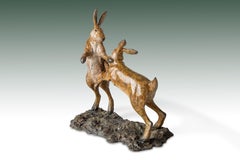
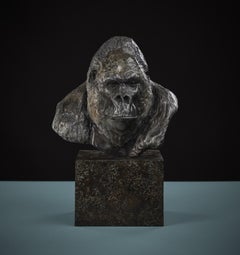
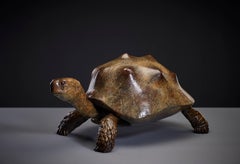
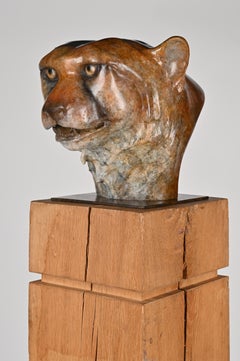
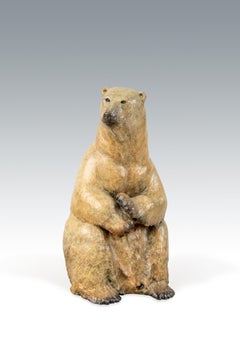
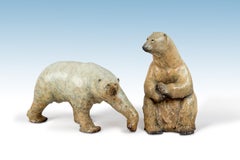
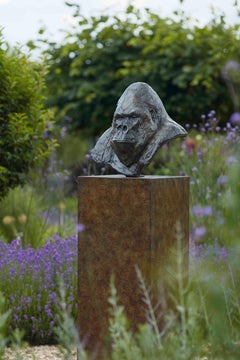
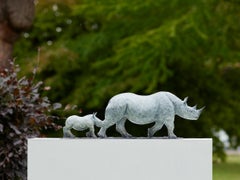
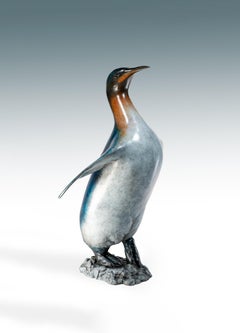
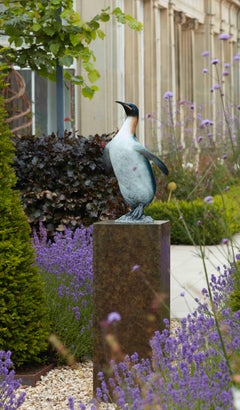
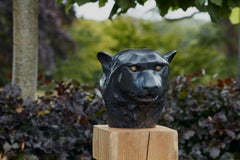
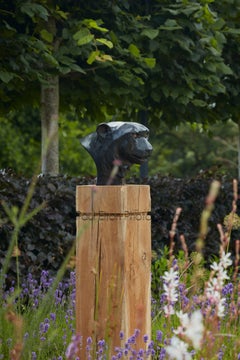
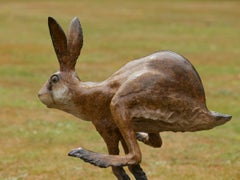
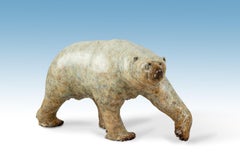
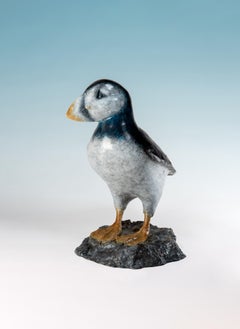
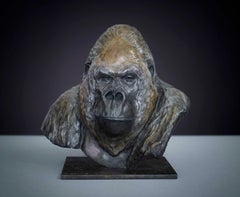
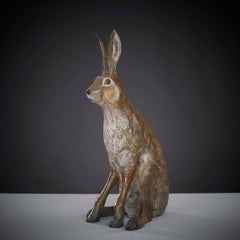
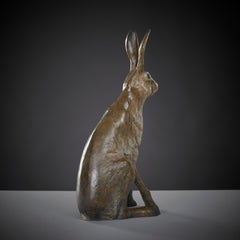
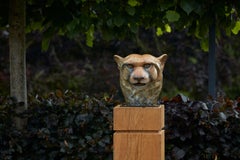
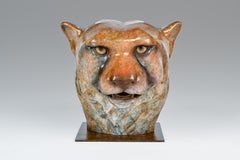
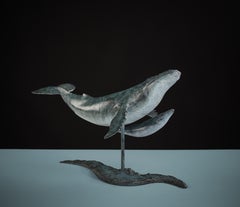
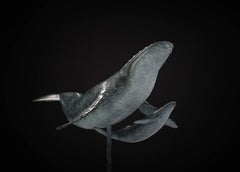
Tobias Martin was born in Wiltshire, 12 miles from Stonehenge. Influenced by his idyllic rural upbringing, and the forces of nature and magic that permeated his childhood surroundings, these works have something of the mystical about them.
After graduating from Saint Martin’s School of Art in 1999, he still remains and works in London. His work has been shown within many prestigious, including the Royal Academy. His work can be seen as an attempt to visually articulate a great epistemological challenge: that of the human mind encountering the intellectually imponderable.
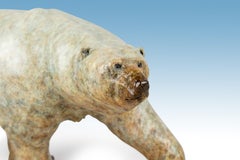
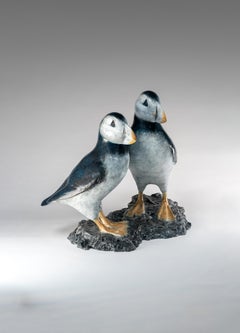
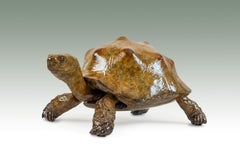
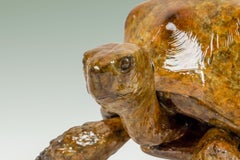
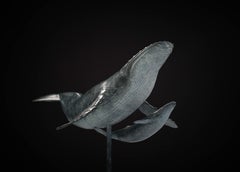
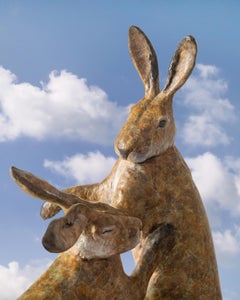
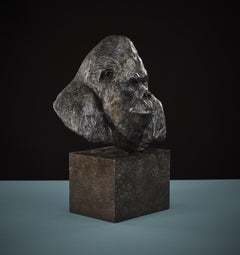
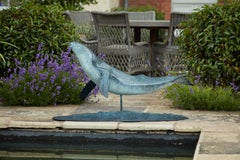
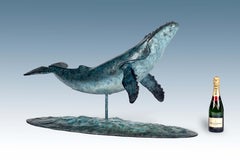
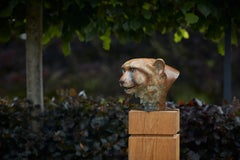
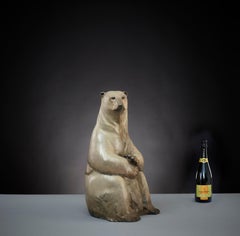
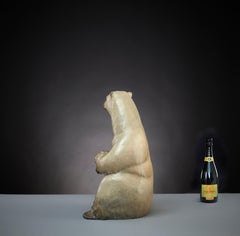
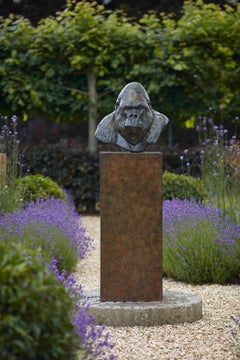
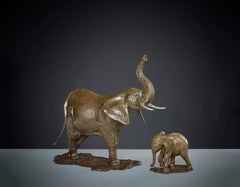
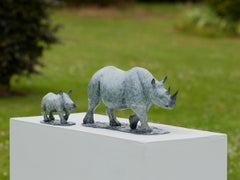
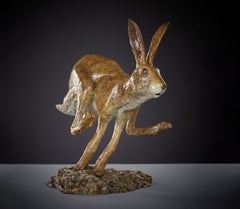
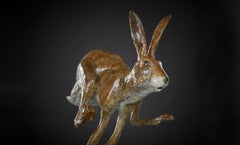
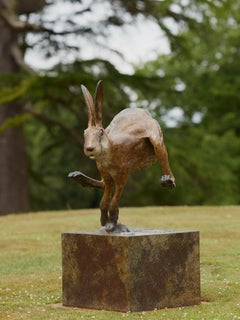
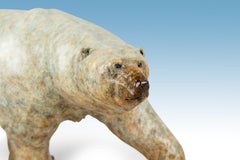
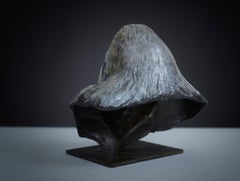
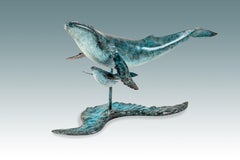
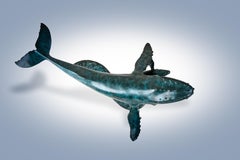
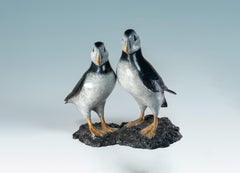
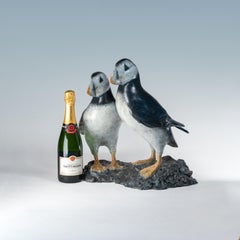
Each piece is approached with precise observation and an acute interest in the minutiae of the subject matter, manipulating the material with a delicacy and lightness of touch. Despite being realised in heavy materials such as bronze, the resulting piece achieves a sense of movement and character that conveys the essential spirit of the animal. Encompassing elements of sculpture, installation, drawing, performance and video - Tobias’ practice partly relies upon the translation of scientific research methodologies to the processes of art making. This is perfectly applied particularly Tobias’ animal sculptures which capture the characteristic essence of the individual species.
A Close Look at Contemporary Art
Used to refer to a time rather than an aesthetic, Contemporary art generally describes pieces created after 1970 or being made by living artists anywhere in the world. This immediacy means it encompasses art responding to the present moment through diverse subjects, media and themes. Contemporary painting, sculpture, photography, performance, digital art, video and more frequently includes work that is attempting to reshape current ideas about what art can be, from Felix Gonzalez-Torres’s use of candy to memorialize a lover he lost to AIDS-related complications to Jenny Holzer’s ongoing “Truisms,” a Conceptual series that sees provocative messages printed on billboards, T-shirts, benches and other public places that exist outside of formal exhibitions and the conventional “white cube” of galleries.
Contemporary art has been pushing the boundaries of creative expression for years. Its disruption of the traditional concepts of art are often aiming to engage viewers in complex questions about identity, society and culture. In the latter part of the 20th century, contemporary movements included Land art, in which artists like Robert Smithson and Michael Heizer create large-scale, site-specific sculptures, installations and other works in soil and bodies of water; Sound art, with artists such as Christian Marclay and Susan Philipsz centering art on sonic experiences; and New Media art, in which mass media and digital culture inform the work of artists such as Nam June Paik and Rafaël Rozendaal.
The first decades of the 21st century have seen the growth of Contemporary African art, the revival of figurative painting, the emergence of street art and the rise of NFTs, unique digital artworks that are powered by blockchain technology.
Major Contemporary artists practicing now include Ai Weiwei, Cecily Brown, David Hockney, Yayoi Kusama, Jeff Koons, Takashi Murakami and Kara Walker.
Find a collection of Contemporary prints, photography, paintings, sculptures and other art on 1stDibs.
Finding the Right Sculptures for You
The history of sculpture as we know it is believed to have origins in Ancient Greece, while small sculptural carvings are among the most common examples of prehistoric art. In short, sculpture as a fine art has been with us forever. A powerful three-dimensional means of creative expression, sculpture has long been most frequently associated with religion — consider the limestone Great Sphinx in Giza, Egypt — while the tradition of collecting sculpture, which has also been traced back to Greece as well as to China, far precedes the emergence of museums.
Technique and materials in sculpture have changed over time. Stone sculpture, which essentially began as images carved into cave walls, is as old as human civilization itself. The majority of surviving sculpted works from ancient cultures are stone. Traditionally, this material and pottery as well as metal — bronze in particular — were among the most common materials associated with this field of visual art. Artists have long sought new ways and materials in order to make sculptures and express their ideas. Material, after all, is the vehicle through which artists express themselves, or at least work out the problems knocking around in their heads. It also allows them to push the boundaries of form, subverting our expectations and upending convention. As an influential sculptor as much as he was a revolutionary painter and printmaker, Pablo Picasso worked with everything from wire to wood to bicycle seats.
If you are a lover of art and antiques or are thinking of bringing a work of sculpture into your home for the first time, there are several details to keep in mind. As with all other works of art, think about what you like. What speaks to you? Visit local galleries and museums. Take in works of public art and art fairs when you can and find out what kind of sculpture you like. When you’ve come to a decision about a specific work, try to find out all you can about the piece, and if you’re not buying from a sculptor directly, work with an art expert to confirm the work’s authenticity.
And when you bring your sculpture home, remember: No matter how big or small your new addition is, it will make a statement in your space. Large- and even medium-sized sculptures can be heavy, so hire some professional art handlers as necessary and find a good place in your home for your piece. Whether you’re installing a towering new figurative sculpture — a colorful character by KAWS or hyperreal work by Carole A. Feuerman, perhaps — or an abstract work by Won Lee, you’ll want the sculpture to be safe from being knocked over. (You’ll find that most sculptures should be displayed at eye level, while some large busts look best from below.)
On 1stDibs, find a broad range of exceptional sculptures for sale. Browse works by your favorite creator, style, period or other attribute.