Trish Andersen For Sale on 1stDibs
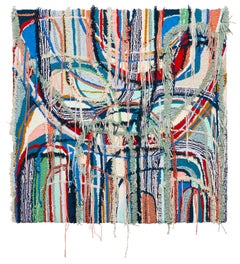
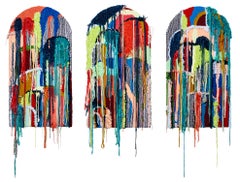
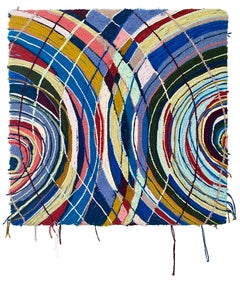
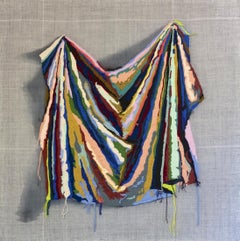
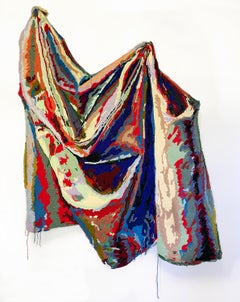
Find the exact trish andersen you’re shopping for in the variety available on 1stDibs. When looking for the right trish andersen for your space, you can search on 1stDibs by color — popular works were created in bold and neutral palettes with elements of
gray,
beige,
brown and
purple. Frequently made by artists working in
cord,
yarn and
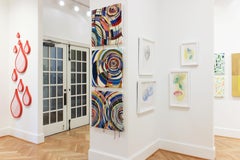
canvas, these artworks are unique and have attracted attention over the years. A large trish andersen can prove too dominant for some spaces — a smaller trish andersen, measuring 24 high and 24 wide, may better suit your needs.
How Much is a Trish Andersen?
The price for an artwork of this kind can differ depending upon size, time period and other attributes — a trish andersen in our inventory may begin at $1,600 and can go as high as $6,400, while the average can fetch as much as $4,500.
Trish Andersen for sale on 1stDibs
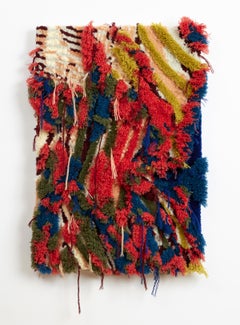
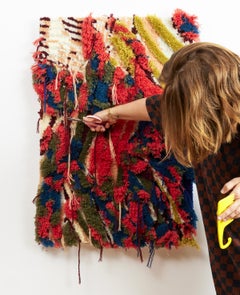
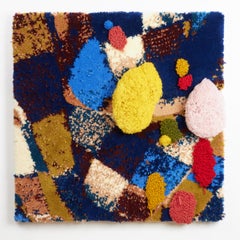
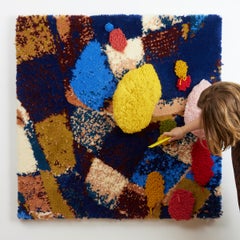
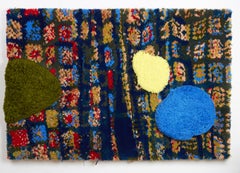
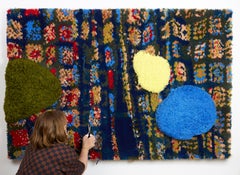
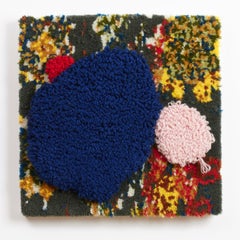
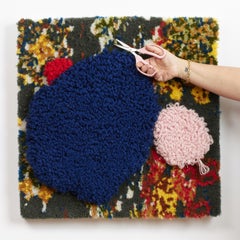
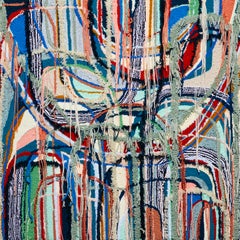
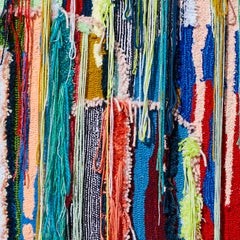
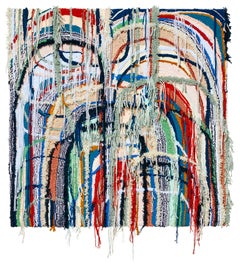
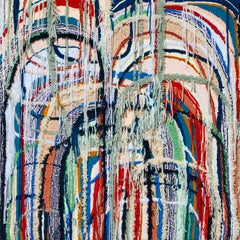
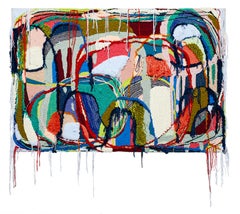
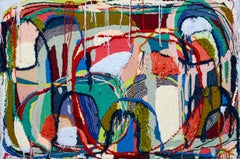
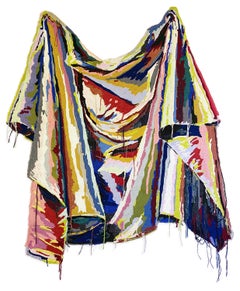
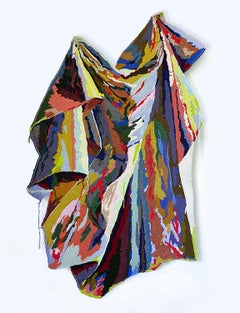
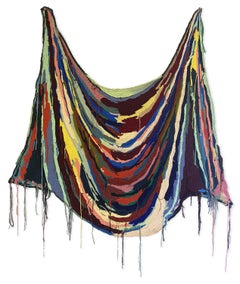
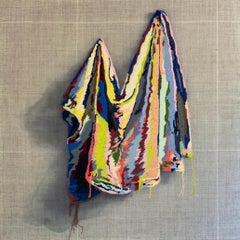
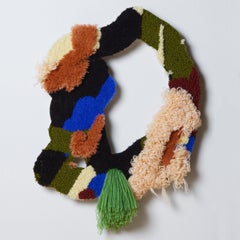
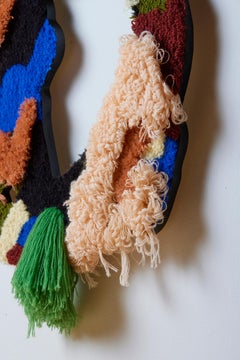
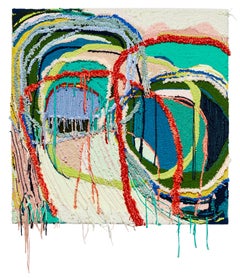
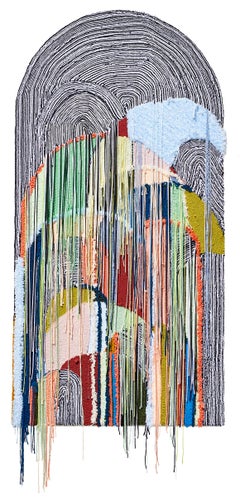
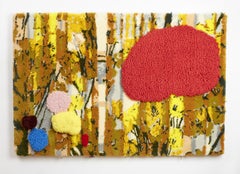
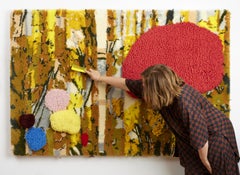
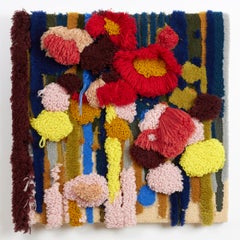
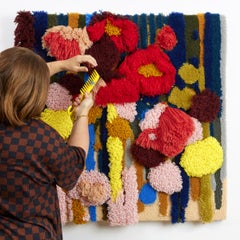
Trish Andersen is inspired by the work of Sheila Hicks, Cy Twombly, Judith Scott and Nick Cave. As an interdisciplinary artist born and raised in Dalton, Georgia The Carpet Capital of the World, Andersen's initial attraction to the process of tufting was a means to reconnect with and explore her roots. Years after attending the Savannah College of Art and Design, where she graduated with a BFA in Fibers and moving on to live and work in Brooklyn, New York, she began using tufting as a medium for art-making. This process became an examination of the notion that a thing or a way of being can run in our blood, that perhaps by observing the characteristics of personal origin and establishing commonality and community around those that reverberate in the present, one may be able to begin unearthing the elusive authentic self. Andersen currently lives and works in Savannah, Georgia.
A Close Look at Abstract Art
Beginning in the early 20th century, abstract art became a leading style of modernism. Rather than portray the world in a way that represented reality, as had been the dominating style of Western art in the previous centuries, abstract paintings, prints and sculptures are marked by a shift to geometric forms, gestural shapes and experimentation with color to express ideas, subject matter and scenes.
Although abstract art flourished in the early 1900s, propelled by movements like Fauvism and Cubism, it was rooted in the 19th century. In the 1840s, J.M.W. Turner emphasized light and motion for atmospheric paintings in which concrete details were blurred, and Paul Cézanne challenged traditional expectations of perspective in the 1890s.
Some of the earliest abstract artists — Wassily Kandinsky and Hilma af Klint — expanded on these breakthroughs while using vivid colors and forms to channel spiritual concepts. Painter Piet Mondrian, a Dutch pioneer of the art movement, explored geometric abstraction partly owing to his belief in Theosophy, which is grounded in a search for higher spiritual truths and embraces philosophers of the Renaissance period and medieval mystics. Black Square, a daringly simple 1913 work by Russian artist Kazimir Malevich, was a watershed statement on creating art that was free “from the dead weight of the real world,” as he later wrote.
Surrealism in the 1920s, led by artists such as Salvador Dalí, Meret Oppenheim and others, saw painters creating abstract pieces in order to connect to the subconscious. When Abstract Expressionism emerged in New York during the mid-20th century, it similarly centered on the process of creation, in which Helen Frankenthaler’s expressive “soak-stain” technique, Jackson Pollock’s drips of paint, and Mark Rothko’s planes of color were a radical new type of abstraction.
Conceptual art, Pop art, Hard-Edge painting and many other movements offered fresh approaches to abstraction that continued into the 21st century, with major contemporary artists now exploring it, including Anish Kapoor, Mark Bradford, El Anatsui and Julie Mehretu.
Find original abstract paintings, sculptures, prints and other art on 1stDibs.
Finding the Right Mixed Media for You
Mixed media is a type of art that sees artists using a range of materials or more than one medium. Find a range of mixed media paintings and other artworks for your space today on 1stDibs.
Mixed media is distinct from multimedia, which describes art involving electronic media, including video, computers and digital elements. Artists combine painting, drawing, photography and sculpture for mixed media art. Instead of sticking to one form, they aim to break boundaries and create unique pieces. Pop art is one of the vibrant periods for mixed media art, with Jasper Johns and Robert Rauschenberg among its most fabled producers. Rauschenberg, like many mixed media artists, used found objects in his work, from cast-off furniture to newspapers.
Collage is one of the most well-known areas of mixed media. Artists use various types of paper, fabric, photographs and more to create one cohesive work. A type of collage is assemblage, which involves 3D objects.
While artists may use fabric in collage, it can be the very substance of the art itself. Fabric art makes extensive use of texture. Artists may paint or embroider on fabric to create layers of texture and color to evoke a specific feeling. They can also transfer photos onto fabric for innovative ways to display visuals.
Resin-based art has clean, sharp lines and a definitive shape. Resin is a liquid that hardens to a high-gloss surface and is used to seal wood, counters and floors. Resin can also seal artwork, and many artists tint it using pigment powder, ink, spray paint and other vivid materials. If water is added, the resin will turn milky instead of being completely transparent. It’s common for artists working in mixed media to use resin on nontraditional surfaces like glass, wood, metal and stone. This creates a shine that’s perfect to brighten a dull space in the home or office.
Find mixed media paintings and other art for sale on 1stDibs.